This is an alternate cover edition of ISBN: 0140202730.
Most people have heard of C.G. Jung, often linking him vaguely with Sigmund Freud. Tho the terms 'complex', 'introvert' & 'extrovert' are now used in common speech, few realize they were coined by him. Frieda Fordam's compact, readable study opens with an outline of Jung's psychology & includes chapters on his theories about psychological types, archetypes of the collective unconscious, religion, psychotherapy & dreams & their interpretation. The author also discusses Jung's contribution to education & offers a biographical sketch.--Back cover
کتاب بدی براش شروع خوانش آثار یونگ و شناختی کلی از آثارش نیست؛ اما آنچنان مناسب هم نیست. ضعف بزرگش طبقهبندی نکردن مطالب است، کلیتی در ذهن پس از خوانش شکل نمیگیرد، بلکه خواننده تنها با ملغمهای از تفکرات نویسنده آشنا شده است؛ این ضعف در کنار ایجاز گویی نویسنده بیشتر خود را نشان میدهد که کارِ دنبالکردن سیر مباحث را برای خواننده دشوارتر میکند.
An Introduction to Jung's Psychology was an OK read, although the writing was pretty dry for the duration...
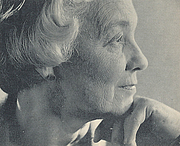
Author Frieda Fordham (born Winefride Rothwell; 23 February 1903 – 7 January 1988) was a psychiatric social worker, Jungian analyst and writer.
Frieda Fordham:
Unfortunately, and despite the book's short length, I found much of the writing here overly flat and boring. I am also admittedly a bit biased on the topic; as I find quite a lot of Jungian analyses questionable.
My main criticism of both Fruedian and Jungian analysis is one I heard leveled in an introductory psych course: It's not that they're wrong, but that they're "not even wrong."
Some of what is covered in the book includes: • Archetypes • Introverts/extroverts • Religion • Psychotherapy • Dreams and their interpretations • Psychology and education • A brief biography of Carl Jung
***********************
Thankfully, this one was a short read that I got through in one sitting. I would have likely put it down if it were longer. Much of this esoteric Jungian jargon just does not resonate very well with me... 2.5 stars.
I read this introduction to analytical psychology early during my fascination with the topic. Frieda, along with her husband Michael, are known for their concentration on educational/developmental matters.
Frieda Fordham's introductory text to the theories and life of Carl Jung strikes a nice balance between being short and accessible without compromising on the depth of explanation that the work of Jung deserves. She provides detailed yet concise descriptions of Jung's ideas related to psychological types, archetypes, the individual and collective unconscious, the role of religion in personal and societal life, the nature of dreams, and the process of psychotherapy. Furthermore, she also provides a brief biohraphy of the man, helping the reader to understand the context in which the ideas were shaped. It's not always simple reading but, then again, neither were Jung's beliefs. My only slight concern is that for certain ideas which are likely to be highly incompatible with the modern reader (e.g. synchronicity, alchemy), she does not apply significant critical analysis or help the reader to understand how such an intelligent man could come to believe in such (seemingly) irrational ideas. Still, a very good introduction for anybody who wants to learn more about Jung or analytical psychology. 7/10
Kitap dediği şeyi gayet iyi yapıyor. Jung'un bakış açısını genel bir şekilde anlamak için güzel bir başlangıç kitabı bence. Daha önce Jung okumuş olmama rağmen bu kitap okuduklarimi genel olarak toparlamami sağladı.
Jung'un bakış açısına gelirsek bazı açılardan mantıklı bulsam da bazı düşünceleri benimle çok örtüşmüyor. Ancak doğru söylediğini düşündüğüm tek bir şey varsa o da bilinçli varlığımızın yanında bizi etkileyen ve bilinçli olarak fark edemediğimiz bir yanımız var ve bu yanımız fazla görmezden gelince kendini çeşitli yollarla bize gösteriyor (rüya veya nevroz gibi). Böyle bir şeyin varlığını fark etmek bana Stoacilik gibi akılcı felsefeleri karşı olan güvenini biraz azalttı açıkçası. Bilinçdışınin varlığını da dikkate alarak geliştirilen bir Stoaci bakış açısı varsa bu ilginç olurdu gibi geliyor bana.
Jung psikolojisinin ana hatlarını oldukça başarılı bir şekilde ortaya koyduğu söylenebilir. Jung'dan sık sık alıntı yapışını beğendim. Jung'la tanışmak için iyi bir tercih olabilir.
A concise, accessible introduction to Jung's thought. Having read some of his work years ago and being deeply impressed by it, I found this book useful for reviewing and distilling Jung's unique outlook. Some portions of the book (for instance, its passing allusions to feminism and "primitive" peoples) are notably dated, and I found myself wondering a bit to what extent Jung's psychology is extricable from certain ideas that haven't aged well. But on the whole it seems likely that one can reconcile contemporary concerns and Jungian psychology. For instance, while we might find Jung's association of women and femininity with irrationality and the unconscious troubling if taken as good for all time, the crux of his argument there (concerning the anima/animus) rightly notes how social gender roles cause people to repress or deny parts of themselves not in keeping with their assumed gender identity, often with dysfunctional results. Indeed, Jung was arguably ahead of his time in proposing that not only do men and women have both "masculine" and "feminine" sides, but that both have deep value in terms of leading a well-integrated, fulfilling life. Even today there is much to salvage and use in Jung's theories, despite the sad fact that they are not quite as in vogue as those of his Freudian and Lacanian counterparts.
Frieda Fordham's introduction to Jung is a perfect concise basis on which to understand the psychology and associated philosophy of Carl Gustav Jung.
With a good overview of Jung's work hard to come across, I thoroughly recommend this as a prerequisite to anyone intending to read more into the subject.
Sometimes Jung's writing can be more convoluted than it needs to be to explain his concepts. I like reading distillations of his theory by other people.
Kitapta temel olarak Jung'un insanı her anlamda karşıtlarıyla yüzleştirerek sınıflandıran tarafına eğilinmiş. Özellikle erkek-kadın ve introvert-extrovert ayrımları çok keskin biçimde ele alınarak detaylıca betimlenmiş. Ancak Jung'un bu öğretileri ortaya koyarkenki motivasyonunun, bu karşıtlıklar arasındaki uçuruma dikkat çekmek olmadığını, aksine her birinin bir diğeri içerisinde eriyerek bütünleştiğini göstermek olduğunu hissettim kitabı okurken. Hatta bu olguların bu kadar net bir şekilde birbirinden ayrılarak ele alınması daha detaylı incelenebilmelerinin önünü açmış bence. Jung'u diğer psikoterapistlerden ayıran ve benim gözümdeki en değerli özelliklerinden biri de psikoloji ve spiritüalizmi bir potada eriterek yalnızca bilimin değil aynı zamanda içgüdülerinin de sesini dinleyen bir gezgin olması. Bu kitapta da Jung'un bu psişik tarafına az da olsa tanık oluyoruz.
In Jungian psychology, "individuation" is a central topic. It's about finding and accepting yourself fully. More than that, it's about integrating even the dark/shameful parts of your personality instead of burying them deeply in your mind. Usually guided by a therapist, you break free from certain beliefs and expectations that were never a right fit, but you felt compelled to conform to. You come to terms with who you are (meant to be). Then, you can finally make life choices that align with your values and well-being, using the gifts and talents that maybe you hadn't given much thought before. It's a deeply personal and empowering process, and, sometimes, even painful — your very own bildungsroman. I think that's it, in a nutshell.
Loved this clear overview of Jungs psychology that for me at least captures some of the essences of his thinking and theory. I am very much an amateur and have read Jung and commentaries only sporadically but I am inspired by this worldview and theory of human psyche in our being, striving and spirituality. I feel the sympathy and understanding of the writer and affinity to Jung's thinking and appreciated the clear and accessible presentation. Will be on my Christmas gift list for a few interested people!
A readable presentation of the rudiments of Jung's psychology. Fordham navigates well through a sea of phantom entities. Jung's attitude to the therapist-patient relationship seems to foreshadow that of Carl Rogers, but at first blush his views on anima and animus seem pretty silly, and lead to ridiculous statements about men's and women's intellectual abilities.
Excellent ouvrage de vulgarisation de la psychologie analytique de Jung, qui semble-t-il n’était pas le meilleur pour exposer clairement ses méthodes et théories. Lecture vraiment facile que j’ai beaucoup aimé parce que ça résume bien les aspects importants de l’approche et aussi parce que l’auteure nous donne une biographie de Jung super intéressante.
He had a few good philosophies, but the majority are obsolete now. A sort of Jordan Peterson type figure for the early 20th century with all the nonces about religion and Jesus Christ in all of us. This book discouraged me completely from finding out more about Jung's philosophy.
Wonderfully read audiobook, and a very helpful, concise introduction to Jung's life and work that touches on all the top topics. Fordham doesn't go into much detail, but that's not what we're here for in an introduction- just need a springboard, and this does the job!
A dense, quick read that gives insight on the incredible work of Carl Jung. The last chapter gives a succinct summary of Jung’s life. Overall, this is a book that I would highly recommend to anyone interested in psychology.
Jung'a dair psikolojiye okuma yapmak isteyenler için özet niteliğinde bir kitap. Jung psikolojisinin temel kavramları ana hatlarıyla açıklanmış. Dili ağır değil okunabilir seviyede.