North Americans are the world's most compulsive and prolific users of legal opioids. Carlyn Zwarenstein, diagnosed with an inflammatory spine disease as a young mother, eventually turned to them to manage her pain. A Globe & Mail Best 100 Books of 2016, and shortlisted for the Canadian Science Writers' Association general audience book award for books published in 2016. In this lyrical update of Thomas De Quincey's Confessions of an English Opium-Eater, Zwarenstein recounts her search for relief and release-with its euphoric ups, hallucinatory lows and desperate pharmacy visits. Along the way she traces the long tradition of opium's influence on culture and imagination, from De Quincey to Frida Kahlo.
Amid headlines of overdoses and galloping addiction rates, Zwarenstein's darkly comic memoir is an outspoken and provocative dispatch from the New Age of Opium. Part love letter to Romanticism, part critique of modern medicine, Opium Eater offers a distinctly different riff on pain, creativity and mind-altering drugs.
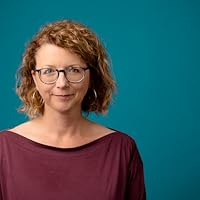
Toronto author & journalist Carlyn Zwarenstein writes distinctly stylish, emotionally intense and politically daring non-fiction, fiction, and poetry. Her writing has been described as "intoxicating", "sensuous and compelling", and "rage-inducing". Her latest book, On Opium: Pain, Pleasure, and Other Matters of Substance (Goose Lane, 2021 with audiobook from ECW press, 2022), tackles the overdose crisis, chronic pain, capitalism, and Romantic literature among other subjects, blending journalism, science writing, literary biography, memoir and social commentary. On Opium expands on the short memoir, Opium Eater: The New Confessions (2016), a Globe & Mail Best Book of 2016, shortlisted for the Science Writers and Communicators of Canada's 2016 general audience book award. Zwarenstein's books and articles are taught on university courses in English literature, social work, and literatures of addiction. Follow her on Twitter @CarlynZwaren.
A slim extended essay (or ‘nonvella,’ in the publisher’s clever terminology), that I nevertheless lingered over for days, because it was beautifully written and I wanted to really think about its content. The author has terrible chronic pain, for which she takes opioids. She explores the impact of pain and the nature of the relief from opioids, as well as the impact on the creative process in her own life. She also looks at the English Romantics, Frida Kahlo, historical usage, and the language and lens society applies to opioid users. I thought it was amazing, and a valuable read whether or not you work or otherwise operate in this space.
Edited to add that I forgot to mention that there are wonderful endnotes, including a playlist.
Part memoir, part biography of DeQuincey, this book was an interesting look into the lives of addicts, a history of opium, and what it's like to live with chronic pain.
An excellent mémoire and well worth the short read. Opiate addiction explore in a personal but also broad societal way. This is a very good little book.
Wow. What a beautiful and thought provoking book. This one will stick with me for sometime. The merging of art, history and literature with addictions, pain, mental health and memoir made for a fascinating (and very quick) read.
I found this book interesting and learned a lot from it. I too suffer from chronic pain so I could relate to much of what Ms. Zwarenstein wrote about. I would have loved to have more personal story lines in the book. All in All I enjoyed reading the book.
Opium Eater is a small but mighty book. Carlyn deftly weaves together her personal narrative with history and science to craft an engaging and informative book about pain, the health care system + the use of opioids. It is a chilling reminder of how steep the slope is to prescription drug overuse. Opium Eater is a must-read book in this era of tragic loss of human life due to opioid overdose...