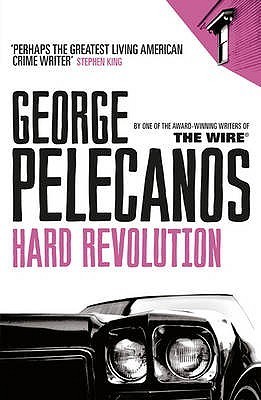
It's the spring of 1968, the sun shines down on an America on the brink of civil war. Martin Luther King preaches in vain for non-violent protest and the ghettos of Washington DC seethe with anger. In the middle of this powder-keg is thrust a young black cop, barely out of school himself. Derek Strange believes passionately that he can make a difference, but his friends and family think he's a traitor and a patsy of the white establishment. On April 4th, 1968, Dr King is assassinated on the balcony of his motel in Memphis, Tennessee. And black America rises as one to condemn the slaying of their hero. For one week, it seems that the whole country will fall. And Derek, his brother, his father, his mother and his whole community find themselves at the heart of a battle for the heart and soul of the new world.
George Pelecanos was born in Washington, D.C., in 1957. He worked as a line cook, dishwasher, bartender, and woman's shoe salesman before publishing his first novel in 1992.
Pelecanos is the author of eighteen novels set in and around Washington, D.C.: A Firing Offense, Nick's Trip, Shoedog, Down by the River Where the Dead Men Go, The Big Blowdown, King Suckerman, The Sweet Forever, Shame the Devil, Right as Rain, Hell to Pay, Soul Circus, Hard Revolution, Drama City, The Night Gardener, The Turnaround, The Way Home, The Cut, and What It Was. He has been the recipient of the Raymond Chandler award in Italy, the Falcon award in Japan, and the Grand Prix du Roman Noir in France. Hell to Pay and Soul Circus were awarded the 2003 and 2004 Los Angeles Times Book Prizes. His short fiction has appeared in Esquire, Playboy, and the collections Unusual Suspects, Best American Mystery Stories of 1997, Measures of Poison, Best American Mystery Stories of 2002, Men from Boys, and Murder at the Foul Line. He served as editor on the collections D.C. Noir and D.C. Noir 2: The Classics, as well as The Best Mystery Stories of 2008. He is an award-winning essayist who has written for The New York Times, The Washington Post, GQ, Sight and Sound, Uncut, Mojo, and numerous other publications. Esquire called him "the poet laureate of the D.C. crime world." In Entertainment Weekly, Stephen King wrote that Pelecanos is "perhaps the greatest living American crime writer." Pelecanos would like to note that Mr. King used the qualifier "perhaps."
Pelecanos served as producer on the feature films Caught (Robert M. Young, 1996), Whatever, (Susan Skoog, 1998) and BlackMale (George and Mike Baluzy, 1999), and was the U.S. distributor of John Woo's cult classic, The Killer and Richard Bugajski's Interrogation. Most recently, he was a producer, writer, and story editor for the acclaimed HBO dramatic series, The Wire, winner of the Peabody Award and the AFI Award. He was nominated for an Emmy for his writing on that show. He was a writer and co-producer on the World War II miniseries The Pacific, and is currently at work as an executive producer and writer on David Simon's HBO dramatic series Treme, shot in New Orleans.
Pelecanos lives with his family in Silver Spring, Maryland.
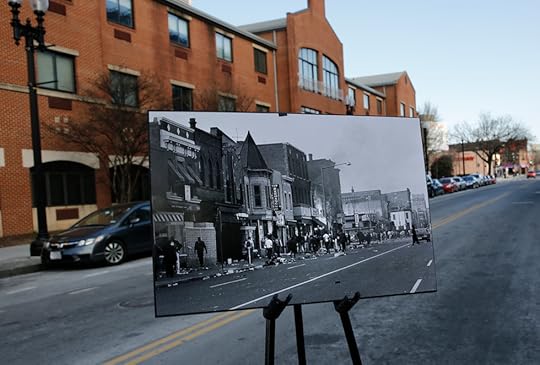
Foto di Washington oggi messe a confronto con quelle dell’aprile 1968, dopo l’assassinio di Martin Luther King.
La vicenda individuale si intreccia con quella collettiva, la storia con la Storia. La prima riguarda Derek Strange – protagonista insieme a Terry Quinn di altri quattro romanzi firmati da Pelecanos, e questo è il quarto dei cinque, anche se rispetto agli altri sembra tutto un possente flashback – che dopo un lungo prologo ambientato alla fine degli anni Cinquanta - Derek è dodicenne - salta dieci anni dopo, e Derek a questo punto è un poliziotto in divisa che batte la strada in coppia con un collega bianco laureato a Princeton. La seconda riguarda il movimento per i diritti civili, per l’integrazione e la parità tra bianchi e neri. Conduce fino a Martin Luther King, fino al giorno in cui fu assassinato a Memphis, Tennessee, il 4 aprile 1968. E sfocia nel finale, ambientato a Washington DC come il resto del romanzo, con i giorni di ferro e fuoco, sommossa protesta distruzione. Per ottenere il controllo della rivolta - spontanea, fin troppo a lungo trattenuta - furono impiegati seimila tra militari armati, soldati della Guardia Nazionale e poliziotti. Il bilancio finale dice che i morti furono 13, un migliaio i feriti, e 6100 persone furono arrestate.
Derek diventa poliziotto (in divisa) e proietta nel lavoro tutti gli insegnamenti paterni: testa sulle spalle, tolleranza, etica… Il fratello Dennis, nonostante la maggiore età, è invece ancora un’anima persa: è tornato dal militare con una menomazione fisica che lo fa camminare zoppicando. Ma è soprattutto la testa e il cuore che non riesce a placare se non con pillole. Da modello ideale, da angelo custode del fratellino Derek, si è trasformato in una dolorosa spina nel fianco. Che però non mina l’affetto fraterno. E sarà proprio per occuparsi e preoccuparsi del fratello che Derek diventa “uomo”. In quei quattro giorni di battaglia.
I personaggi sono tanti, finiscono con l’intrecciarsi ma in partenza i fili narrativi appaiono distinti e separati. Mai come questa volta Pelecanos è chiaro ed esplicito sul colore della pelle: gli afroamericani sono chiaramente indicati, al contrario del suo solito (mi ha abituato a dettagli che rivelano più che a esplicite dichiarazioni, a una gamma di sfumature). Come sempre, e forse più che mai, l’anima dickensiana di Pelecanos si rivela anche qui: attentissimo all’ambiente sociale, alla divisione in classi. E come sempre, e forse più che mai, il racconto si costruisce attraverso musica, film, automobili, vestiti, trasformazione urbanistica.
The Strange brothers grow up in Washington DC in the 1950's and 60's and take radically different paths. Derek becomes a cop while Dennis doesn't become much of anything. Can Dennis avoid ending up in jail for running with the wrong crowd? Can Derek keep his personal feelings out of his police work?
The fourth Derek Strange tale is a story from Derek's youth, showing what decisions he made that made him a bad ass private detective in the present day. Pelecanos uses historical events and the music of the time to paint a vivid picture of what it must have been like to be young and black in Washington DC in the 1950's and 60's.
Hard Revolution reminds me more of the DC Quartet than it does the other Derek Strange books. It feels more literary and, while there are elements of crime fiction, the book is more about the characters. Derek, who walks the straight and narrow for the most part, and Dennis, who is young and angry and living off of the Strange parents and a military pension. Strange, while thirty years younger, is still recognizable as the Derek Strange of the past three books. Even at a younger age, he's a ladies man, into Westerns, and into soul music. Some things never change.
All the usual things that thrill me about Pelecanos novels are here: period-appropriate pop culture references, cameos by other characters living in Pelecanos' DC, Big and Little Nick Stefanos in this case, and tensions simmering until they come to a explosive climax.
The assassination of Martin Luther King is the pin that gets pulled from the grenade in Hard Revolution and sets Washington DC into chaos. Strange and the other cops work themselves nearly to death trying to maintain order while the city burns. By the end, it's pretty apparent why Strange decides to quit being a cop sometime after this novel.
That's about all I have to say. Hard Revolution is yet another enjoyable novel from George Pelecanos. At this point, I expected nothing else.
George Pelecanos' 2004 novel, Hard Revolution, is the fourth book in his Derek Strange/Terry Quinn series. While his first three books in the series take place in present time with Strange and Quinn being private detectives in Washington, D.C., Hard Revolution is almost a prequel to the other three books as it traces Strange's development through his childhood and early years on the Metropolitan Police Force in Washington, D.C. as the inner city turns to riots, arson, and looting in the wake of Dr. King's assassination.
This is no ordinary crime novel. It transcends genres being at once a crime novel and a sociological history of the fifties and sixties in D.C. The writing is so crisp and the characters so well developed that it almost makes one want to go back and reconsider all the ratings given on other books. Few can measure up to how good this book is.
This is both a crime novel and a fictionalized history novel that explores the twentieth century and race relations through the civil rights era. It does so by exploring the characters involved and is quite an excellent accomplishment. Through small clues like soda fountains and radio stations, Pelecanos captures the spirit of the times and does so quite well.
Wow, ein wahrer Brummer unter den Kriminalromanen, schwer und wuchtig und dazu passend auch eher langsam und ausführlich erzählt, aber was für eine Tragkraft diese Figuren und die Story haben! Sehr sehr großartig. Thematisch liegt der Schwerpunkt auf dem Leben in Washington, D.C. in den späten 60er Jahren, das Civil Rights Movement und der Rassismus in den USA, erzählt wird das alles über ein Figurenensemble aus Cops, Kleinkriminellen und Bürgern der amerikanischen Hauptstadt und birgt eine ganz famose Ensembleleistung. Toller Roman, tolles Zusammenspiel, sehr toll erzählt.
Hard Revolution works as a prequel for Pelecanos’s Quinn-Strange books and as an important piece in his interwoven portrait of Washington D.C. that he has painted via the medium of serial fiction. The ’68 riots and their influence on the city has long been a motif in his work. This moment of rage and self destruction that has cast a decades long shadow on the black working class and their neighborhoods. Pelecanos uses a stripped down reporter style delivery (even more than usual) that still manages to convey emotional weight and boil over with tension. Like British author Kim Newman Pelecanos must know what’s on his characters record shelves, and the scratchy Stax singles, sappy Motown ballads, 50’s crooners, and Link Wray’s blaring odes to teenage delinquency which avoid prototypical 60’s musical references have a lot to say about the working class world his character live in as the climatic events of 60’s (Vietnam, race riots and assassinations) rip apart their world. The Strange and Quinn stories represent a more mature but more restrained Pelecanos making them a step down from his masterful D.C. Quartet (I haven’t read the finale of the trilogy yet though) but this book is as energetic and large as those combining the historical exuberance of the Big Blowdown and King Suckerman with the more chilling soul scraping of Shame the Devil, but with an added element of a celebration of humanity for all its gouges and bruises of the soul. Cinematic energy( with references/homages I believe to Taxi driver and Peckinpah’s The Getaway), with greatest pieces like a heartbreaking and edge of the seat thrilling bank robbery feels like the conclusion, but then with out a break the apocalyptic reckoning of the riots descends on the book. Hard Revolution is an important and terrific book (tie maybe with Sweet Forever for his best in my mind) in the Pelecanos’s canon.
Strange & Stefanos are currently engaging in fisticuffs in my heart in order to determine who will be the number one man in my life. I love Derek Strange, but I didn't realize just how deeply those feelings ran until I met the young, police officer version of him. So, swoon! I didn't quite twig to the whole Alvin Jones connection & what that all meant, so it was a pleasant surprise to meet baby Granville Oliver, even though I didn't particularly care for the ending of Hell To Pay.
One of the very best books I've read in recent years. Pelecanos knows D.C. and can tell a story like no one else. I went to a signing he did when this book came out and he gave out CDs with music from the time period in which the book is set. It was a great soundtrack to have on while reading.
**14 years later and this story still sticks with me. This book makes my top 10, probably top 5 reads, ever!
If you know popular (R&R, R&B, Motown) music, George Pelecanos will tell you what year it is by the tunes and the bands and other identifying details. Part I of Hard Revolution opens in the spring of 1959. I am not one who knows the music so the date on the lead page helps me out. You can just enjoy knowing that what you read in the next 71 pages is really taking you back to 1959 in metro DC. We meet Derek Strange as a teenager. We will get to know him better later in this book and in several other Pelecanos novels. Derek is with one of his best friends, Billy, who is white. Derek is black. Their fathers work together in a greasy spoon. You will eat at that greasy spoon a few times.
We have met a dozen or so characters. You will wonder which ones will still be alive at the end of the book. You have some idea about who the losers might be. Pelecanos always has some very bad guys and a few pretty good guys. You won’t meet any really good guys. Everyone has their weak moments and rough spots. All of the people you get to know well will be men; women are girl friends and mothers and sex objects and secretaries whom we won’t get to know very well at all.
Just when we are getting comfortable with 1959, we find ourselves jumping forward nine years. It is the spring of 1968. It is still metro DC. It is the year of the MLK assassination and the DC riots. It is still Pelecanos: sellin’ drugs, smokin’, drinkin’, fightin’, fuckin’, killin’. Derek is now grown up and a black cop. His brother Dennis is a lost soul to drugs and bad friends. He says, “I been on a wrong road, seems like forever. Hard to change directions, I guess.” President Johnson tells the country on live TV that he is going to change direction and “will not seek or accept the nomination of my party . . .” Bad guys trying to go good. But it seems there will still be more death “waist deep in the big muddy…”
Pelecanos gets you thinking about relationships – with parents, with children, with lovers. He also makes you think about retribution and vigilante justice. Most every book. But it doesn’t get old. This book was published in 2004 and deserves to be considered historical fiction. The people are fiction but the DC riots and other events of 1968 are accurately portrayed. I find it hard to stop reading a Pelecanos novel once I start. This one easily gets four stars from me.
This book tells about Derek Strange and his family from his early days, up to his days as a policeman, including why he left and became a PI. If you're a fan of this series, this will be an interesting read. As usual, it's down-to-earth gritty and violent, but also educational, telling about what life is like for blacks in Washington, DC. This one includes the days of MLK and his death, and the violence that broke out in DC afterward.
And by the way, this was a new narrator for me, Charles Canada, and I thought he did an excellent job.
Similar in style and substance to Pelecanos’ penultimate DC Quartet, ‘Hard Revolution’ is the forth novel to feature Derek Strange. Rather than a follow-up to the last Strange and Quinn PI novel ‘Soul Circus’, ‘Hard Revolution’ takes us back to a younger Derek growing up in the late 50’s and then on to his career as a police officer timed around the assassination of Martin Luther King in 1968.
The echoes of a revolution are omnipresent, racial vilification bears a similar resemblance to Ed Lacy’s ‘Room to Swing’ but on a slightly different scale (in comparison of each independent protagonist; Derek Strange to Lacy’s PI in Toussaint Moore). Pelecanos’ affinity for music of the era is well documented to establish a sense of time and place to his characters environment while the deeply researched political climate and sportscast like commentary further enhance that yesteryear feel.
The criminal elements comprise of two murders - one a hit and run, the other a horrific murder by knife, both a case of white on black hate with Derek thrust into a key point on both. Added by his poster boy partner and respected hard-man of the force Frank Vaughn, Derek battles not only to protect the streets and bring justice to those responsible for the murders but also to maintain allegiance to the law during the race riots of the late 60’s in Washington D.C.
For added value Nick Stefanos, senior and junior circa 1968 make an appearance – a nice bit of cross pollination of the Strange PI series and the Stefanos novels. I like how Pelecanos is able to bring these worlds together. It doesn’t feel forced or impedes Derek’s story in any way, a smooth and subtle blending of his works and a nice easter egg for fans.
The strength to any Pelecanos novel is the characters. In ‘Hard Revolution’ you’ll grow with Derek, see the world through his brother’s eyes, feel the pain of loss and the joy of love, and rationalise the illegal dispensing of justice by those in blue for the greater good. ‘Hard Revolution’ is a great jumping on point to the world Pelecanos has created. I recommend reading it before ‘Right as Rain’, ‘Hell to Pay’, and ‘Soul Circus’.
My reviews of ‘Hell to Pay’ and ‘Soul Circus’ can be found below:
For me Pelecanos has this gritty and everything is on the edge of violence style to his writing. Now I don't like authors who rely on body counts and excessive images of violence to build tension. It just seems like an over used and cheap gimmick of the genre. But, that is not Pelecanos. His violence is real, you see it coming , you know it's going to happen, you know early on from the characters, it's already baked in. His good guys sometimes do bad things, sometimes make mistakes. His bad guys don't spend a lot of time planning, don't do a lot of thinking. They are mostly predators, they react and move on, they don't pause for reflection, they don't do remorse. Life is mostly the pursuit of drugs, alcohol and sex which in turn requires money. If You can't earn it, you will have to take it, cause you need it, cause you require another fix. It's just a simple recipe for violence.
So, some poor guys job is to contain it. And Sometimes this guy make mistakes, sometimes he does bad things. Sometimes things turns out alright. But when you finish the book you may need some time to figure out which of these things actually occurred.
Life is not simple for good guys ...It requires a lot of reflection.
Απλά τέλειο. Ένας κορυφαίος λογοτέχνης γράφει εξαιρετικά μια σκληρή ιστορία. Ο G.Pelecanos έχει το χάρισμα και την τύχη να είναι ένας από τους καλύτερους συγγραφείς της δεκαετίας μας. Το ότι γράφει noir ιστορίες είναι δική μας τύχη.
Όπως συνήθως, στις σελίδες της «Φλεγόμενης Πόλης» δεν θα βρείτε κανένα σασπένς με την κλασσικά αστυνομική έννοια του όρου. Κανένα κυνηγητό, καμιά έκπληξη, καμιά ανατρεπτική πλοκή. Κι όμως δεν θες να αφήσεις αυτό που διαβάζεις. Σαν να νιώθεις ένα γαργαλητό στον νωτιαίο μυελό. Μια γλυκιά ανατριχίλα. Σαν να ακούς εσύ ο ίδιος τον Otis Redding. Σαν να περπατάς στους δρόμους της μαύρης πρωτεύουσας. Σαν να παίρνεις κι εσύ τον καφέ σου στο cafe grill ενός ακόμα Ελληνοαμερικανού μετανάστη.
Βρισκόμαστε στην άνοιξη του 68, πού αλλού; Στην Ουάσινγκτον. Ο Ντέρεκ Στρέιντζ μεγαλώνει νιώθοντας θαυμασμό για την αστυνομία και αγάπη για τους μαύρους αδερφούς του. Έτσι, καταλήγει να γίνει κι ο ίδιος αστυνομικός, ενώ ο αδερφός του, Ντένις Στρέιντζ, μεγαλώνει με μια αναπηρική σύνταξη και καμία προοπτική βελτίωσης της ζωής του. Είναι ένας άντρας με καλές προθέσεις αλλά κακές συνήθειες.
Ο Ντέρεκ πελαγοδρομεί ανάμεσα στον ρατσισμό, στην βία που αναπτύσσεται σαν απάντηση, σε έναν κόσμο που αλλάζει ραγδαία, στην προσωπική εκδίκηση, στο καθήκον. Κι όμως δεν πνίγεται. Περιπλανιέται σε μια πόλη βυθισμένη στο χάος, ελίσσεται ανάμεσα σε λευκές και μαύρες συμμορίες της επαναστατημένης νεολαίας του 60, άλλωστε ο πρωτότυπος (και καλύτερος) τίτλος του βιβλίου είναι “Hard Revolution”.
Ο ντετέκτιβ Φρανκ Βον προσπαθεί να ξεδιαλύνει το μυστήριο της δολοφονίας ενός νεαρού μαύρου άντρα. Η προσωπική του ζωή βρίσκεται στην κόψη του ξυραφιού, μα το αστυνομικό του ένστικτο δεν τον αφήνει να ησυχάσει, μέχρι να βρει τον ένοχο. Δύο αστυνομικοί που προσπαθούν να κάνουν τη δουλειά τους, ενώ γύρω τους μαίνεται μια βίαιη εξέγερση.
Οι δρόμοι τους συναντιούνται τον Απρίλιο του 68 όταν η δολοφονία του Μάρτιν Λούθερ Κινγκ βυθίζει την Ουάσινγκτον στο χάος.
Σε μια συνέντευξή του στον Αγγελιοφόρο, ο Pelecanos συνοψίζει σε λίγες φράσεις την ουσία: «To σκηνικό, από μόνο του, μπορεί να περιγράψει τα κοινωνικά ζητήματα που προσπαθώ να θίξω. Τα μυθιστορήματά μου διαδραματίζονται στην άλλη πλευρά της πόλης, όχι μόνο γιατί εκεί διαπράττεται το έγκλημα, αλλά κυρίως επειδή ο συγκεκριμένος τόπος δραστηριότητας μου επιτρέπει να αρθρώσω το μεγάλο “Γιατί;”. Και αυτό είναι που προσπαθώ, στην ουσία, να κάνω. Να θέσω κάποια ερωτήματα. Εάν είχα τις απαντήσεις, θα έγραφα το δικό μου μανιφέστο και όχι πεζογραφία».
Εξαίρετοι χαρακτήρες, γλυκιά και ταυτόχρονα τραχιά ιστορία, μαύρη μουσική που πλημμυρίζει τις σελίδες. Μυθιστόρημα βαθιά πολιτικό, άμεσης κοινωνικής κριτικής, χωρίς διδακτικό τόνο και βερμπαλισμό. Μυθιστόρημα πρώτου επιπέδου. Απλά διαβάστε το.
This fourth book in the Derek Strange cycle (Right as Rain, Hell to Pay, and Soul Circus precede it), finally takes longtime readers of Pelecanos to an event we've been waiting for him to deal with: Washington, D.C.'s 1968 riots. I wasn't even born until a few years after the riots, but growing up in D.C., it was hard to miss the physical and psychic scars they left on the city. Once again Pelecanos brilliantly uses the pulp crime novel as a vehicle for his sociocultural history of Washington, D.C. This is one of his best works yet, acting as a prequel to the Strange series while seamlessly taking on issues of race, what it means to be a man, duty, and the nobility of work.
The story opens with Derek Strange passing from childhood to adolescence in 1959, running around his Northeast neighborhood where white and black kids uneasily co-exist. His best friend is a Greek boy whose father owns the diner where Derek's father sweats over the grill. These seventy pages introduce almost all the dramatis personae of the main part of the book, including Derek's family (mother, father, older brother), the no-good Martini brothers, Detective Frank Vaughn and his family, and two racist gearheads named Buzz and Stu. A final character is the city itself, which is undergoing transformation as postwar integration brings demographic changes with it. There's a little heavy handedness, when Derek gets caught shoplifting and a store owner's lecture sets him on the right path, but for the most part this part is a carefully crafted kaleidoscopic tour of the people and places that will come into play nine years later.
Part Two takes place in the spring of 1968, during the weeks preceding the assassination of Dr. Martin Luther King and into the riots that broke out in response. The intervening decade or so has seen Derek grow up to become a police officer (as has his best friend, Lydel Blue), doing his best to protect and serve while being called an Uncle Tom by a lot of his people. Meanwhile his slacker older brother Dennis has drifted in a haze of revolutionary rhetoric and heavy pot smoking. Dennis wants to better himself, but is hobbled by seeing oppression everywhere and a lack of inner strength, and gets caught up in the small-time plots of his unsavory drug friends. The Martini brothers went to Vietnam and only one came back, while Buzz and Stu are spinning their wheels in the same old places, albeit in new rides.
As the city simmers in the summer heat and racial tensions mount, the petty half-baked schemes of Buzz and Stu and Dennis' so-called friends start to take shape. The two Strange brothers find their lives intersecting with two armed robberies just as the city explodes in a cathartic orgy of burning and looting. Meanwhile, Det. Vaughn is combing the streets for whomever killed a young black student in a hit and run. These storylines all coalesce into a bloodbath that is punctuated by the riots. The riots are ably described, although Pelecanos' prose loses its verve and lapses into clipped reportage reads like a dry newspaper account. Still, if you've never read about the riots, this will give you a sense of the chaos and senselessness of it all. (For a more complete picture, track down a copy of Ten Blocks From the White House.)
Other subplots involve Derek's attempt to make up his mind about Carmen, his childhood sweetheart and former girlfriend, and his uneasy relationship with his liberal white partner. Of course there's all the usual Pelecanos pop-culture stuff, cars, bars, movies (The Good, The Bad, and The Ugly plays a prominent role), and especially music (there are loads of discussions of soul, R&B, Motown, Stax, Volt, as well as many props given to DC-rocker Link Wray and his Raymen). At the end of the day, this is a brilliant book, not only because of its value as a cultural portrait of the real Washington, D.C., but for its discussion of race. Derek and his partner like and respect one another, but it takes them a while to realize that even with all the best intentions, one can never know what it is to walk in another man's shoes. There's also a very strong message embedded about the dignity and value of work--in this book, doing your job well is sometimes its own reward. This is a mature novel, one that deserves to break out of the crime shelves and into general readership--great stuff.
There is at least one novel in which a time bomb is set at the beginning and explodes at the end. This novel is sort of like that, but the bomb is the assassination of ML King. The cops-and-robbers action is made more dramatic by the knowledge that large portions of the stomping grounds of these policemen and petty thugs will be engulfed in flames in a few short hours. This portion -- the last 50 or so pages -- are simply excellent. This finale was an ample reward for going through the initial couple of chapters, which alternated between deliberately banal dialogue, senseless acts of violence, and the misery of the few still trying to hang on to a shred of goodness and dignity in their lives.
If you haven't lived in the cool kids are now calling "the DMV" (District, Maryland, Virginia), even for a few years, then all these people talking at Petworth, Ballou, H Street NE, former basketball stars, and a bewildering variety of long-shuttered detail establishments will leave you cold. This might even be the case with certain long-term residents who live in Virginia or Northwest Washington. Even today, much of George Pelacanos' Washington is unknown territory to long term residents, glimpsed only briefly through the window of your Uber to and from the latest stylish no-reservations-taken restaurant or trendy wine bar/nightclub in these areas.
I admire Pelecanos for many reasons, including his ability to write well and describe a dense action scene clearly. I also deeply respect his ability to rescue from oblivion and bring to life details of a time and place that he did not experience personally and is now often being bulldozed and buried.
But I also like to do some complaining in my reviews. Here goes. Pelacanos spends a long time name-checking songs and musicians, and after a while I found it tiresome. We are clearly supposed to understand seeing Link Wray play live in a smoky downtown dive makes you a better person than sitting in your comfortable home in a prosperous neighborhood watching Dick Clark’s “American Bandstand” on television. One character in the book has uncool musical tastes, and later on engages in a morally indefensible act -- which I guessed would happen, given his musical tastes. I’d like, just for once, to see Pelacanos have a character who is tone deaf or indifferent to music, and have that character turn on to be a good guy. It would be quite a shock.
Dass für George Pelecanos die literarische Verarbeitung des Alltags in seiner Heimatstadt Washington schon immer ein zentrales Thema war und ist, weiß jeder, der seine Romane kennt. Ob das nun die Washington-Trilogie oder die Strange/Quinn-Reihe ist, die Stadt und ihre Bewohner, aber auch die gesellschaftlichen Verhältnisse, bilden immer den Rahmen für die Bücher des Autors.
So auch in „Hard Revolution“, im Original bereits 2004 erschienen und nun dankenswerterweise in der deutschen Übersetzung (von Gottfried Röckelein) im Ars Vivendi Verlag veröffentlicht. Die Handlung liegt zeitlich vor der in den drei bereits erschienenen Bänden der Reihe und könnte den Untertitel „Wie er wurde, was er ist“ tragen, wobei es nicht nur um Derek Stranges persönliche Geschichte, sondern auch um die soziokulturellen Veränderungen in Washington geht.
Pelecanos erzählt in zwei Zeitebenen, 1959 und 1968: Washingtons Wohnviertel sind nach sozialem Status und Ethnien getrennt. Üblicherweise bleiben die Weißen und die Afroamerikaner man unter sich, Rassismus und Diskriminierung gehört zum Alltag. Wer schwarz ist, hat schon von vornherein schlechte Karten und kann im seltensten Fall seine Träume verwirklichen. Derek Strange ist 1959 zwölf Jahre alt und hat ein Vorbild, Frank Vaughn, einen Polizisten (weiß), in dessen Haushalt seine Mutter als Putzfrau arbeitet. Wie dieser möchte er Polizist werden, für einen schwarzen Jungen nahezu ein unerreichbares Ziel, denn zu dieser Zeit gibt es kaum afroamerikanische Polizisten (ca. 25 % in den Sechzigern). Außerdem ist dieser Berufswunsch für einen Jungen aus seinem Viertel eher ungewöhnlich, sind diese doch meist auf der anderen Seite zu finden. Dass Derek zehn Jahre später von seinen eigenen Leuten als Verräter, als „Onkel Tom“ bezeichnet wird, wenn er in Polizeiuniform mit seinem Partner auf Streife ist, versteht sich fast von selbst.
Das Civil Rights Movement gewinnt Ende der fünfziger und Anfang der sechziger Jahre an Bedeutung, die Wut wächst, die amerikanische Gesellschaft ist noch immer durch Unterdrückung und soziale Ungerechtigkeit gekennzeichnet. Gangs übernehmen ganze Viertel, die Heimkehrer aus dem Vietnamkrieg sind entweder traumatisiert und/oder wenden das auf den Schlachtfeldern erworbene Wissen auf der Straße an. Jeder will sein Stück vom Kuchen, vom amerikanischen Traum. Die Gewalt nimmt zu, Opfer sind auf beiden Seiten zu beklagen. Auch Derek Strange muss das erfahren, als sein Bruder erschossen wird. Und als am 04.04.1968 Dr. Martin Luther King, die Gallionsfigur der Bürgerrechtsbewegung, in Memphis einem Attentat zum Opfer fällt, brennt auch in Washington die Luft. Und nicht nur die.
Es sind unzählige Geschichten von „unten“, die George Pelecanos in „Hard Revolution“ hineinpackt und daraus das grandiose Porträt einer Gesellschaft am Scheideweg zeichnet, die aber offenbar aus ihrer Geschichte nichts gelernt hat. Denn dem Civil Rights Movement entspricht heute „Black Lives Matter“, eine Bewegung, die sich gegen gewalttätige Übergriffe engagiert, denen Afroamerikaner tagtäglich ausgesetzt sind. Traurig genug, dass es ausgerechnet die Uniformträger sind, die hier immer wieder durch brachiale Gewalt und vorschnellen Schusswaffeneinsatz auffallen.
„Hard Revolution“ ist weit mehr als ein Kriminalroman, es ist ein höchst politisches Buch, ein soziokulturelles Porträt der Hauptstadt der Vereinigten Staaten der fünfziger und sechziger Jahre, sehr lebendig und authentisch erzählt. Und mit sehr viel Zeitkolorit durch die Einarbeitung von Filmtiteln, Automarken und jeder Menge Musik in die Story.
A prequel to the Derek Strange & Terry Quinn trilogy, Hard Revolution follows the usual Pelecanos template. It traces the lives of a bunch of world-weary working class guys and a couple of despicable lowlifes without any redeeming feature till their inevitable confrontation involving a lot of guns happens.
A younger Strange is more impetuous and hence more interesting to follow than he had been previously. However as far as crime protagonists go, he is still firmly on the boring side of things. The moment in the plot that underpins the emotional fulcrum of the story loses some of its power simply because it's a prequel and readers know what's coming.
The prequel format works in some respect for Pelecanos. The 1960s setting suits his writing style, his best work DC Quartet was set in the same time period. The more contemporary the setting, the more decrepit are the Washington ghettos where Pelecanos sets his stories. His curt, dry style makes the atmosphere too constricting. Setting it in 1960s thus allows him to not overdo the focus on hopelessness preventing the reader from being desensitized to human suffering which is often the case in his books.
Don't however mistake my words to mean it is an optimistic or fun read. This is Pelecanos and the best part of his writing is the atmosphere of loss and helplessness he creates. He is a great scene setter, though seldom is the scene peppered with an unforgettable twist or a memorable character.
There is a late attempt to connect the narrative to real historical events - the aftermath of the assassination of Martin Luther King. It did not work for me because not enough context had been provided to a reader who is not well versed with that chapter of American history. Those few chapters feel like a journalistic account and is far removed from the rest of the story.
Unfortunately at the end of the day though the plot and characters feel very realistic they lack the complexity for the story to either be dramatic or entertaining and that's the main reason I don't rate Pelecanos as highly as many other crime fans. Rating - 3/5.
A moderately good book that wanted to be a much better book. The last 20 pages suggest how good it could've been. Unfortunately, there were a number of shortcomings. None of them are fatal, but they left this reader somewhat melancholy, thinking of things as they might've been.
◼︎ There are several clunky speeches poorly disguised as dialogue. This breaks the realism effect that is so important for the "gritty social issue crime" subgenre.
◼︎ We get it: you know WDC streets and did research on what stores were where in 1968. Say, you know what doesn't matter at all to most readers of genre fiction? Encyclopedic knowledge of city streets.
◼︎ Some strangely sloppy writing/editing in places, the most stark and amusing of which occurs in the first few pages of the book:
"Billy’s streets were a couple of miles from the diner and several miles from Derek’s home." (p. 5)
"Derek and Billy lived a few short miles apart…" (p. 8)
Som vanligt med Pelecanos dras helhetsintrycket ner av en sunkig gubbsjuka, som tyvärr är för frekvent förekommande för att bortse ifrån. Trots det, välskriven och med en vilja att vara något mer än en dussindeckare.
I read this before I had a goodreads account. I'm going to try to read all his books and this, so far, is the only one I have read. I need to track his books and I'm doing it here.
This is probably my favorite Pelecanos novel after The Sweet Forever, and that is probably only my favorite since it was my introduction into Pelecanos. But this book has it all. A great story, an excellent sense of place (the tumultuous 60s), fantastic characters. Just the works. We get a real sense of what makes Derek Strange the man he is in the previous book, so this is one of the few prequels that feels essential. Pelecanos at his very best
Pelecanos was a writer/producer for best television show ever "The Wire," and most articles and reviews I've read about him stress how much more "literary" his crime novels are than his contemporaries'. I'll have to take the word of his books' blurbs for it that he's one of the best American crime novelists, but even though the two books I read by him were entertaining, they still have the same lack of subtlety and cliche (or "archetypical") characters and plots that make genre fiction genre fiction. Surprisingly enough, Wikipedia's entry on Pelecanos provided a succinct description of the problems I had with "Hell To Pay": "While these books have cemented the author's reputation as one of the best current American crime writers... they seem to be continuing the author's well received formula of witty protagonists chasing unconflicted criminals behind the backdrop of popular culture references and D.C. landmarks." The excessive pop culture references and fetishistic attention to brand names seems to be a hang-up of a lot of crime writers, something like a self-conscious bastardization of on eof the tics of old school dime novelists. It's distracting and annoying, achieving the opposite of what I imagine to be the intended effect by taking me out of the story. I liked "Hard Revolution" a little more, a period piece set against the backdrop of D.C. at the time of the '68 riots, making it ostensibly more "serious." Still, he seems to have the need to place every scrap of research about the time he found interesting in the book, no matter how clumsily or transparently it comes across within the story. I'd wanted to read something by him for a while, and a recent rip to D.C. triggered the impulse to go ahead and do it. He is remarkably specific about the neighborhoods and streets of the city, but I wonder if D.C. residents don't get tired of that after a while, thinking "He's just showing off." I suspect it mainly impresses other novelists. Supposedly, the D.C. quartet is his best work, and maybe I'll get around to reading it one day, but these two books served to remind me why I don't read much genre fiction. I read fiction primarily for the author's prose style and imagination, and these sort of archetypes and limited plot structures work much better for me as movies and t.v. shows than literature.
my favorite of the derek strange novels by far, and the one where pelecanos pulls everything together into something really rich and surprising. truth be told, this is the first of the four novels i've read of his that approaches the scope of the wire (for which he was a screenwriter).
the story here cuts back to the late sixties, when strange was a rookie cop. as one part of an ensemble cast, strange's world opens up into a mini-universe, and the sense of what's to come (both in terms of the character as well as the life of the city itself) adds incredible weight to even its most stereotypical characters. hard revolution is most certainly "about race," but like many great socio-political works of art, the mechanics of the story create its political identity. social criticism is expressed through the plot itself - in the way race makes certain characters maneuver around others, in the way prejudices overlap with ethics, in the way that real history (race riots, MLK's death, vietnam) sweeps up its personal narratives. pelecanos seems somewhat liberated from the crime genre in this one. it has an ambition that the previous three strange stories lack. and it works brilliantly.
When is an historical novel not an historical novel? How about when it uses historical events as the backdrop, instead of the driver, of stories of everyday lives?
In Hard Revolution, the backdrop is the days and weeks in Washington, DC just before and after Martin Luther King’s assassination in 1968. Derek Strange, Frank Vaughn, their friends, families, work mates, and adversaries, white and black, native-born and immigrant, go about their daily lives in the multifaceted ferment of late 60s DC. We walk the streets, hear the slang and the speeches, wear the clothes, hear the music, smoke the pot, ride in the cars .… Then King is shot in Memphis. DC burns, and somehow the lives we have come to know place those watershed events in sharper context than any PBS documentary could.
Oh yeah – Strange and Vaughn are cops, and Pelecanos is known as a crime writer, but Hard Revolution is as much a crime novel as The Scarlet Letter is a sewing manual.
One minute I was learning who George Pelecanos was and the next I had a copy of this book in my hand. This book gives the background story of Derek Strange, one of Pelecanos' reoccuring characters. I read it first, and now I am excited to read more and see how the character was developed before this backstory was released.
Brother gets a bit heavy handed at times, and needs to be a bit more selective about his florid references to every deep cut on DC radio, but man I was taken with this.
Dieser Kriminalroman, den ich eher als gesellschaftskritische Erzählung beschreiben würde, verfolgt verschiedene Menschen bzw. Grüppchen durch eine lange Zeit ihres Lebens.
Es beginnt mit einem der Hauptcharaktere, Derek Strange, dessen Kindheit wir ein Weilchen begleiten dürfen. Wir erfahren, wie er (mit seinen Eltern und seinem Bruder Dennis, sowie seinem engen, griechischen Freund Billy) aufwuchs und aus welchen Gründen er Polizist wurde. Dieser Teil war sehr schön ausgearbeitet, obwohl ich Derek im Laufe des Buches immer weniger leiden konnte.
"Einmal haben wir zusammen einen kleinen Ladendiebstahl gemacht, lange her." "Haben sie euch erwischt?" "Mich. Ihn nicht." "Sein Glückstag", sagte Peters. "Nein", sagte Strange. "Meiner."
Wir erfahren bereits um Dereks 'Beziehung' zu Dominic Martini, einem italienisch-stämmigen Jungen, der im Laufe des Buches Teil einer der erwähnten Gruppen wird. Auch mit ihm lernt man zu fühlen, da er es nicht leicht hat bzw. es sich auch nicht gerade leicht macht. Er gerät an die falschen 'Freunde' und das Schicksal nimmt gnadenlos seinen Lauf.
Dann gibt es da noch Frank Vaughn, einen Polizisten, der mit Derek mehr als durch den Beruf verbandelt ist. Ein Netz, das sich enger webt, umso weiter die Handlung voranschreitet. Er war eigentlich ein ziemliches Arschloch, hatte aber auch seine guten, sympathischen Seiten. Eigentlich muss ich gestehen, dass er einer der für mich interessantesten Charaktere war.
Im Grunde genommen behandelt das Buch zwei Kriminalfälle in geschichtlichem Setting. Der eine von ihnen entwickelt sich erst spät und hat mir Tränen in die Augen getrieben, während wir immer weiter auf den unvermeidlichen Abgrund zuwanderten und mich schließlich zum Weinen gebracht. Lest bitte auf keinen Fall den inneren Klappentext des Buches, um euch in dieser Hinsicht nicht zu spoilern. Ihr würdet etwas sehr Emotionales verpassen.
Kommen wir zu den Gründen für meinen Punkteabzug: Viele Kapitel beginnen mit geschichtlichen Fakten, die zwar - beim Film würde ich sagen - gut geschnitten waren, doch mir ein wenig zu viel wurden. In wenigen Sätzen wurde vieles umrissen, das für die Handlung an sich nicht unbedingt von Nöten zu wissen war. Wer wo ist und was er gerade macht. Das war an sich eine tolle Idee, wurde mir aber etwas zu exzessiv benutzt. Auch gab es gefühlt hunderte Anspielungen auf die Musik der damaligen Zeit (wieder mit vielen Fakten), das für jemanden, der nicht in den 60er in den Staaten aufgewachsen ist, schlichtweg langweilig wird, weil es überladen wirkte. Gerade auf der Zielgeraden wurde zu viel von den Umständen gesprochen und zu wenig von den Gefühlen der Charaktere.Wer sich allerdings für Martin Luther King und dessen Ermordung bzw. die Ereignisse drumherum interessiert, wird hier mit guter Recherche bedient. Man bemerkt, dass es dem Autor wichtig ist, den Leser ins Geschehen zu zerren, was ja wiederum eine gute Sache ist.
Das Ende des Protagonisten Derek hat mir leider nicht zugesagt. Für mich verdarb seine Einstellung im Nachhinein ein wenig die Geschichte. Er war wie eine Fahne im Wind, konnte sich nicht entscheiden - weder in der Wahl seiner Frauen noch in jenen Fragen, die seine Zukunft betrafen. Vielleicht bin ich zu hart. Vermutlich sind alle jungen Menschen wie Derek und natürlich hat er viel durchgemacht, aber ich habe trotzdem das Gefühl, ich wäre mit einem anderen 'Hauptdarsteller' glücklicher geworden. Seinen Bruder Dennis zum Beispiel habe ich trotz weitaus mehr moralischer Makel sehr ins Herz geschlossen.
Von meinen Kritikpunkten abgesehen war der Erzählstil des Autors wirklich toll und der Aufbau sehr passend gewählt. Man hat gelitten, mitgefiebert, gehasst und geweint. Dabei gab es auch berührende Momente wie etwa zwischen den Brüdern Strange, sowie Derek und dessen Partner Troy Peters, der in dieser Geschichte seine Berechtigung dadurch hat, weil er zeigt, dass Rassismus nicht nur in eine Richtung, sondern in sehr viele gehen kann.
Kurzum: George Pelecanos weiß, ein Buch zu schreiben und er wählte ein wichtiges, aktuelles Thema, welches jedoch nicht zu 100 % perfekt umgesetzt wurde. Dennoch ist Hard Revolution ein durchaus lesenswerter Roman, denn was ist schon perfekt?
Bewertung und mein Fazit zu 'Hard Revolution'
Als 4. Band der Derek Strange und Terry Quinn Reihe kann dieser Roman als Prequel für sich allein gelesen werden. Trotz einiger Längen ein lesenswertes Werk, das ein schwieriges Thema von mehreren Seiten aus beleuchtet und uns an den Schicksalen vieler verschiedener Menschen teilhaben lässt, von denen euch kaum eines kalt lassen wird.