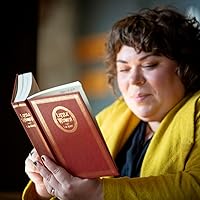
A idéia do feminino, há muito tempo suprimida pelas sociedades patriarcais e pelo Cristianismo, cumpriu um importante papel na mitologia e nas religiões antigas. A noção de que as deusas - como Atena, Afrodite, Deméter, Ártemis, Hera e Perséfone - simbolizam características encontradas individualmente nas mulheres está mais uma vez em voga. Os arquétipos das deusas validam as mulheres por aquilo que elas são e não por aquilo que a sociedade diz que elas deveriam ser. Como tal, as deusas são uma fonte de liberdade e de compreensão que pode ser contatada por qualquer mulher, não importando o caminho de vida que escolheu. A Deusa interior é um guia fascinante sobre as qualidades das deusas que vivem dentro de nós. Baseado numa pesquisa realizada pelos autores num período de dez anos sobre a psicologia da deusa, este livro é um exemplo fascinante de como aplicar essa abordagem dinâmica à sua vida, enriquecer o seu auto-conhecimento, libertar-se de expectativas limitantes e orquestrar os pontos de mutação em sua vida ao compreender que tipo de deusa está mais predominante. O mais importante é que os autores enfatizam a necessidade de harmonia entre as várias qualidades das deusas: permitir que uma deusa domine a personalidade é negar a riqueza que está disponível quando se tem todas as deusas em equilíbrio. Maravilhosamente positivo e profundo em suas implicações, este é um livro que irá ajudar a posicionar o feminino em seu devido lugar na consciência atual e oferecer às mulheres e aos homens a oportunidade única de aprender mais a respeito do poder de transformarem a si mesmos.
If I could pick one goddess archetype I am most like...isn't really the focus in this book. It's about how we have all these different goddess archetypes and qualities within us (and more of certain ones depending on our individual stage in life): lover, thinker, feeler, leader, mate, wild primal huntress and nurturer. We are all of that. Not just a character from a Greek tragedy or Roman religious belief system. When someone asks you what character are you most like, or what "type" are you, this book reminds us that people are too complex to be categorized and pushed into any one corner or one dimensional character.
“All the darkness in the world cannot extinguish the light of a single candle.” — Saint Francis of Assisi
Mana šī gada mīļākā grāmata. Tiešām patīkams atklājums. Iesaku, katrai sievietei izlasīt. Cik ļoti mitoloģija var sarezonēt ar šodienas sievietes dzīvi skaidrojot likumsakarības un izaicinājumus bija tiešām interesanti.
Tā jau ir, tagad jau moderni teikt, ka esi dieviete. Nu bet ir vēl labāk, tevī ir veselas sešas dievietes. Tikai pašai ir jāsaprot kādā proporcijā tās sagrupējas, kura ir vadošā un varbūt kāda ir pavisam apspiesta. Jebkurā gadījumā grāmata ļoti labi lika paskatīties uz sevi un nu es saprotu, kura dieviete par kuru sfēru man ir atbildīga un kāpēc reizēm es rīkojos kā rīkojos. Grāmatas valoda varbūt nav pati vienkāršākā, daudz atsauces uz mitoloģijas un feminisma pētījumiem. Tā kā grāmata rakstīta 80.gadu beigās, tad ir lietas, kas ir diezgan mainījušās un noteikti piemēri ir tādi senili, bet atkal no otras puses var salīdzināt lietas ar mūsdienām.
I've read Roger Woolger before and like his work, and this book is fascinating. It makes me hopeful that the rise of women's equality in the U.S. can help our world culture transcend the male dominated history we've had for eons. This is a history book and not targeted for women only, so guys - feel free to read it.
Disappointed in the book. After reading M.L. von Franz and C.G. Jung, I found the arguments presented somewhat flaccid. Perhaps a good introduction to the archetypal theory, but not for the person who has a good back ground in Jungian psychology.
I found this book at the College of DuPage library in 2007 as a student there. The Goddess Within combines psychology, feminism, and mythology in order to understand how mythology and folktales have influenced women's lives. It's mostly Greek and Roman mythology from what I remember.
Brīnišķīga grāmata par sievietē (un ne tikai) mītošajiem dieviešu arhetipiem - kā tie izpaužas dažādos dzīves posmos, sfērās, attiecībās. Grāmata, kas prasīs zināmu laiku, lai pārdomātu, apcerētu, izzinātu sevī mītošās sešas dievietes.
This took me more than 3 years to read. It is of its time. This information on the goddess archetypes was very interesting; the commentary was less interesting. I particularly hated the section entitled 'Living with Goddesses (Mostly for Men).'
I first read this book 30 years ago, and while some of it does feel dated, it was terrific to re-visit these ideas as a woman who is herself 30 years older.
Myths that shape WHITE women's lives, it should say. Dinging it one star for it being a product of its time. Better we use this book, though, than start culturally appropriating stuff that isn't technically ours...
Anyway, if you are woman-identified, male-identified and exploring your feminine side, or just cool with Greek mythology in general, there's a lot in this volume for you. The authors posit that every woman embodies, to a greater or lesser degree, the archetypal qualities of the big six ladies of Greek legend: Artemis, Athena, Aphrodite, Demeter, Persephone, and Hera. Each goddess gets her own chapter that explores her strengths and weaknesses, and discusses how her presence might manifest in a contemporary woman's life. There is, afterwards, the requisite quiz in which you get to see which goddesses you most strongly resemble, how you can correct for imbalances, and what relationships between certain goddess elements of your character might be trying to tell you. If you're high in Persephone and low in Hera, for example, you may be comfortable with spiritual power, but not political / worldly power. There's also a chapter for men who are trying to understand women, which helps the reader assess which archetypes he's strong/weak in, and what that might say about his love life (quit that laughing - it's adorable). There are all kinds of neat insights here, if you buy into the methodology, and it's kind of fun to look at your personality this way. At least, I thought so.
There is also a short history of goddess psychology, with relevant texts name-dropped, and a ginormous bibliography of books and videos, both general resources and ones tailored to each of the goddess archetypes. You could study this stuff forever and have a ball, if you're so inclined. This well-developed Athena-Artemis dyad (who is not as Aphrodite-deficient as she feared) heartily approves.
This was a really interesting take on personality styles and how to find balance in your life (and in society as a whole). The book addresses the six different archetypes that most women find in their personalities and then goes in-depth explaining all of them and how they affect decisions, character, goals, etc. It was fun to see and taking the test 2/3s of the way through the book is fun. I got a lot out of it to think about. That being said, sometimes I didn't completely agree with where the authors went, or I think they may have taken a piece of evidence and made a whole theory out of it. Then again, this whole way of thinking is pretty theoretical, so I guess that's how it goes. A good read, kind of long and dry, but really interesting ways of thinking about things and a good way to start analyzing myself, my daughters, and our relationships. It was a good start to Goddess psychology, and since I don't think I'll be studying further it was a good basic summary. It is a little dated (mostly in its view of feminism which has since changed quite a bit) but worth the read.
I've had a strong connection to Greek mythology all my life, but I'm only just now beginning to seriously study this type of analysis. I know 'Goddesses in Everywoman' is more popular, but this book was a better place for me personally to start. Some things are dated (mostly in how the word 'feminism' is used and the implication that homosexuality is a reaction rather than an inborn trait, which, no), but there's a whole lot here that resonates with me. I look forward to studying more.
I consider this book an excellent read. I would highly suggest that every woman read it. It is NOT some artsy new-agey type of book, but based on Jungian psychology showing how the archetypes of the Greek goddesses affect each and every woman's life.