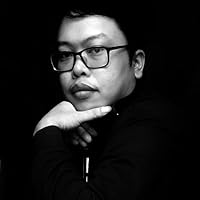
Jiddu Krishnamurti was born on 11 May 1895 in Madanapalle, a small town in south India. He and his brother were adopted in their youth by Dr Annie Besant, then president of the Theosophical Society. Dr Besant and others proclaimed that Krishnamurti was to be a world teacher whose coming the Theosophists had predicted. To prepare the world for this coming, a world-wide organization called the Order of the Star in the East was formed and the young Krishnamurti was made its head.
In 1929, however, Krishnamurti renounced the role that he was expected to play, dissolved the Order with its huge following, and returned all the money and property that had been donated for this work.
From then, for nearly sixty years until his death on 17 February 1986, he travelled throughout the world talking to large audiences and to individuals about the need for a radical change in humankind.
Krishnamurti is regarded globally as one of the greatest thinkers and religious teachers of all time. He did not expound any philosophy or religion, but rather talked of the things that concern all of us in our everyday lives, of the problems of living in modern society with its violence and corruption, of the individual's search for security and happiness, and the need for humankind to free itself from inner burdens of fear, anger, hurt, and sorrow. He explained with great precision the subtle workings of the human mind, and pointed to the need for bringing to our daily life a deeply meditative and spiritual quality.
Krishnamurti belonged to no religious organization, sect or country, nor did he subscribe to any school of political or ideological thought. On the contrary, he maintained that these are the very factors that divide human beings and bring about conflict and war. He reminded his listeners again and again that we are all human beings first and not Hindus, Muslims or Christians, that we are like the rest of humanity and are not different from one another. He asked that we tread lightly on this earth without destroying ourselves or the environment. He communicated to his listeners a deep sense of respect for nature. His teachings transcend belief systems, nationalistic sentiment and sectarianism. At the same time, they give new meaning and direction to humankind's search for truth. His teaching, besides being relevant to the modern age, is timeless and universal.
Krishnamurti spoke not as a guru but as a friend, and his talks and discussions are based not on tradition-based knowledge but on his own insights into the human mind and his vision of the sacred, so he always communicates a sense of freshness and directness although the essence of his message remained unchanged over the years. When he addressed large audiences, people felt that Krishnamurti was talking to each of them personally, addressing his or her particular problem. In his private interviews, he was a compassionate teacher, listening attentively to the man or woman who came to him in sorrow, and encouraging them to heal themselves through their own understanding. Religious scholars found that his words threw new light on traditional concepts. Krishnamurti took on the challenge of modern scientists and psychologists and went with them step by step, discussed their theories and sometimes enabled them to discern the limitations of those theories. Krishnamurti left a large body of literature in the form of public talks, writings, discussions with teachers and students, with scientists and religious figures, conversations with individuals, television and radio interviews, and letters. Many of these have been published as books, and audio and video recordings.
Cách tiếp cận tốt nhất với cuốn sách này là cần phải nhìn các quan điểm về giáo dục của Krishnamurti về bản chất là quan điểm tâm linh. Giáo dục với ông là một thứ giáo dục hợp nhất với tâm linh. Nhưng quả thật, chính trong cái ý muốn hợp nhất này, ông dường như đã nhầm lẫn mục đích của giáo dục và mục đích của tâm linh. Tâm linh có thể là nền tảng của giáo dục nhưng chúng là hai phương diện khác nhau và do đó mục đích hướng tới khác nhau, không thể đánh đồng. Khi xác định đúng cách tiếp cận này ta mới thấy tư tưởng của ông trở nên rõ ràng, xuyên suốt.
Ý tưởng quan trọng nhất có thể thâu tóm toàn bộ nội dung cuốn sách có lẽ đó chính là hình ảnh về con người đồng bộ. Con người đồng bộ là con người đã đạt tới tự do, có thể dùng trí thông minh nơi mình để kiến tạo đời sống của chính mình, không còn bị trói buộc và áp đặt bởi truyền thống, xã hội. Con người đó thậm chí còn vượt ra ngoài xã hội để hiệp thông tinh thần với một thực tại tâm linh siêu việt hơn mà Krishnamurti gọi là Thượng đế hay tính thiêng.