

What do you think?

अँधा युग
Andha Yud
108 pages, Paperback
First published January 1, 1954
Ratings & Reviews
Friends & Following
Create a free account to discover what your friends think of this book!
Community Reviews
Displaying 1 - 30 of 74 reviews

June 28, 2021
यह पुस्तक महाभारत युद्ध के अंतिम दिन, पंच-अधिनियम त्रासदी पर आधारित है। यह मानव जीवन और नैतिक मूल्यों के विनाश पर केंद्रित है। यह मेरी पहली धर्मवीर भारती की किताब थी और मैं उनकी और किताबें पढ़ना पसंद करूंगा। अगर मुझे मंच पर अंधा युग देखने का मौका मिला तो मैं इसमें शामिल होऊंगा।

November 22, 2016
The most gory and the darkest representation of any incident of The Mahabharat I have ever read . The book focuses on the darkness and the legacy of madness created by the war of Kurukshetra , and if looked at at a broader perspective the book focuses on the evil itself called as - war .
The best things I find about the book is that the author ruthlessly and mercilessly has shown every character fallen , driven by revenge , anger and madness , every character is destroyed and is at a stage where all their morals and humanity is engulfed by the darkness (both darknesses , created by war and their inner darkness) .
The selection and use of characters was perfect like using the character of Yuyutsu (Duryodhan's half-brother) a lesser known character of the epic was wonderful . Yuyutsu is used as an epitome of that right person who clearly makes a choice between black and white and stands by his choice but in the end becomes a victim of his own chosen side . I think Dharmvir Bharti has done more justice to the character of Yuyutsu than Ved Vyas did . The character of Ashwathama , being an immortal (as per the epic) , represents the eternal human thirst first for power and , if human loses , then for revenge . Sanjay represents the truth which is finding solace when the age of darkness rises and finally it goes nowhere . The characters of the doorkeepers (representing common man) who don't care who won and who lost because they have compromised with their destiny are wonderfully built .
In many manners the play is relevant even in the current times .
Perfect 5 Stars .
The best things I find about the book is that the author ruthlessly and mercilessly has shown every character fallen , driven by revenge , anger and madness , every character is destroyed and is at a stage where all their morals and humanity is engulfed by the darkness (both darknesses , created by war and their inner darkness) .
The selection and use of characters was perfect like using the character of Yuyutsu (Duryodhan's half-brother) a lesser known character of the epic was wonderful . Yuyutsu is used as an epitome of that right person who clearly makes a choice between black and white and stands by his choice but in the end becomes a victim of his own chosen side . I think Dharmvir Bharti has done more justice to the character of Yuyutsu than Ved Vyas did . The character of Ashwathama , being an immortal (as per the epic) , represents the eternal human thirst first for power and , if human loses , then for revenge . Sanjay represents the truth which is finding solace when the age of darkness rises and finally it goes nowhere . The characters of the doorkeepers (representing common man) who don't care who won and who lost because they have compromised with their destiny are wonderfully built .
In many manners the play is relevant even in the current times .
Perfect 5 Stars .

November 19, 2011
In 'Andha Yug', Bharti has given us a thought-provoking mixture of mythology and existentialism. Jean-Paul Sartre possibly inspires Bharti here.
The supposition that in a world where God is dead, three horrible kinds of men -- the half-animal, the suicide-seeker, and the action-less loafer -- will emerge charges 'Andha Yug'. This sounds bleak but Bharti's attempt is not to end in hopelessness. As he points out in his introduction, it is to define light that he takes on the totality of human darkness (this may remind some readers of Camus' Plague).
The supposition that in a world where God is dead, three horrible kinds of men -- the half-animal, the suicide-seeker, and the action-less loafer -- will emerge charges 'Andha Yug'. This sounds bleak but Bharti's attempt is not to end in hopelessness. As he points out in his introduction, it is to define light that he takes on the totality of human darkness (this may remind some readers of Camus' Plague).

November 2, 2022
अंधा युग महाभारत (दुनिया का सबसे लंबा महाकाव्य) में अंतिम समय की घटनाओं पर आधारित है।
डॉ. धर्मवीर भारती ने इस नाटक को इस पृथ्वी के इतिहास में अब तक के सबसे बड़े युद्ध के दौरान और उसके बाद सभी को हुए नुकसान की दृष्टि से बहुत बारीकी से विकसित किया है। पूर्वजों और प्रियजनों के नुकसान से पीछे छोड़ दिया गया हर चरित्र तबाह हो गया था। पूर्ववृत्त जो महान राजा थे, उनके पास कुछ भी नहीं बचा।
उन्होंने यह भी प्रतिबिंबित किया कि हिंदू धर्म में वैज्ञानिक अनुसंधान और आविष्कार कितने उन्नत थे, क्योंकि हमारे पूर्वजों ने उस समय ही परमाणु बम बना लिया था।
ज्यादातर कहानियाँ जो महाभारत से निकाली गई हैं या उस पर आधारित हैं, वे पांडवों के दृष्टिकोण से बनाई गई थीं, लेकिन कौरवों की दृष्टि से बहुत कम। यह नाटक उन्हीं कुछ अंशों में से एक है। बच्चों के बिना माता-पिता और उनके बिना बच्चों ने तब पूरी व्यवस्था को प्रभावित किया और लोगों को वह काम करने के लिए मजबूर किया जो होने वाला नहीं था, अगर सही रास्ता अपनाया गया होता।
इस नाटक में प्रत्येक पात्र को उनके क्रोध, निराशा, पालन, संयम और सहनशीलता को दिखाने के लिए एक उचित भूमिका दी गई थी। एक माँ (गांधारी) की मार्मिकता और पुरुषों (अश्वत्थामा और युयुत्सु) के भ्रमपूर्ण, मूर्खतापूर्ण व्यवहार ने उन्हें अपने ही भाई-बहनों और परिवार के सदस्यों को मारने के लिए प्रेरित किया।
मेरा मानना है कि कहीं न कहीं इस नाटक को देखना दिल को छू लेने वाला होगा।
इस नाटक को पढ़कर मुझे बहुत अच्छा लगा; मुझे फिर से अपने स्कूल के दिनों की याद दिला दी।
English Translation of my review (मेरी समीक्षा का अंग्रेज़ी अनुवाद):
Andha Yug is based on end time events in Mahabharat (World's longest Epic).
Dr. Dharmavir Bharati developed this play very finely from the point of view of the damages done to all during & in the aftermath of the greatest war ever in the history of this earth. Every character left behind was devestated by the loss of forebears and loved ones. Antecedents who were the great kings, left with nothing.
He also reflected how advanced the scientific researches & inventions were, in Hinduism, as our ancestors had developed to have Atomic Bomb even in that time.
Mostly stories that have been extracted from Mahabharata or based on it were to made from the point of view of Pandavas but so few from the sight of Kauravas. This play is one among those few extracts. Parents left without children and children without them affected the whole system then and forced people did thing that were not meant to happen, if righteous path would had been taken.
Each character was given a proper part in this play to show their rage, dissapointment, adherence, abidance & forbearance. Poignancy of a mother (Gandhari) and delusional, idiosyncratic behaviour of men (Ashwathama & Yuyutsu) over the path they chose that lead them to kill their own siblings and family members.
I believe, to watch this play somewhere, would be very touching.
I really felt good while reading this play; reminded me of my school days yet again.
डॉ. धर्मवीर भारती ने इस नाटक को इस पृथ्वी के इतिहास में अब तक के सबसे बड़े युद्ध के दौरान और उसके बाद सभी को हुए नुकसान की दृष्टि से बहुत बारीकी से विकसित किया है। पूर्वजों और प्रियजनों के नुकसान से पीछे छोड़ दिया गया हर चरित्र तबाह हो गया था। पूर्ववृत्त जो महान राजा थे, उनके पास कुछ भी नहीं बचा।
उन्होंने यह भी प्रतिबिंबित किया कि हिंदू धर्म में वैज्ञानिक अनुसंधान और आविष्कार कितने उन्नत थे, क्योंकि हमारे पूर्वजों ने उस समय ही परमाणु बम बना लिया था।
व्यास - मैं हूँ व्यास |
ज्ञात क्या तुम्हें है परिणाम इस ब्रह्मास्त्र का ?
यदि यह लक्ष्य सिद्ध हुआ ओ नरपश!
तो आगे आने वाली सदियों तक पृथ्वी पर रसमय वनस्पति नहीं होगी
शिशु होंगे पैदा विकलांग और कुष्ठग्रस्त सारी मनुष्य जाति बौनी हो जायेगी
जो कुछ भी ज्ञान संचित किया है मनुष्य ने सतयुग में, त्रेता में, द्वापर में सदा-
सदा के लिए होगा विलीन वह गेहूँ की बालों में सर्प फुफकारेंगे
नदियों में बह -बहा कर आयेगी पिघली आग|
ज्यादातर कहानियाँ जो महाभारत से निकाली गई हैं या उस पर आधारित हैं, वे पांडवों के दृष्टिकोण से बनाई गई थीं, लेकिन कौरवों की दृष्टि से बहुत कम। यह नाटक उन्हीं कुछ अंशों में से एक है। बच्चों के बिना माता-पिता और उनके बिना बच्चों ने तब पूरी व्यवस्था को प्रभावित किया और लोगों को वह काम करने के लिए मजबूर किया जो होने वाला नहीं था, अगर सही रास्ता अपनाया गया होता।
इस नाटक में प्रत्येक पात्र को उनके क्रोध, निराशा, पालन, संयम और सहनशीलता को दिखाने के लिए एक उचित भूमिका दी गई थी। एक माँ (गांधारी) की मार्मिकता और पुरुषों (अश्वत्थामा और युयुत्सु) के भ्रमपूर्ण, मूर्खतापूर्ण व्यवहार ने उन्हें अपने ही भाई-बहनों और परिवार के सदस्यों को मारने के लिए प्रेरित किया।
गांधारी: यदि मेरी सेवा में बल है संचित तप में धर्म हैं तो सुनो कृष्ण!
प्रभु हो या परात्पर हो कुछ भी हो सारा तुम्हारा
वंश इसी तरह पागल कुत्तों की तरह एक -दूसरे को परस्पर फाड़ खायेगा तुम खुद उनका विनाश
करके कई वर्षों बाद किसी घने जंगल में साधारण व्याध के हाथों मारे जाओगे प्रभु हो पर मारे जाओगे
पशुओं की तरह|
(वंशी- ध्वनि | कृष्ण की छाया) कृष्ण - ध्वनि - माता !
प्रभु हूँ या परात्पर पर पुत्र हूँ तुम्हारा, तुम माता हो !मैंने अर्जुन से कहा - सारे तुम्हारे कर्मों का पाप -
पुण्य, योगक्षेम मैं वहन करूँगा अपने कंधों पर अठ्ठारह दिनों के इस भीषण संग्राम में कोई नहीं केवल
में ही मरा हूँ करोड़ों बार जितनी बार जो भी सैनिक भूमिशायी हुआ कोई नहीं था वह मैं ही था गिरता
था घायल होकर जो रणभूमि में । अश्वत्थामा के अंगों से रक्त , पीप, स्वेद बन कर बहूँगा मैं ही युग -
युगान्तर तक जीवन हूँ मैं तो मृत्यु भी तो मैं ही हूँ माँ ।
शाप यह तुम्हारा स्वीकार है।
मेरा मानना है कि कहीं न कहीं इस नाटक को देखना दिल को छू लेने वाला होगा।
इस नाटक को पढ़कर मुझे बहुत अच्छा लगा; मुझे फिर से अपने स्कूल के दिनों की याद दिला दी।
English Translation of my review (मेरी समीक्षा का अंग्रेज़ी अनुवाद):
Andha Yug is based on end time events in Mahabharat (World's longest Epic).
Dr. Dharmavir Bharati developed this play very finely from the point of view of the damages done to all during & in the aftermath of the greatest war ever in the history of this earth. Every character left behind was devestated by the loss of forebears and loved ones. Antecedents who were the great kings, left with nothing.
He also reflected how advanced the scientific researches & inventions were, in Hinduism, as our ancestors had developed to have Atomic Bomb even in that time.
Vyas - I am Vyas.
Do you know the result of this Brahmastra? If this goal is achieved hey
Narpash! So there will be no succulent vegetation on the earth for the
coming centuries.
Babies will be born handicapped and the entire human race will be dwarfed
by leprosy.
Whatever knowledge a man has accumulated in Satyuga, in Treta, in
Dwapar always, will disappear forever & ever
the snake will hiss in the grass of wheat,
Melted fire will flow in rivers.
Mostly stories that have been extracted from Mahabharata or based on it were to made from the point of view of Pandavas but so few from the sight of Kauravas. This play is one among those few extracts. Parents left without children and children without them affected the whole system then and forced people did thing that were not meant to happen, if righteous path would had been taken.
Each character was given a proper part in this play to show their rage, dissapointment, adherence, abidance & forbearance. Poignancy of a mother (Gandhari) and delusional, idiosyncratic behaviour of men (Ashwathama & Yuyutsu) over the path they chose that lead them to kill their own siblings and family members.
Gandhari: If there is power in my service, there is dharma in accumulated
penance, then listen hey Krishna! Be it God or Paratpar, all your
descendants will eat each other like mad dogs, you yourself will destroy
them after many years and will be killed by normal hunters in the
dense forest, but you will be killed like animals. ,
(Vanshi - Sound | Shadow of Krishna) Krishna - Sound - Mother!
I am the son of God or Paratpar,
I am your son, you are my mother!
I said to Arjuna -
I will carry all the sins and virtues of your actions on my shoulders,
Yogaksham
In this fierce battle of eighteen days no one has died but me.
Millions of times the number of times the soldier landed there was no
one, I was there.
Those who fell wounded on the battlefield.
Like blood, urine and sweat will flow from the parts of Ashwatthama
I am the life of ages, I am the mother, even death.
This curse of your, accepted.
I believe, to watch this play somewhere, would be very touching.
I really felt good while reading this play; reminded me of my school days yet again.

April 7, 2024
Mahabharat is one of the most iconic cultural treasures of the Indian subcontinent. I am yet to come across an epic which is as nuanced and layered as Mahabharat is. This book is one of the interpretations especially from the last days of the war. I absolutely love the choice of characters and it was such a great read. I had read this before but probably never understood the gravitas at that moment. The fourth chapter which deals with the curse of Gandhari and the way Krishna accepts it is truly amazing. I have listened to this multiple times in plays and recitations. But still when I read it myself it's equally fascinating and gives you goosebumps every time.

November 7, 2019
★★★½☆
A well written drama focusing on the last days and post Mahabharata war.
Poetic prose. Some gory details.
Good character picks limiting only to - Dhritarashtra, Kunti, Vidur, Ashwatthama, Yuyutsu, Kripacharya, Sanjay and a couple of Praharis.
Overall dark themed.
Loved the ending - "Prabhu ki Mrityu" on the death of Krishna.
The philosophical words after Krishna's death is what I liked the most.
Easily relatable in the modern world, giving a glimmer of hope and faith.
A well written drama focusing on the last days and post Mahabharata war.
Poetic prose. Some gory details.
Good character picks limiting only to - Dhritarashtra, Kunti, Vidur, Ashwatthama, Yuyutsu, Kripacharya, Sanjay and a couple of Praharis.
Overall dark themed.
Loved the ending - "Prabhu ki Mrityu" on the death of Krishna.
The philosophical words after Krishna's death is what I liked the most.
Easily relatable in the modern world, giving a glimmer of hope and faith.

January 8, 2025
Beautiful and powerful read.
If you have been curious about the great epic Mahabharata and how it shaped the contemporary society with its profound realisations and insights, you must give this book a read. Great start to a new reading year!
If you have been curious about the great epic Mahabharata and how it shaped the contemporary society with its profound realisations and insights, you must give this book a read. Great start to a new reading year!
September 27, 2016
An iconic interpretation of the last days of Mahabharata. The dialogues are inspiring and heart wrenching at the same time. The pieces are cleverly managed and well rendered. Over a weekend read it aloud to yourself with emotions and those emotions shall overwhelm you.
May 27, 2026
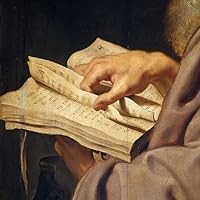
exam season is upon us my friends.

October 18, 2019
5000 STARS!
Brilliant brilliant creation. This will be read by generations to come.
Brilliant brilliant creation. This will be read by generations to come.
September 25, 2024
This book explores the dark side of the Mahabharata war, focusing on the events of the final day and its aftermath. It presents a unique and realistic portrayal of characters like Yuyutsu, Ashwatthama, and Sanjaya, along with the introduction of new characters such as Jara.....

May 31, 2022
When I found this copy in an obscure Daryaganj bookshop basement, I had no idea that it would open up a window to the rich literary past of a newly independent India.
Dharamvir Bharti was a renowned Hindi writer and novelist, and while I was not familiar with his name, his novel titled "Suraj ka Satvan Ghoda" rang a bell, because it was made into a national award winning film by Shyam Benegal. That title has always intrigued me, and now that I have been reminded of it, I think a reading is due soon to understand it, followed by a viewing of the film.
Andha Yug, the only play he ever wrote, was considered to be masterpiece that brought in a new era in Hindi theatre. It won the Sangeet Natak Akademi Award, and even the Prime Minister, Jawaharlal Nehru watched a production in 1963. An anti-war play, written in the years following the partition of India and Pakistan, it alludes to the politics of violence using the last day of the Mahabharat as a metaphor.
Aah I wish and hope that this production is done again, against the backdrop of the Purana Qila, like they did back in the day. This was a perfect follow up to the Mahabharat.
Dharamvir Bharti was a renowned Hindi writer and novelist, and while I was not familiar with his name, his novel titled "Suraj ka Satvan Ghoda" rang a bell, because it was made into a national award winning film by Shyam Benegal. That title has always intrigued me, and now that I have been reminded of it, I think a reading is due soon to understand it, followed by a viewing of the film.
Andha Yug, the only play he ever wrote, was considered to be masterpiece that brought in a new era in Hindi theatre. It won the Sangeet Natak Akademi Award, and even the Prime Minister, Jawaharlal Nehru watched a production in 1963. An anti-war play, written in the years following the partition of India and Pakistan, it alludes to the politics of violence using the last day of the Mahabharat as a metaphor.
Aah I wish and hope that this production is done again, against the backdrop of the Purana Qila, like they did back in the day. This was a perfect follow up to the Mahabharat.

January 21, 2020
In Ramayana the war takes place away from home, the Odessey is post war journey home , Similarly , In Aeniad the war takes place for a home . But in Mahabharata the war takes place at home , among kinsmen and in such a war both sides must lose . Andhayug is a wonderful recreation of the Kurukshetra war where kinsmen fight to death , it echoes the bloodthirsty partition of 1947 where the sons and daughters of the same motherland brutally butchered each other.

March 20, 2019
मैं शुरू से ही धर्मवीर भारती की लेखनी का फैन हूँ। किन्तु "अंधा युग" एक अलग ही विधा है। यह एक दृश्य काव्य के रूप में लिखा गया नाटक है जिसमे कुरुक्षेत्र के युद्ध के बाद कि घटनाओं का मार्मिक वर्णन है।
.
कृष्ण, धृतराष्ट्र, गांधारी, विदुर, संजय, कृपाचार्य, कृतवर्मा, युयुत्सु एवम युधिष्ठिर आदि मुख्य पात्र हैं।
.
कृष्ण, धृतराष्ट्र, गांधारी, विदुर, संजय, कृपाचार्य, कृतवर्मा, युयुत्सु एवम युधिष्ठिर आदि मुख्य पात्र हैं।

May 23, 2021
I very good English translation.
Poetry that depicts eventual fall of Good and Vices taking over the best resulting in Mayhem.
It's a good retelling of certain events of Mahabharata.
Poetry that depicts eventual fall of Good and Vices taking over the best resulting in Mayhem.
It's a good retelling of certain events of Mahabharata.
September 16, 2022
ये बस अंधेर नगरी है। कभी आए राम कभी आए श्याम धर्म को स्थापित करने के लिए। उन्होंने दिया हमारे लिए योगदान। क्या रह गया बस गांधारी का वो कृष्ण के लिए श्राप। धर्म की हुई विजय लेकिन कब तक के लिए रही वो विजय। अंधा युग तो पहले था लेकिन अब कलियुग में है अंधा युग। हे कृष्ण तुम वापस अजाओ हैं तुम्हारी जरूरत, बढ़ गया है अधर्म यहां अजोआ न तुम यहां। दोबारा इतिहास लिखा जाएगा की क्या अब के युधिष्ठिर संभाल पाएंगे अपना राज्य। कब तक जीते हुए योद्धा धर्म को लेके चल पाएंगे।
November 28, 2021
A short verse-play. It is a critical view of the Mahabharata war. It feels sympathetic to the Kauravas since it adopts their points of view to put its point across, but it is mostly a neutral critique of war and the violence inherent to it.
I liked how the book does not romanticize the war with good/evil characters and almost each death is brutal and visceral as it would be in a real melee.
My only nitpick is that the Bharti does not venture out of Krishna's God aspect. The characters fall back to appeasing him once their momentary (human) fits of rage pass.
I liked how the book does not romanticize the war with good/evil characters and almost each death is brutal and visceral as it would be in a real melee.
My only nitpick is that the Bharti does not venture out of Krishna's God aspect. The characters fall back to appeasing him once their momentary (human) fits of rage pass.

January 22, 2022
अद्भुत और अविस्मरणीय। कचोटती है, विवश करती है आत्मावलोकन को। किंतु कदापि हम साधारण लोगों के सामर्थ्य के परे है।
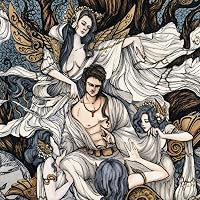
July 28, 2026
गांधारी :
प्रभु हो या परात्पर हो कुछ भी हो सारा तुम्हारा वंश इसी तरह पागल कुत्तों की तरह एक–दूसरे को परस्पर फाड़ खायेगा तुम खुद उनका विनाश करके कई वर्षों बाद किसी घने जंगल में साधारण व्याध के हाथों मारे जाओगे प्रभु हो पर मारे जाओगे पशुओं की तरह।
कृष्ण :
माता! प्रभु हूँ या परात्पर, पर पुत्र हूँ तुम्हारा, तुम माता हो। मैंने अर्जुन से कहा—सारे तुम्हारे कर्मों का पाप–पुण्य, योगक्षेम, मैं वहन करूँगा अपने कंधों पर। अठ्ठारह दिनों के इस भीषण संग्राम में, कोई नहीं, केवल मैं ही मरा हूँ करोड़ों बार।
यह नाटक अब तक मेरे पढ़ने के सफर में मेरा सबसे पसंदीदा नाटक है।
मेरे पसंदीदा पात्र या तो गांधारी हैं या अश्वत्थामा। युयुत्सु का चरित्र मानवीय स्थिति का अन्वेषण करता है।
मुझे इस उत्कृष्ट नाटक को पढ़ने का सौभाग्य प्राप्त हुआ, मैं बहुत प्रसन्न हूँ।
प्रभु हो या परात्पर हो कुछ भी हो सारा तुम्हारा वंश इसी तरह पागल कुत्तों की तरह एक–दूसरे को परस्पर फाड़ खायेगा तुम खुद उनका विनाश करके कई वर्षों बाद किसी घने जंगल में साधारण व्याध के हाथों मारे जाओगे प्रभु हो पर मारे जाओगे पशुओं की तरह।
कृष्ण :
माता! प्रभु हूँ या परात्पर, पर पुत्र हूँ तुम्हारा, तुम माता हो। मैंने अर्जुन से कहा—सारे तुम्हारे कर्मों का पाप–पुण्य, योगक्षेम, मैं वहन करूँगा अपने कंधों पर। अठ्ठारह दिनों के इस भीषण संग्राम में, कोई नहीं, केवल मैं ही मरा हूँ करोड़ों बार।
यह नाटक अब तक मेरे पढ़ने के सफर में मेरा सबसे पसंदीदा नाटक है।
मेरे पसंदीदा पात्र या तो गांधारी हैं या अश्वत्थामा। युयुत्सु का चरित्र मानवीय स्थिति का अन्वेषण करता है।
मुझे इस उत्कृष्ट नाटक को पढ़ने का सौभाग्य प्राप्त हुआ, मैं बहुत प्रसन्न हूँ।

December 30, 2022
A brilliant hindi play by Mr. Bharti. Set in the backdrop of the Mahabharat, it shows the resemblance to the political realities post independence.

July 16, 2025
Review of the Malayalam translation
മഹാഭാരതത്തിൽ ധർമ്മാധർമ്മങ്ങൾ വേർപിരിക്കാനാവാത്തവിധം ഇഴചേർന്നു കിടക്കുന്നു എന്ന് ഇതിഹാസത്തെ നിഷ്പക്ഷമായി സമീപിക്കുന്ന ആർക്കും മനസ്സിലാകും. ഓരോ എഴുത്തുകാരനും തൻ്റേതായ രീതിയിൽ വ്യാഖ്യാനിക്കാനുള്ള സ്വാതന്ത്ര്യം അതു നൽകുന്നുണ്ട്. അതുകൊണ്ടാണല്ലോ, ദശാബ്ദങ്ങളായി നമ്മുടെ സർഗ്ഗപ്രതിഭകൾ ഈ സ്വർണ്ണഖനിയിൽ വീണ്ടും വീണ്ടും കുഴിച്ചുകൊണ്ടിരിക്കുന്നത്.
കൃഷ്ണനെ ഭഗവാനായി കാണുന്ന പരമ്പരാഗത ഇന്ത്യക്കാരനെ ഏറ്റവും കുഴക്കുന്ന കാര്യം അദ്ദേഹം മുൻകയ്യെടുത്ത് നടത്തുന്ന ധർമ്മവിലോപങ്ങളാണ്. മിത്തുകൾ സ്വതവേ ധർമ്മാധർമ്മ സങ്കൽപ്പങ്ങൾക്ക് പുറത്താണ്: വൃഷ്ണി എന്ന ഗോത്രവിഭാഗത്തിൻ്റെ ദൈവമായ കൃഷ്ണൻ പ്രത്യേകിച്ചും. എന്നാൽ ഭഗവദ്ഗീത അദ്ദേഹത്തിൻ്റെ വായിൽ തിരുകി, സർവ്വലോകങ്ങളുടേയും അധിപനായി അദ്ദേഹത്തെ വാഴിച്ച വൈദിക സങ്കൽപ്പത്തിന് കൃഷ്ണനെ ധർമ്മസംസ്ഥാപകനാക്കേണ്ടി വന്നു; മഹാഭാരതത്തിൽ അദ്ദേഹം ചെയ്യുന്ന അധർമ്മങ്ങളെ ന്യായീകരിക്കേണ്ടിയും. മഹാഭാരതത്തെ ചുറ്റിപ്പറ്റി ഇന്നു നടക്കുന്ന വാഗ്വാദങ്ങൾ ഏറിയ പങ്കും ഈ വൈരുദ്ധ്യത്തിൽ നിന്നാണ് ഉയിർകൊള്ളുന്നത്.
ധർമ്മവീർ ഭാരതിയും കൃഷ്ണൻ എന്ന ദൈവസങ്കൽപ്പത്തിലാണ് ശ്രദ്ധ കേന്ദ്രീകരിക്കുന്നത്. എന്നാൽ പരമ്പരാഗത കാഴ്ചപ്പാടിൽ നിന്നും വേറിട്ട്, അദ്ദേഹം ഭഗവാനെ ഒരേ സമയം യുദ്ധത്തിൻ്റെ കാരണവും, അതിൻ്റെ ഇരയുമാക്കുന്നു. എല്ലാ മനുഷ്യരിലും അന്തർലീനമായിരിക്കുന്ന വിവിധ ചേതനകളിൽ ഈ ദൈവത്തിൻ്റെ അംശം കണ്ടെത്താൻ അദ്ദേഹം ശ്രമിക്കുന്നു.
കൗരവനാശത്തോടെ കൃഷ്ണനെ വെറുത്തു തുടങ്ങുന്ന ഗാന്ധാരിയും അശ്വത്ഥാമാവും ഒരു വശത്തും, അദ്ദേഹത്തെ ആരാധിക്കുന്ന വിദുരർ മറുവശത്തുമായുള്ള സംഭാഷണങ്ങളിലൂടെയാണ് നാടകം വികസിക്കുന്നത്. ധർമ്മത്തെ സംബന്ധിച്ച താന്താങ്ങളുടെ വേവലാതികളുമായി യുയുത്സു, സഞ്ജയൻ, ധൃതരാഷ്ട്രർ, കൃപാചാര്യർ, കൃതവർമ്മാവ്, യുധിഷ്ഠിരൻ എന്നിവരും രംഗത്തു വരുന്നുണ്ട്. നാടകദേഹത്തിൽ ഉടനീളം നിറഞ്ഞുനിൽക്കുന്ന കൃഷ്ണൻ പക്ഷേ, വെറും ഒരശരീരിയാണ്. ദുര്യോധനൻ്റെ മരണവും അശ്വത്ഥാമാവിൻ്റെ ക്രൂരപ്രതികാരവും കുരുവംശത്തിൻ്റെ വേരറുത്തു കഴിയുമ്പോൾ, ഗാന്ധാരി കൃഷ്ണനെ ശപിക്കുന്ന വേളയിലാണ് ഭഗവാൻ്റെ സ്വരം ആദ്യമായി നാം കേൾക്കുന്നത്.
ഒടുവിൽ യാദവനാശത്തിനും കൃഷ്ണൻ്റെ മരണത്തിനും ശേഷം ബാക്കിയാവുന്നത് ലോകത്തിലെ സകല വ്യാധികളും ദേഹത്തുപേറി, വെറുപ്പിൻ്റെ ബാക്കിപത്രം പോലെ അഭിശപ്തനായ അശ്വത്ഥാമാവും, ആത്മവഞ്ചന ഉളവാക്കുന്ന ആത്മനിന്ദയിൽ ഉഴറുന്ന പ്രേതരൂപിയായ യുയുത്സുവും, കൊല്ലാനും രക്ഷിക്കാനും കഴിയാതെ, കർമ്മബന്ധമില്ലാതെ അർത്ഥവും അസ്തിത്വവും നഷ്ടപ്പെട്ട നിഷ്ക്രിയനായ സഞ്ജയനും മാത്രം. ജയിച്ചവരുടേയും തോറ്റവരുടേയും നിഷ്പക്ഷരുടേയും പ്രതിനിധികൾ. ഒരേ പോലെ അന്ധയുഗത്തിൽ ഉഴറാൻ വിധിക്കപ്പെട്ടവർ. എല്ലാ സംഗരങ്ങളുടേയും ബാക്കിപത്രം.
മരണസമയത്ത് ഭഗവാൻ പറയുന്നു:
ഇന്ന് അന്ധയുഗം അതിഘോരമായ ഇരുട്ടിലേക്ക് കടന്നിരിക്കുന്നു. വെറുപ്പിൻ്റെ കറുത്ത തേവരെ ഏവരും ഉപാസിക്കുന്നു. നമുക്ക് പ്രതീക്ഷയ്ക്ക് വകയുണ്ടോ?
ഭരതവാക്യം ഇങ്ങനെ:
മഹാഭാരതത്തിൽ ധർമ്മാധർമ്മങ്ങൾ വേർപിരിക്കാനാവാത്തവിധം ഇഴചേർന്നു കിടക്കുന്നു എന്ന് ഇതിഹാസത്തെ നിഷ്പക്ഷമായി സമീപിക്കുന്ന ആർക്കും മനസ്സിലാകും. ഓരോ എഴുത്തുകാരനും തൻ്റേതായ രീതിയിൽ വ്യാഖ്യാനിക്കാനുള്ള സ്വാതന്ത്ര്യം അതു നൽകുന്നുണ്ട്. അതുകൊണ്ടാണല്ലോ, ദശാബ്ദങ്ങളായി നമ്മുടെ സർഗ്ഗപ്രതിഭകൾ ഈ സ്വർണ്ണഖനിയിൽ വീണ്ടും വീണ്ടും കുഴിച്ചുകൊണ്ടിരിക്കുന്നത്.
കൃഷ്ണനെ ഭഗവാനായി കാണുന്ന പരമ്പരാഗത ഇന്ത്യക്കാരനെ ഏറ്റവും കുഴക്കുന്ന കാര്യം അദ്ദേഹം മുൻകയ്യെടുത്ത് നടത്തുന്ന ധർമ്മവിലോപങ്ങളാണ്. മിത്തുകൾ സ്വതവേ ധർമ്മാധർമ്മ സങ്കൽപ്പങ്ങൾക്ക് പുറത്താണ്: വൃഷ്ണി എന്ന ഗോത്രവിഭാഗത്തിൻ്റെ ദൈവമായ കൃഷ്ണൻ പ്രത്യേകിച്ചും. എന്നാൽ ഭഗവദ്ഗീത അദ്ദേഹത്തിൻ്റെ വായിൽ തിരുകി, സർവ്വലോകങ്ങളുടേയും അധിപനായി അദ്ദേഹത്തെ വാഴിച്ച വൈദിക സങ്കൽപ്പത്തിന് കൃഷ്ണനെ ധർമ്മസംസ്ഥാപകനാക്കേണ്ടി വന്നു; മഹാഭാരതത്തിൽ അദ്ദേഹം ചെയ്യുന്ന അധർമ്മങ്ങളെ ന്യായീകരിക്കേണ്ടിയും. മഹാഭാരതത്തെ ചുറ്റിപ്പറ്റി ഇന്നു നടക്കുന്ന വാഗ്വാദങ്ങൾ ഏറിയ പങ്കും ഈ വൈരുദ്ധ്യത്തിൽ നിന്നാണ് ഉയിർകൊള്ളുന്നത്.
ധർമ്മവീർ ഭാരതിയും കൃഷ്ണൻ എന്ന ദൈവസങ്കൽപ്പത്തിലാണ് ശ്രദ്ധ കേന്ദ്രീകരിക്കുന്നത്. എന്നാൽ പരമ്പരാഗത കാഴ്ചപ്പാടിൽ നിന്നും വേറിട്ട്, അദ്ദേഹം ഭഗവാനെ ഒരേ സമയം യുദ്ധത്തിൻ്റെ കാരണവും, അതിൻ്റെ ഇരയുമാക്കുന്നു. എല്ലാ മനുഷ്യരിലും അന്തർലീനമായിരിക്കുന്ന വിവിധ ചേതനകളിൽ ഈ ദൈവത്തിൻ്റെ അംശം കണ്ടെത്താൻ അദ്ദേഹം ശ്രമിക്കുന്നു.
കൗരവനാശത്തോടെ കൃഷ്ണനെ വെറുത്തു തുടങ്ങുന്ന ഗാന്ധാരിയും അശ്വത്ഥാമാവും ഒരു വശത്തും, അദ്ദേഹത്തെ ആരാധിക്കുന്ന വിദുരർ മറുവശത്തുമായുള്ള സംഭാഷണങ്ങളിലൂടെയാണ് നാടകം വികസിക്കുന്നത്. ധർമ്മത്തെ സംബന്ധിച്ച താന്താങ്ങളുടെ വേവലാതികളുമായി യുയുത്സു, സഞ്ജയൻ, ധൃതരാഷ്ട്രർ, കൃപാചാര്യർ, കൃതവർമ്മാവ്, യുധിഷ്ഠിരൻ എന്നിവരും രംഗത്തു വരുന്നുണ്ട്. നാടകദേഹത്തിൽ ഉടനീളം നിറഞ്ഞുനിൽക്കുന്ന കൃഷ്ണൻ പക്ഷേ, വെറും ഒരശരീരിയാണ്. ദുര്യോധനൻ്റെ മരണവും അശ്വത്ഥാമാവിൻ്റെ ക്രൂരപ്രതികാരവും കുരുവംശത്തിൻ്റെ വേരറുത്തു കഴിയുമ്പോൾ, ഗാന്ധാരി കൃഷ്ണനെ ശപിക്കുന്ന വേളയിലാണ് ഭഗവാൻ്റെ സ്വരം ആദ്യമായി നാം കേൾക്കുന്നത്.
ഗാന്ധാരി: (ഹൃദയം പൊട്ടുന്ന സ്വരത്തിൽ) ഓ, എന്റെ മകന്റെ അസ്ഥികൾ അവിടെ കിടപ്പുണ്ടല്ലേ. ഇതെല്ലാം കൃഷ്ണന്റെ വകയാണ്. നീ തന്നെയാണിത് ചെയ്തത്. കേട്ടുകൊൾക! നീ ഇന്നു കേട്ടുകൊൾക. ഞാൻ, തപസ്വിനിയായ ഗാന്ധാരി, ജീവിതത്തിലെ പുണ്യങ്ങളുടെ പേരിൽ, കഴിഞ്ഞ ജന്മങ്ങളുടെ പുണ്യങ്ങളുടെ പേരിൽ, പറയുന്നു - കൃഷ്ണാ, കേട്ടാലും, നിനക്കു വേണമെങ്കിൽ ഈ യുദ്ധത്തെ ഇല്ലാതാക്കാമായിരുന്നു. ഞാൻ ആ അസ്ഥിപഞ്ജരത്തെയല്ല പ്രസവിച്ചത്. നിന്റെ ഇംഗിതമനുസരിച്ചാണ് ഭീമൻ അധർമ്മംഇവിടെ തൂണിലും തുരുമ്പിലും നിറയുന്ന വിശ്വചേതസ്സായി കൃഷ്ണൻ ഉയരുന്നു. പക്ഷെ, ഗീതാകാരനായ ഗുരുവല്ല ഇവിടെ സംസാരിക്കുന്നത്: തമ്പുരാനായാലും ഉടയവനായാലും ഒരമ്മയുടെ ഗർഭപാത്രത്തിൽ ഉരുവം കൊണ്ട ഒരു ജീവനാണ്: ഒരു മകനാണ്.
ചെയ്തത്. നിരപരാധിയായ അശ്വത്ഥാമാവിന് കൊടുത്ത ശാപം എന്തുകൊണ്ട് ഭീമന് നല്കിയില്ല? നീ നിന്റെ കഴിവിനെ ദുരുപയോഗപ്പെടുത്തി. എന്റെ തപസ്സിനു ശക്തിയുണ്ടെങ്കിൽ എന്റെ കർമ്മങ്ങൾക്കു ശക്തിയുണ്ടെങ്കിൽ കൃഷ്ണാ, നീ കേട്ടുകൊൾക! തമ്പുരാനായാലും ഉടയവനായാലും ശരി, എന്തുമായിക്കൊള്ളട്ടെ, നിന്റെ വംശം മുഴുവൻ ഭ്രാന്തൻ നായ്ക്കളെപ്പോലെ തമ്മിൽ തമ്മിൽ കടിച്ചുകീറും. നീ അവരുടെ നാശത്തിനു ഹേതുവായി ഏതെങ്കിലും വനാന്തരത്തിൽ ദാരുണമായി വധിക്കപ്പെടും. തമ്പുരാനെങ്കിലും, പക്ഷേ, മൃഗത്തെപ്പോലെ വധിക്കപ്പെടും.
കൃഷ്ണൻ്റെ സ്വരം: അമ്മേ! തമ്പുരാനായാലും ഉടയവനായാലും അമ്മേ, നിന്റെ മകനാണു ഞാൻ! ഞാൻ അർജ്ജുനനോടു പറഞ്ഞിരുന്നു, 'നിന്റെ കർമ്മങ്ങളുടെയും പാപപുണ്യങ്ങളുടെയും യോഗക്ഷേമത്തിന്റെയും ഭാരം ഞാൻ ചുമക്കും.' ഈ പതിനെട്ടു ദിവസത്തെ യുദ്ധത്തിനിടയിൽ മറ്റാരുമല്ല, ഞാനാണ് പലതവണ മരിച്ചത്. എത്ര തവണ എത്രയെത്ര യോദ്ധാക്കൾ വീണുവോ, മറ്റാരുമല്ല ഞാൻ തന്നെയാണ് മുറിവേറ്റുവീണത്. അശ്വത്ഥാമാവിന്റെ അവയവങ്ങളിൽനിന്നും ചലവും ചോരയുമായി ഞാൻ തന്നെ ഒലിച്ചിറങ്ങും. യുഗയുഗാന്തരങ്ങളായി ജീവനും ഞാൻ തന്നെ! മരണവും ഞാൻ തന്നെ! അമ്മയുടെ ശാപവും സ്വീകാര്യം തന്നെ!
ഒടുവിൽ യാദവനാശത്തിനും കൃഷ്ണൻ്റെ മരണത്തിനും ശേഷം ബാക്കിയാവുന്നത് ലോകത്തിലെ സകല വ്യാധികളും ദേഹത്തുപേറി, വെറുപ്പിൻ്റെ ബാക്കിപത്രം പോലെ അഭിശപ്തനായ അശ്വത്ഥാമാവും, ആത്മവഞ്ചന ഉളവാക്കുന്ന ആത്മനിന്ദയിൽ ഉഴറുന്ന പ്രേതരൂപിയായ യുയുത്സുവും, കൊല്ലാനും രക്ഷിക്കാനും കഴിയാതെ, കർമ്മബന്ധമില്ലാതെ അർത്ഥവും അസ്തിത്വവും നഷ്ടപ്പെട്ട നിഷ്ക്രിയനായ സഞ്ജയനും മാത്രം. ജയിച്ചവരുടേയും തോറ്റവരുടേയും നിഷ്പക്ഷരുടേയും പ്രതിനിധികൾ. ഒരേ പോലെ അന്ധയുഗത്തിൽ ഉഴറാൻ വിധിക്കപ്പെട്ടവർ. എല്ലാ സംഗരങ്ങളുടേയും ബാക്കിപത്രം.
മരണസമയത്ത് ഭഗവാൻ പറയുന്നു:
അവസാനം തമ്പുരാൻ ഇങ്ങനെ പറഞ്ഞു - “അല്ലയോ വേടാ, ഇതൊരു മരണമല്ല! രൂപാന്തരീകരണം മാത്രം. എല്ലാവരുടെ ഉത്തരവാദിത്ത്വവും ഞാൻ എന്റെ ചുമലിൽ താങ്ങി. എന്റെ ചുമതലകൾ ഞാൻ മറ്റുള്ളവർക്കു നല്കുന്നു. ഇത്രയും കാലം മനുഷ്യന്റെ ഭാവിയെ സംരക്ഷിച്ചുപോന്നു. എന്നാൽ, ഈ അന്ധമായ കാലഘട്ടത്തിൽ എന്റെ ഒരു അംശം നിഷ്ക്രിയമായി വർത്തിക്കും. ആത്മവഞ്ചനയുടേതായി തുടരും. വ്രണിതമായി തുടരും- സഞ്ജയൻ, യുയുത്സു, അശ്വത്ഥാമാവ് എന്നിവരെപ്പോലെ. കാരണം, അവരുടെ ചുമതലകൾ ഞാൻ സ്വീകരിച്ചുവല്ലോ!"ഇവിടെ കൃഷ്ണൻ വെടിയേറ്റുവീണ രാഷ്ട്രപിതാവിൻ്റെ പ്രതീകമായി മാറുന്നു (സ്വാതന്ത്ര്യാനന്തരമുള്ള അന്ധയുഗത്തിൽ നമുക്ക് പ്രതീക്ഷയുടെ നാളം ആ ഓർമ്മയായിരുന്നല്ലോ!): അശ്വത്ഥാമാവും സഞ്ജയനും യുയുത്സുവും ബുദ്ധിജീവികളുടേയും. പൊതുജനത്തിൻ്റെ പ്രതീകമായി നിസ്സംഗതയോടെ പാറാവുചെയ്യുന്ന ഭടന്മാരുണ്ട്.
അദ്ദേഹം പറഞ്ഞു: “പക്ഷേ, മറ്റുള്ളവർ എന്റെ ചുമതല വഹിക്കും. പ്രതികൂലസാഹചര്യങ്ങളെ മറികടന്ന് കഴിഞ്ഞ കാലഘട്ടത്തിന്റെ നഷ്ടങ്ങളിൽ നിന്ന് നൂതനമായ ഒരു ചക്രവാളത്തെ കണ്ടെത്തുന്നവരുടെ ഹൃദയത്തിൽ എന്റെ അംശം നിലനില്ക്കും. നൈതികമായ ജീവിതരീതിയിൽ, മൗലികത്വമാർന്ന സർഗ്ഗപ്രക്രിയയിൽ, നിർഭയത്തിൽ, സാഹസത്തിൽ, ആർദ്രതയിൽ, രസസംപുഷ്ടിയിൽ, ഓരോ നിമിഷവും ഞാൻ ജീവിക്കുകയും ഉയിർകൊള്ളുകയും ചെയ്യും!"
ഇന്ന് അന്ധയുഗം അതിഘോരമായ ഇരുട്ടിലേക്ക് കടന്നിരിക്കുന്നു. വെറുപ്പിൻ്റെ കറുത്ത തേവരെ ഏവരും ഉപാസിക്കുന്നു. നമുക്ക് പ്രതീക്ഷയ്ക്ക് വകയുണ്ടോ?
ഭരതവാക്യം ഇങ്ങനെ:
അന്നത്തെ അന്ധമായ യുഗം അവസാനിക്കുന്നില്ല.കാലാതിവർത്തിയായ അതി ഗംഭീര നാടകം!
വീണ്ടും വീണ്ടും ആവർത്തിക്കുന്നു.
തമ്പുരാൻ്റെ അന്ത്യം ഓരോ നിമിഷവും നടന്നുകൊണ്ടിരിക്കുന്നു.
നമ്മുടെ ഹൃദയങ്ങളിൽ ഇരുൾ പരക്കുന്നു.
അവിടെ അശ്വത്ഥാമാവും സഞ്ജയനുമുണ്ട്.
ദാസവൃത്തി ചെയ്യുന്ന പാറാവുകാരുണ്ട്.
അന്ധത്വം സംശയമാണ്, ലജ്ജാവഹമായ പരാജയവുമാണ്. എങ്കിലും മനസ്സിൽ ഒരു ബീജം നിലകൊള്ളുന്നു. സാഹസത്തിലും സ്വാതന്ത്ര്യലബ്ധിയിലും സർഗ്ഗക്രിയയിലും ജീവിതത്തെ ധന്യമാക്കുന്ന ആ സത്യം വർത്തിക്കുന്നു. മനസ്സിൻ്റെ ധന്യമായ ആ പരിച്ഛേദം അർദ്ധസത്യങ്ങളിൽ നിന്നും ബ്രഹ്മാസ്ത്രങ്ങളിൽ നിന്നും അന്ധമായ സംശയങ്ങളിൽ നിന്നും ദാസ്യത്തിൽ നിന്നും പരാജയങ്ങളിൽ നിന്നും മനുഷ്യൻ്റെ ഭാവിയെ സദാ സംരക്ഷിച്ചു പോരുന്നു.

January 29, 2018
One of the essential plays in Hindi, written in 1954, Dharamvir Bharati's 'Andha Yug' is undeniably a classic of modern times. Opening on the eighteenth day of the Mahabharata war, it brings up the pathos of a war torn society and its moral defeat. Examining the questionable nature of Dharma, of fate being singularly driven by one's Karma or actions, and the fragility of being a God in the Age of Visionless warriors, 'Andha Yug' becomes an allegory for society where collective defeat is the only outcome of personal and political conflicts.
The internet tells me that the tragedy was written post 1947 (Partition of India) and is assumed to be a 'metaphoric meditation on the politics of violence and aggressive selfhood'. A meditation on the coming of a Dark Age where wars dehumanize people, thereby, resulting in the annihilation of both—the victor and the vanquished eventually.
The internet tells me that the tragedy was written post 1947 (Partition of India) and is assumed to be a 'metaphoric meditation on the politics of violence and aggressive selfhood'. A meditation on the coming of a Dark Age where wars dehumanize people, thereby, resulting in the annihilation of both—the victor and the vanquished eventually.

November 2, 2020
Andha Yug is a play that takes place on the last day of the war between the pandavas and kauravas in the Mahabharata. The book basically describes the futility of war, how neither side actually won and there was only destruction caused. The English translation is very simple to read, yet the prose is beautiful and very deep. The tale of the Mahabharata is one that many of us have read about many times, so the way that dialogues in this play are written is what makes it special.
Check out more of my book reviews, recommendations, and other content on my blog Travelling Through Words and bookstagram!
Check out more of my book reviews, recommendations, and other content on my blog Travelling Through Words and bookstagram!

September 11, 2015
Splendid! Masterpiece from Dharamvir Bharti.
June 25, 2023
मानवीय प्रज्ञा की प्रबुद्धता की चरम सीमा से, उसके सबसे उत्कृष्ट शिखर से जिस महाकाव्य का उदय होता है धर्मवीर भारती जी का 'अंधा युग' उससे एक कदम आगे खड़ा हुआ मुस्कुराता दिखाई पड़ रहा है। इसका मुझे हमेशा से बोध रहा है कि महाभारत से अधिक गूढ़, गहन और ऊंची रचना, ज्ञात ब्रह्मांड में तो दूसरी कोई नहीं हो सकती। और भारती जी उतर गए हैं इस महासागर की गंभीरतम गहनताओं में। वहां जो कुछ है वह आत्म-विरेचन से उत्पन्न हुआ अमूल्य संसाधन है। जैसे दूध को मथ-मथ कर ग्वाले, मक्खन, मही और अंततः घृत निकालते हैं, भारती जी महाभारत को मथते हुए ऐसा विशुद्ध घृत निकाला है जो युग-युगांतर तक पढ़ा जाता रहेगा।
जब मैं महाभारत की परिकल्पना करता हूं तो मुझे सारी कथा, सारे चरित्र, सारी देश-काल परिस्थितियां एक बावड़ी की तरह नजर आती हैं। अग्रसेन की बावड़ी। सहस्त्र सीढ़ियां हैं जल तक पहुंचने के पहले। आप जल तक ना जाएं तब भी किसी भी पायदान पर खड़े होकर, पूरी बावड़ी का आनंद ले ही सकते हैं। ऐसा सैकड़ों साहित्यकारों ने किया भी है। और कुछ दर्जनभर साहित्यकार ऐसे भी रहे जिन्होंने ज़हमत उठाई सीढ़ियां उतरकर जल तक पहुंचने की। जल के पास पहुंच कर उन्होंने जो लिखा उससे उनके लिखे को गहराई मिल गई। किंतु बिरले ही हुए जो देख पाए कि जल तो आरंभ मात्र है! कितनी ही सीढ़ियां जलमग्न पड़ी हैं जो दीख नहीं पड़तीं। जो इन ना दिखने वाली सीढ़ियों से भी नीचे उतरे उन्हें मिला चमत्कार। भारती जी चमत्कार लेकर आए हैं 'अंधा युग' के माध्यम से।
मेरे मत में महाभारत की अब तक की सबसे प्रबुद्ध, सबसे जीवंत, सबसे वीभत्स विवेचना। मैं निपट मंत्रमुग्ध हूं इसे पढ़कर।
'अंधा युग' की भूमिका में ही भारती जी कहते हैं "'अंधा युग' कदापि ना लिखा जाता यदि उसका लिखना ना लिखना मेरे वश की बात रह गई होती।"
अंधा युग पंच-अंकीय नाटक है। महाभारत के युद्ध के सबसे अंतिम चरण और उसके बाद की परिस्थितियों पर आधारित इस कथानक में तीन मुख्य चरित्र हैं-- अश्वत्थामा, युयुत्सु और संजय। यह वह किरदार हैं जिन पर ऐतिहासिक दृष्टिकोण से लिखने वालों का उतना ध्यान नहीं होता। किंतु भारती जी का कमाल है कि इन चरित्रों के माध्यम से कुछ व्यापक प्रश्नों का उत्तर टटोलने की भरपूर चेष्ठा की गई है।
महाभारत का कथानक का कारणीय है। इसके हर चरित्र के हर कृत्य के पीछे, हर निर्णय के पीछे कारण है। और कोई भी कारण कितना सही या गलत है ये बहस का विषय है। ये बहस अनंत काल तक होगी। यही महाभारत की सुंदरता की पराकाष्ठा है कि हर कारण अलग-अलग व्यक्तियों को सही या गलत लग सकता है। अपने अपने जीवन के महाभारत के आधार!
कृष्ण और धर्म में संपूर्ण आस्था रखने वाले युयुत्सु को कभी संतोष क्यों ना मिला?!
अश्वत्थामा के जिन कर्मों की वजह से सभी ने उसे पशु कहा, क्या वह कर्म इस बात से प्रेरित नहीं थे कि धर्मराज युधिष्ठिर ने आचार्य द्रोण के वध के लिए अश्वत्थामा नामक कुंजर की मृत्यु को इस तरह से प्रस्तुत किया था जैसे मानव अश्वत्थामा मारा गया हो?! फिर अगर अश्वत्थामा मानवता का त्याग करके सच में पशुता अपना ले तो इतना प्रलाप क्यों?! क्या अपने प्रयोजन के लिए सत्य और अर्धसत्य को एक मान लेना धर्म संगत है?!
कृष्ण प्रभु हैं या परत्पर?!
कठिन प्रश्न हैं।
'अंधा युग' इन सारे प्रश्नों को उठाता भी है और बहस भी करता है किंतु कोई साफ उत्तर नहीं देता। उत्तर पाठक का विषय है। सही या गलत उतना ही निजी है जितना व्यापक। दोनों ही सही, दोनों ही गलत। इस पूरे महासमर से अनासक्त दो प्रहरी, इन पूरी घटनाओं पर टिप्पणियां करते नजर आते हैं यदा-कदा। यह समाज है। समाज जब भूखा हो तो रोटी ही सबसे बड़ी आस्था होती है। 'अंधा युग' इतने स्तरों पर पाठक को झकझोरता है कि अंत: से स्वतः एक पुकार जन्मती है, सर्वज्ञ गूंजती, थर्राती। मृदुल और भयावह एक साथ।
जब मैं महाभारत की परिकल्पना करता हूं तो मुझे सारी कथा, सारे चरित्र, सारी देश-काल परिस्थितियां एक बावड़ी की तरह नजर आती हैं। अग्रसेन की बावड़ी। सहस्त्र सीढ़ियां हैं जल तक पहुंचने के पहले। आप जल तक ना जाएं तब भी किसी भी पायदान पर खड़े होकर, पूरी बावड़ी का आनंद ले ही सकते हैं। ऐसा सैकड़ों साहित्यकारों ने किया भी है। और कुछ दर्जनभर साहित्यकार ऐसे भी रहे जिन्होंने ज़हमत उठाई सीढ़ियां उतरकर जल तक पहुंचने की। जल के पास पहुंच कर उन्होंने जो लिखा उससे उनके लिखे को गहराई मिल गई। किंतु बिरले ही हुए जो देख पाए कि जल तो आरंभ मात्र है! कितनी ही सीढ़ियां जलमग्न पड़ी हैं जो दीख नहीं पड़तीं। जो इन ना दिखने वाली सीढ़ियों से भी नीचे उतरे उन्हें मिला चमत्कार। भारती जी चमत्कार लेकर आए हैं 'अंधा युग' के माध्यम से।
मेरे मत में महाभारत की अब तक की सबसे प्रबुद्ध, सबसे जीवंत, सबसे वीभत्स विवेचना। मैं निपट मंत्रमुग्ध हूं इसे पढ़कर।
'अंधा युग' की भूमिका में ही भारती जी कहते हैं "'अंधा युग' कदापि ना लिखा जाता यदि उसका लिखना ना लिखना मेरे वश की बात रह गई होती।"
अंधा युग पंच-अंकीय नाटक है। महाभारत के युद्ध के सबसे अंतिम चरण और उसके बाद की परिस्थितियों पर आधारित इस कथानक में तीन मुख्य चरित्र हैं-- अश्वत्थामा, युयुत्सु और संजय। यह वह किरदार हैं जिन पर ऐतिहासिक दृष्टिकोण से लिखने वालों का उतना ध्यान नहीं होता। किंतु भारती जी का कमाल है कि इन चरित्रों के माध्यम से कुछ व्यापक प्रश्नों का उत्तर टटोलने की भरपूर चेष्ठा की गई है।
महाभारत का कथानक का कारणीय है। इसके हर चरित्र के हर कृत्य के पीछे, हर निर्णय के पीछे कारण है। और कोई भी कारण कितना सही या गलत है ये बहस का विषय है। ये बहस अनंत काल तक होगी। यही महाभारत की सुंदरता की पराकाष्ठा है कि हर कारण अलग-अलग व्यक्तियों को सही या गलत लग सकता है। अपने अपने जीवन के महाभारत के आधार!
कृष्ण और धर्म में संपूर्ण आस्था रखने वाले युयुत्सु को कभी संतोष क्यों ना मिला?!
अश्वत्थामा के जिन कर्मों की वजह से सभी ने उसे पशु कहा, क्या वह कर्म इस बात से प्रेरित नहीं थे कि धर्मराज युधिष्ठिर ने आचार्य द्रोण के वध के लिए अश्वत्थामा नामक कुंजर की मृत्यु को इस तरह से प्रस्तुत किया था जैसे मानव अश्वत्थामा मारा गया हो?! फिर अगर अश्वत्थामा मानवता का त्याग करके सच में पशुता अपना ले तो इतना प्रलाप क्यों?! क्या अपने प्रयोजन के लिए सत्य और अर्धसत्य को एक मान लेना धर्म संगत है?!
कृष्ण प्रभु हैं या परत्पर?!
कठिन प्रश्न हैं।
'अंधा युग' इन सारे प्रश्नों को उठाता भी है और बहस भी करता है किंतु कोई साफ उत्तर नहीं देता। उत्तर पाठक का विषय है। सही या गलत उतना ही निजी है जितना व्यापक। दोनों ही सही, दोनों ही गलत। इस पूरे महासमर से अनासक्त दो प्रहरी, इन पूरी घटनाओं पर टिप्पणियां करते नजर आते हैं यदा-कदा। यह समाज है। समाज जब भूखा हो तो रोटी ही सबसे बड़ी आस्था होती है। 'अंधा युग' इतने स्तरों पर पाठक को झकझोरता है कि अंत: से स्वतः एक पुकार जन्मती है, सर्वज्ञ गूंजती, थर्राती। मृदुल और भयावह एक साथ।

April 29, 2025
This play is in my syllabus for masters, ngl as a student it’s really difficult to understand as a text, i read it twice- and still wasn’t satisfied with my understanding so I decided to watch the play on youtube. And that gave me the perspective i was missing- ye satya hai ki natak yadi shareer hai to manchan uski praan aatma hai.
Ashwatthama’s character left me speechless.
जितनी कटुता, आक्रोश, प्रतिहिंसा, प्रतिशोध, क्रोध, व्यर्थताबोध और क्रूरता उसमे है, वह अति की सीमा को स्पर्श करते हुए भी सहज लगती है। अपनी समस्त विकृतियों, कुरूपताओं और अंधत्व के बावजूद वह दर्शक/ पाठक की सहानुभूति पता है क्योंकि अश्वत्थामा वह नहीं है जो दिखता है। उसकी क्रूरता, बर्बरता और जघन्य प्रतिशोध भावना के पीछे पिता की हत्या की प्रतिक्रिया है जो भीषण हो उठी है। अगर अर्धसत्य की तलवार से उसका सिर नहीं काटा जाता, अन्य वीरों की भाँति उन्हें भी वीरगति प्राप्त होती तो संभवतः अश्वत्थामा की प्रतिक्रिया इतनी भयावह नहीं होती।
I am not trying to defend what he did to uttara towards the end but- व्यक्तिगत रागद्वेष से परिचालित होकर, विशेषकर जब उनके मूल में अन्याय और अनैतिकता हो, मनुष्य मर्यादाओं और मूल्यों को किस प्रकार अतिक्रमण कर जाता है, उसका उदाहरण अश्वत्थामा है।
अश्वत्थामा जब तक पिता के प्रतिशोध के लिए तत्पर रहता है तब तक दर्शक उसकी हिंसा , पशुता , बर्बरता , अमानवीयता की अनाकनी करता चलता है परंतु जैसे ही वह ब्रहमास्त्र को उत्तरा के गर्भ की और मोड़ता है उसकी विवशता के बावजूद उसके प्रति सारी सहानुभूति समाप्त हो जाती है , और तब अर्जुन और कृष्ण द्वारा अश्वत्थामा को दिया गया कोई भी दंड बहुत नहीं अखरता।
Ashwatthama’s character left me speechless.
जितनी कटुता, आक्रोश, प्रतिहिंसा, प्रतिशोध, क्रोध, व्यर्थताबोध और क्रूरता उसमे है, वह अति की सीमा को स्पर्श करते हुए भी सहज लगती है। अपनी समस्त विकृतियों, कुरूपताओं और अंधत्व के बावजूद वह दर्शक/ पाठक की सहानुभूति पता है क्योंकि अश्वत्थामा वह नहीं है जो दिखता है। उसकी क्रूरता, बर्बरता और जघन्य प्रतिशोध भावना के पीछे पिता की हत्या की प्रतिक्रिया है जो भीषण हो उठी है। अगर अर्धसत्य की तलवार से उसका सिर नहीं काटा जाता, अन्य वीरों की भाँति उन्हें भी वीरगति प्राप्त होती तो संभवतः अश्वत्थामा की प्रतिक्रिया इतनी भयावह नहीं होती।
I am not trying to defend what he did to uttara towards the end but- व्यक्तिगत रागद्वेष से परिचालित होकर, विशेषकर जब उनके मूल में अन्याय और अनैतिकता हो, मनुष्य मर्यादाओं और मूल्यों को किस प्रकार अतिक्रमण कर जाता है, उसका उदाहरण अश्वत्थामा है।
अश्वत्थामा जब तक पिता के प्रतिशोध के लिए तत्पर रहता है तब तक दर्शक उसकी हिंसा , पशुता , बर्बरता , अमानवीयता की अनाकनी करता चलता है परंतु जैसे ही वह ब्रहमास्त्र को उत्तरा के गर्भ की और मोड़ता है उसकी विवशता के बावजूद उसके प्रति सारी सहानुभूति समाप्त हो जाती है , और तब अर्जुन और कृष्ण द्वारा अश्वत्थामा को दिया गया कोई भी दंड बहुत नहीं अखरता।
May 19, 2024
Brilliant is the only word for Dharamvir Bharati's work!
"Andhayug" is Bharati's only play, and I cannot refrain from calling it a masterpiece. From the characters to the dialogues to the metaphors, everything is so beautifully crafted that it left me in awe.
This is one of the best interpretations of the Mahabharata to ever exist. The play begins on the eighteenth day of the Kurukshetra war and ends with the death of Krishna. Bharati has portrayed the aftermath of war so well that I had never seen before.
He does not shy away from showing readers the dark side of the characters. The way Ashwatthama’s dialogues are written—full of rage, vengeance, and destruction—will surely send chills down your spine. Not just Ashwatthama, but also Yuyutsu (the Kaurava's half-brother) and Gandhari are presented in a new light.
Another idea reflected in this play is that war never brings peace, only destruction. Sooner or later, both the defeated and the victorious shall meet their doom, and that is precisely what happens in the Mahabharata.
Additionally, this play was written a few years after India's participation in a major conflict, and thus, one can also immerse themselves in the metaphorical reading of the play. The title "Andhayug" itself becomes highly significant.
Lastly, I am also in awe of Alok Bhalla's translation. I have mostly been disappointed by translations, but this was not the case with "Andhayug." It is equally beautiful in English.
"Andhayug" is Bharati's only play, and I cannot refrain from calling it a masterpiece. From the characters to the dialogues to the metaphors, everything is so beautifully crafted that it left me in awe.
This is one of the best interpretations of the Mahabharata to ever exist. The play begins on the eighteenth day of the Kurukshetra war and ends with the death of Krishna. Bharati has portrayed the aftermath of war so well that I had never seen before.
He does not shy away from showing readers the dark side of the characters. The way Ashwatthama’s dialogues are written—full of rage, vengeance, and destruction—will surely send chills down your spine. Not just Ashwatthama, but also Yuyutsu (the Kaurava's half-brother) and Gandhari are presented in a new light.
Another idea reflected in this play is that war never brings peace, only destruction. Sooner or later, both the defeated and the victorious shall meet their doom, and that is precisely what happens in the Mahabharata.
Additionally, this play was written a few years after India's participation in a major conflict, and thus, one can also immerse themselves in the metaphorical reading of the play. The title "Andhayug" itself becomes highly significant.
Lastly, I am also in awe of Alok Bhalla's translation. I have mostly been disappointed by translations, but this was not the case with "Andhayug." It is equally beautiful in English.
August 31, 2020
The Indian epic Mahabharata stands at a whopping 1.8 million words, stretching into over 200000 verses. This 5000 year old sanskrit epic has seen multiple translations over the years. One such translation I recommend you check out is from the famous writer and playwright Dharamvir Bharti
Andha Yug (The Dark Age) is a play highlighting the sheer destruction post the Mahabharata war. The destruction came not just in material form but also moral and psychological form where age old beliefs and code of chivalry were broken in lieu of victory. The play chiefly features the remnants of the losing Kaurava side who make sense of the widespread death of their clan and under Ashwathama decide to launch a final sneak attack at the unarmed warrior in the night. The chain of events leads to divine weapons being launched and Gandhari cursing Krishna to a fate similar to her children thereby ushering in Andha Yug (or Kali Yuga as we know it) since Krishna represented the last bastion of the virtues and morality of the ancient world.
For those not familiar with Mahabharata, you might need a slight context before picking the book. For others this would be a great read and you would enjoy Bharti's take on the epic. The original Hindi play still stands as one of the classics and rightfully so
Andha Yug (The Dark Age) is a play highlighting the sheer destruction post the Mahabharata war. The destruction came not just in material form but also moral and psychological form where age old beliefs and code of chivalry were broken in lieu of victory. The play chiefly features the remnants of the losing Kaurava side who make sense of the widespread death of their clan and under Ashwathama decide to launch a final sneak attack at the unarmed warrior in the night. The chain of events leads to divine weapons being launched and Gandhari cursing Krishna to a fate similar to her children thereby ushering in Andha Yug (or Kali Yuga as we know it) since Krishna represented the last bastion of the virtues and morality of the ancient world.
For those not familiar with Mahabharata, you might need a slight context before picking the book. For others this would be a great read and you would enjoy Bharti's take on the epic. The original Hindi play still stands as one of the classics and rightfully so

April 19, 2025
क्या थी महाभारत के बाद की स्थिति
कैसी थी सब बचे हुए पात्रों के मन की व्यथा
कैसी रही होगी उस माता की व्यथा जिसने अपने 100 पुत्रों को खो दिया ....और जिसने स्वयं भगवान तक को दोषी ठहरा कर उन्हें श्राप दिया ....या उस अंधे पिता की दशा जिसे अपने पुत्रो की मृत्यु का समाचार दिन प्रति दिन संजय द्वारा सुनाया जा रहा हो ...या उस संजय की जिसने अपनी दिव्य दृष्टि से ये बर्बरता देखी और हर पल मृत्यु की कामना की ....
या उस पुत्र अश्वत्थामा की जिसके अपराजित पिता द्रोण को उन्हीं के पुत्र की मृत्यु का अर्द्ध सत्य सुना कर वध कर दिया गया
या उस युयुत्सु की जो था तो कौरव पर लड़ा पांडवों के लिए या धर्म स्थापना और अपनी कृष्ण आस्था के लिए ....पर उसे न तो मोक्ष प्राप्त हुआ न ही कृष्ण की आस्था और ना ही हस्तिनापुर की प्रजा का प्यार और सम्मान
या उस युधिष्ठिर की जिसने अधर्म की सीमाओं को पार कर युद्ध तो जीत लिया पर अपने आप को हारा हुआ महसूस कर रहा था
युधिष्ठिर तुम तो धर्मराज थे तुम्हे भी छल और मिथ्या का सहारा लेना पड़ा तुम्हारे साथ तो स्वयं भगवान थे
इस धर्मयुद्ध में दोनों ही पक्षों से कितने ही अधर्म हुए .....किसका धर्म सही और किसका अधर्म गलत
कैसी थी सब बचे हुए पात्रों के मन की व्यथा
कैसी रही होगी उस माता की व्यथा जिसने अपने 100 पुत्रों को खो दिया ....और जिसने स्वयं भगवान तक को दोषी ठहरा कर उन्हें श्राप दिया ....या उस अंधे पिता की दशा जिसे अपने पुत्रो की मृत्यु का समाचार दिन प्रति दिन संजय द्वारा सुनाया जा रहा हो ...या उस संजय की जिसने अपनी दिव्य दृष्टि से ये बर्बरता देखी और हर पल मृत्यु की कामना की ....
या उस पुत्र अश्वत्थामा की जिसके अपराजित पिता द्रोण को उन्हीं के पुत्र की मृत्यु का अर्द्ध सत्य सुना कर वध कर दिया गया
या उस युयुत्सु की जो था तो कौरव पर लड़ा पांडवों के लिए या धर्म स्थापना और अपनी कृष्ण आस्था के लिए ....पर उसे न तो मोक्ष प्राप्त हुआ न ही कृष्ण की आस्था और ना ही हस्तिनापुर की प्रजा का प्यार और सम्मान
या उस युधिष्ठिर की जिसने अधर्म की सीमाओं को पार कर युद्ध तो जीत लिया पर अपने आप को हारा हुआ महसूस कर रहा था
युधिष्ठिर तुम तो धर्मराज थे तुम्हे भी छल और मिथ्या का सहारा लेना पड़ा तुम्हारे साथ तो स्वयं भगवान थे
इस धर्मयुद्ध में दोनों ही पक्षों से कितने ही अधर्म हुए .....किसका धर्म सही और किसका अधर्म गलत

October 5, 2025
Easy 5 stars.
I don't know how to review this, except that everyone needs to either watch it, or at least read it once in their lives. A quick primer: the play is set on the last day & the aftermath of the Mahabharata.
I think part of the reason I loved the play *is* because I am partial to Mahabharata (over Ramayana) because of how it explores politics and powerplay, and morality. Borrowing from what my Professor said in class: "If Ramayana explores what upholding Dharma is like, Mahabharata looks at what happens when Dharma is shattered, where its edges blur, when Dharma and Adharma are indistinguishable"
Mahabharata, and Andha Yug specifically, humanize the Gods. No one leaves the epic as a saint, and everyone has to grapple with the question and crisis of whether they are really following the path of Dharma. One of the darkest, goriest renditions of the events of the Mahabharata.
I don't know how to review this, except that everyone needs to either watch it, or at least read it once in their lives. A quick primer: the play is set on the last day & the aftermath of the Mahabharata.
I think part of the reason I loved the play *is* because I am partial to Mahabharata (over Ramayana) because of how it explores politics and powerplay, and morality. Borrowing from what my Professor said in class: "If Ramayana explores what upholding Dharma is like, Mahabharata looks at what happens when Dharma is shattered, where its edges blur, when Dharma and Adharma are indistinguishable"
Mahabharata, and Andha Yug specifically, humanize the Gods. No one leaves the epic as a saint, and everyone has to grapple with the question and crisis of whether they are really following the path of Dharma. One of the darkest, goriest renditions of the events of the Mahabharata.
Displaying 1 - 30 of 74 reviews