Wherever we turn in the storm of roses, thorns illuminate the night. And the thunder of leaves, once so quiet in the bushes, is right at our heels.
I found Darkness Spoken: The Collected Poems of Ingeborg Bachmann browsing at my local bookstore. Drawn to the book but unwilling to commit, I sought out the same volume at the library but took home In the Storm of Roses instead. Six months later, I own both.
Great Bear, come down, shaggy night, cloud-coated beast with the old eyes, star eyes. ... A pine cone: your world. You: its scales. I hunt them, roll them from the pines in the beginning to the pines at the end. Snort on them, test them with my muzzle and set to work with my paws.
In the Storm of Roses is out of print and hard to find. This is a shame, because it is the perfect introduction to Bachmann. Mark Anderson’s translations are excellent. What they lose in formal elegance and ragged perfection compared to Bachmann’s inimitable German, they gain in being in English—a language I know better (as, I’m sure, do many of you.) Darkness Spoken’s translator, Peter Filkins, is perhaps equally gifted, but his commitment to translating all of the poems puts him at a steep disadvantage compared to Anderson, who only includes “poems that could be successfully rendered into English.”
Anderson also includes a handful of prose pieces at the end. These are a gift:
“There is, then, little happiness in a poem. For the writer, the fact that it is a successful poem or may reach someone brings no happiness. The poem is lonely; it has no function and rightly concerns no one. A poem nowadays no longer exalts anything, and even the believers have long since rescinded its powers. Fame and belief reside within the poem itself” (203).
“For whoever accepts the rules and enters the game won’t throw the ball out of the playing field. The playing field is language, and its borders are the borders of the world—a world gazed on without question, nakedly and precisely imagined, experienced in pain, and in happiness celebrated and praised” (204).
Poetry at its best shivers with divine power. There is a reason the most beautiful Hebrew poems—love poems, even—were brought into the Bible, attributed to no lesser author than God himself. That is what I ask of poetry. Not story, not recognition, not empathy, politics, or even feeling—but the half-formed whisper of eternity.
In winter my love is among the beasts of the forest. The vixen knows I must be back before morning and she laughs. How the clouds tremble! And a layer of brittle snow falls on my snow collar. … It is fogland I have seen, fog heart I have eaten.
I can’t say that Bachmann’s poetry will speak to you as it speaks to me. I don’t know if the translations, on their own, however extraordinary, are sufficient. I don’t know what I bring to these poems that you might not have in you to bring. What I can say, is that I expect to carry this book with me for the rest of my life.
The rungs are a thousand and one nights high. The step into emptiness is the last step.
And to what can your heart attest? Between yesterday and tomorrow it swings, foreign and mute, and what it beats , is its fall out of time. * Let us forget our unanswered letters to yesterday! * It’s not you I’ve lost, but the world. * It was always of seas, sand, and ships that I dreamed . But then the war came, and the dream-filled, fantastic world of my youth was pushed out of the way by the real world where decisions, not dreams, come first.
“Nothing pleases me anymore. Should I dress a metaphor with an almond blossom? crucify syntax on a trick of light? Should I take a thought captive, lead it into an illuminated sentence cell? Feed eye and ear with first-class word tidbits? Investigate the libido of a vowel, ascertain the lover’s value of our consonants?”
Ahh! After a long time, i have read such beautiful and elegant poems. And also have found a poet who resonates the hidden, forgotten realm of my being. Though it is just a English translation of German book, i could feel the translator did a great job..otherwise i couldn’t have feel those words. Not for a moment i felt that something was lost. Almost every poems i loved in this collection. Ingeborg Bachmann's poems echoes beautiful atmospheres in so many ways. You can feel the cold forest,birds,nests, rivers, trees through the web of her beautiful words. Just like this poem:
“In winter my love is among the beasts of the forest. The vixen knows I must be back before morning and she laughs. How the clouds tremble! And a layer of brittle ice falls on my snow collar. In winter my love is a tree among trees and invites the hapless crows to nest in her beautiful boughs. She knows that the wind, when evening falls, will lift her stiff, frost-embroidered evening dress and chase me home. In winter my love is among the fish and cannot speak. A slave to the waters her fins stroke from within, I stand on the bank and watch, till ice floes drive me away, how she dives and turns.”
She didn’t just reflect on the beauty.. But i would say that she hardly emphasised on the beauty; there are despairs,moments of loneliness, misery and moments of utmost consciousness of your being. But her love for the worldly seasons, specially spring can't be forgotten. Now i would just like to say: she is a indeed a poet of such superior stature.
“In the hollow of my mute being place a word, Grow forests thick on either side so that my mouth lies all in shade.”
Like Orpheus I play death on the strings of life. And in the face of the earth's beauty and your eyes, that govern the heavens, I have only dark words to say. Don't forget that one morning, when your camp was still wet with dew and the carnation slept by your heart, you also saw the dark river dart past. Its string of silence stretched taut on a wave of blood, I plucked your sounding heart. your hair was changed into shadow locks of night, black flakes of darkness snowed down on your face. And I don't belong to you. Now we are both lamenting. But like Orpheus I know of life on the side of death. And blue before me I see your eye, forever closed.
🌀🌀🌀
Early Noon
Softly the linden grows green in the opening summer. F'ar from cities the dull gleaming moon of day flickers. Already it is noon: already the rays of light stir in the tountain, already the battered wing of the fairytale bird lifts itself from broken glass, and the hand, deformed from throwing stones, sinks into awakening corn. Where Germany's sky blackens the earth its behea-ded angel seeks a grave for its hate and hands you the bowl of its heart. A handful of pain is lost over the hill. Seven years later you realize once more, by the fountain in front of the gate: don't look in too deep for your eyes will swell with tears. Seven years later, in a house of death, yesterday's hangmen drink the golden goblet dry. Your eyes would sink to the floor. Already it is noon; the iron grows crooked in the ashes, the flag is raised on a thorn, and in the rocks of an ancient dream the eagle shall remain wrought.
from Petrarca, 'Y Trionfi"
I
The palm frond breaks in snow, the stairs are falling in. The city lies stiff and gleams in a strange winter glow. The children utter cries and climb the hunger moun-tain. They eat from white flour and worship the skies. The rich winter tinsel, the mandarin gold, whirls in the wild squalls. The blood orange rolls.
VIII
... Earth, sea and sky. Raked with kisses the earth, the sea and the sky. Gripped by my words the earth, still held by my last word the sea and the sky. Haunted by my tones this earth that, sobbing in my teeth, cast anchor with all her blast furnaces, towers and proud peaks. This beaten earth that bared her gorges to me, her steppes, deserts and tundra; this restless earth, with quivering magnetic fields, that fettered herself here with her own unimagined chains of power. This stunned and stunning earth with nightshade flowers lead poisons and rivers of fragrance- gone down in the sea and risen in the sky the earth!
XIII
The sun does not warm, voiceless is the sea. No one unlocks the graves wrapped in snow. Is no brazier being filled with glowing embers? I feel no warmth. Release me! I cannot die any longer. The saint has other business; he cares for the city and begs for bread. The washline is laden with cloth. Soon it will fall. But it will not cover me. I am still guilty. Raise me. I am not guilty. Raise me. Free the ice from the frozen eye. Break through with your glances, seek the blue depths, swim, look and dive. It is not I. It is I.
🌀🌀🌀
Stream
So far in life and so close to death, that I shall litigate no more. From the earth I rip my part; into the still ocean, into its heart I plunge my green wedge and wash myself onshore. Tin birds rise up and cinnamon smell! With my murderer time I am alone. In stupor, in blueness we spin our cocoon.
LAND OF FOG In winter my love is among the beasts of the forest. The vixen knows I must be back before morning and she laughs. How the clouds tremble! And a layer of brittle ice falls on my snow collar.
In winter my love is a tree among trees and invites the hapless crows to nest in her beautiful boughs. She knows that the wind, when evening falls, will lift her stiff, frost-embroidered evening dress and chase me home.
In winter my love is among the fish and cannot speak. A slave to the waters her fins stroke from within, I stand on the bank and watch, till ice floes drive me away, how she dives and turns.
And struck once more by the hunting cry of the bird stiffening his wings above me, I fall on an open field: she plucks the hens and tosses me a white collar bone. I place it around my neck and go forth through the bitter down.
Faithless is my love, I know, sometimes she sways on high heels into town, kissing bar glasses with her straw deep in their mouths, finding the right words for everyone. But I don’t understand this language.
It is fog land I have seen, fog heart I have eaten.
A very destinctive poet and some wonderful poetry here. There was quite a lot that on first read I struggled to decode either because I dont have the right referents or just my mind wasnt sharp enough at the time but even then there is something compelling and unique about Bachmann's imagery and style of writing.
I have encountered her poems a number of times through translations in the Modern Poetry in Translation magazine and they got me to check out her work. I can certainly see myself returning to the poems a number of times.
I devoured this all at once which is not a good way to deal with poetry - much better to sip a poem or two a day. But will do that on rereading I expect.
Katedralde şarkı söyleyen çatlak kızın rolünü sevdim ben.
Odamın penceresi kilise bahçesine bakardı. O günleri hatırladım. Pazar günleri oraya gelenleri seyrederdim. Onlar beni farketmezlerdi ama kilise bekçisi hep görürdü onlara baktığımı. Belki de dili yoktu onun. Sadece kapıyı açıp bahçedeki yaprakları süpürüp geriye kalan zamanlarda öylece oturup duruyordu. Dili var mıydı, hiç öğrenmedim ama yalan söyler gibi bakardı insanın yüzüne.
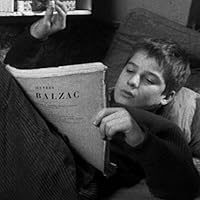
Filmi seyrederken nedense o pencere geldi aklıma.
Yağmur yağdığı günler o pencere önünde kayıt yapardık. Bekçinin kaldığı yerin çatısı aliminyumdandı, yağmurda nasıl da inlerdi. O sesleri bulup dinledim şimdi. Penceredeyim sandım.
Hülya’yla paylaşıyorduk o odayı. Sonra o Viyana’ya gitti. Dorian İzmir’deydi. Mehmet Hoca’ya daha benden sözetmemişti mesela. Hiçbirimiz daha üzülmemiştik.Ya da Şafak Hanım’ın muayenehanesinde ne dramatik konuşmalar yapacağını o da bilmiyordu. Lityum o sıralar sadece atom lablarında hızlandırıcıya bir tutam atılmışlığıyla anılıyordu. Ben dilini bilmediğim bir yerde beş parasız kaldığım 2003 senesini daha yaşamamıştım. Prizren’de herşey karışık diye haber geliyordu. Geceleri programa metin yazıyordum. Akşam vakitlerinde içim sıkılır demiş miydim? Tam o saatlerdeydi program.
Seninle daha hiç konuşmamıştık.
Benim aklımı Radiohead‘le, Bab-ı Ali Yokuşu’yla, Edinburgh bültenleriyle bozduğum yıl.
Hülya’nın herşeyden vazgeçip Viyana’da eve kapanmayı seçtiği yıl işte. Ben Valse de Vienne’e bayılıyordum.
Ah Ingenborg sen gönlünü bir Viyana ezgisine vermiştin değil mi?
“Kışa, bir Viyana ezgisine ve yaza Haritalara, dağda bir yuvaya, bir kıyıya ve bir yatağa“ diyordun.
Ben sana inanıyorum (*).
Kış Masalı (**)‘nda Şekspir yerden göğe haklıdır. Ahkam kesiciler, rüyalar, çanlar, bekçilerin gözleri, yağmurlar, mesafeler yalan söyler bazen.
Haritaya ne bakıyorsunuz? Bohemya‘nın denize kıyısı vardır!
BANU
(*) Bohemya Deniz Kiyisindadir
Burada evler yeşilse eger, girerim bir eve daha. Sağlamsa köprüler burada, iyi basıyorum demektir. Yitirilmişse sevme çabalari bütün zamanlar için, Yeğlerim ben de burada yitirmeyi. Ben olmasam bile, yine ben gibi biridir.
Buradan geçiyorsa yanımdan bir sözcüğün sırları, bırakırım geçsin. Bohemya deniz kıyısındaysa hala, yeniden denizlere inanırım. Ve hala inanıyorsam denize, o zaman karaya da umut bağlarım. Bu bensem eger, o zaman herkes de budur, biridir ben gibi. Artık hiçbir şey istemiyorum kendim için. Batmak istiyorum. Batmak;
yani denize, orada Bohemya’yı yeniden buluyorum. Sakin uyanıyorum batışın ardından. Sil baştan yapıyorum şimdi ve yitik değilim. Buraya gelin, Bohemyalilar, hepiniz, denizciler, liman orospuları ve gemiler demirsiz.
Siz Bohemyali olmak istemiyor musunuz, İliryalilar, Veronalılar, ve Venedikliler, hepiniz.
Oynayın güldüren komedileri. Ve ağlanası olanlarını. Ve yanılın yüz kez, tıpkı benim de yanıldıgım gibi,
Tıpkı Bohemya’nın da başardıgı ve güzel bir günde denize bağışlanıp, şimdi kıyıda oluşu misali.
Ayrıca, bir sözcükle daha komşuyum ve bir başka ülkeyle, Şimdi, az sayıda olsalar da, her şeye daha bir komşuyum, bir Bohemyalı, bir serseri, hiçbir şeyi olmayan, hiçbir şeyin de tutmadıgı biri, yalnızca kavgalı denizden bakınca,
seçtiği ülkeyi görmeye yetenekli biri.
Butun Siirleri Ingeborg Bachmann
(**) Haritaların denizden uzak olduğuna dair bir iddiası olmasına rağmen, Şekspir Bohemya’yı deniz kıyısında anlatır.