Jump to ratings and reviews
Rate this book

The Bachelors

Rate this book
Leaving the home of his foster mother to begin his working life, young Victor stops to visit his uncle, who long ago sealed himself away from the world, on a island in a lake, high in the Austrian alps. The old man, who has never known love, lives barricaded in a former monastery, surrounded by an atmosphere of death and decay. Portraying the friction between these two characters with keen psychological insight, Stifter's masterful bildungsroman explores conflicting attitudes to life and their existential effects: stillness and movement, light and dark, openness and withdrawal.

160 pages, Paperback

First published January 1, 1845

7 people are currently reading
378 people want to read

About the author

Adalbert Stifter

463 books85 followers
Adalbert Stifter was an Austrian writer, poet, painter, and pedagogue. He was especially notable for the vivid natural landscapes depicted in his writing, and has long been popular in the German-speaking world, while almost entirely unknown to English readers.

Ratings & Reviews

What do you think?
Rate this book

Friends & Following

Create a free account to discover what your friends think of this book!

Community Reviews

5 stars
57 (21%)
4 stars
91 (33%)
3 stars
88 (32%)
2 stars
32 (11%)
1 star
3 (1%)
Displaying 1 - 30 of 37 reviews
Profile Image for Algernon.
1,849 reviews1,168 followers
October 12, 2020
On a beautiful green hill-slope, where trees grew and nightingales sang, several young men were frolicking and cavorting, as young men do who stand but barely on the threshold of their lives. A dazzling landscape spread out all around them.

This short novel might qualify as a hidden gem, at least for me, since I am less familiar with German language classics than I am with English, French or Russian nineteen century writers. I understand Adalbert Stifter is still quite popular in his native country and, based solely on this first foray into his work, the appreciation is justified. While I might have some personal doubts about the overt religious tones of the presentation and about the ‘proper’ * social order where masters deal with high spiritual issues while servants know their humble station in life, I was truly enchanted by the way Stifter captures the uplifting, majestic force of landscape as both a backdrop for the story and a metaphor for the inner struggle of his characters.

( He spoke not a word to Christoph and the old woman servant whenever they met him, since he didn’t think it proper to exchange words with his uncle’s servants when he was not speaking to their master. )

While these young lads had been enjoying this day in such a way, something different had been happening in another place. An old man had spent the day sitting in the sun on the bench in front of his house. [...] The old man sat by the house and trembled at the thought of dying.

The plot is apparently a simple, straightforward one: the mythical hero’s journey far from home, on a quest of self-discovery. Victor, a young impoverished man raised in a quiet hill village in Austria, is ordered to go to his uncle’s house before he starts on his first clerical job. He will leave behind an apple-pie baking foster mother and a blue-eyed, golden-haired young girl that is innocently in love with him. Understandably, Viktor has something of a emo meltdown, vowing he will never marry and that nobody in the world understands him.

Look at me, Victor, I’ll soon be seventy years old and still haven’t said that the enjoyment has gone out of my life because everything, everything should give you pleasure, for the world is so beautiful and grows even more beautiful the longer you live.

The preachy discourse and the sugar sweet images of young love are easily taken in stride when the reader puts in balance the elegant phrasing and the evident fascination the author has for his native alpine landscape.
After a slightly strenuous journey on foot (as required in his summoning to his uncle’s house) Viktor arrives at an isolated lake somewhere up in the high mountains. There, on an island forgotten by all but the local shepherds and fishermen, his nemesis lives in almost absolute seclusion in a former convent. The allegory of the bright future of Viktor becoming imprisoned in this gloomy house may lack subtlety, but is efficient.

They all had strong and solid iron bars in front of them. The main entrance door was blocked up and the covered wooden steps down to the sandy forecourt seemed to be the only way in. How different it was from home, where window after window stood open, in which soft white curtains swayed and where, from the garden, you could see the flickering of the cheerful kitchen fire!

The whole set-up , the justification for the uncle’s Grinch-like behaviour and the meekness of Viktor when faced with the situation read often contrived and preachy, but, just like the opening chapter, the whole story is set beneath the magnificent view of the high mountains and of a largely indifferent nature, ready at any moment to go from a blessing sunny day to a devastating tempest.

The high rock faces of the mountains, along with their bright morning colours, looked down on the green island, with its covering of trees and plants, and the peace these emanated was so great and overriding that the dilapidated building, this footprint of unknown human past, amounted to only a small grey dot, unworthy of note in the budding and thrusting life all around.

It is this sensibility to nature that captured me from the start of the story and kept me reading long after the morality play of Viktor’s interaction with his aging uncle became obvious. It addition to the dismissal of the servants as worthy objects of study, later revelations from the uncle place the novel even more clearly within the male-centered, religious bigotry of its period:

... when he died, he put you under her wing where you would have become little better than a hen, fit only for clucking for its chicks and for squawking if one were trampled under a horse’s hoof. Just in these few weeks with me here you have become more than that, because you’ve had to struggle against force and oppression.

Apparently, Viktor needed to become a man and escape from under the skirts of womanhood before he could enjoy his rightful place among the country’s elite. . But even with all my snarky commentary on past social tenets, I am real glad I gave this very short novel a try, since it inspired me once again to put the book down, get out of my apartment and escape into the peaceful, clean, spectacular landscape of the high mountains. Literature and nature sometimes can really complete and enhance each other.
Profile Image for Jimmy.
513 reviews905 followers
July 3, 2013
"While they were speaking of--in their opinion--great things, around about them only little things--also in their opinion--were happening: everywhere the bushes were turning green, the brooding earth was germinating and beginning to play with her first little Spring creatures, as one might with jewels." - p10
There's something strange creeping around in Adalbert Stifter's prose. On the one hand, it is very plain, open, descriptive. But perhaps it is over-descriptive, and perhaps it is overly precious, and overly tedious. But then isn't it also almost shyly self conscious of its own style? Or is that just my always suspicious way of reading books? Is it not weirdly visual also? Especially the beginning, where we are presented with a visual scene and dialogue, in which we find out who these characters are only through their speech, as if the narrator knew nothing of these folks, and were just spying on them from afar himself. And then later is it also not inconsistent what the narrator knows? Does he not know more than he at first lead on? Is there not something really plainly funny about how he phrases some things? Like the oh-so-telling 'in their opinion' above, the repetition of the phrase, the almost too symmetric balance between big and small, between the young bachelor and the old uncle bachelor? Everything is too tidy, something must be wrong, as in this overly objective detailed (almost dissected) description:
"Distracted from her work by the sound of the young man coming in, she turned her face towards him, the face of an old but beautiful woman, something so rarely seen. Its various pastel shades of colour were soft and each one of the countless little wrinkles bespoke kindliness and warmth. Around all the wrinkles were the further innumerable wrinkles of a snow-white, crimped bonnet. On each cheek there was a delicate blush of red." p18
And yet, this something is so quiet. Like a strangeness just bubbling under a very low heat. It is like a slow cooked turkey, with juices sealed in. It's not giving you a clue as to its directions or intentions, but always hinting at something. Meanwhile it's whistling down the street like nothing is out of the ordinary at all. In fact, it's because it is so ordinary that you become suspicious. In a way, this type of strangeness is so much more interesting to me than the outright strangeness of many modernists/postmodernists. You can read the whole book and come out thinking it is a normal story. It's practically impossible to put your finger on what's abnormal, and yet everywhere it is riddling, creeping, conniving, and acting innocent.
"We must remark at this point what a puzzling, indescribable, mysterious and fascinating thing the future is, before it becomes our present--and when it has, how quickly it rushes by, slipping through our fingers--and then how delineated it lies there as the past, spent and insubstantial!" - p11
The story is a simple one but told in such a style that requires the utmost patience. Then again, because of the above elements, I was always riveted, so no patience was required at all. It pulled me along in a mysterious ever wondering. What happens--as far as plot--is straightforward, yet confusing. I immediately wanted to read it over again, but here I heard there's another version translated by another guy in the collection Limestone and Other Stories, so maybe I'll wait and re-read it there, to see if the different translation will be enlightening. What follows are a few things I'm puzzled about, so spoilers will be employed.
It is hard to tell, with all the sentiments and advice being tossed around, and without seeing how it plays out in a grown up Victor, which ideas are the ones the writer himself believes. But then again, this doubt about the book's intentions, this constant lack of surefootedness, is what made the entire book so intriguing to me.

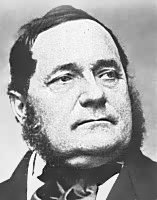
PS - look at this lovely face:

Profile Image for Andrew Schirmer.
149 reviews73 followers
July 23, 2013
Hyper-romantic pastoral bildungsroman, a clear link between Goethe and Hesse. Written in a calm, plaintive, and humorless style, the dialogue rendered in English is intermittently clunky in this translation (though I'm unable to compare it to the original). I've heard that Germans get this for their A-levels, we yanks are stuck with Holden Caufield. Victor receives a forced lesson in existentialism at the hands of his reclusive uncle, then marries his foster sister. Holden learns the brutal facts of life from a moll and her pimp. Guess which one I prefer?
Profile Image for Denis.
Author 5 books31 followers
December 26, 2011
Stifter, one of Germany's most acclaimed writers, is slowly being rediscovered by other countries - I read this novel in French, but it has also been translated in English by the wonderful Pushkin Press, under the title "The Bachelors". Deceptively simple, this novel follows the very popular German tradition of the coming of age story. But it's much more than just the story of an adolescent, pure at heart, who slowly becomes a man through a journey accross his country and an encounter with a solitary, and apparently difficult, old man. It's an ode not to Germany per say, but to the German countryside - and nobody writes as beautifully about landscapes as Stifter: he makes you want to become a wanderer, and to walk through those mountains, valleys, forests, and to dream by those lakes. It is also an ode to solitude - and to the many faces of loneliness, the sad ones, as well as the incredibly happy ones. At some point, the novel seems almost to become a Gothic story, but it never really enters this territory, always remaining extraordinarily simple, anchoring its characters and its narration in the everyday life of people who just live quiet lives, surrounded by nature. Nothing much happens on the surface, and yet, you can feel many tempestuous emotions lurking in the dark - be it the darkness of the ancient house, on the island in the middle of the lake, or the darkness of the old man. A strangely fascinating homo-eroticism floats sometimes around the story: the beauty of the adolescent is often referred to, and the old man slowly mellows and opens his heart when in contact with such youthful beauty, which mirrors his own past self, as well as the positive values of the beauties of the world. There is a philosophical depth to this novella that may explain why someone like Nietzsche admired Stifter's work. Some comparisons have been made to the music of Schumann and Brahms, and they do make sense. I also, personally, thought a lot while reading the novel about the world of Caspar David Friedrich's paintings: they have a tormented soul, a somber romantic quality that transcend their subjects, and tell us something about their lonely characters and the landscapes they cross, that Stifter's novel also possesses.
Profile Image for Lazarus P Badpenny Esq.
175 reviews170 followers
January 26, 2015
"...The fruit trees were very neglected, their branches drooped and many of them were gashed or broken. In contrast to these melancholy relics, an eternally youthful present was blossoming all round them. The towering mountain slopes with their calm dreaming colours looked down at the verdure-clad island, and so vast and overpowering was their tranquility that this ruined masonry, the vestige of an unknown human past, seemed a mere speck of grey which vanished unnoticed amid all that burgeoning potency of life. Dark treetops already overshadowed it, creeping plants scaled the walls and looked over them, the lake gleamed down below, and the sun's rays danced on all the peaks in a ceremony of precious silver and gold." p.99
Profile Image for Andy Weston.
3,212 reviews227 followers
April 19, 2022
I had been warned to expect great things here. This was recommended by several fellow contributors to the Guardian’s TLS after I read and reviewed Rock Crystal. I am grateful.
Again apparent here is how wonderfully Stifter uses the majesty of the towering Austrian mountains as an indication of permanence to contrast the relatively short lives we have.
Victor has been raised in the loving home of his foster mother and now that he is 16, he will travel far from home to take a post as a civil servant. His simple life up until now is fittingly described in simple language by Stifter.
Victor makes a stop on his journey at an island where his uncle, his deceased father’s brother, has lived in solitude for many years. The uncle’s life is the very opposite of Victor’s, not trusting anyone, even Victor’s dog, and keeps his house and his island secured like a fortress. But as the days and weeks pass the two bachelors strike up a relationship, though this chiefly comes from Victor’s efforts.
To read this is a very pleasant diversion. Stifter’s descriptions of swimming in alpine pools and climbing mountains often in adverse winter conditions has a timeless quality to it.
Rather fittingly, originally published in 1845, as the mountains themselves do, it ages well. After all, the novel is about time.
Profile Image for Derian .
350 reviews8 followers
December 29, 2017
Un viaje, siempre es un viaje. Corto o largo, hasta la casa de una abuela o para visitar a un tío en un poblado lejano. El viaje es la excusa del impecable Adalbert Stifter para desplegar lo mejor que saber hacer: hablar de esas montañas imponentes que cercan los límites del imperio austrohúngaro. Hay un aprendizaje en ese viaje, sí, pero también la fría conciencia de una fuerza sublime superior: la naturaleza. Se mete dentro tuyo y te carcome como un espíritu maligno; se apodera de tu alma y la hace propia. Pregúntenle sino a los personajes de todos los relatos del Maestro.
Profile Image for Pierre Menard.
137 reviews253 followers
January 13, 2015
Il titolo originale di questo romanzo breve dello scrittore austriaco di origine boema Adalbert Stifter (1805-68) è Der Hagestolz, ossia Il vecchio scapolo, e forse risulta meno ambiguo della sua versione italiana. Per Victor, giovane pieno di vita e di speranze per un futuro ancora ricco di incognite, è un giorno importante: sta per lasciare il villaggio natio per recarsi in città, dove assumerà un incarico importante. Il passaggio alla vita adulta segna anche l’addio agli affetti familiari, in particolare all’amata madre adottiva, prodiga di saggi consigli, e alla bella Hanna, con cui è cresciuto insieme. Victor è diviso fra il dolore per la separazione dal mondo in cui finora ha vissuto e la gioia di conoscerne uno completamente nuovo e pieno di meraviglie: “Il mezzogiorno era prossimo, mentr’egli continuava il suo cammino. Il mondo si faceva sempre più grande, sempre più splendido, man mano che egli procedeva”.

Nel suo viaggio, Victor deve fare tappa presso la dimora di un vecchio zio, l’unico consanguineo che gli rimane (il giovane è orfano di entrambi i genitori). Dopo un lungo viaggio a piedi in un paesaggio montuoso quasi incantato, con il vecchio e fedele cane Spitz come unico compagno, Victor raggiunge l’isola in mezzo al lago dove si trova un antico monastero, residenza dello zio. Il quale si rivela davvero poco ospitale: prima consiglia a Victor di gettare nel lago il povero cane, poi obbliga il giovane a rimanere presso di sé quasi come un prigioniero. Ombre sinistre sembrano avvolgere quest’uomo solitario, arido e decrepito, che vive in ambienti oscuri e claustrofobici, circondato da servi altrettanto anziani, in un’atmosfera quasi sepolcrale.

Dopo i primi tentativi di fuga dal microcosmo ermeticamente sigillato del monastero, Victor comprende che lo zio vuole metterlo alla prova e intuisce che la sua solitudine così protetta nasconde una profonda tristezza e un rimpianto per la vita ormai trascorsa. Muta perciò il suo atteggiamento e riesce a far breccia nel cuore dell’anziano parente, spingendolo ad aprirsi e a svelare il vero motivo per cui ha invitato Victor nella sua magione. Il dialogo con lo zio porterà Victor a comprendere meglio il significato dell’esistenza umana, divisa fra vita activa e vita contemplativa, e a costruire il proprio futuro cercando di mediare fra questi due estremi in vista di una felicità superiore.

“Contrasto” e “concordia” sono i significativi titoli dei primi due capitoli dell’opera, e in effetti il protagonista sperimenta continuamente contrapposizioni che lo destabilizzano, mentre si muove alla ricerca di un equilibrio difficile da realizzare. Le figure genitoriali (la madre adottiva, lo zio; non a caso Victor è orfano) indicano modelli estremi contraddittori: compito del giovane è imparare da entrambi e poi scegliere la propria strada. Fondamentale, per comprendere fino in fondo il messaggio di Stifter, l’interessante saggio di Helmut Bachmaier che segue il romanzo: bisogna infatti dire che il modo di narrare (così lento e meditativo) e la costruzione dei personaggi e degli ambienti sono lontanissimi dai modelli novecenteschi cui siamo abituati e la lettura di Stifter comunica un senso di straniamento. La trama, per quanto relativamente semplice, si svolge con una lentezza a tratti esasperante e si colloca in uno spazio-tempo idealizzato, privo di riferimenti concreti. Nonostante i numerosi toponimi e l’estrema cura dei dettagli, non c’è una vera e propria geografia realistica: i luoghi del romanzo – il villaggio, il bosco, le montagne, il lago, l’isola, il monastero, la remota città – sono del tutto immaginari, archetipiche espressioni concettuali (la spensieratezza dell’infanzia, la purezza della natura, la solitudine, la promessa del futuro etc.). Allo stesso modo, se si eccettua il protagonista, i vari personaggi sono archetipi statici di possibili realizzazioni umane: il servo devoto, la fanciulla innamorata, l’amico d’infanzia, persino il cane, che sembra riecheggiare l’Argo omerico.

La caratterizzazione ambientale conta altrettanto se non più delle contenute descrizioni psicologiche dei personaggi: potremmo dire che i personaggi di Stifter vivono una sorta di simbiosi con l’ambiente che li ospita, con reciproche influenze. Come in alcuni quadri di Nicolas Poussin, gli uomini e le donne che li popolano quei luoghi sono piccole figure affaccendate in vane occupazioni, appena visibili nell’immensità della natura. C'è dunque un legame profondo fra l’uomo e la natura: basta leggere le pagine dedicate alla descrizione del cupo monastero dell’isola per comprendere la psicologia dello zio di Victor con più profondità di una seduta di psicanalisi.

Date le ambientazioni e la tensione contemplativa verso la natura, pare abbastanza comprensibile che Stifter piacesse molto a Nietzsche. Il saggio di Bachmaier ci viene ancora in aiuto, per isolare le componenti letterarie e le suggestioni filosofiche (che anticiperebbero addirittura l’approccio fenomenologico husserliano). Dice bene Magris che Stifter è “il poeta di un idillio campestre che era essenzialmente una finzione, un solido antidoto contro il risveglio di forze vitali e nemiche […]. Chi ama il tremore e la delicata musicalità di una prosa raffinata può incantarsi davanti al riservato devoto della bellezza e dell’armonia; chi ricerca il caldo impegno di un uomo verso l’avventura vitale stenta a proseguire nella lettura” (Il mito absburgico nella letteratura austriaca moderna, cap. IV.1).

Per quanto mi riguarda, ho letto il romanzo di Stifter in questa pregevole edizione SE durante un soggiorno invernale in un’affascinante Salisburgo innevata e non ho fatto molta fatica a immaginarmi il cammino di Victor sulle montagne e a percepire l’impronta tipicamente austriaca e romantica dell’ambientazione stifteriana. Il luogo dove si legge è a volte quasi importante come il luogo di cui si legge. Fermo restando, come si è detto sopra, che essendo ormai giunti persino oltre il post-modernismo non è affatto facile oggi comprendere una poetica del genere: penso si sia capito, che senza il saggio finale, la mia fruizione del libro di Stifter sarebbe stata notevolmente deficitaria.

Consigliato a chi adora i paesaggi romantici.

Sconsigliato a chi preferisce il mare alla montagna.
Profile Image for Jonathan.
208 reviews71 followers
April 23, 2016
I only 'discovered' Adalbert Stifter, the nineteenth century Austrian writer, for myself this year. Rock Crystal was my first Stifter book and was a beautiful read. 'Bachelors' is in many ways very similar to 'Rock Crystal'; both start off with a rather idyllic setting, followed by a journey, followed by hardships and struggles which are overcome; both books finish with a happy ending. There are slight differences between the two books - 'Rock Crystal' contains more descriptive passages and 'Bachelors' reads more like a fable, though both aspects appear in both.

'Bachelors' starts off with several young men, possibly about sixteen years old, wandering about the countryside on the outskirts of their village talking about their futures, singing, eating and generally having a good time. Here's a lovely quote from this early section of the book:
While they were speaking of - in their opinion - great things, around about them only little things - also in their opinion - were happening: everywhere the bushes were turning green, the brooding earth was germinating and beginning to play with her first little Spring creatures, as one might with jewels.
The narrative then concentrates on one of these men, Victor, who it's revealed lives with his sister Hanna and his foster-mother Ludmilla - Victor's parents had died when he was young. It is also revealed that Victor is about to embark on a new life in a distant town with the promise of a job with the proviso that he has to visit his uncle first and that he must travel there on foot.

After some tears and a sending-off party Victor embarks on his journey. It's a wrench to leave his family and friends but he's aware of his duty to fend for himself. After the third day he is amazed to find that his pet dog has caught up with him. So he continues on his way over the mountainous region with his companion towards his uncle's house.

Now, this may sound as if it's all a bit mawkish but Stifter keeps the narrative style detached enough that it doesn't become cloying or sickly. The characters are good, honest, naive maybe, but they're not simpletons or sentimental; they're still believable and the narrative concentrates on the natural world as much as the characters.

So, Victor reaches his uncle's house, which is an old hermitage on an island in the middle of a lake. It's a forbidding place and things don't start off well when his uncle suggests that Victor should drown the dog before he enters his house. Victor and his dog are eventually admitted into the hermitage where he gets used to a completely different way of life than he's used to. His uncle is sullen and uncommunicative and Victor's sole companion is his pet. It soon becomes apparent to Victor that he is essentially his uncle's prisoner.

I don't want to reveal too much more of the plot as it would spoil it for anyone planning to read it, however Victor and his uncle slowly get to know each other better and a mutual respect grows between them, especially when his uncle reveals details about his early life. I found it interesting that, although the story becomes darker Stifter avoids any extremes. I believe that he was described as a 'bourgeois' writer and it's probably this avoidance of extremes in his writing that is the reason for this tag. Stifter is also linked to the Biedermeier movement which was non-political and in-tune with middle-class values.

Given the book's title, when one of the young men mentions early on in the novel that he will never marry it seemed that the novel was going to concentrate on the lives of the men. I assume though that the title refers to Victor and his uncle during the middle part of the novel.

The only annoying part of the novel for me was the moral at the end which seemed a bit redundant and not really relevant. The moral is essentially that one should have children in order to leave a mark on future generations. A quick look on Wikipedia reveals that Stifter didn't have any biological children and those that he adopted all died early which may explain his preoccupation with this theme.

'Bachelors' was originally published in 1845 as 'Der Hagestolz'. I read the 'Pushkin Press' kindle version which was published in 2008 and translated by David Bryer.
Profile Image for Adam.
664 reviews
November 5, 2011
Note on second reading, Nov. 2011: The Luke translation (mentioned below) definitely has more music and poetry--beautiful! An ideal autumn read.

Victor, a young man who has grown up in the home of a foster mother, comes of age and leaves his idyllic hamlet to seek his fortune far away. Some private tragedy, which will eventually be revealed, prompts him at the beginning of the novel to declare: "One thing is now absolutely certain, today and forever--I'll never marry." On his journey, he must first travel to visit an eccentric bachelor uncle he has never met, a rich hermit-like man living on a small island who may hold Victor's entire future in his hands.

Having read only two novels by Biedermeier author Adalbert Stifter, I consider this to be a slightly better book than Rock Crystal. Oddly enough though, I found Rock Crystal to have the better prose (in fact, it's the sort of book that begs to be read aloud) and to have a more involving, suspenseful story. But that book's flaw is its anti-climactic ending. In The Bachelors, everything is pointing towards a defining, climactic moment, a significant ending. And when the climax comes, some may consider it clumsy--there's no denying that Stifter's method of novel writing is one of a bygone era. However, the ending--this event, this revelation we've been anticipating--comes as a genuine surprise. What we have been waiting for is not what we get. There's a strange beauty to this moment, and it completes the novel as something memorable, as a piece of literature with a distinct and intriguing shape--a book worth reading more than once.

Finally, it's worth noting that Stifter's writing is not for everyone. He will likely appeal only to those who share his interest in the mysterious tension existing between the raw, natural world and the contemplative, inner life of a poetic soul. It can be heady stuff, but rewarding too.

[Note: In the Stifter collection Limestone and Other Stories another translator, David Luke, gave his translation of this short novel the title The Recluse.]
Profile Image for Elazar.
289 reviews18 followers
August 13, 2016
Sweet little book, written almost 200 years ago. Too slow and fairytale'ish for our fast-paced world.
Profile Image for José.
400 reviews39 followers
July 21, 2018
Una «Bildunsgroman» al uso que tiene consecuencias felices para el protagonista.
Profile Image for Ignis.
16 reviews11 followers
August 13, 2025
Aunque me han gustado mucho los tintes de romanticismo que desprende la narración, creo que, con El solterón, he echado en falta una trama más elaborada y unos personajes más complejos, especialmente porque me esperaba una novela centrada en la forma en la que se contemplaba el matrimonio de la época y que desprendiese un componente más crítico.

En cambio, a lo largo de este relato acompañamos a Víctor, un joven vivaz y bondadoso que visita a su solitario tío durante unas semanas, siendo testigos de su viaje de la adolescencia hacia la madurez, el cual se ve ilustrado a través de la propia naturaleza que rodea a los personajes. Se hace clara la contraposición entre la ingenuidad de la juventud y la sabiduría de la vejez; sin embargo, me quedo con la sensación de que me han faltado bastantes páginas, sobre todo para explorar mejor la figura del tío de Víctor, ya que me resultaba bastante interesante y no consigue brillar del todo.

Recomiendo este libro especialmente a aquellos apasionados por las descripciones paisajísticas. Si quieres recorrer un sinfín de valles, montañas, lagos y arroyos de una manera que, en ocasiones, llega a ser bucólica, este es tu libro.

En cambio, si sueles huir de los libros con poca trama, aconsejo que sigas tu camino y que reserves esta lectura para cuando quieras tomarte un descanso y disfrutar de unos ritmos pausados y relajantes.
Profile Image for Justin Labelle.
549 reviews23 followers
October 29, 2023
A very enjoyable, dickens-ish tale.
A Bildungsroman focused on love, adventure and curiosity.
Profile Image for Victoria.
115 reviews13 followers
April 23, 2012
The end of a novel has rarely shaken me so -- and not because of plot, but narrative. Thus no danger of giving anything away, as I can't even describe the effect to myself, let alone tell anyone else.

I started reading Adalbert Stifter because W.G. Sebald said his prose style was influenced not by the German poetic tradition but by the older writers of the 19th century and their long complex sentences, and mentioned Stifter, whose name I hadn't heard. Here's one of those sentences:

"And so the two continued living together, two stems from the same family tree, and who should therefore have been closer to each other than to anyone else but who could not in fact have been further apart -- two stems from the same family tree and yet so different: Victor, like all beginnings, free and full of life, his eyes shining softly, a blank sheet for deeds and joys to come -- the other man, in sharp decline, with his defeated air and with every feature marked by a bitter past; but it was this same past that at the time he had seized hold of both for his pleasure and, as he had thought, his profit." p. 119

This also indicates how objections might be raised to this coercive narrative, intent on telling us everything it thinks we need to know, but the reader is carried along despite them and it all works in a way that seems familiar but deceptively so. Apparently Stifter was a successful but unhappy person, from which the yearning quality of the prose might arise.

The painting on the cover is by the author -- Stifter could describe and appreciate natural beauty in more than one way.
Profile Image for Chuck LoPresti.
203 reviews94 followers
June 27, 2012
Stifter is a keen observer of nature and understands human interaction with great detail. He writes well and is clear and easy to follow but this story was just didn't do it for me. It should not have taken a week to read this very short work but it was almost impossible to stay engaged. Stifter is basically Walser-light the way I see it and Walser is at times too light to be overly engaging - but both writers have their moments of almost magical clarity that make them both worth your time. Part of the problem with The Bachelors was that I just wasn't interested in any of the characters apart from the dog - certainly the most interesting creature in this short book. I really loved Rock Crystal as a holiday tale but I'm not sure who I'd suggest read The Bachelors - if you want natural symbolism seek out Verhearen instead, Zweig does psychological fiction much better and if you're seeking insight on love and loss in the 19th-C Stendhal and Turgenev are far superior. I'm going to need to chase this plain as water book with something overpowering with the wild fermentation of verbal geuze.
Profile Image for Edwin Betancourt Garzón.
110 reviews8 followers
October 1, 2023
Llegué a este señor Stifter porque Kundera lo cita como precursor de Kafka. Sobre todo por otra novela, admirada también por Nietzsche. No obstante en esta novela hace gala de una prosa afable y exquisita, descriptivamente bella y amena. Es el argumento simple, clásico: el viaje y el crecimiento del héroe. Un joven huérfano que ha vivido con su madre adoptiva gran parte de su vida llega a la edad en la que debe prepararse para el resto de su vida. Llega la hora de pensar en el trabajo y en el futuro. Creció en una casa detallista y cariñosa a pesar de su condición "intrusa" que ciertamente desprende Víctor, el joven, que no comprendía el porqué de las atenciones. Su tío, único familiar de sangre vivo, lo convoca para que visite la isla en la que éste reside ya que desea verlo y decirle algo. El viaje se prepara: la madre sufre, se preocupa, se enternece, planea su futuro. Sabe que este viaje es menester para esa pequeña vida que no alumbró pero sí cuidó y amó. Las despedidas siempre son trágicas; sin saber por cuánto tiempo puede ser (al menos aún faltan semanas para su requerimiento laboral), permite que las cosas se den. Frugal y comprensiva, la madre le da las últimas instrucciones mientras atraviesan sus últimas constantes cotidianidades compartidas. Su hermana también está presente y se congojan. Víctor parte hacia la isla de su tío. Es un lago viaje pero va bien preparado. Debe ir a pie hasta donde su tío y así procede, caminando con hermosas descripciones de los parajes y paisajes de esa Alemania y sus lindes austriacos del siglo XIX. Montañas, ríos, campesinos, árboles y colores cálidos y bellos en esta pluma de Adalbert. Ruralidades maravillosas. Spitz, su fiel y viejo perro, lo alcanza por el camino luego de un par de días, sediento y maltrecho, amoroso. Víctor, sorprendido le brinda un poco de pan que tenía para él y lo lleva para que se recupere en el trayecto. Llega a la isla luego de cruzar bosques y pueblos cercanos, vecinos. Toma una barca con un señor mayor y arriba a la isla. Una gran casona y otros edificios aunque no parecen habitados. Antes era un convento de monjes de tradición. Está en la mitad de la nada. Su barquero hace notar que si no tiene invitación, nadie lo recibirá. Pero Víctor la tiene así que no se preocupa por ello. Revisa la isla. Es amplia. Tiene árboles frutales. Un granero. Pocas ventanas. Aunque es amplia, sigue siendo una especie de fortín. Víctor da con una reja y parece ser entrada. Una gran chamarra gris sale a su encuentro con una cara tosca. Le dice al invitado que mejor sería que ahogue o asesine el perro antes de que éste lo haga con él y sus órganos. Víctor, impertérrito responde en defensa de su can que no sería capaz nunca de hacer algo así. Quien lo recibe, le pide que lo ahogue con prontitud o no podrá entrar a la casa: con esta sentencia, empezará a forjarse el carácter noble y tierno de Víctor en esta isla perdida con su tío y 3 sirvientes y muchas habitaciones.
Es el proceso del viaje, de la estancia, de la pérdida, el descubrimiento personal del personaje y de sus cercanos. Vuelve a casa y pasan los años. Corta y hermosa novela sobre la vida y la Vida.
Profile Image for Carlmaria.
47 reviews
June 26, 2020
Victor, a teen orphan, leaves his village in the mountains, like Peter Camenzind and many other characters of Bildungsromans. He kisses his foster mother goodbye, with tears in his eyes, walks for days to a misty lake, where, on an island surrounded by cliffs, lives his uncle. The uncles' motives to command his visit, while completely mysterious, did not allow for any discussion. The foster mom's old crippled dog, at the cost of immense efforts, manages to follow Victor. The dog felt Victor was leaving forever. It is regarding the dog that the uncle, for the first time, addresses his nephew: "tie a stone to his neck and drown him". I hate slow books. The Bachelors is a slow book, but it reads well, because it doesn't preach slowness. It does sermon a bit: Adalbert Stifter makes you feel he has something to teach, both you and Victor. The uncle is a bit like Stifter: a recluse who no longer washes, married to a woman he did not love, who did not give him any children, so that he adopted three, one of which committed suicide, and he ended up cutting his throat with a razor. But Stifter, unlike the uncle, left a legacy of paintings and literature. The uncle's legacy consists in his fortune and a bunch of old trees which he envies, because they make buds. Victor inherits the island and wealth but above all, a mission: live to make others live. "Everything falls apart in a moment if you haven’t created a life that lasts beyond the grave. That man around whom, in his old age, sons, grandsons and great-grandsons stand will often live to be a thousand". Create and procreate. Victor mistook the portrait of his late father as a young man for his own reflection in a mirror. His uncle tells him: I am the true mirror. I was more handsome than your father. Had he lived, he would have looked worse than I do. Become someone else, dare to renounce your own fate, hate mediocrity, even in a loving being. Man makes himself. Your legacy will prove whether you've put your freedom to use. In order to become what he isn't, Victor can neither bet on God nor on the State. Victor himself is the mirror of what his uncle once was, and of what he couldn't become. The old man contemplates his past and abdicates. This philosophical coming-of-age tale was written by a painter: no wonder the only source of sensuality in The Bachelors is sight. Victor bathes in a lake which is neither hot nor cold, where waves make no sound and do not smell of anything, like a lake in a romantic painting hanging on a damp wall.
888 reviews2 followers
January 10, 2018
"We must remark at this point what a puzzling, indescribable, mysterious and fascinating thing the future is, before it becomes our present -- and when it has, how quickly it rushes by, slipping through our fingers -- and then how delineated it lies there as the past, spent and insubstantial!" (10-11)

"Now in the light of day Victor could see how unusually gaunt and decrepit the man was. Nothing suggesting goodwill and sympathy was conveyed by his features, which were instead turned in on themselves, as with someone on the defensive, someone who for countless years has loved only himself." (94)

"Victor's uncle had not come to the wedding despite several requests to do so on his nephew's part, who himself had stayed with him. Quite alone he sat on his island, for, as he himself had once said, everything, everything was too late, and something once missed could not be made up for. If one wished to apply the parable of the barren fig tree to this man, then might one say: the good, gentle Gardener does not cast it into the fire but every spring looks at the barren foliage and, every spring, lets it grow green until the leaves become fewer and fewer and finally only the dried-up branches stretch upwards." (158)
192 reviews1 follower
December 10, 2022
"Un uomo solo", Adalbert Stifter, 1845.

Come carezza sul viso, questo libro.
Lo scrittura di Stifter è tranquilla, come i fiumi delle valli che descrive. E sembra di poter percepire l'odore dei fiori. E della primavera. E del pane caldo inzuppato nel latte.

Victor, giovane e nel pieno della forza, con la sua "inesausta meraviglia di fronte alla bellezza e all'ordine del mondo", è costretto a lasciare la casa dell'infanzia e l'amata madre.
Lo Zio, essere solitario e misantropo, che vive su di una piccola isola, vuole incontrarlo.
Cosa mai vorrà dirgli?

Luce ed Ombra. Vita e Morte. Energia e Stanchezza. Giovinezza e Vecchiaia.
Un libro fatto di contrasti e specchi dove tutti i personaggi sono posti agli estremi per poi giungere ad un unico punto d'incontro: La Gioia.
La gioia che per l'autore è "la manifestazione dell'incontro dell'uomo con un ordine trascendente che si manifesta nelle bellezze della natura".

Questo libro, insieme al suo autore, è stato una piacevolissima scoperta che spassionatamente vi consiglio di fare anche voi.

"La vita è un campo sconfinato, quando l'abbiano di fronte, ed è lunga appena due spanne quando ci si volge indietro a guardarla."
Profile Image for Francesco Iorianni.
251 reviews4 followers
July 15, 2023
Eine Erzählung über die Zeit und wie man sie gebrauchen sollte. Auf der einen Seite haben wir das gelungene Modell des jungen Victors (der Sieger), der nach seiner Bildungsreise heiratet und seine Zeit auf Erden mit der Schönheit des irdischen Lebens gefüllt hat, während auf der anderen Seite sein mittlerweile alter Oheim ein tristen und isoliertes Leben auf seiner Gefängnisinsel führt. Beide Lebenswelten treffen aufeinander und zeigen dem Leser ein Kontrastprogramm auf, der bereits schon mit dem Titel des ersten Kapitels (Gegenbilder) antizipiert wird.
Allerdings stelle ich mich die Frage, ob ich nicht meine eigene Zeit mit der Lektüre dieses Werkes vergeudet habe, da sie ja doch für Stifter so kostbar sei. Ich habe wenig neues aus der Lektüre entnommen und fand manche Beschreibungen in den Naturlandschaften doch etwas zu ausartend. Dieses Natur writing - als Poetik Stifters - hat mich leider nicht abgeholt und mir die Länge der Erzählung als mühselig empfinden lassen.
Profile Image for J Jahir.
1,034 reviews91 followers
February 10, 2017
me pareció interesante, un libro corto catalogado como relato, pero yo lo tomaría más como una corta novela. Me resultó entretenida, a primera vista pensé que era un libro reciente porque en la edición aparecía al inicio enero del 17, pero cuando leí la nota a la edición aparecía que fue escrito en 1844, sólo que apenas la habían traducido al español. Este autor es uno de los más importantes de la literatura alemana del siglo XIX, y la verdad me gustó. Ahí se veía al matrimonio como algo necesario para asegurar los bienes y el futuro, me llevé una sorpresa con el tío anciano con quien se quedó Víctor. parecía un tipo serio y gruñón, pero hizo todo a conciencia pensando en el bienestar de su sobrino. lo recomiendo si buscan entretenerse con un corto libro o cuando quieran leer algo y no les rinda el tiempo para alguna novela mas larga.
196 reviews3 followers
September 29, 2018
In his book Danubia, Simon Winder said we should immediately put his book down and read this one. I did wait to finish Danubia before taking this up but can see why he recommended it so highly.
The Bachelors is set in early 19th C Central Europe. The hero is a young man told to go visit his uncle, whom he has never met and who lives on a island. The youth must journey only on foot. The uncle’s request is very odd and the boy’s time there seems at first lonely but becomes almost enchanting. In the end, the uncle changes the course of his nephew’s life.
Profile Image for Ana Amelia Alvarez.
19 reviews2 followers
December 22, 2025
Pues me encontré con esta novela, me llamó la atención el título y el autor que nunca había leído.

Shifter transforma lo que en un principio es argumento aparentemente sencillo en una reflexión profunda sobre la vida, el paso del tiempo y las elecciones y decisiones personales que uno va haciendo a través de la vida.
Me gustó mucho.
Profile Image for Ottaviaburzi.
69 reviews2 followers
January 26, 2025
Questi libri di buoni sentimenti non sono più molto attuali, invecchiano male. Un romanzo di formazione che intrattiene un po’, ma niente di più.
Letto perché consigliato da un’amica carissima, sarò più selettiva in futuro.
64 reviews1 follower
June 13, 2018
It can be off-putting to read 19th century moral allegories today, but he is true master at writing about landscape.
Profile Image for Gabingy.
225 reviews2 followers
July 28, 2022
Creo que la manera en la que está narrada y describe las cosas es hermosa, pero me decepcionó un poco porque pensé que iba a conectar e identificarme más con la novela por el tema de la soledad.
•́︿•̀
Displaying 1 - 30 of 37 reviews

Can't find what you're looking for?

Get help and learn more about the design.