

What do you think?

Messages from a Lost World: Europe on the Brink
Stefan Zweig was a leading talisman of a united Europe of unfettered movement, of pro-active cultural exchange, humane decency and tolerance, all polar opposites of the Nationalist regimes he loathed, and which came to power in the 1930s. In these poignant essays and addresses, forged in the last years or even months of his life, he shows his profound concern for and dedication to the survival of Europe's spiritual integrity.
These essays form the natural accompaniment to Zweig's renowned memoir The World of Yesterday , registering the same themes and evoking the same nostalgia for a world brutally consigned to history. They can be seen as a vital addendum to that major work or as a prefiguration. But perhaps even more so than the prose of the memoir, these essays, few in number but rich in content, reveal the essence of Zweig's thought.
These essays form the natural accompaniment to Zweig's renowned memoir The World of Yesterday , registering the same themes and evoking the same nostalgia for a world brutally consigned to history. They can be seen as a vital addendum to that major work or as a prefiguration. But perhaps even more so than the prose of the memoir, these essays, few in number but rich in content, reveal the essence of Zweig's thought.
224 pages, Paperback
First published March 8, 2016
About the author
Stefan Zweig
2,588 books11.5k followersStefan Zweig was one of the world's most famous writers during the 1920s and 1930s, especially in the U.S., South America, and Europe. He produced novels, plays, biographies, and journalist pieces. Among his most famous works are Beware of Pity, Letter from an Unknown Woman, and Mary, Queen of Scotland and the Isles. He and his second wife committed suicide in 1942.
Zweig studied in Austria, France, and Germany before settling in Salzburg in 1913. In 1934, driven into exile by the Nazis, he emigrated to England and then, in 1940, to Brazil by way of New York. Finding only growing loneliness and disillusionment in their new surroundings, he and his second wife committed suicide.
Zweig's interest in psychology and the teachings of Sigmund Freud led to his most characteristic work, the subtle portrayal of character. Zweig's essays include studies of Honoré de Balzac, Charles Dickens, and Fyodor Dostoevsky (Drei Meister, 1920; Three Masters) and of Friedrich Hölderlin, Heinrich von Kleist, and Friedrich Nietzsche (Der Kampf mit dem Dämon, 1925; Master Builders). He achieved popularity with Sternstunden der Menschheit (1928; The Tide of Fortune), five historical portraits in miniature. He wrote full-scale, intuitive rather than objective, biographies of the French statesman Joseph Fouché (1929), Mary Stuart (1935), and others. His stories include those in Verwirrung der Gefühle (1925; Conflicts). He also wrote a psychological novel, Ungeduld des Herzens (1938; Beware of Pity), and translated works of Charles Baudelaire, Paul Verlaine, and Emile Verhaeren.
Most recently, his works provided the inspiration for 2014 film The Grand Budapest Hotel.
Zweig studied in Austria, France, and Germany before settling in Salzburg in 1913. In 1934, driven into exile by the Nazis, he emigrated to England and then, in 1940, to Brazil by way of New York. Finding only growing loneliness and disillusionment in their new surroundings, he and his second wife committed suicide.
Zweig's interest in psychology and the teachings of Sigmund Freud led to his most characteristic work, the subtle portrayal of character. Zweig's essays include studies of Honoré de Balzac, Charles Dickens, and Fyodor Dostoevsky (Drei Meister, 1920; Three Masters) and of Friedrich Hölderlin, Heinrich von Kleist, and Friedrich Nietzsche (Der Kampf mit dem Dämon, 1925; Master Builders). He achieved popularity with Sternstunden der Menschheit (1928; The Tide of Fortune), five historical portraits in miniature. He wrote full-scale, intuitive rather than objective, biographies of the French statesman Joseph Fouché (1929), Mary Stuart (1935), and others. His stories include those in Verwirrung der Gefühle (1925; Conflicts). He also wrote a psychological novel, Ungeduld des Herzens (1938; Beware of Pity), and translated works of Charles Baudelaire, Paul Verlaine, and Emile Verhaeren.
Most recently, his works provided the inspiration for 2014 film The Grand Budapest Hotel.
Ratings & Reviews
Friends & Following
Create a free account to discover what your friends think of this book!
Community Reviews
Displaying 1 - 30 of 50 reviews

January 24, 2016
While I had never read any Stefan Zweig before, over the last year, I had seen his name referred to with increasing frequency. Certainly enough to know that he was an author I should be adding to my list. His backstory is fascinating, and tragic. An Austrian born in 1881, his works of fiction/non-fiction were widely read throughout the 1920s/30s, but his growing despair at the state of the world led him and his wife to commit suicide in 1942. This collection of essays is only part of the spectrum of his works that have been published by Pushkin Press, while Penguin have put forth some as part of their Modern Classics, among others. Perhaps the current state of world affairs, and its early 20th C resonances, have played a role in his re-emergence. The subtitle, 'Europe on the Brink', could easily describe the modern political situation, and it was there my mind leapt, before mentally retracing my steps to Zweig's world: two total wars and the rise of Nazism. Nevertheless, the political and moral philosophy he developed in response to contemporary concerns seemed to me to have real relevance today.
The utter horror Zweig felt at the barbarism, violent nationalism, and racism that overran Europe during this period, is revealed within these essays. They are ordered chronologically, so that his ever growing panic and desperation is made more evident over time. For him, humanity's survival and prosperity can only be achieved through peaceful cooperation, mutual understanding, and tolerance. He repeatedly uses the image of the Tower of Babel as an idealised collaborative effort between peoples, brought down by a fearful God who creates chaos and division through manipulation of language and the resulting mutual incomprehension. The overarching narrative of this collection is in his call for people to work together, to have freedom of thought, and to move around Europe as they wish. The economically linked Europe of today, itself under threat of disintegration, is far from the spiritual and cultural connection he would have wished for.
However, in the forward, John Gray notes that while Zweig praised positive collective action and decried the new totalitarian regimes, he did not play any personal, public role in condemning the Nazis [location 80]. He ran from Austria, to England, to the US, to Brazil as his fear about the loss of freedom escalated. His pessimistic world view did not allow for much hope, and in the end, resulted in his rejection of the future. Gray notes that 'It was probably only when he decided to kill himself that Zweig really came to believe that Europe had itself (as he put it) "committed suicide".'[location 37] For some, his actions speak of cowardice and selfishness, but I err towards a more sympathetic evaluation. In 'History as a poetess', he imagines a world in which 'in the long run nothing that happens is entirely senseless', that 'nothing is in vain' [location 712]. This idea continues through to the later essay, 'In his Dark Hour', where he argues that 'Darkness must fall before we are aware of the majesty of the stairs above our heads' [location 1905]. Yet this thought, is followed by 'freedom is as vital to our soul as breathing to our body' [location 1905]. This freedom, intellectual and physical, was to him the very essence of being human. The European timeline 1941-2 includes ongoing war, recurrent massacres, significant extension in the machinery of Holocaust and its use, and more. It is understandable that he could not see how these events were useful or how humanity's freedom would ever be achieved again. Even so, if everyone chose to exit the world, instead of acting to improve it, the future would be even more bleak. The importance of Zweig is not necessarily to be found in his actions, but in his words. Our modern Europe is suffering its own threats; the turmoil and tragedy of the recent past cannot be changed, but it can inform the times ahead. Our choices should be not to lose ourselves in Zweig's pessimism, but work towards his idealised society: in peace, together, with understanding and compassion.
The Zweig back catalogue:
http://pushkinpress.com/author/stefan...
Three recent reviews:
http://www.independent.co.uk/arts-ent...
http://www.newstatesman.com/culture/2...
https://kaggsysbookishramblings.wordp...
Many thanks to Pushkin Press and Netgalley for this copy in exchange for an honest review.
The utter horror Zweig felt at the barbarism, violent nationalism, and racism that overran Europe during this period, is revealed within these essays. They are ordered chronologically, so that his ever growing panic and desperation is made more evident over time. For him, humanity's survival and prosperity can only be achieved through peaceful cooperation, mutual understanding, and tolerance. He repeatedly uses the image of the Tower of Babel as an idealised collaborative effort between peoples, brought down by a fearful God who creates chaos and division through manipulation of language and the resulting mutual incomprehension. The overarching narrative of this collection is in his call for people to work together, to have freedom of thought, and to move around Europe as they wish. The economically linked Europe of today, itself under threat of disintegration, is far from the spiritual and cultural connection he would have wished for.
However, in the forward, John Gray notes that while Zweig praised positive collective action and decried the new totalitarian regimes, he did not play any personal, public role in condemning the Nazis [location 80]. He ran from Austria, to England, to the US, to Brazil as his fear about the loss of freedom escalated. His pessimistic world view did not allow for much hope, and in the end, resulted in his rejection of the future. Gray notes that 'It was probably only when he decided to kill himself that Zweig really came to believe that Europe had itself (as he put it) "committed suicide".'[location 37] For some, his actions speak of cowardice and selfishness, but I err towards a more sympathetic evaluation. In 'History as a poetess', he imagines a world in which 'in the long run nothing that happens is entirely senseless', that 'nothing is in vain' [location 712]. This idea continues through to the later essay, 'In his Dark Hour', where he argues that 'Darkness must fall before we are aware of the majesty of the stairs above our heads' [location 1905]. Yet this thought, is followed by 'freedom is as vital to our soul as breathing to our body' [location 1905]. This freedom, intellectual and physical, was to him the very essence of being human. The European timeline 1941-2 includes ongoing war, recurrent massacres, significant extension in the machinery of Holocaust and its use, and more. It is understandable that he could not see how these events were useful or how humanity's freedom would ever be achieved again. Even so, if everyone chose to exit the world, instead of acting to improve it, the future would be even more bleak. The importance of Zweig is not necessarily to be found in his actions, but in his words. Our modern Europe is suffering its own threats; the turmoil and tragedy of the recent past cannot be changed, but it can inform the times ahead. Our choices should be not to lose ourselves in Zweig's pessimism, but work towards his idealised society: in peace, together, with understanding and compassion.
The Zweig back catalogue:
http://pushkinpress.com/author/stefan...
Three recent reviews:
http://www.independent.co.uk/arts-ent...
http://www.newstatesman.com/culture/2...
https://kaggsysbookishramblings.wordp...
Many thanks to Pushkin Press and Netgalley for this copy in exchange for an honest review.

February 28, 2018
Foreword, by John Gray
Translator's Introduction
--The Sleepless World (1914)
--The Tower of Babel (1916)
--History as Poetess (1931)
--European Thought in Its Historical Development (1932)
--The Unification of Europe (1934)
--1914 and Today (1936)
--The Secret of Artistic Creation (1938)
--The Historiography of Tomorrow (1939)
--The Vienna of Yesterday (1940)
--In This Dark Hour (1941)
Details of First Publication
Translator's Introduction
--The Sleepless World (1914)
--The Tower of Babel (1916)
--History as Poetess (1931)
--European Thought in Its Historical Development (1932)
--The Unification of Europe (1934)
--1914 and Today (1936)
--The Secret of Artistic Creation (1938)
--The Historiography of Tomorrow (1939)
--The Vienna of Yesterday (1940)
--In This Dark Hour (1941)
Details of First Publication

December 25, 2016
Stefan Zweig was an Austrian middlebrow writer known for his novellas and for his historical biographies. His work was widely translated between the wars and was immensely popular. From quite a young age he travelled widely, especially in Europe, and had friends in the arts in much of the continent. But he was Jewish and in 1934, sensing what would happen in Austria, he went into exile in England – ironically, one of the few Western countries where he was not well known. In 1940 he moved to the US and eventually to Brazil, where, despairing of Europe’s future, he committed suicide with his wife in Petrópolis in February 1942 at the age of 60.
Until recently Zweig, once a best-seller, was largely forgotten. I only discovered him myself when searching for another Zweig (Arnold, the pro-Soviet author of The Axe of Wandsbeck). In recent years, however, there’s been a revival – and this time it has extended to Britain, where he has been championed by the Pushkin Press. It has now brought out Messages From A Lost World, a collection of lectures and articles Zweig produced between 1916 and 1941, translated for the first time by Will Stone. The pieces vary in subject, but mostly reflect on Zweig’s sense of loss for the cosmopolitan, unified Europe of his youth, and his wish to see the borders vanish again. Given this subject matter, and the circumstances of Zweig’s death, it’s easy to see why Pushkin would think this book relevant for 2016, with its rising nationalisms and threat of European disunity.
On first reading I was rather impatient with the book. Translator Stone suggests in his detailed introduction that Zweig’s internationalism was really just a series of personal connections, and there is some evidence for this not only in this collection but in Zweig’s more famous autobiography, The World Of Yesterday. The phrase that kept occurring to me was “liberal elite”. There also seemed to be a hefty dollop of nostalgia. Zweig seemed to hark back to a pre-WW1 Europe that was indeed united for the educated and multilingual, but a place of division for the rest. This contrast has a nasty modern resonance.
This is evident in one of the earlier pieces in the book, European Thought In Its Historical Development, a lecture given in 1932 in Florence. Zweig traces several divisions and reunifications of Europe. The fall of Rome splits Europeans asunder, but they are reunited, to some extent, by the founding of the universal Church, which replaces temporal power with a spiritual one. Then Latin revives and “spiritual men across Europe ...can now correspond with each other again ...It matters not in the epoch of Humanism whether you study in Prague, Oxford or Paris.” Well, it does if you happen to be an illiterate goatherd, or even a modestly prosperous merchant, but this dimension seems not to have engaged Zweig. Instead he recounts the continuing atomization and reunification, as he sees it, of the continent. The Reformation splits civilization apart again; music reunites it, but the introduction of nationalism into music shatters the surface once more, according to Zweig.
In fact, national music was the expression of a struggle for freedom from empires, and cannot be regarded as simply a divisive force. And in general, these arguments present Zweig as an elitist whose concept of European unity was profoundly superficial. Worse, they present him as a reactionary. Not long after reading Messages From A Lost World I happened also to read Mark Lilla’s The Shipwrecked Mind, in which he analyses a certain type of intellectual reactionary – one who believes that all was well before The Fall, whatever, for them, that Fall happened to be (and he quotes the Reformation as one example). Is that all that Zweig was? If so, translating these pieces was a waste of time; all they have to tell us about 2016 is how not to get here in the first place.
Worse, there is the feeling that Zweig is serving a class interest – a project of an international elite. Zweig did realise this at some level. In European Thought In Its Historical Development, he comments that “only a slender allegiance by all states to a superior governing body could relieve current economic difficulties, reduce the propensity for war – [but] ...For until now it has been the domain ...of a selective higher class and its roots have not yet penetrated the roots of the people.” I was reminded of Slavoj Žižek’s 2016 book Against the Double Blackmail. When Western liberals point the finger at working people in their own countries for being bigoted peasants, says Žižek, this is part of the “culture wars” fuelling movements such as Trump’s (he could have added Brexit in Britain, had he written the book a few months later). The “culture wars”, in his opinion, are themselves class conflict between the disadvantaged and a liberal elite that wishes to denigrate them to maintain its own position. At times it seems that all Zweig is doing is confirming this analysis from the depths of the last century.
But when I reread the book, I realised I was being a bit harsh in my judgement, not least because Zweig’s thinking had evolved before he died. The European Thought essay is not the best thing in this book. There is also a remarkable lecture called The Historiography of Tomorrow, given during a lecture tour in the US in early 1939. This is seven years after European Thought; much had happened in between, not least that Zweig had been forced into exile. In the intervening period, Zweig appears to have moved from a theoretical support for closer international cooperation to the idea of a totally different world. In Historiography he explains how, while moving house, he has found an old history book from his schooldays and is taken aback that its chief objective is to impress upon the pupil the greatness of the Austrian empire in which s/he has been raised. “But twelve hours by rail from Vienna ...in France or Italy, the school textbooks were prepared with the directly opposing scenario: God or the spirit of history laboured solely for the Italian or French motherland.” The key dates, he says, are all wars. “It is deeply pessimistic and depressing.”
As this lecture progressed, it seems, Zweig argued for a new set of values on which to base the study of history. In a telling passage, he points out that in 1797 Napoleon defeated Austria on Italian soil at Rivoli – but that victory, the type of event lauded in history schoolbooks, has long collapsed into insignificance, whereas in the same year and region Alessandro Volta produced the first feeble spark from his first battery – an event of far greater weight. More important still, Zweig states that: “I still remember the revelation I experienced many years ago, from a book which completely overturned [my] conception of history.” It was, he says, Kropotkin’s Mutual Aid, in which the theory of a struggle for existence is challenged by the notion that evolution is the product of cooperation. So Zweig is not driven solely by solidarity with an international elite of which he is a member; there is something deeper here. And he is certainly not a mere nostalgic – at least not by the end of his life.
Even when Zweig is driven by nostalgia, he has a message for us. In almost the last piece in this book, The Vienna of Yesterday – a lecture given in Paris in April 1940, just days before the fall of France – he talks of the artistic identity forged by a Vienna whose best and brightest came from elsewhere. The fact that they did, did not negate the city's genius; it was its genius. “Gluck,” he says, “came from Bohemia, Haydn from Hungary, Caldara and Salieri from Italy, Beethoven from the Rhineland, Mozart from Salzburg, Brahms from Hamburg, Bruckner from High Austria, Hugo Wolf from Styria.” The important point is not that they didn’t come from Vienna; it is that they went there. Eighty years later, in a time of rising borders, this is something London would do well to remember.
Zweig is a fragile figure in some ways. Some have seen him as a good writer rather than a great one, and it does sometimes feel that his suicide has lent him a weight that his career alone would not. It could also be argued these essays and lectures have been revived because they appear to make a link between our own times and Zweig’s, rather than for any intrinsic merit of their own. They aren’t really great literature; the early pieces, in particular, are quite wordy, and nothing in them is a true revelation. On first reading I rather dismissed them.
But I should not have done. Zweig does have something to tell us, through his evolution from nostalgia for a lost world to, in his last months, an understanding that the way led not back to that world but to a different concept of global organization. Besides, although these pieces are mostly not great writing, there are times when they make you sit up. In a 1936 essay called 1914 and Today, Zweig writes:
...in Argentina I visited the slaughterhouses and saw those beasts down in their enclosure, absorbed in their gentle grazing and lowing (a few pairs were even still indulging in the pleasures of love) whilst on the floor above you saw the flashes, heard the hammering of machines that ten minutes later would kill them, chop, carve, slice, disembowel and dismember them. But then the animal is enveloped by its unconscious; it has no idea to where it is led. Our human herds in Europe, who are today much closer to the butcher than they realize, have no excuse. ...Deep down they all know the menace that threatens and their dearth of will to confront it.
Do they all “know the menace that threatens”? Perhaps not quite yet. The last piece in this book, In This Dark Hour, is an address given to the American PEN Club in My 1941. You don’t know what you’ve got till it’s gone, Zweig told his audience. It was necessary for “this dark hour” to make everyone realize that “freedom is as vital to our soul as breathing to our body.”
Or, as he also said: “Darkness must fall before we are aware of the majesty of the stars above our heads.”
Until recently Zweig, once a best-seller, was largely forgotten. I only discovered him myself when searching for another Zweig (Arnold, the pro-Soviet author of The Axe of Wandsbeck). In recent years, however, there’s been a revival – and this time it has extended to Britain, where he has been championed by the Pushkin Press. It has now brought out Messages From A Lost World, a collection of lectures and articles Zweig produced between 1916 and 1941, translated for the first time by Will Stone. The pieces vary in subject, but mostly reflect on Zweig’s sense of loss for the cosmopolitan, unified Europe of his youth, and his wish to see the borders vanish again. Given this subject matter, and the circumstances of Zweig’s death, it’s easy to see why Pushkin would think this book relevant for 2016, with its rising nationalisms and threat of European disunity.
On first reading I was rather impatient with the book. Translator Stone suggests in his detailed introduction that Zweig’s internationalism was really just a series of personal connections, and there is some evidence for this not only in this collection but in Zweig’s more famous autobiography, The World Of Yesterday. The phrase that kept occurring to me was “liberal elite”. There also seemed to be a hefty dollop of nostalgia. Zweig seemed to hark back to a pre-WW1 Europe that was indeed united for the educated and multilingual, but a place of division for the rest. This contrast has a nasty modern resonance.
This is evident in one of the earlier pieces in the book, European Thought In Its Historical Development, a lecture given in 1932 in Florence. Zweig traces several divisions and reunifications of Europe. The fall of Rome splits Europeans asunder, but they are reunited, to some extent, by the founding of the universal Church, which replaces temporal power with a spiritual one. Then Latin revives and “spiritual men across Europe ...can now correspond with each other again ...It matters not in the epoch of Humanism whether you study in Prague, Oxford or Paris.” Well, it does if you happen to be an illiterate goatherd, or even a modestly prosperous merchant, but this dimension seems not to have engaged Zweig. Instead he recounts the continuing atomization and reunification, as he sees it, of the continent. The Reformation splits civilization apart again; music reunites it, but the introduction of nationalism into music shatters the surface once more, according to Zweig.
In fact, national music was the expression of a struggle for freedom from empires, and cannot be regarded as simply a divisive force. And in general, these arguments present Zweig as an elitist whose concept of European unity was profoundly superficial. Worse, they present him as a reactionary. Not long after reading Messages From A Lost World I happened also to read Mark Lilla’s The Shipwrecked Mind, in which he analyses a certain type of intellectual reactionary – one who believes that all was well before The Fall, whatever, for them, that Fall happened to be (and he quotes the Reformation as one example). Is that all that Zweig was? If so, translating these pieces was a waste of time; all they have to tell us about 2016 is how not to get here in the first place.
Worse, there is the feeling that Zweig is serving a class interest – a project of an international elite. Zweig did realise this at some level. In European Thought In Its Historical Development, he comments that “only a slender allegiance by all states to a superior governing body could relieve current economic difficulties, reduce the propensity for war – [but] ...For until now it has been the domain ...of a selective higher class and its roots have not yet penetrated the roots of the people.” I was reminded of Slavoj Žižek’s 2016 book Against the Double Blackmail. When Western liberals point the finger at working people in their own countries for being bigoted peasants, says Žižek, this is part of the “culture wars” fuelling movements such as Trump’s (he could have added Brexit in Britain, had he written the book a few months later). The “culture wars”, in his opinion, are themselves class conflict between the disadvantaged and a liberal elite that wishes to denigrate them to maintain its own position. At times it seems that all Zweig is doing is confirming this analysis from the depths of the last century.
But when I reread the book, I realised I was being a bit harsh in my judgement, not least because Zweig’s thinking had evolved before he died. The European Thought essay is not the best thing in this book. There is also a remarkable lecture called The Historiography of Tomorrow, given during a lecture tour in the US in early 1939. This is seven years after European Thought; much had happened in between, not least that Zweig had been forced into exile. In the intervening period, Zweig appears to have moved from a theoretical support for closer international cooperation to the idea of a totally different world. In Historiography he explains how, while moving house, he has found an old history book from his schooldays and is taken aback that its chief objective is to impress upon the pupil the greatness of the Austrian empire in which s/he has been raised. “But twelve hours by rail from Vienna ...in France or Italy, the school textbooks were prepared with the directly opposing scenario: God or the spirit of history laboured solely for the Italian or French motherland.” The key dates, he says, are all wars. “It is deeply pessimistic and depressing.”
As this lecture progressed, it seems, Zweig argued for a new set of values on which to base the study of history. In a telling passage, he points out that in 1797 Napoleon defeated Austria on Italian soil at Rivoli – but that victory, the type of event lauded in history schoolbooks, has long collapsed into insignificance, whereas in the same year and region Alessandro Volta produced the first feeble spark from his first battery – an event of far greater weight. More important still, Zweig states that: “I still remember the revelation I experienced many years ago, from a book which completely overturned [my] conception of history.” It was, he says, Kropotkin’s Mutual Aid, in which the theory of a struggle for existence is challenged by the notion that evolution is the product of cooperation. So Zweig is not driven solely by solidarity with an international elite of which he is a member; there is something deeper here. And he is certainly not a mere nostalgic – at least not by the end of his life.
Even when Zweig is driven by nostalgia, he has a message for us. In almost the last piece in this book, The Vienna of Yesterday – a lecture given in Paris in April 1940, just days before the fall of France – he talks of the artistic identity forged by a Vienna whose best and brightest came from elsewhere. The fact that they did, did not negate the city's genius; it was its genius. “Gluck,” he says, “came from Bohemia, Haydn from Hungary, Caldara and Salieri from Italy, Beethoven from the Rhineland, Mozart from Salzburg, Brahms from Hamburg, Bruckner from High Austria, Hugo Wolf from Styria.” The important point is not that they didn’t come from Vienna; it is that they went there. Eighty years later, in a time of rising borders, this is something London would do well to remember.
Zweig is a fragile figure in some ways. Some have seen him as a good writer rather than a great one, and it does sometimes feel that his suicide has lent him a weight that his career alone would not. It could also be argued these essays and lectures have been revived because they appear to make a link between our own times and Zweig’s, rather than for any intrinsic merit of their own. They aren’t really great literature; the early pieces, in particular, are quite wordy, and nothing in them is a true revelation. On first reading I rather dismissed them.
But I should not have done. Zweig does have something to tell us, through his evolution from nostalgia for a lost world to, in his last months, an understanding that the way led not back to that world but to a different concept of global organization. Besides, although these pieces are mostly not great writing, there are times when they make you sit up. In a 1936 essay called 1914 and Today, Zweig writes:
...in Argentina I visited the slaughterhouses and saw those beasts down in their enclosure, absorbed in their gentle grazing and lowing (a few pairs were even still indulging in the pleasures of love) whilst on the floor above you saw the flashes, heard the hammering of machines that ten minutes later would kill them, chop, carve, slice, disembowel and dismember them. But then the animal is enveloped by its unconscious; it has no idea to where it is led. Our human herds in Europe, who are today much closer to the butcher than they realize, have no excuse. ...Deep down they all know the menace that threatens and their dearth of will to confront it.
Do they all “know the menace that threatens”? Perhaps not quite yet. The last piece in this book, In This Dark Hour, is an address given to the American PEN Club in My 1941. You don’t know what you’ve got till it’s gone, Zweig told his audience. It was necessary for “this dark hour” to make everyone realize that “freedom is as vital to our soul as breathing to our body.”
Or, as he also said: “Darkness must fall before we are aware of the majesty of the stars above our heads.”

Read
February 28, 2018This is a selection of Zweig's speeches and essays from 1914-1941, and when grouped together they form a relentlessly mediocre book. Stale observations couched in tired rhetoric. Zweig is the poster child here for the Public Intellectual who's knowledgeable about an area or two, so he feels confident sharing his opinions about anything, whether he has any evidence to back them up or not (spoiler: he usually doesn't). So this is a fascinating look at how any decently educated Austrian citizen with pan-European ideals might have viewed the changes sweeping his/her world during this time, and I did appreciate reading this as an encapsulation of this one man's particular worldview. On that note, the rampant imperialism and sexism were quite jarring (the imperialism is more understandable as a product of its time, but the way the sexism is expressed throughout - in the age of Woolf and Curie and women in general receiving more comprehensive education - is striking). But it's really the complete absence of intellectual rigor (even given that he hoped to spread his message to the masses) that makes this collection so hollow. Basically, read it if you want to learn about Zweig. Don't read it if you want to learn about Austria, the world wars, or how to construct a persuasive argument.

April 10, 2017
Stefan Zweig was of the most brilliant and humane writers of the 20th century. A brilliant novelist and passionate supporter of the cause of European unity, he was driven to despair at the destruction of his beloved European community during the Second World War. In 1942 he and his wife committed suicide while living in exile in Brazil, just days after Zweig had sent in the manuscript for his timeless memoir "The World of Yesterday."
I'm always eager to obtain whatever fragments of Zweig's writing I can get ahold of. He was very prolific, but only in recent years have English-language translations of his writings become widely available. This book contains a handful of his essays on a variety of topics, penned during a period of a few years leading up until 1941. In "History as Poetess," Zweig argues beautifully for the meaning of all events in the long term, and argues that what qualifies as "history" in our memory is that which has been successfully immortalized as art. This essay was particularly evocative, since the slaughter of World War II undoubtedly seemed (and perhaps, truly was) to Zweig a completely senseless and meaningless affair at the time, but was successfully reified into myth in the generations that followed through the successful work of writers, artists and historians. What constitutes pointless barbarity or world-historic struggle in our minds is decided by the efforts of artists picking through the pieces of world events, making their role as important as those of the actors themselves.
Many of the other essays deal with Zweig's hopes for European unity, described in poetic terms in one essay as a "Tower of Babel" that all must work together to build. His love for European civilization and the universal culture he believed it to contain is beautifully expressed in his essay, "The Vienna of Yesterday," where he charts the intellectual and cultural life of his home city, including its Phoenix-like cultural ascendance from the catastrophe of the First World War. He also reflects at length in an essay on the origins of the creative process, considering the different styles of various artistic geniuses of his time, ranging from novelists who would fluidly come to emotionally inhabit the fictive worlds they created, to those whose work was more a process of laborious struggle. Zweig's fondness for collecting rough manuscripts happens to be explained here, as he saw them as "clues" to how the great artistic works he loved were created.
Zweig is one of the few intellectuals who, for me, really transcended politics into the realm of emotion. In addition to being an absolutely gifted writer, he was a deeply sensitive and humane individual whose basic decency was powerfully expressed through his work. Witnessing the world he loved so much tear itself apart was too painful for him to bear, and in the end he took his leave from it. Looking over these essays today, my only hope is that our generation can maintain a world that is good enough to accommodate great people like Stefan Zweig.
I'm always eager to obtain whatever fragments of Zweig's writing I can get ahold of. He was very prolific, but only in recent years have English-language translations of his writings become widely available. This book contains a handful of his essays on a variety of topics, penned during a period of a few years leading up until 1941. In "History as Poetess," Zweig argues beautifully for the meaning of all events in the long term, and argues that what qualifies as "history" in our memory is that which has been successfully immortalized as art. This essay was particularly evocative, since the slaughter of World War II undoubtedly seemed (and perhaps, truly was) to Zweig a completely senseless and meaningless affair at the time, but was successfully reified into myth in the generations that followed through the successful work of writers, artists and historians. What constitutes pointless barbarity or world-historic struggle in our minds is decided by the efforts of artists picking through the pieces of world events, making their role as important as those of the actors themselves.
Many of the other essays deal with Zweig's hopes for European unity, described in poetic terms in one essay as a "Tower of Babel" that all must work together to build. His love for European civilization and the universal culture he believed it to contain is beautifully expressed in his essay, "The Vienna of Yesterday," where he charts the intellectual and cultural life of his home city, including its Phoenix-like cultural ascendance from the catastrophe of the First World War. He also reflects at length in an essay on the origins of the creative process, considering the different styles of various artistic geniuses of his time, ranging from novelists who would fluidly come to emotionally inhabit the fictive worlds they created, to those whose work was more a process of laborious struggle. Zweig's fondness for collecting rough manuscripts happens to be explained here, as he saw them as "clues" to how the great artistic works he loved were created.
Zweig is one of the few intellectuals who, for me, really transcended politics into the realm of emotion. In addition to being an absolutely gifted writer, he was a deeply sensitive and humane individual whose basic decency was powerfully expressed through his work. Witnessing the world he loved so much tear itself apart was too painful for him to bear, and in the end he took his leave from it. Looking over these essays today, my only hope is that our generation can maintain a world that is good enough to accommodate great people like Stefan Zweig.

August 26, 2016
Essays, speeches, and articles from 1914 to 1941. His main argument is for a European union. He mentions the Tower of Babel and the Roman Empire while he praises the music of his native Vienna. I did not find much of interest here but I still hope to read two of his other books: Beware of Pity & The World of Yesterday

June 4, 2017
3.5/4 stars
June 19, 2022
Com tots els llibres de Stefan Zweig m’ha agradat! Val molt la pena llegir els seus pensaments, et fa pensar. Molt europeísta!, brillants els capitols ‘El secreto de la creación artistica’ i ‘La historiografía de mañana’ molt actuals les seves paraules. Veig una gran enyorança en el capitol ‘La Viena de ayer’ com desensa la cultura musical de la Viena d’abans de les guerres europees.

June 9, 2024
Once again Zweig shows why his writing is still so relevent today.

March 3, 2019
The Austrian author Stefan Zweig lived through one of the more tumultuous periods of human history and was one of the most popular writers in the world during the 1920s and 1930s before falling, particularly in the UK, into obscurity. The collection
Messages from a Lost World: Europe on the Brink
, sees the release of a series of essays by Zweig, for the first time in English, at a particularly boisterous time in British politics with an intent that is effectively encapsulated within the collections duel title.
“There is less sleep in the world today; longer are the nights and longer the days.” (Stefan Zweig, The Sleepless World, 1914)
Like Zweig we live in troubled times, populism and nationalism are both rising and becoming more vocal motivators resulting in a politics that is ever more venomous and adversarial. Into this tumult Pushkin Press have released a collection of Zweig’s essays that mirrors the topicality of British politics and attempts to capitalise on Zweig’s idealism and its resounding relevance to modern politics.
Zweig’s essays are infused with a sense of shared European history and culture, of unity and progress juxtaposed with the devastation wrought on Europe by nationalism during the First and Second World Wars. Zweig’s writing uses examples from history, mythology, religion, art and culture as messages from a lost world that bring to life an idealised Europe and reveals an idealism that extols European unity as the pathway to heaven so to speak. Zweig’s idealism and his dream of a united Europe is realised through the chronology of the collection. The collection covers the period from 1914 to 1941 where Europe stood on the brink of extinction through the First World War and then again during the Second World War and the darkness of a Nazi ideology that literally burnt away Zweig’s belief in a European humanism, effectively ending his idealism and then his life. It is Zweig’s vision of history married to his lived experience that gives the collection its powerful dichotomy, of progressive unity opposed to destructive disunity, one that is only heighten by the tragedy of Zweig’s suicide despite the growing surety of Allied victory. Time ran out for Stefan Zweig, it doesn’t have to run out on us. At least this seems to be Pushkin’s message with these first time in English translations, to view Zweig as an echo, a lost messenger for a Europe, particularly the UK that finds itself on a new brink. Reading and exploring Zweig’s idealism presented through the collection speaks to our own disquiet at what seems to be the splintering of common humanism within modern politics. Like Zweig, we should look to our shared history and culture to support our idealism and find that progress lies in unity.
The focus on liberal idealism above political practicality and a work rooted in intellectualism is probably not going to appeal to many outside of intellectualism and is perhaps the collections greatest flaw, essentially the work is singing to the choir. Without knowledge of Zweig’s other work it could be easy to write off the collection as an intellectual’s fantasy, yet this would be a disservice to Zweig who understood the social impact and consequences of destructive nationalism. Zweig’s novel The Post Office Girl illustrates the conflict between high and low society and the consequences of loss that imperil humanism and provides a means through which to view Zweig’s idealism in action outside of intellectualism. Though it is a potential undermining of the collection to say that is best appreciated by those who know Zweig, the powerful dichotomy of this collection provides a valuable example for ourselves in our own sleepless nights. Though Messages from a Lost World; Europe on the Brink may well be an intellectual fantasy without much appeal to the ‘real world’ it is a fantasy that above all speaks to the common sense of union much more than any nationalistic self-interest.
This collection of work from a now obscure Austrian author provides what should be the clarion call of any argument for a progressive and unified Europe instead of the adversarial bellicosity that characterises much modern politics, a lost voice for Europe on the brink.
“There is less sleep in the world today; longer are the nights and longer the days.” (Stefan Zweig, The Sleepless World, 1914)
Like Zweig we live in troubled times, populism and nationalism are both rising and becoming more vocal motivators resulting in a politics that is ever more venomous and adversarial. Into this tumult Pushkin Press have released a collection of Zweig’s essays that mirrors the topicality of British politics and attempts to capitalise on Zweig’s idealism and its resounding relevance to modern politics.
Zweig’s essays are infused with a sense of shared European history and culture, of unity and progress juxtaposed with the devastation wrought on Europe by nationalism during the First and Second World Wars. Zweig’s writing uses examples from history, mythology, religion, art and culture as messages from a lost world that bring to life an idealised Europe and reveals an idealism that extols European unity as the pathway to heaven so to speak. Zweig’s idealism and his dream of a united Europe is realised through the chronology of the collection. The collection covers the period from 1914 to 1941 where Europe stood on the brink of extinction through the First World War and then again during the Second World War and the darkness of a Nazi ideology that literally burnt away Zweig’s belief in a European humanism, effectively ending his idealism and then his life. It is Zweig’s vision of history married to his lived experience that gives the collection its powerful dichotomy, of progressive unity opposed to destructive disunity, one that is only heighten by the tragedy of Zweig’s suicide despite the growing surety of Allied victory. Time ran out for Stefan Zweig, it doesn’t have to run out on us. At least this seems to be Pushkin’s message with these first time in English translations, to view Zweig as an echo, a lost messenger for a Europe, particularly the UK that finds itself on a new brink. Reading and exploring Zweig’s idealism presented through the collection speaks to our own disquiet at what seems to be the splintering of common humanism within modern politics. Like Zweig, we should look to our shared history and culture to support our idealism and find that progress lies in unity.
The focus on liberal idealism above political practicality and a work rooted in intellectualism is probably not going to appeal to many outside of intellectualism and is perhaps the collections greatest flaw, essentially the work is singing to the choir. Without knowledge of Zweig’s other work it could be easy to write off the collection as an intellectual’s fantasy, yet this would be a disservice to Zweig who understood the social impact and consequences of destructive nationalism. Zweig’s novel The Post Office Girl illustrates the conflict between high and low society and the consequences of loss that imperil humanism and provides a means through which to view Zweig’s idealism in action outside of intellectualism. Though it is a potential undermining of the collection to say that is best appreciated by those who know Zweig, the powerful dichotomy of this collection provides a valuable example for ourselves in our own sleepless nights. Though Messages from a Lost World; Europe on the Brink may well be an intellectual fantasy without much appeal to the ‘real world’ it is a fantasy that above all speaks to the common sense of union much more than any nationalistic self-interest.
This collection of work from a now obscure Austrian author provides what should be the clarion call of any argument for a progressive and unified Europe instead of the adversarial bellicosity that characterises much modern politics, a lost voice for Europe on the brink.

March 6, 2017
I had high hopes for this one. Zweig's personal story, ending in exile and suicide, adds a sense of gravity to a series of essays written across the span of the 30s, in which the dream of a united Europe slowly dissolves into war and chaos. It's certainly the right time for a book like this.
Unfortunately, there's no escaping one crucial fact about Zweig: he's a mediocrity. Maybe that's unfair and maybe his work seemed more innovative in the mid-30s but I doubt it, and reading Zweig feels at times like being trapped in a corner at a party by a pompous postgrad.
It's an interesting snapshot of where European intellectuals were at during the interbellum, but more of a curiosity than a definitive guide.
Unfortunately, there's no escaping one crucial fact about Zweig: he's a mediocrity. Maybe that's unfair and maybe his work seemed more innovative in the mid-30s but I doubt it, and reading Zweig feels at times like being trapped in a corner at a party by a pompous postgrad.
It's an interesting snapshot of where European intellectuals were at during the interbellum, but more of a curiosity than a definitive guide.

November 7, 2020
Quite interesting, especially the many historical references that are sprinkled throughout these pieces. Touches on issues that are eerily similar to those we are dealing with in 2020.
November 11, 2020
This is a strong collection of 10 essays. Seven of them are excellent: The Sleepless World (1914), The Tower of Babel (1916), History as Poetess (1931), 1914 and Today (1936), The Historiography of Tomorrow (1939), The Vienna of Yesterday (1940), and In This Dark Hour (1941).
It is poignant to read them in 2020, at a time when the world is again threatened, in a different way, but still suffers with the delusions of tyrants and so many people who go along with them. These essays are a sad commentary on the human race and quite relevant to our current time. Our technology has evolved but basic human nature is stuck in arrested development. Our species seems to have a learning disability. Despite all the records of the past we fail to learn from history.
It is poignant to read them in 2020, at a time when the world is again threatened, in a different way, but still suffers with the delusions of tyrants and so many people who go along with them. These essays are a sad commentary on the human race and quite relevant to our current time. Our technology has evolved but basic human nature is stuck in arrested development. Our species seems to have a learning disability. Despite all the records of the past we fail to learn from history.

Read
June 5, 2023In this book, Stefan Zweig likens the project of European unity to the mythological attempt to erect the Tower of Babel-- a project that could surpass the heavens, and leave a cultural and spiritual legacy for humans for all posterity, but temporarily ruined and halted by rifts and differences in language, religion, and warfare among the architects and artisans who are involved in it. Stefan Zweig mourns all that is lost in Europe by these lapses into nationalist wars-- a plaintive, timely lament given that Europe at that time was at the cusp of another continental war (and world war).

July 11, 2025
útil pel tfg !

Read
November 12, 2025no voy a mentir, solo he leído The Historiography of Tomorrow, pero cuenta no? yo creo que si

April 17, 2025
A “superior” Europe which never was by a writer unable to withstand and admit the “beauty” of its immeasurable sin.

March 29, 2024
Aquest llibre està format per 10 articles escrits entre 1914 i 1941. No per com escriu Zweig sinó pels meus interessos no ha estat un llibre que m’hagi enganxat massa tot i tenir passatges puntuals molt interessants. Això sí, menció especial a l’escrit titulat “La historiografía de mañana”, brillant!

March 22, 2016
A poignant selection of essays from the fiction writer Stefan Zweig that demands a love of common culture. As a pacifist, Zweig's call against violence stands firm throughout these collected that span from the beginning of WW1 to 1940 WW2, as he moves from Austria, to London, to USA.
The collection of discrete essays proves to be coherent, even though discussing a range of topics, from the nature of history to the threatened musical heritage of Vienna. Through them emerges his unwavering belief in the value of cultural production, demanding that we should aspire to these as the lasting monuments of history, rather than to the nationalisms that threaten to destroy peoples and heritages.
In parts mournful of mankind's destructive nature, he also attributes to repetition of its tragedies a certain poetry, that of 'History as Poetess'. This history itself, demands its chroniclers, and is answered in part by Zweig's oeuvre - his biographies of celebrated cultural figures that prove antithetical to the great military leaders idolized by youth. Zweig's historic purview is masterful, and provides a celebration of a disappearing world, one which he wishes to preserve if only it would come together in unity, as in his 'Tower of Babel'.
Messages from a Lost World, therefore, serves to elucidate the author's thinking when his works are being republished. But, they also come at a time when such a voice is desperately needed - a voice that unabashedly claims that cultural life is still of value, is unifying, and needs to be celebrated. Through this celebration a new type of history can be written, not by self-serving ideologues and reactionary press, but by everyone in response to the common languages of art, music, and respect for fellow man. This is anti-isolationism at its best - not one that requires engagement, but inspires it through a genuine belief in the unbridled potential of cosmopolitanism.
The collection of discrete essays proves to be coherent, even though discussing a range of topics, from the nature of history to the threatened musical heritage of Vienna. Through them emerges his unwavering belief in the value of cultural production, demanding that we should aspire to these as the lasting monuments of history, rather than to the nationalisms that threaten to destroy peoples and heritages.
In parts mournful of mankind's destructive nature, he also attributes to repetition of its tragedies a certain poetry, that of 'History as Poetess'. This history itself, demands its chroniclers, and is answered in part by Zweig's oeuvre - his biographies of celebrated cultural figures that prove antithetical to the great military leaders idolized by youth. Zweig's historic purview is masterful, and provides a celebration of a disappearing world, one which he wishes to preserve if only it would come together in unity, as in his 'Tower of Babel'.
Messages from a Lost World, therefore, serves to elucidate the author's thinking when his works are being republished. But, they also come at a time when such a voice is desperately needed - a voice that unabashedly claims that cultural life is still of value, is unifying, and needs to be celebrated. Through this celebration a new type of history can be written, not by self-serving ideologues and reactionary press, but by everyone in response to the common languages of art, music, and respect for fellow man. This is anti-isolationism at its best - not one that requires engagement, but inspires it through a genuine belief in the unbridled potential of cosmopolitanism.

December 17, 2016
Everyone has been talking about echo chambers recently. Those of us cosily insulated in our liberal-metropolitan-elite ivory towers, with our European friends and our Guardian diet, have had quite a wake-up call this year. We were lulled by our Facebook and Twitter feeds, which reflected back our own views ad infinitum, until it seemed inconceivable that anyone else could think differently. Now we find ourselves in a situation where we have to justify or, worse, defend our longing for a community greater than ourselves. In light of all this, Pushkin Press’s publication of Stefan Zweig’s essays is nothing short of inspired. Written a hundred years ago, these short pieces are charged with the despair of a generation which weathered two cataclysmic wars. They are terrifyingly relevant today. Simple, powerful and unapologetically intelligent, they’re absolutely vital reading as we wait in the shadow of Brexit. Unfortunately those who most need to read them are precisely those who won’t...
For the rest of the review, please see my blog:
https://theidlewoman.net/2016/12/17/m...
For the rest of the review, please see my blog:
https://theidlewoman.net/2016/12/17/m...

August 22, 2020
This book consists of a combination of his essays and addresses that are linked by his passionate defense of the idea of a united "Europe" in the face of the virulent rise of nationalism, which surrounded him, and which plunged Europe into yet another long, deadly, and destructive war.
While at times some of his ideas seem hopelessly utopian, his fervent devotion to them is impressive.
Many of his his observations seem uncannily relevant to today's world.
" We can have precious little confidence such a period absurdity, where common sense can no longer be relied on." (1914)
"We should recognize and admire how nationalism, already manipulating the state's levelers of power, flaunts its artistic and theatrical mastery...masses are most jubilant when they feel themselves visible and can display themselves en masse. In all this mass behavior a hypnotic force is at work, whilst a frenzy of exaltation rises into which no authentic thought can penetrate." (1934)
While at times some of his ideas seem hopelessly utopian, his fervent devotion to them is impressive.
Many of his his observations seem uncannily relevant to today's world.
" We can have precious little confidence such a period absurdity, where common sense can no longer be relied on." (1914)
"We should recognize and admire how nationalism, already manipulating the state's levelers of power, flaunts its artistic and theatrical mastery...masses are most jubilant when they feel themselves visible and can display themselves en masse. In all this mass behavior a hypnotic force is at work, whilst a frenzy of exaltation rises into which no authentic thought can penetrate." (1934)

August 22, 2017
Wonderful collection of essays from 1914 to 1941. Zweig argues for a common humanity and a united Europe, despairing at the rise of nationalism. These pieces, beautifully written in his clean prose, resonate today. He is prophetic about the 'ebb & flow' of history, its teaching & the need for an exciting narrative & city centre for an EU; sublime on the role of art in 'history as poetess' & its creation ('the secret of artistic creation'). Highly recommended.

Read
August 20, 2020A collection of essays and talks by Zweig, written between the two world wars as Europe edged inexorably towards its darkest days.
I was struck by how well his call for pan-European unity, and his appeal to our common culture, applies to the current crisis. You could scratch of the date from most of these essays and you'd think they were written today. Not as compelling as The World of Yesterday, but still a very good read.
I was struck by how well his call for pan-European unity, and his appeal to our common culture, applies to the current crisis. You could scratch of the date from most of these essays and you'd think they were written today. Not as compelling as The World of Yesterday, but still a very good read.

January 6, 2020
These essays read like messages in a bottle cast on a sea of exile and hopelessness. How Stefan Zweig must have hurt to see his beloved Vienna fall under the jackboot, to see yet another war in his lifetime. This pain, this confusi0n is encapsulated in this collection of essays, most written from exile...

March 11, 2017
As a window into a lost time, it's fascinating. As a coherent view of humanity, it's lacking. Idealistic and naive, I can't fault his motives but cannot agree with his assessment of human nature.

July 10, 2017
Once upon a time, Netgalley gave me The Collected Novellas of Stefan Zweig, which I read, deemed acceptable, and then, somehow, decided I liked a lot more than it turns out I did, based on my review at the time. Basically, my entire interest in Zweig is rooted in the fact that he killed himself in Brazil, in part as a reaction to the Second World War. It just seems simultaneously so ballsy and yet so futile and stupid an action (it's hardly like Zweig killing himself in 1942 would have been as war-disrupting as Hitler or Goebbels or Hirohito doing the same). Still, my mind has Alien-facehuggered onto this sole fact, i.e. Stefan Zweig killed himself in Brazil!!!!!! ..... (also he wrote some things, I guess, maybe, whatever). But obviously, before he killed himself in Brazil, he wrote, amongst other things, the essays contained in Messages from a Lost World , which I read, while thinking of Austrian authors who killed themselves in Brazil. Did you know that Stefan Zweig was an Austrian author who killed himself in Brazil in 1942? You didn't? Well, let me tell you about Stefan Zweig who killed himself in Brazil in 1942...
Messages from a Lost World's essays (all of which were written prior to Zweig killing himself in Brazil in 1942) manage to be both dated and relevant at the same time. There's a lot of talk of men only, side-by-side with worries about ultra-nationalism and exceptionalism that seem written in reaction to Brexit and Trump. But then what? The struggle to override nationalism is continual, but I don't know what I'm supposed to do with the fact that Zweig was warning about this during fascism's thrall. I can't imagine Steve Bannon and Nigel Farange being like Hey, I should totally read these essays from 1920s to the 1940s by a dead Jewish Austrian man and then Oh my goodness, I now see the error of my ways regarding the dangers of nationalism, unless they too are somewhat obsessed with the fact that Zweig killed himself in Brazil in 1942 as a reaction to the Second World War. Do you think they are? Because I could tell you some things about an Austrian writer who killed himself in Brazil in 1942.
Messages from a Lost World by Stefan Zweig went on sale March 28, 2017.
I received a copy free from Netgalley in exchange for an honest review.
(Again, I checked the Are you interested in connecting with this author checkbox on Netgalley, but Stefan Zweig's ghost has yet to appear to me. Boo.)
Messages from a Lost World's essays (all of which were written prior to Zweig killing himself in Brazil in 1942) manage to be both dated and relevant at the same time. There's a lot of talk of men only, side-by-side with worries about ultra-nationalism and exceptionalism that seem written in reaction to Brexit and Trump. But then what? The struggle to override nationalism is continual, but I don't know what I'm supposed to do with the fact that Zweig was warning about this during fascism's thrall. I can't imagine Steve Bannon and Nigel Farange being like Hey, I should totally read these essays from 1920s to the 1940s by a dead Jewish Austrian man and then Oh my goodness, I now see the error of my ways regarding the dangers of nationalism, unless they too are somewhat obsessed with the fact that Zweig killed himself in Brazil in 1942 as a reaction to the Second World War. Do you think they are? Because I could tell you some things about an Austrian writer who killed himself in Brazil in 1942.
Messages from a Lost World by Stefan Zweig went on sale March 28, 2017.
I received a copy free from Netgalley in exchange for an honest review.
(Again, I checked the Are you interested in connecting with this author checkbox on Netgalley, but Stefan Zweig's ghost has yet to appear to me. Boo.)

April 25, 2024
«… los jóvenes que teníamos fe en nuestro tiempo, que crecimos en el nuevo siglo y habíamos encontrado amigos en todos los países… se nos impuso vivir la aniquilación de toda esperanza»
Tiene miga la frase, pero por desgracia, eso mismo podría decirlo hoy cualquier muchacho que crecía en Ucrania pendiente de sus seguidores en Instagram, estrechando lazos virtuales con muchachos de su edad por todo el mundo.
Uno de los autores que, más recomiendo, su estilo es impecable, su magnifica construcción de los perfiles psicológicos me atrae como la luz a las polillas. Personajes cuyo desasosiego no caen en la indiferencia de los lectores, la condición humana en letras, con sus más y sus menos, con su maestría narrativa en busca del amor y ahondar en el suicidio.
En la obra de hoy tenemos una reflexión, una digna lectura de filosofía, esta es la filosofía que me gusta, la que te hace pensar y cuestionarte la realidad, aquella que no da por bueno lo que otros dicen. Cuando las altas esferas se obstinan en quitarla de las aulas, cuando lo que habría que hacer es darle una vuelta de tuerca, tras ver los apuntes de mi hijo para la EVAU, me doy cuenta porque se hace tediosa una asignatura que es puro debate, como me la enseñaron a mí, en fin, que me disperso.
Una reflexión, como os digo muy recomendable para pensar un poco, sobre la política que asolaba la vida del autor, de rabiosa actualidad, «todo el mundo se ve arrastrado por la corriente, consciente o inconscientemente, y nadie sabe hacia dónde va», tremendo el discurso de odio que hay hacia todo, mires por donde mires hay personas que solo buscan la separación y el enfrentamiento, ¿por qué? Y lo peor es que miles de personas siguen estas voces sin pensar en nada más, sin cuestionarse la veracidad de lo que cuentan.
Caerá próximamente en manos de mis hijos.
Tiene miga la frase, pero por desgracia, eso mismo podría decirlo hoy cualquier muchacho que crecía en Ucrania pendiente de sus seguidores en Instagram, estrechando lazos virtuales con muchachos de su edad por todo el mundo.
Uno de los autores que, más recomiendo, su estilo es impecable, su magnifica construcción de los perfiles psicológicos me atrae como la luz a las polillas. Personajes cuyo desasosiego no caen en la indiferencia de los lectores, la condición humana en letras, con sus más y sus menos, con su maestría narrativa en busca del amor y ahondar en el suicidio.
En la obra de hoy tenemos una reflexión, una digna lectura de filosofía, esta es la filosofía que me gusta, la que te hace pensar y cuestionarte la realidad, aquella que no da por bueno lo que otros dicen. Cuando las altas esferas se obstinan en quitarla de las aulas, cuando lo que habría que hacer es darle una vuelta de tuerca, tras ver los apuntes de mi hijo para la EVAU, me doy cuenta porque se hace tediosa una asignatura que es puro debate, como me la enseñaron a mí, en fin, que me disperso.
Una reflexión, como os digo muy recomendable para pensar un poco, sobre la política que asolaba la vida del autor, de rabiosa actualidad, «todo el mundo se ve arrastrado por la corriente, consciente o inconscientemente, y nadie sabe hacia dónde va», tremendo el discurso de odio que hay hacia todo, mires por donde mires hay personas que solo buscan la separación y el enfrentamiento, ¿por qué? Y lo peor es que miles de personas siguen estas voces sin pensar en nada más, sin cuestionarse la veracidad de lo que cuentan.
Caerá próximamente en manos de mis hijos.
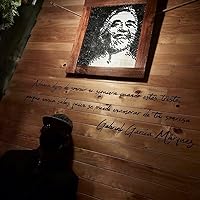
January 3, 2023
Mensajes de un escritor que sentía cómo se acababa su mundo. Estos escritos, elaborados por Zweig entre 1914 y 1940 permiten encontrarse con la persona que había tras el genio literario, pues aquí aborda la angustia de su tiempo y sus pensamientos, no obstante, es la obra que más me ha permitido conocerlo literariamente, pues las ideas que allí plasma permiten comprender un poco las elucubraciones que sorteaba para sacar a flote aquellas biografías noveladas, aquellos relatos intensos. Su fascinación por la historia, la manera en que veía a esta como el más grande acto artístico, y la pasión con la que la estudiaba, justamente como una gran obra, como una gran novela, le hicieron sentir con una lucidez única lo que ocurría en la época, y contradiciéndose en sus pensamientos, adelantándose al posible giro inesperado final de la historia, sobre la cual decía “… no permite que se le adivine con antelación, porque es demasiado rica para repetirse y demasiado variada para dejarse calcular”, aun así, su agudeza, su desesperada ansiedad que le hacía prever el peor final, no le permitió esperar dicho desenlace, y en el mayor acto de libertad que puede tener un ser humano, decidió acabar con su vida, trágicamente, antes de que acabase la segunda guerra mundial. El panorama es triste, con diferentes voces Zweig manifiesta su amor, su esperanza y desesperanza, sus escapes al arte y la fe en la unión cultural e intelectual como superiores al nacionalismo, pero así mismo por páginas se derrumba, siente vergüenza, miedo, luego atesora nuevamente lo que aún se puede salvar, es un balanceo entre el desgarro y la fuerza creadora, que termina en el acto trágico.
November 24, 2017
Beautifully written essays, an accomplishment which deserves the praise of both the original writer and the translator, Will Stone. I particularly enjoyed the Translator's introduction, and the essays:
The Sleepless World, an almost incantatory essay in which Zweig argues that the start of WWI has made the entire world, not just people, but also animals, and fields awakened by trains speeding by in the night, anxious and unable to sleep, and
The Vienna of Yesterday, which celebrates the devotion to art and music by both citizens and rulers that made Vienna one of the great cultural hothouses of the world.
Zweig's unceasing insistence that our salvation depends upon giving up nationalistic fevers and joining hands and minds together in the great project of creating a humane world and a culture that celebrates and inspires the best in all of us, is an argument we need today every bit as much as it was needed (though disregarded) in the time of WWI and II.
My one complaint is that Zweig's idea of high culture is shockingly Eurocentric. It is a powerful demonstration of what drove the broad development of multicultural and gender studies that I was fortunate enough to experience in my own education.
The Sleepless World, an almost incantatory essay in which Zweig argues that the start of WWI has made the entire world, not just people, but also animals, and fields awakened by trains speeding by in the night, anxious and unable to sleep, and
The Vienna of Yesterday, which celebrates the devotion to art and music by both citizens and rulers that made Vienna one of the great cultural hothouses of the world.
Zweig's unceasing insistence that our salvation depends upon giving up nationalistic fevers and joining hands and minds together in the great project of creating a humane world and a culture that celebrates and inspires the best in all of us, is an argument we need today every bit as much as it was needed (though disregarded) in the time of WWI and II.
My one complaint is that Zweig's idea of high culture is shockingly Eurocentric. It is a powerful demonstration of what drove the broad development of multicultural and gender studies that I was fortunate enough to experience in my own education.

May 27, 2023
Zweig comes into I thing unfair criticism, yes he is naive, idealistic and one suspects somewhat ignorant of the practical underpinnings required for his ideas to come about if indeed they ever could. However that doesnt mean that at their heart they do not give us some illumination both for our future as well as our past and present and maybe the core of these lost messages should be held as vision of what we should strive for even though we may never attain it. These lost messages are guiding in spirit not a practical roadmap for implementation. Whether you agree or not with what Zweig was saying you cant deny that his writing is clear and accessible.
Displaying 1 - 30 of 50 reviews