An oral history of the Palestinian people. Rosemary Sayigh allows the countless ordinary Palestinians she interviewed to tell us their own history: life before Zionism; the war of 1948; and life in exile in the refugee camps of Lebanon and elsewhere.
"كنت أريد أن أعرف عن الفلسطينيين، ولم أكد اعثر على شىء. فالشعب اختفى خلف القضية، لماذا؟".
انطلاقاً من هذا الهاجس، بدأت المؤلفة بحثها الميداني داخل أبرز مخيمات اللاجئين الفلسطينيين داخل لبنان خلال السبعينات. تسترجع الماضي الذي خلّفه الشيوخ وراهم-ممن عاصروا زمن النكبة وما قبله-لتعرف منهم هل كانوا يعيشون في الجنة حقاً كما يحكون لأبناءهم دائماً، وكيف ضاعت تلك الجنة.
تتعرف على جيل الأباء الذين ولدوا في مخيمات ما بعد النكبة، الذين لم يطأوا أرض فلسطين الغالية، ولكنهم يعيشون بداخلها من خلال حكايات أباءهم الذين طُردوا منها. تتعرف على عالمهم الذي يعيشون فيهم غرباء مقهورين من الفقر والتهميش والإهانة لكونهم مجرد "لاجئين" يعيشون على أرض غريبة.
تنتهي المؤلفة بجيل الأحفاد في منتصف الستينات الذي بدأ النضال ضد سلطة الحكومة اللبنانية التي كبلت وقمعت حلم النضال بقيود من حديد ونار، بعدها، يتكون شعور الفلسطيني الحقيقي بإنسانيته وكرامته التي استعادها عندما يتمرد على تلك السلطة، ويحمل أخيرا بندقيته ليبدأ كفاحه المسلح ضد الإحتلال.
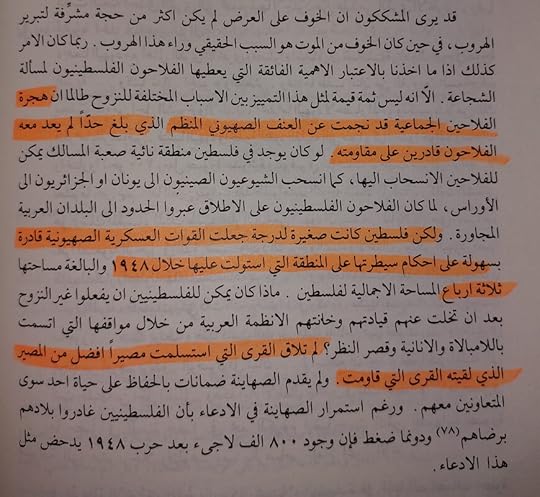
لماذا مَثّل الفلاح الفلسطيني محور وأساس هذا البحث كما يخبرنا عنوان الكتاب؟
لأن القروي أو الفلاح الفلسطيني كان يشغل ما لا يقل عن ثمانين بالمئة من تعداد السكان. لأنه كان المتعلق الأكبر بأرضه ومجتمعه القروي الصغير الذي كان كل عالمه، والذي تلقى القدر الأكبر من الظلم عندما أُقتلع من أرضه وأُلقى في وسط ضياع وظلام المخيمات. وذلك على عكس ابناء الطبقة الغنية والمتوسطة الذين تمكنوا من اللجوء إلى بقاع أكثر أماناً واستقراراً سواء في العالم العربي أو الغربي.
أيضاُ وقع على هذا الفلاح جور التهمة المُهينة بأنه تخلى عن أرضه إما بالهرب جُبناً أو ببيعها طمعا. فكان هذا البحث بمثابة محاولة تحليلية عميقة لرد اعتبار تلك الطبقة المهضوم حقها، ورصد المتغيرات التي طرأت عليها، وكيف استطاعت الحفاظ على هويتها وتماسكها، وكيف تمكنت بعد أعوام طوال النهوض من كبوتها لتبدأ طريق الكفاح الوعر ضد المحتل.
ككل ما كُتب عن تاريخ فلسطين الغالية، لا يستطيع القارئ أن يمسك دموعه. يغلبني شعور بالقهر وأنا أقرأ تفاصيل حرب تمانية وأربعين بكل تفاصيلها المؤلمة باستعداد حكام العرب الهزيل والمخجل والمخزي أمام التجهيزات المنظمة والمدعمة والوقحة للكيان الصهيوني المحتل.
لا استطيع أن أمسك دموعي أمام التفاصيل المرعبة للمذابح الإجرامية التي ارتكبت في حق أهل فلسطين، والذل والقهر الذي لاقاه من استطاع أن ينفذ بجلده من تلك المذابح.
وفي نفس الوقت أتعجب من المؤلفة التي تكيل لوماً خفياً-او معلناً في أوقات أخرى-للفلسطينيين على طول الكتاب ل "تركهم أرضهم". في الوقت ذاته الذي أكدت فيه على استحالة مقاومة أهل القرى والبلدات الفلسطينية لعصابات الصهاينة التي كانت تعيث في أرض فلسطين فساداً طوال عام النكبة. فعلى ماذا كانت تلومهم إذن؟ أكان عليهم أن يبقوا حتى يُقطّعوا إلى أشلاء، أو يحترقوا داخل بيوتهم بنيران مدافع الصهاينة، أو يروا نساءهم تُنتهك أعراضهن كما حدث مع كثير من القرى التي بقيت؟
أكان هناك ما يمكن أن يُفعل-غير بقاء ينتهي بفناء-وتقاعس الفلسطينيون عن فعله؟ حقيقة، حسب علمي، لا شىء يُلامون عليه. وربما كان شعور المؤلفة نوع من جلد الذات الذي لا معنى له.
وإن كان كثير مما تم سرده في الجزء الأول من الكتاب الذي ينتهي بعام النكبة وأحداثه لم يكن بجديد علىّ، فإن الجزء الثاني الذي يسجل حياة فلسطيني المخيمات بتفاصيلها المؤلمة والمهينة هو تاريخ للأسف كنت أجهل الكثير عنه.
ينتهي الكتاب بتأريخ مختصر لبداية تكوّن المنظمات الفلسطينية مثل فتح ومنظمة التحرير، ودورها في إحياء روح الثورة والكفاح داخل جدران المخيمات المتهالكة. والمحاولات المتخبطة لإصلاح الأوضاع الصحية والتعليمية المؤسفة لأهالي تلك المخيمات.
لا يمكننا النظر لهذا الكتاب كمصدر تأريخي للأحداث التي مرت بتاريخ نكبة فلسطين، إنما هو بالأحرى مثل عدسة مُكبّرة لتفاصيل ودقائق حياة من مروا بتلك النكبة. تلك التفاصيل التي قد تكون غفلت عنها أقلام المؤرخين الذين اهتموا بالحدث على حساب اهتمامهم بسماع صوت من تأثر بهذا الحدث.
ولذلك أراه كتاباً مهماً من الكتابات التي ينبغي إعادة طبعها، فها هو التاريخ يعيد نفسه بكل قسوة، وهناك من لازال بحاجة لأن يتذكر.
This was a great book about the Palestinians from a more personal narrative, tracking their development throughout most of the 20th century from their peasant roots to their revolutionary character that surged to action in 1965. Using an incredible amount of personal interviews, Sayigh tells the story of the Palestinians beautifully. There really isn't a better substitute for this book, and it should be in everyone's collection on Palestine and Zionism.
I don’t really have anything of value to add to this topic, but this was a pretty heartbreaking read- focusing on Palestinians and peasant society under occupation, written in the 70s- hard to think about the families and villages interviewed here that have been systemically exterminated in the ongoing genocide
such an intense and well written historical account of an incredibly transformative series of decades for Palestine and it's diaspora. a must read to understand the historical context of the current genocide.
A powerful log of the Palestinian experience from the 1930s-70s. Moving, informative and heart-wrenching. Essential reading for understanding the situation we find ourselves in now.
Providing a unique history of Palestinian people from a lens that incorporates class with direct quotes and stories from Palestinians living in refugee camps, Sayigh gives a new spin to the nonfiction space of books on Palestine. The time periods covered in this book are also very well picked. I really enjoyed learning more about the peasant/fallah population while in Palestine and how that identity was carried on into the camps through the immediate post-Nakba period and then after into the revolutionary periods. My only issue is the use of words like Uprooting and Dispersion as replacements for Nakba and Exile, was confused by that choice.
A truly outstanding book. It’s no surprise that it has become a classic work in the field. As a sociological study of Palestinians from the British mandate to the 1970s, it is without parallel, at least in regards of anything I’ve read. I must read for anyone who wants to understand what Palestinian society was before the Nakba, and what it became afterwards. While it says exactly what you would expect it to say about Zionist and Israeli, it’s striking how much of the text is a scathing indictment of the Lebanese authorities and their cruel and callous treatment of the 100,000 Palestinians, who took refuge there in 1948 and beyond. I knew very little of the founding of the PLO 1965 and the impact it had on the refugees themselves, and while it was heartening to read the pride that they took and finally having the minimal dignity that came with having control over their homes and hope for the future, it was also heartbreaking to read Sayigh’s predictions. At the very end of the last chapter, she says the following:
“As a result of mass struggle, Palestinians have become expert at seeing through attempt attempts to deceive them and efforts to present failures as victories. Both their voices and their actions will surely prevent from becoming permanent any settlement that legitimates Israel’s presence as an extension of America in the Arab world.”
Of course, this is exactly what has happened over time. From the Camp David accords with Egypt, to the peace treaty with Jordan, to the Abraham accords more generally, one settlement after another has led to precisely the legitimation - at least in the eyes of Arab leaders - that Sayigh saw as impossible. Whether that’s the end of the story remains to be seen, in the wake of the genocide in Gaza that began in 2023. We shall see whether that veneer of legitimacy can be maintained under such horrific circumstances.
Two minor points: first, there is no index, which is inexcusable in a work of this nature. Second, it gives a figure of 300 dead for the massacre at Deir Yassin. I’m not sure if that was the generally accepted figure half a century ago, but the current best estimate is slightly higher than 100. Of course, that hardly changes the point that it was a horrifically brutal massacre of innocents.
More often than not, the history of the Palestinian people has been written from the point of view of the big figures. Politicians, activists, and even actors have been the voices of the people. In this book, Sayigh captures the thoughts and the words of Palestinians. This perspective elucidates how actual palestinians feel about the conflict, from its origins pre-1948 up until the 70s. My only complaint about this book is the fact that it is old, meaning that many recent events aren’t covered in it. I would say that, more than ever, this book is due for a major update. 4/5.
“It was a laundry worker, whose education was cut short at the age of twelve by the Uprooting, who said these words, so much more humane and civilized than any so far uttered by Israel's leaders: 'We know that Israel exists, we don't want to throw the Jews into the sea. We don't want to die, we want to live. We want to live, and we want others (i.e. Israelis) to live. But we don't want others to live, and us to die?’”
such a great book to read, especially given today’s catastrophes in Palestine
Incredibly well written book. A very important perspective of the Nakba and Palestinian revolutionary spirit from before the catastrophe to 30 years after.
“… For the ‘terrorist’ image is as false as those used against Jews by anti-Semites. Like the Jews before Zionism, Palestinians are not warlike People, and history records no aggression on their part. On the contrary, all descriptions of them before the British/Zionist occupation show them as peaceful, warm-hearted, hospitable to strangers. Even now, in spite of the extreme degree of their victimisation by the Zionist state, there is no deep hatred of the Jewish people among camp Palestinians. It was a laundry worker, whose education was cut short at the age of twelve by the Uprooting, who said these words, so much more humane and civilised than any so far uttered by Israel’s leaders: “We know that Israel exists, we don’t want to throw the Jews into the sea. We don’t want to die, we want to live. We want to live, and we want others (Israelis) to live. But we don’t want others to live, and us to die.”” - Epilogue