

What do you think?
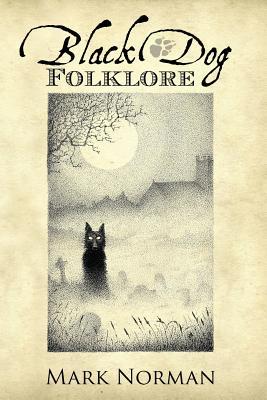
Black Dog Folklore
A study of the folklore surrounding Black Dogs, particularly, but not exclusively, in the United Kingdom. Looks at dog ghosts and various non-physical dogs of British tradition such as grims, shucks, and gytrashes. Discusses both threatening and protective folkloristic dogs, as well as dogs in dreams. Contains an incomplete register of sightings.
246 pages, Paperback
First published April 1, 2016
Ratings & Reviews
Friends & Following
Create a free account to discover what your friends think of this book!
Community Reviews
Displaying 1 - 18 of 18 reviews

October 17, 2021
This is the definitive book on Black Dog folklore, written by Mark Norman, who holds the world's largest collection of Black Dog sightings. In the introduction of this piece Norman explains that a good portion of this manuscript was actually reworked from a book that the illustrious Theo Brown was working on prior to her death. To say that it is exciting to have this see the light of day is an understatement.
This book provides an excellent look into Black Dog folklore in all of its stripes, although understandably it focuses primarily upon the UK in its scope. While it does speculate as to why the phenomenon exists - whether it be smugglers or bootleggers attempting to hide their activities, something unique in the human mind, or perhaps mistaken big cats - a large part of that speculation is simply left out in favor of relating the stories. Of particular interest is the fact that Black Dog sightings are primarily that of protective or otherwise benign spirits rather than the more frightening Grim or Shuck.
This was an extraordinarily interesting read, and one I am liable to return to time and time again. It's a great resource, and has me curious about what this Black Dog might look like here on North American shores. Sightings in Texas were mentioned off-handedly, although there the color tends to be yellow. Why might that be?
This book provides an excellent look into Black Dog folklore in all of its stripes, although understandably it focuses primarily upon the UK in its scope. While it does speculate as to why the phenomenon exists - whether it be smugglers or bootleggers attempting to hide their activities, something unique in the human mind, or perhaps mistaken big cats - a large part of that speculation is simply left out in favor of relating the stories. Of particular interest is the fact that Black Dog sightings are primarily that of protective or otherwise benign spirits rather than the more frightening Grim or Shuck.
This was an extraordinarily interesting read, and one I am liable to return to time and time again. It's a great resource, and has me curious about what this Black Dog might look like here on North American shores. Sightings in Texas were mentioned off-handedly, although there the color tends to be yellow. Why might that be?

April 23, 2018
I thoroughly enjoyed this book and found many of the tidbits to be very intriguing and interesting. The book focuses exclusively on the folklore surrounding black dogs, and leaves speculation on mythological origins to a minimum in order to not distract from the purpose of the book. Black dog ghosts, hell hounds and guardian spirits have always fascinated me, and this book tied the folklore surrounding them together nicely.
This book provokes a larger discussion surrounding black dogs, including the mythological aspects which were only briefly touched upon, and it definitely stokes my desire to explore black dog folklore more deeply.
This book provokes a larger discussion surrounding black dogs, including the mythological aspects which were only briefly touched upon, and it definitely stokes my desire to explore black dog folklore more deeply.
February 24, 2019
Black Dog Folklore by Mark Norman is a quintessential read for anyone with an interest in folklore. I found his writing very informative, with a nice blend of storytelling. The true story accounts from people who have personally witnessed black dog phenomena adds a realistic picture to Norman’s factual research on the black dog folklore. I would highly recommend this book and in fact have already recommended it to several of my friends and family! Looking forward to reading more future works from Mark Norman. 😊👍

January 18, 2020
I picked a copy up from Treadwell's in London after following the author on twitter and its 100% worth it! It focuses on the UK (which I've found rare in folklore books online) and is interesting, engaging and well researched! I've always been interested in black dogs and this is a perfect resource.
May 19, 2026
Superbly researched, full of fascinating side notes (the possible influence of BDF on Conan Doyle) and occasionally hilarious testimonies, including a black dog invading someone's dreams of Bucks Fizz, tearing off Mike Nolan's head.

January 24, 2021
Great book full of information and very readable

May 28, 2026
A really interesting read. It links together all types of folklore related to black dogs and recounts some interesting stories. There is no bias towards belief or lack thereof. It's simply a study of black dog folklore and the commonalities and differences.

February 24, 2018
Full of really interesting tidbits that I didn't know, a great read.

December 9, 2019
Fantastic and informative book grounded in thorough and meticulous research.

January 12, 2024
Black dog folklore is a fascinating read, bringing to life a subject that in many ways feels familiar: from the well-known idea of hell hounds, to the well-loved story of Hounds of the Baskervilles, to The Magic Tinderbox. But while reminiscing on favourite childhood tales of unforgettable dogs with eyes as big as saucers, the extensive and varied eye witness accounts at the core of this book take us on a fascinating journey. Just as dogs have become central to family life, so ghost dogs are woven into our folklore. This well-drawn collection offers an extensive and comprehensive study of these elusive canines, as guardians, protectors and deliverers of omens, stories that illuminate, explain and deliver the eerie, while highlighting the plethora of threads woven into the fabric of our own cultural backdrop. Expertly told, while delivered with a seamless conversational style, make this a page turning read, and one I am sure I will revisit. Highly recommend.

May 6, 2024
I actually bought this book for research on a novel, but found myself enjoying it so much that I sometimes forgot I was making notes with a purpose and not just notes about how much I was enjoying the book. It took me so long to read because I'm such a nerd that I read the appendix straight through. But it's that good! I'll definitely be coming back to it.
Four stars instead of five because there's a decent number of typos, a few of which make the meaning of a sentence difficult to discern. There's also a slight bit of repetitiveness, but only enough to stop it from being perfect.
Four stars instead of five because there's a decent number of typos, a few of which make the meaning of a sentence difficult to discern. There's also a slight bit of repetitiveness, but only enough to stop it from being perfect.
November 6, 2021
This is a wonderful compilation of stories and sightings of black dog ghosts all over the British isles, Ireland, and a few areas of the United States. The author documented first hand accounts as well as correspondences of a folklorist who never got the chance to publish their work. Taking into account both the helpful and the not-so-helpful incarnations of these spirits, you will definitely learn something new. Highly recommend if you are in to folklore.

March 28, 2020
An excellent and fascinating overview of the tradition -- up to the present day -- of Black Dog stories, legends, and traditions.

January 2, 2023
Superb work. Used it to prepare a run of a Solemn Vale Folk Horror TTRP scenario called "The Hounds Unleashed" and got more than what I needed.

July 2, 2023
The text was interesting and informative, but the accounts in the appendices really made keeping this book worth it to me.

September 12, 2023
Thorough and informative
June 23, 2024
Such a great book. If you're interested in this topic, this should be on your shelf somewhere.

August 7, 2016
Having lived in the UK for a few years, I had heard of the Black Dog before. Norman's book does not primarily address the reality of the phenomenon, but rather tries to categorize various folkloristic aspects of the Black Dog. For example, they are often seen as threatening animals associated with death. They act as guides to the underworld. Black Dogs, however, can also be guardians and healers. They occur in dreams and take the form of various types of folkloristic beasts known by names such as grim, gytrash, shuck, barguest. They are associated with bridges and roads. Family dogs, particularly of the ghostly variety, are discussed as are the various landscapes associated with Black Dogs. A brief record of sightings is included. There are a few illustrations as well.
I find the topic itself fascinating, but the book doesn't always inspire credibility. It is a good source for an initial assessment of the concept, but there is further work to be done here. I discussed it a little more fully on my blog: Sects and Violence in the Ancient World.
I find the topic itself fascinating, but the book doesn't always inspire credibility. It is a good source for an initial assessment of the concept, but there is further work to be done here. I discussed it a little more fully on my blog: Sects and Violence in the Ancient World.
Displaying 1 - 18 of 18 reviews