

What do you think?

Sycamore
Out for a hike one scorching afternoon in Sycamore, Arizona, a newcomer to town stumbles across what appear to be human remains embedded in the wall of a dry desert ravine. As news of the discovery makes its way around town, Sycamore’s longtime residents fear the bones may belong to Jess Winters, the teenage girl who disappeared suddenly some eighteen years earlier, an unsolved mystery that has soaked into the porous rock of the town and haunted it ever since. In the days it takes the authorities to make an identification, the residents rekindle stories, rumors, and recollections both painful and poignant as they revisit Jess’s troubled history. In resurrecting the past, the people of Sycamore will find clarity, unexpected possibility, and a way forward for their lives.
336 pages, ebook
First published May 9, 2017
Ratings & Reviews
Friends & Following
Create a free account to discover what your friends think of this book!
Community Reviews
Displaying 1 - 30 of 591 reviews

January 27, 2017
The little town of Sycamore struck her as something out of a fairy tale in its smallness, in its cluster of businesses along Main Street, its small college on one side, her new high school on the other. Though it seemed to emit a gentle sigh, a sleepy breath, she thought not of sweetness but of Frankenstein: “By the glimmer of the half-extinguished light, I saw the dull yellow eye of the creature open.”The girl, missing since 1991, has been found, well, her bones anyway. Her vanishing and the subsequent impact on friends, family, and the community is the core of Bryn Chancellor’s brilliant first novel, Sycamore. Reminiscent of Olive Kitteridge, Sycamore paints a portrait of a place, looks at the people who make up the town, and leads us through the mystery of what happened when seventeen-year-old Jess Winters went missing. The narrative skips back and forth between the now of 2009 and the then of 1991, when Jess vanished.

Bryn Chancellor - from her site - photo by Rick Wiley
Jessica and her mother, Maud, late from the departure of Mister Winters for younger climes, arrive in town looking to begin again, well Maud mostly, as Jess has not really had her first shot at life yet. Laura Drennan, on her own again, also late of a failed union, has taken a gig teaching at the local college.
As Laura watched the Padres lose to the Giants again and picked at the dirt under her fingernails, it dawned on her that she and her parents were on a parallel path. All starting over. Except, of course, her parents’ do-over was part of a long-held plan—their fortieth anniversary was in two months. Hers was an attempt at an entire split from the past. Burn the whole fucking thing down and see if she could rise from the ashes.But Sycamore is not just a haven for the begin-agains, a Do-Over-stan spa in the desert, drawing the damaged. There are locals, generations deep, coping with their own dreams and disappointments, not necessarily in that order. Iris Overton, owner of Overton Orchards, is coping with the recent passing of her husband. Stevie Prentiss is helping run the family business instead of taking the art scholarship she so deserved, thanks to the passing of her father. Adam Newell, son of a famous artist mother, never quite had her talent, and is making a living selling real-estate instead of continuing what everyone had expected would be his family business, creating works for display at major museums, and coming up first on google searches. Esther Genoways is a caring, inspirational teacher, who finds herself alone again after her bff, a gay man, has moved west to marry a man he’d met on-line. The place could probably support an AA equivalent. I can relate, or at least I could once. “Hi. My name’s Will, and I’m starting over.” “Hi, Will.” If this is beginning to sound like a lonely hearts club, I apologize. Sycamore is so much more than that. I mean, would you take a pass on, say Anna Karenina, because it’s too sad? Speaking of Tolstoy, he famously wrote, in that very book, “All happy families are alike: each unhappy family is unhappy in its own way.“ There is diversity in how the people of Sycamore face their challenges.
Really, I mean if you want to read about happy families, dig up your copy of Little Women. Nothing against things working out, but harder, more challenged personal relationships seem to make the literary fires burn brighter than the softer glow of it’s all gonna be ok. Needless to say it is not all gonna be ok in Sycamore. I mean Winters isn’t coming back. Those are her bones, aren’t they?
Bryn Chancellor sees the larger world in the small
…stories always come to me first through that seemingly small scope of the everyday. There’s an assumption, even in the language itself—ordinary vs. extraordinary—that the ordinary doesn’t have the spark, that the value lies beyond, in the extra. I like to complicate that. I don’t always know that I will find something extraordinary in the ordinary, but I always believe it’s there.This finds its way into the story in a gripping Humanities class scene.
Ms. G showed slides of the work, pausing on a painting called The Floor Planers, which showed three shirtless men on their knees scraping a wooden floor. This was scandalous, Ms. G said, not because they were shirtless but because they were workers. The Salon did not value depictions of ordinary life, working life. In their view this was not the subject of art. “But look at that light,” Ms. G said, and she touched the screen, tracing the shine on the floors, and on the men’s muscled backs. “Shivers!” she said, holding up her arm, and Jess got them, too. “The beautiful in the ordinary,” Ms. G said, and Jess wrote it down.The small is in the status of her characters, regular folks, for the most part, and, beautifully, in her depiction of the landscape.
I grew up in northern Arizona, in a small town turned famous town: Sedona. There, with no transit save for the tourist trolley and parents who worked full time, I walked everywhere. To and from the school bus stop… walked at a slow, rock-kicking pace, cursing people for not giving me rides…I learned that I had to flee this beautiful place, my home, before it swallowed me whole. - from the story prize blogspot interviewChancellor may have fled her hometown, but her characters report on it’s harsh, majestic beauty. There are places like the erstwhile lake that vanished into a sinkhole one day, and seems eager to drag a bit more of the world, living and not, into its maw, (and, given the quote above, it would not seem too much a stretch to see the sinkhole that ate
She’d stood on a balcony naked and watched the sunrise while her new husband slept. Watching the shimmering expanse of the Gulf, she’d thought, There’s the whole wide world, and she stretched to her tiptoes, reaching for it.But have a care when you reach for the world. You never know what might reach back.
There is much here about home, where it is, seeking it, finding it, making it.
She walked in a land of strangers instead of in the land of her parents, her older brother and nephews, her colleagues and friends. her husband of eleven years. She walked in her alien landscape, in her ridiculous visor, and she told herself: Buck up, Drennan, you chicken shit. This ain’t summer camp.There was one particular reference in the book that blew me away, a few lines in the humanities class, from a poem by Edna St Vincent Milay. The poignancy is gut-wrenching, suspecting what we suspect, knowing what we know. And not just for it’s significance for a seventeen year old on the cusp of becoming. Maybe even more, it reaches my wrinkled soul, inserts claws and begins to shake. But the rain is full of ghosts tonight, that tap and sigh Upon the glass and listen for reply. I have included the poem in it’s entirety in Extra Stuff, so you can see for yourself.
Chancellor takes some chances with form, switching about from first to third person, and things like one chapter that consists of a letter from a father to his daughter, and another that offers one side of a conversation in a shop. I thought these were fun additions. The tale is told from diverse perspectives, each tale filling in pieces of others. It seems clear that the author is very comfortable with the short story format, has even won awards for her SS writing. In the way that Louise Erdrich, in The Plague of Doves, or Jennifer Haigh in Baker Towers weave together the lives of a community to tell a whole story, Chancellor has accomplished the same feat here, using the disappearance of a teen-age girl as a central pillar around which to construct the rest.
Gripes. Parental/spousal abandonment, whether through divorce, death, or greener pastures, certainly permeates this novel, maybe a bit too much. It is the desert, after all, and one should be careful about dipping that bucket into the same well too many times. Chancellor might have diversified the forms of absence with, say, a prison sentence, or an early onset dementia, a prolonged military service, being held captive by aliens, (I mean, it is the southwest), something. I am not sure all will agree about the effectiveness of the alternate story-telling modes that are employed. I liked them, though.
The author said, in the story prize interview, when asked what draws her in in a book
I’m most drawn to works that have deeply complex, original characters in whom I’m absolutely invested. My mantra is “Come on, break my heart.” I want to feel something at the end, to go through the fire. If I’m weeping at 3 a.m. when I finally close the cover, success!She succeeds in generating that impact here. Have those hankies ready. Don’t finish this book in a public place unless you enjoy having strangers come over to ask if you are ok. This book will pull you in and keep you there until the course has been run, and you can look up once more. This desert landscape tale will leave clearly marked trails on your cheeks where salty water flowed. Chancellor’s first novel is heartfelt and powerful, human and universal. One can only hope that where Sycamore has now been planted, in the years ahead, a mighty forest of such beautiful novels will grow.
Review First Posted - January 27, 2017
Publication
-----hardcover - May 9, 2017
-----Trade Paperback - January 30, 2018


=============================EXTRA STUFF
Links to the author’s personal, and Twitter pages.
She has sworn off FB for now as an impediment to actual writing.
Interviews are from when she published her story collection
——Heavy Feather Review - Stealing Breath: An Interview with Bryn Chancellor - by Erin Flanagan
——From TSP, The official blog of The Story Prize -
Bryn Chancellor and the Girl on the Wall - by Larry Dark
“What lips my lips have kissed, and where, and why”
BY EDNA ST. VINCENT MILLAY
What lips my lips have kissed, and where, and why,
I have forgotten, and what arms have lain
Under my head till morning; but the rain
Is full of ghosts tonight, that tap and sigh
Upon the glass and listen for reply,
And in my heart there stirs a quiet pain
For unremembered lads that not again
Will turn to me at midnight with a cry.
Thus in the winter stands the lonely tree,
Nor knows what birds have vanished one by one,
Yet knows its boughs more silent than before:
I cannot say what loves have come and gone,
I only know that summer sang in me
A little while, that in me sings no more.
OK, pass the tissues. Geez!

October 3, 2017
Within a minute I was hooked. The only way I could possibly satisfy my thirst was to drink this novel in one gulp. If I had read reviews in the pass- forgive me - but I honestly couldn’t remember anything about this novel.
My library had the ebook available. I took a chance - went in 100% blind...knowing nothing about this story.
The very first page HOOKS THE READER: “You Are Here”
“Her first night in Sycamore, the girl snuck out of the house. Wearing frayed purple canvas shoes and a new puffy vinyl winter coat the red-orange of an ocotillo bloom, the girl paused on her tiptoes on the threshold when the front door hinges creaked. Her mother, deaf in her left ear, didn’t stir, and the girl shut the door with a click. This wasn’t the girl’s first time to slip out the door late at night, and it wouldn’t be her last.
(There would be a last time, but not tonight). For now she had this night, her first in a small northern Arizona town where her mother had dragged her. She shoved her notebook inside her coat and hurried down the driveway. Her breath smoked in the desert winter air”
This is a character driven story in a small town community.....flipping back and forth between 1991 and 2009. There is the mystery of a missing teen girl - Jess Winters - (J-Bird),
but it’s more than that - it’s a story about people’s lives - multiple perspectives. The characters have distinct voices with distinct personalities and concerns.
Themes include divorce- teenage awkwardness, confusion & identity- grief - loss - inappropriate relationships- regret - letting go of the past - outcasts -loneliness- friendships - friendships gone wrong- secrets - hopes - dreams -forgiveness - healing - and love.
Personal side treasures I enjoyed: A small College town where people walk is always a great setting for me... but an even added plus was having a Mail delivery Woman as one of the key characters in this story. In small towns - the mailmen and mail-women have close relationships with the home owners. - They watch out for each other .... ( giving a box of chocolate to the mail delivery person during the Christmas season isn’t rare).... I love that!
I also connected to Jess’s mother .... but this story mostly belongs to Jess.
Oh - I felt for them both - mother & daughter. ...
Jess’s dad was remarried with a baby girl in California. Her mother was sad -cried quietly while in her bed at night.
Jess felt her mother’s pain (the divorce- moving to a new town - new job - finances tight - alone to raise ‘her’).
All the while....Jess was dealing with her own challenges and pain at a new school.
There is some lovely writing in this novel.......( gives Arizona a good name)... & beautiful poetry. Sad and beautiful!
My library had the ebook available. I took a chance - went in 100% blind...knowing nothing about this story.
The very first page HOOKS THE READER: “You Are Here”
“Her first night in Sycamore, the girl snuck out of the house. Wearing frayed purple canvas shoes and a new puffy vinyl winter coat the red-orange of an ocotillo bloom, the girl paused on her tiptoes on the threshold when the front door hinges creaked. Her mother, deaf in her left ear, didn’t stir, and the girl shut the door with a click. This wasn’t the girl’s first time to slip out the door late at night, and it wouldn’t be her last.
(There would be a last time, but not tonight). For now she had this night, her first in a small northern Arizona town where her mother had dragged her. She shoved her notebook inside her coat and hurried down the driveway. Her breath smoked in the desert winter air”
This is a character driven story in a small town community.....flipping back and forth between 1991 and 2009. There is the mystery of a missing teen girl - Jess Winters - (J-Bird),
but it’s more than that - it’s a story about people’s lives - multiple perspectives. The characters have distinct voices with distinct personalities and concerns.
Themes include divorce- teenage awkwardness, confusion & identity- grief - loss - inappropriate relationships- regret - letting go of the past - outcasts -loneliness- friendships - friendships gone wrong- secrets - hopes - dreams -forgiveness - healing - and love.
Personal side treasures I enjoyed: A small College town where people walk is always a great setting for me... but an even added plus was having a Mail delivery Woman as one of the key characters in this story. In small towns - the mailmen and mail-women have close relationships with the home owners. - They watch out for each other .... ( giving a box of chocolate to the mail delivery person during the Christmas season isn’t rare).... I love that!
I also connected to Jess’s mother .... but this story mostly belongs to Jess.
Oh - I felt for them both - mother & daughter. ...
Jess’s dad was remarried with a baby girl in California. Her mother was sad -cried quietly while in her bed at night.
Jess felt her mother’s pain (the divorce- moving to a new town - new job - finances tight - alone to raise ‘her’).
All the while....Jess was dealing with her own challenges and pain at a new school.
There is some lovely writing in this novel.......( gives Arizona a good name)... & beautiful poetry. Sad and beautiful!

June 24, 2017
A girl goes missing- for 18 years. A newcomer comes to town and finds her remains on a hike.
This is the story of Jess. A teenager who relocated to the town of Sycamore, Arizona. A girl struggling with losing her father to another family and suffering from loneliness, the fitting in and the other woes of teenage angst. As her life is revealed, we realize an illicit love; a poet; rejection; a girl trying to find her place in a new town.
And what we discover along with her remains, is a town of people whose lives have gone on hold and can only now move forward with the closure of her body being discovered. Relationships still raw but the healing can now begin.
More a mystery than a thriller, this one started a little slow but then took off like a slingshot. A diverse cast of characters with their own stories and tragedies and how they fit into Jess's puzzle. Overall, although predictable towards the end, well written and surprisingly captivating. 4⭐️
This is the story of Jess. A teenager who relocated to the town of Sycamore, Arizona. A girl struggling with losing her father to another family and suffering from loneliness, the fitting in and the other woes of teenage angst. As her life is revealed, we realize an illicit love; a poet; rejection; a girl trying to find her place in a new town.
And what we discover along with her remains, is a town of people whose lives have gone on hold and can only now move forward with the closure of her body being discovered. Relationships still raw but the healing can now begin.
More a mystery than a thriller, this one started a little slow but then took off like a slingshot. A diverse cast of characters with their own stories and tragedies and how they fit into Jess's puzzle. Overall, although predictable towards the end, well written and surprisingly captivating. 4⭐️

June 12, 2017
Jess Winter and her mother moved to Sycamore after her father leaves them to begin a new family. Jess has a difficult time fitting in at Sycamore, especially when a new friendship with a girl at school, Dani, ends out of no where. Eventually she makes another friend but things there end badly too leading to a falling out. Jess can't sleep at night and ends up wandering around since they moved to Sycamore. Now that things have gotten even more tense with her, she ends up taking more walks and eventually on the night of a bad storm she disappears. Years later when a new person moves into Sycamore and stumbles onto bones on her morning run, Jess's case is brought back up and everyone holds their breath waiting to see if it's her body.
The beginning of the book was really annoying to read and felt choppy but the more I kept reading the better it got and eventually I really got into the story. I love Jess and I loved her friendship Angie and I was so mad that . I was kind of disappointed about how Jess died but I guess it was pretty obvious. I guess it just felt like . Anyway I really enjoyed this except the beginning and I could've done without the choppy transitions between POV and past versus present.
The beginning of the book was really annoying to read and felt choppy but the more I kept reading the better it got and eventually I really got into the story. I love Jess and I loved her friendship Angie and I was so mad that . I was kind of disappointed about how Jess died but I guess it was pretty obvious. I guess it just felt like . Anyway I really enjoyed this except the beginning and I could've done without the choppy transitions between POV and past versus present.

May 6, 2017
I'm don't usually read mysteries or thrillers. I've just never liked the waiting and wondering and sometimes intense feeling - omg what happened, the suspense- just not for me. They give me knots in my stomach . I took a chance on this book because everything I read about it made me believe there was much more to this story and there is. It's a story about a small town and we come to know a cast of characters, who in some way are connected to 17 year old Jess Winters who has been missing for 18 years . I definitely liked the narrative structure, with the points of view moving between the past and present and from a variety of people including Jess, her friends Angie, Paul, Dani, her mother Maud and Laura Drennan, the new person in town who finds human remains while on a walk. Their individual stories are captivating in their own right, not just how they were related to Jess's story. It's well written and I wanted to keep reading in spite of the feeling I had that this just isn't my kind of book . My three star rating is definitely a reflection of that. Others who enjoy this genre will no doubt love this one and I would definitely recommend it to them.
I received an advanced copy of this book from HarperCollins through Edelweiss.
I received an advanced copy of this book from HarperCollins through Edelweiss.

March 30, 2017
After her father leaves his family for another woman, Jesse and her mother, move from Phoenix to the small town of Sycamore. Jess has trouble making friends at first, so she walls at night to try to sort out her thoughts, come to terms with her different life, her loneliness and the loss of her father. Eventually she will make a new friend, Dani, and gets a job at the local pecan orchard. Unfortunately this life will implode in a big way when a secret is revealed, leaving a scandal and Jess once again friendless. Out walking again at night, exercising her grief, she will disappear, never to be seen again. Until a new woman come to town, a professor slated to teach at the local University, find some bones while she is out running.
The books that seem to impact me the most, seem either to be darkly atmospheric, or unassuming and quiet, like this one. We hear from each of the characters, many whom still either live in the town or have returned. We learn how they have fared since Jesse has gone messing, how her mother has grieved. What people knew but didn't say, secrets revealed or kept, lies or incomplete truths told. We hear Jesse's back story from Jesse herself, a confused young woman who should have had her whole life ahead. A character driven novel but also a novel of a town, that dealt with the unknowable for many years. For some people the discovery of the bones will be an ending, but for a few it will be a new beginning.
Although there is a mystery at the heart of this, it is in no way a thriller. It is a wonderfully written and ultimately a touching novel, of grieving, of moving forward and coming to terms with lives as they are now. Loved the town, the characters and the story, the author's debut.
ARC from Harper publishers.
Publishes May 9th.
The books that seem to impact me the most, seem either to be darkly atmospheric, or unassuming and quiet, like this one. We hear from each of the characters, many whom still either live in the town or have returned. We learn how they have fared since Jesse has gone messing, how her mother has grieved. What people knew but didn't say, secrets revealed or kept, lies or incomplete truths told. We hear Jesse's back story from Jesse herself, a confused young woman who should have had her whole life ahead. A character driven novel but also a novel of a town, that dealt with the unknowable for many years. For some people the discovery of the bones will be an ending, but for a few it will be a new beginning.
Although there is a mystery at the heart of this, it is in no way a thriller. It is a wonderfully written and ultimately a touching novel, of grieving, of moving forward and coming to terms with lives as they are now. Loved the town, the characters and the story, the author's debut.
ARC from Harper publishers.
Publishes May 9th.

July 22, 2017
Sycamore by Bryn Chancellor is a 2017 Harper publication.
'Sycamore' is an oddly entrancing and incredibly absorbing tale centered around the lives of a small, Arizona community, and how the disappearance and spirit of seventeen year old, Jess Winters, has lingered over them, haunting them all these years, until a college professor, new to the community, discovers a body, sparking speculations that finally, after all these years, the truth will finally be revealed.
The subject matter examined in this book is hardly new territory. Missing teen, tormented mother, the guilt of those who may or may not be involved in her disappearance, and the limbo, they all live in, wondering if Jess is dead, or if she ran away.
Nevertheless, despite the familiar ground covered, the story still had a way of pulling me in, teasing and taunting me with bits of information until I was completely committed to finding out what happened to Jess Winters.
However, as I walked further into the forest, it became more dense and murky, and I felt like things were moving in slow motion sometimes, but I still couldn't stop reading.
The story flips back and forth between 1991 and 2009, as we introduced to Jess, find out her backstory, who she was involved with, and what way they were connected. In 2009, we learn how these people coped with the aftermath of her disappearance, and what eventually became of them.
If you are looking for a traditional mystery, with detectives and interrogations, you won’t find that here, but there is most certainly a mystery, and the suspense is always humming in the background. Although, based on the tone of the novel, I had an inkling early on about how some things might play out, but couldn’t help but find the mystery compelling.
However, this book goes beyond the ordinary mystery or suspense elements to take a hard look at how guilt, remorse, regret, and grief takes a long-term toll and wreaks havoc on people’s lives. The book also touches on how a community, despite its shame, and secrets, can pull together, heal, and forgive.
Jess’s voice is powerful and emotive, by far the strongest one in the book, but I was also drawn to her mother, as well as a couple of other characters who seemed to have been more deeply and permanently shaped by the events that took place in 1991.
Other secondary characters are well drawn, but their connection to the meat or the heart of the story seemed tenuous, at best, and at the end of the day, I wondered why they played such a prominent role.
While the prose is lovely, the story feels disjointed at times, but overall, this is a deeply moving mystery, with a strong emphasis on healing and forgiveness in the face of insurmountable odds.
'Sycamore' is an oddly entrancing and incredibly absorbing tale centered around the lives of a small, Arizona community, and how the disappearance and spirit of seventeen year old, Jess Winters, has lingered over them, haunting them all these years, until a college professor, new to the community, discovers a body, sparking speculations that finally, after all these years, the truth will finally be revealed.
The subject matter examined in this book is hardly new territory. Missing teen, tormented mother, the guilt of those who may or may not be involved in her disappearance, and the limbo, they all live in, wondering if Jess is dead, or if she ran away.
Nevertheless, despite the familiar ground covered, the story still had a way of pulling me in, teasing and taunting me with bits of information until I was completely committed to finding out what happened to Jess Winters.
However, as I walked further into the forest, it became more dense and murky, and I felt like things were moving in slow motion sometimes, but I still couldn't stop reading.
The story flips back and forth between 1991 and 2009, as we introduced to Jess, find out her backstory, who she was involved with, and what way they were connected. In 2009, we learn how these people coped with the aftermath of her disappearance, and what eventually became of them.
If you are looking for a traditional mystery, with detectives and interrogations, you won’t find that here, but there is most certainly a mystery, and the suspense is always humming in the background. Although, based on the tone of the novel, I had an inkling early on about how some things might play out, but couldn’t help but find the mystery compelling.
However, this book goes beyond the ordinary mystery or suspense elements to take a hard look at how guilt, remorse, regret, and grief takes a long-term toll and wreaks havoc on people’s lives. The book also touches on how a community, despite its shame, and secrets, can pull together, heal, and forgive.
Jess’s voice is powerful and emotive, by far the strongest one in the book, but I was also drawn to her mother, as well as a couple of other characters who seemed to have been more deeply and permanently shaped by the events that took place in 1991.
Other secondary characters are well drawn, but their connection to the meat or the heart of the story seemed tenuous, at best, and at the end of the day, I wondered why they played such a prominent role.
While the prose is lovely, the story feels disjointed at times, but overall, this is a deeply moving mystery, with a strong emphasis on healing and forgiveness in the face of insurmountable odds.

May 30, 2017
The novel starts slowly and it revolves around the people of Sycamore and the disappearance of one of its young residents.
It paints a clear picture of this small town from the point of view of its inhabitants.
Even though most people loved this novel I had a hard time enjoying it. Not sure if it was because I listened to the audio book and the rotation of different narrators and timelines confused me sometimes, these things are easier to visualize by reading instead of listening to it.
Most people enjoyed the book so I recommend you read it and judge for yourself.
It paints a clear picture of this small town from the point of view of its inhabitants.
Even though most people loved this novel I had a hard time enjoying it. Not sure if it was because I listened to the audio book and the rotation of different narrators and timelines confused me sometimes, these things are easier to visualize by reading instead of listening to it.
Most people enjoyed the book so I recommend you read it and judge for yourself.

June 2, 2017
I am a bit surprised I didn't enjoy Sycamore more than I did. Normally I think I would have since I do enjoy quieter character driven suspenseful mysteries that explore the emotional side of the characters like Sycamore, however, I didn't like the storyline.
The story goes back and forth in time from 1991 when we first meet Jess Winters and her mother and Jess goes missing to 18 years later as the community comes to terms with the discovery of some remains that could be Jess’s. We hear from Jess and from a few different people connected from the community of a small town as Bryn Chancellor explores their loss, grief, regrets, betrayal and forgiveness but for me it just didn't work. I couldn't connect with the characters and the story.
Even though I found the outcome to the disappearance of Jess satisfying it just wasn’t enough to save my enjoyment for the story. I still recommend reading Sycamore as I think I might be in the minority with my feelings on this one.
All of Norma’s & my reviews can be found on our Sister Blog:
http://www.twogirlslostinacouleereadi...
The story goes back and forth in time from 1991 when we first meet Jess Winters and her mother and Jess goes missing to 18 years later as the community comes to terms with the discovery of some remains that could be Jess’s. We hear from Jess and from a few different people connected from the community of a small town as Bryn Chancellor explores their loss, grief, regrets, betrayal and forgiveness but for me it just didn't work. I couldn't connect with the characters and the story.
Even though I found the outcome to the disappearance of Jess satisfying it just wasn’t enough to save my enjoyment for the story. I still recommend reading Sycamore as I think I might be in the minority with my feelings on this one.
All of Norma’s & my reviews can be found on our Sister Blog:
http://www.twogirlslostinacouleereadi...

September 3, 2017
Sycamore is an eclectic story. It’s told from different perspectives, points in time, and styles, all of which come together to turn a patchwork into a complete and well-rounded story with the thread of mystery woven throughout.
What I liked about this book is that it made me contemplate things and ask myself questions; they’re same questions, I think, that the characters in this book are asking themselves as they look back on the years since seventeen-year old Jess Winters disappeared. How does your life differ from what you dreamed it would be? Wherever it has taken you, are you making the most of it? What has been left undone?
Chancellor’s writing is lovely and often multilayered. I found myself re-reading certain passages and gaining a deeper understanding of a particular character’s perspective. There were sad moments that brought me to tears, relatable moments that made me uncomfortable, and hopeful moments that made me smile.
What I liked about this book is that it made me contemplate things and ask myself questions; they’re same questions, I think, that the characters in this book are asking themselves as they look back on the years since seventeen-year old Jess Winters disappeared. How does your life differ from what you dreamed it would be? Wherever it has taken you, are you making the most of it? What has been left undone?
Chancellor’s writing is lovely and often multilayered. I found myself re-reading certain passages and gaining a deeper understanding of a particular character’s perspective. There were sad moments that brought me to tears, relatable moments that made me uncomfortable, and hopeful moments that made me smile.

February 1, 2017
This is an accomplished debut novel. I suppose it could be described as suspense but it's really about the characters and how they are involved with a girl who goes missing in a small Arizona town. Interestingly, the story unfolds not only from the viewpoint of the people in the community but also from the missing girl's point of view sweeping back and forth between the late eighties and the present. Nicely nuanced.

May 16, 2017
Oh my this story has some depth and also frames the town of Sycamore, AZ in heat, in rain wash, in spectacular dawn and dusk and with its critters within the glare.
Everything in the story surrounds the girl Jess who moved to town from Phoenix. For a year or so- bridging her senior year of high school (1991)- the tale of myriad characters long standing of Sycamore surround her. But it is far more than just the friends or substantial of acquaintance. It's an emotional pitch that remains heavily sustained throughout at least 75% of the copy that collides with excellence here. Not just in the Jess core interpretation of herself but within all the intersects upon, with or about her presence. Or absence.
There are points where a chapter is named without a time designation or only with a title such as Azaleas. And these are usually for a new first person narrator for a particular character from or within Sycamore who then relate their own histories, or at least some memories of then (1991) or in the present (2009). Or also in various times in between at several junctures. So for me, and this might not occur for all readers, there is always this certain "slippage" factor reading this. For me it was strong and constant. And almost like the anxiety of the most lost in this tale to "who am I". But for me it was- "who is this?" and "when is this?" Not in every chapter at all, but especially in those which are not introduced with time frame year or specific aspect of "it's then" in their titles.
I know that is an obtuse way to explain/review this book. But it is unusual and did it work. It also rather annoys. But it also compels a mood. An overpowering mood, quite beyond the grief or sadness to any outcome, either. An anxiety or nearly manic dichotomy to seeking? It's there.
For me this was nearly parallel to the anxiety of Jess herself, and all the others in Sycamore who hold such turmoil of non-knowing "who am I?" continually and constantly trying to find a foot hold for that answer. Just like the slippery mud in the torrential wash of flash flood days? Of course, another parallel.
The beginning was at least 1/2 of the lost one star in this rating scale. Jess seems just like your average snarky and foul mouthed 17 year old "knows she is hot babe" girl. So who will be her friend in the new town? She doesn't seem to want to BE A FRIEND. And you need to be a friend to have a friend. That's one detail many teens seem hardly to grasp until past 30 now. Not all. Never all. But many. So that beginning actually repelled my interest and in my reading, seems far inferior to the rest of the book.
And yet, Jess does know how to ask the right questions. And she is so bright with her words. And can be kind.
There are 3 other books that this book brought to my mind while reading. All of them 4 or 5 star reads from the last decade. (House of Sand and Fog was one of them.) All that hold a rather perfect storm for a pivotal "tragedy". Not just triangular or passionate or cultural, nor self-identity tragedy either- but for that kind of tragedy that need not have been one at all. But was, just because some dozens of factors meshed horrifically all at the same time in the right proportions. Yet few of them were of any violent nature or intent! But then nature itself doesn't care to be kind. It just is.
Good book. I have not read Chancellor before and I will again if this author becomes prolific with such tales. There holds here an immense insight into the men. Much more than the women, IMHO. Beto and Adam- those two especially. Men at this juncture (books, movies, media) are often getting psychologically ripped and continually misunderstood, misread. And their flaws can be quite different than their appearances or roles would advertise, as can their core thoughts be as various for age/health/mood as women's can. And their strengths be vastly altered for different ages of adulthood. So many fiction books, just like this one does, mostly center on the 7 or 8 main women characters' emotional reactions. Especially the sisters or the mother/daughter relationships (both of those are here in droves as is the market since 2000)- but I RARELY see this kind of masculine physiology and core cognition grasp meshed with emotional male waterfall, done so well. Not even in grit, or war or copper genre conflicts. And this book is none of those. It's a mystery only in small percentage too.
Well done! This was the most entertaining book for what I would consider a tragedy category in fiction form that I can remember reading in at least a couple of years. Tragedy rarely appears in my favorites of memory- long or short memory. Lucky me. But this one I will remember.
And what is the most outlier for this reading experience when all is said and done? For me anyway. It's that I LIKED the poetry. Loved the one about the sky and land changing places and also the Azaleas short life seared with night cold quickly analogy. Very good descriptions and the poetry was excellent to read alone in soundings too. I did.
As Jess asks "Somebody tell me what I should do" and "what is the right thing to do- tell me please"- we NEED a structure of morality. My last thought is that this kind of situation, in my youth, in a crowded/crowded/crowded mixture of families with dozens more characters than appear here, it could not have happened. And didn't. Because we had rigid structures that nearly always had consequence and feed back to that "tell me what to do" question, and it happened nearly immediately. In this place and era (Sycamore 1991 to 2009)the lines and contacts are far more blurred to a common set of rules and mores to other "in" family or "outside" of family.
Bryn Chancellor makes most of the characters highly sympathetic in their confusions and reactions.
The other 1/2 of the lost star for me was in the Thanksgiving dinner scene. Paul, at 17? Now I could see one of the rejected spouses in any realistic "like" situation doing that kind of ploy and annihilating that many other people in such brutal form. That was out of character and not a realistic picture at all for a fatherless boy doing in his father figure or mentor in such a way. It fit this plot, but was truly a wrong "ping" in the engine.
Regardless, although sad, it left you with some memorable people and the heat of a place. Both.
Everything in the story surrounds the girl Jess who moved to town from Phoenix. For a year or so- bridging her senior year of high school (1991)- the tale of myriad characters long standing of Sycamore surround her. But it is far more than just the friends or substantial of acquaintance. It's an emotional pitch that remains heavily sustained throughout at least 75% of the copy that collides with excellence here. Not just in the Jess core interpretation of herself but within all the intersects upon, with or about her presence. Or absence.
There are points where a chapter is named without a time designation or only with a title such as Azaleas. And these are usually for a new first person narrator for a particular character from or within Sycamore who then relate their own histories, or at least some memories of then (1991) or in the present (2009). Or also in various times in between at several junctures. So for me, and this might not occur for all readers, there is always this certain "slippage" factor reading this. For me it was strong and constant. And almost like the anxiety of the most lost in this tale to "who am I". But for me it was- "who is this?" and "when is this?" Not in every chapter at all, but especially in those which are not introduced with time frame year or specific aspect of "it's then" in their titles.
I know that is an obtuse way to explain/review this book. But it is unusual and did it work. It also rather annoys. But it also compels a mood. An overpowering mood, quite beyond the grief or sadness to any outcome, either. An anxiety or nearly manic dichotomy to seeking? It's there.
For me this was nearly parallel to the anxiety of Jess herself, and all the others in Sycamore who hold such turmoil of non-knowing "who am I?" continually and constantly trying to find a foot hold for that answer. Just like the slippery mud in the torrential wash of flash flood days? Of course, another parallel.
The beginning was at least 1/2 of the lost one star in this rating scale. Jess seems just like your average snarky and foul mouthed 17 year old "knows she is hot babe" girl. So who will be her friend in the new town? She doesn't seem to want to BE A FRIEND. And you need to be a friend to have a friend. That's one detail many teens seem hardly to grasp until past 30 now. Not all. Never all. But many. So that beginning actually repelled my interest and in my reading, seems far inferior to the rest of the book.
And yet, Jess does know how to ask the right questions. And she is so bright with her words. And can be kind.
There are 3 other books that this book brought to my mind while reading. All of them 4 or 5 star reads from the last decade. (House of Sand and Fog was one of them.) All that hold a rather perfect storm for a pivotal "tragedy". Not just triangular or passionate or cultural, nor self-identity tragedy either- but for that kind of tragedy that need not have been one at all. But was, just because some dozens of factors meshed horrifically all at the same time in the right proportions. Yet few of them were of any violent nature or intent! But then nature itself doesn't care to be kind. It just is.
Good book. I have not read Chancellor before and I will again if this author becomes prolific with such tales. There holds here an immense insight into the men. Much more than the women, IMHO. Beto and Adam- those two especially. Men at this juncture (books, movies, media) are often getting psychologically ripped and continually misunderstood, misread. And their flaws can be quite different than their appearances or roles would advertise, as can their core thoughts be as various for age/health/mood as women's can. And their strengths be vastly altered for different ages of adulthood. So many fiction books, just like this one does, mostly center on the 7 or 8 main women characters' emotional reactions. Especially the sisters or the mother/daughter relationships (both of those are here in droves as is the market since 2000)- but I RARELY see this kind of masculine physiology and core cognition grasp meshed with emotional male waterfall, done so well. Not even in grit, or war or copper genre conflicts. And this book is none of those. It's a mystery only in small percentage too.
Well done! This was the most entertaining book for what I would consider a tragedy category in fiction form that I can remember reading in at least a couple of years. Tragedy rarely appears in my favorites of memory- long or short memory. Lucky me. But this one I will remember.
And what is the most outlier for this reading experience when all is said and done? For me anyway. It's that I LIKED the poetry. Loved the one about the sky and land changing places and also the Azaleas short life seared with night cold quickly analogy. Very good descriptions and the poetry was excellent to read alone in soundings too. I did.
As Jess asks "Somebody tell me what I should do" and "what is the right thing to do- tell me please"- we NEED a structure of morality. My last thought is that this kind of situation, in my youth, in a crowded/crowded/crowded mixture of families with dozens more characters than appear here, it could not have happened. And didn't. Because we had rigid structures that nearly always had consequence and feed back to that "tell me what to do" question, and it happened nearly immediately. In this place and era (Sycamore 1991 to 2009)the lines and contacts are far more blurred to a common set of rules and mores to other "in" family or "outside" of family.
Bryn Chancellor makes most of the characters highly sympathetic in their confusions and reactions.
The other 1/2 of the lost star for me was in the Thanksgiving dinner scene. Paul, at 17? Now I could see one of the rejected spouses in any realistic "like" situation doing that kind of ploy and annihilating that many other people in such brutal form. That was out of character and not a realistic picture at all for a fatherless boy doing in his father figure or mentor in such a way. It fit this plot, but was truly a wrong "ping" in the engine.
Regardless, although sad, it left you with some memorable people and the heat of a place. Both.

July 5, 2017
Jess Winters was their story, as much a part of Sycamore as the land itself…Jess Winters was their worst fear come true…Jess Winters was their ghost. Jess Winters was their metaphor: loss, secrets, guilt, failure, embedded in one shining, curly-haired girl.
This is a quiet story that snuck up on me with how much I ended up immersing myself in the life of a small town. Slow to start, but once I settled into its rhythm and pace I began to appreciate the characters’ distinctive voices, all rendered with great clarity and compassion. In some ways I was reminded of Clegg’s Did You Ever Have a Family, not just in structure, but also its exploration of loss, grief and the meaning of community.
Going back and forth in time and eventually leading us to the mystery of Jess’ disappearance, we meet the members of Sycamore who have gone on with their lives, though this remains a pivotal moment from which none seem to have escaped unscathed. There is a pervasive feeling of lives suspended, not stalled, but not quite as they might have otherwise lived. One character’s words about his marriage provides a glimpse at a greater understanding:
Why not just say, I was happy? Well, I was not unhappy but I was not happy, either. A shifting, in-between place. Adulthood is full of such uneasy spaces, as I am sure you know. Happiness comes in waves, not as a permanent state. If I had to describe that time, I would say I was holding steady.
I feel as if this entire town was holding steady and in that there is such sadness, but also an opportunity for healing and maybe even renewal. This was a beautifully written novel that will make you think about the circuitous journey our lives take which to me is an even bigger mystery than the one that unfolds.
This is a quiet story that snuck up on me with how much I ended up immersing myself in the life of a small town. Slow to start, but once I settled into its rhythm and pace I began to appreciate the characters’ distinctive voices, all rendered with great clarity and compassion. In some ways I was reminded of Clegg’s Did You Ever Have a Family, not just in structure, but also its exploration of loss, grief and the meaning of community.
Going back and forth in time and eventually leading us to the mystery of Jess’ disappearance, we meet the members of Sycamore who have gone on with their lives, though this remains a pivotal moment from which none seem to have escaped unscathed. There is a pervasive feeling of lives suspended, not stalled, but not quite as they might have otherwise lived. One character’s words about his marriage provides a glimpse at a greater understanding:
Why not just say, I was happy? Well, I was not unhappy but I was not happy, either. A shifting, in-between place. Adulthood is full of such uneasy spaces, as I am sure you know. Happiness comes in waves, not as a permanent state. If I had to describe that time, I would say I was holding steady.
I feel as if this entire town was holding steady and in that there is such sadness, but also an opportunity for healing and maybe even renewal. This was a beautifully written novel that will make you think about the circuitous journey our lives take which to me is an even bigger mystery than the one that unfolds.

November 6, 2017
I really seem to be on a missing girls kick at the moment. My next book will change that.
I am a bit conflicted with this book- the start was slow and confusing with the jump between characters. I did have a bit of a problem getting into the flow of the book. But, by about a third through, the author did have me hooked.
We know the main character Jess went missing 18 yrs ago. In present day, human bones are discovered by a newcomer and this reignites the events and people that led up to the disappearance.
When Jess and her mother moved to Sycamore , Jess is lonely and isolated and still reeling from her parent's divorce. The author does a beautiful job of capturing this loneliness. Just when Jess starts to fit in, a scandal erupts and her life and the lives of those around her are deeply affected.
The author takes us from the past and all the events that occurred to the present where we are introduced to all the main players that led to Jess' disappearance. It is interesting to see the lingering affects of a disappearance to not just her mother, but her friends, her teacher and even those that are just on the fringe. As a mother, I could relate most to her mother and the myriad of feelings she went through. This book is very much about dealing with your guilt and trying to come to terms with your life and being able to change your life for the better. Life does go on!
The author is a wonderful writer and she was very successful in bringing all these people to life. I would definitely recommend this book, but be patient at the start.
I am a bit conflicted with this book- the start was slow and confusing with the jump between characters. I did have a bit of a problem getting into the flow of the book. But, by about a third through, the author did have me hooked.
We know the main character Jess went missing 18 yrs ago. In present day, human bones are discovered by a newcomer and this reignites the events and people that led up to the disappearance.
When Jess and her mother moved to Sycamore , Jess is lonely and isolated and still reeling from her parent's divorce. The author does a beautiful job of capturing this loneliness. Just when Jess starts to fit in, a scandal erupts and her life and the lives of those around her are deeply affected.
The author takes us from the past and all the events that occurred to the present where we are introduced to all the main players that led to Jess' disappearance. It is interesting to see the lingering affects of a disappearance to not just her mother, but her friends, her teacher and even those that are just on the fringe. As a mother, I could relate most to her mother and the myriad of feelings she went through. This book is very much about dealing with your guilt and trying to come to terms with your life and being able to change your life for the better. Life does go on!
The author is a wonderful writer and she was very successful in bringing all these people to life. I would definitely recommend this book, but be patient at the start.

April 5, 2017
'Sycamore' is that rarest of books, one that so absorbs the reader that it is difficult to come up for air. I found myself lost in Ms. Chancellor's words and story, loving her poetic narrative and fascinating characters. I dove into the novel and only regretted that I knew it would end.
Jess Winters is seventeen when she disappears from the small northern Arizona town of Sycamore in 1991. Has she run off or is there foul play involved? It isn't until the present that an answer is found when some bones are discovered in a wash close to town. One might think that this book is a mystery but it is so much more than that. It is a novel about the interconnection of people and the sense of place evoked by love and home. It is about leaving and being left, of finding one's home in the mystery of life's offerings.
Through the eyes of those who knew Jess and her family, this novel takes us into the heart of a creative and angst-ridden girl who is striving to find her way in life. Each chapter conveys a uniquely personal portrait of Jess through the eyes of someone who knew her. Jess comes alive in so many ways and as she entered my heart, I knew she'd never leave.
I read over 100 books a year and it is rare that I encounter one as well-written, powerful, and unique as 'Sycamore'. Ms. Chancellor captures the depths of her characters, bringing them to life three-dimensionally. She inhabits them and I inhabited the novel. 'Sycamore' is a gift to the lover of literary fiction, a gift that comes along very rarely and is meant to be savored and shared with others. I will be telling all my reading friends, 'read this book' because it is amazing.
Jess Winters is seventeen when she disappears from the small northern Arizona town of Sycamore in 1991. Has she run off or is there foul play involved? It isn't until the present that an answer is found when some bones are discovered in a wash close to town. One might think that this book is a mystery but it is so much more than that. It is a novel about the interconnection of people and the sense of place evoked by love and home. It is about leaving and being left, of finding one's home in the mystery of life's offerings.
Through the eyes of those who knew Jess and her family, this novel takes us into the heart of a creative and angst-ridden girl who is striving to find her way in life. Each chapter conveys a uniquely personal portrait of Jess through the eyes of someone who knew her. Jess comes alive in so many ways and as she entered my heart, I knew she'd never leave.
I read over 100 books a year and it is rare that I encounter one as well-written, powerful, and unique as 'Sycamore'. Ms. Chancellor captures the depths of her characters, bringing them to life three-dimensionally. She inhabits them and I inhabited the novel. 'Sycamore' is a gift to the lover of literary fiction, a gift that comes along very rarely and is meant to be savored and shared with others. I will be telling all my reading friends, 'read this book' because it is amazing.

May 10, 2017
4.5 Stars
“I am peaches in September, and corn from a roadside stall
I'm the language of the natives, I'm a cadence and a drawl
I'm the pines behind the graveyard, and the cool beneath their shade, where the boys have left their beer cans
I am weeds between the graves.
My porches sag and lean with old black men and children
Their sleep is filled with dreams, I never can fulfill them
I am a town.
“I Am A Town” – Mary Chapin Carpenter
January 1991
“Her first night in Sycamore, the girl snuck out of the house. Wearing frayed purple canvas shoes and a new puffy vinyl winter coat the red-orange of an ocotillo bloom, the girl paused on her tiptoes on the threshold when the front door hinges creaked. Her mother, deaf in her left ear, didn’t stir, and the girl shut the door with a click. This wasn’t the girl’s first time to slip out the door late at night, and it wouldn’t be her last. (There would be a last time, but not tonight.) For now she had this night, her first in a small northern Arizona town where her mother had dragged her. She shoved her notebook inside her coat and hurried down the driveway. Her breath smoked in the desert winter air.”
The night is different here in Sycamore, no streetlights, no sounds of cars or people or jets. Unnatural, too quiet after all the years in Phoenix, a sense of uneasiness creeping slowly in, and then she looks up. The night sky with sparkling, luminous stars, radiant against the deep, dark night. She finds herself running, for the sheer joy of this beautiful sight, running toward nothing and everything.
”Breathless, the girl stopped atop a slope from which she could see the center of town. In Phoenix, when she viewed the city from some height, the sprawling city hissed and spit. Defiant in its radiant heat. The little town of Sycamore struck her as something out of a fairy tale in its smallness, in its cluster of businesses along Main Street, its small college on one side, her new high school on the other. Though it seemed to emit a gentle sigh, a sleepy breath, she thought not of sweetness but of Frankenstein: ‘By the glimmer of the half-extinguished light, I saw the dull yellow eye of the creature open.’”
Moving between past and present fluidly, the story is told from multiple points of view. Jess Winters is missing, has been missing since 1991, the year is now 2009. Eighteen years. Missing.
When things like this happen in small towns, it becomes a part of the town’s story; it no longer belongs only to the missing girl, or her mother. Her mother’s presence is a daily reminder that the daughter is gone, still missing. When Ms. G, her former teacher, sees Jess’s old friends in town she only perceives the absence of Jess, remembers moments when she felt her words touched the girl.
“’But look at that light,’ Ms. G said, and she touched the screen, tracing the shine on the floors, and on the men’s muscled backs. ‘Shivers!’ she said, holding up her arm, and Jess got them, too. ‘The beautiful in the ordinary,’ Ms. G said, and Jess wrote it down.”
But this story isn’t just about a missing girl, it’s about tragedies and how they shape us, part of who we become. Love – in all its various shapes and sizes, marriage, divorce, parent to child, child to parent, family. Even loving someone when you know it can never be, should never be. It’s about life in small towns, the community of all the various people, art and artists, fitting in, forgiveness, and letting go of the past, and maybe even starting over.
Or, maybe, as Ms. G says: it’s really just about ”the beautiful in the ordinary”.
Recommended
“I am peaches in September, and corn from a roadside stall
I'm the language of the natives, I'm a cadence and a drawl
I'm the pines behind the graveyard, and the cool beneath their shade, where the boys have left their beer cans
I am weeds between the graves.
My porches sag and lean with old black men and children
Their sleep is filled with dreams, I never can fulfill them
I am a town.
“I Am A Town” – Mary Chapin Carpenter
January 1991
“Her first night in Sycamore, the girl snuck out of the house. Wearing frayed purple canvas shoes and a new puffy vinyl winter coat the red-orange of an ocotillo bloom, the girl paused on her tiptoes on the threshold when the front door hinges creaked. Her mother, deaf in her left ear, didn’t stir, and the girl shut the door with a click. This wasn’t the girl’s first time to slip out the door late at night, and it wouldn’t be her last. (There would be a last time, but not tonight.) For now she had this night, her first in a small northern Arizona town where her mother had dragged her. She shoved her notebook inside her coat and hurried down the driveway. Her breath smoked in the desert winter air.”
The night is different here in Sycamore, no streetlights, no sounds of cars or people or jets. Unnatural, too quiet after all the years in Phoenix, a sense of uneasiness creeping slowly in, and then she looks up. The night sky with sparkling, luminous stars, radiant against the deep, dark night. She finds herself running, for the sheer joy of this beautiful sight, running toward nothing and everything.
”Breathless, the girl stopped atop a slope from which she could see the center of town. In Phoenix, when she viewed the city from some height, the sprawling city hissed and spit. Defiant in its radiant heat. The little town of Sycamore struck her as something out of a fairy tale in its smallness, in its cluster of businesses along Main Street, its small college on one side, her new high school on the other. Though it seemed to emit a gentle sigh, a sleepy breath, she thought not of sweetness but of Frankenstein: ‘By the glimmer of the half-extinguished light, I saw the dull yellow eye of the creature open.’”
Moving between past and present fluidly, the story is told from multiple points of view. Jess Winters is missing, has been missing since 1991, the year is now 2009. Eighteen years. Missing.
When things like this happen in small towns, it becomes a part of the town’s story; it no longer belongs only to the missing girl, or her mother. Her mother’s presence is a daily reminder that the daughter is gone, still missing. When Ms. G, her former teacher, sees Jess’s old friends in town she only perceives the absence of Jess, remembers moments when she felt her words touched the girl.
“’But look at that light,’ Ms. G said, and she touched the screen, tracing the shine on the floors, and on the men’s muscled backs. ‘Shivers!’ she said, holding up her arm, and Jess got them, too. ‘The beautiful in the ordinary,’ Ms. G said, and Jess wrote it down.”
But this story isn’t just about a missing girl, it’s about tragedies and how they shape us, part of who we become. Love – in all its various shapes and sizes, marriage, divorce, parent to child, child to parent, family. Even loving someone when you know it can never be, should never be. It’s about life in small towns, the community of all the various people, art and artists, fitting in, forgiveness, and letting go of the past, and maybe even starting over.
Or, maybe, as Ms. G says: it’s really just about ”the beautiful in the ordinary”.
Recommended

April 14, 2017
Jess Winters and her mother, Maud, arrive in the small town of Sycamore, Arizona hoping to start afresh: Maud is recently divorced from Jess' father and both are reeling from the event in different ways. Maud copes by sleeping most of the day away, but a restless teenage Jess wanders the town, searching for peace. Eventually she finds a friendship with Dani Newell, the local "smart kid" at the high school, and her boyfriend, Paul, the son of Jess' employer, Iris. Maybe, just maybe, Jess thinks, she could be happy here.
Flash forward nearly twenty years, when a new resident to town, another restless spirit, stumbles upon some bones in the local dried up lake. Residents immediately fear they belong to Jess, who disappeared shortly before Christmas: a young seventeen-year-old who was never seen again.
Oh, this is a magical book. I felt an immediate attachment to Jess from the first opening chapter. I was connected to her as a child of divorce, as someone who once had that urge to wander, who shared that restlessness as an adolescent. You quickly find that Chancellor has the power to create such real characters, who draw you in from the start.
The book--and the story of Jess--unfolds in snatches and snippets of these characters. Each chapter is told by a different inhabitant of Sycamore, and we get reminiscences and memories of their past, telling more about what happened with Jess, as well as their current life. We also get chapters of Jess' time as a sixteen-and seventeen-year-old in the town. In a way, it is as if we are being caught up backwards sometimes. I was captivated by the oddly suspenseful way they each tell stories from different times and varying viewpoints. It's an interesting (and effective) technique. You are piecing together a mystery, yet also reading a beautiful novel of interwoven characters.
One of the most amazing things about this novel is that for each different point of view, for each character, they have their own voice. Chancellor captures each one in their own unique way: the different way they speak. Some chapters are told in a distinctive sort of format and more. Every one has their own personality. It allows the characters--and the entire town--to really come to life so easily as you read. You can picture this entire small town and its inhabitants so clearly because of her beautiful, clear writing. It's just such a powerful book and so well-written.
There's a sweet tenderness to this book that I cannot truly describe. It really touched me. It's not always an easy read, or a happy one, but it's a lovely book in many ways. It's wonderfully written, surprisingly suspenseful, and a heartbreaking but amazing journey. I highly recommend it. 4.5 stars.
I received a copy of this novel from the publisher and Edelweiss (thank you!) in return for an unbiased review; it is available everywhere as of 05/09/2017.
Blog ~ Twitter ~ Facebook ~ Google+
Flash forward nearly twenty years, when a new resident to town, another restless spirit, stumbles upon some bones in the local dried up lake. Residents immediately fear they belong to Jess, who disappeared shortly before Christmas: a young seventeen-year-old who was never seen again.
Oh, this is a magical book. I felt an immediate attachment to Jess from the first opening chapter. I was connected to her as a child of divorce, as someone who once had that urge to wander, who shared that restlessness as an adolescent. You quickly find that Chancellor has the power to create such real characters, who draw you in from the start.
The book--and the story of Jess--unfolds in snatches and snippets of these characters. Each chapter is told by a different inhabitant of Sycamore, and we get reminiscences and memories of their past, telling more about what happened with Jess, as well as their current life. We also get chapters of Jess' time as a sixteen-and seventeen-year-old in the town. In a way, it is as if we are being caught up backwards sometimes. I was captivated by the oddly suspenseful way they each tell stories from different times and varying viewpoints. It's an interesting (and effective) technique. You are piecing together a mystery, yet also reading a beautiful novel of interwoven characters.
One of the most amazing things about this novel is that for each different point of view, for each character, they have their own voice. Chancellor captures each one in their own unique way: the different way they speak. Some chapters are told in a distinctive sort of format and more. Every one has their own personality. It allows the characters--and the entire town--to really come to life so easily as you read. You can picture this entire small town and its inhabitants so clearly because of her beautiful, clear writing. It's just such a powerful book and so well-written.
There's a sweet tenderness to this book that I cannot truly describe. It really touched me. It's not always an easy read, or a happy one, but it's a lovely book in many ways. It's wonderfully written, surprisingly suspenseful, and a heartbreaking but amazing journey. I highly recommend it. 4.5 stars.
I received a copy of this novel from the publisher and Edelweiss (thank you!) in return for an unbiased review; it is available everywhere as of 05/09/2017.
Blog ~ Twitter ~ Facebook ~ Google+

August 29, 2018
Chancellor explores how a community may have been passively complicit in the disappearance of a beautiful, young 17-year-old woman. Jess Winters recently moved to Sycamore with her mother when her parents divorced and was treated largely as an outsider. She was shunned by the ‘in crowd’, but found friendship with Angie—and then Angie avoids her. Huh? Jess has no clue why. Then she finds friendship with Dani. Awesome! And then Dani’s father decides he is romantically interested in Jess. [This guy is the most unbelievable character Chancellor creates. He is just a weak, creepy character.] Yeah—like that is going to end happily. Jess likes to go on long walks and on one particularly rainy night, she never returns. Jess could have been helped three times that night by three different people—but Good Samaritans they weren’t. Instead, they hid evidence from the police in the investigation into her disappearance.
The community drifts during the following eighteen years. And it is only after her bones are found by Laura Drennan, a new professor at the local college, do people start to ‘live again’. Stevie Prentiss decides to travel. Roberto chooses to act on his romantic interest. Dani returns to Sycamore, as does widower Paul. And life seems to begin anew.
Chancellor includes a multitude of characters and uses puzzle construction between 1991 (when Jess disappears) and 2009 (when Laura discovers human bones). She builds the story slowly, so the reader can fully feel Jess’ emotional state at the time she disappears.
The community drifts during the following eighteen years. And it is only after her bones are found by Laura Drennan, a new professor at the local college, do people start to ‘live again’. Stevie Prentiss decides to travel. Roberto chooses to act on his romantic interest. Dani returns to Sycamore, as does widower Paul. And life seems to begin anew.
Chancellor includes a multitude of characters and uses puzzle construction between 1991 (when Jess disappears) and 2009 (when Laura discovers human bones). She builds the story slowly, so the reader can fully feel Jess’ emotional state at the time she disappears.

May 29, 2017
Couldn't connect to this intellectually or emotionally for many reasons. Slow paced and felt a groundless heft was forced into the everyday events. Couldn't relate.

February 9, 2018
This beautiful, painful book has left me in tears. I cared so much for the characters, for their joy and pain, their love and loss. Simply wonderful.

October 23, 2017
I almost gave up on this book because something happened without warning and I thought it was going to become a sleazy romance novel. But it was actually very relevant to the story and handled well by the author. There are a lot of characters and we hear from each point of view, so pay close attention when reading! I thought this was going to be a murder mystery but it is so much more than that! Thoughtful and poignant from beginning to end, this turned out to be one of my favorite recent books.

May 22, 2017
I'm not sure what exactly to say about this book. It is obvious that many people just loved this novel, but for me, it was a very difficult read.
Yes, this was a very literary, beautifully written, and very deep novel and not something you would want to take on vacation to perk yourself up or to get lost in. The book does not really end well -or at least it doesn't end in any way other than the one which we already figured out right from the beginning. As a matter of fact, in some ways, it was a deeply disturbing novel - (this is a bit of a spoiler but needs to be said as it is missing from the synopsis) -there is a pedophilia aspect to this book that some will find...disconcerting? upsetting? contrived? brilliant?
It was an interesting choice of the author to tackle something like this subject, but it is not the main crux of the book...it just seems to be that way since the topic is so controversial.
I struggled to get at least halfway through, and them at about 80%, I just started skimming to find out for sure how this was going to conclude.
My problems mostly stem from the fact that this book is told from so many different viewpoints, and the time frame switches back and forth from the year 1991 to the year 2009 (and I think we even did a horizontal time shift at one point. LOL).
Another thing I had difficulties with is that most of the main characters seem to need heavy doses of anti-depressants and top-notch psychiatrists - there was not a single person who didn't have some sort of angst problem, which for me, made this a very depressing read. Yes, this is normal in any town -large or small, but it might have helped to have one person who doesn't go off the deep end, who can keep their cool even during the worst that life can dish out.
I do understand that not everyone's lives are filled with sunshine and roses, so this is another reason why this book is going to be a hit. It really deals with real life in all of its uncomfortable nakedness.
For me, I need something that takes me away from the problems in my life, and being reminded for this many pages on how bad it is out there just made me more depressed than I usually am.
*ARC supplied by publisher/and or author.
Yes, this was a very literary, beautifully written, and very deep novel and not something you would want to take on vacation to perk yourself up or to get lost in. The book does not really end well -or at least it doesn't end in any way other than the one which we already figured out right from the beginning. As a matter of fact, in some ways, it was a deeply disturbing novel - (this is a bit of a spoiler but needs to be said as it is missing from the synopsis) -there is a pedophilia aspect to this book that some will find...disconcerting? upsetting? contrived? brilliant?
It was an interesting choice of the author to tackle something like this subject, but it is not the main crux of the book...it just seems to be that way since the topic is so controversial.
I struggled to get at least halfway through, and them at about 80%, I just started skimming to find out for sure how this was going to conclude.
My problems mostly stem from the fact that this book is told from so many different viewpoints, and the time frame switches back and forth from the year 1991 to the year 2009 (and I think we even did a horizontal time shift at one point. LOL).
Another thing I had difficulties with is that most of the main characters seem to need heavy doses of anti-depressants and top-notch psychiatrists - there was not a single person who didn't have some sort of angst problem, which for me, made this a very depressing read. Yes, this is normal in any town -large or small, but it might have helped to have one person who doesn't go off the deep end, who can keep their cool even during the worst that life can dish out.
I do understand that not everyone's lives are filled with sunshine and roses, so this is another reason why this book is going to be a hit. It really deals with real life in all of its uncomfortable nakedness.
For me, I need something that takes me away from the problems in my life, and being reminded for this many pages on how bad it is out there just made me more depressed than I usually am.
*ARC supplied by publisher/and or author.

May 5, 2017
Had to quit. Just didn't like the style of writing. Too artsy for me. Thought this was a mystery about the girl who disappeared but it's more about the characters of the town of Sycamore, Arizona. That's fine -- just not what I bargained for. Life's too short to read what you don't want to so I'm out.

May 27, 2017
Sycamore is the Bryn Chancellor's debut novel, and it ticked the right boxes for me. I really enjoy stories rooted in the landscape, where the place itself is like a character in the book. Sycamore, Arizona is a high desert town - in many ways similar to the small southwestern town I grew up in, one state over in New Mexico (my nostalgia piqued, especially with the descriptions of the pecan orchards...)
Billed as a mystery, it is a more of a character study of a town and many residents: the memories and the series of events surrounding the disappearance of a teenage girl in 1991. The narrative skips between 2009 - when Jess Winter's bones are discovered in a dry creek bed - and 1991 to the months before her disappearance.
Enjoyable, thought-provoking , and a strong debut.
Billed as a mystery, it is a more of a character study of a town and many residents: the memories and the series of events surrounding the disappearance of a teenage girl in 1991. The narrative skips between 2009 - when Jess Winter's bones are discovered in a dry creek bed - and 1991 to the months before her disappearance.
Enjoyable, thought-provoking , and a strong debut.

March 21, 2017
I want you to know that I was absolutely forced to read this by Mary Laura Philpott. I felt like she was threatening me with her glee and enthusiasm through the internet and that I'd probably die a horrible death if I didn't get on this ASAP.
I've got the others she recommends on my to-read list, as well.
You're so bossy and demanding, M.L.
I think this story is a bit of a letter to mothers, an ode to tight communities, and maybe a gentle ribbing to all who read contemporary thrillers and the like. Two of those three apply to me and I enjoyed this book. However, I didn't love it. I suspect it was the reader that caused me distress.
You'll note there are multiple narrators listed. In truth, though, there's only one main reader: Cassandra Campbell.
Campbell has narrated a lot of books. If you're an audiobook listener, there's a good chance you've heard her. She narrates a wide variety of genres but is probably suited for women's fiction, especially magical realism. She always seems to have a dreamy, distracted voice, like someone who just woke up from a long, deep sleep or who is really stoned; all hesitant and breathy, soft, almost with a bit of a whine at times. It works well for many stories but it did not work well at all for this one.
Quick summary:
Told via two timelines, the story follows the last year of Jess Winters' life in Sycamore, AZ, as well as the lives of the townsfolk Jess left behind. Jess' story, told at the beginning of the 1990's, concerns a teenager's move from Phoenix to a small town after her parents' divorce. She makes and loses friends, then makes more friends but she's always restless, always looking for something, walking around town late at night. The other half of the story examines the town's citizens after a newcomer finds human bones in a dry wash which prompt the townsfolk to recount their versions of Jess Winters, 17-year-old who went missing 18 years before. Some think she ran off to make a different life for herself. Others believe she's dead. But no one knows for sure until the two stories come together and all is unfolded.
So, of course, here I am, reader of thrillers and mysteries - I automatically assumed Jess had been murdered because isn't that how these stories always go? And there are characters who had reason to want Jess dead so it's completely plausible that she was killed in a fit of passion and her body dumped only to be exhumed by nature nearly two decades later.
But that's not really the point of this story, despite my having listed this on my Mystery shelf. Instead, this tale follows a group of people who put themselves on pause, whether intentionally or inadvertently, after Jess Winters went missing. There's the English teacher, the best friend and her family, Jess' mother, Jess' first best friend and that friend's friends, all in a holding pattern, waiting for...they're not sure. Jess' mother, of course, is waiting for her daughter to come home. Jess' former teacher stopped teaching and opened a bakery and is waiting for her life to eventually finish. Jess' best friend is waiting for the confrontation she never got to have and, as a result, let everything else slip by. Jess' former best friend is waiting to be the person she's always wanted to be, the person she started to be before Jess went missing. That friend's friend is waiting to express his love for someone he just realized it's ok be be in love with. Everyone is quietly living their not-best lives, knowing there's more but not knowing what to do about it. And then a new professor moves to town and finds bones and suddenly, the pause button is unpaused as the residents begin to wait on forensic reports to confirm or deny Jess' death. They all wake from their static lives as they remember the end of 1991, remember the odd, lonely, beloved, hated, desired young woman who suddenly left town so long ago, as they reflect on their relationships with her and what they could have done differently since that night.
It's a solid story, though sad and somewhat slow. I would have liked it more from the voicebox of a different reader.
I've got the others she recommends on my to-read list, as well.
You're so bossy and demanding, M.L.
I think this story is a bit of a letter to mothers, an ode to tight communities, and maybe a gentle ribbing to all who read contemporary thrillers and the like. Two of those three apply to me and I enjoyed this book. However, I didn't love it. I suspect it was the reader that caused me distress.
You'll note there are multiple narrators listed. In truth, though, there's only one main reader: Cassandra Campbell.
Campbell has narrated a lot of books. If you're an audiobook listener, there's a good chance you've heard her. She narrates a wide variety of genres but is probably suited for women's fiction, especially magical realism. She always seems to have a dreamy, distracted voice, like someone who just woke up from a long, deep sleep or who is really stoned; all hesitant and breathy, soft, almost with a bit of a whine at times. It works well for many stories but it did not work well at all for this one.
Quick summary:
Told via two timelines, the story follows the last year of Jess Winters' life in Sycamore, AZ, as well as the lives of the townsfolk Jess left behind. Jess' story, told at the beginning of the 1990's, concerns a teenager's move from Phoenix to a small town after her parents' divorce. She makes and loses friends, then makes more friends but she's always restless, always looking for something, walking around town late at night. The other half of the story examines the town's citizens after a newcomer finds human bones in a dry wash which prompt the townsfolk to recount their versions of Jess Winters, 17-year-old who went missing 18 years before. Some think she ran off to make a different life for herself. Others believe she's dead. But no one knows for sure until the two stories come together and all is unfolded.
So, of course, here I am, reader of thrillers and mysteries - I automatically assumed Jess had been murdered because isn't that how these stories always go? And there are characters who had reason to want Jess dead so it's completely plausible that she was killed in a fit of passion and her body dumped only to be exhumed by nature nearly two decades later.
But that's not really the point of this story, despite my having listed this on my Mystery shelf. Instead, this tale follows a group of people who put themselves on pause, whether intentionally or inadvertently, after Jess Winters went missing. There's the English teacher, the best friend and her family, Jess' mother, Jess' first best friend and that friend's friends, all in a holding pattern, waiting for...they're not sure. Jess' mother, of course, is waiting for her daughter to come home. Jess' former teacher stopped teaching and opened a bakery and is waiting for her life to eventually finish. Jess' best friend is waiting for the confrontation she never got to have and, as a result, let everything else slip by. Jess' former best friend is waiting to be the person she's always wanted to be, the person she started to be before Jess went missing. That friend's friend is waiting to express his love for someone he just realized it's ok be be in love with. Everyone is quietly living their not-best lives, knowing there's more but not knowing what to do about it. And then a new professor moves to town and finds bones and suddenly, the pause button is unpaused as the residents begin to wait on forensic reports to confirm or deny Jess' death. They all wake from their static lives as they remember the end of 1991, remember the odd, lonely, beloved, hated, desired young woman who suddenly left town so long ago, as they reflect on their relationships with her and what they could have done differently since that night.
It's a solid story, though sad and somewhat slow. I would have liked it more from the voicebox of a different reader.
Read
February 17, 2018Diane S wrote a n excellent review of this title.

April 29, 2017
I think that the idea of this debut novel is more interesting than its execution - I just really had a hard time enjoying it...
In 1991, a teenage girl goes missing and it is her story that serves as the anchor for the novel, but the majority of the chapters take place in 2009 - after her bones are found. Each chapter not set in 1991 varies its perspective to give the impact of Jess's disappearance and later discovery on the whole titular town. This is an interesting concept, but unfortunately it makes it hard to connect with the characters, despite how well drawn they are. The cast size keeps increasing, and it becomes more difficult to keep the various interconnections straight. And as Jess's fate is revealed, the overall pacing never really picks up... even as some of the other viewpoints are eventually repeated. The ending, where the characters interact with one another more, is more interesting and the ending winds up much tighter than I expected.
I actually think that this book would function very well as a television series. The vignettes and the opening style really would translate well there, and the whole small town would feel more realistic with such solid backgrounds on each of the characters. But, for me, the beginning style made it difficult to feel invested in the book, and while I do think that this will do well with book discussion groups, I can't bring myself to force any friends or family to read it just so that we can talk about it...
In 1991, a teenage girl goes missing and it is her story that serves as the anchor for the novel, but the majority of the chapters take place in 2009 - after her bones are found. Each chapter not set in 1991 varies its perspective to give the impact of Jess's disappearance and later discovery on the whole titular town. This is an interesting concept, but unfortunately it makes it hard to connect with the characters, despite how well drawn they are. The cast size keeps increasing, and it becomes more difficult to keep the various interconnections straight. And as Jess's fate is revealed, the overall pacing never really picks up... even as some of the other viewpoints are eventually repeated. The ending, where the characters interact with one another more, is more interesting and the ending winds up much tighter than I expected.
I actually think that this book would function very well as a television series. The vignettes and the opening style really would translate well there, and the whole small town would feel more realistic with such solid backgrounds on each of the characters. But, for me, the beginning style made it difficult to feel invested in the book, and while I do think that this will do well with book discussion groups, I can't bring myself to force any friends or family to read it just so that we can talk about it...
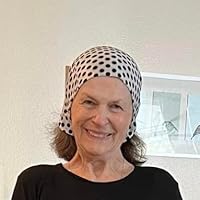
December 25, 2016
An extremely well-written story based in the small Arizona town of Sycamore, where Jess Winter and her mother Maud have come to live. At first, Jess doesn't fit in at the high school, but, gradually, she is accepted and Dani becomes her closest friend.
As the story unfolds, and Jess becomes more and more a part of Dani's family, Dani's father begins to take a more-than-fatherly interest in Jess. Totally inappropriate innuendos lead to potentially damaging thoughts and planned actions. Then, the unfathomable happens. Jess doesn't come home one night. Or the next night. Or the next. For 18 years, Maud and the town, and the reader, wonder what happened.
This snapshot of small town life, underscored with an unsolved mystery, is a great DEBUT which I heartily recommend to you.
I read this EARC courtesy of Harper and Edelweiss. Pub date 05/09/16
As the story unfolds, and Jess becomes more and more a part of Dani's family, Dani's father begins to take a more-than-fatherly interest in Jess. Totally inappropriate innuendos lead to potentially damaging thoughts and planned actions. Then, the unfathomable happens. Jess doesn't come home one night. Or the next night. Or the next. For 18 years, Maud and the town, and the reader, wonder what happened.
This snapshot of small town life, underscored with an unsolved mystery, is a great DEBUT which I heartily recommend to you.
I read this EARC courtesy of Harper and Edelweiss. Pub date 05/09/16

May 15, 2017
Great cast of characters, but a somewhat weak plot. Reminded me at times of of Mindy Mejia's Everything You Want Me to Be.

July 1, 2017
This debut novel by the writer is a heart-rending and tragic story about people who live in a small town in Arizona by the name of Sycamore (located not too far from Sedona). It begins in 1991 when Maud and daughter Jess Winters move to the town from Phoenix, after Maud's painful divorce from Jess' father. Maud has accepted a job with the postal service in order to support the two of them. Jess is almost 17 years old, and in her last year of high school. She doesn't seem to fit in well with most of the other students with a couple of notable exceptions. However in December of the same year, Jess disappears one stormy night and is never seen again. The book fast forwards twenty years when a new teacher has been hired at the community college, and on one of her exploratory walks around the local countryside, finds what appears to be a femur sticking out of the mud of an old sinkhole near one of the lakes. The book is written such that some chapters are recorded events of 1991, and others are twenty years in the future, after the bone is found. The story is told from the viewpoints of several of the people who live in the town. Like most anywhere else, several of the characters are deeply flawed, and they nearly all have secrets they do their best to keep hidden. How these people all fit into the disappearance of 17 year old Jess makes for a very tragic story, along with some moments of great kindness shown to others, including Jess, by some of the same people. I found the book to be a very good tale, showing the reader how even the most minimal event in one particular person's life can affect the lives of everyone else around them.
Displaying 1 - 30 of 591 reviews