

What do you think?

The Filmmaker's Eye: Learning (and Breaking) the Rules of Cinematic Composition
This fully revised and updated edition of the classic book on cinematic composition provides readers with the necessary skills and technical know-how to create polished and narratively eloquent images, using a unique approach that combines an analytical, technical, and aesthetic understanding of the essential visual grammar of the shot. Containing well over a hundred full-color case studies, this second edition was expanded to include brand-new shot types, and was completely updated to reflect developments in filmmaking technology and practices, including the DSLR revolution, the advent of mirrorless and compact cinema cameras, improvements in CMOS sensor performance, the introduction of 4K and higher video resolutions, and drone cinematography. The Filmmaker's Learning (and Breaking) the Rules of Cinematic Composition 2nd edition is essential reading for anyone with an interest in motion media and cinematic storytelling, including independent filmmakers, directors, producers, cinematographers, editors, as well as those studying filmmaking, media aesthetics, and film studies.
244 pages, Paperback
First published September 1, 2010
Ratings & Reviews
Friends & Following
Create a free account to discover what your friends think of this book!
Community Reviews
Displaying 1 - 30 of 39 reviews

May 28, 2022
خوندنشو به همه علاقمندان به سینما شدیدا توصیه میکنم.

February 10, 2013
a very interesting book detailing the various angles filmmakers use with many examples and illustrations. Similar to camera angles, this book also details the light setting, lens, etc that can be used on various application. Good book that can be referenced as both filmmakers and camera users.

July 4, 2019
Ciekawa, ale nieco przestarzała. Ma też tendencję do powtarzania się. Prawdopodobnie wynika to z tego, że struktura książki została pomyślana tak, żeby ułatwić pracę początkującemu filmowcowi - otwieramy książkę na np. ujęciu podwójnym i mamy wszystkie potrzebne informacje. Dla kogoś kto chce przeczytać książkę od A do Z, wielokrotne powtarzanie tych samych rad (np. że trudno uzyskać małą głębię ostrości przy kamerach SD i HD, więc warto użyć konwertera 35mm) jest nużące.
February 25, 2023
its so insightful and a good memory refresher since i'm doing capstone this semester. would definitely refer back to this book when making my storyboard.

March 12, 2026
worst experience of my fucking life

September 18, 2020
برغم بعض التكرار والحشو، يظل كتاب ممتاز عن فن التكوين السينمائي.
September 5, 2015
Great book. Lots of lessons for beginners or advanced students of filmmaking. I love the selection of films used as examples. If one were to simply watch all these films, they would get a very balanced view of world cinema and all the possibilities it offers. There are plenty of titles here I haven't seen, and I look forward to catching up with them.
For me, it was a nice refresher on lenses and how choosing them contributes greatly to what the audience feels and perceives.
In the Breaking the Rules section, there are nice tidbits on ways to think outside the box. One of my favorites is the Trainspotting example from the Dolly Zoom section.
Also, great examples from Oldboy (image systems), Marriage of Maria von Braun (use of Extreme Close Ups), Into the Wild (Macro Shots).
COOL TAKEAWAYS:
-In ECU or Macro shots, the background does not need to match exactly.
-Audiences accept when something is lit, even when it's not realistic or justified.
-Butterflies can block light so that actors are not overexposed in sunny day exteriors.
-I want to someday try a very slow dolly zoom.
-Establishing shots can carry an enormous amount of power. I used to take them for granted.
-Emblematic shots can be key pieces in building an image system.
I'll keep this as a handy reference in future prep, making shot lists, and storyboarding.
Can't wait for Mercado's next book, releasing November 1, 2015. It's devoted exclusively to lenses. Cover has a shot of Johnny Depp from Fear and Loathing in Las Vegas.
For me, it was a nice refresher on lenses and how choosing them contributes greatly to what the audience feels and perceives.
In the Breaking the Rules section, there are nice tidbits on ways to think outside the box. One of my favorites is the Trainspotting example from the Dolly Zoom section.
Also, great examples from Oldboy (image systems), Marriage of Maria von Braun (use of Extreme Close Ups), Into the Wild (Macro Shots).
COOL TAKEAWAYS:
-In ECU or Macro shots, the background does not need to match exactly.
-Audiences accept when something is lit, even when it's not realistic or justified.
-Butterflies can block light so that actors are not overexposed in sunny day exteriors.
-I want to someday try a very slow dolly zoom.
-Establishing shots can carry an enormous amount of power. I used to take them for granted.
-Emblematic shots can be key pieces in building an image system.
I'll keep this as a handy reference in future prep, making shot lists, and storyboarding.
Can't wait for Mercado's next book, releasing November 1, 2015. It's devoted exclusively to lenses. Cover has a shot of Johnny Depp from Fear and Loathing in Las Vegas.

May 16, 2020
Will be reviewing this one again before I start shooting.
Artfully organised like a textbook, yet reads like an immersive story. Well-explained and full of explanatory images. A must for any filmmaker.
Artfully organised like a textbook, yet reads like an immersive story. Well-explained and full of explanatory images. A must for any filmmaker.

May 25, 2023
En lo que se refiere a composición audiovisual, este es el mejor libro que leí al respecto.
Gustavo Mercado es un genio al momento de explicar cada uno de los puntos que toca: planos, proporciones de aspecto, ejes, regla de los tercios, regla de Hitchcock, regla de los 180°, tipos de composiciones, planos, ángulos, tipos de encuadres, movimientos de cámara, etc.
No solo es claro desde el lenguaje que utiliza para ir a la raíz de cada uno de los temas, sino que además incluye cantidad de gráficos/ilustraciones que sirven para explicarlos y, sobre todo, EJEMPLOS tomados de películas.
Algunos de esos ejemplos los utiliza para ilustrar lo que desarrolló anteriormente, y otros son específicamente seleccionados para realizar un análisis exhaustivo de cada elemento que forma parte de la composición.
Por otro lado, es muy valioso que, así como transmite las reglas que rigen la composición audiovisual, también nos insta a romper esas reglas y selecciona fotogramas dónde hay una ruptura que funciona.
Recomiendo este libro a todo amante del cine, cineasta y fotógrafo que quiera profundizar en la fotografía de las producciones audiovisuales. Lo considero un manual útil e indispensable para la consulta, del que podrán sacar muchas cosas en limpio y profundizar en aspectos que quizás ya sabían.
Yo creí que ya no tenía nada más que aprender sobre composición. Sin embargo, este libro vino a decirme: "Sí, querida, hay mucho más". Doy gracias por la lectura de este libro, adquirí nuevos conocimientos y afiancé los que ya tenía.
¡Recomendadísimo!
Dónde encontrarme:
https://linktr.ee/eternalectura
Gustavo Mercado es un genio al momento de explicar cada uno de los puntos que toca: planos, proporciones de aspecto, ejes, regla de los tercios, regla de Hitchcock, regla de los 180°, tipos de composiciones, planos, ángulos, tipos de encuadres, movimientos de cámara, etc.
No solo es claro desde el lenguaje que utiliza para ir a la raíz de cada uno de los temas, sino que además incluye cantidad de gráficos/ilustraciones que sirven para explicarlos y, sobre todo, EJEMPLOS tomados de películas.
Algunos de esos ejemplos los utiliza para ilustrar lo que desarrolló anteriormente, y otros son específicamente seleccionados para realizar un análisis exhaustivo de cada elemento que forma parte de la composición.
Por otro lado, es muy valioso que, así como transmite las reglas que rigen la composición audiovisual, también nos insta a romper esas reglas y selecciona fotogramas dónde hay una ruptura que funciona.
Recomiendo este libro a todo amante del cine, cineasta y fotógrafo que quiera profundizar en la fotografía de las producciones audiovisuales. Lo considero un manual útil e indispensable para la consulta, del que podrán sacar muchas cosas en limpio y profundizar en aspectos que quizás ya sabían.
Yo creí que ya no tenía nada más que aprender sobre composición. Sin embargo, este libro vino a decirme: "Sí, querida, hay mucho más". Doy gracias por la lectura de este libro, adquirí nuevos conocimientos y afiancé los que ya tenía.
¡Recomendadísimo!
Dónde encontrarme:
https://linktr.ee/eternalectura

December 2, 2021
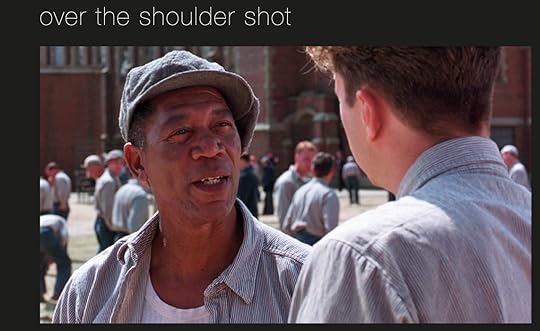
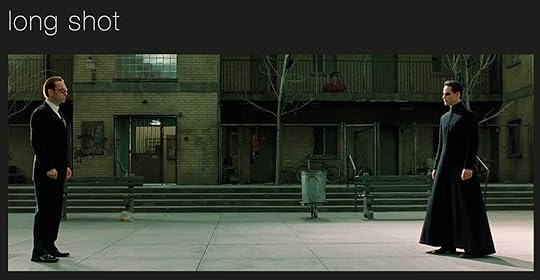
كتاب يعرض أسماء لقطات الكاميرا الثابتة والمتحركة، وأمثلة لها مصورة من الأفلام، مع مقالة شارحة قصيرة، وذكر فائدة كل لقطة وتوضيح تقني فيها، مع وضع مثال استثنائي يكسر فيها القانون أو العادة المرتبطة بتلك اللقطة.
يعتبر أعمق من Setting Up Your Shots by Jeremy Vineyard الذي يمكن قرائته قبله.

يعتبر أعمق من Setting Up Your Shots by Jeremy Vineyard الذي يمكن قرائته قبله.



August 31, 2025
(I just finished reading the most version of this and I will use this as a reminder to get another one since the one I got was a bit messy but only doing it if it is possible of course)
It took me a whole year to finish this but I am very happy that I finally got to finish it and oh boy... it was genuenly a very helpful book from start to finish. I am yet to watch every single movie mentioned here but I will write that as my goal because I genuenly enjoy analyzing movies, incluiding the visual aspects of them.
I will definetly get to revisit this one due to the amount of helpful information and I hope that once I get a camera I can just be able to put into pratice at least most of the shots mentioned in here.
It took me a whole year to finish this but I am very happy that I finally got to finish it and oh boy... it was genuenly a very helpful book from start to finish. I am yet to watch every single movie mentioned here but I will write that as my goal because I genuenly enjoy analyzing movies, incluiding the visual aspects of them.
I will definetly get to revisit this one due to the amount of helpful information and I hope that once I get a camera I can just be able to put into pratice at least most of the shots mentioned in here.
May 10, 2023
Still have a few pages left but I’m taking so long to get through it, just calling it complete. Cause I do that. I’m giving it 5 stars for having a really solid foundation for providing meaning to shots. It’s so important we as filmmakers understand each angle has a function. I dove into filmmaking without really understanding why certain choices are made and we always learn on the way regardless of our education. Nice book to keep in the library for reference. Cheers.
August 13, 2026
a fantastic introduction to filmmaking
I thoroughly enjoyed this book. I feel a lot more confident about the nature and uses of different shots in film & have gotten a sense of how films create that special sense of compelling movie magic through careful crafting of an image system. Overall I highly recommend it if you’re into filmmaking and want to improve your skills as a filmmaker.
I thoroughly enjoyed this book. I feel a lot more confident about the nature and uses of different shots in film & have gotten a sense of how films create that special sense of compelling movie magic through careful crafting of an image system. Overall I highly recommend it if you’re into filmmaking and want to improve your skills as a filmmaker.

April 11, 2022
Though I work in film and television professionally, I wanted a brief reference book to remind me of basic composition and camera movement principles that I can reference ahead of new rounds of storyboards. This is exactly how I was able to use this text. I think I will revisit it frequently, as it is a great little reference for reminding yourself of the composition fundamentals.

September 18, 2026
3.5/5! as someone who doesn't know too much about technical terms some parts were kinda hard to get through, but all the connections between shots and narration were super interesting and useful. i'll definitely keep this with me and recommend to all film students. also really appreciated how international the examples are.
many typos but maybe it's an older copy!
many typos but maybe it's an older copy!

June 3, 2019
A fantastic reference book for filmmakers and cinematographers. I could see myself checking out a section of this book every time I am considering using a certain type of shot or camera technique. It feels like a must have in your library
February 23, 2020
Прекрасная книга в помощь всем кто хочет снимать кино. Отличные описание всех возможных видов кадров, с примерами как и почему оно работает. И как можно правила нарушать. Да, в технической части книга немного устарела, но в целом это никак не уменьшает её достоинств
March 28, 2023
الكتاب فيه تقريبا أغلب زوايا و قواعد التصوير و حركات الكاميرا، مدخل حلو لو حد ميعرفش حاجة خالص عن زوايا التصوير و كده بس لو حد عارف بس بعض الأساسيات هيلاقي الكتاب مش مفيد أوي، و كمان حتة الـThechnical considerations الكلام اللي فيها مكرر بحسه ملوش لازمة، الكتاب مش مناسب ليا أوي بس هو كويس.

August 11, 2017
Technology is a bit old but good for basics nonetheless

September 7, 2017
LOVE this book. I use it each year with my students. Great resource for camera shots and angles. Perfect for film discussions.

December 27, 2020
A very dense read that took me a lot of time to process. However, afterwards I had a great understanding of visual strategy.

May 28, 2021
Systematically written it guides you to think like a cameraman or a director. Good examples, totally out of my scope so it's hard to assess it.
June 21, 2022
Not quite brilliant as the first book but still useful and to-the-point at explaining various types of cinematic shots.
August 24, 2022
Amazing book
September 13, 2022
این کتاب به شما نشان می دهد که چگونه بر قوانین مسلط شوید، سپس آنها را بشکنید.
-شامل مثالها و بحثهایی از طیف وسیعی از فیلمهای بینالمللی است.
https://taaghche.com/book/125256/
-شامل مثالها و بحثهایی از طیف وسیعی از فیلمهای بینالمللی است.
https://taaghche.com/book/125256/
March 1, 2023
So... I just discovered where my film school's professor based his lectures from.... even down to the stills.... nice.
Read
September 27, 2023nice beginners intro

Read
June 1, 2026Very repetitive if you read it like most books but, as a revision guide or as a coffee table read, it's brilliant and really informative about cinematography and its visual philosophies!

January 9, 2012
Excellent, extremely instructive book. I'm glad I figured out how to request an interlibrary loan in the NYPL system for it. It was recommended in an email newsletter I think from LeahAndMark.com, one of the photographers we actually considered for our wedding and whose style I admire quite a bit. The theme of the newsletter was studying composition and they said to read this book and look to film as a place for interesting compositions and inspiration.
So even with that intent of getting educated on composition as it applies to photography, since I'm not a filmmaker (though the one film-making class I took in college where we made Super8 films was a fun experience), I was still extremely impressed with this book. It was written in a way that's still pretty accessible to non-film people and used all sorts of examples, not just artsy indie films but also Indiana Jones.
It was also very specific about the different parts that they wanted to call out in each example that demonstrated the principle or type of shot, as well as all the many many decisions made to put this shot together. Might be obvious to others but film-making is a bigger art with many decisions than I had realized before. Just the parts of pointing out where there's a certain "lighting strategy" at play were interesting to me.
The part that really won me over though was that each section also had a counterexample of breaking the rules with why and how it was skillfully done. So you're not locked in, really, and the author also discussed how storytelling effectively also means taking into account the history of how a certain technique has been used in the past. Kind of like tvtropes.org's explanation about how just because your favorite show contains an often-used trope isn't a bad thing of itself, it's a trope for a reason, after all.
So even with that intent of getting educated on composition as it applies to photography, since I'm not a filmmaker (though the one film-making class I took in college where we made Super8 films was a fun experience), I was still extremely impressed with this book. It was written in a way that's still pretty accessible to non-film people and used all sorts of examples, not just artsy indie films but also Indiana Jones.
It was also very specific about the different parts that they wanted to call out in each example that demonstrated the principle or type of shot, as well as all the many many decisions made to put this shot together. Might be obvious to others but film-making is a bigger art with many decisions than I had realized before. Just the parts of pointing out where there's a certain "lighting strategy" at play were interesting to me.
The part that really won me over though was that each section also had a counterexample of breaking the rules with why and how it was skillfully done. So you're not locked in, really, and the author also discussed how storytelling effectively also means taking into account the history of how a certain technique has been used in the past. Kind of like tvtropes.org's explanation about how just because your favorite show contains an often-used trope isn't a bad thing of itself, it's a trope for a reason, after all.
April 5, 2016
Bagi pembikin fiem, penting untuk memahami akan maksud di sebalik setiap komposisi shot. Buku ini patut diterjemahkan dalam bahasa melayu agar para penggiat industri kreatif negaraku berhenti membuat drama 'ganja' yang saban hari mematikan pemikiran masyarakat. Tidak ada alasan lagi bagi penerbit yang menghasilkan visual ala kadar(sebab duit berkepok-kepok sudah dalam tangan). Zaman tidur sudah berakhir. Sudah lama kita tidak menyaksikan filem/drama yang berbentuk "art house cinema' atau sinema seni yang lebih kepada surealisme atau avant-garde. Sekurang-kurangnya seperti drama bersiri "Sherlock". Paling kurang pun, CSI.
Displaying 1 - 30 of 39 reviews