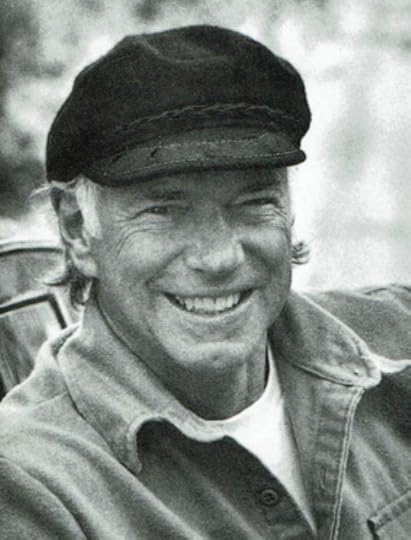
Nach 35 Jahren Praxis war der bekannte New Yorker Psychotherapeut und Autor Robert Akeret von einer Frage gefesselt: Hat die Therapie das Leben meiner Patienten wirklich verändert? Also machte er sich auf den Weg, seine beeindruckendsten ehemaligen Patienten zu besuchen – eine Reise ›auf der Suche nach dem Ende der Geschichten‹. Und es sind bemerkenswerte Geschichten, die dieses Buch wie ein brillanter psychologischer Detektivroman in faszinierenden Details erzählt, während gleichzeitig grundlegende Fragen über die Psychotherapie aufgeworfen werden.
Robert U. Akeret received his doctorate in psychology from Columbia University and his certificate in psychoanalysis from the William Alanson White Institute where he trained with Rollo May and Erich Fromm. He has worked in the counseling services at Columbia University, the City College of New York, and is a past President of the Association of Psychoanalytic Psychologists.
La madre di tutti i divani: il divano di Sigmund Freud.
Tales From a Traveling Couch: il titolo originale è meno sibillino di quello italiano, e rende abbastanza l’idea del libro. Perché il divano rimanda alla pratica analitica, e qui infatti a scrivere e raccontare è uno psicanalista che dopo trentacinque anni di attività decide di prendersi un periodo di riposo, il suo anno sabbatico, per viaggiare e andare a trovare alcuni suoi pazienti, ormai salutati da anni, per vedere come stanno, come se la cavano con le loro vite. Per vedere essenzialmente se il lavoro psicanalitico, se il suo intervento nelle loro esistenze è servito a qualcosa.
Gli incontri diventano l’occasione per esplorare le vite dei suoi ex pazienti, per entrare in quelle problematiche che avevano spinto queste persone a sedersi sul suo divano. E quindi, varie vite con le loro turbe e difficoltà e il loro dolore ci sfilano davanti.
Il titolo fa riferimento a uno di questi ex pazienti, Charles, domatore di bestie feroci in un circo, che viveva un’ossessione erotica per un orso bianco di cui si sentiva perdutamente innamorato. Dopo la terapia Charles aveva smesso di amare l’orso bianco, ma sentiva d’aver perso sia l'amore che ogni tipo di passione. Così come Sasha che voleva curarsi da un’improvvisa frenesia sessuale che gli aveva bloccato la vena di scrittore: adesso Sasha dichiara di “sentirsi bene”, ma dice anche che preferiva quel tempo della sua vita di appassionata infelicità rispetto al suo presente di tiepida “normalità”.
Tornato nel suo studio, col suo divano, lo psicanalista non si sente né depresso né abbattuto: è convinto che la psicanalisi non serva a guarire, ma a sentirsi più vivi: e quindi più capaci di partecipare a tutta una gamma di emozioni, inclusi il lutto, la compassione, il dolore, oltre all'entusiasmo, alla passione, alla gioia rispetto a quel ritirarsi dalla vita che, protratto, innesca quel modo d'essere che sconfigge le possibilità della vita stessa.
Mi sono seduto su divani e poltrone, sdraiato su lettini, dando le spalle o guardando in faccia il mio analista. L’ho fatto per anni. Sono pratiche lunghe, meglio saperlo dal principio. È stato utile? Non lo so. Al portafoglio sicuramente no, sono pratiche anche costose, meglio saperlo dal principio. Ma non rinnego neppure un istante passato in quelle stanze: il tempo trascorso su quei divani, poltrone, lettini, è stato tutto in qualche modo prezioso, stimolante. E, quindi, sì, in qualche modo è stato tempo e pratica utile.
Robert U. Akeret: new York, 29 dicembre 1928 – New York, 12 novembre 2016.
Very Nice Read. Loved the stories, I always wondered where people would end up when having to deal with certain things in life. I bought this book in the thriftstore because of the title of the book. Nice read!
Taken at face value, this is an interesting book and the tales inside are worth a cheap laugh. They're all of a very typical Freudian value- 'every-sing goes back to ze muzzer'. No, seriously- everything goes back to dear ol' ma in this book.
Naomi? Mum.
Charles? Mum.
Seth? Mum.
Sasha? Mum.
Mary? Mum. Well, Mum also plays in with Dad in this section.
Now, I'm sure Akeret is a good psychoanalyst, but I felt the whole time while reading this book that everything was just a touch overly dramatic, a touch of fantasy. I'm sure that everything is based on reality, but even so...
I wonder if his patients gave their approval for this book to be published? Charles, Sasha, Mary... did they say it was okay for their problems to be revealed so intimately? It doesn't say the names have been changed, but I'm sure if someone were very interested they could dig around and see who Sasha and Charles really are.
So in short: interesting, if a bit hard to swallow.
Read this during grad school for counseling psychology, as a means to avoid the mind-numbing boredom of the academic experience. It worked like a charm, and I thoroughly enjoyed these tales of the good doctor's memorable patients.
A great idea with some interesting patients. Descriptions of the original consultations are very good, but the follow-ups years later are padded and drawn out.
I'm guessing Akeret specialised in sexual relationships, as most of his case studies centred around this theme. I think this book was originally published in 1996 when Akeret approached his retirement. This didn't surprise me. I can't quite put my finger on why, but the content and writing style felt a little dated. Perhaps that just shows how much society has changed?!
I wished the patients' biographies and comments hadn't been filtered by the shrink--I wasn't sure he was a reliable narrator--he had so much of his own self-worth invested in the process.
The author was a psycho therapist that decides upon retirement to follow up on some of his past cases, contacting patients he did not see for the last 25 years and driving to meet them and hear their life stories since they left his therapy a generation ago.
Per each of the 5 chapters/cases the book consists of , the author first gives a detailed description of the case and then contrasts that with the story he hears from the patient he goes to meet. In the final analysis his proclaimed purpose is to see whether his therapy created a real positive change in people's lives or not. The final conclusion seems to lean towards the affirmative, even if the author also shares some of his less successful cases and throws doubt concerning the whole possibility of drawing psycho-causal connections.
On the one hand the book feels authentic and is certainly insightful. On the other hand, knowing the author had to change the names and probably many other identifying details of his patients and the fact that one cannot know the level of selection and editing the author chose to take in general, makes it also somewhat less authentic and transparent.
Having said that, the writing style is quite good and it is never boring to read, so real or fiction it is still a good book.
I don't know if it is simply due to the fact it seems he saw most of these patients in the 1960s and 1970s but the book felt dated. I didn't really think that these patients were all that memorable nor did I think anything all that radical happened during treatment or after treatment.
Obviously the title says that he finds these patients memorable, but I am not certain he did a good job of explaining why. Except for the guy who is in love with polar bears, everyone else seems to have "normal" problems. I am by no means trying to belittle his patients but their problems seemed to be the types of problems you would go see a therapist for... Again, this might simply be a reflection of our day and age and the fact that both treatment for and understanding of mental health is different. (Please note that none of these patients seemed to have been on medicine or have the symptoms that would appear in DSM-5 as a clinical illness, which is why I am using the phrase mental health rather than mental illness).
Ultimately, I was disappointed because the premise was more interesting than the book ended up.
The stories told in such vivid ways that I find myself emphatising with the clients in Robert's story. While I'm not sure if visiting your clients so many years after therapy breaches the ethical therapeutic relationship between client and therapist, the stories itself make me reflect a lot on the challenges of being a psychotherapist and the commitment needed to journey through with clients having such traumatic pasts.
Really enjoyed this - it seemed to me to be ultimately less about the characters and more about the authors experience of them - it felt heavily filtered through his opinions and slightly oldschool conclusions. I did find the perspective to be a bit self-indulgent but what psychotherapist isn’t. I’d recommend!
“…and I couldn’t help but think how before our work, I never got close to anyone, knowing only separation and loss would follow. What I learned with you was that it’s okay to get close, to risk losing someone and the pain it entails, because it’s the connection, not the fear of losing it, that matters most.”
Have you ever wondered how therapy sessions can impact the life of a therapist ? If so “ Tales From A Traveling Couch “ would be a good book to pick up and read. After being in the therapy field for over thirty years therapist Robert Akeret reflects on his five most impactful patients and revisits them and tells their impactful stories to the reading audience . I liked the book because I was able to relate to people in the book a lot because I myself have been a patient that has impacted my therapist in many amazing ways. In the book it talks about how astonished he was by the lives that the people lived and what they went on to do with themselves after their last session with Akeret thirty years later. I didn’t have that many dislikes about the book. I would say I was impressed by this work of literature to be exact because the details were right on point about each of the people’s life stories. In my point of view I felt like I was in the book myself watching the patient’s session From a corner and quietly observing them the whole time. This book was very deep I will admit that you will have some oh my gosh moments while reading this book. I’d highly recommend this book for others to read because it is a great book to relate to if you have also gone through therapy before.
I read this shortly after it came out and even to this day, I still remember the polar bear chapter. The brain really is a ginormous association machine and this is evident in this story. If you enjoyed Love's Executioner by Yalom, you may also enjoy this title.
I read this book over 20 years ago, long before I became a psychotherapist. It remains a favorite. Fascinating and amusing study of humanity. I only regret that I didn’t reach out to the author while he was still alive, to thank him for sharing these amazing and memorable cases.
Jest to najlepsza książka jaka czytałam w ostatnim czasie, niestety jest ona aktualnie niedostępna do zakupu, nad czym ubolewam i chętnie odkupię czyjąś kopię, żeby posiadać ją na własność, bo planuje do niej wracać nie raz!
Ho amato molto questo libro. Forse perchè mi piace sapere cosa succede "quando la storia finisce", o perchè mi affascina la psicoanalisi, e le persone, e i loro sogni, le loro paure, i desideri... L'uomo che si innamorò di un orso bianco è un libro che fa riflettere, soprattutto sul concetto di normalità, e, in un tempo in cui vediamo l'essere umano compiere le azioni più abiette e spregevoli, ce lo fa amare immensamente per la sua fragilità, i sentimenti, la ricerca della serenità, gli errori. E' il viaggio di un uomo, uno psicanalista, che rintraccia alcuni dei suoi pazienti a distanza di decenni, per sapere cosa ne è stato di loro, se la terapia ha funzionato. E, credo, soprattutto per sapere se il suo lavoro ha avuto un senso, se il suo esistere è stato determinante per la vita di altri esseri umani. Probabilmente per quello a cui tendiamo un pò tutti: la speranza di poterci dire, un giorno, "non sono passato invano".
This book was truly one of the better books I have read regarding therapy and the therapy process and it examines the question that many therapists ask ourselves, "Am I truly helping my clients?." While Dr. Akeret is grounded in psychoanalysis, a counseling theory that is not often used anymore, many of the themes of the book still ring true today. Mainly, that therapy "works when it works" and who are we to decide what the outcome of therapy should be or when clients are "better" or "normal." While many of the more deep seated patterns of personality and behavior that are developed in childhood may never really change per se, through therapy, a person can learn to cope with these in a healthier way that leads them to live the productive lives that they would like to live. And they way that they would like to live is up to them, not us. Ultimately, change is up to each individual person. We, as counselors, are merely guides on that journey towards change, self-actualization, and the ultimate humanistic goal of living in congruence with ourselves.
A retired psychotherapist embarks on a roadtrip to visit some of his former patients. His trip is, in part to see how his former patents have been since leaving therapy, and in part to see if his work with them was beneficial at all.
As a storyteller, Akeret does a fine job of mixing his personal story in with his patients' stories. As the book progresses, he becomes more and more aware that his trip is more about himself. His former patients are all interesting and their stories are each worth telling. Akeret tends to go into the psychoanalysis of their past and current situations a bit too much, with each analysis pulling me further and further out of the story.
Given patient confidentiality, I wonder how much of the specifics of each of the stories were changed. Names certainly were, but I'm left unsure if what I read was non-fiction or 'disguised' to the point of being something closer to fiction.
What a pleasant surprise this book is. Dr. Akeret wanted to find out whether the 'treatment' he gave a handful of his patients had lasting effects, some 20-30 years later, and he sets out on a trip to visit them. The result is a well-written, story-book like account of these visits. It is extremely well-written, and a real page-turner.
What really sets it apart from the like of Oliver Sachs is that Dr. Akeret is a major protagonist in the stories. He is open and candid about his own feelings and prejudices, and how this may have affected his patients. He is very candid about how his patients affected him, and what he learned from them. Not all the stories are suceess stories, and that makes the book all the more 'human'. I only wish that it was not all so Freudian, and that his schooling had been more varied. But at the end, I was craving for more, and that is a good sign.
Although this book reads like a novel, it contains the real-life stories of the journeys of five of Robert's most memorable patients. Starting with the work that began within the walls of the therapy room, each chapter takes a peek into how the lives of the individual patients have progressed in the space and time beyond the sessions. On so many levels, this book illustrates how the real effects of therapy transcend quantifiable in-session measures, and have an immeasurably profound influence on the rest of the patient's life. These stories speak for themselves and illustrate that the therapy is indeed healing when life after therapy can truly be a life.