

What do you think?

Extreme Measures: Finding a Better Path to the End of Life
Jessica Zitter became a doctor because she wanted to be a hero. She elected to specialize in critical care--to become an ICU physician--and imagined herself swooping in to rescue patients from the brink of death. But then during her first code she found herself cracking the ribs of a patient so old and frail it was unimaginable he would ever come back to life. She began to question her choice.
Extreme Measures charts Zitter's journey from wanting to be one kind of hero to becoming another--a doctor who prioritizes the patient's values and preferences in an environment where the default choice is the extreme use of technology. In our current medical culture, the old and the ill are put on what she terms the End-of-Life Conveyor belt. They are intubated, catheterized, and even shelved away in care facilities to suffer their final days alone, confused, and often in pain. In her work Zitter has learned what patients fear more than death itself: the prospect of dying badly. She builds bridges between patients and caregivers, formulates plans to allay patients' pain and anxiety, and enlists the support of loved ones so that life can end well, even beautifully.
Extreme Measures charts Zitter's journey from wanting to be one kind of hero to becoming another--a doctor who prioritizes the patient's values and preferences in an environment where the default choice is the extreme use of technology. In our current medical culture, the old and the ill are put on what she terms the End-of-Life Conveyor belt. They are intubated, catheterized, and even shelved away in care facilities to suffer their final days alone, confused, and often in pain. In her work Zitter has learned what patients fear more than death itself: the prospect of dying badly. She builds bridges between patients and caregivers, formulates plans to allay patients' pain and anxiety, and enlists the support of loved ones so that life can end well, even beautifully.
352 pages, Hardcover
First published February 21, 2017
Ratings & Reviews
Friends & Following
Create a free account to discover what your friends think of this book!
Community Reviews
Displaying 1 - 30 of 161 reviews

August 11, 2021
This is a 10-star book. It's not a memoir, not stories of life as a doctor, although there is much of both in the book. No, it's far deeper than that. At what point does a doctor trained to keep people alive at all costs, switch to helping them die more comfortably. Traditionally, there is no real point of contact between an ICU specialist as the author is and a palliative care doctor which the author also is.
When should the patient be told they are dying and continuing treatment won't help but might result in more pain and suffering, as chemotherapy can do, but that palliative or hospice care will give the best quality of life, with pain minimised for the time there is left. Such a difficult philosophical position for a doctor, such a hard conversation to have with a patient hopeful that the treatment is working.
I want to write a review of this superb book but for now, just a few interesting quotes.
Imagine touching people intimately all day? How does one start to make that just a routine and not feel embarrassed? Having 'doctor hands' is a skill. I never thought of this before.
My father asked if his mother had been told and the doctor was shocked. It was for my father as head of the family to decide, not the patient, a woman. He wanted to talk to my father 'man-to-man' without my mother and myself there. But my father insisted we all remain as a family. He told the doctor that was for him with his medical knowledge to decide, he didn't know anything about medicine and the doctor should do what he thought best. The doctor tried to persuade him to make a decision but my father had said his piece.
In the event the procedure was done and she had many more episodes of nearly dying in hospital before she actually did, at home. I was the only one with her, lying on her bed next to her as her coma deepened and her breathing slowed. I listened to that awful death rattle as her lungs filled with fluid and she slowly drowned in her own juices. I told her it was time, just let go, go. And then there were no more breaths, she had gone. A peaceful death with her favourite grandchild just a few inches away, in her own bed at home. Isn't that how it is supposed to be?
I've read the book twice now in the last two days. I may read the long appendices on preparing for dying, things to think about, procedures, checklists, what may happen, what can be done, a third time.
A 10 star book from which I learned a lot. Not least that a breathing tube is possibly the worst kind of torture if you are old and not likely ever to come off it. And even if you are it is uncomfortable at best and you can't talk or eat. I'm so sorry for all those Covid patients for whom that is the last treatment, suffered without the love and support of family, a terrible death. Not the sort that the author is advocates for, a death without fear or pain and with the support of the entire medical team as well as the family.
Proper review to come.
When should the patient be told they are dying and continuing treatment won't help but might result in more pain and suffering, as chemotherapy can do, but that palliative or hospice care will give the best quality of life, with pain minimised for the time there is left. Such a difficult philosophical position for a doctor, such a hard conversation to have with a patient hopeful that the treatment is working.
I want to write a review of this superb book but for now, just a few interesting quotes.
Imagine touching people intimately all day? How does one start to make that just a routine and not feel embarrassed? Having 'doctor hands' is a skill. I never thought of this before.
In the beginning, we practiced on each other. That first barrier, where one would lay hands on another, was particularly bizarre. Just out of college, few of us had ever touched another human being in this way—it wasn’t about love, or sex, or the neediness of a child, but something else. We needed to cultivate our “doctor hands,” as I thought of it, through which we would be able to touch another person without sensuality, while disguising any discomfort or aversion we might feel.Some religions mandate that everything possible should be done to preserve life, some cultures feel that the patient should not be told they are dying, others that it is for the head of the family to know and decide on what should be done,
On the first day of our physical exam block, as we sat in the lecture hall grasping our stethoscopes, our professor called for a volunteer. A male, who would be willing to take his shirt off and be examined by us all. There was a long and uncomfortable silence. Eventually Louis, an attractive student whom I hardly knew, stepped awkwardly up to the stage. I barely breathed as I held my stethoscope to his chest.
Today, I am able to put on my doctor hands to examine any part of any person’s body in the blink of an eye, no matter whether it be a patient, a friend, or a family member. But this was a skill that required repeated practice over the first few years.
Is there a point at which we doctors should hold cultural differences as less important than the simple realities of being human? To put a different spin on it, might there be instances where prioritizing cultural needs proves inhumane?When my grandmother appeared to be dying, the doctor called us into the corridor and said that he (he came from a different country and culture) wanted my father to make the decision whether to do a particular procedure that had a high risk of death but was the only treatment left.
My father asked if his mother had been told and the doctor was shocked. It was for my father as head of the family to decide, not the patient, a woman. He wanted to talk to my father 'man-to-man' without my mother and myself there. But my father insisted we all remain as a family. He told the doctor that was for him with his medical knowledge to decide, he didn't know anything about medicine and the doctor should do what he thought best. The doctor tried to persuade him to make a decision but my father had said his piece.
In the event the procedure was done and she had many more episodes of nearly dying in hospital before she actually did, at home. I was the only one with her, lying on her bed next to her as her coma deepened and her breathing slowed. I listened to that awful death rattle as her lungs filled with fluid and she slowly drowned in her own juices. I told her it was time, just let go, go. And then there were no more breaths, she had gone. A peaceful death with her favourite grandchild just a few inches away, in her own bed at home. Isn't that how it is supposed to be?
I've read the book twice now in the last two days. I may read the long appendices on preparing for dying, things to think about, procedures, checklists, what may happen, what can be done, a third time.
A 10 star book from which I learned a lot. Not least that a breathing tube is possibly the worst kind of torture if you are old and not likely ever to come off it. And even if you are it is uncomfortable at best and you can't talk or eat. I'm so sorry for all those Covid patients for whom that is the last treatment, suffered without the love and support of family, a terrible death. Not the sort that the author is advocates for, a death without fear or pain and with the support of the entire medical team as well as the family.
Proper review to come.

January 31, 2018
Engaging and informative, Jessica Zitter's examination of the current state of end-of-life treatments and how they might best be navigated is really excellent. Zitter is trained and experienced in both pulmonary/critical care medicine and palliative care medicine, and she balances these two perspectives to offer a nuanced look at the possibilities and dangers offered by medicine's technical “wonders” to those whose bodies are failing. Born into a family of physicians and surgeons, Zitter begins her book by telling of her early training in critical care medicine and her eagerness to save patients on the brink of death. Her gradual realization that the heroic measures which doctors, families, and patients typically assume are desirable might result in dramatically increased suffering and no true benefits, leads her to embrace an approach which focuses on allowing patients with “life-limiting” health situations to choose care that aligns with their values.
I've been reading about death and illness lately, but there was some eye-opening stuff for me in this about critical care/ICU treatments, and also the LTAC (Long Term Acute Care) thing. Yikes. Tubes, lines, and pumps chugging along, sustaining bodies, sometimes, for far too long. Zitter is not dogmatic, and she does not discount the benefits of life-sustaining technologies for patients who may recover some or all abilities or who may feel that life of any quality is worth continuing. Her emphasis is on educating patients and their families about the realities of “extreme” medicine, and on making sure that patients are aware of the options offered by palliative medicine.
As I read this I was overwhelmed with gratitude for the doctors who saw my mom after her unexpected diagnosis with metastatic lung cancer a couple months ago, in early November. All except the first one, at the ER, who came in and said that her seizure had not been the result of another urinary tract infection. No problems there. Oh, but there was a malignant node in her lung, and it appeared to have spread through her vertebrae. So we'd need to look into treatment options. And left. That guy was a jerk (I assume he still is a jerk.) But the rest of the doctors – pulmonary specialists, oncologists, primary care – have been marvelous. They looked at the whole patient, a frail woman with frontotemporal dementia, and at the progress of the cancer, and advised us of the options. Biopsies, surgeries, radiation were possible but they would ensure pain and sickness with no chance of cure and little in the way of longer life. And they told us about palliative care and Hospice. So now my mom is dying in her own home, relatively comfortable for the most part, nibbling the occasional little bites of crème brulee (minus the crispy sugar topping, so really just “creme,” I suppose), quiche, or hot cereal (my dad's specialty), being read aloud to, listening to music, and watching birds through the window. It's a very far cry from the life filled with friends, gardening, books, and so on that she Should be living now, but Zitter's book has made clear to me how much worse it could be. Her death seems to be rapidly approaching, and with FTD and metastatic lung cancer working their horrors in tandem it is not pleasant, but at least she is home, in the care of people who love her and who have been given the tools – medications, hospital bed, etc. – to keep her comfortable. She has Hospice nurses, aides, social workers, etc. on call, and they really Do come when needed, and even her wonderful primary care doctor (a last minute acquisition, who, fortuitously, has extensive experience in palliative care practice) makes house calls. All in line with her advance directive (Zitter's excellent appendixes provide links and tools to help readers make their end-of-life care wishes known to family and health care providers, and I intend to work mine out ASAP!), which is a great comfort to us.
Highly recommended to readers inclined to read about this subject. Zitter offers a sensitive, nuanced, multifaceted look at issues to consider related to end-of-life care.
I've been reading about death and illness lately, but there was some eye-opening stuff for me in this about critical care/ICU treatments, and also the LTAC (Long Term Acute Care) thing. Yikes. Tubes, lines, and pumps chugging along, sustaining bodies, sometimes, for far too long. Zitter is not dogmatic, and she does not discount the benefits of life-sustaining technologies for patients who may recover some or all abilities or who may feel that life of any quality is worth continuing. Her emphasis is on educating patients and their families about the realities of “extreme” medicine, and on making sure that patients are aware of the options offered by palliative medicine.
As I read this I was overwhelmed with gratitude for the doctors who saw my mom after her unexpected diagnosis with metastatic lung cancer a couple months ago, in early November. All except the first one, at the ER, who came in and said that her seizure had not been the result of another urinary tract infection. No problems there. Oh, but there was a malignant node in her lung, and it appeared to have spread through her vertebrae. So we'd need to look into treatment options. And left. That guy was a jerk (I assume he still is a jerk.) But the rest of the doctors – pulmonary specialists, oncologists, primary care – have been marvelous. They looked at the whole patient, a frail woman with frontotemporal dementia, and at the progress of the cancer, and advised us of the options. Biopsies, surgeries, radiation were possible but they would ensure pain and sickness with no chance of cure and little in the way of longer life. And they told us about palliative care and Hospice. So now my mom is dying in her own home, relatively comfortable for the most part, nibbling the occasional little bites of crème brulee (minus the crispy sugar topping, so really just “creme,” I suppose), quiche, or hot cereal (my dad's specialty), being read aloud to, listening to music, and watching birds through the window. It's a very far cry from the life filled with friends, gardening, books, and so on that she Should be living now, but Zitter's book has made clear to me how much worse it could be. Her death seems to be rapidly approaching, and with FTD and metastatic lung cancer working their horrors in tandem it is not pleasant, but at least she is home, in the care of people who love her and who have been given the tools – medications, hospital bed, etc. – to keep her comfortable. She has Hospice nurses, aides, social workers, etc. on call, and they really Do come when needed, and even her wonderful primary care doctor (a last minute acquisition, who, fortuitously, has extensive experience in palliative care practice) makes house calls. All in line with her advance directive (Zitter's excellent appendixes provide links and tools to help readers make their end-of-life care wishes known to family and health care providers, and I intend to work mine out ASAP!), which is a great comfort to us.
Highly recommended to readers inclined to read about this subject. Zitter offers a sensitive, nuanced, multifaceted look at issues to consider related to end-of-life care.

March 14, 2018
If you or someone you love might die someday you should read this book.
It might be a more meaningful review if I share the fact that my husband was dying when I read this book. The information and insights in this book were very helpful to me at the most difficult time in my life.
It might be a more meaningful review if I share the fact that my husband was dying when I read this book. The information and insights in this book were very helpful to me at the most difficult time in my life.

September 29, 2021
Ever since we grew up, my mother has repeatedly informed her children of her funeral arrangement and where her remains should be placed. We always rush to stop her, because, in our culture, that's what children are supposed to do. My mother is still alive and enjoying relatively good health. Yet, reading Extreme Measures makes me realize that she never tells us what kind of medical care she’d like to receive in the time of terminal illness. In other words, she knows what she wants after she dies but not how she’d prefer to die when time comes. Who would want to think of dying!
Jessica Zitter is an ICU doctor and a palliative care physician. Extreme Measures is part documentary of her patients, and part analysis on end-of-life medical care in the United States. I’ve read Being Mortal: Medicine and What Matters in the End, but this book is so much more, and so nuanced. Dying is a very messy affair, especially when different cultures, personal beliefs and family dynamics are considered. As a doctor, who should you listen to, the patient, the children, the spouse, or some kind of authority? As a patient and non-medical person, how do you truly understand the implications of different treatments and interventions when you are terminally ill and likely losing autonomy, and, is that even possible?
The advancement of medical science and technology gives rise to the false hope of defeating immortality. What the author describes as an “end-of-life conveyer belt” in the US medical system is eye-opening to me. A very inflexible care system indeed. A patient either gets inadequate care or too much medical interventions merely to prolong life. A lot of times the system values quantity of life over quality of life.
The book includes a list of resources in the appendix, where readers can think about and prepare for the "best" end-of-life for themselves or their loved ones.
Being dead is easy. It is dying that is the hardest.
Jessica Zitter is an ICU doctor and a palliative care physician. Extreme Measures is part documentary of her patients, and part analysis on end-of-life medical care in the United States. I’ve read Being Mortal: Medicine and What Matters in the End, but this book is so much more, and so nuanced. Dying is a very messy affair, especially when different cultures, personal beliefs and family dynamics are considered. As a doctor, who should you listen to, the patient, the children, the spouse, or some kind of authority? As a patient and non-medical person, how do you truly understand the implications of different treatments and interventions when you are terminally ill and likely losing autonomy, and, is that even possible?
The advancement of medical science and technology gives rise to the false hope of defeating immortality. What the author describes as an “end-of-life conveyer belt” in the US medical system is eye-opening to me. A very inflexible care system indeed. A patient either gets inadequate care or too much medical interventions merely to prolong life. A lot of times the system values quantity of life over quality of life.
The book includes a list of resources in the appendix, where readers can think about and prepare for the "best" end-of-life for themselves or their loved ones.
Being dead is easy. It is dying that is the hardest.

April 24, 2017
A riveting read, endlessly fascinating and informative. There is nothing to be gained and much to be lost by running away from thoughts and discussions of death. The Intensive Care Unit and certain more aggressive interventions have a place in critical care, but their risk, effect on quality of life, and irreversibility are quite wrong for some terminally ill people who would be better to embrace palliative care. Dr. Nutik Zitter is one of the rare physicians who has qualifications in both areas, and in pulmonology. Her work is helping to move us away from the dreadful situation in which some surgeons, oncologists, and others who intervene to save patients discourage their patients from "throwing in the towel" by considering palliative care even if they may still want some treatment.
At 65, I hope that I have years of active family life ahead of me, but last year I jotted down a few thoughts about my own death and how I would prefer it be. It is primarily focused on the people I love, rather than my own experience, which would be, after all, coming to an end. I find it very reassuring.
At 65, I hope that I have years of active family life ahead of me, but last year I jotted down a few thoughts about my own death and how I would prefer it be. It is primarily focused on the people I love, rather than my own experience, which would be, after all, coming to an end. I find it very reassuring.

December 15, 2019
Reading or thinking about dying is not the most exciting ways to spend ones time, but this book is one that I'm glad to have read. It lays out how important it is for us to take as much control of our lives as we can if it comes time for terminal illnesses. She also shows how the medical world is continuing to evolve and to take palliative care much more seriously now. Lots to think about.
August 14, 2017
The cover of this book caught my eye at the library. I wasn't sure what it was about, exactly, maybe a philosophy on living? When I thumbed through and found out it was a sort of doctor's memoir, it put me in mind of family and friends who are in that field, and my grandparents, who are older. Reviews said this was a book that everyone who planned on dying one day ought to read. So, when the first few pages pulled me in, I decided to go for it.
The beginning of the book described the dreams of a doctor-to-be, the imagined heroics to be performed and lives to be saved. Then the theoretical training of med school lectures, where the needs of the patients are hypothetically discussed and put first and everything usually ends well. Followed closely by the cold water shock of actually interning hands-on, facing disease, blood, and death. The reader learning a LOT of terminology.
*Spoiler This Paragraph* The description of the first "Code" the author was summoned to, meaning, "someone is dying on deck EVERYONE GET HERE NOW to try to save them." Crushing a dying man's ribs in an ineffective CPR attempt to draw more breath into his lungs. The attending in the room looking at his watch, waiting through 30 agonizing minutes of crackling before releasing the n00bs from taking turns at trying to save the life by ruining the body.
*/end Spoiler*
From there, the training intensified to the point that the young aides learned the secondary curriculum; that there IS no time to talk about impending death with patients and pat their hands and ask them hard questions. That the best thing to do is suggest treatment after treatment, that each moment of life, each breath, is precious regardless of the quality of life, and the family huddled in fear must be presented with a list of treatments and asked to sign consent without true understanding of what is happening, how imminent death actually is, and where a line might be drawn to say, "No. No more suffering, no more trying to delay the inevitable. Let's be at peace with what is happening and slow down." Patients being marched forward into panicked, delirious oblivion, the shouts of scrambling doctors the last sounds at their deathbed.
The problem described, now the book details more precise methods by which one comes to such an end. The 2-week mark on oxygen after a serious illness or injury or disease complication, whereupon the decision must be made whether or not to "intubate," usually a point of no-return, involving permanent-(unless-someone-mans-up-to-decide-to-let-the-patient-die) tubes cut into the throat of the ill to help them breathe, tied to machines from then on. The horrors of being strapped to a bed to prevent one from unconsciously removing the IVs, feeding tubes, breathing tubes, keeping you alive. The bedsores possible from laying too long in one position, the delicate humiliations of requiring a bedpan, the doctors sometimes too focused on life achieved to remember painkillers to ease existence.
Beyond this, I am grateful to the author for pushing further into what happens if one remains tied to a machine without a family or consciousness: the hell (in my opinion) of the longterm-care facilities, quiet, solemn factories storing the bodies of those no longer with us but not yet buried. A body may lay here for years in purgatory, occasionally becoming infected due to all the tubes winding into the body, being rushed to the ICU, then, all unconscious, returned to the silent halls of longterm care. I personally NEVER want to go there, and in fact, most such patients hardly ever receive visitors.
The book turns as the author turns toward a less frenetic, differently prioritized way of healing. "Palliative care" and "hospice" are explained. The easing of symptoms, even early on in the progress of a cancer or other disease before death has become your next-door neighbor, is the realm of palliative care. Making sure you get your pain medicine, making sure tough conversations with you and your family are mediated, preparing your mind and giving you space to determine your personal medical boundaries and priorities - would you want to be intubated? do you want to declare yourself DNR -no last-ditch rib-cracking CPR? - are all palliative care. Hospice is more for those who have shaken hands with Death and want a pleasant slide out in a warm, colorful place, possibly home, with family gathered round, pain managed, and time for goodbyes and fun - no more treatment for the underlying health problem. The explanation that those in hospice often live as long as those who stay in the ICU, but with better pain management and happier surroundings, makes the idea much less scary and defeated-seeming.
Understanding of palliative care in hand, we now wind through the abiding culture and frenzy of the medical world, watching with the author as she tries to make a difference, a dent in the mindset of doctors, interns, professors, specialists; bringing back the heroism and care that pushed many into the field, allowing for tough conversations and acknowledgement of death that cannot be stayed. Workshops and seminars, working as consulting palliative teams in the ICU, inventing acronyms like PADDLES to care for the whole patient, not just the kidney. Explaining to expert doctors that when they know that a procedure will keep the heart beating longer, but the quality of life for the person will not improve and the pain derived will make things worse and the family wringing their hands in the waiting room won't get to sigh a sigh of relief and stop battling and start celebrating the life that was and the life that's left for a little while, perhaps it is time to change course and prepare for the end without treating the untreatable inevitable. Story after story of case studies where this was necessary, and how the doctor, patient, family reacted. Common perspectives (religion, wait until family arrives, etc) displayed. Common issues that one wouldn't think of explained - the dying don't feel much hunger and force-feeding their favorite home comfort food you cooked to ease your own mind can cause them unnecessary pain, bloating, and a quicker death.
At the end, the author and the reader are invited to mentally envision and face one's own death. Who would be there? What would be said? How would you want to go? And at last, in the appendixes, information about the paperwork that should be filled out by each individual and the conversations that should be had with close family to ensure that your wishes are known and respected and peacefully complied with at this too-often-tragic-and-confused time. Many resources, including a nonprofit with "video tours" of the ICU and different states of being (such as intubated) so one may see and judge for oneself the quality of life choices one can make. May your ending be calm and loving, and may you rest in peace.
Important book. Perspective altering book. Informative how-to-care-for-yourself-or-your-elders book. Book that made me cry for the sake of my family currently enduring the rigors of med school, and shine with hope that they and my friends in the field will be able to see beyond the treatment to the patient's dignity. Take care of yourself. Fill out your medical paperwork. Guide your family's decisions before you are unable. Acknowledge your own mortality.
The beginning of the book described the dreams of a doctor-to-be, the imagined heroics to be performed and lives to be saved. Then the theoretical training of med school lectures, where the needs of the patients are hypothetically discussed and put first and everything usually ends well. Followed closely by the cold water shock of actually interning hands-on, facing disease, blood, and death. The reader learning a LOT of terminology.
*Spoiler This Paragraph* The description of the first "Code" the author was summoned to, meaning, "someone is dying on deck EVERYONE GET HERE NOW to try to save them." Crushing a dying man's ribs in an ineffective CPR attempt to draw more breath into his lungs. The attending in the room looking at his watch, waiting through 30 agonizing minutes of crackling before releasing the n00bs from taking turns at trying to save the life by ruining the body.
*/end Spoiler*
From there, the training intensified to the point that the young aides learned the secondary curriculum; that there IS no time to talk about impending death with patients and pat their hands and ask them hard questions. That the best thing to do is suggest treatment after treatment, that each moment of life, each breath, is precious regardless of the quality of life, and the family huddled in fear must be presented with a list of treatments and asked to sign consent without true understanding of what is happening, how imminent death actually is, and where a line might be drawn to say, "No. No more suffering, no more trying to delay the inevitable. Let's be at peace with what is happening and slow down." Patients being marched forward into panicked, delirious oblivion, the shouts of scrambling doctors the last sounds at their deathbed.
The problem described, now the book details more precise methods by which one comes to such an end. The 2-week mark on oxygen after a serious illness or injury or disease complication, whereupon the decision must be made whether or not to "intubate," usually a point of no-return, involving permanent-(unless-someone-mans-up-to-decide-to-let-the-patient-die) tubes cut into the throat of the ill to help them breathe, tied to machines from then on. The horrors of being strapped to a bed to prevent one from unconsciously removing the IVs, feeding tubes, breathing tubes, keeping you alive. The bedsores possible from laying too long in one position, the delicate humiliations of requiring a bedpan, the doctors sometimes too focused on life achieved to remember painkillers to ease existence.
Beyond this, I am grateful to the author for pushing further into what happens if one remains tied to a machine without a family or consciousness: the hell (in my opinion) of the longterm-care facilities, quiet, solemn factories storing the bodies of those no longer with us but not yet buried. A body may lay here for years in purgatory, occasionally becoming infected due to all the tubes winding into the body, being rushed to the ICU, then, all unconscious, returned to the silent halls of longterm care. I personally NEVER want to go there, and in fact, most such patients hardly ever receive visitors.
The book turns as the author turns toward a less frenetic, differently prioritized way of healing. "Palliative care" and "hospice" are explained. The easing of symptoms, even early on in the progress of a cancer or other disease before death has become your next-door neighbor, is the realm of palliative care. Making sure you get your pain medicine, making sure tough conversations with you and your family are mediated, preparing your mind and giving you space to determine your personal medical boundaries and priorities - would you want to be intubated? do you want to declare yourself DNR -no last-ditch rib-cracking CPR? - are all palliative care. Hospice is more for those who have shaken hands with Death and want a pleasant slide out in a warm, colorful place, possibly home, with family gathered round, pain managed, and time for goodbyes and fun - no more treatment for the underlying health problem. The explanation that those in hospice often live as long as those who stay in the ICU, but with better pain management and happier surroundings, makes the idea much less scary and defeated-seeming.
Understanding of palliative care in hand, we now wind through the abiding culture and frenzy of the medical world, watching with the author as she tries to make a difference, a dent in the mindset of doctors, interns, professors, specialists; bringing back the heroism and care that pushed many into the field, allowing for tough conversations and acknowledgement of death that cannot be stayed. Workshops and seminars, working as consulting palliative teams in the ICU, inventing acronyms like PADDLES to care for the whole patient, not just the kidney. Explaining to expert doctors that when they know that a procedure will keep the heart beating longer, but the quality of life for the person will not improve and the pain derived will make things worse and the family wringing their hands in the waiting room won't get to sigh a sigh of relief and stop battling and start celebrating the life that was and the life that's left for a little while, perhaps it is time to change course and prepare for the end without treating the untreatable inevitable. Story after story of case studies where this was necessary, and how the doctor, patient, family reacted. Common perspectives (religion, wait until family arrives, etc) displayed. Common issues that one wouldn't think of explained - the dying don't feel much hunger and force-feeding their favorite home comfort food you cooked to ease your own mind can cause them unnecessary pain, bloating, and a quicker death.
At the end, the author and the reader are invited to mentally envision and face one's own death. Who would be there? What would be said? How would you want to go? And at last, in the appendixes, information about the paperwork that should be filled out by each individual and the conversations that should be had with close family to ensure that your wishes are known and respected and peacefully complied with at this too-often-tragic-and-confused time. Many resources, including a nonprofit with "video tours" of the ICU and different states of being (such as intubated) so one may see and judge for oneself the quality of life choices one can make. May your ending be calm and loving, and may you rest in peace.
Important book. Perspective altering book. Informative how-to-care-for-yourself-or-your-elders book. Book that made me cry for the sake of my family currently enduring the rigors of med school, and shine with hope that they and my friends in the field will be able to see beyond the treatment to the patient's dignity. Take care of yourself. Fill out your medical paperwork. Guide your family's decisions before you are unable. Acknowledge your own mortality.

March 26, 2017
I am very fortunate to have received this book as a Goodreads giveaway, otherwise I may not have read it, or at least not gotten to it for some time. I think this is one that will stay with me, and help guide future decisions.
This author trained first as an Intensive Care Specialist physician, but became increasingly troubled by the way many patients in ICU's were cared for. Descriptions of ventilator facilities that maintin patients who are placed on ventilators and will never be freed from them, is haunting. Numerous other situations are described; the author gives many patient scenarios of people she has cared for, or come to know, in ICU's around the country, recounting numerous efforts made to prolong life, with little thought about the quality of that life. Dr. Zitter does not take a bitter or judging tone toward other physicians, lauding them for their mostly tremendous committment to save the lives of their patients. But with her later training as a Palliative Care specialist, Dr. Zitter hopes to bring a new approach to medicine, where Patient Centered Care becomes the norm, so that patient's and their families are presented with very realistic information about their prognosis. And that those facing these choices about ventilators, CPR, heart defibrillators, feeding tubes, extensive chemotherapy, and many other options that the increasing medical technology provides us, will know all the realistic possible outcomes.
Dr. Zitter was not afraid to admit how complex this issue is for her on a very personal level, and also showed her own human emotional responses to many of her patients.
At the end of this book the author lists numerous resources, not only the Advanced Directieves that are fairly well known, but other documents and resources that could prove quite helpful.
This author trained first as an Intensive Care Specialist physician, but became increasingly troubled by the way many patients in ICU's were cared for. Descriptions of ventilator facilities that maintin patients who are placed on ventilators and will never be freed from them, is haunting. Numerous other situations are described; the author gives many patient scenarios of people she has cared for, or come to know, in ICU's around the country, recounting numerous efforts made to prolong life, with little thought about the quality of that life. Dr. Zitter does not take a bitter or judging tone toward other physicians, lauding them for their mostly tremendous committment to save the lives of their patients. But with her later training as a Palliative Care specialist, Dr. Zitter hopes to bring a new approach to medicine, where Patient Centered Care becomes the norm, so that patient's and their families are presented with very realistic information about their prognosis. And that those facing these choices about ventilators, CPR, heart defibrillators, feeding tubes, extensive chemotherapy, and many other options that the increasing medical technology provides us, will know all the realistic possible outcomes.
Dr. Zitter was not afraid to admit how complex this issue is for her on a very personal level, and also showed her own human emotional responses to many of her patients.
At the end of this book the author lists numerous resources, not only the Advanced Directieves that are fairly well known, but other documents and resources that could prove quite helpful.
January 23, 2017
A thought provoking and very important book. Dr. Zitter opens up and shares stories of her experiences with her patients to illuminate the issues and choices we should all be aware of surrounding end of life decisions. I am so happy I read this book. Thank you Dr. Zitter!

September 20, 2021
This is a really good book discussing end of life. It’s written by an ICU Dr that realised that doing everything to help save a persons life might not be the best option for many people. Discusses palliative care/ hospice etc as being better options/ having better outcomes for many people that are dying.

August 20, 2020
This book reminds me in some ways of one by another physician, Stephen J. Iacoboni,
The Undying Soul: A Cancer Doctor's Discovery
. Both trace their authors' coming to terms with the fact that sometimes staying focused on medical interventions prevents patients and families from accepting and coming to terms with the reality of their conditions.
"There was always something more to do, something else to try. ... I never even considered that a dying patient might choose comfort as his priority and thus require a protocol to de-escalate the life-prolonging treatments that we steadily heaped on."
When to strive for a cure, and when to accept that there is no cure? It's a question fundamental to medicine. Atul Gawande has a lot to say about it in his book Better . Long ago, as a callow young applicant to med school, I ran afoul of interviewers inquiring into my own views. At the time, I had an elderly dad who'd often said, for the record, he would not want to be kept alive by extraordinary means, and that affected the answers I gave. I realized too late they'd wanted to hear something else. (Perhaps for that reason, I did not go to med school.) Much later, as the father of a patient—a son first with a severe developmental disability, and later with cancer—I've had many opportunities to wonder about the criteria doctors use in deciding how hard (or even whether) to try.
Dr. Zitter pulls back the curtain, at least on her own specialty. She describes intense efforts to resuscitate a patient, driven "by ICU residents eager to learn and to impress" when "everyone in that room knew that the patient would never make it out; we may have known it for days prior. And yet we plowed on."
As an aside, lately I've been thinking we in our society know many things that we've been conditioned not to believe. It's as if pretending a desired fantasy were true is enough to make it true. How harmful is that?
Well, the truth can also hurt. Zitter suggests various explanations for doctors' reluctance to dial back their efforts, one being the risk of getting a lower professional ranking.
Again and again, throughout the book, she laments a pointless end-of-life assembly line, or "conveyor belt," that puts patients and families through needless discomfort, confusion, and fear—and which, incidentally, medical people mostly forgo for themselves. It's an argument that needs to be made, but with my own life experiences I see confirmation of something more here.
First, I see gross unfairness in the above-mentioned medical school interview. My questioners were wrong in presenting a hypothetical scenario (elderly, comatose patient on life support with no reasonable hope of recovery), insisting on a binary choice from me (to pull the plug or not), and deciding on that basis I didn't value the sanctity of life. (More than two decades later I learned that school was still putting its applicants through the same drill. They're still wrong.)
Secondly, I see once again how my son's doctors failed at their "critical responsibility to be honest with their patients." Many of them pretended he would be okay, hoping they'd be out of the picture before his mom and I learned otherwise. When we didn't buy that, they still could not bring themselves to define the problem or to say why they weren't going to treat it. Had they respected our intelligence enough to share what they knew, had they attempted to involve us in the decision making process, it's possible we would not then have rejected the lot of them and gone off in another direction. I'm not sure they could have persuaded us not to try aggressive alternative treatments, but at least they could have retained my respect and trust, so that I might've come back at a later date.
Zitter says "shared decision making is neither old-style paternalism nor autonomy run amok." It's a reasonable balance, "but it rarely occurs."
I apologize for continually invoking my own wretched experience, but that's the effect this book has on me. You may react similarly. Bottom line: providing honest assessments of a patient's condition and prognosis, when the news is bad, does not appear to be a well-developed skill in their profession. As Dr. Zitter notes, it's so much easier just to talk about the next appointment.
The book makes a valuable statement. I should rate it more highly, but its repetitive nature wearied me.
"There was always something more to do, something else to try. ... I never even considered that a dying patient might choose comfort as his priority and thus require a protocol to de-escalate the life-prolonging treatments that we steadily heaped on."
When to strive for a cure, and when to accept that there is no cure? It's a question fundamental to medicine. Atul Gawande has a lot to say about it in his book Better . Long ago, as a callow young applicant to med school, I ran afoul of interviewers inquiring into my own views. At the time, I had an elderly dad who'd often said, for the record, he would not want to be kept alive by extraordinary means, and that affected the answers I gave. I realized too late they'd wanted to hear something else. (Perhaps for that reason, I did not go to med school.) Much later, as the father of a patient—a son first with a severe developmental disability, and later with cancer—I've had many opportunities to wonder about the criteria doctors use in deciding how hard (or even whether) to try.
Dr. Zitter pulls back the curtain, at least on her own specialty. She describes intense efforts to resuscitate a patient, driven "by ICU residents eager to learn and to impress" when "everyone in that room knew that the patient would never make it out; we may have known it for days prior. And yet we plowed on."
As an aside, lately I've been thinking we in our society know many things that we've been conditioned not to believe. It's as if pretending a desired fantasy were true is enough to make it true. How harmful is that?
Well, the truth can also hurt. Zitter suggests various explanations for doctors' reluctance to dial back their efforts, one being the risk of getting a lower professional ranking.
Again and again, throughout the book, she laments a pointless end-of-life assembly line, or "conveyor belt," that puts patients and families through needless discomfort, confusion, and fear—and which, incidentally, medical people mostly forgo for themselves. It's an argument that needs to be made, but with my own life experiences I see confirmation of something more here.
First, I see gross unfairness in the above-mentioned medical school interview. My questioners were wrong in presenting a hypothetical scenario (elderly, comatose patient on life support with no reasonable hope of recovery), insisting on a binary choice from me (to pull the plug or not), and deciding on that basis I didn't value the sanctity of life. (More than two decades later I learned that school was still putting its applicants through the same drill. They're still wrong.)
Secondly, I see once again how my son's doctors failed at their "critical responsibility to be honest with their patients." Many of them pretended he would be okay, hoping they'd be out of the picture before his mom and I learned otherwise. When we didn't buy that, they still could not bring themselves to define the problem or to say why they weren't going to treat it. Had they respected our intelligence enough to share what they knew, had they attempted to involve us in the decision making process, it's possible we would not then have rejected the lot of them and gone off in another direction. I'm not sure they could have persuaded us not to try aggressive alternative treatments, but at least they could have retained my respect and trust, so that I might've come back at a later date.
Zitter says "shared decision making is neither old-style paternalism nor autonomy run amok." It's a reasonable balance, "but it rarely occurs."
I apologize for continually invoking my own wretched experience, but that's the effect this book has on me. You may react similarly. Bottom line: providing honest assessments of a patient's condition and prognosis, when the news is bad, does not appear to be a well-developed skill in their profession. As Dr. Zitter notes, it's so much easier just to talk about the next appointment.
The book makes a valuable statement. I should rate it more highly, but its repetitive nature wearied me.

April 16, 2017
Jessica Zitter is an Intensive Care Specialist Dr who also works as a Palliative Care Dr, and in this books she talks about her experiences working in the hospital and the lessons she has learned.
She is able to talk about some of the hard choices that people face when they become critically unwell. Do we do everything we can at any cost? What does that really mean and do patients and their families understand the consequences of that decision? What would doctors choose to do when they attempt end of their lives?
Such an interesting book - one that I think everyone should read and talk about with their family and friends.
She is able to talk about some of the hard choices that people face when they become critically unwell. Do we do everything we can at any cost? What does that really mean and do patients and their families understand the consequences of that decision? What would doctors choose to do when they attempt end of their lives?
Such an interesting book - one that I think everyone should read and talk about with their family and friends.

February 27, 2017
"This book is about how our collective tendency to ignore death, doctor and patient alike, fuels a tremendous amount of suffering. And about how we can move forward from this place. I hope that by being as honest as possible about my own shortcomings as well as my changes in thinking along the way, readers will see that we are in the midst of a paradigm shift. None of us has yet ‘arrived.’ One of my palliative care colleagues said to me recently, ‘The only reform that comes is from confession.’"
No matter your age or health condition, talking about death is hard; there never seems to be a "good time" to bring up the topic, as it merely serves to remind each of us of our own mortality. Yet it is, quite possibly, one of the most important, significant conversations you will ever have and I encourage (okay, I've been known to nag) everyone to seek out resources and guidance in an effort to GET IT DONE.
"This directive, ‘I want you to do everything, Doc,’ often ends the conversation between doctors and desperate ICU patients. We’ve got a lot of ‘everything’ to offer, and the patient’s words are considered gold. [...] When patients push for ‘doing everything’ in the face of no significant medical benefit, we must give them more time, more opportunities to process their shock and emotional distress about death."
Thanks to my experience in this setting I can tell you, with confidence, that there are many things human beings endure during an illness, a hospitalization, that are far worse than death. As an advocate of appropriate palliative care and end-of-life decision-making discussions, my goal is never to diminish the feelings, the emotional toll, of families; instead, I attempt to help them work through their feelings and begin to recognize what is truly best for their loved one.
Dr. Zitter has provided an amazing resource for readers both within and outside the healthcare field; by sharing her own experiences, the stories that she has gathered, she illuminates some of the most difficult situations and the impact on all of the parties involved. This book is not filled with medical jargon, biased commentary, or sad reflections; it is an insightful look into the unknown world of emergency and intensive medicine and the way in which the capabilities, as they have expanded, have increased the need for better communication.
"In order to rebuild this broken system, we must begin by facing our fear of personal extinction, and the resultant drive to find something, anything, to save us from our own deaths."
Those of you who have personal experience with these situations, via family members and loved ones, will relate, but I believe that there are connections to be found by all of us; I highly recommend this book and hope it will encourage you to work toward a conversation about what you would want if/when you are no longer able to express your wishes.
No matter your age or health condition, talking about death is hard; there never seems to be a "good time" to bring up the topic, as it merely serves to remind each of us of our own mortality. Yet it is, quite possibly, one of the most important, significant conversations you will ever have and I encourage (okay, I've been known to nag) everyone to seek out resources and guidance in an effort to GET IT DONE.
"This directive, ‘I want you to do everything, Doc,’ often ends the conversation between doctors and desperate ICU patients. We’ve got a lot of ‘everything’ to offer, and the patient’s words are considered gold. [...] When patients push for ‘doing everything’ in the face of no significant medical benefit, we must give them more time, more opportunities to process their shock and emotional distress about death."
Thanks to my experience in this setting I can tell you, with confidence, that there are many things human beings endure during an illness, a hospitalization, that are far worse than death. As an advocate of appropriate palliative care and end-of-life decision-making discussions, my goal is never to diminish the feelings, the emotional toll, of families; instead, I attempt to help them work through their feelings and begin to recognize what is truly best for their loved one.
Dr. Zitter has provided an amazing resource for readers both within and outside the healthcare field; by sharing her own experiences, the stories that she has gathered, she illuminates some of the most difficult situations and the impact on all of the parties involved. This book is not filled with medical jargon, biased commentary, or sad reflections; it is an insightful look into the unknown world of emergency and intensive medicine and the way in which the capabilities, as they have expanded, have increased the need for better communication.
"In order to rebuild this broken system, we must begin by facing our fear of personal extinction, and the resultant drive to find something, anything, to save us from our own deaths."
Those of you who have personal experience with these situations, via family members and loved ones, will relate, but I believe that there are connections to be found by all of us; I highly recommend this book and hope it will encourage you to work toward a conversation about what you would want if/when you are no longer able to express your wishes.

November 28, 2017
In medical school, no one teaches you how to let a patient die.
Zitter started her career as an ICU doctor, one of the more intense specialties in medicine. It's your job to do stuff to turn around patient problems - put them on breathing machines and kidney machines when organs stop functioning, place a tube so they can be fed, use medications to stabilize blood pressure or prevent a clot. It's your job save a patient's life, so why would you stop when there's another procedure or a different medication you've yet to try?
This, she says, is why doctors are so awful at helping their patients have a good death. A patient dying is akin to failure and no one, especially highly trained professionals with a wealth of options and technology at their disposal, wants to fail. Add in a family that wants you to "do everything", and it's a recipe for more and more machines and care that will make it impossible for the patient to die peacefully at home. Zitter calls it the "end-of-life conveyor belt" and she got certified in palliative care to help people navigate and possibly avoid it.
This book is an extension of that work. She details how and why we got to this point and what we - both patients and health care professionals - can do to guide people towards the death they want. Patient stories are woven through to illustrate what things look like when they go right, go wrong, or just... go. End of life care is a minefield of pitfalls and potential missteps and she doesn't shy away from any of it.
It's a bit of a side note, but I want to give Zitter a great big hug for discussing my profession of medical interpreting in a chapter about cultural values. She includes the interpreter as part of the care team, asking about cultural differences and how to approach a thorny topic. In my experience interpreters can be treated like walking dictionaries, more a thing than a person, and it means a lot to me that Zitter accurately depicts and advocates for the important work we do.
The author reads the audiobook and I really liked it, though I did have to crank up the speed a little bit more than usual. I liked it so much that I went back and relistened to sections so I could add them to my notebook word for word. Here's some of the wisdom she drops:
The human being is unknowable. Unless, maybe, you ask.
While I may be the expert on the patient's disease I am not the expert on the patient.
Sometimes it isn't that the doctor needs to work harder to elicit the patient's values, but that those values are simply different from the doctor's. Yet another lesson in listening.
An amazing must read for anyone with anything do to in medicine, and highly recommended to everyone else.
(4.5 stars, but I suspect I will up to to 5 once I get my hands on a hard copy and reread.)

February 5, 2017
Find this review at Forever Lost in Literature!
The topics of death and end of life aren't exactly the most popular of dinnertime discussions. In Dr. Jessica Nutik Zitter's book, Extreme Measures: Finding a Better Path to the End of Life, Zitter discusses these topics in length, both enlightening and sharing various scenarios in which these topics should be discussed.
This book opened up my mind to the field of pallative care, which consists of the main goal of improving the quality of life of patients and their families when facing life-threatening, often emotionally challenging situations. Zitter did a remarkable job this medical field, as well as exemplifying the challenges associated with it. For instance, both patients, families, and doctors alike seem to get caught up with "doing everything they can" to save a person who is dying, not realizing that what they are doing may not actually change the outcome of their life expectancy, but it will affect their quality of life.
Zitter is a passionate advocate for pallative care, and this makes for an incredibly eye-opening book. It's not an easy thing to realize that although a person may be able to be physically alive because of breathing machines and other medical devices, it doesn't mean that they will ever make a full recovery or even be able to live a life without being plugged into machines.
Extreme Measures is littered with informative, engaging anecdotes of the many different experiences Dr. Zitter has faced throughout her career surrounding those struggling with life-threatening illnesses. I found her to be an empathetic, powerful, and inspiring narrator. Not all of her stories have a positive ending -- in fact, most of the things in this book are somewhat depressing, but it is written in such a way that I was not left feeling depressed, but instead feeling thoughtful and wanting to consider such situations I have not previously considered.
I have personally experienced the deaths of quite a few close friends and family in my life, so this topic has popped up a fair bit, making me realize the importance of it. I don't mind having these discussions, but a lot of people do, and that's exactly why I think everyone should read Extreme Measures.
I also would like to add the Zitter provides a vast array of resources regarding Advanced Directives and similar material at the end of the book, which I found extremely helpful to have available. Overall, I was extremely impressed with this book, and I am giving it five stars!
The topics of death and end of life aren't exactly the most popular of dinnertime discussions. In Dr. Jessica Nutik Zitter's book, Extreme Measures: Finding a Better Path to the End of Life, Zitter discusses these topics in length, both enlightening and sharing various scenarios in which these topics should be discussed.
This book opened up my mind to the field of pallative care, which consists of the main goal of improving the quality of life of patients and their families when facing life-threatening, often emotionally challenging situations. Zitter did a remarkable job this medical field, as well as exemplifying the challenges associated with it. For instance, both patients, families, and doctors alike seem to get caught up with "doing everything they can" to save a person who is dying, not realizing that what they are doing may not actually change the outcome of their life expectancy, but it will affect their quality of life.
Zitter is a passionate advocate for pallative care, and this makes for an incredibly eye-opening book. It's not an easy thing to realize that although a person may be able to be physically alive because of breathing machines and other medical devices, it doesn't mean that they will ever make a full recovery or even be able to live a life without being plugged into machines.
Extreme Measures is littered with informative, engaging anecdotes of the many different experiences Dr. Zitter has faced throughout her career surrounding those struggling with life-threatening illnesses. I found her to be an empathetic, powerful, and inspiring narrator. Not all of her stories have a positive ending -- in fact, most of the things in this book are somewhat depressing, but it is written in such a way that I was not left feeling depressed, but instead feeling thoughtful and wanting to consider such situations I have not previously considered.
I have personally experienced the deaths of quite a few close friends and family in my life, so this topic has popped up a fair bit, making me realize the importance of it. I don't mind having these discussions, but a lot of people do, and that's exactly why I think everyone should read Extreme Measures.
I also would like to add the Zitter provides a vast array of resources regarding Advanced Directives and similar material at the end of the book, which I found extremely helpful to have available. Overall, I was extremely impressed with this book, and I am giving it five stars!
January 16, 2017
The title of this book made me think it might be pretty dry reading, but it is not. It isn't just for people with a medical background either. If someone you know, including yourself, is going to die someday, you should read it. In other words, everyone should read it. After Dr. Zitter graduated from medical school she chose Critical Care as her specialty. She wanted to be a hero and save the extremely sick people no matter what she had to do. ICU (Critical Care) sounds glamorous but it isn't. Many of the patients have tubes in every orifice and one if not two IV's running. They are too sick to tell you that they are in pain and in ICU pain isn't something the staff worries about very much.
The doctors do test after test, procedure after procedure but many of the patients die anyway.
Dr. Zitter points out that the atmosphere isn't always wonderful. The patient has a score of doctors and there is mostly polite squabbling among them about what to do next. And there are the relative who know next to nothing about what is really going on so they latch onto a doctor with endless questions and beg you to fix the patient so he can go home. Before Zitter changed horses in mid stream and became a hospice doctor, she found it difficult to make the family understand that their loved one won't be going home.
Hospice is wonderful. The nurses and doctors have only one aim; that is to make the patient as comfortable as possible and let both the patient and family know that they are there for them. Pain relief is the major goal. Dying shouldn't be painful. Hospice patients can now be in special hospitals or at home. Everything is talked about with family and the patient if he is able.
All throughout the book, Zitter tells of patients and families that were especially significant to her.
Most people don't know about all the choices that are available to them. That is why I say everyone should read this book.
I won this book on Goodreads. This is my honest review.
The doctors do test after test, procedure after procedure but many of the patients die anyway.
Dr. Zitter points out that the atmosphere isn't always wonderful. The patient has a score of doctors and there is mostly polite squabbling among them about what to do next. And there are the relative who know next to nothing about what is really going on so they latch onto a doctor with endless questions and beg you to fix the patient so he can go home. Before Zitter changed horses in mid stream and became a hospice doctor, she found it difficult to make the family understand that their loved one won't be going home.
Hospice is wonderful. The nurses and doctors have only one aim; that is to make the patient as comfortable as possible and let both the patient and family know that they are there for them. Pain relief is the major goal. Dying shouldn't be painful. Hospice patients can now be in special hospitals or at home. Everything is talked about with family and the patient if he is able.
All throughout the book, Zitter tells of patients and families that were especially significant to her.
Most people don't know about all the choices that are available to them. That is why I say everyone should read this book.
I won this book on Goodreads. This is my honest review.

June 9, 2017
If there's every any book related to healthcare, medical/nursing industry (besides Atul Gawande's 'Being Mortal', this is the second book that had be nodding every page when I flipped. When I told the people that I have met that I might lose my rice bowl one day, most of them shake it off, jokingly tell me its impossible. Communication is definitely not my forte as I come across a very straight-forth/blunt person. But then again, nobody teaches communication hardly in school curriculum, much less in the medical school! Although I believe the art of communicating partly also stems from the individual itself (experience, maturity, exposure etc), it is shocking to say that most of us (especially those that works in health care, usually doctors/surgeons AND nurses) are still lacking. "Patient-centered" care is merely a phrase that is misuse or pass on from our mouth without thinking or just plain abusing it in our values. Do you and I really practice? I doubt so.
"There is an entire infrastructure built to support our fantasy of perpetual life. And that structure does not provide for adequate time and space for substantive communication with patients and families."
"Even if we do have sufficient time, t of us was never taught how to communicate bad news. In Dr. Atul Gawande’s groundbreaking book ‘Being Mortal’, he describes his own lack of training in this area. Dr. Susan Block: “You have to understand… A family meeting is a procedure, and it requires no less skill than performing an operation.”
If there is any thing that I learnt from Dr. ZItter's (and will remember it) which I believe it implies to whatever I am doing in my life, my practice, my training currently is this:
"Shame is a compelling teacher. It has the power to move doctor and family alike away from honesty and into a collusion of optimism, painful and familiar to the seepest parts of our consciousness, its mere hint can propel us out of the uncomfortable terrain of uncertainty into the familiar safety of well-rehearsed behaviour."
"There is an entire infrastructure built to support our fantasy of perpetual life. And that structure does not provide for adequate time and space for substantive communication with patients and families."
"Even if we do have sufficient time, t of us was never taught how to communicate bad news. In Dr. Atul Gawande’s groundbreaking book ‘Being Mortal’, he describes his own lack of training in this area. Dr. Susan Block: “You have to understand… A family meeting is a procedure, and it requires no less skill than performing an operation.”
If there is any thing that I learnt from Dr. ZItter's (and will remember it) which I believe it implies to whatever I am doing in my life, my practice, my training currently is this:
"Shame is a compelling teacher. It has the power to move doctor and family alike away from honesty and into a collusion of optimism, painful and familiar to the seepest parts of our consciousness, its mere hint can propel us out of the uncomfortable terrain of uncertainty into the familiar safety of well-rehearsed behaviour."

January 9, 2020
The author, Dr. Zitter, is described as an expert on the medical experience of death and dying. Her specialities of pulmonary/critical care and palliative care brought to life the spectrum between a comfortable, natural death verses a "keep alive at all costs" mentality. Her book provided me with horrific examples of how failure to discuss and plan can lead to disastrous suffering at the end-of-life. It made me question why we fight natural death. I began to wonder if our fear of death is the enemy rather than death itself. Dr. Zitter's stories made it clear to me that it is unfair to place our families or care teams of a position of not knowing our wishes because we avoided planning and discussion of possible scenarios. The turmoil of families and physicians to guess what the patient wants or to keep someone in a suffering state encased in life support can harm the souls and go against ethics of all involved.
This book was thoughtful and presented many sides of difficult dying experiences. The author shared cases that made her question her decisions and the typical hospital conveyor belt towards a mechanical death with multiple tubes and devices attached to our bodies. I found it incredibly valuable to understand typical trajectories that might occur at the end of life from illness, organ failure, frailty or dementia. It helped me gain clarity on my own wishes and I encourage others to read the book and then discuss with loved ones. Rather than it being a depressing subject matter, it has the potential to be a gift if the reader can move into a place of communicating and documenting wishes for end-of-life. Natural death has the potential to be a blessing if managed well with palliative care, understanding and acceptance. I give my thanks to Dr. Zitter for writing this book. I wholehearted recommend it!
This book was thoughtful and presented many sides of difficult dying experiences. The author shared cases that made her question her decisions and the typical hospital conveyor belt towards a mechanical death with multiple tubes and devices attached to our bodies. I found it incredibly valuable to understand typical trajectories that might occur at the end of life from illness, organ failure, frailty or dementia. It helped me gain clarity on my own wishes and I encourage others to read the book and then discuss with loved ones. Rather than it being a depressing subject matter, it has the potential to be a gift if the reader can move into a place of communicating and documenting wishes for end-of-life. Natural death has the potential to be a blessing if managed well with palliative care, understanding and acceptance. I give my thanks to Dr. Zitter for writing this book. I wholehearted recommend it!
January 24, 2017
Extreme Measures describes the personal journey of Dr Zitter through medical training and years of practice as an attending physician in the ICU. Along the way, she learned that the complex equipment and potent drugs provided to the most critically ill patients are not always appropriate. More importantly, she has learned, and wants to each other caregivers how to convey this information empathically to patients so that they can make the best choice for themselves. The book is filled with compelling examples of her encounters with specific patients, their families, and her colleagues, which, over time, formed her views. It is very well written and will be an interesting read whether or not you are in the medical field.
October 24, 2020
This is an incredible book for anyone to read. At first, I thought this was geared towards healthcare providers, but I realize the importance of every potential patient to hear this.
The book is full good and bad examples of how people die. I’ve seen countless bad deaths as an ICU nurse. As I become a nurse practitioner, I hope I can relieve suffering and make people have a good death.
Dr. Zitter has done great work in changing the way palliative care is viewed. She is able to wear her ICU hat and save lives while keeping in mind the patient and their suffering. Would highly recommend this to anyone looking for more info on palliative care or just a good life lesson.
The book is full good and bad examples of how people die. I’ve seen countless bad deaths as an ICU nurse. As I become a nurse practitioner, I hope I can relieve suffering and make people have a good death.
Dr. Zitter has done great work in changing the way palliative care is viewed. She is able to wear her ICU hat and save lives while keeping in mind the patient and their suffering. Would highly recommend this to anyone looking for more info on palliative care or just a good life lesson.

June 8, 2017
This was an interesting-enough book about an important topic. If you've read the other dying books, you'll probably find that this goes over material you've already read about. I found her stories well written but yet repetitive, fitting a certain trope (family wants to save patient at all costs, doctors aren't willing to dial down treatment in the face of death, patient finds relief in knowing that she's dying, etc). It was less about cancer than the other dying books. The appendix is actually the best part. Get it from the library to read that and you'll be good.

September 17, 2020
I really appreciate that every end-of-life book I’ve read has touched on a different topic within the subject. This book focused on how to change the culture within the ICU to foster more discussion about palliative care and hospice. In doing so, doctors are able to offer the option of a more peaceful death to patients. Overall an informative and thought-provoking book (even if the language surrounding some of the patients in her stories was a little... off), which even includes helpful resources for getting started on your own advance directive.

October 2, 2017
Definitely worth reading. We will be attending a lecture by the author this week. I encourage everyone to talk about death with their loved ones; and even to write your own preliminary obituary!

October 3, 2020
This book is intended to explain the changes taking place in the treatment options, and perspectives towards, the end of life in the US. The default approach has been to throw every available medical technique at what is perceived as a problem (dying) instead of a normal part of the human life cycle. The unfortunate result is that too many people die badly, suffering in ways they never would have chosen. I took off a star because the book has too many anecdotes, and the material is poorly organized. On the other hand, the two appendices are excellent. It behooves everyone, before they get too close to their own life’s end, to spend time thinking about, and talking with their dear ones about, how they want to die - and planning accordingly. Reading this book is a good step in that direction.

June 22, 2018
Thinking and talking about death is important. We're all going to die someday, and we should consider how we'd like our last days to look and communicate that information to family members. Dr. Zitter looks at death as an ICU and palliative physician. She explains what "do everything to keep me alive" can really look like and acknowledges the difficulty of thinking about death and discussing it with medical staff and family. This book recognizes that some people fall on the "do everything to keep me alive" end of the spectrum, others want no medical interventions whatsoever, even for pain, and people fall anywhere between these two extremes. I think there's great utility from this book for everyone (because end of life comes for all of us), and even more so for medical staff who offer treatment options to patients nearing death.

May 14, 2017
The content in this book makes me feel nervous and uncomfortable, but it is absolutely necessary to start thinking about the issues discussed before it is too late. Instead of simply begging the doctor to "do everything you can", what else can we do to help our doctor facilitate our end-of-life? What do we want to achieve during the last few hours of our lives? If you are unsure about these, you can perhaps find some answers from this book.
January 23, 2024
Every physician should read this. Hell every person should read this. It’s heartbreaking, eye opening and written wonderfully. End of life conversations are one of the most important things in medicine and life and this book does an amazing job illustrating that from arguably the most perfectly unique physician perspective (ICU and Palliative). Atul Gawande walked so Jessica Zitter could run
February 17, 2024
This book is exceptional. A masterpiece. Very informative on statistics and therapeutic approaches for managing devastating scenarios. As a health care worker I truly believe every physician and nurse should read this book. It is so important to reflect on death. Everyone will die so we must prioritize teaching patients about end of life care and how we can make the scariest moments of people’s lives meaningful.
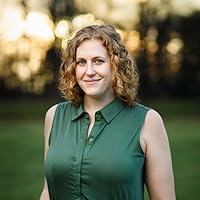
November 26, 2019
As someone who used to work in an ICU and has academically studied end of life care in the US, this is the best book I have ever read about end of life care, bar none. It is a must read for anyone in medicine, and frankly for anyone who wants to learn more about what may happen at the end of their or a loved one's death.

August 26, 2024
I found the subject matter incredibly important and I think the author did a wonderful job sharing personal anecdotes and struggles related to end of life care. The appendices were a wonderful touch that summarize personal actions everyone should take to help ensure they have the end of life care representative of their personal wishes.
I found at times, that it was repetitive and would have preferred a shorter book.
I found at times, that it was repetitive and would have preferred a shorter book.
Displaying 1 - 30 of 161 reviews