

What do you think?

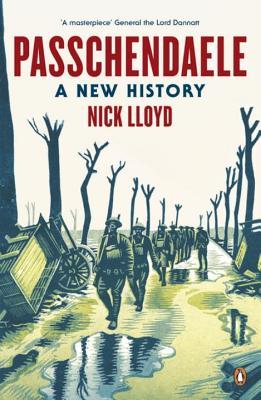
Passchendaele: A New History
The Third Battle of Ypres was a 'lost victory' for the British Army in 1917. Between July and November 1917, in a small corner of Belgium, more than 500,000 men were killed or maimed, gassed or drowned - and many of the bodies were never found. The Ypres offensive represents the modern impression of the First World War: splintered trees, water-filled craters, muddy shell-holes.
The climax was one of the worst battles of both world wars: Passchendaele. The village fell eventually, only for the whole offensive to be called off. But, as Nick Lloyd shows, notably through previously overlooked German archive material, it is striking how close the British came to forcing the German Army to make a major retreat in Belgium in October 1917. Far from being a pointless and futile waste of men, the battle was a startling illustration of how effective British tactics and operations had become by 1917 and put the Allies nearer to a major turning point in the war than we have ever imagined.
Published for the 100th anniversary of this major conflict, Passchendaele is the most compelling and comprehensive account ever written of the climax of trench warfare on the Western Front.
The climax was one of the worst battles of both world wars: Passchendaele. The village fell eventually, only for the whole offensive to be called off. But, as Nick Lloyd shows, notably through previously overlooked German archive material, it is striking how close the British came to forcing the German Army to make a major retreat in Belgium in October 1917. Far from being a pointless and futile waste of men, the battle was a startling illustration of how effective British tactics and operations had become by 1917 and put the Allies nearer to a major turning point in the war than we have ever imagined.
Published for the 100th anniversary of this major conflict, Passchendaele is the most compelling and comprehensive account ever written of the climax of trench warfare on the Western Front.
410 pages, Hardcover
First published May 23, 2017
About the author
Nick Lloyd
14 books108 followersOne of Britain’s new generation of military historians, Nick Lloyd is a Professor of Modern Warfare at King’s College London and the author of four books on World War I, including The Western Front, Hundred Days, and Passchendaele. He lives in Cheltenham, England.
Ratings & Reviews
Friends & Following
Create a free account to discover what your friends think of this book!
Community Reviews
Displaying 1 - 30 of 72 reviews

May 9, 2025
A well written, very readable and manifestly well researched account. It’s a familiar story of blood & mud, elevated by the inclusion of the German perspective and well reasoned, balanced analysis. Add to that plenty of first hand accounts and decent maps. I haven’t read enough on the subject to say how much of this is genuinely “new”, but it does seem to be a thorough appraisal.

January 26, 2023
A Ridge too Far
Passchendaele or The Third Battle of Ypres, remains infamous for everything that was terrible about the First World War. Fought in 1917, truly the worst year of the war, Passchendaele is known for the slaughter, the mud, the unimaginative leadership and the stalemate. Everything we think of when we think of the fighting on the Western Front. Nick Lloyd provides a new history, to challenge this narrative and explains that it was nearly the breakthrough the Field Marshall Haig was hoping for. Fought from 31 July to 10 November 1917, more shells fell in August there than the entire of the Franco-Prussian War of 1870, creating a wasteland of mud and craters, tress stripped bare and rubble that was once farms and dwellings.
Why was the battle fought? Lloyd states that following the downfall of HH Asquith, David Lloyd George had promised a decisive victory, with most of the military and political establishment believing that the war would only be won on the Western Front. The plan was to free Belgium, capture the German submarine base on the coast and to take pressure of the French. So once again the town of Ypres was the focal point. The most notorious of the fighting, the place no one wanted to be sent. A low lying area, where both armies weee packed in. The Germans on the ridge with a great view of the allied positions and the town including it’s beautiful 13th century cloth hall below.
The research has been meticulous as Lloyd has pieces together diaries and letters of both allied and Germany soldiers alongside the ‘top down’ strategic overview. This gives a nice balance of the battle, what happened, why is happened and what it was like to be in the thick of it. Lloyd is conscious of Lyn MacDonalds classic on the subject, but wanted to get away from the narrative of ‘lions led by donkeys’. Technology, communication and conditions were the main factors in preventing a breakthrough, although new tactics and weaponry, such as tanks or the ‘bite and hold’ method were turning the war in the allies favour.
As Lloyd states this was a ‘lost victory’ and one that nearly caused the Germans to considered a negotiated peace. Anzac and Canadian soldiers, better paid and of better quality than there British counterparts (who must not be forgotten as they too fought in this hell) captured many of their targets. But through the lack of technology (as mentioned above) reinforcements were hard to bring up, so these gains mostly had to be lost. Germany was undermanned and had a lack of shells and support, so the holding of the line to them was a strategic victory and a moral boost for the men under Crown Prince Rupprecht of Bavaria, a capable commander in chief of Reich forces.
What is good about Passchendaele: A New History is that it tells the story from both sides, giving the Germans humanity and a voice. Both side suffered in unimaginable horrors, which cannot be denied or forgotten. The battle made Haig famous for being a ‘butcher’, but as Lloyd shows both sides suffered tremendous losses, which as Lloyd argues was a turning point in the war. Germany could not keep this up forever and as I have mentioned above, made them consider drawing the line there. Lloyd’s main criticism of Haig is that he persisted too long in a battle which he should have realised could no longer be won. Although he was at times stubborn and unimaginative, Lloyd also states he was a ‘gambler’. This gamble nearly paid off. Solid book from Nick Lloyd.
Passchendaele or The Third Battle of Ypres, remains infamous for everything that was terrible about the First World War. Fought in 1917, truly the worst year of the war, Passchendaele is known for the slaughter, the mud, the unimaginative leadership and the stalemate. Everything we think of when we think of the fighting on the Western Front. Nick Lloyd provides a new history, to challenge this narrative and explains that it was nearly the breakthrough the Field Marshall Haig was hoping for. Fought from 31 July to 10 November 1917, more shells fell in August there than the entire of the Franco-Prussian War of 1870, creating a wasteland of mud and craters, tress stripped bare and rubble that was once farms and dwellings.
Why was the battle fought? Lloyd states that following the downfall of HH Asquith, David Lloyd George had promised a decisive victory, with most of the military and political establishment believing that the war would only be won on the Western Front. The plan was to free Belgium, capture the German submarine base on the coast and to take pressure of the French. So once again the town of Ypres was the focal point. The most notorious of the fighting, the place no one wanted to be sent. A low lying area, where both armies weee packed in. The Germans on the ridge with a great view of the allied positions and the town including it’s beautiful 13th century cloth hall below.
The research has been meticulous as Lloyd has pieces together diaries and letters of both allied and Germany soldiers alongside the ‘top down’ strategic overview. This gives a nice balance of the battle, what happened, why is happened and what it was like to be in the thick of it. Lloyd is conscious of Lyn MacDonalds classic on the subject, but wanted to get away from the narrative of ‘lions led by donkeys’. Technology, communication and conditions were the main factors in preventing a breakthrough, although new tactics and weaponry, such as tanks or the ‘bite and hold’ method were turning the war in the allies favour.
As Lloyd states this was a ‘lost victory’ and one that nearly caused the Germans to considered a negotiated peace. Anzac and Canadian soldiers, better paid and of better quality than there British counterparts (who must not be forgotten as they too fought in this hell) captured many of their targets. But through the lack of technology (as mentioned above) reinforcements were hard to bring up, so these gains mostly had to be lost. Germany was undermanned and had a lack of shells and support, so the holding of the line to them was a strategic victory and a moral boost for the men under Crown Prince Rupprecht of Bavaria, a capable commander in chief of Reich forces.
What is good about Passchendaele: A New History is that it tells the story from both sides, giving the Germans humanity and a voice. Both side suffered in unimaginable horrors, which cannot be denied or forgotten. The battle made Haig famous for being a ‘butcher’, but as Lloyd shows both sides suffered tremendous losses, which as Lloyd argues was a turning point in the war. Germany could not keep this up forever and as I have mentioned above, made them consider drawing the line there. Lloyd’s main criticism of Haig is that he persisted too long in a battle which he should have realised could no longer be won. Although he was at times stubborn and unimaginative, Lloyd also states he was a ‘gambler’. This gamble nearly paid off. Solid book from Nick Lloyd.

April 30, 2020
That the Third Battle of Ypres turned out too be a pitiless, bloody grind for Dominion forces against two implacable enemies - the Imperial German Army and atypical European (or maybe just British) summer weather - is the accepted version of events. Nick Lloyds book, while not necessarily a new history does offer a fresh look when compared with some out the other works I've read on the campaign.
By mid-1917 the British Army had grown into the task before it;
"By now the BEF was a functioning machine that knew its business. The eager, if somewhat amateurish, Army that had made its debut on the Somme the previous summer was no more. Now there could be no denying the seriousness of the situation or the professionalism it demanded. War had been a hard taskmaster, but now, in 1917, there was a sense that, at long last, the British were getting the hang of it. While victory might not have been a foregone conclusion, they would at least make a formidable effort this time."
However, the forces were hamstrung by a military/political disagreement that dislocated planning (a campaign in Flanders was mooted in December 1916) and by command circumstances which put the wrong commander in charge: a definite case of a need for dramatic, sweeping gains over a slow, deliberate advance which played to the strengths of the Commonwealth forces. Therefore, after an initial "spectacular" at Messines, the delayed start of Third Ypres was decidedly less successful - while gains were made, they were hardly Haig's over optimistic breakthrough, and a further lack of success under typical Bank Holiday weather ("It was an old joke that the sun always shone in the Salient whenever the British were not attacking, and September 1917 was no different.") lead to a change not only in leadership but also in fortunes.
The attacks of September and October 1917, costly as they were, placed immense pressure on the German armed forces and led to a scramble to redevelop the ground breaking defence in depth policy which proved so successful against major breakthrough operations. The true tragedy out the campaign was that these lessons, so recently learned, were rapidly forgotten as the final smog up the newly worthless Passchendaele Ridge provided the enduring image of poor Tommies slogging through a morass for little gain.
None of the British High Command come across well, from Haig ("a compulsive gambler; with the compulsive gambler’s habit of throwing good money after bad"), Gough, whose unimaginative tactics make the initial push a near fiasco, to Lloyd-George, whose obsession with the Italian campaign blights any consideration of success in Flanders. Even Plumer's (relative) successes at Menin Road and Broodseinde are marred by his later acquiescence to Haig's demands to drive on Passchendaele.
In the end, the story boils down to the men in the mud and it's their stories that make the book what it is. The inclusion of the viewpoint from the German shellholes rounds out the story and also allows us to determine that Third Ypres actually put a great deal out pressure on the German forces and command. While the underlying tragedy remains, it's pleasing that the general lesson taken from the book is that the suffering wasn't totally worthless.
"Perhaps the real tragedy of Third Ypres was not that it was fought at all, or that the British did not break through, but that they did not always fight to their strengths. By the summer of 1917 the BEF had evolved a battle- winning method of fighting, with artillery- heavy ‘bite- and- hold’ attacks that could gain (albeit limited amounts of) ground and take a heavy toll on any defenders unfortunate enough to get in their way. Given good weather and enough time, the British were able to inflict at least as many casualties on the enemy as they themselves received."
Recommended to anyone with an interest in how the British Army learned to win, or anyone interested in seeing a new perspective on one of history's terrible conflicts.
By mid-1917 the British Army had grown into the task before it;
"By now the BEF was a functioning machine that knew its business. The eager, if somewhat amateurish, Army that had made its debut on the Somme the previous summer was no more. Now there could be no denying the seriousness of the situation or the professionalism it demanded. War had been a hard taskmaster, but now, in 1917, there was a sense that, at long last, the British were getting the hang of it. While victory might not have been a foregone conclusion, they would at least make a formidable effort this time."
However, the forces were hamstrung by a military/political disagreement that dislocated planning (a campaign in Flanders was mooted in December 1916) and by command circumstances which put the wrong commander in charge: a definite case of a need for dramatic, sweeping gains over a slow, deliberate advance which played to the strengths of the Commonwealth forces. Therefore, after an initial "spectacular" at Messines, the delayed start of Third Ypres was decidedly less successful - while gains were made, they were hardly Haig's over optimistic breakthrough, and a further lack of success under typical Bank Holiday weather ("It was an old joke that the sun always shone in the Salient whenever the British were not attacking, and September 1917 was no different.") lead to a change not only in leadership but also in fortunes.
The attacks of September and October 1917, costly as they were, placed immense pressure on the German armed forces and led to a scramble to redevelop the ground breaking defence in depth policy which proved so successful against major breakthrough operations. The true tragedy out the campaign was that these lessons, so recently learned, were rapidly forgotten as the final smog up the newly worthless Passchendaele Ridge provided the enduring image of poor Tommies slogging through a morass for little gain.
None of the British High Command come across well, from Haig ("a compulsive gambler; with the compulsive gambler’s habit of throwing good money after bad"), Gough, whose unimaginative tactics make the initial push a near fiasco, to Lloyd-George, whose obsession with the Italian campaign blights any consideration of success in Flanders. Even Plumer's (relative) successes at Menin Road and Broodseinde are marred by his later acquiescence to Haig's demands to drive on Passchendaele.
In the end, the story boils down to the men in the mud and it's their stories that make the book what it is. The inclusion of the viewpoint from the German shellholes rounds out the story and also allows us to determine that Third Ypres actually put a great deal out pressure on the German forces and command. While the underlying tragedy remains, it's pleasing that the general lesson taken from the book is that the suffering wasn't totally worthless.
"Perhaps the real tragedy of Third Ypres was not that it was fought at all, or that the British did not break through, but that they did not always fight to their strengths. By the summer of 1917 the BEF had evolved a battle- winning method of fighting, with artillery- heavy ‘bite- and- hold’ attacks that could gain (albeit limited amounts of) ground and take a heavy toll on any defenders unfortunate enough to get in their way. Given good weather and enough time, the British were able to inflict at least as many casualties on the enemy as they themselves received."
Recommended to anyone with an interest in how the British Army learned to win, or anyone interested in seeing a new perspective on one of history's terrible conflicts.

July 2, 2017
Passchendaele a New History – Still a History of Military Cruelty on Both Sides
Siegfried Sassoon recorded Passchendaele in his poem Memorial Tablet, when he spoke about on behalf of one of the victims. It has become a byword for the futility and cruelty of war and that is before we get to the mud and slaughter. Passchendaele, or officially, the Third Battle of Ypres, has been reassessed by Nick Lloyd, Nick Lloyd, Reader in Military and Imperial History at King’s College, who is also based at the Joint Services Command and Staff College.
There are no arguments that Passchendaele was a military disaster, and people often ask why the battle took place, the easy answer is because of French pressure on the British, at the same time we cannot overlook the fact that this was occupied France, and they wanted the occupiers gone, understandably. We know that there was mass slaughter in the mud for the allied forces, and it was just as bad for the Germans too. Haig thought that a breakthrough here would allow Allied forces to capture the German submarine base on the Belgium coast as well as making inroads into Belgium. This is rather a traditional argument that Lloyd does not dissent from, but he argues about the tactics used in this battle as he reassesses their use and futility.
Lloyd gives the reader an excellent account of the battle, does not sugar the pill about the slaughter on all sides and to me that is what attractive about this book. Lloyd does not just cover the story from the Allied view but also includes the German viewpoint, so we get a more rounded history and a proper sense of that the battlefield was like. There is no abstract view that historian of the past used, this is in your face realism reminding you there were two sides in this battle, and both suffered as much as the other. I like Lloyd’s view of Haig as a compulsive gambler, who was aiming to win, whereas usually he portrayed as unimaginative in his tactics and kept the battle going to long. But anyone can use hindsight to complain about tactics in the century after the battle, they were not in the heat of battle making the decision.
This one of the best researched and written histories that have been written during the centenary period of the First World War. I cannot recommend this highly enough, it will certainly be an excellent reference point for any historian.
Siegfried Sassoon recorded Passchendaele in his poem Memorial Tablet, when he spoke about on behalf of one of the victims. It has become a byword for the futility and cruelty of war and that is before we get to the mud and slaughter. Passchendaele, or officially, the Third Battle of Ypres, has been reassessed by Nick Lloyd, Nick Lloyd, Reader in Military and Imperial History at King’s College, who is also based at the Joint Services Command and Staff College.
There are no arguments that Passchendaele was a military disaster, and people often ask why the battle took place, the easy answer is because of French pressure on the British, at the same time we cannot overlook the fact that this was occupied France, and they wanted the occupiers gone, understandably. We know that there was mass slaughter in the mud for the allied forces, and it was just as bad for the Germans too. Haig thought that a breakthrough here would allow Allied forces to capture the German submarine base on the Belgium coast as well as making inroads into Belgium. This is rather a traditional argument that Lloyd does not dissent from, but he argues about the tactics used in this battle as he reassesses their use and futility.
Lloyd gives the reader an excellent account of the battle, does not sugar the pill about the slaughter on all sides and to me that is what attractive about this book. Lloyd does not just cover the story from the Allied view but also includes the German viewpoint, so we get a more rounded history and a proper sense of that the battlefield was like. There is no abstract view that historian of the past used, this is in your face realism reminding you there were two sides in this battle, and both suffered as much as the other. I like Lloyd’s view of Haig as a compulsive gambler, who was aiming to win, whereas usually he portrayed as unimaginative in his tactics and kept the battle going to long. But anyone can use hindsight to complain about tactics in the century after the battle, they were not in the heat of battle making the decision.
This one of the best researched and written histories that have been written during the centenary period of the First World War. I cannot recommend this highly enough, it will certainly be an excellent reference point for any historian.

January 21, 2021
This ranks among the best Centennials published for 1917.

July 8, 2023
I read Winston Groom's A Storm in Flanders last year as well as other books about WWI so I knew Passchendaele was considered a major catastrophe for the English army. Groom's book depicted the fighting in Belgium as an unendurable nightmare but his book was more of an overview of that entire campaign. I was curious to know specifically why Passchendaele was thought to be such a horrific blunder. Reading this book will certainly make that clear but I was disappointed in the tone of the writing used to convey this history. Maybe it's unfair to compare Groom's book with Lloyd's but as the reader of both books I think it's my right. Lloyd's book is certainly thoroughly researched and does a marvelous job of describing the events leading up to the beginning of the Passchedaele Campaign and then does an even better job of detailing the components of each phase of that campaign. Lloyd repeatedly points out how terrible the battlefield conditions were and the hardships the men had to overcome and endure in order to achieve their objectives. However, after reading the heartrending descriptions of those hardships and conditions in Groom's book I thought Lloyd's words were more than a bit hollow. Lloyd's book was more of a clinical examination of this battle and what the men suffered was merely a part of his examination of the events. The fact that Passchendaele lives in the memories of that war is because of the conditions it was fought under and what the men suffered to take that village only to have it abandoned a few months later. Passchendaele is a monument to the waste of human life that results from the incompetence and vanity of old men with entrenched and outmoded ideas who are more concerned about their positions and reputations than they are about their responsibilities to those they are entrusted to lead.
Field Marshall Haig's objective in this campaign was to free the Belgian coast and deny the Germans the use of Belgian ports for their U boats. To lead this campaign on the field Haig picks a sycophant general that embraces Haig's belief in the merits of headlong charge at the enemy. At one point in the campaign Haig even suggested the use of a cavalry charge to start the attack. This is clearly an indication of the outdated nature of Haig's thinking. It will come as no surprise that many of Haig's generals thought the idea of freeing the Belgian coast was unrealistic in the extreme but also no surprise that none of them spoke up to oppose it. The attempts at full frontal assault failed dismally and cost unspeakable numbers of English soldiers. Haig then tapped another general with a different idea to continue the campaign. This general believed in setting shortened goals for the attacks and then stopping to dig in and solidify their gains and then bringing up a leapfrogging division to continue the attack to the next short range goal. This leapfrogging worked and the German counterattacks failed because the English had enough chance to fortify and defend their gains. Unfortunately, weather and ground conditions didn't favor the continuation of this program and this leading general knuckled under to Haig's desire to return to the original game plan. Eventually after more unspeakable numbers of casualties Passchendaele was taken only to eventually to be discovered that it wasn't worth keeping.
This is one of those ugly histories that some of our political leaders would probably prefer we didn't read or know about because of how bad it makes them and their predecessors look. I guess when you reach a certain level of leadership either political or military service people cease being human beings and become merely commodities or game pieces to be moved around a map in order to achieve an objective that may or may not have any purpose of significance. So this desire to keep such history unknown and obscure is useful to those with things to hide. This was a good book for learning about the objective details of this battle but if you want to learn about the horrors of fighting in Flanders then I would strongly suggest Winston Groom's book. Enjoy.
Field Marshall Haig's objective in this campaign was to free the Belgian coast and deny the Germans the use of Belgian ports for their U boats. To lead this campaign on the field Haig picks a sycophant general that embraces Haig's belief in the merits of headlong charge at the enemy. At one point in the campaign Haig even suggested the use of a cavalry charge to start the attack. This is clearly an indication of the outdated nature of Haig's thinking. It will come as no surprise that many of Haig's generals thought the idea of freeing the Belgian coast was unrealistic in the extreme but also no surprise that none of them spoke up to oppose it. The attempts at full frontal assault failed dismally and cost unspeakable numbers of English soldiers. Haig then tapped another general with a different idea to continue the campaign. This general believed in setting shortened goals for the attacks and then stopping to dig in and solidify their gains and then bringing up a leapfrogging division to continue the attack to the next short range goal. This leapfrogging worked and the German counterattacks failed because the English had enough chance to fortify and defend their gains. Unfortunately, weather and ground conditions didn't favor the continuation of this program and this leading general knuckled under to Haig's desire to return to the original game plan. Eventually after more unspeakable numbers of casualties Passchendaele was taken only to eventually to be discovered that it wasn't worth keeping.
This is one of those ugly histories that some of our political leaders would probably prefer we didn't read or know about because of how bad it makes them and their predecessors look. I guess when you reach a certain level of leadership either political or military service people cease being human beings and become merely commodities or game pieces to be moved around a map in order to achieve an objective that may or may not have any purpose of significance. So this desire to keep such history unknown and obscure is useful to those with things to hide. This was a good book for learning about the objective details of this battle but if you want to learn about the horrors of fighting in Flanders then I would strongly suggest Winston Groom's book. Enjoy.

October 14, 2023
An intelligent, well-researched and well-written work.
Lloyd does a good job describing the pressure Haig was under, and the daunting tactical problems faced by the Germans. Haig is called a “compulsive gambler,” and Plumer is criticized for sharing Haig’s optimistic outlook. Lloyd notes that, like the Somme, Haig claimed that he intended to fight a battle of attrition rather than force a breakthrough, but that he only made this claim after the battle was over. Haig was also fully aware of the terrible conditions in Flanders. Lloyd George, of course, was skeptical about success, but he never did intervene to stop the offensive, much to his later regret. Lloyd’s coverage of the planning is good, and he does a great job breaking down all the phases. He also argues that the plan came close to success.
The inclusion of the German side of the battle is welcome. Lloyd notes the challenges faced by the German army, from the weather, the lack of cover, supply problems, British artillery, and the British army’s growing tactical advantage. Lloyd details the success of Plumer’s limited attacks, noting that the Germans had no way to counter them, and that they only ended due to bad weather. He suggests that the campaign might have turned out differently had Haig started out with these sorts of attacks.
The narrative is balanced and readable, and the coverage of the fighting is clear and gruesome. The maps are pretty good, though some readers may find them too small. A few sections can be a little dry. Sometimes the narrative digresses to discuss developments at the Battle of Caporetto in Italy, which happened at around the same time, and some readers may find this distracting. A few sentences are italicized for no apparent reason. The narrative also ends a bit abruptly.
A lively, evenhanded and insightful work.
Lloyd does a good job describing the pressure Haig was under, and the daunting tactical problems faced by the Germans. Haig is called a “compulsive gambler,” and Plumer is criticized for sharing Haig’s optimistic outlook. Lloyd notes that, like the Somme, Haig claimed that he intended to fight a battle of attrition rather than force a breakthrough, but that he only made this claim after the battle was over. Haig was also fully aware of the terrible conditions in Flanders. Lloyd George, of course, was skeptical about success, but he never did intervene to stop the offensive, much to his later regret. Lloyd’s coverage of the planning is good, and he does a great job breaking down all the phases. He also argues that the plan came close to success.
The inclusion of the German side of the battle is welcome. Lloyd notes the challenges faced by the German army, from the weather, the lack of cover, supply problems, British artillery, and the British army’s growing tactical advantage. Lloyd details the success of Plumer’s limited attacks, noting that the Germans had no way to counter them, and that they only ended due to bad weather. He suggests that the campaign might have turned out differently had Haig started out with these sorts of attacks.
The narrative is balanced and readable, and the coverage of the fighting is clear and gruesome. The maps are pretty good, though some readers may find them too small. A few sections can be a little dry. Sometimes the narrative digresses to discuss developments at the Battle of Caporetto in Italy, which happened at around the same time, and some readers may find this distracting. A few sentences are italicized for no apparent reason. The narrative also ends a bit abruptly.
A lively, evenhanded and insightful work.

July 14, 2017
Excellent new book on a bloody battle of WWI
Excellent overview of this battle, what went wrong as well as right, what should and should not have been fought, and more. Lloyd covers all the major controversies on the battlefield, from the temporal separation of Messines and later portions of the battle, Gough's leading the Messines campaign, the wisdom or not of the final Canadian push at Passchendaele proper, and more. He also tackles the larger strategic issues such as whether this was the best place for the British to fight, and beyond that, the work of a relatively new prime minister, Lloyd George, in trying to assert civilian control over the British military in general and Haig in particular.
Haig and Gough both come off poorly, as is right. Plumer comes off as well overall, but not perfect, and Currie, commander of the Canadian Corps comes off well.
Lloyd George doesn't get a free pass. Lloyd says he understands George's restraints, but that, at the same time, he could likely have put further clamps on Haig, Regarding his fears that if he pushed too much, the coalition would fail, Lloyd says that LG never came close to testing that statement.
Lloyd deals well with the German side of the lines, and this book is enhanced by multiple local-scale maps, well illustrated.
Excellent overview of this battle, what went wrong as well as right, what should and should not have been fought, and more. Lloyd covers all the major controversies on the battlefield, from the temporal separation of Messines and later portions of the battle, Gough's leading the Messines campaign, the wisdom or not of the final Canadian push at Passchendaele proper, and more. He also tackles the larger strategic issues such as whether this was the best place for the British to fight, and beyond that, the work of a relatively new prime minister, Lloyd George, in trying to assert civilian control over the British military in general and Haig in particular.
Haig and Gough both come off poorly, as is right. Plumer comes off as well overall, but not perfect, and Currie, commander of the Canadian Corps comes off well.
Lloyd George doesn't get a free pass. Lloyd says he understands George's restraints, but that, at the same time, he could likely have put further clamps on Haig, Regarding his fears that if he pushed too much, the coalition would fail, Lloyd says that LG never came close to testing that statement.
Lloyd deals well with the German side of the lines, and this book is enhanced by multiple local-scale maps, well illustrated.

May 23, 2018
Nick Lloyd has done a fantastic job of writing an account of Passchendaele that manages to clear, well-researched and fair. Whilst a narrative history it deals with the controversies fairly, but you do get the impression that he finds Haig's justifications a little wanting.
We get some idea of the experience on the ground from both the Allied and German accounts. You see how Haig seems to have failed to learn the lessons of the Somme, learns them again and then forgets them. Again. You see how the battle involved not just British soldiers but ANZACs and Canadians, all of whom paid a 'blood price' for their involvement. You get the hint of how much different things might have been if the British were led by someone like Plumer or Currie had been in charge rather than Haig.
Haig with his relentless optimism and belief in the possibility of breakout and the impending collapse of German morale. I've read a couple of Haig biographies and a number of books that talk about his leadership and it always seemed like he was the wrong man for the job, particularly after the Somme and I think this book just confirms that. However, Lloyd does a fine job of not rushing to judgment on either Haig or Lloyd-George.
But I've waffled on long enough. This is an excellent book on a battle about which I know a lot less than I do about the Somme and I think would make a fine introduction for anyone who knows nothing about Passchendaele - or the Western Front in general.
I think I'll go straight on to Lloyd's 'One Hundred Days' next.
Anyway, recommended.
We get some idea of the experience on the ground from both the Allied and German accounts. You see how Haig seems to have failed to learn the lessons of the Somme, learns them again and then forgets them. Again. You see how the battle involved not just British soldiers but ANZACs and Canadians, all of whom paid a 'blood price' for their involvement. You get the hint of how much different things might have been if the British were led by someone like Plumer or Currie had been in charge rather than Haig.
Haig with his relentless optimism and belief in the possibility of breakout and the impending collapse of German morale. I've read a couple of Haig biographies and a number of books that talk about his leadership and it always seemed like he was the wrong man for the job, particularly after the Somme and I think this book just confirms that. However, Lloyd does a fine job of not rushing to judgment on either Haig or Lloyd-George.
But I've waffled on long enough. This is an excellent book on a battle about which I know a lot less than I do about the Somme and I think would make a fine introduction for anyone who knows nothing about Passchendaele - or the Western Front in general.
I think I'll go straight on to Lloyd's 'One Hundred Days' next.
Anyway, recommended.

March 28, 2019
Most people probably equate Passchendaele with British and Allied military failure, and a classic example of lions lead by donkeys. Passchendaele: A New History (2017) by Nick Lloyd reassesses these assumptions.
The Ypres offensive took place between 31 July and 10 November 1917, in a small corner of Belgium, and more than 500,000 men were killed or maimed, gassed or drowned with many of the bodies never to be found.
Passchendaele: A New History is a powerful and rigorously researched account of this period which draws on myriad sources. Ultimately Nick Lloyd seems to conclude it was fundamentally a pointless exercise however the reality is far more nuanced and interesting than you might imagine. Passchendaele: A New History is harrowing and humbling, and another essential WW1 historical read. I'd even bestow the accolade that it is Beevor-esque and, as you won't need me to tell you, there's no highter praise.
4/5
The Ypres offensive took place between 31 July and 10 November 1917, in a small corner of Belgium, and more than 500,000 men were killed or maimed, gassed or drowned with many of the bodies never to be found.
Passchendaele: A New History is a powerful and rigorously researched account of this period which draws on myriad sources. Ultimately Nick Lloyd seems to conclude it was fundamentally a pointless exercise however the reality is far more nuanced and interesting than you might imagine. Passchendaele: A New History is harrowing and humbling, and another essential WW1 historical read. I'd even bestow the accolade that it is Beevor-esque and, as you won't need me to tell you, there's no highter praise.
4/5
June 17, 2022
Took me a while to get into it and at times difficult to follow but overall good read to understand more than I did before.

February 6, 2020
The sheer magnitude of the horror of World War I can be hard to comprehend today, a century later. Today, we are disturbed by a middle east conflict that has consumed a few thousand soldiers over nearly 20 years and we have come to expect every combat death returned home. Can people today comprehend a battle like Passchendaele where that many soldiers often died in a single day; where literally tens of thousands of soldiers were never accounted for, simply blown to fragments or who simply sank into deep mud, still alive, never to reappear? How about a battle fought for months, killing and maiming tens of thousands, to literally capture just a few hundred yards of torn up useless ground? Such was Passchendaele, the third battle at Ypres at Flanders in Belgium.
I have read many books on World War I, and those on the battles, often devolve into technicalities that can lose the average reader. Nick Lloyd's book is refreshingly different. He does not shy away from explaining the movements of the battle and composition of the units, but he has weaved in many personal experiences and that makes this book interesting and indeed mesmerizing. You can learn a tremendous amount about this battle, while still getting some feel for the experience of some of the participants.
British Field Marshal Douglas Haig has been accused of leading his troops to senseless slaughter, seeking huge gains in the face of impossible opposition from entrenched machine guns, artillery and poison gas. Some of his other generals proposed smaller advances. Reading this book there is no doubt that Haig was wrong and those who sought smaller advances were correct.
At a time when the French Army was in a state of collapse and American forces had not yet arrived, Haig was not wrong that to prevent failure, the British had to do something. Third Ypres may not have been wrong in concept. But Passchendaele ended in catastrophe when Haig refused to stop after a small successful advance. Endless rain turned an already marshy battlefield impassible. His insistence on attacking the Passchendaele ridge led to the loss of nearly 100,000 troops to obtain a literally useless piece of land that the troops in the future would simply quietly walk away from.
Of all the battles of World War I, Passchendaele may simply have been the worst for many reasons. The impossible weather and impassible terrain; the firing of literally millions of rounds of shells; poison gas, the loss of hundreds of thousands of troops on both sides, all for a small ridge that was no value whatsoever.
World War II, Korea, Vietnam, today the Middle East, showed that Woodrow Wilson was wrong in saying the Great War was the "war to end all wars." But he might have been right that World War I produced battles of such size and savagery they changed war. Even in the deepest depths of World War I there was nothing like Passchendaele, and God willing, there never will be again.
I have read many books on World War I, and those on the battles, often devolve into technicalities that can lose the average reader. Nick Lloyd's book is refreshingly different. He does not shy away from explaining the movements of the battle and composition of the units, but he has weaved in many personal experiences and that makes this book interesting and indeed mesmerizing. You can learn a tremendous amount about this battle, while still getting some feel for the experience of some of the participants.
British Field Marshal Douglas Haig has been accused of leading his troops to senseless slaughter, seeking huge gains in the face of impossible opposition from entrenched machine guns, artillery and poison gas. Some of his other generals proposed smaller advances. Reading this book there is no doubt that Haig was wrong and those who sought smaller advances were correct.
At a time when the French Army was in a state of collapse and American forces had not yet arrived, Haig was not wrong that to prevent failure, the British had to do something. Third Ypres may not have been wrong in concept. But Passchendaele ended in catastrophe when Haig refused to stop after a small successful advance. Endless rain turned an already marshy battlefield impassible. His insistence on attacking the Passchendaele ridge led to the loss of nearly 100,000 troops to obtain a literally useless piece of land that the troops in the future would simply quietly walk away from.
Of all the battles of World War I, Passchendaele may simply have been the worst for many reasons. The impossible weather and impassible terrain; the firing of literally millions of rounds of shells; poison gas, the loss of hundreds of thousands of troops on both sides, all for a small ridge that was no value whatsoever.
World War II, Korea, Vietnam, today the Middle East, showed that Woodrow Wilson was wrong in saying the Great War was the "war to end all wars." But he might have been right that World War I produced battles of such size and savagery they changed war. Even in the deepest depths of World War I there was nothing like Passchendaele, and God willing, there never will be again.

November 12, 2017
A Sunday Times Top 10 bestseller and must be one of the finest historical non-fiction books of 2017 that I have read.
Nick Lloyd's 'New History' of 'Passchendaele' is simply superb, providing a deeply researched and evocative account from all sides of this WW1 battleground from July to November of 1917. Expert analysis of Haig's 'breakthrough' beliefs for 'Third Ypres', the political civil-military machinations of Lloyd George, the French situation under Nivelle and Petain, the professional tactics of Sir Herbert Plumer and the heroics of Sir Arthur Currie's Canadian divisions. Utilising British and German archives with many memoirs of serving men from both sides, the futility and horror of this conflict, exactly a century on, come vividly off the page.
I never obtained much in the way of Grandad's memoir, his simple comment on Passchendaele was "what a bloody mud heap." I do now possess the war diaries of his platoon of the King's Liverpool regiment that follows his service in WW1 from the Somme to Ypres and have visited his locations on the Western Front, so I have personal family interest with this book. I have stood at the Menin Gate for the daily 8pm ceremony and visited the Tyne Cot cemetery. Private Herbert Collinge was a victim of a gas attack which ended his involvement in the war.
Nick Lloyd's 'New History' of 'Passchendaele' is simply superb, providing a deeply researched and evocative account from all sides of this WW1 battleground from July to November of 1917. Expert analysis of Haig's 'breakthrough' beliefs for 'Third Ypres', the political civil-military machinations of Lloyd George, the French situation under Nivelle and Petain, the professional tactics of Sir Herbert Plumer and the heroics of Sir Arthur Currie's Canadian divisions. Utilising British and German archives with many memoirs of serving men from both sides, the futility and horror of this conflict, exactly a century on, come vividly off the page.
I never obtained much in the way of Grandad's memoir, his simple comment on Passchendaele was "what a bloody mud heap." I do now possess the war diaries of his platoon of the King's Liverpool regiment that follows his service in WW1 from the Somme to Ypres and have visited his locations on the Western Front, so I have personal family interest with this book. I have stood at the Menin Gate for the daily 8pm ceremony and visited the Tyne Cot cemetery. Private Herbert Collinge was a victim of a gas attack which ended his involvement in the war.

July 2, 2017
Great book, some great insights from the German side. I still despise Haig "the boy butcherer"
October 6, 2017
Published earlier this year and in time to mark (Or exploit, if you prefer) the centenary of Third Ypres the cover of Lloyd's book carries a ringing endorsement from Richard Dannatt who regards it as, 'a masterpiece.' I wouldn't go quite so far, but having tucked it into my baggage for a moving visit to Ypres and the Flanders battlefields last week, I would recommend it as an extremely readable single volume history of the campaign that became known as Third Ypres, but is more firmly fixed in the Great War mythology by the name of one of its later battles.
Lloyd, a reader in military history at KCL and based at the Command and Staff College at Shrivenham offers some new insights into the campaign, including a particularly valuable focus on the German perspective. He levels justified criticism at Gough, commander of the 5th Army and architect of the early battles of the campaign, offers a well-reasoned explanation as to why Plumer's 2nd Army enjoyed greater success with so-called 'Bite-and-Hold' operations in the middle phase, but does not do so well in arguing his case that the latter stages, which culminated in the misery of Passchendaele, were down to Haig's "throwing good money after bad" (pp 252). Lloyd refers to Haig as a 'compulsive gambler' on a number of occasions in the book and while this argument may (ought to) have been explored in greater depth, it was not; indeed, Lloyd even goes on to provide a compelling case (from the German perspective) why Haig was right to continue to take the fight to the Germans in Flanders in the Autumn of 1917.
I don't feel that Lloyd has engaged sufficiently with the controversy that subsequently embroiled Haig, Lloyd George and Robertson (CIGS) and this is a major omission and substantially devalues the book. It is redeemed by being superbly written in a style that encompasses diplomatic, political and strategic decision-making, while never losing sight of the fact that war is a human endeavour. There was a short passage that focused on a Field Artillery battery during one of the middle phases of the campaign and as I read it, I realised that I was learning what it must have been like for my grandfather who served in the Salient with the RFA.
I disagree with General Dannatt. It is not a masterpiece; that has yet to be written. It is, however, well worth a read in this, the centenary year of the battles.
Lloyd, a reader in military history at KCL and based at the Command and Staff College at Shrivenham offers some new insights into the campaign, including a particularly valuable focus on the German perspective. He levels justified criticism at Gough, commander of the 5th Army and architect of the early battles of the campaign, offers a well-reasoned explanation as to why Plumer's 2nd Army enjoyed greater success with so-called 'Bite-and-Hold' operations in the middle phase, but does not do so well in arguing his case that the latter stages, which culminated in the misery of Passchendaele, were down to Haig's "throwing good money after bad" (pp 252). Lloyd refers to Haig as a 'compulsive gambler' on a number of occasions in the book and while this argument may (ought to) have been explored in greater depth, it was not; indeed, Lloyd even goes on to provide a compelling case (from the German perspective) why Haig was right to continue to take the fight to the Germans in Flanders in the Autumn of 1917.
I don't feel that Lloyd has engaged sufficiently with the controversy that subsequently embroiled Haig, Lloyd George and Robertson (CIGS) and this is a major omission and substantially devalues the book. It is redeemed by being superbly written in a style that encompasses diplomatic, political and strategic decision-making, while never losing sight of the fact that war is a human endeavour. There was a short passage that focused on a Field Artillery battery during one of the middle phases of the campaign and as I read it, I realised that I was learning what it must have been like for my grandfather who served in the Salient with the RFA.
I disagree with General Dannatt. It is not a masterpiece; that has yet to be written. It is, however, well worth a read in this, the centenary year of the battles.
February 22, 2018
Upon being reminded that one of my grandfathers was at Passchendaele, I thought it was time to refresh my memory of this horrible episode. I mean, we probably all remember that it was terrible but after the Somme and Verdun, I think most of us see WWI as just more of the same until Spring 1918 when things change radically. To be fair, that's pretty much right.
So, this book does give you the feeling that you understand this overlooked episode more fully and what my grandfather may have seen and experienced. To be honest, I'm amazed he survived it. For here is not just mud but mud knee to hip deep; so many craters that they loose their edges as they merge into one another and often not even the protection of a trench because you can't dig far enough down without the hole flooding.
It also discusses the strategic and tactical situations, clearly attempting to be fair in apportioning responsibility. It does seem that Haig and a few others do deserve most of the blame though, which is refreshing after the supposedly revisionist historians have tried to make out that the generals were not "donkeys" and indeed were doing things right. While "donkeys" is excessive for many of the officers, the notion that Haig, Robertson, Gough etc. did well is a nonsense.
Indeed, what this account misses out is the deeper background to what the generals could and indeed should've known. Observers chronicled the American Civil War which mostly differed from WWI in that WWI had far more powerful artillery. From use of railways, the the horrors of trenches, the American Civil War prefigured WWI. Then there was the experiences of the Boer War where irregular troops demonstrated what rifles and machine guns could do. Lastly, there was the Napoleonic concept of the "Indirect Approach", which Haig blatantly ignored - choosing not only the most obvious front to attack on, but largely the most obvious places on that front.
So, this book does give you the feeling that you understand this overlooked episode more fully and what my grandfather may have seen and experienced. To be honest, I'm amazed he survived it. For here is not just mud but mud knee to hip deep; so many craters that they loose their edges as they merge into one another and often not even the protection of a trench because you can't dig far enough down without the hole flooding.
It also discusses the strategic and tactical situations, clearly attempting to be fair in apportioning responsibility. It does seem that Haig and a few others do deserve most of the blame though, which is refreshing after the supposedly revisionist historians have tried to make out that the generals were not "donkeys" and indeed were doing things right. While "donkeys" is excessive for many of the officers, the notion that Haig, Robertson, Gough etc. did well is a nonsense.
Indeed, what this account misses out is the deeper background to what the generals could and indeed should've known. Observers chronicled the American Civil War which mostly differed from WWI in that WWI had far more powerful artillery. From use of railways, the the horrors of trenches, the American Civil War prefigured WWI. Then there was the experiences of the Boer War where irregular troops demonstrated what rifles and machine guns could do. Lastly, there was the Napoleonic concept of the "Indirect Approach", which Haig blatantly ignored - choosing not only the most obvious front to attack on, but largely the most obvious places on that front.
March 5, 2018
This is an impressive, new look at one of the most brutal and, most would argue, pointless battles in World War I. Lloyd examines the battle from both the British and German perspectives and makes the case that the Germans were much harder pressed than historians have traditionally considered. However, they were not as far gone as the British commander in chief, Haig, thought they were.
I found Lloyd's writing to be clear, making it easy to follow the progression of the battle. And, while the focus is at the strategic and operational level — looking at the movements of divisions and corps — he sprinkles numerous anecdotes from both British and German soldiers throughout.
Overall, Lloyd does a fantastic job both bringing to life, and analyzing, a battle that is often reduced to a brief note in other histories describing stalemate on the Western Front.
I found Lloyd's writing to be clear, making it easy to follow the progression of the battle. And, while the focus is at the strategic and operational level — looking at the movements of divisions and corps — he sprinkles numerous anecdotes from both British and German soldiers throughout.
Overall, Lloyd does a fantastic job both bringing to life, and analyzing, a battle that is often reduced to a brief note in other histories describing stalemate on the Western Front.

May 29, 2020
Gedetailleerde uiteenzetting van de 3e slag bij Ieper. Geschreven vanuit verschillende perspectieven (Brits, Canadees en Duits) waardoor er een goede balans in het verhaal is.

September 26, 2022
This was an excellent history of the battle. I was interested because I had a British great-great-grand uncle who was killed in this battle, and I had recently visited the area. Lloyd blends the strategic, operational and tactical - although he does tend to focus on the operational, when I would perhaps like to have had more personal accounts. Although I can’t really complain about that, as Lloyd’s substantial inclusion of German accounts is superb and one of the things that attracted me to this particular account. He points out that previous histories of the battle tended to be written as if the Germans hadn’t existed in the battle - a sentiment I hugely appreciated as my German great-great-grandfather and great-great-grand uncle both fought in the war (though not at Passchendaele).
However, I did find it to be a deeply depressing read (Ithink this was the main reason I knocked a star off - it was fascinating but I struggled to enjoy reading it). The battle must surely be one of the most hellish in history, if not the most. The conditions were appalling, with mud that could lethally swallow you up, and little cover from the colossal volumes of artillery as it was impossible to dig trenches. A creeping barrage progress of 50 yards in 10 minutes gives a sense of how difficult the ground was to cover. And the battle went on for months in awful conditions, becoming tragically repetitive to read about. The sense of futility felt incredible at times. The British ultimately had to withdraw from Passchendaele, the final most awful objective, as it proved untenable.
Douglas Haig did not come out well: a foolhardy optimist and compulsive gambler.
Herbert Plumer and Arthur Currie both came out very well. I was struck by their very consultative approach to leadership, which seemed to engender deep levels of trust, loyalty and confidence in their subordinates. Their battle-winning approaches were also interesting and unexpected. Plumer showed how to win in trench warfare with his bite-and-hold approach, which had been proven at the battle of Messines: overwhelming artillery in creeping barrages that made his advances in late September and early October unstoppable in the battles of Menin Road, Polygon Wood and Broodseinde. The Germans could not do anything to stop these limited advances, and suffered enormous casualties from British artillery, in contrast to relatively light British casualties.
I was interested to read about how artillery regularly moved to keep up with the front and to avoid detection and counterbattery fire. For some reason, I had always assumed the batteries were relatively fixed in place. These movements of course meant casualties among the horses pulling them - another tragedy among so many.
Communication was almost impossible. Telephone lines quickly destroyed, runners too slow through the mud and artillery fire, few pigeons, and visibility obscured by the relentless artillery. So once a battle was underway, there was almost no higher control, and a lot of isolated fights.
I was struck by the astonishing ability of people to advance into an artillery barrage that they could see ahead, the air thick and impenetrable with violence, smoke, mud and lethal metal. The bravery was profound.
However, I did find it to be a deeply depressing read (Ithink this was the main reason I knocked a star off - it was fascinating but I struggled to enjoy reading it). The battle must surely be one of the most hellish in history, if not the most. The conditions were appalling, with mud that could lethally swallow you up, and little cover from the colossal volumes of artillery as it was impossible to dig trenches. A creeping barrage progress of 50 yards in 10 minutes gives a sense of how difficult the ground was to cover. And the battle went on for months in awful conditions, becoming tragically repetitive to read about. The sense of futility felt incredible at times. The British ultimately had to withdraw from Passchendaele, the final most awful objective, as it proved untenable.
Douglas Haig did not come out well: a foolhardy optimist and compulsive gambler.
Herbert Plumer and Arthur Currie both came out very well. I was struck by their very consultative approach to leadership, which seemed to engender deep levels of trust, loyalty and confidence in their subordinates. Their battle-winning approaches were also interesting and unexpected. Plumer showed how to win in trench warfare with his bite-and-hold approach, which had been proven at the battle of Messines: overwhelming artillery in creeping barrages that made his advances in late September and early October unstoppable in the battles of Menin Road, Polygon Wood and Broodseinde. The Germans could not do anything to stop these limited advances, and suffered enormous casualties from British artillery, in contrast to relatively light British casualties.
I was interested to read about how artillery regularly moved to keep up with the front and to avoid detection and counterbattery fire. For some reason, I had always assumed the batteries were relatively fixed in place. These movements of course meant casualties among the horses pulling them - another tragedy among so many.
Communication was almost impossible. Telephone lines quickly destroyed, runners too slow through the mud and artillery fire, few pigeons, and visibility obscured by the relentless artillery. So once a battle was underway, there was almost no higher control, and a lot of isolated fights.
I was struck by the astonishing ability of people to advance into an artillery barrage that they could see ahead, the air thick and impenetrable with violence, smoke, mud and lethal metal. The bravery was profound.

April 22, 2021
As one might expect, this is a deep and convincing exploration of the Third Battle of Ypres. Deep and scholarly in tone, I was struck by how this study seems to buck against the more recent trend in the field to view Haig and the British high command more favourably than the works of the mid-twentieth century.
Of particular note, I appreciated the extent to which division between the political and military arms of both the German and British/ Commonwealth sides of the front drove much of the poor decision-making that contributed to so much unnecessary bloodshed.
I'd recommend this one to anyone seeking to understand events in a little more depth.
⭐ ⭐ ⭐ 1/2
Of particular note, I appreciated the extent to which division between the political and military arms of both the German and British/ Commonwealth sides of the front drove much of the poor decision-making that contributed to so much unnecessary bloodshed.
I'd recommend this one to anyone seeking to understand events in a little more depth.
⭐ ⭐ ⭐ 1/2

August 1, 2019
Who knew there were actual tactics in WW1?

February 4, 2018
Nearly every family in Europe has a connection with the First World War. My family have two : the Somme and my grandfather, who survived, and Flanders and my grandmother’s brother, who didn’t. Private Willie Currie was missing in action on 20th September 1917, halfway through the Third battle of Ypres, known more commonly as the battle for Passchendale. When military historian Nick Lloyd’s new history of the battle came out, I had to read it.
The battle began on 31st July 1917 and went on until early November. The intention had been to break the German lines and clear a path to the Belgian coast, freeing up the key ports and depriving German U-boats of a safe haven. The result was unmentionable casualties and the gain of a few kilometres of mud, puddles, shell holes and destroyed buildings. And the loss of the reputation of the British military leaders: ‘donkeys leading heroes’.
The author doesn’t so much challenge the accepted view of this disaster as nuance its interpretation. Field-Marshall Haig retains his image as an incompetent and opinionated leader who carried on sending men to their death when all hope was lost. But elsewhere Lloyd finds examples of good leadership and of exceptional bravery too. And he questions the view that the battle achieved nothing. The German records of the battle throw up enough to show that the Allied forces were hurting the Germans more than had previously been supposed, and that the battle may have softened up the enemy for their subsequent surrender the following year.
The book is a detailed account of the politics, the planning and the fighting of the battle, overseen by the insightful analysis and comments of the author. It’s an unmissable read for anyone with a family connection to the battle, or anyone with an interest in the history of the Great War.
The battle began on 31st July 1917 and went on until early November. The intention had been to break the German lines and clear a path to the Belgian coast, freeing up the key ports and depriving German U-boats of a safe haven. The result was unmentionable casualties and the gain of a few kilometres of mud, puddles, shell holes and destroyed buildings. And the loss of the reputation of the British military leaders: ‘donkeys leading heroes’.
The author doesn’t so much challenge the accepted view of this disaster as nuance its interpretation. Field-Marshall Haig retains his image as an incompetent and opinionated leader who carried on sending men to their death when all hope was lost. But elsewhere Lloyd finds examples of good leadership and of exceptional bravery too. And he questions the view that the battle achieved nothing. The German records of the battle throw up enough to show that the Allied forces were hurting the Germans more than had previously been supposed, and that the battle may have softened up the enemy for their subsequent surrender the following year.
The book is a detailed account of the politics, the planning and the fighting of the battle, overseen by the insightful analysis and comments of the author. It’s an unmissable read for anyone with a family connection to the battle, or anyone with an interest in the history of the Great War.
March 24, 2022
Well written and apparently well researched - should be the "go to" book for those interested in Passchendaele. What sets it apart is the perspective from the German side, which seems to be missing from other accounts. Unfortunately it suffers (not the writer's fault) from my old bug bear where the footnotes are at the back of the book, you find yourself continually flicking to that section only to find not more information but the source of the quote. Wish publishers would put the footnotes in the hard back and dispense with them for the general reader in the paperback.

August 5, 2017
A very well-documented new history of the bloodiest campaign of World War I, the useless assault on and eventual capture of a ridge at the village of Passchendaele in Belgium. The 4 1/2-month battle cost the Allies (mainly United Kingdom) 244,000 casualties, with German numbers slightly lower. All for a "gain" of about 5 miles, lost immediately again the following spring. Eye-opening.
January 10, 2018
A great look at the wasteful battle of Passchendaele, or 3rd Ypres. A battle that could have meant everything that ended up meaning nothing. Through a combination of ego, poor planning, and bad weather what had the potential to swing the war in the Allies favor ended up being a wasteful grind house where many soldiers on both sides met their ends.

August 5, 2025
It is impossible to walk around the villages, or even train stations of Great Britain without coming across a war memorial. They are everywhere and they have a poignant list of names from both major wars of the 20th Century but it has always been the First world War, the Great War, that has captured my imagination and horror. As I look at the fading names I am struck by how many are clearly related, often meeting their end on the same day (in the case of the Somme, July 1st 1916) or during the autumn of 1917 which usually meant the Third Battle of Ypres: Passchendaele.
The quintessential images that surround WW1 are the black and white photos of infantry floundering around in mud. Artillery with guns sinking into mud and rain soaked battlefields and fighting under leaden skies. That is primarily from the Ypres salient in general, and Passchendaele in particular. This is covered here in some detail, and the whole mis en scene of the battle is the shell hole marked, blasted and destroyed and therefore waterlogged battlefields around Ypres. How men lived, never mind fought in that is beyond belief. If I had had the misfortune to be born in a different time, that may well have been me.
This book is well written and researched. It is difficult, with all these battles, to keep the key landmarks and battle sites straight. There are numerous maps interspersed within the text but I didn't find these to be super helpful or relate to the text quite as well as I would have liked. That is a minor criticism and I liked the approach, but some of the keys to the maps weren't super helpful I didn't think. What the book does well is tell the story, in detail, of how the various offensives that made up the battle were planned and executed, and then, very helpfully, comes to a conclusion about which generals had the best battle plan and which (Haig) came closest to the meme about donkeys leading lions.
I like that NL takes what is an apparently objective view of the battle from this distance. He clearly feels that Plumer was a far better general than both Haig and Gough who were using the offensive as a "big push" seeking to break through the German lines and push onto the Belgium coast. This approach had spectacularly failed on the Somme but it seemed that Haig wasn't dissuaded from trying it again and, like a gambler as NL writes, threw good money after bad. Plumer was much more successful with his more limited, but successful, "bite and hold" strategy that worked when he was allowed to employ it at Passchendale. This is fascinating military history and was new to me. Having said that, there are Haig apologists aplenty who argue his case but I found the line of this book quite convincing.
Ultimately, it was the Canadians who took Passchendaele despite huge losses to both sides, only to surrender it in 1918 during the last gasp spring offensive of the German powers that came close to making it to Paris before the American's proved their worth on the ground. NL does his best to set this in the context of what apologists have said over the years about the offensive: that is was to relieve pressure on the French, that it was to circumvent the loss of French morale, that it was to wear down the larger German army etc. but, as he writes, the goal was to achieve a breakthrough and that failed. It is hard to imagine a more futile passage of war. Hundreds of thousands of casualties for a small gain of land that is surrendered without a shot being fired 6 months later. What a waste. I need to go to the battlefields to see them for myself.
The quintessential images that surround WW1 are the black and white photos of infantry floundering around in mud. Artillery with guns sinking into mud and rain soaked battlefields and fighting under leaden skies. That is primarily from the Ypres salient in general, and Passchendaele in particular. This is covered here in some detail, and the whole mis en scene of the battle is the shell hole marked, blasted and destroyed and therefore waterlogged battlefields around Ypres. How men lived, never mind fought in that is beyond belief. If I had had the misfortune to be born in a different time, that may well have been me.
This book is well written and researched. It is difficult, with all these battles, to keep the key landmarks and battle sites straight. There are numerous maps interspersed within the text but I didn't find these to be super helpful or relate to the text quite as well as I would have liked. That is a minor criticism and I liked the approach, but some of the keys to the maps weren't super helpful I didn't think. What the book does well is tell the story, in detail, of how the various offensives that made up the battle were planned and executed, and then, very helpfully, comes to a conclusion about which generals had the best battle plan and which (Haig) came closest to the meme about donkeys leading lions.
I like that NL takes what is an apparently objective view of the battle from this distance. He clearly feels that Plumer was a far better general than both Haig and Gough who were using the offensive as a "big push" seeking to break through the German lines and push onto the Belgium coast. This approach had spectacularly failed on the Somme but it seemed that Haig wasn't dissuaded from trying it again and, like a gambler as NL writes, threw good money after bad. Plumer was much more successful with his more limited, but successful, "bite and hold" strategy that worked when he was allowed to employ it at Passchendale. This is fascinating military history and was new to me. Having said that, there are Haig apologists aplenty who argue his case but I found the line of this book quite convincing.
Ultimately, it was the Canadians who took Passchendaele despite huge losses to both sides, only to surrender it in 1918 during the last gasp spring offensive of the German powers that came close to making it to Paris before the American's proved their worth on the ground. NL does his best to set this in the context of what apologists have said over the years about the offensive: that is was to relieve pressure on the French, that it was to circumvent the loss of French morale, that it was to wear down the larger German army etc. but, as he writes, the goal was to achieve a breakthrough and that failed. It is hard to imagine a more futile passage of war. Hundreds of thousands of casualties for a small gain of land that is surrendered without a shot being fired 6 months later. What a waste. I need to go to the battlefields to see them for myself.
May 2, 2020
Another excellent history by Nick Lloyd. Passchendaele, published in the centenary year of the battle is an important addition to the history of the war. Despite being one of the most famous battles (at least from a British perspective) of the war, there is relatively little in publication on it.
This is a well structured exploration of the battle, st the operational and strategic level, considering the way the battles were being fought on the ground, and the fierce debates between Lloyd George, Robertson and Haig. Nick Lloyd resists the urge to contextualise the battle in the horror and emotiveness of the mud, using the oft reported myth of a staff officer breaking down in surprise at the conditions, to bookend the book, making the compelling and somewhat chilling point that the real issue was the staff did know the conditions, but how could they still send men to fight in them.
Lloyd presents a convincing argument for the strength of Plumer as a general, suggesting that had his bite and hold approach started in September and October been continued a genuine strategic retreat from the salient may have been required of the Germans. Unfortunately the spectre of a strategic breakthrough lies ever present in the mind of Haig, and proves irresistible to strive for. It is here that Plumer comes out poorly, refusing to stand up to Haig and acquiescing to an approach he does not believe in. Gough and Haig both come in for justified criticism, the former in his plan for conducting the battle, and Haig for persevering with the battle at all. Gough was never the right choice to conduct the battle, but cut from the same cloth as Haig. Lloyd challenges the success criteria Haig sets after the event, and challenges the argument that Passchendaele was a necessary battle in the evolution of the British Army. If the battle did have to be fought stopping on the preceding ridge was the right tactical decision, the passchendaele ridge had come to take a new importance that did not reflect the terrain or the weakness of he position once captured. A tragedy reinforced by the tactical withdrawal by 2nd army in the spring of 1918. Lloyd George comes in for particular criticism; a man out of his depth in military strategy, who picked the wrong political battles to fight with GHQ that cost him capital, but also pushed him into a lethargy in paying attention to the direction of the battle and stopped him intervening when he could have done. A decision said to haunt him for the rest of this life, but one for which he shoulders much of the blame.
Lloyd has produced an important work here, one that is both accessible the layman but with the depth of detail for the historian. It is likely to supplant others as he definitive text on the battle for sometime to come.
This is a well structured exploration of the battle, st the operational and strategic level, considering the way the battles were being fought on the ground, and the fierce debates between Lloyd George, Robertson and Haig. Nick Lloyd resists the urge to contextualise the battle in the horror and emotiveness of the mud, using the oft reported myth of a staff officer breaking down in surprise at the conditions, to bookend the book, making the compelling and somewhat chilling point that the real issue was the staff did know the conditions, but how could they still send men to fight in them.
Lloyd presents a convincing argument for the strength of Plumer as a general, suggesting that had his bite and hold approach started in September and October been continued a genuine strategic retreat from the salient may have been required of the Germans. Unfortunately the spectre of a strategic breakthrough lies ever present in the mind of Haig, and proves irresistible to strive for. It is here that Plumer comes out poorly, refusing to stand up to Haig and acquiescing to an approach he does not believe in. Gough and Haig both come in for justified criticism, the former in his plan for conducting the battle, and Haig for persevering with the battle at all. Gough was never the right choice to conduct the battle, but cut from the same cloth as Haig. Lloyd challenges the success criteria Haig sets after the event, and challenges the argument that Passchendaele was a necessary battle in the evolution of the British Army. If the battle did have to be fought stopping on the preceding ridge was the right tactical decision, the passchendaele ridge had come to take a new importance that did not reflect the terrain or the weakness of he position once captured. A tragedy reinforced by the tactical withdrawal by 2nd army in the spring of 1918. Lloyd George comes in for particular criticism; a man out of his depth in military strategy, who picked the wrong political battles to fight with GHQ that cost him capital, but also pushed him into a lethargy in paying attention to the direction of the battle and stopped him intervening when he could have done. A decision said to haunt him for the rest of this life, but one for which he shoulders much of the blame.
Lloyd has produced an important work here, one that is both accessible the layman but with the depth of detail for the historian. It is likely to supplant others as he definitive text on the battle for sometime to come.

June 25, 2023
Passchendaele: The Lost Victory of World War I is a throughly detailed and intriguing retelling of one the Great War’s infamous battles. The Third Battle of Ypres was costly and catastrophic to not only the British Expeditionary Force but also the Imperial German Army. That little village in Belgium became an ocean of mud and blood for over three months, as both sides displayed countless acts of valor and bravery.
Nick Lloyd accurately recounts every aspect of the battle: the lead up, onslaught, and effects. From individual sacrifices to wide encompassing maneuvers, Passchendaele: The Lost Victory of World War I explores all scales.
Additionally, little quirks and details of WWI are brought up correspondingly that heighten whatever section of the battle they’re mentioned during. Whether it’s the ANZAC, Bavarian, or Tommys, this book goes to great lengths to explain and provide captivating intel about all sides to this battle.
Overall, Passchendaele: The Lost Victory of World War I greatly expanded my knowledge of The Great War and furthered my enthusiasm to not only learn more about this war, but read more and more non-fiction.
Passchendaele: The Lost Victory of World War I is a must read for any WWI history fanatic. It’s written very smoothly and reads quite fast . However, for new non-fiction readers, this book may start slow. It’s the perfect length as it’s just over 300 pages of content.
For someone like myself who has always chomped at the bits to learn more military history, this book definitely checked all the boxes. It opened up new avenues to research and encouraged me to get lost in even its most subtle details.
I’ll definitely try to read Nick Lloyd’s other WWI titles, but until then happy reading!
Nick Lloyd accurately recounts every aspect of the battle: the lead up, onslaught, and effects. From individual sacrifices to wide encompassing maneuvers, Passchendaele: The Lost Victory of World War I explores all scales.
Additionally, little quirks and details of WWI are brought up correspondingly that heighten whatever section of the battle they’re mentioned during. Whether it’s the ANZAC, Bavarian, or Tommys, this book goes to great lengths to explain and provide captivating intel about all sides to this battle.
Overall, Passchendaele: The Lost Victory of World War I greatly expanded my knowledge of The Great War and furthered my enthusiasm to not only learn more about this war, but read more and more non-fiction.
Passchendaele: The Lost Victory of World War I is a must read for any WWI history fanatic. It’s written very smoothly and reads quite fast . However, for new non-fiction readers, this book may start slow. It’s the perfect length as it’s just over 300 pages of content.
For someone like myself who has always chomped at the bits to learn more military history, this book definitely checked all the boxes. It opened up new avenues to research and encouraged me to get lost in even its most subtle details.
I’ll definitely try to read Nick Lloyd’s other WWI titles, but until then happy reading!

June 8, 2021
I've read several hefty histories of WWI but never drilled down into any of the detailed battles of the Western Front. I'm aware of Haig's reputation as a donkey and butcher and this book makes a very convincing case for his being insensitive to the human losses that resulted from his blind determination to keep trying for the decisive breakthrough, even in the most predictably impossible of conditions. The book is a predominantly a high level view of the evolution of the battle from the points of view of politicians and generals, the movements on the ground, revisions in tactics on both sides, and the futile return to already discredited tactics when ground and weather made the successful innovations developed by General Plumer unfeasible. The blood and guts is not greatly emphasised except with a few Victoria Cross anecdotes. There are, after all, only so many ways of saying how truly awful battle in knee high mud or worse can be. For each phase of the battle the consequences for and responses of the Germans in response to British/Dominion thrusts and advances are analysed. Despite my previous knowledge of the war from the grand picture point of view I did learn a great deal about the evolution of tactics and weaponry during this period of the Western Front. The final tragedy becomes apparent when the small bit of ground so dearly won in 1917 had to be given up without contest in Spring 1918 as new German divisions arrived from the Eastern Front after the Russian surrender.
January 2, 2019
Nick Lloyd conveys the strategic situation that the combatants faced at Flanders in late 1917 as nothing short of futile. The Third Battle of Ypres, also known as the Battle of Passchendaele, was considered to be one of the most brutal campaigns of WW1. Soldiers on both sides faced deplorable conditions: muddy trenches, lice, unrelenting artillery, gas, and machine gun fire - all making the situation for the average foot soldier seem hopeless. The British Expeditionary Force would eventually take it’s objective of Passchendaele Ridge, but at a tremendous cost in human lives, and only to give it right back to the Germans during the Spring Offensive of 1918. This begs the simple question which is a constant theme in this book: Why?
The author argues that while Passchendaele Ridge wasn’t necessarily the most strategically important target on the front, the battle forced the Germans to keep sending their reserves to Flanders instead of supporting other weaker parts of the front. This allowed Petaín time to rebuild the French Army, and bought the Allies enough time for the Americans to still have a meaningful impact upon their arrival.
Lloyd closes his history with questioning whether Passchendaele could have indeed been the lost victory of WW1. Pointing to the numerous successes of Sir Hubert Plummer’s late adopted “bite and hold” strategy, Lloyd ponders whether Haig could have achieved his breakthrough if he he had turned to Plummer sooner.
The author argues that while Passchendaele Ridge wasn’t necessarily the most strategically important target on the front, the battle forced the Germans to keep sending their reserves to Flanders instead of supporting other weaker parts of the front. This allowed Petaín time to rebuild the French Army, and bought the Allies enough time for the Americans to still have a meaningful impact upon their arrival.
Lloyd closes his history with questioning whether Passchendaele could have indeed been the lost victory of WW1. Pointing to the numerous successes of Sir Hubert Plummer’s late adopted “bite and hold” strategy, Lloyd ponders whether Haig could have achieved his breakthrough if he he had turned to Plummer sooner.
This entire review has been hidden because of spoilers.
Displaying 1 - 30 of 72 reviews