

What do you think?

MacArthur's Spies: The Soldier, the Singer, and the Spymaster Who Defied the Japanese in World War II
A thrilling story of espionage, daring and deception set in the exotic landscape of occupied Manila during World War II.
On January 2, 1942, Japanese troops marched into Manila unopposed by U.S. forces. Manila was a strategic port, a romantic American outpost and a jewel of a city. Tokyo saw its conquest of the Philippines as the key in its plan to control all of Asia, including Australia. Thousands of soldiers surrendered and were sent on the notorious eighty-mile Bataan Death March. But thousands of other Filipinos and Americans refused to surrender and hid in the Luzon hills above Bataan and Manila. MacArthur's Spies is the story of three of them, and how they successfully foiled the Japanese for more than two years, sabotaging Japanese efforts and preparing the way for MacArthur s return.
From a jungle hideout, Colonel John Boone, an enlisted American soldier, led an insurgent force of Filipino fighters who infiltrated Manila as workers and servants to stage demolitions and attacks.
Chick Parsons, an American businessman, polo player, and expatriate in Manila, was also a U.S. Navy intelligence officer. He escaped in the guise of a Panamanian diplomat, and returned as MacArthur s spymaster, coordinating the guerrilla efforts with the planned Allied invasion.
And, finally, there was Claire Phillips, an itinerant American torch singer with many names and almost as many husbands. Her nightclub in Manila served as a cover for supplying food to Americans in the hills and to thousands of prisoners of war. She and the men and women who worked with her gathered information from the collaborating Filipino businessmen; the homesick, English-speaking Japanese officers; and the spies who mingled in the crowd.
Readers of Alan Furst and Ben Macintyre and anyone who loves Casablanca will relish this true tale of heroism when it counted the most."
368 pages, Hardcover
First published May 2, 2017
About the author
Peter Eisner
13 books59 followersPETER EISNER's newest book is MacArthur's Spies, a nonfiction account of American spies and guerrillas who challenged the Japanese occupation of the Philippines. He has served as deputy foreign editor and Washington, D.C, political editor with the Washington Post, foreign editor and senior foreign correspondent of Newsday, and bureau chief and correspondent for AP in the US and Latin America. Eisner is the former managing director of the Center for Public Integrity, a Washington-based watchdog organization. He is the author or coauthor of five previous books, including The Pope’s Last Crusade, The Italian Letter, and The Freedom Line, winner of the Christopher Award.
Ratings & Reviews
Friends & Following
Create a free account to discover what your friends think of this book!
Community Reviews
Displaying 1 - 30 of 101 reviews

July 21, 2017
On March 11, 1941, in Australia, General Douglas MacArthur spoke the three words he would be remembered by for the rest of his life, “I shall return.” But what about in the meantime?We all know what happened on December 7, 1941. On December 8, 1941, the Japanese destroyed the United States Air Force in Manila, then the US naval presence. In January, 1942, Japan invaded the Philippines, driving American forces, led by General Douglas MacArthur, from the islands, defeating the Philippine military forces, and settling in to occupy the nation for the next several years. But their time on the Philippines was not all chrysanthemums and saki. The Bataan Death March did not corral all the combatants.
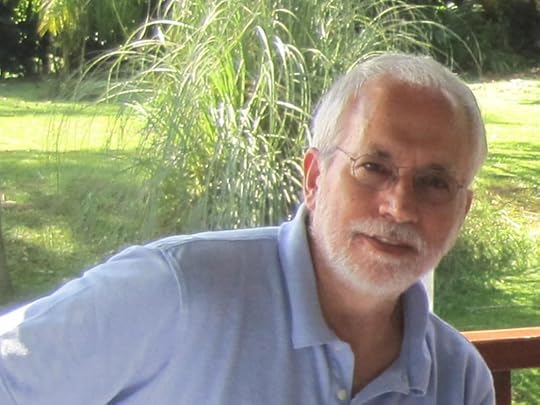
Peter Eisner - from his site
Claire Phillips, or Clara Mabel De La Taste, of Howard City, Michigan, or Dorothy Smith, or Mabel C. Enette. Choose one, or several. There are more if you want. The woman we call Claire here went through name changes even more frequently than she went through husbands and boyfriends. Turns out that a degree of flexibility, particularly in wartime, can be a good thing. She had been in Manila for some time before the war, singing for a living, and stayed on once things got hot. She also worked as a nurse, and later applied her cabaret talents to open a bar in occupied Manila. She called herself Madame Tsubaki, and kept her Japanese military clientele coming with cabaret shows featuring both Japanese and American music. She and her staff kept their ears and eyes open, their guests well-treated, and became a major source of military intelligence behind the lines.
John Boone, 29, an American corporal who had evaded capture, began recruiting locals to form a guerilla resistance.
Chick Parsons, 41, was an American businessman, pretending to be a representative of Panama. He had been an officer in the US Navy for many years, a submariner. He had lived in the Philippines for a long time, as a merchant seaman. He also worked as a stenographer to the US governor, General Leonard Wood, in which job he traveled extensively in the country, and learned its geography. In addition, he married a local woman. Secretly, he had been recalled to duty on December 8, 1941, as a spy. He would become a significant leader in intelligence gathering in the Philippines.
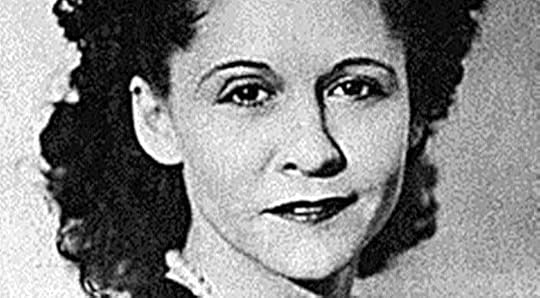
Claire - from Eisner’s site
Peter Eisner weaves together the stories of these three heroes to paint a portrait of a part of World War II that does not get nearly the bandwidth dedicated to the European theater. Manila was a crucial strategic piece for Japan, allowing them to shorten their supply lines, move their strike capability closer to their targets, and control sea lanes critical to the pursuit of the war. It was critical to them gaining control of all Asia. The Allies were determined to regain control, but that would take years. In the meantime, Boone and his guerillas did what they could to disrupt Japanese supplies. Claire and her operation sent information to Boone, to be forwarded to MacArthur. She also organized aid missions to the Americans and others being held in several concentration camps in and around Manila.
The book purports to be about “The Soldier, The Singer and the Spymaster,” and each is covered, but hardly to the same degree. The preponderance of the focus here is on Claire, which is not, necessarily a bad thing, as she is, arguably, the most interesting of the three. In truth, Parsons deserves a book of his own, but Boone is a pretty pure heroic sort, lacking the diversity of intriguing talents and personality that Claire and Parsons tote. The designer of the book cover got this right, but the cover text is a bit misleading, and the title should have been less equivocal. One of the primary resources for the story was Claire’s diary, which certainly leads the story in her direction.
Most of us have probably read books about what the occupation looked like in places like Paris and Warsaw, but Manila has gotten a lot less press. Eisner amply demonstrates here how miserable, and deadly, it was to be living under Japanese occupation, reporting on many of the details of daily life, the constant insults inflicted on the Filipino people by a brutish regime. Eisner let us in on details like what foods were in short supply, which Filipino officials were only going along to get along, but were secretly supporting the resistance. He brings to our notice many of the ways in which Claire and others managed to get messages to those who needed them, how they got money, food, medical and other supplies to prisoners, and passed along messages from those prisoners. It is practically a how-to for setting up a low-tech spying network.
He also describes some of the softer side, occupiers who were clearly not on board with the demands for brutality from on high. Occupiers who were human. Those people were soon replaced with harsher representatives of the Land of the Rising Sun. The inability of the local occupiers to eliminate the resistance was a sore point with leaders back home.
One of the most dangerous elements in the enterprise was the problem of human personality. All it would take was one squeaky wheel, one loose link in the chain, for everyone involved to be arrested and executed. There are several scares along these lines, to the point where things needed to be reorganized to minimize the risk of exposure. And of course, where there are spies, there are counter-spies. So, a risky business indeed.
Claire may be a very flawed individual, but she is a flawed individual who stepped up and did a service for her country when she was needed, under terrifying conditions, and did it in a way that few others could have managed. We might like our heroes a little less compromised, but that is one of the things that makes her such an intriguing character.
Eisner, an award-winning reporter, foreign correspondent, bureau chief, PBS producer, and historian, continues, after the war, to follow Claire’s life, mostly, and, in particular, her legal battles with the US government for just compensation for her wartime efforts. Also, she wrote a memoir that was probably not entirely truthful and was muddied even more by her editors. It brought her particular fame when it was made into a cheesy movie. The inaccurate depiction of facts there generated some controversy. One particular participant in the spy effort made it a point to challenge Claire’s version of events. Frankly, while I do believe that there is merit in looking at how efforts undertaken in the heart of wartime can be treated so coldly once the war is over, most of this could have been left out, or covered with a brief overview.
There is certainly a Casablanca vibe to a considerable portion of the book. One could easily see a pared down version of this story making a wonderful film, rich with romance, intrigue and mortal peril.
So, bottom line is that this is a very interesting look at an under-covered aspect of World War II. It may go into a bit too much specificity in its detail, but that is a small downside in an otherwise fascinating look at a time, a place, and a spy most of us have never heard of. Thankfully, you will not have to hide your cash inside wrapped food and arrange to have it delivered to your bookseller by a willing local in order to check this book out. Reading this book will keep you well occupied, and you can do it out in the open, at least until the next war.
Review posted – August 11, 2017
Published – May 2, 2017
=============================EXTRA STUFF
Links to the author’s personal, Twitter and FB pages
MacArthur’s escape from the Philippines

May 15, 2017
This is an unusual history book that sheds light on the brutal occupation of Manila and the Philippines by the Japanese in the Second World War. The Japanese were not expected to invade, perhaps explains why the Japanese took over so easily, with huge numbers of soldiers surrendering and set on the harrowing eighty mile Bataan Death March. This books looks at three expatriate Americans who played a central role in garnering and co-ordinating the resistance against the Japanese. The author, Peter Eisner, is particularly interested and obsessed in the life of singer, Clare Philips, a woman with a multitude of names and a talent for deception that renders her an able spy. There is much myth and untruths about Clare, much of it perpetrated by her. Eisner untangles the truth and finds a story that deserves to be told as he uncovers material hidden in the National Archives in Washington DC and Maryland through sheer persistence.
The Japanese invaded in January 1942, with the strategic aims of cutting supplies to the Allied Forces and to give them a key position in Asia. Eisner looks at the role played by enlisted soldier, Corporal John Boone, who led the guerrilla resistance with attacks and sabotage in Manila. Businessman and Naval Intelligence Officer, Chick Parsons, is an important spy for MacArthur in paving his return with the planned Allied invasion. Parsons shows real chutzpah in posing as a Panamanian diplomat of a fake Panamanian Embassy. The men occupy a minor role in a story that revolves around Clare who also has a daughter to look after. Clare, known as High Pockets, opens a nightclub, the Tsubaki Club, catering for Japanese officers. She gained and collated intelligence from her girls and passed it on to the resistance. She supplied the resistance and those in the prisoner of war camps with food as well. Eisner paints a picture of the privations, deaths and suffering in Manila with detailed descriptions and at the end gives us information on what happened to key individuals after the war.
Perhaps the greatest shortcomings of the book is the too brief look at the efforts of the key local individuals who played a major role in undermining the Japanese regime. This is not an area of history I am overly familiar with and I was surprised at the ease in which Eisner draws me into the characters and this period of history. I particularly enjoyed the black and white photographs in the book of the characters, Manila, detainees and the return of the Americans. Eisner does a good job of placing the Philippines resistance amidst the broader canvas of World War Two. I recommend this book strongly for those interested in espionage, history and the role women played in the conflict. Many thanks to Nora Alice and Random House Viking for an ARC.
The Japanese invaded in January 1942, with the strategic aims of cutting supplies to the Allied Forces and to give them a key position in Asia. Eisner looks at the role played by enlisted soldier, Corporal John Boone, who led the guerrilla resistance with attacks and sabotage in Manila. Businessman and Naval Intelligence Officer, Chick Parsons, is an important spy for MacArthur in paving his return with the planned Allied invasion. Parsons shows real chutzpah in posing as a Panamanian diplomat of a fake Panamanian Embassy. The men occupy a minor role in a story that revolves around Clare who also has a daughter to look after. Clare, known as High Pockets, opens a nightclub, the Tsubaki Club, catering for Japanese officers. She gained and collated intelligence from her girls and passed it on to the resistance. She supplied the resistance and those in the prisoner of war camps with food as well. Eisner paints a picture of the privations, deaths and suffering in Manila with detailed descriptions and at the end gives us information on what happened to key individuals after the war.
Perhaps the greatest shortcomings of the book is the too brief look at the efforts of the key local individuals who played a major role in undermining the Japanese regime. This is not an area of history I am overly familiar with and I was surprised at the ease in which Eisner draws me into the characters and this period of history. I particularly enjoyed the black and white photographs in the book of the characters, Manila, detainees and the return of the Americans. Eisner does a good job of placing the Philippines resistance amidst the broader canvas of World War Two. I recommend this book strongly for those interested in espionage, history and the role women played in the conflict. Many thanks to Nora Alice and Random House Viking for an ARC.

June 30, 2017
4.5*
This book almost reads like a spy novel. It details the exploits of various spies and guerilla fighters during the Japanese occupation of the Philippines 1942-1944. All of it actually happened. Some American and Filipino soldiers never surrendered. They hid out in the mountains. MacArthur sent word that they were not to attack the Japanese, because the Japanese would bring down horrible reprisals on innocent civilians. So they mostly collected intelligence and stole supplies from the Japanese. Not until near the end of the war did they actually attack the Japanese troops.
One of the heroes is Claire Phillips, whose code name was "High Pockets." She started a night club called Madame Tsubaki in Manila. It was very popular with Japanese officers and soldiers. She and her beautiful hostesses would get the Japanese drunk and get information which she sent to John Boone, the leader of the guerillas in the mountains. She spent thousands of pesos(2 pesos=$1) of her own money to buy food, clothing and medical supplies for the guerillas and prisoners of war. Testimony in the court trial after the war proved that many would have died were it not for her efforts organizing a supply chain to get supplies to POWs and guerillas. Unfortunately a mean spirited US government denied most of her claims and she received a pittance.
The US government only recently, in 2009, agreed to compensate Filipino guerilla fighters. This was not mentioned in the text, but in the notes on sources.
The spymaster in the title is Chick Parsons who left the Philippines through a diplomatic exchange(he had falsely claimed to be a citizen of Panama). One of the author's sources is Peter Parsons, Chick's son.
The author has done a great deal of research and there are extensive notes on his sources and yes I read all of his notes. I recommend this book both to history fans and spy book fans.
Update Aug 16, 2017: I just watched the author talk about his book on CSPAN. CSPAN has a website booktv.org and you can access his talk on the internet. It is worthwhile if you haven't read the book and if you have, you will like being able to listen to the author talk about how he put the book together.
Thanks to the publisher for sending me this book through NetGalley.
This book almost reads like a spy novel. It details the exploits of various spies and guerilla fighters during the Japanese occupation of the Philippines 1942-1944. All of it actually happened. Some American and Filipino soldiers never surrendered. They hid out in the mountains. MacArthur sent word that they were not to attack the Japanese, because the Japanese would bring down horrible reprisals on innocent civilians. So they mostly collected intelligence and stole supplies from the Japanese. Not until near the end of the war did they actually attack the Japanese troops.
One of the heroes is Claire Phillips, whose code name was "High Pockets." She started a night club called Madame Tsubaki in Manila. It was very popular with Japanese officers and soldiers. She and her beautiful hostesses would get the Japanese drunk and get information which she sent to John Boone, the leader of the guerillas in the mountains. She spent thousands of pesos(2 pesos=$1) of her own money to buy food, clothing and medical supplies for the guerillas and prisoners of war. Testimony in the court trial after the war proved that many would have died were it not for her efforts organizing a supply chain to get supplies to POWs and guerillas. Unfortunately a mean spirited US government denied most of her claims and she received a pittance.
The US government only recently, in 2009, agreed to compensate Filipino guerilla fighters. This was not mentioned in the text, but in the notes on sources.
The spymaster in the title is Chick Parsons who left the Philippines through a diplomatic exchange(he had falsely claimed to be a citizen of Panama). One of the author's sources is Peter Parsons, Chick's son.
The author has done a great deal of research and there are extensive notes on his sources and yes I read all of his notes. I recommend this book both to history fans and spy book fans.
Update Aug 16, 2017: I just watched the author talk about his book on CSPAN. CSPAN has a website booktv.org and you can access his talk on the internet. It is worthwhile if you haven't read the book and if you have, you will like being able to listen to the author talk about how he put the book together.
Thanks to the publisher for sending me this book through NetGalley.

Read
April 20, 2017With meticulous, sometimes bulldoggishly exhausting detail of minor points, Eisner paints a vivid picture of Manila before the war, a jewel of a city, cosmopolitan and pleasant to live in, cultured and beautiful. Business people from all over the world, including the USA traded there—and many settled to live.
Especially relevant today, Eisner shows how at first no one can believe that the peace will be disturbed—Japan won’t make it that far—and when that is proved wrong, just how unsettlingly fast the fragile infrastructure of a city can fall apart, leaving people scrabbling for food and clean water, and medicine as the conquerors stride among them slapping and striking anyone who doesn’t bow, or get out of the way, or who looks suspicious. He also describes what happened when the defeated forces surrendered—the lies the Japanese commanders told, before the atrocity called the Bataan death march.
And at the end of the war, with equally vivid description, he shows how the POWs under the Japanese were either slaughtered or forced into hell ships to be taken to labor camps in Japan; many of those ships were bombed, as no one knew that thousands of men were jammed knee to knee in the hold. He estimates 21,000 American POWs died this way.
So the rescue action to try to liberate the prisons became extra tense, as MacArthur’s forces fought, inch by inch, building by building (sometimes floor by floor) to retake Manila.
But that’s the general shape of the book. The main focus are the colorful figures who ended up as resistors and spies.
Central is the enigmatic Claire Phillips, a not-quite-professional American torch singer who had as many aliases as she did husbands—married serially, without benefit of divorce. She went back to Manila in 1941, with her adopted two year old daughter, and when Japan struck, at first she stayed with relations of one of her husbands, then she ended up a fugitive in the hills, working as a nurse until she was too ill to move.
After she ended up back in Manila, she eventually started a nightclub, which served as a cover for supplying food to Americans in the hills and to thousands of starved, beaten, an abused prisoners of war.
The girls who worked for her elicited info from the Japanese officers who visited the club, and she conveyed the info as well as what supplies she could garner to Colonel John Boone, an American soldier, who led a force of Filipino guerrilla fighters, most of whom hid in the hills under great privation, but many of whom sneaked into Manila under cover as workers, to fight back with covert strikes.
Then there was Chick Parsons of the U.S. Navy intelligence, who was also a businessman, polo player, and expat living in Manila. When Japan took over, he managed to escape by faking an entire embassy—he became the envoy from Panama, and pulled it off! When he returned, it was as a spy for MacArthur, coordinating the guerrilla efforts with the planned Allied invasion.
A host of others get less attention, such as Peggy Utinsky, who courageously followed her husband to Manila when he was ordered to report. She ended up taking care of Claire’s little daughter while Claire was acting under cover, and when Claire got violently ill. When he was killed in action, Peggy became an alcoholic, but still kept working undercover; in the brutal last days of the war, when Claire was captured and taken for interrogation and torture, she ran to the hills, where she began to break down. Later she ended up in prison with Claire, and the two women’s relationship unraveled, to the point that after the war, they each accused the other of various things.
Also with less attention were the Filipino heroes working against the conquerors, many alongside the foreigners caught there: the Roxas brothers, famous in Manila, who maintained a dangerous line between cooperation with the conquerors and secretly helping the resistance. Then there was Fely Corcuera, who faithfully helped Claire and acted as courier; Lorenza Amusategui, whose husband Ramon was a real hero, working tirelessly for the underground resistance, and in the last days of the war, when the Japanese commander became even more savage at hunting down resistance, insisted that all his contacts, including Claire, blame him for everything, as he knew he would get caught and eventually killed. And he did. Naomi Flores was another largely unsung hero, then there was Roy C. Bennett, who endured over a year of torture and privation.
Eisner shows how complex these people were: heroism comes in many types, and it can have its fallout. The after war story is particularly messy, as after war stories often are. Overall, it makes absorbing reading, touching on the heroism of the Filipinos under horrible conditions, and relevant today, what with self-absorbed pirates masquerading as politicians thumping their chests and threatening to make war into a game.
Copy courtesy NetGalley
Especially relevant today, Eisner shows how at first no one can believe that the peace will be disturbed—Japan won’t make it that far—and when that is proved wrong, just how unsettlingly fast the fragile infrastructure of a city can fall apart, leaving people scrabbling for food and clean water, and medicine as the conquerors stride among them slapping and striking anyone who doesn’t bow, or get out of the way, or who looks suspicious. He also describes what happened when the defeated forces surrendered—the lies the Japanese commanders told, before the atrocity called the Bataan death march.
And at the end of the war, with equally vivid description, he shows how the POWs under the Japanese were either slaughtered or forced into hell ships to be taken to labor camps in Japan; many of those ships were bombed, as no one knew that thousands of men were jammed knee to knee in the hold. He estimates 21,000 American POWs died this way.
So the rescue action to try to liberate the prisons became extra tense, as MacArthur’s forces fought, inch by inch, building by building (sometimes floor by floor) to retake Manila.
But that’s the general shape of the book. The main focus are the colorful figures who ended up as resistors and spies.
Central is the enigmatic Claire Phillips, a not-quite-professional American torch singer who had as many aliases as she did husbands—married serially, without benefit of divorce. She went back to Manila in 1941, with her adopted two year old daughter, and when Japan struck, at first she stayed with relations of one of her husbands, then she ended up a fugitive in the hills, working as a nurse until she was too ill to move.
After she ended up back in Manila, she eventually started a nightclub, which served as a cover for supplying food to Americans in the hills and to thousands of starved, beaten, an abused prisoners of war.
The girls who worked for her elicited info from the Japanese officers who visited the club, and she conveyed the info as well as what supplies she could garner to Colonel John Boone, an American soldier, who led a force of Filipino guerrilla fighters, most of whom hid in the hills under great privation, but many of whom sneaked into Manila under cover as workers, to fight back with covert strikes.
Then there was Chick Parsons of the U.S. Navy intelligence, who was also a businessman, polo player, and expat living in Manila. When Japan took over, he managed to escape by faking an entire embassy—he became the envoy from Panama, and pulled it off! When he returned, it was as a spy for MacArthur, coordinating the guerrilla efforts with the planned Allied invasion.
A host of others get less attention, such as Peggy Utinsky, who courageously followed her husband to Manila when he was ordered to report. She ended up taking care of Claire’s little daughter while Claire was acting under cover, and when Claire got violently ill. When he was killed in action, Peggy became an alcoholic, but still kept working undercover; in the brutal last days of the war, when Claire was captured and taken for interrogation and torture, she ran to the hills, where she began to break down. Later she ended up in prison with Claire, and the two women’s relationship unraveled, to the point that after the war, they each accused the other of various things.
Also with less attention were the Filipino heroes working against the conquerors, many alongside the foreigners caught there: the Roxas brothers, famous in Manila, who maintained a dangerous line between cooperation with the conquerors and secretly helping the resistance. Then there was Fely Corcuera, who faithfully helped Claire and acted as courier; Lorenza Amusategui, whose husband Ramon was a real hero, working tirelessly for the underground resistance, and in the last days of the war, when the Japanese commander became even more savage at hunting down resistance, insisted that all his contacts, including Claire, blame him for everything, as he knew he would get caught and eventually killed. And he did. Naomi Flores was another largely unsung hero, then there was Roy C. Bennett, who endured over a year of torture and privation.
Eisner shows how complex these people were: heroism comes in many types, and it can have its fallout. The after war story is particularly messy, as after war stories often are. Overall, it makes absorbing reading, touching on the heroism of the Filipinos under horrible conditions, and relevant today, what with self-absorbed pirates masquerading as politicians thumping their chests and threatening to make war into a game.
Copy courtesy NetGalley

April 4, 2017
Nonfiction books are usually hit and miss for me, with the likelihood of me going down the DNF route a lot greater than with fiction, which is why I generally choose my non-fiction reads very carefully. Fortunately, MacArthur's Spies: The Soldier, the Singer, and the Spymaster Who Defied the Japanese in World War II proved to be a worthy read and is a book I would definitely recommend to anyone interested in World War II history.
As this was essentially a “history” book, I didn’t expect it to be as well-written as it was. The editing was top notch and despite reading an advance galley copy of the book, I found very little to complain about in this area. While I agree with some reviewers who felt that certain parts of the book came across sounding like newspaper reports, this really didn’t bother me too much given that enough of the book was written like “fiction” that everything balanced out in the end, at least for me. Of course, having read up on the author Peter Eisner’s extensive background in journalism after finishing this book, I am not surprised that the writing and editing were as good as they were. It was also obvious that Eisner had done extensive and meticulous research, as the amount of detail he gave was indicative of the exhaustive efforts he put into reviewing National Archive records and extracting factual evidence that others may have ignored or considered not important. I definitely appreciated getting a different perspective of the war, from a country that is not often mentioned in most mainstream WWII historical and literary works. Before reading this book, I had no clue about the importance of the Philippines as a strategic, coveted base for both the Axis and Allied countries during the war. The book also brought to light many of the atrocities suffered by Filipinos (both civilian and military) as well as American and other foreign prisoners of war during the 3 year Japanese occupation. The horrific atrocities described in the book were hard to read and more than a few times I was floored by the staggering number of people who had died in those 3 years, whether from torture, starvation, or for merely being in the wrong place at the wrong time. Despite how difficult some of these details were to read through, I feel it is necessary for us to read and understand and remember the devastating effects that war has, regardless of which country.
One of the things that made this book stand out from other “history” books about the war was the story revolving around espionage and the three figures described in the title who were the main focus of the book: John Boone, the American soldier who set up guerilla operations in the jungle and prepared them to fight against the Japanese; Chick Parsons, the American businessman and U.S. Navy intelligence officer who eventually became MacArthur’s spymaster, bringing together the guerilla and underground network to support Allied war effort in the Philippines; and Claire Philips, a little-known American singer living in the Philippines who becomes a key figure in the underground guerilla network, gathering intelligence for the Americans while trying to help the countless prisoners of war suffering various atrocities at the hands of the Japanese occupation troops. Despite the title, this book at its core is actually more focused on Claire and the author’s attempt to bring her true story to light (I highly recommend reading the Preface to the book where Eisner explains the basis of his research in great detail and also the reason why he chose to make Claire the focus of the book). There are not a whole lot of books out there that focus on the contributions of women to the war effort, so I especially appreciated this aspect of the book. Claire Philips was indeed an interesting woman and despite her questionable background and ethics as well as extremely messy relationships, there is no doubt in my mind that she should be remembered as a heroine who willingly put her life on the line for the Allied war effort (as should all the other people mentioned in the book who were also part of the underground network providing food and medicine to POWs and defying the Japanese at any opportunity they could).
This is a highly recommended read that gives not only a detailed account of the war effort in the Philippines, but also a fascinating story about the intricacies of espionage involving ordinary people. It is also a tale of courage and heroism in the face of untold suffering and horrific war atrocities. I learned a lot from reading this book, but more importantly, I have a newfound appreciation and gratitude for all of those men and women who put their lives on the line to serve our country, whether on the front lines via military service or behind-the-scenes contributions such as ordinary citizens providing needed support to prisoners of war or other efforts. Definitely a good book that deserves to be read!
Received ARC from Viking Press via Penguin First-to-Read program.
As this was essentially a “history” book, I didn’t expect it to be as well-written as it was. The editing was top notch and despite reading an advance galley copy of the book, I found very little to complain about in this area. While I agree with some reviewers who felt that certain parts of the book came across sounding like newspaper reports, this really didn’t bother me too much given that enough of the book was written like “fiction” that everything balanced out in the end, at least for me. Of course, having read up on the author Peter Eisner’s extensive background in journalism after finishing this book, I am not surprised that the writing and editing were as good as they were. It was also obvious that Eisner had done extensive and meticulous research, as the amount of detail he gave was indicative of the exhaustive efforts he put into reviewing National Archive records and extracting factual evidence that others may have ignored or considered not important. I definitely appreciated getting a different perspective of the war, from a country that is not often mentioned in most mainstream WWII historical and literary works. Before reading this book, I had no clue about the importance of the Philippines as a strategic, coveted base for both the Axis and Allied countries during the war. The book also brought to light many of the atrocities suffered by Filipinos (both civilian and military) as well as American and other foreign prisoners of war during the 3 year Japanese occupation. The horrific atrocities described in the book were hard to read and more than a few times I was floored by the staggering number of people who had died in those 3 years, whether from torture, starvation, or for merely being in the wrong place at the wrong time. Despite how difficult some of these details were to read through, I feel it is necessary for us to read and understand and remember the devastating effects that war has, regardless of which country.
One of the things that made this book stand out from other “history” books about the war was the story revolving around espionage and the three figures described in the title who were the main focus of the book: John Boone, the American soldier who set up guerilla operations in the jungle and prepared them to fight against the Japanese; Chick Parsons, the American businessman and U.S. Navy intelligence officer who eventually became MacArthur’s spymaster, bringing together the guerilla and underground network to support Allied war effort in the Philippines; and Claire Philips, a little-known American singer living in the Philippines who becomes a key figure in the underground guerilla network, gathering intelligence for the Americans while trying to help the countless prisoners of war suffering various atrocities at the hands of the Japanese occupation troops. Despite the title, this book at its core is actually more focused on Claire and the author’s attempt to bring her true story to light (I highly recommend reading the Preface to the book where Eisner explains the basis of his research in great detail and also the reason why he chose to make Claire the focus of the book). There are not a whole lot of books out there that focus on the contributions of women to the war effort, so I especially appreciated this aspect of the book. Claire Philips was indeed an interesting woman and despite her questionable background and ethics as well as extremely messy relationships, there is no doubt in my mind that she should be remembered as a heroine who willingly put her life on the line for the Allied war effort (as should all the other people mentioned in the book who were also part of the underground network providing food and medicine to POWs and defying the Japanese at any opportunity they could).
This is a highly recommended read that gives not only a detailed account of the war effort in the Philippines, but also a fascinating story about the intricacies of espionage involving ordinary people. It is also a tale of courage and heroism in the face of untold suffering and horrific war atrocities. I learned a lot from reading this book, but more importantly, I have a newfound appreciation and gratitude for all of those men and women who put their lives on the line to serve our country, whether on the front lines via military service or behind-the-scenes contributions such as ordinary citizens providing needed support to prisoners of war or other efforts. Definitely a good book that deserves to be read!
Received ARC from Viking Press via Penguin First-to-Read program.

July 9, 2020
I was taught very little in High School about the Pacific Theater of World War II other than Pearl Harbor, a bit about Japan invading China, and tales of US soldier bravery in places like Okinawa and Midway Island. Macarthur's famous "I will return" pronouncement wasn't grounded in real geography but just a hazy "pacific island" in my mind.
Imagine my surprise when, after graduating college, I went to Ceybu Island in the Philippines to learn scuba diving and discovered that lots of elderly Filipinos who spoke Japanese. It dawned on me then, as is probably to obvious to most people, that Manila and the Philippines would have been an important strategic location in the war between Japan and the USA.
I picked up this book to learn more about specifically the ways in which the Philippines was affected by Japanese and American invasions.
Historians who take some liberty with their subjects and write them dialogue usually appeals to me, I love when history is viewed through a character's narrative lens. In this story, where "The Singer" Claire Phillips or Madame Tsubaki mistress of a Manila nightclub who gather intelligence and supply lines for both guerillas and POWs, is the absolute star of the book, the dialogue is often hers as she goes about her life cozying up to Japanese officer and sending supplies and messages to American soldiers.
And this focus on Claire despite the title of the book and the addition of "Chick" Parsons and John Boone as intelligence and guerilla commanders resisting the Japanese occupation of the Philippines struggled to be unbiased. No surprise, there, really as the author explains that this book mostly rose out of a desire to learn more about the mysterious Manila operative "High Pockets" and the discovery of her daily diary in a file.
The best parts of the book, I think, were the parts that told the story of Claire Philips and her friends making contacts, figuring out ways to outsmart the Japanese, finding ways to track and send messages to friends arrested by the Japanese and sent from prison site to prison site (who knew prisoners were moved this often?) and the daily life of Manila under occupation. The author does try to acknowledge the humanity and fallability of his main character (he definitely paints a much less complicated picture of Boone and Parsons who are painted as ye olde plucky and purely loyal soldiers) but I couldn't help thinking that at time the author was being slightly willfully blind to some of the seedier sides of Claire's role.
She had to "cozy up" to Japanese officers as part of her intelligence gathering at her nightclub, and while the author does acknowledge some of her nightclub girls "choosing" to make money by going home with the officers, the narrative puts her on a pedastal I deeply suspect isn't a true portrayal of what she had to do to survive.
Not that the narrative shies away from harassment or rape by the Japanese officers. (There's alot of talk about slapping and kicking...alot of slapping) And the brutality endured by POWs imprisoned by a country that did not acknowledge the Geneva Convention is really difficult to think about.
One of the other things about this book that lessened my enjoyment was the constant reference to various guerilla leaders, officers, and locations outside the main narrative. Important people (such as the the Huk Maoist Guerillas who certainly played more than a minor role in Philippine resistance) are reduced to bit actors and infrequent mentions that made it difficult to follow the big picture at times-- certainly a difficult task when chronicling a complicated situation like a war, but something I would hope a book like this would encompass.
I did appreciate being introduced to some of the main Philippine players in the form of guerillas, officials in Manila, etc., who were part of Claire's story as well as the resistance, but also wanted more portrayal of their complicated relationship with Americans (who were also invaders of a sort) etc.
Glad I read it to familiarize myself with parts of WWII that contain unsung heroes, but slightly uneasy with the glossing over of tricky bits of history (such as Philippine comfort women) etc.
Imagine my surprise when, after graduating college, I went to Ceybu Island in the Philippines to learn scuba diving and discovered that lots of elderly Filipinos who spoke Japanese. It dawned on me then, as is probably to obvious to most people, that Manila and the Philippines would have been an important strategic location in the war between Japan and the USA.
I picked up this book to learn more about specifically the ways in which the Philippines was affected by Japanese and American invasions.
Historians who take some liberty with their subjects and write them dialogue usually appeals to me, I love when history is viewed through a character's narrative lens. In this story, where "The Singer" Claire Phillips or Madame Tsubaki mistress of a Manila nightclub who gather intelligence and supply lines for both guerillas and POWs, is the absolute star of the book, the dialogue is often hers as she goes about her life cozying up to Japanese officer and sending supplies and messages to American soldiers.
And this focus on Claire despite the title of the book and the addition of "Chick" Parsons and John Boone as intelligence and guerilla commanders resisting the Japanese occupation of the Philippines struggled to be unbiased. No surprise, there, really as the author explains that this book mostly rose out of a desire to learn more about the mysterious Manila operative "High Pockets" and the discovery of her daily diary in a file.
The best parts of the book, I think, were the parts that told the story of Claire Philips and her friends making contacts, figuring out ways to outsmart the Japanese, finding ways to track and send messages to friends arrested by the Japanese and sent from prison site to prison site (who knew prisoners were moved this often?) and the daily life of Manila under occupation. The author does try to acknowledge the humanity and fallability of his main character (he definitely paints a much less complicated picture of Boone and Parsons who are painted as ye olde plucky and purely loyal soldiers) but I couldn't help thinking that at time the author was being slightly willfully blind to some of the seedier sides of Claire's role.
She had to "cozy up" to Japanese officers as part of her intelligence gathering at her nightclub, and while the author does acknowledge some of her nightclub girls "choosing" to make money by going home with the officers, the narrative puts her on a pedastal I deeply suspect isn't a true portrayal of what she had to do to survive.
Not that the narrative shies away from harassment or rape by the Japanese officers. (There's alot of talk about slapping and kicking...alot of slapping) And the brutality endured by POWs imprisoned by a country that did not acknowledge the Geneva Convention is really difficult to think about.
One of the other things about this book that lessened my enjoyment was the constant reference to various guerilla leaders, officers, and locations outside the main narrative. Important people (such as the the Huk Maoist Guerillas who certainly played more than a minor role in Philippine resistance) are reduced to bit actors and infrequent mentions that made it difficult to follow the big picture at times-- certainly a difficult task when chronicling a complicated situation like a war, but something I would hope a book like this would encompass.
I did appreciate being introduced to some of the main Philippine players in the form of guerillas, officials in Manila, etc., who were part of Claire's story as well as the resistance, but also wanted more portrayal of their complicated relationship with Americans (who were also invaders of a sort) etc.
Glad I read it to familiarize myself with parts of WWII that contain unsung heroes, but slightly uneasy with the glossing over of tricky bits of history (such as Philippine comfort women) etc.

June 2, 2020
Too Overblown and Conjectural
The first problem I have with this book is its title. It is hard to believe that the “intelligence” gathered by at least two and possibly all three individuals profiled as “MacArthur’s Spies” had significance to MacArthur or any of his military planners. We are never given specifics on the information gathered, except being told that some sailing dates of Japanese ships were collected early in the Japanese occupation. The problem was that early in the war communications from the Philippines to American forces in Australia were tenuous and that even if valuable information could have been gathered and transmitted in a timely way, the US did not have the military resources to act on the information. Later, US signals intelligence and other methods were far more effective in interdicting Japanese shipping and providing military intelligence.
Author Peter Eisner devotes most of the book to Claire Phillips, who is portrayed as Manila’s female equivalent of Humphrey Bogart in “Casablanca.” Indeed she is colorful, with a trail of marriages and name changes even before she reaches pre-war Philippines. The author has devoted effort to untangling the discrepancies in Clair’s story, along with making use of her wartime diary. Generally such a contemporary primary source would provide comfort that the facts are right, except for Clair’s pattern of obfuscations and misdirections in her life generally. As one example, after the war she doctors a photograph to portray herself standing in front of her wartime Manilla nightclub. The problem: she substituted her head for that of the woman actually in the photo.
We are told that Claire was never a collaborator with the Japanese, although for much of the war she was allowed to operate a nightclub for the benefit of Japanese officers. This, while most other American civilians were held in detention. We are told that Claire repeatedly brought food and clothing to American soldiers being held in appalling conditions in Japanese prisoner camps but it is not explained how she managed to do so without arousing the suspicion of authorities and avoiding arrest and detention herself. (She was, later, interrogated and imprisoned.) As an example of the author’s willingness to stretch the story, reference is made to the rescue of American POWs after US forces landed in the Philippines, as chronicled in the best seller, “Ghost Soldiers,” only to be told that Claire was not is a position to assist by that time.
The story of Corporal John Boone who escaped from the Bataan battlefield to lead Filipino insurgents assuming the rank of Colonel, is a story of bravery. But Boone was never a spy. Eisner concedes that Boone did not have a communications network that could effectively communicate with US forces outside the Philippines in a timely way.
Chick Parson is the character with the greatest claim to be a “MacArthur Spy.” He was a US Navy intelligence officer who remained in Manila as it fell to the Japanese and who posed as a Panamanian diplomat. He managed through his bogus diplomatic status to leave the Philippines and later returned as the closest thing the US had to a spymaster. Again, the constraint was not only the quality of information gathered about Japanese military dispositions and movement, but also the difficulty in transmitting this information to American forces in a way that was actionable.
The book jacket says, “The characters in Eisner’s book could have walked out of a Hollywood script,” and indeed one cannot help feeling that this might have been the author’s intent in resurrecting Claire Phillips’ story. Actually, two movies based loosely on her character were made in the early 1950s — “Manila Espionage” and “I Was an American Spy.” Low budget pictures, both got tepid reviews and scant movie goer attention at the time.
Not enough has been written about the Japanese occupation of the Philippines and the devastating impact on Filipino civilians, especially in contrast to the Nazi occupation of Europe. But this book, too often overblown and conjectural, fails to fill the void.
The first problem I have with this book is its title. It is hard to believe that the “intelligence” gathered by at least two and possibly all three individuals profiled as “MacArthur’s Spies” had significance to MacArthur or any of his military planners. We are never given specifics on the information gathered, except being told that some sailing dates of Japanese ships were collected early in the Japanese occupation. The problem was that early in the war communications from the Philippines to American forces in Australia were tenuous and that even if valuable information could have been gathered and transmitted in a timely way, the US did not have the military resources to act on the information. Later, US signals intelligence and other methods were far more effective in interdicting Japanese shipping and providing military intelligence.
Author Peter Eisner devotes most of the book to Claire Phillips, who is portrayed as Manila’s female equivalent of Humphrey Bogart in “Casablanca.” Indeed she is colorful, with a trail of marriages and name changes even before she reaches pre-war Philippines. The author has devoted effort to untangling the discrepancies in Clair’s story, along with making use of her wartime diary. Generally such a contemporary primary source would provide comfort that the facts are right, except for Clair’s pattern of obfuscations and misdirections in her life generally. As one example, after the war she doctors a photograph to portray herself standing in front of her wartime Manilla nightclub. The problem: she substituted her head for that of the woman actually in the photo.
We are told that Claire was never a collaborator with the Japanese, although for much of the war she was allowed to operate a nightclub for the benefit of Japanese officers. This, while most other American civilians were held in detention. We are told that Claire repeatedly brought food and clothing to American soldiers being held in appalling conditions in Japanese prisoner camps but it is not explained how she managed to do so without arousing the suspicion of authorities and avoiding arrest and detention herself. (She was, later, interrogated and imprisoned.) As an example of the author’s willingness to stretch the story, reference is made to the rescue of American POWs after US forces landed in the Philippines, as chronicled in the best seller, “Ghost Soldiers,” only to be told that Claire was not is a position to assist by that time.
The story of Corporal John Boone who escaped from the Bataan battlefield to lead Filipino insurgents assuming the rank of Colonel, is a story of bravery. But Boone was never a spy. Eisner concedes that Boone did not have a communications network that could effectively communicate with US forces outside the Philippines in a timely way.
Chick Parson is the character with the greatest claim to be a “MacArthur Spy.” He was a US Navy intelligence officer who remained in Manila as it fell to the Japanese and who posed as a Panamanian diplomat. He managed through his bogus diplomatic status to leave the Philippines and later returned as the closest thing the US had to a spymaster. Again, the constraint was not only the quality of information gathered about Japanese military dispositions and movement, but also the difficulty in transmitting this information to American forces in a way that was actionable.
The book jacket says, “The characters in Eisner’s book could have walked out of a Hollywood script,” and indeed one cannot help feeling that this might have been the author’s intent in resurrecting Claire Phillips’ story. Actually, two movies based loosely on her character were made in the early 1950s — “Manila Espionage” and “I Was an American Spy.” Low budget pictures, both got tepid reviews and scant movie goer attention at the time.
Not enough has been written about the Japanese occupation of the Philippines and the devastating impact on Filipino civilians, especially in contrast to the Nazi occupation of Europe. But this book, too often overblown and conjectural, fails to fill the void.

February 24, 2017

MacArthur's Spies: The Soldier, the Singer, and the Spymaster Who Defied the Japanese in World War II
by:Peter Eisner
4.5
what is it about:
MacArthur's Spiesreads like Casablancaset in the Pacific, filled with brave and daring characters caught up in the intrigue of war and the best part is that it's all true!" Tom Maier, author of Masters of Sex
A thrilling story of espionage, daring and deception set in the exotic landscape of occupied Manila during World War II.
On January 2, 1942, Japanese troops marched into Manila unopposed by U.S. forces. Manila was a strategic port, a romantic American outpost and a jewel of a city. Tokyo saw its conquest of the Philippines as the key in its plan to control all of Asia, including Australia. Thousands of soldiers surrendered and were sent on the notorious eighty-mile Bataan Death March. But thousands of other Filipinos and Americans refused to surrender and hid in the Luzon hills above Bataan and Manila. MacArthur's Spies is the story of three of them, and how they successfully foiled the Japanese for more than two years, sabotaging Japanese efforts and preparing the way for MacArthur s return.
From a jungle hideout, Colonel John Boone, an enlisted American soldier, led an insurgent force of Filipino fighters who infiltrated Manila as workers and servants to stage demolitions and attacks.
Chick Parsons, an American businessman, polo player, and expatriate in Manila, was also a U.S. Navy intelligence officer. He escaped in the guise of a Panamanian diplomat, and returned as MacArthur s spymaster, coordinating the guerrilla efforts with the planned Allied invasion.
And, finally, there was Claire Phillips, an itinerant American torch singer with many names and almost as many husbands. Her nightclub in Manila served as a cover for supplying food to Americans in the hills and to thousands of prisoners of war. She and the men and women who worked with her gathered information from the collaborating Filipino businessmen; the homesick, English-speaking Japanese officers; and the spies who mingled in the crowd.
Readers of Alan Furst and Ben Macintyre and anyone who loves Casablanca will relish this true tale of heroism when it counted the most."
what I thought of it:
Peter Eisner has a way of bring to life the characters that was and are in this book , as I was reading it felt like I could feel and hear everything his characters went though, it shows how strong and how brave and resourceful the people in the Philippines were during this time as they were in the face of danger ,knowing that if they were caught they could lose their very lives , how the Japanese were cruel ,and how they forced march the prisoners of war with the intent to kill, brutalize ,weaken and or demoralize the prisoners as possible along the way. This is a book that I think everyone should at lest pick up and read , so with that said I would love to say thinks to Netgalley for giving me a change at read and review this book in a change for my honest opinion. Will be picking up an actual copy when I can.

August 14, 2017
Apologies to Penguin Random House and NetGalley. They sent me a free unfinished egalley of this book and I put off reading it until after it was published. This, I understand, defeats the spirit of the enterprise and the reason for the gift.
An enjoyable book mostly about an ambiguous personality, who went under a variety of names but was most frequently called Claire Phillips. Characteristics that made Claire a pathetic loser before and after the war -- an apparently unstoppable urge to deceive others, a thirst for excitement at any cost, and the need to shed and acquire identities as easily as the rest of us change clothes -- made her perfect for the job as proprietress and star attraction at a WWII-era Manila nightclub, as well as for moonlighting as a smuggler for Western POWs and conduit of information about Japanese troop movements.
Before and after the war, it made her into a bigamist and a teller of tall unbelievable tales, in which she, Claire, was the invariably the hero. She alienated people who tried to help her and did not seem to know when to shut up, take the money, and run. She tried to achieve fame in Hollywood and, predictably, Hollywood chewed her up and spit her out.
And yet, and yet, whatever the reasons, she managed, with others, to smuggle enough food and medicine into hellish Japanese prison camps to allow some of the inmates to survive and bear witness against their former tormentors. For that alone, she should be considered a hero, even if her claims of providing intelligence to General MacArthur (the basis for the somewhat misleading title) seem exaggerated.
An enjoyable book mostly about an ambiguous personality, who went under a variety of names but was most frequently called Claire Phillips. Characteristics that made Claire a pathetic loser before and after the war -- an apparently unstoppable urge to deceive others, a thirst for excitement at any cost, and the need to shed and acquire identities as easily as the rest of us change clothes -- made her perfect for the job as proprietress and star attraction at a WWII-era Manila nightclub, as well as for moonlighting as a smuggler for Western POWs and conduit of information about Japanese troop movements.
Before and after the war, it made her into a bigamist and a teller of tall unbelievable tales, in which she, Claire, was the invariably the hero. She alienated people who tried to help her and did not seem to know when to shut up, take the money, and run. She tried to achieve fame in Hollywood and, predictably, Hollywood chewed her up and spit her out.
And yet, and yet, whatever the reasons, she managed, with others, to smuggle enough food and medicine into hellish Japanese prison camps to allow some of the inmates to survive and bear witness against their former tormentors. For that alone, she should be considered a hero, even if her claims of providing intelligence to General MacArthur (the basis for the somewhat misleading title) seem exaggerated.

July 8, 2017
I got this book from a Goodreads drawing, and I’m super-excited to review it!
Eisner, with not a lot to work with, is able to piece together an engaging story surrounding the events of the Japanese occupation of the Philippines in World War II. The book deals with the events surrounding Claire Phillips, an undercover American who aided prisoners of war and guerilla fighters; Chick Parsons, who coordinated many of the spying efforts within the Philippines; and John Boone, who was a leader within the guerilla army.
The story of Claire Phillips has been difficult to retell, because of popularized accounts in film and print, and because of the lack of documentation available. Eisner acknowledges that the only way he was able to put together a more factual account was the availability of Claire’s diary that became available after her trial regarding compensation for her efforts during the war.
Eisner sticks very close to the facts—but sometimes this dulls the story. The popularized accounts are definitely too far gone, but without insights into motivation or perspectives prevalent at the time made it difficult to empathize with the characters. I mean, donating such huge amounts of food and supplies to the war efforts seem amazing feats. What motivated these people? I would have appreciated a more nuanced interpretation of events.
Similarly, I was left curious regarding the Japanese account of events. The Japanese were treated more fairly than in Manila Espionage (Eisner points out the very obvious racism present), but even in Eisner’s account, the Japanese are painted as war criminals. I would have been curious to find out more about Japanese perspectives of the time, what pressures they felt from their superiors, why the Japanese worldview was not appealing to Filipinos, etc. Some of this was covered, but it felt superficially done. While I am definitely a patriotic American, this book fits too well into the glorious and generous victors narrative. Looking at his sources, they seem to mostly be pulled from American and some Filipino archives. I would have appreciated more Japanese ones as well.
I did get more engaged at the end of the book, where the nuances of the story did become more apparent. Claire was a complicated character: “Good spies and heroes are not necessarily Boy Scouts or Girl Scouts.” There was rivalry between the former spy group over how the narrative was told, who got the credit, and how much compensation they should receive. The truth of the narrative was obscured in popularized accounts when Americans were hungry for war heroes. Surprisingly, it was this part of the book that I most connected with and found the most engaging.
@VikingBooks
Eisner, with not a lot to work with, is able to piece together an engaging story surrounding the events of the Japanese occupation of the Philippines in World War II. The book deals with the events surrounding Claire Phillips, an undercover American who aided prisoners of war and guerilla fighters; Chick Parsons, who coordinated many of the spying efforts within the Philippines; and John Boone, who was a leader within the guerilla army.
The story of Claire Phillips has been difficult to retell, because of popularized accounts in film and print, and because of the lack of documentation available. Eisner acknowledges that the only way he was able to put together a more factual account was the availability of Claire’s diary that became available after her trial regarding compensation for her efforts during the war.
Eisner sticks very close to the facts—but sometimes this dulls the story. The popularized accounts are definitely too far gone, but without insights into motivation or perspectives prevalent at the time made it difficult to empathize with the characters. I mean, donating such huge amounts of food and supplies to the war efforts seem amazing feats. What motivated these people? I would have appreciated a more nuanced interpretation of events.
Similarly, I was left curious regarding the Japanese account of events. The Japanese were treated more fairly than in Manila Espionage (Eisner points out the very obvious racism present), but even in Eisner’s account, the Japanese are painted as war criminals. I would have been curious to find out more about Japanese perspectives of the time, what pressures they felt from their superiors, why the Japanese worldview was not appealing to Filipinos, etc. Some of this was covered, but it felt superficially done. While I am definitely a patriotic American, this book fits too well into the glorious and generous victors narrative. Looking at his sources, they seem to mostly be pulled from American and some Filipino archives. I would have appreciated more Japanese ones as well.
I did get more engaged at the end of the book, where the nuances of the story did become more apparent. Claire was a complicated character: “Good spies and heroes are not necessarily Boy Scouts or Girl Scouts.” There was rivalry between the former spy group over how the narrative was told, who got the credit, and how much compensation they should receive. The truth of the narrative was obscured in popularized accounts when Americans were hungry for war heroes. Surprisingly, it was this part of the book that I most connected with and found the most engaging.
@VikingBooks
September 19, 2017
The book Macarthur's Spies by Peter Eisner shows how persistence can lead to great things. This story shows the defiance of multiple people (mainly Claire Phillips) against imperial Japan. This book takes place in Japanese occupied Philippines during WW2. Peter Eisner shows how hard work and persistence can allow someone to accomplish goals beyond most people's comprehension. The book has very interesting characters and a very interesting story, but the book focuses too much on the amount of suffering imperial Japan has caused and not enough time developing certain characters. The story starts off before the war and during a time when the United States had influence over the Philippines. Although at this time Claire Phillips and the rest of the people in the Philippines are worried about Japanese invasion. Later the Japanese occupy the Philippines and Claire chooses to start funding guerilla groups against the Japanese. She also chooses to start providing help to U.S pow’s who are in Japanese camps. What makes the characters interesting is that they each do different things to defy the Japanese and follow different paths. Each character goes through different hardships and has different flaws about them that makes them unique and interesting to read about. In a way the defiance that Claire Phillips shows against the Japanese is very similar to how in the Hunger Games series Katniss Everdeen defies the capital. This book provides an interesting story because at multiple times in the book it seems as if everything is going well, but then one event could happen that could change all of that. The same thing happens the other way around too. However what I feel the book should have done was not focus too much on the terrible things imperial Japan did to the Philippines and focus much on character progression . For example John Boone was a main character and a guerilla leader in the book however there was very little character progression on John Boone. Boone was a key figure in the book however there should have been more information about him in the book. To conclude Macarthur's Spies had a great story plot and great characters however did not focus much on character progression because the book talked too much about the wrongdoings of imperial Japan.
July 13, 2023
This is a thrilling story of espionage and courage in occupied Manila during World War II. With the fall of Bataan, the Bataan death march, and MacArthur’s departure from the Philippines, the struggle for survival of the soldier’s in Pow camps and those who headed to the hills to become a guerrilla force, as well as loyal Philippine fighters left behind, all are placed in untenable situations that result in daily life and death struggles. The story specifically features three individuals: the soldier, the singer, and the spymaster. However, through the author, Peter Eisner’s, extensive research, he shares many other stories as well. Peter Eisner does a masterful job researching and presenting all of the intersecting stories to give the reader a clearer picture of those grim days in Manila, all across the Philippines, and the south seas. This is a must read book for those who wish to examine and understand the atrocities committed by the Japanese occupation and those people who defied them.

July 25, 2023
An amazing read! A glimpse into life in occupied Philippines during WWII. An extensive network of civilians organized to provide food, medicine and encouragement to prisoners of the Japanese and to the American and Filipino guerillas operating against the Japanese. Life there was so fragile and every action to help was also an action that could result in arrest, torture and death. Three heroes defied the odds to build a successful network of helpers at the risk of their fortunes and lives. They were complicated characters who struggled against adversity and their own shortcomings to accomplish great things. Many have written in generality about this war but this detailed examination goes well beyond those others into the Manila streets where every encounter with a Japanese soldier could end disastorusly. Peter Eisner brings the streets alive!

April 27, 2019
I learned about Eisner's work by way of James M. Scott when he was in Manila to sign copies of his 2018 bestseller Rampage about the battle of Manila (highly recommend). I encountered some people who had assisted both Scott and Eisner in their research; they told me about that Eisner had found Claire Phillips' diary. I was intrigued and bought the book; I was not disappointed. Among other books, I had read Claire Phillips' and Margaret Utinsky's memoirs as well as Ed Whitcomb's Escape from Corregidor, all of which are cited by Eisner. Both Phillips and Chick Parsons have rooms named in their honor at the US Embassy in Manila (along with a balcony for Henry Mucci of the "Great Raid" on Cabanatuan).
The biggest contribution of this book to the literature on the American resistance in the Philippines 1941-1945 is that it clearly demonstrates the biggest heroes were Filipinos. Both Utinsky and Phillips hid their own flaws and more or less downplayed the leadership roles and great risks that their Filipino friends took-- in many cases paying with their own lives to protect people like Utinsky and Phillips. Ramón Amusategui deserves his own monument as does Naomi Flores. Like the FBI agents who assumed Utinsky's credibility over Phillips', I similarly came away from Utinsky's memoir thinking she was the more honorable and credible; Eisner's work cured me of that. The Filipinos who endured, resisted, and rebuilt after the war deserve to be remembered much more than they currently are.
(I would also note that Eisner paints characters like Joseph Laurel and [future president] Manuel Roxas in a more favorable light than Stanley Karnow does in his Pulitzer-prize winning work In Our Image. It's basically Eisner's sources and research against Karnow's as to their extent of collaboration with the Japanese.)
Eisner does a lot of tedious genealogical research to determine Claire Phillips' multiple identities and marriages. He's spent a lot of time researching the archives of Phillips' lengthy lawsuit against the US government, cables between MacArthur's headquarters and guerrillas in the Philippines, translated Japanese communications, and works by Filipinos on the same period. The result is that the book is a bit more like a research paper in places and less like a smooth narrative. But the value of his research is quite valuable, perhaps never before had anyone combined these sources to get at as true a story as possible. Phillips' story is fascinating, and while the diary proves some of her tales to be false, it also proves the great deeds she performed on behalf of her countrymen.
Chick Parsons is a fascinating American character and deserves his own complete in-depth memoir. His son produced a documentary film on his life some time ago that is amazing; it's arguably worth its own Hollywood film. Unfortunately, there is much speculation on what Parsons did relative to what is concretely known about what he did in his various spy ventures into the Philippines. Eisner does a good job piecing together fact and speculation.
If you're interested in life in the Philippines in World War II, this book is a must-read. Besides the aforementioned books, I would also recommend Major Peter T. Sinclair II's Men of Destiny as a great resource of more material on the dozens of guerrilla groups in the Philippines during the war. I give this book 4.5 stars out of 5.
The biggest contribution of this book to the literature on the American resistance in the Philippines 1941-1945 is that it clearly demonstrates the biggest heroes were Filipinos. Both Utinsky and Phillips hid their own flaws and more or less downplayed the leadership roles and great risks that their Filipino friends took-- in many cases paying with their own lives to protect people like Utinsky and Phillips. Ramón Amusategui deserves his own monument as does Naomi Flores. Like the FBI agents who assumed Utinsky's credibility over Phillips', I similarly came away from Utinsky's memoir thinking she was the more honorable and credible; Eisner's work cured me of that. The Filipinos who endured, resisted, and rebuilt after the war deserve to be remembered much more than they currently are.
(I would also note that Eisner paints characters like Joseph Laurel and [future president] Manuel Roxas in a more favorable light than Stanley Karnow does in his Pulitzer-prize winning work In Our Image. It's basically Eisner's sources and research against Karnow's as to their extent of collaboration with the Japanese.)
Eisner does a lot of tedious genealogical research to determine Claire Phillips' multiple identities and marriages. He's spent a lot of time researching the archives of Phillips' lengthy lawsuit against the US government, cables between MacArthur's headquarters and guerrillas in the Philippines, translated Japanese communications, and works by Filipinos on the same period. The result is that the book is a bit more like a research paper in places and less like a smooth narrative. But the value of his research is quite valuable, perhaps never before had anyone combined these sources to get at as true a story as possible. Phillips' story is fascinating, and while the diary proves some of her tales to be false, it also proves the great deeds she performed on behalf of her countrymen.
Chick Parsons is a fascinating American character and deserves his own complete in-depth memoir. His son produced a documentary film on his life some time ago that is amazing; it's arguably worth its own Hollywood film. Unfortunately, there is much speculation on what Parsons did relative to what is concretely known about what he did in his various spy ventures into the Philippines. Eisner does a good job piecing together fact and speculation.
If you're interested in life in the Philippines in World War II, this book is a must-read. Besides the aforementioned books, I would also recommend Major Peter T. Sinclair II's Men of Destiny as a great resource of more material on the dozens of guerrilla groups in the Philippines during the war. I give this book 4.5 stars out of 5.

Want to Read
May 13, 2017thank you to Nora @ Viking.

June 8, 2020
Review – MacArthur’s Spies, by Peter Eisner
As soon as Peter Eisner, and his team, write another book, I want to read it.
I don’t care what the topic is, length, or anything else, I want a copy. I have given up on many books, and too often it was because of poor editing. I can only fight upstream against negligible editing, or sloppy writing for so long. This one flows wonderfully, however.
It’s worth reading all the way through, and it is friendly, easy reading. I found only two sentences worthy of any critical rethinking. One was on p. 202, and the other on p. 305.
In the chapter Losing the War – A Japanese sergeant slammed Foke Kihlstedt, a Swedish friend of Marcial Lichauco, in the face with a stick for failing to remove a cigar from his mouth when he bowed before a sentry. In Sources, the last page of content, refers to the government’s use of Claire Phillips’ diary against her in court. This sentence reads – The U.S. government used the diary against Claire in defending her three-year federal lawsuit. Prosecuting probably would have been a better word.
That’s only two slightly rough spots in thousands of words and sentences. Like seeing only two specks of driftwood while crossing a great river. Eisner, and his noted editor and reading crew, are certainly thorough, and it is appreciated. They easily outdistance themselves from too much of the flawed work published out there nowadays.
My guess is that those two questionable sentences most likely were corrected, or rewritten, but were re-errored in electronic production phases. I have seen that before.
Personally, as with guerrilla leader John P. Boone, my wife is from the Philippines, and I have visited several of the places noted and referred to in the text. I am sure that this made it an easier read for me, and it is possible that Boone was a distant cousin. His appearance, and work as a photographer seemed to increase that chance a little, too.
This book is certainly good enough for assigned reading in most any history or writing class, and some journalism courses.
As soon as Peter Eisner, and his team, write another book, I want to read it.
I don’t care what the topic is, length, or anything else, I want a copy. I have given up on many books, and too often it was because of poor editing. I can only fight upstream against negligible editing, or sloppy writing for so long. This one flows wonderfully, however.
It’s worth reading all the way through, and it is friendly, easy reading. I found only two sentences worthy of any critical rethinking. One was on p. 202, and the other on p. 305.
In the chapter Losing the War – A Japanese sergeant slammed Foke Kihlstedt, a Swedish friend of Marcial Lichauco, in the face with a stick for failing to remove a cigar from his mouth when he bowed before a sentry. In Sources, the last page of content, refers to the government’s use of Claire Phillips’ diary against her in court. This sentence reads – The U.S. government used the diary against Claire in defending her three-year federal lawsuit. Prosecuting probably would have been a better word.
That’s only two slightly rough spots in thousands of words and sentences. Like seeing only two specks of driftwood while crossing a great river. Eisner, and his noted editor and reading crew, are certainly thorough, and it is appreciated. They easily outdistance themselves from too much of the flawed work published out there nowadays.
My guess is that those two questionable sentences most likely were corrected, or rewritten, but were re-errored in electronic production phases. I have seen that before.
Personally, as with guerrilla leader John P. Boone, my wife is from the Philippines, and I have visited several of the places noted and referred to in the text. I am sure that this made it an easier read for me, and it is possible that Boone was a distant cousin. His appearance, and work as a photographer seemed to increase that chance a little, too.
This book is certainly good enough for assigned reading in most any history or writing class, and some journalism courses.

September 7, 2023
MacArthur's Spies is an exhaustively researched book with a misleading title. This isn't just about "the soldier, the singer, and the spymaster who defied the Japanese in World War II," it's a collaboration, convoluted as they were, of different military, guerrilla, and civilian networks composed of Filipinos, Filipino-Spanish, Filipino-Americans, and American, Spanish, even German Jew expatriates working toward the common goal of overthrowing the Japanese occupation of the Philippines. The extent of their fervor and participation may have varied, but given their extremely limited support and resources, the danger was palpable--it was always there, putting themselves, their families, and their friends at risk. And every single day, from December 1941 up to April 1945, these guys were basically just winging it.
Certainly there is no downplaying the highlighted contributions of Americans Corporal John Boone (the soldier), who defied MacArthur's order to surrender to the Japanese and put together a ragtag army of guerrillas combined of Americans and Filipinos, multi-lingual businessman, polo player, and Naval Reserve officer Charles "Chick" Parsons (the spymaster), and multi-monickered, tremendously flawed heroine Claire Phillips (the singer), aka "High Pockets," intrepid madam of the Rick's Cafe Americainish Tsubaki Club, whose diary and knack for surreptitious documentation were the author's impetus for writing this book. However, it is Chick Parsons who impressed me the most. This intriguing stevedore-turned-secretary to Governor General Leonard Wood-turned-polo-playing business magnate-turned-U.S. Naval Reserve officer-turned-Panamanian diplomat-turned-spy-turned-MacArthur's handpicked, indispensable point person in the Philippines had the aw shucks attitude and cojones of a swashbuckling hero straight from MGM's stable of A-listers. Bearing a resemblance to the actor Rod Taylor, Parsons's exploits included forays into the jungles and shorelines of Luzon and Mindanao, which makes him sound more like the dashing, heroic Emil de Becque in the Broadway production of South Pacific, rather than the gold-toothed de Becque in James Michener's Tales of the South Pacific. As secretary to U.S. Governor General Leonard Wood, and later, as a businessman engaged in stevedoring and mining, Parsons traveled extensively and was familiar with the mountain regions and coastal areas of Luzon and Mindanao. And parts of the Visayas apparently, as evidenced by a close call "near an inlet between Negros and Siquijor islands" between a Japanese tanker, its escort patrol boats, and the supplies-laden USS Narwhal, a submarine Parsons was on, which was saved only by his confident suggestion for the captain to maneuver the sub "into what looked like a blind alley." (Being from Dumaguete City in Negros Oriental and a frequent visitor to Siquijor, I wish the book was more specific about that "inlet.")
Reading this as a Filipino made me realize how ignorant most of us are when it comes to our shared history with the United States and Japan, in spite of war statistics and data befitting the superlatives. Manila really was once the Pearl of the Orient--that was no hyperbole. But "the scale of urban destruction in the capital of the Philippines was a singular horror, rivaling the lethal battle for Warsaw, comparable to the firebombings of Dresden and Tokyo." Considering the attack forces involved, the Battle of Leyte Gulf is considered by many historians to be the largest naval battle in history. Of the 235,473 Allied prisoners held by Germany and Italy in Europe in WWII, 9,348, or 4 percent of them died. By comparison, Japan had a total of 132,134* Allied prisoners in the Philippines, Japan, and more than a dozen other occupied countries in the Pacific, of whom 35,756, or 27.1 percent died. Indeed, "war is cruelty, and you cannot refine it," said one U.S. Civil War general with a predilection for scorched earth campaigns. Then again, cruelty was not exclusive to the Japanese, despite the Tokyo High Command's vile kill order directives. Filipino Colonel Victor Abad, second regiment commander in Bataan, once ordered his troops to force a Filipina woman found guilty of spying for the Japanese into a grave-sized hole, where "an aide shot and killed her and her child with a single bullet." But easily one of my most memorable takeaways from the book was the almost divine prescience of Colonel Nobuhiko Jimbo, who received an order to execute Mindanao governor Teofisto Guingona and General Manuel Roxas, future president of postwar Philippines. “Colonel Jimbo was appalled. He considered himself a good soldier and loyal subject to the emperor. However, he was convinced that executing General Roxas, one of the most respected Philippine officials in the country, would backfire. He thought that killing Roxas would also establish him as a martyr to the cause of rebellion. In any case, Jimbo also liked Roxas and was willing to do everything possible to protect him.” He confided these sentiments to his commanding officer Maj. Gen. Torao Ikuta, who agreed with his assessment, but insisted Jimbo obey the order. At the execution site, Jimbo did the unthinkable, telling his men “There will be no execution. Take these two prisoners to the Piso farm [in Davao] by boat. They may be useful later.” Aware his defiance of a direct order could mean death or imprisonment, Colonel Jimbo traveled to Manila to meet with General Masaharu Homma who, according to his chief of staff, was apoplectic over the execution of General Roxas. As it turns out, that execution order was bogus.
Michael Eisner's father Bernard was a twenty-five year old officer when he fought throughout the Pacific. "Like most members of the Greatest Generation, he hardly spoke about it." My father-in-law and his best friend were young Filipino military doctors in the USAFFE who survived the Bataan Death March despite bouts with malaria and dysentery; they too were reticent to talk about the war. Filipino, American, or Japanese--today's generation needs to read this.
* The book doesn't specify whether this figure includes Filipino civilians and guerrillas.
Certainly there is no downplaying the highlighted contributions of Americans Corporal John Boone (the soldier), who defied MacArthur's order to surrender to the Japanese and put together a ragtag army of guerrillas combined of Americans and Filipinos, multi-lingual businessman, polo player, and Naval Reserve officer Charles "Chick" Parsons (the spymaster), and multi-monickered, tremendously flawed heroine Claire Phillips (the singer), aka "High Pockets," intrepid madam of the Rick's Cafe Americainish Tsubaki Club, whose diary and knack for surreptitious documentation were the author's impetus for writing this book. However, it is Chick Parsons who impressed me the most. This intriguing stevedore-turned-secretary to Governor General Leonard Wood-turned-polo-playing business magnate-turned-U.S. Naval Reserve officer-turned-Panamanian diplomat-turned-spy-turned-MacArthur's handpicked, indispensable point person in the Philippines had the aw shucks attitude and cojones of a swashbuckling hero straight from MGM's stable of A-listers. Bearing a resemblance to the actor Rod Taylor, Parsons's exploits included forays into the jungles and shorelines of Luzon and Mindanao, which makes him sound more like the dashing, heroic Emil de Becque in the Broadway production of South Pacific, rather than the gold-toothed de Becque in James Michener's Tales of the South Pacific. As secretary to U.S. Governor General Leonard Wood, and later, as a businessman engaged in stevedoring and mining, Parsons traveled extensively and was familiar with the mountain regions and coastal areas of Luzon and Mindanao. And parts of the Visayas apparently, as evidenced by a close call "near an inlet between Negros and Siquijor islands" between a Japanese tanker, its escort patrol boats, and the supplies-laden USS Narwhal, a submarine Parsons was on, which was saved only by his confident suggestion for the captain to maneuver the sub "into what looked like a blind alley." (Being from Dumaguete City in Negros Oriental and a frequent visitor to Siquijor, I wish the book was more specific about that "inlet.")
Reading this as a Filipino made me realize how ignorant most of us are when it comes to our shared history with the United States and Japan, in spite of war statistics and data befitting the superlatives. Manila really was once the Pearl of the Orient--that was no hyperbole. But "the scale of urban destruction in the capital of the Philippines was a singular horror, rivaling the lethal battle for Warsaw, comparable to the firebombings of Dresden and Tokyo." Considering the attack forces involved, the Battle of Leyte Gulf is considered by many historians to be the largest naval battle in history. Of the 235,473 Allied prisoners held by Germany and Italy in Europe in WWII, 9,348, or 4 percent of them died. By comparison, Japan had a total of 132,134* Allied prisoners in the Philippines, Japan, and more than a dozen other occupied countries in the Pacific, of whom 35,756, or 27.1 percent died. Indeed, "war is cruelty, and you cannot refine it," said one U.S. Civil War general with a predilection for scorched earth campaigns. Then again, cruelty was not exclusive to the Japanese, despite the Tokyo High Command's vile kill order directives. Filipino Colonel Victor Abad, second regiment commander in Bataan, once ordered his troops to force a Filipina woman found guilty of spying for the Japanese into a grave-sized hole, where "an aide shot and killed her and her child with a single bullet." But easily one of my most memorable takeaways from the book was the almost divine prescience of Colonel Nobuhiko Jimbo, who received an order to execute Mindanao governor Teofisto Guingona and General Manuel Roxas, future president of postwar Philippines. “Colonel Jimbo was appalled. He considered himself a good soldier and loyal subject to the emperor. However, he was convinced that executing General Roxas, one of the most respected Philippine officials in the country, would backfire. He thought that killing Roxas would also establish him as a martyr to the cause of rebellion. In any case, Jimbo also liked Roxas and was willing to do everything possible to protect him.” He confided these sentiments to his commanding officer Maj. Gen. Torao Ikuta, who agreed with his assessment, but insisted Jimbo obey the order. At the execution site, Jimbo did the unthinkable, telling his men “There will be no execution. Take these two prisoners to the Piso farm [in Davao] by boat. They may be useful later.” Aware his defiance of a direct order could mean death or imprisonment, Colonel Jimbo traveled to Manila to meet with General Masaharu Homma who, according to his chief of staff, was apoplectic over the execution of General Roxas. As it turns out, that execution order was bogus.
Michael Eisner's father Bernard was a twenty-five year old officer when he fought throughout the Pacific. "Like most members of the Greatest Generation, he hardly spoke about it." My father-in-law and his best friend were young Filipino military doctors in the USAFFE who survived the Bataan Death March despite bouts with malaria and dysentery; they too were reticent to talk about the war. Filipino, American, or Japanese--today's generation needs to read this.
* The book doesn't specify whether this figure includes Filipino civilians and guerrillas.

June 20, 2017
**I received a digital copy of this book from Netgalley in exchange for an honest review.**
Introduction
MacArthur's Spies is a harrowing tale of heroism and espionage in the Philippines during World War II. The author chose to focus on the people and events surrounding three main players: Claire (the primary character and the "Singer" in the title), Boone (the "Soldier"), and Chick Parsons (the "Spymaster"). It is broken into five parts: 1) Claire's life before WWII and the Philippines leading into war with Japan; 2) war in the Philippines and the US surrender; 3) life in the Philippines under Japanese occupation; 4) liberation by the US and life immediately following the war; and finally 5) Claire's life in her later years and her battle to get compensation from the US government.
The story
I call myself a World War II history nut, but I have a shameful confession - I am one of those who focuses mostly on the European theater, especially the Holocaust. I know very little about the Pacific theater, especially other than Pearl Harbor. Shameful, I know! I chose to read this book in an effort to remedy that and I'm sure glad I did. Despite the somewhat misleading title, the book mostly focuses on Claire - her life, her relationships, her many aliases, and her contributions to the resistance efforts. She was a woman of many mysteries, having married at least four times and somehow adopted a little Filipino girl along the way. Though she aspired to be a performer, she wasn't successful until she opened a nightclub in Manila during the Japanese occupation. At that point she became "Madame Tsubaki," and one of the leaders of the efforts to surreptitiously support both the American POWs interred on the islands and the guerrillas hiding in the densely forested hills. Boone was her contact with the guerrillas. He had escaped capture during the US surrender and led a large contingent of American and Filipino fighters. He was in direct contact with General MacArthur himself via the spymaster, Chick Parsons. Chick had originally escaped imprisonment by masquerading as a somewhat-legitimate diplomat. After his escape, he asked to return and be put to work in the efforts to recapture the Philippines. Without spoiling too many details, we know the historical outcome - MacArthur did indeed return in resounding triumph to liberate the Philippines and vanquish the evil (in this instance) Japanese. He credited much of the success of his campaign to the intelligence gathered by Claire, Boone, Parsons, and their extended network. Many American POWs and guerrillas also owed their lives to Claire and others who provided supplies and money whenever possible. Claire returned to the US a hero. She even wrote a book and had a movie made, although both suffered from the Hollywood effect of an over-eager ghost writer. She spent years trying to get compensation from the US government for all of the money she spent of her own funds to help the guerrillas and POWs. Due to many factors, including the incredible number of people making similar claims, Claire only received a fraction of what she spent. The Filipino people honored her sacrifice after her death by memorializing her in the capitol building in Manila.
Literary analysis
This book was written by a reporter, and as such it carries with it that style. It is fast-paced and filled with facts expounded by conjecture. Mr. Eisner did a ton of research, even dusting off the court documents from Claire's claim. He is to be commended for his hard work in being thorough, even traveling to the Philippines and interviewing family members and survivors. Claire was a mysterious character and given what little is truly known about her identity, Mr. Eisner did a wonderful job of making her an intriguing character. I only wish he'd been able to expound more on Boone and his troops, or on Chick Parson's harrowing experiences being spirited back and forth behind enemy lines on submarines. There's no doubt that Claire was a hero in her own right; I just would have liked to know more about the other heroes listed in the title (namely Boone and Parsons).
The format in the digital version was all over the place and at times this made it difficult to read. However, I have a feeling this is due to it being an advanced copy adapted for Kindle (similar to a PDF) and is not the fault of the publisher or author.
There were also times that sentences and/or phrases were awkwardly repeated, or the editing wasn't complete so that the sentence structure was clumsy. Again, with a final edit I'm sure this will be corrected. It in no way detracted from the story itself.
My only other criticism is that I would have like to have seen any photos that survived. The author mentions a specific photo - that of Peggy in front of the Tsubaki Club - several times. Why wasn't it included? Again, this might be due to the nature of this particular digital format. Still, I might have to google that photo as well as others of Claire, Boone, etc. They're such intriguing characters!
Conclusion
While I still maintain that the title is a little misleading (this is really a book about Claire, with asides about her "supporting cast" and "costars"), the book itself is very enlightening. I had no idea that the Philippines were so crucial in the Pacific war, let alone how much the American POWs and Filipinos suffered (aside from the Bataan Death March - everyone knows about Bataan...I hope...). I would definitely recommend this book for it's educational value alone, let alone the heroism of the people it portrays. I will always have the utmost respect for "The Greatest Generation," especially after reading accounts such as this. I am grateful to Mr. Eisner for highlighting these international heroes!
Introduction
MacArthur's Spies is a harrowing tale of heroism and espionage in the Philippines during World War II. The author chose to focus on the people and events surrounding three main players: Claire (the primary character and the "Singer" in the title), Boone (the "Soldier"), and Chick Parsons (the "Spymaster"). It is broken into five parts: 1) Claire's life before WWII and the Philippines leading into war with Japan; 2) war in the Philippines and the US surrender; 3) life in the Philippines under Japanese occupation; 4) liberation by the US and life immediately following the war; and finally 5) Claire's life in her later years and her battle to get compensation from the US government.
The story
I call myself a World War II history nut, but I have a shameful confession - I am one of those who focuses mostly on the European theater, especially the Holocaust. I know very little about the Pacific theater, especially other than Pearl Harbor. Shameful, I know! I chose to read this book in an effort to remedy that and I'm sure glad I did. Despite the somewhat misleading title, the book mostly focuses on Claire - her life, her relationships, her many aliases, and her contributions to the resistance efforts. She was a woman of many mysteries, having married at least four times and somehow adopted a little Filipino girl along the way. Though she aspired to be a performer, she wasn't successful until she opened a nightclub in Manila during the Japanese occupation. At that point she became "Madame Tsubaki," and one of the leaders of the efforts to surreptitiously support both the American POWs interred on the islands and the guerrillas hiding in the densely forested hills. Boone was her contact with the guerrillas. He had escaped capture during the US surrender and led a large contingent of American and Filipino fighters. He was in direct contact with General MacArthur himself via the spymaster, Chick Parsons. Chick had originally escaped imprisonment by masquerading as a somewhat-legitimate diplomat. After his escape, he asked to return and be put to work in the efforts to recapture the Philippines. Without spoiling too many details, we know the historical outcome - MacArthur did indeed return in resounding triumph to liberate the Philippines and vanquish the evil (in this instance) Japanese. He credited much of the success of his campaign to the intelligence gathered by Claire, Boone, Parsons, and their extended network. Many American POWs and guerrillas also owed their lives to Claire and others who provided supplies and money whenever possible. Claire returned to the US a hero. She even wrote a book and had a movie made, although both suffered from the Hollywood effect of an over-eager ghost writer. She spent years trying to get compensation from the US government for all of the money she spent of her own funds to help the guerrillas and POWs. Due to many factors, including the incredible number of people making similar claims, Claire only received a fraction of what she spent. The Filipino people honored her sacrifice after her death by memorializing her in the capitol building in Manila.
Literary analysis
This book was written by a reporter, and as such it carries with it that style. It is fast-paced and filled with facts expounded by conjecture. Mr. Eisner did a ton of research, even dusting off the court documents from Claire's claim. He is to be commended for his hard work in being thorough, even traveling to the Philippines and interviewing family members and survivors. Claire was a mysterious character and given what little is truly known about her identity, Mr. Eisner did a wonderful job of making her an intriguing character. I only wish he'd been able to expound more on Boone and his troops, or on Chick Parson's harrowing experiences being spirited back and forth behind enemy lines on submarines. There's no doubt that Claire was a hero in her own right; I just would have liked to know more about the other heroes listed in the title (namely Boone and Parsons).
The format in the digital version was all over the place and at times this made it difficult to read. However, I have a feeling this is due to it being an advanced copy adapted for Kindle (similar to a PDF) and is not the fault of the publisher or author.
There were also times that sentences and/or phrases were awkwardly repeated, or the editing wasn't complete so that the sentence structure was clumsy. Again, with a final edit I'm sure this will be corrected. It in no way detracted from the story itself.
My only other criticism is that I would have like to have seen any photos that survived. The author mentions a specific photo - that of Peggy in front of the Tsubaki Club - several times. Why wasn't it included? Again, this might be due to the nature of this particular digital format. Still, I might have to google that photo as well as others of Claire, Boone, etc. They're such intriguing characters!
Conclusion
While I still maintain that the title is a little misleading (this is really a book about Claire, with asides about her "supporting cast" and "costars"), the book itself is very enlightening. I had no idea that the Philippines were so crucial in the Pacific war, let alone how much the American POWs and Filipinos suffered (aside from the Bataan Death March - everyone knows about Bataan...I hope...). I would definitely recommend this book for it's educational value alone, let alone the heroism of the people it portrays. I will always have the utmost respect for "The Greatest Generation," especially after reading accounts such as this. I am grateful to Mr. Eisner for highlighting these international heroes!
This entire review has been hidden because of spoilers.

May 14, 2017
"McArthur's Spies" by Peter Eisner is an engrossing and informative account of those people in the Philipines, and there were many, who risked their lives working as spies against the Japanese who occupied their country.
Although the subtitle mentions " the Soldier, the Singer, and the Spymaster" the greater part of the narrative is about the singer, Claire Phillips, an American born woman of mixed parentage. A woman of numerous names and many invented personal histories, she found herself in Manila at the star of the war. Mr.Eisner begins his book with a brief overview of the beginning of the war in the Pacific, focusing on the defeat of the Allied forces in the Philipines and the beginning of the long and brutal occupation. The book's pages illustrate the daily brutalities the people faced. He also relates in chilling detail life in the POW camps and internment camps. This is done by focusing mainly on Claire Phillips, though the author does include stories of other important resistance leaders.
After the Japanese victory, Claire, now calling herself Dorothy, eventually set herself up as a nightclub owner. She designed the Tsubaki Club to cater to Japanese officers. Claire ( to use her most commonly attributed name) used the club to mine the Japanese clientele for informstion.
Claire was also an important part of the local network worked to supply whatever food and medicine that could be scrounged to POWS. This was exceedingly dangerous work. If arrested by the Japaneses, members of the underground seldom survived imprisonment.
Claire Apperars as an enigmatic figure. Her background was full of holes. She was hardly honest or forthcoming about her many husbands and lovers. She admittedly embroidered her exploits to sell her book. But, she was a hero. What she did in the Philipines as a spy, and as part of the resistance to aprovide food and medicine to starving POWs and safeguard their stories of brutal treatment in the prison camps was a great danger to her life.
The book is mainly her story. It is about a forgotten woman who should be remembered, as all those who put themselves in danger to help others survive and achieve victory.
Recommended not only to those interested in WW2 history, but to anyone who would enjoy a biography a how a coo on woman became an uncommon hero.
Although the subtitle mentions " the Soldier, the Singer, and the Spymaster" the greater part of the narrative is about the singer, Claire Phillips, an American born woman of mixed parentage. A woman of numerous names and many invented personal histories, she found herself in Manila at the star of the war. Mr.Eisner begins his book with a brief overview of the beginning of the war in the Pacific, focusing on the defeat of the Allied forces in the Philipines and the beginning of the long and brutal occupation. The book's pages illustrate the daily brutalities the people faced. He also relates in chilling detail life in the POW camps and internment camps. This is done by focusing mainly on Claire Phillips, though the author does include stories of other important resistance leaders.
After the Japanese victory, Claire, now calling herself Dorothy, eventually set herself up as a nightclub owner. She designed the Tsubaki Club to cater to Japanese officers. Claire ( to use her most commonly attributed name) used the club to mine the Japanese clientele for informstion.
Claire was also an important part of the local network worked to supply whatever food and medicine that could be scrounged to POWS. This was exceedingly dangerous work. If arrested by the Japaneses, members of the underground seldom survived imprisonment.
Claire Apperars as an enigmatic figure. Her background was full of holes. She was hardly honest or forthcoming about her many husbands and lovers. She admittedly embroidered her exploits to sell her book. But, she was a hero. What she did in the Philipines as a spy, and as part of the resistance to aprovide food and medicine to starving POWs and safeguard their stories of brutal treatment in the prison camps was a great danger to her life.
The book is mainly her story. It is about a forgotten woman who should be remembered, as all those who put themselves in danger to help others survive and achieve victory.
Recommended not only to those interested in WW2 history, but to anyone who would enjoy a biography a how a coo on woman became an uncommon hero.

June 8, 2017
I was pleasantly surprised at this in depth and detailed portrayal of the history of WWII in Manila. Eisner did an outstanding job portraying the lead up, events and follow up to what happened there. It has been awhile since I have read a nonfiction that has drawn me in and that I enjoyed this much. The cultured multinational business city of Manila did not believe the reach of Japan and the war would come to them but when it did their infrastructure crumbled. As the cruel lying Japanese invaded, people were left without medicine, food, clean water and safe living areas. When our forces surrendered some escaped into the high country to try to survive and fight back until MacArthur could return. As these rebel forces set up smuggling lines, raids, and to gather information on the enemy while combating the harsh environment, enemy and sickness those who surrendered were lied to rounded up tortured and sent on the famous Bataan Death March to prison camps. Things were dangerous and bleak for all, but this set up a few brave souls to make a difference like John Boone, and Claire Philips.
Claire was the main character of focus. She is an unlikely hero and most of the book is based off of her personal journal. She has a habit of marrying many men with or without divorce or death papers and she is not the most honest woman with as many aliases as husbands but this really makes her the perfect spy. Motivated by her love of her daughter she does what she must to help them survive and help those in need especially the prisoners while always trying to supply information to the rebels and MacArthur for his return. It amazed me no only how much people could and would do and withstand but the conviction they showed in doing it. Claire set up a night club for the Japanese commanders it was not a brothel but was a way to pump them for information by helping them relax and drink. Her club also became a hub for hiding and smuggling people, medicine, food and other supplies needed by both the prisoners and rebels. Claire became sick and close to death many times and was eventually caught and tortured but MacArthur returned before she was killed. I believe the true injustices were done to her when she returned to the states, by bad publishers and vindictive people.
Eisner showed an amazing arch in the story from pre war Manilla to the main action both in the hills and in the city with Claire. He showed the struggle of all the people prisoners, civilians, rebels and how they survived and worked together. Eisner showed the struggles of the government and false accusations after the war and all the court cases that developed due to it. What impressed me most is how Eisner showed the people's unwavering faith that MacArthur would return no matter what, and the drive they had to help him succeed. I would recommend this book for anyone who enjoys books of history, especially on WWII, the South Pacific, and Spies/espionage.
Claire was the main character of focus. She is an unlikely hero and most of the book is based off of her personal journal. She has a habit of marrying many men with or without divorce or death papers and she is not the most honest woman with as many aliases as husbands but this really makes her the perfect spy. Motivated by her love of her daughter she does what she must to help them survive and help those in need especially the prisoners while always trying to supply information to the rebels and MacArthur for his return. It amazed me no only how much people could and would do and withstand but the conviction they showed in doing it. Claire set up a night club for the Japanese commanders it was not a brothel but was a way to pump them for information by helping them relax and drink. Her club also became a hub for hiding and smuggling people, medicine, food and other supplies needed by both the prisoners and rebels. Claire became sick and close to death many times and was eventually caught and tortured but MacArthur returned before she was killed. I believe the true injustices were done to her when she returned to the states, by bad publishers and vindictive people.
Eisner showed an amazing arch in the story from pre war Manilla to the main action both in the hills and in the city with Claire. He showed the struggle of all the people prisoners, civilians, rebels and how they survived and worked together. Eisner showed the struggles of the government and false accusations after the war and all the court cases that developed due to it. What impressed me most is how Eisner showed the people's unwavering faith that MacArthur would return no matter what, and the drive they had to help him succeed. I would recommend this book for anyone who enjoys books of history, especially on WWII, the South Pacific, and Spies/espionage.

July 25, 2024
Peter Eisner is a writer with a focus on American, Papal and Colonial history, and in this book he explores one of the legends/myths/secrets of the Pacific War. The Japanese and the Filipino Guerillas who fought back against the occupation both discussed a leader called "High Pockets" who managed to send both rare supplies and resources to the Maquis Bands and sometimes strong intelligence that could help the Americans. Eisner tries to chase down every lead in this story, as the opportunist Ms. Philips arrives and becomes a citizen of the Jewel of the Orient, pre-war Manila. She makes some strong early connections, that will become important when the Japanese arrive and everything changes.
A relationship with a US Soldier who evacuated to Bataan and was captured meant she had some understanding of the first breakaway Americans who faded into the jungle to resist. Friendships with other Filipinos and non-combatant Europeans gave her access to resources. Soon, the lady had set herself up a Nightclub catering to Japanese Soldiers and Businessmen. The story moves fast and shows the hardiness and resolve of the Filipinos under the occupation. I read this book while traveling in the Philippines- and it brought the Filipino Colonial and Pacific War struggle alive for me. I think any reader will find the book compelling.
There are a lot of adult themes (it is possible that some characters spent some time as sex workers or procurers), and some graphic torture and injury passages, so this book is for the Junior Reader over 14/15 years. For the Gamer/Modeler/Military Enthusiast, a bit of a mixed offering. The Gamer may find this more for an RPG than regular wargaming, but understanding how resistance cells operated in the Pacific may interest those who game SOE/OSS from NorthWest Europe or the Mediterranean. The Modeler will get a few diorama ideas- but this would be more about getting into the period. The Military Enthusiast is probably the biggest winner as there are not enough American books on the WWII Philippines experience, and more is always welcome. For the general audience reader, the story of a woman's strong resolve to serve two nations and survive the war with her family will be engaging.
A relationship with a US Soldier who evacuated to Bataan and was captured meant she had some understanding of the first breakaway Americans who faded into the jungle to resist. Friendships with other Filipinos and non-combatant Europeans gave her access to resources. Soon, the lady had set herself up a Nightclub catering to Japanese Soldiers and Businessmen. The story moves fast and shows the hardiness and resolve of the Filipinos under the occupation. I read this book while traveling in the Philippines- and it brought the Filipino Colonial and Pacific War struggle alive for me. I think any reader will find the book compelling.
There are a lot of adult themes (it is possible that some characters spent some time as sex workers or procurers), and some graphic torture and injury passages, so this book is for the Junior Reader over 14/15 years. For the Gamer/Modeler/Military Enthusiast, a bit of a mixed offering. The Gamer may find this more for an RPG than regular wargaming, but understanding how resistance cells operated in the Pacific may interest those who game SOE/OSS from NorthWest Europe or the Mediterranean. The Modeler will get a few diorama ideas- but this would be more about getting into the period. The Military Enthusiast is probably the biggest winner as there are not enough American books on the WWII Philippines experience, and more is always welcome. For the general audience reader, the story of a woman's strong resolve to serve two nations and survive the war with her family will be engaging.
October 7, 2017
I was disappointed with this book. I'm not sure if some of the things in it that made me scratch my head were a result of incomplete research or what. Here are two examples:
1. He described MacArthur's wading ashore on a Philippine beach, keeping his "I shall return" promise. I've read that this "scene" was a staged photo-op for the press and perhaps repeated with a few "takes". Is that true, not true, or what?
2. I've read that the war in the Pacific was essential won in a strategy executed by the Navy and Marines under the command of Nimitz, and excepting the bombs dropped by the Army Air Corps, mostly without any involvement of the Army. Because, they tired of trying to deal with MacArthur. It was easier to proceed without his involvement that would have been required for the Army to play an important role.
Looking for something to do for his own glory, he made the return of the Philippines his focus. From a theater of ops standpoint, the Navy's thrust had past the Philippines and the Japanese forces there were cut-off from any support so it was strategically unnecessary. Other than to rescue those confined in Japanese camps which, anyway, was not that large a number in the greater scheme of things.
Why wasn't this an essential part of the story? Yes, it diminishes the impact of the central characters in the tale and suggests their contributions weren't important to any end result But still, disappointing to me. He did mention that "Clare" had embellished her recounting of the experiences in her own book and movie but one can only wonder how much may have been done by the author to make the people and the incidents described seem to have been more important than perhaps they really were. While the remaining Japanese occupiers showed inhuman brutality in its treatment of the people there, and allowing them to continue longer would have likely made things worse, it's suggested (elsewhere) that the Japanese surrender may have been won under the same schedule, or even sooner, if the Army had joined the Navy and Marines to bypass the Philippines until later.
1. He described MacArthur's wading ashore on a Philippine beach, keeping his "I shall return" promise. I've read that this "scene" was a staged photo-op for the press and perhaps repeated with a few "takes". Is that true, not true, or what?
2. I've read that the war in the Pacific was essential won in a strategy executed by the Navy and Marines under the command of Nimitz, and excepting the bombs dropped by the Army Air Corps, mostly without any involvement of the Army. Because, they tired of trying to deal with MacArthur. It was easier to proceed without his involvement that would have been required for the Army to play an important role.
Looking for something to do for his own glory, he made the return of the Philippines his focus. From a theater of ops standpoint, the Navy's thrust had past the Philippines and the Japanese forces there were cut-off from any support so it was strategically unnecessary. Other than to rescue those confined in Japanese camps which, anyway, was not that large a number in the greater scheme of things.
Why wasn't this an essential part of the story? Yes, it diminishes the impact of the central characters in the tale and suggests their contributions weren't important to any end result But still, disappointing to me. He did mention that "Clare" had embellished her recounting of the experiences in her own book and movie but one can only wonder how much may have been done by the author to make the people and the incidents described seem to have been more important than perhaps they really were. While the remaining Japanese occupiers showed inhuman brutality in its treatment of the people there, and allowing them to continue longer would have likely made things worse, it's suggested (elsewhere) that the Japanese surrender may have been won under the same schedule, or even sooner, if the Army had joined the Navy and Marines to bypass the Philippines until later.

Read
July 5, 2017I found this true story of the Philippine resistance to the Japanese in WWII to be compelling and suspenseful. It centers on Claire Phillips and her determined effort to aid the POW's imprisoned in the brutal Japanese camps. The author became interested in an unidentified individual, nicknamed "High Pockets," who was mentioned during his interview with one of the released POW's. High Pockets served as a beacon of relief and hope by many in the camps, as she managed to deliver food, medicines, news, and letters to the captives, at great personal risk.
Claire Phillips was given the nickname "High Pockets" presumably for her penchant for stuffing notes down the front of her blouse. I thought that funny, but the author eventually points out, however, that the nickname may have arisen from a far more benign reason. I was glad to see the author's desire for accuracy, in spite of the loss of spirit.
Claire set up a club during the occupation in which she and her dancers catered to the Japanese soldiers. It provided income, but, more importantly, she was often able to coax useful information from the Japanese as the alcohol and Japanese songs reduced their defenses. She passed this to the underground army for eventual communication to the Allied forces.
The dangers, torture, and mental anguish are well-portrayed in this narrative. It reads as a suspense and is difficult to put down. The author works hard for factual prose, which slows it down a little, but adds greatly to the interest and suspense. The story ending was a bit of a surprise for me, but it made sense once you thought through how the immense pressure must have impacted everyone's thinking. In summary, I enjoyed the book. It was thoroughly researched and included a few actual photos, which made it real.
Claire Phillips was given the nickname "High Pockets" presumably for her penchant for stuffing notes down the front of her blouse. I thought that funny, but the author eventually points out, however, that the nickname may have arisen from a far more benign reason. I was glad to see the author's desire for accuracy, in spite of the loss of spirit.
Claire set up a club during the occupation in which she and her dancers catered to the Japanese soldiers. It provided income, but, more importantly, she was often able to coax useful information from the Japanese as the alcohol and Japanese songs reduced their defenses. She passed this to the underground army for eventual communication to the Allied forces.
The dangers, torture, and mental anguish are well-portrayed in this narrative. It reads as a suspense and is difficult to put down. The author works hard for factual prose, which slows it down a little, but adds greatly to the interest and suspense. The story ending was a bit of a surprise for me, but it made sense once you thought through how the immense pressure must have impacted everyone's thinking. In summary, I enjoyed the book. It was thoroughly researched and included a few actual photos, which made it real.

November 7, 2017
Peter Eisner's book, "MacArthur's Spies" isn't like fictional spy thrillers with undercover agents digging out secret information, confusing and obstructing the enemy, and leading the way to victory on the battlefield. Rather, it's more a book about a small group of Manila citizens during World War II, and how they collected clothes and medicine for Prisoners of War (POWs), and about their efforts to collect and forward information about Japanese activities to Filipino and American guerrillas in the hills. Information about Japanese troops was collected and delivered to guerrillas, however the guerrillas didn't seem to have effective communications with MacArthur's fighting forces, and therefore the activities of these spies didn't seem to play a significant role in the timing nor success of MacArthur's ultimate return to the Philippines.
Much of the book centers on an American woman, Claire Phillips, who was living in Manila when war broke out. She assumed the role of an Italian, and joined a network of others actively opposed to the Japanese occupiers. But she was such a deceptive person throughout her life, it's hard to be sure just how much of her story can be taken at face value. Apparently, much of her post-war story was embellished by her book publicists, by Hollywood screen writers, or by herself. One part of the story which does ring true concerns the hardship that locals and POWs endured during the war. Another part of the story which rings true is that the locals in the Philippines who worked to help the POWs, or gather intelligence from the Japanese, did so at much risk, were extremely brave to do so, and deserve our praise, respect, and admiration, even if they embellished the facts of their deeds to some extent.
Much of the book centers on an American woman, Claire Phillips, who was living in Manila when war broke out. She assumed the role of an Italian, and joined a network of others actively opposed to the Japanese occupiers. But she was such a deceptive person throughout her life, it's hard to be sure just how much of her story can be taken at face value. Apparently, much of her post-war story was embellished by her book publicists, by Hollywood screen writers, or by herself. One part of the story which does ring true concerns the hardship that locals and POWs endured during the war. Another part of the story which rings true is that the locals in the Philippines who worked to help the POWs, or gather intelligence from the Japanese, did so at much risk, were extremely brave to do so, and deserve our praise, respect, and admiration, even if they embellished the facts of their deeds to some extent.
July 25, 2018
A well-researched, engaging look at WWII Philippines as centred around the experiences of an enigmatic and controversial American entertainer of many aliases who would later be known as Claire Phillips (a.k.a. code name "High Pockets") and her involvement in a ring of Allied-supporting expats and Filipinos who smuggled military intelligence and much-needed food, medicine and supplies to POW camps and American-led guerrillas during the Japanese occupation. Those using this book for research should note that as a result, the material covered here is heavily Manila-centric in the experiences it depicts. The core sources of this book are Phillips' wartime diary and the detailed post-war court testimonies of her friends and collaborators, so it strips away a lot of the over-dramatization of Phillips' past memoirs in an attempt to treat those main players who were involved in the Manila underground in an even-handed way. The people involved in these events were courageous and well-meaning, to be sure, but far from the perfect heroes the American media exaggerated them to be to boost morale after the war, and Eisner does well as a historian in trying to portray them fairly: he doesn't hesitate to note their differing and contradictory opinions about the past while remaining as respectful and impartial as possible. I also personally appreciated the time he took to note and specifically recognize by name the considerable contribution and sacrifice made by individual Filipinos during the Japanese occupation. So many published Pacific War memoirs are of American voices that it was good to hear more Filipino experiences directly quoted in this book, even if it was still primarily about Claire Phillips.

October 2, 2017
MacArthur’s Spies” eBook was published in 2017 and was written by Peter Elsner. Mr. Elsner has published five non-fiction books.
I received an ARC of this novel through https://www.netgalley.com in return for a fair and honest review. I categorize this novel as ‘PG’ because it contains scenes of Violence. The story takes place mostly in the Philippines during the years just before and during World War II.
While several people are mentioned, the most prominent figure is Claire Phillips, a singer and Manilla nightclub owner. some of the others include Colonel John Boone who led a group of guerrillas. There is “Chick” Parsons a business man and US Navy officer who claimed to be a Panamanian diplomat to escape the Philippines with his family. Soon after he was on MacArthur’s staff in Australia coordinating guerrilla activities in the Philippines.
This books describes activities of US citizens in the Philippines during the war, as well as several Filipinos. These individuals, mostly civilians, gathered information on the Japanese military, gathered then smuggled supplies to prisoners of war and carried out guerrilla warfare. Their actions were a part of World War II I knew little about before hand.
I found this book to be very interesting. I enjoyed the 9+ hours I spent reading this 362 page non-fiction history. I found it surprising what these and others were able to accomplish under the noses of the occupying Japanese military. The cover art is OK. I give this novel a 4 out of 5.
Further book reviews I have written can be accessed at https://johnpurvis.wordpress.com/blog/.
I received an ARC of this novel through https://www.netgalley.com in return for a fair and honest review. I categorize this novel as ‘PG’ because it contains scenes of Violence. The story takes place mostly in the Philippines during the years just before and during World War II.
While several people are mentioned, the most prominent figure is Claire Phillips, a singer and Manilla nightclub owner. some of the others include Colonel John Boone who led a group of guerrillas. There is “Chick” Parsons a business man and US Navy officer who claimed to be a Panamanian diplomat to escape the Philippines with his family. Soon after he was on MacArthur’s staff in Australia coordinating guerrilla activities in the Philippines.
This books describes activities of US citizens in the Philippines during the war, as well as several Filipinos. These individuals, mostly civilians, gathered information on the Japanese military, gathered then smuggled supplies to prisoners of war and carried out guerrilla warfare. Their actions were a part of World War II I knew little about before hand.
I found this book to be very interesting. I enjoyed the 9+ hours I spent reading this 362 page non-fiction history. I found it surprising what these and others were able to accomplish under the noses of the occupying Japanese military. The cover art is OK. I give this novel a 4 out of 5.
Further book reviews I have written can be accessed at https://johnpurvis.wordpress.com/blog/.

May 28, 2017
I received a free Kindle copy of MacArthur's Spies by Peter Isner courtesy of Net Galley and Penguin Group Viking, the publisher. It was with the understanding that I would post a review to Net Galley, Goodreads, Amazon, Barnes and Noble and my history book review blog. I also posted it to my Facebook, LinkedIn, Twitter and Google Plus pages.
I requested this book as I have read a great deal about World War II and the description presented something that I had not read about. This is the first book by Peter Eisner that I have read.
While the premise of the book, The Soldier, the Singer and the Spymaster Who Defied the Japanese In World War II, is interesting, the author's writing style leaves something to be desired. The book tends to be herky jerky with abrupt endings to chapters and no smooth transition from one subject to the next. The content is good, although it gets a little tedious at times in exhaustive detail that adds little to the story.
My prejudice is that I have read other books dealing with World War II where the author's style makes it very engaging and the book progresses like a piece of fiction versus a somewhat dry recitation of facts.
I recommend this book to anyone with an interest in World War II and especially what occured in the Philipines, but be ready for a challenging read.
I requested this book as I have read a great deal about World War II and the description presented something that I had not read about. This is the first book by Peter Eisner that I have read.
While the premise of the book, The Soldier, the Singer and the Spymaster Who Defied the Japanese In World War II, is interesting, the author's writing style leaves something to be desired. The book tends to be herky jerky with abrupt endings to chapters and no smooth transition from one subject to the next. The content is good, although it gets a little tedious at times in exhaustive detail that adds little to the story.
My prejudice is that I have read other books dealing with World War II where the author's style makes it very engaging and the book progresses like a piece of fiction versus a somewhat dry recitation of facts.
I recommend this book to anyone with an interest in World War II and especially what occured in the Philipines, but be ready for a challenging read.
February 28, 2017
Many complain (with good reasontory book) about the lack of women in history books. This is not one of those books. Eisner's focus is exciting: an American woman named Claire who aided the Filipino resistance to Imperial Japan after American surrender in WWII. The author has clearly researched, and this book would serve as an exceptional resource for an essay about said woman, and one of many resources for an essay on the resistance.
EXCEPT:
I removed 2 stars for what I feel to be strong exceptions to the book's promise. The first star comes off because the sections ended and began jerkily, in many cases. The entire book reads as a far too extended newspaper feature - considering Eisner's background for the Post, it's not too surprising.
The second star came off because, despite dedicating the book to 50,000 Filipinos who found with these guerilla tactics, there is little mention of individual Filipinos. They exist if you look...but be ready to look for a while.
Redeeming feature for keeping it at three stars: One of the starts of the piece is an American naval officer who faked an embassy to avoid detention camps.
Yeah, an embassy. He faked one. What type? A Panamian embassy. Is that what you say? A Panamanium embassy? A Panam Embassy? ...An embassy for Panama.
EXCEPT:
I removed 2 stars for what I feel to be strong exceptions to the book's promise. The first star comes off because the sections ended and began jerkily, in many cases. The entire book reads as a far too extended newspaper feature - considering Eisner's background for the Post, it's not too surprising.
The second star came off because, despite dedicating the book to 50,000 Filipinos who found with these guerilla tactics, there is little mention of individual Filipinos. They exist if you look...but be ready to look for a while.
Redeeming feature for keeping it at three stars: One of the starts of the piece is an American naval officer who faked an embassy to avoid detention camps.
Yeah, an embassy. He faked one. What type? A Panamian embassy. Is that what you say? A Panamanium embassy? A Panam Embassy? ...An embassy for Panama.
July 10, 2022
It was curiosity which made me pick this book because I don't really know much about the Japanese occupation of the Philippines in World War 2, except in general terms and as a result this book was an eye-opener. Despite murder and torture the Filipino people resisted and fought for the day when they would be free of the Japanese. This is a very exciting story about that resistance, but am suspicious that some of the details related in this book are more invented than real as so little if any records of the period remain so we have to depend on what was kept at the time and fading memories, some of which are coloured by personal animosity. But despite those reservations there is no doubt about those who suffered torture and starvation in Japanese-run prisons and the appalling treatment that the Japanese meted out to the civilian population, particularly any guerilla fighters they could capture. MacArthur's 'I will return' appears to have acted as a motivation for many Filipinos and although I have read quite widely about MacArthur's war, I wonder if his motivation was more image creation for his own benefit and also positioning for a tilt at the US Presidency.

May 26, 2017
(3-1/2 stars) The title of this book would have you believe it's about three Americans who engaged in espionage for the Allies in the Philippines during World War II. As per the subtitle, the soldier is John Boone, who remained behind after the fall of Bataan, living in the jungle and heading up resistance forces. The spymaster is Chick Parsons who managed to get in and out of the occupied territories and got intelligence back to the Allies. The singer is Claire Phillips who, left behind in Manila while her husband was in the States, starts a nightclub, the main purpose of which was to have young women ply Japanese officers with booze and affection to get information out of them that could be passed along via a spy network. She was also instrumental in getting money, food and clothes in to Allied prisoners of war in the area. The parts of the book about Phillips make for compelling reading; some of her adventures have the aura of a real-life "Casablanca." But the stories of the two men feel artificially shoehorned into her narrative. An interesting but flawed book worth reading.
Displaying 1 - 30 of 101 reviews