Jump to ratings and reviews
Rate this book

Sylvia

Rate this book
«Un contagio visionario» percorre il Greenwich Village dei primissimi anni Sessanta – la terra di nessuno fra la Beat Generation e i figli dei fiori. E proprio nel cuore del Village, mentre «un bizzarro delirio aleggia nell’aria», una coppia di studenti, imprigionati in una livida ossessione d’amore, sprofonda giorno dopo giorno in un allucinato inferno coniugale. Sotto le loro finestre MacDougal Street è «un carnevale demente», scandito da Elvis Presley e Allen Ginsberg; e intanto la loro folie à deux, «impigliata nel suono delle proprie urla», precipita fatalmente verso un esito devastante. Ispirato alla storia vera del suicidio della prima moglie di Leonard Michaels, Sylvia è uno di quei romanzi che, terrifici nella loro profonda verità, si insinuano quasi inavvertitamente nella mente del lettore – e vi rimangono per sempre.

129 pages, Paperback

First published January 1, 1992

56 people are currently reading
7947 people want to read

About the author

Leonard Michaels

48 books110 followers
Leonard Michaels was an American writer of short stories, novels, and essays, and a Professor of English at the University of California, Berkeley.

Ratings & Reviews

What do you think?
Rate this book

Friends & Following

Create a free account to discover what your friends think of this book!

Community Reviews

5 stars
641 (23%)
4 stars
1,132 (41%)
3 stars
747 (27%)
2 stars
189 (6%)
1 star
42 (1%)
Displaying 1 - 30 of 352 reviews
Profile Image for Orsodimondo.
2,458 reviews2,430 followers
July 26, 2024
IL CUORE RIVELATORE

description
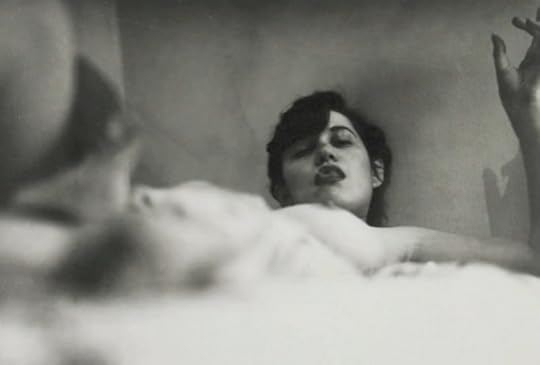
Saul Leiter: Barbara or Margaret, 1955. È la foto usata sulla copertina dell’edizione Adelphi. La prima traduzione e pubblicazione è del 1994 a cura delle Edizioni e/o.

Ho visto le menti migliori della mia generazione, distrutte dalla pazzia, affamate nude isteriche, trascinarsi nelle strade, all'alba in cerca di droga rabbiosa.
Allen Ginsberg

La Sylvia del titolo è Sylvia Bloch, la prima moglie dello scrittore, Leonard Michaels.

description
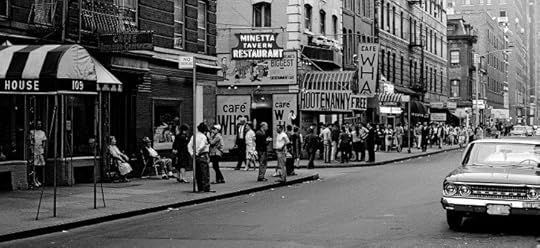
Greenwich Village, 1960.

Siamo a New York, all’inizio degli anni Sessanta (dal dicembre 1960 all’agosto 1963): Leonard e Sylvia sono ancora studenti, lei segue dei corsi alla NYU e lui si sta già impegnando a scrivere racconti, la gavetta del futuro scrittore - si conoscono al Greenwich Village, a casa di una comune amica.
È un appartamento adibito a comune, lei è scalza, sembra un’egiziana, fanno subito l’amore, e subito cominciano a vivere insieme:
Ci conoscevamo da meno di un'ora, ma sembrava che fossimo insieme, nella pienezza di quel momento, da sempre. Cominciò senza un inizio. Facemmo l'amore finché il pomeriggio divenne crepuscolo e il crepuscolo divenne notte fonda.


Un amore fulminante, che porta a un breve matrimonio.
Un amore al primo sguardo, selvaggio, amour fou.
Litigano e si amano, litigano sempre di più. Il loro amore prende da subito una direzione distruttiva, ogni cosa diviene motivo di urla, liti furiose a cui seguono amplessi voraci, che li lasciano spossati e devastati, e perennemente insoddisfatti. Come se volessero nutrirsi l'uno dell'altra senza riuscire a saziarsi mai. Un delirio:
Non sapevano come stavano davvero le cose. Neanch'io lo sapevo, quando stringevo Sylvia tra le braccia e la insultavo e le dicevo che l'amavo. Non sapevo che eravamo perduti.

description
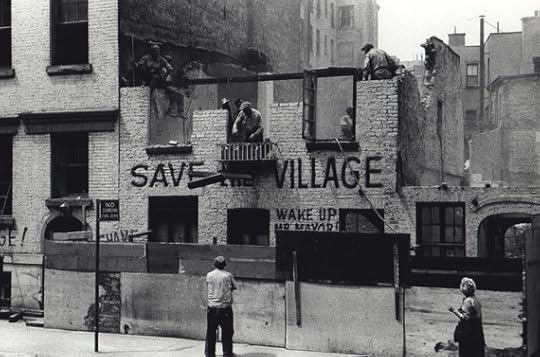
Fred McDarrah: Demolition of Artist’s Studio Greenwich Avenue May 19 1960.

Passano quattro anni di amore e litigi, poi Sylvia sceglie per entrambi, compie il gesto che pone fine a tutto, la tragica conclusione, la sua morte, suicida a ventitre anni. Quarantasette Seconal.

Storia di un inferno coniugale.
Michaels che scrive ci dice che è Sylvia a entrare in una spirale senza uscita di gelosia e sospetto, perfino sentirlo battere a macchina i suoi primi lacerti letterari la spinge in questa direzione, lei che non si sente mai all’altezza dei canoni estetici di lui. E certo il consumo di droga aiuta in questa direzione, certe droghe, e certi eccessi, portano inevitabilmente alla paranoia:

description
Saul Leiter: Jean, 1956.

Allen Ginsberg ed Elvis Presley erano i re del sentimento e la parola “ama” risuonava come un proclama con la forza di “uccidi”. Il film “Hiroshima, mon amour”, la storia di una donna innamorata della morte, stava avendo un grande successo. E così anche “Orfeo negro” in cui la morte era impegnata nell’inseguimento amoroso di una donna… C’era stata un’evoluzione della sensibilità, un contagio visionario derivato forse dalle droghe – marijuana, eroina, stimolanti, tranquillanti – la poesia della conversazione corrente. Un bizzarro delirio aleggiava nell’aria ed emanava dai corpi indolenti e sensuali che a passi strascicati percorrevano le vie del Greenwich Village.

Michaels prova a mantenere un certo grado di ambiguità, a non presentare come pura autobiografia i fatti che racconta, a mischiare memoir e romanzo.

Ogni coppia, ogni matrimonio, erano malati. Quest’idea, come un salasso, mi purgava. Ero infelicemente normale, ero normalmente infelice.

description
Saul Leiter: Fay, 1958.
Profile Image for Emily B.
491 reviews536 followers
October 14, 2021
I love this style of writing. A raw, honest and very personal portrayal of life and its pain.
Profile Image for Guille.
1,006 reviews3,273 followers
January 20, 2021

Podríamos hacer una encuesta con el fin de averiguar cuántos de por aquí saben positivamente al primer vistazo quién puede ser o no una pareja futura, si es más fácil saber que sí o saber que no, si las parejas que de tal modo empiezan son más duraderas, si el sentimiento que las une es más fuerte que el de aquellas parejas con las que la cosa se va sucediendo de a poco. El autor y protagonista de esta historia es de los que lo supo al instante —”La cuestión de qué hacer con mi vida en los cuatro años siguientes quedó resuelta”—, de los que se vio superado por su amor, de los que nunca podremos averiguar si su relación o su sentimiento pudo durar toda la vida. Solo nos es dado saber lo que siente de todo aquello 30 años después.
“Qué inasible es la vida! Solo revela sus rasgos en el recuerdo y la inexistencia” Adam Zagajewski (cita que abre la novela)
Uno de los atractivos del relato es el morbo que provoca ser testigos distantes de un desastre matrimonial de tal intensidad, como si de unos vecinos escandalosos se tratase, más aplicamos el oído cuánto más desagradable es la situación que oímos, más nos atraen sus protagonistas cuanto más nos irritan sus comportamientos. La pareja que forman Sylvia y Leonard parece tener como único fin dar la razón a Doris Lessing cuando decía aquello de que el vínculo más estrecho que une a hombres y mujeres es el sufrimiento que mutuamente se causan. Pues bien, aquí el vínculo no pudo ser más fuerte, pero es que Sylvia, señoras y señores, estaba completamente loca.
“Estoy sin trabajo, sin trabajo, sin trabajo. No he publicado nada. No tengo nada que decir. Estoy casado con una loca.”
Habrá quien diga que no era locura, que lo suyo era sentir la vida con mucha intensidad, que solo era el reflejo de una época, el espíritu de unos tiempos, del jazz abstracto, de las películas de Antonioni, de las fotografías de Diane Arbus, del universo Ginsberg-Kerouac, del jugueteo con las drogas, con las relaciones sexuales extremas y/o sórdidas, con el abismo…“Qué triste, apasionante o extraño era vivir en los sesenta.”
“Willy trabajaba dos o tres días a la semana de asistente social en un programa de desintoxicación de drogas para estudiantes de bachillerato. Los fines de semana, se ganaba un dinero extra vendiendo heroína y compartía los beneficios con un grupo radical de Ann Arbor. Willy no tenía ideas políticas, solo estaba tremendamente irritado. Caía bien a los radicales. En su silencio oían lo que querían oír.”
Paparruchas, excesos de velocidades aparte, Sylvia estaba como una regadera, ella lo sabía muy bien, y Leonard… Leonard… uufff, se me hace muy difícil entender el cuelgue de Leonard. Desde luego, no fue alguien que no supo expresar su amor o que no supo cómo salvar a su pareja de sí misma, estas no son cosas que podamos echarle en cara, aunque él si lo hiciera.
“Yo no me consideraba una persona bastante buena, mientras que ella era un mecanismo excepcionalmente precioso cuyos engranajes habían resultado brutalmente alterados por el dolor. Este le daba acceso a la verdad. Si Sylvia decía que yo era mala persona, tenía razón. Yo no entendía por qué, pero se debía precisamente a que era malo, la maldad me cegaba…Eran iluminaciones exaltadas, momentos de gracia perversa, no manifestaciones de locura.”
Quizá, pensando muy mal —en su prólogo Alan Pauls creo que también lo apunta—, mantuviera la relación, consciente o inconscientemente, como medio de autoconocimiento e incluso como forma de acumular material literario.
“Yo consignaba nuestras peleas en un diario secreto, porque cada vez me veía menos capacitado para recordar cómo habían comenzado. Primero había un insulto inadvertido y después una irritación desproporcionada. Me desconcertaba no saber por qué ocurría así.”
O quizás, y pensando algo menos mal, el tío disfrutaba con todo ese dramatismo, con toda esa desmesura, con todo ese castigo que recibía en su particular infierno privado.
“Te disculpas por estar vivo, por no estar enfermo, por no ser físicamente deforme, por no estar económicamente tan mal como otras personas. No sé por qué me he disculpado, tal vez por el amor que he profanado al no creerme el dolor de Sylvia. Me he sentido totalmente sincero, al disculparme, al besarla. Ha sido muy, muy delicioso, creo yo.”
En fin, lean la novela, la locura de Sylvia (qué pena no poder conocer su versión de los hechos) y la “paciencia” de Leonard son absorbentes, y créanme, se lee en un par de ratos lamentando la pausa que hay que hacer entre ambos.
“El tiempo estaba fracturado, no había causa y efecto y ni siquiera una cosa llevaba a otra. Como en una metáfora, una cosa era otra. Mientras reñíamos con odio, yo quería follar y ella también.”
Profile Image for Roberto.
627 reviews1 follower
November 22, 2017

Quando amare troppo significa soffrire

Leonard incontra Sylvia per caso a una festa. Si parlano, si baciano, si innamorano, fanno l'amore e decidono subito di vivere insieme.

Il dubbio su che cosa fare della mia vita fu risolto per i quattro anni successivi

Una storia d'amore come tante. Solo che questa, a differenza di altre, si trasforma presto in una ossessione.

Quando l'insicurezza prende il sopravvento, quando l'ipotesi della perdita diviene angoscia quotidiana, quando ogni occupazione dell'altro viene vista come riduzione dell'amore, quando il senso di possesso va a sostituirsi alla volontà del partner, la vita può trasformarsi in un vero inferno.

Per entrambi.

I due si amano, molto. Ma Sylvia cade in una terribile spirale di gelosie e sospetti che di fatto congela la loro vita. Qualunque cosa tenti di fare Leonard è considerata una minaccia, perché lo allontana da Sylvia.

"Tutto quello che aveva importanza nella mia vita - la famiglia, gli amici, scrivere, - relegava Sylvia ai margini della mia coscienza facendola sentire trascurata e offesa. Ciò accadeva anche se restavo troppo a lungo nel gabinetto e, a volte, quando camminavamo insieme per strada"

Come se Leonard abbia una lista di priorità in cui Sylvia debba essere sempre, comunque e in ogni istante della giornata al primo posto.

Ma questo amore profondo e folgorante diventa un lavoro a tempo pieno, un incubo da cui nessuno dei due riesce più a liberarsi se non in modo violento. Una guerra quotidiana fatta di interminabili litigi seguiti da momenti di avvicinamento che comunque li lasciano insoddisfatti. Una guerra verbale dove Sylvia cerca di ferire e provocare in tutti i modi Leonard per cercare di ottenere conferme e rassicurazioni cui lei stessa poi non crede. E' incredibile come il libro riesca a rendere bene la frustrazione e l'insoddisfazione che si prova in tali contesti.

"Ordinario o violento, il sesso era frequente, ma ci lasciava estenuati più che soddisfatti. Sylvia diceva di non aver mai avuto un orgasmo. Come se fossi io ciò che si frapponeva tre lei e quel piacere supremo, annunciava: 'Non ho intenzione di vivere tutta la vita senza un orgasmo'. Diceva di aver avuto parecchi uomini che a letto erano meglio di me. Voleva parlarmi di loro, penso, costringermi a sopportare i particolari"

E' amore? E' ossessione? E' insicurezza? E' malattia? E' insostenibile? Chissà. Però comportamenti di questo tipo credo siano più frequenti di quanto non si creda, anche se magari non conducono a epiloghi come quello descritto.

I fatti, veri, sono descritti da Leonard in una sorta di diario. E' vero che manca il punto di vista di Sylvia, Leonard però riesce a raccontare la storia in modo molto equilibrato, non dimenticando nemmeno per un momento il punto di vista di lei e guardandola sempre con occhi innamorati.

E' un amore senza fine, malato forse. Amare in modo sano significa accettare e amare sé stessi prima di tutto.

Una storia che mi ha coinvolto molto e la cui conclusione, tenera e bellissima a dispetto della tragicità, lascia con il pensiero di ciò che sarebbe potuto essere e non è stato.
Profile Image for Cosimo.
443 reviews
December 14, 2016
Apri la finestra

Leonard Michaels racconta la storia vera del suicidio di sua moglie Sylvia Bloch in un racconto di amore e follia dove la passione coniugale precipita in un abisso di distruzione e disordine, dove il nero della notte impulsiva decreta la devastazione completa, in un silenzio di depressione e sacrificio, senza motivi né parole. Il legame è all'insegna della dipendenza e porta all'esito tragico e fatale. Un'innocenza incontrollata e un'intelligente ambivalenza non salvano l'anima sofferente dalla condanna all'estremo scenico del dolore delirante e violento. L'elegia dello scrittore americano è minacciosa e distante, un monologo lineare che, pur traducendo la disperazione in immagini toccanti, non provoca sgomento né immedesimazione, lasciando il lettore in una condizione di vibrante insicurezza, schiantato dall'angoscia quanto dal vuoto emotivo.
Profile Image for Esmeralda Vorewer.
68 reviews26 followers
June 15, 2022
Forse solo chi conosce donne cosi può apprezzare appieno questo libro senza trovarlo disturbante. Per quanto mi riguarda, infatti, grande empatia. Purtroppo però, come per il nostro Leonard, nessun perché.
Profile Image for Mariel.
667 reviews1,210 followers
April 14, 2012
Well, it's a memoir.

I wrote and I wrote, and I tore up everything, and I wrote some more. After a while I didn't know why I was writing. My original desire, complicated enough, became a grueling compulsion, partly in spite of Sylvia. I was doing hard work in the cold room, much harder than necessary, in the hope that it would justify itself."
This isn't about the memoir but I am taking it anyway.

Sylvia: a Novel, according to the back blurb, was a story-length memoir first and then appeared again with "weird delirium" (not my words) of the 1960s and modern marriage. I half-assed read the back of the book and somehow came away with the idea that it was added onto, and I really can't justify this next part at all, from a magazine article. Where did I get magazine article from? The publication date says 1990. The events take place in 1963, which is when I think it was first written down. Right or wrong, I couldn't get the idea that Michaels took a bit of writing about something that happened to him (magazine article came from the writing exercise feel!) and added to it decades later out of the back of my mind. Writing to deal with something becomes something else and it was like the motives changed now. I don't really want to criticize the book for motives. That wasn't what I really thought about it.

But.... It's a memoir.

Michaels married Sylvia. He married Sylvia, he says, because marriage would solidify them. The fights whispering I'm sorry, the kamikaze planes would stop shooting down peace on earth and all systems go for set flight plans for wedded bliss blah blah blah. He married her anyway. He knew what he knew and he did it anyway. Listen, officer! I didn't know! My hands are clean except for these ink stains on the fingers. You can tell by my ink stains that I was wholly present the whole time.

There is no way that there was nothing else to Sylvia than their marriage. I have known women who don't seem present without the company of a man. I don't care. I don't believe it. Sylvia of 'Sylvia' is wife of Leonard Michaels. If she is a person without him it is listening to her "crazy" friend Agatha. (Agatha who is sexualized, so-called demeaned, offering up for an audience to her one listener. How is that different than writing a memoir?) She had attempted suicide before they had met. At least there was a scar on her wrist. He denies the attempt but then brushes away the bloodless (yeah right!) attempt as "She was good at it because she had done it before" (not an exact quote). He seems to be asking someone, maybe himself, in the writing if he was treating Sylvia like the whore she thought he was when he would walk ahead of her. The constant testing of her place. How is that different than writing a memoir? Turns to the audience: Listen to this chick, right? She's totally nuts! It's crazy, I can't do anything right. I don't want to criticize for this. 'Sylvia' doesn't always come off like this, exactly. But it's that whole writing about it in a memoir. She's dead and wasn't he in the right? She was a crazy bitch, right? I wanted a Sylvia that was a whole Sylvia, or even a submerged in a glass half empty Sylvia, not only his wife.

Why did he marry her when he knew what she was like? He wouldn't ask the right questions then and he doesn't answer with the right question in the book. Patterns are their own hypnosis. Winners and losers is wrong.

"It would have been easy to leave Sylvia. Had it been difficult, I might have done it."
No, that's not fooling me. It might have something to do with someone who would try to win the past by writing a memoir.

I did like this description of writing a lot. "Writing a story wasn't as easy as writing a letter, or telling a story to a friend. It should be, I believed. Chekov said it was easy. But I could hardly finish a page in a day. I'd find myself getting too involved in the words, the strange relations of their sounds, as if there were a music below the words, like the weird singing of a demiurge out of which came images, virtual things, streets and trees and people. It would become louder and louder, as if the music were the story. I had to get myself out of the way, let it happen, but I couldn't. I was a bad dancer, hearing the music, dancing the steps, unable to let the music dance me."

I felt more turmoil about his struggle to get out of the way about his writing than I did for his marriage. I could relate to this and I also related to pretty much the first information he relays about himself is that he's a person who likes to read (as if that's the only thing he could think of to say. Not off to a good start for a memoirist!).

It was moving when he saw his own happiness in his own handwriting when apart from her, before her death. That was how he felt. What the hell does the right thing have to do with anything? Happiness away from something you know in your bones is not good for you beats any after the fact justification for what sounds good to explain something you just know. Oh. That's what I'm doing in this review... I didn't love this book and I don't want to criticize it because I didn't hate it. I know in my bones it isn't in my bones.

But did she really kill herself because she wasn't with him? Maybe Michaels couldn't get out of the way enough to really write about it.

There are illustrations by a "Sylvia Bloch". I don't want to know if they were the same Sylvia. I know they are... They look childish and helpless. She's in most of them. He's laying down like someone would lay down on train tracks. (Sylvia would be true if he ever did. He is too self conscious about his struggles to be a writer. Ugh! Writers.) Maybe it's a weird thing to criticize someone's life story for lying or unwillingness but... it's a memoir. Why would you write one of these if you were gonna hide behind Walker Percy quotes about the '60s? (I don't think I liked The Moviegoer. I'm not gonna check my gr ratings in case I rated it highly. Jesus, that's such a self serving memoir move there, Mariel!)

Larry McMurtry (of Lonesome Dove fame. Best book ever!) says on the back flap: "One of the strongest and most arresting prose talents of his generation". Okay, Michaels is pretty darn good at prose at times. But didn't he blurb something similar about Barry Hannah? Man, you blurbers are all the same. (Some other Mariel review from 2011: "Man, I hate memoirs.")

Edit- Ok, the hate has set in! I was thinking about this book more and it started worrying me more and more how Michaels complained Sylvia kept him from writing. I'm slow. Yeah, what a bastard. He makes me hate writing even more. If you don't want to get at what matters then why do it?
Profile Image for lorinbocol.
265 reviews434 followers
July 30, 2017
un libro che una volta aperto va consumato entro tre giorni. con la stessa voracità con cui sylvia e leonard si amano. da quei primi momenti in cui si conoscono e dopo poco stanno già facendo l'amore. «finché il pomeriggio divenne crepuscolo e il crepuscolo divenne notte fonda». è il village degli anni '60, e loro sono due personaggi reali, perché il romanzo nasce da un memoir in parte rielaborato che leonard michaels scrisse sulla prima moglie sylvia bloch: lunghi capelli neri, forte carica sessuale, intelligenza fuori dal comune e un forsennato maelstrom dentro.
un gorgo che quasi subito li risucchia entrambi in un vortice di litigi e attrazione. qualcosa che michaels riesce ad afferrare con frasi come «all'improvviso c'era una corrente erotica» o anche «dalle urla alle scopate. dall'irreale al reale, questa era la sensazione». i giorni e i mesi passano così, con lei che studia, lui che tenta di scrivere, loro che urlano, lei che rompe i piatti, lui che tenta di scrivere. si prendono in modo compulsivo - compulsivo è un concetto che torna spesso, come situazione o come parola, nella centoventina di pagine del libro - e «ordinario o violento», abitato via via dal racconto di amanti e relazioni passate, il sesso è frequente ma li lascia estenuati più che soddisfatti. ammetto che prima di arrivare a un terzo della storia ho provato un vago senso di nausea, per l'asfissia di un ménage che ha un andamento tipo disturbo bipolare, e nella continua alternanza di rialzi euforici e picchi maniaco-depressivi diventa presto prevedibile ma nello stesso tempo ipnotizzante.
moltissimo del merito è di una scrittura quasi impeccabile, per cui superi la perplessità e sei ancora lì a girare le pagine con lei che accusa dolori fisici improvvisi, lui che tenta di scrivere, lei che getta a terra le camicie e le calpesta e ci sputa sopra, lui che la coccola e poi tenta di scrivere di nuovo [tu chiaramente a questo punto inizi a fare il tifo perché riesca finalmente a scrivere davvero qualcosa, e in effetti scopri che ha cominciato da un po' ad annotare le liti]. la cosa più straniante è che sei lì, seduto su un divano sudicio in un appartamento infestato di scarafaggi, che li guardi mentre mangiano noodles a letto, bevono succo d'arancia e vanno al cinema a vedere tutti i film di antonioni che possono. perché intorno stanno esplodendo gli anni che già si capiva sarebbero stati mitici: le foto di diane arbus, il jazz "sventrato" di ornette coleman, la droga che accende la luce dentro le discussioni infervorate, gli spigoli della musica di charles mingus.
per sylvia finirà nell'unico modo in cui può: con quarantasette barbiturici ingoiati e annunciati a lui, che entra ed esce dal tira e molla con se stesso per arrivare al divorzio, come ultimo gesto di sfida. devo dire che a tratti ho sentito forte il disagio di assistere così intimamente alla sofferenza di una donna che, per quanto rielaborata in qualche dettaglio, è in ogni riga delle pagine con la sua disperata, distruttiva, allucinata vitalità. e per buona parte del libro ho avvertito anche sottotraccia la sensazione che ci fosse qualcosa di sbagliato nell'essere lì a leggere, e prima ancora nel fatto che leonard michaels fosse stato lì a scrivere. però appunto il libro si consuma in tre giorni, e non mi sono ancora data una risposta. se non che mi è piaciuto, ma sono consapevole che un'altra sola sera mi avrebbe intossicata.

http://youtu.be/Ddgt46W8VnQ
Profile Image for Come Musica.
2,060 reviews627 followers
October 21, 2024
Adelphi ripubblica Sylvia, il romanzo autobiografico di Leonard Michaels. È la storia travagliata della storia tra l’autore e Sylvia Block.

Ho letto il romanzo nel 2016, poco dopo la prima pubblicazione. Scrissi a caldo

[Un amore malato, come tanti.
Scritto bene, per carità, ma di leggere di situazioni patologiche ne ho un po' piene le tasche.]

“Cominciò senza un inizio. Facemmo l’amore finché il pomeriggio divenne crepuscolo e il crepuscolo divenne notte fonda.”

Cosa mi rimane dopo tanti anni?
Mi resta l’angoscia nel leggere quelle pagine,
Allora a distanza di tanto tempo dico che Leonard Michaels è riuscito nel suo intento: trasformare in letteratura una vicenda privata.

“La guardai, imprimendo nella memoria la forma del collo e della bocca e delle ossa del suo volto, e pensai: È mia moglie. La sto lasciando.”

È la storia di una fine, narrazione di un lutto per una persona che sparisce dalla nostra vita, pur continuando a vivere

“Il ruggito di un aeroplano squarciò il cielo. Ogni cosa giungeva a me come sensazione, non come sentimento. Non avevo sentimenti a cui fossi in grado di dare un nome. Non avevo sentimenti umani.
[…]
Cominciai a piangere, a supplicarla, senza fare concessioni alla realtà. Il mio bisogno era la sola realtà, più reale della morte.”

Nel 2016 avevo assegnato 3 stelle.
Rileggendo alcune pagine, modifico la mia valutazione e assegno 4 stelle.

Sono cresciuta. Non sono più quella di otto anni fa.
Affronto in modo diverso la lettura di amori tormentati.
Profile Image for Evi *.
395 reviews307 followers
November 9, 2017

E’ un libro da ingurgitare più che da leggere, da ingurgitare un po’ perché non si vede l’ora di finirlo e di dedicarsi ad altro un po’ perché la scrittura di Leonard Michaels è velocissima e si resta risucchiati in un loop di situazioni identiche senza possibilità di uscire dal ciclo ripetitivo di un amore turbolento e claustrofobico senza soluzione.
Ma, se devo proprio leggere libri su giovani studentesse della New York University che vivono a Manhattan gradevoli d’aspetto, eccellenti negli studi, ragazze fuori dall’ordinario ma che hanno in corpo un ipergene della pazzia un po' accentuato, decisamente allora gli preferisco La campana di vetro di Sylvia Plath tanto per fare un paragone, che è un libro bellissimo, e dove l’anormalità è declinata in termini dolci, e meno violenti e distruttivi, con quella punta di ironia sulle difficoltà di vivere che suscitano una tenerezza e una empatia che per la Sylvia di Leonard Michaels non ho provato.
Ma sulla pazzia non si discute è un terreno alieno, ognuno ha la sua piccola o grande che sia, e su ciò di cui non si può parlare, si deve tacere» dice Ludwig Wittgenstein, né soprattutto mai emetter giudizio.
Profile Image for Dagio_maya .
1,107 reviews350 followers
November 28, 2020
Cominciò senza un inizio...

Tempo: l’inizio degli anni ’60.
Luogo: Greenwich Village.

Un giorno qualunque.
Un’amica comune li presenta e comincia la storia tra Sylvia Bloch e Leonard Michaels.
E’ il racconto romanzato di una relazione reale. Un rapporto in bilico tra gli eccessi di Thanatos e quelli di Eros.

Urla e abbracci compongono una quotidianità disordinata che si sintonizza sul clima vigente della Beat generation ma che consuma e corrode attimo dopo attimo.
La fine la si sa già dalla sinossi: Sylvia si toglierà la vita.

Ho letto sentendo l’angoscia di questo rapporto asfissiante e la traccia sottile – ma visibile per me- del senso di colpa che si sedimenta tra le righe.
Ho letto e mi sono chiesta se questa sorta di voyerismo che si offre e si cerca nella scrittura autobiografica sia positiva o meno.
Lo scrittore espia?
Il lettore ne ricava un’utile riflessione?

Ho letto ma non posso dire che ci sia stato il Piacere della lettura perché troppo sovrastante è stata la pena, la compassione verso gli attori di questa drammatica e reale scena.
Profile Image for Grazia.
503 reviews220 followers
October 29, 2017
"Ciò che distingue certe persone, è la conoscenza del proprio teatro interiore"

"Sylvia" è il diario scritto da Leonard Micheals degli anni in cui ha vissuto con la prima moglie Sylvia Bloch [1961-1963]. Una storia realmente accaduta, quindi, documentata dallo sguardo di Micheals.

Protagonista assoluta del racconto è Sylvia. Sylvia e la sua necessità di essere amata incondizionatamente e senza deroghe. Sì perché Sylvia non accetta le mezze misure, Sylvia vuole essere al centro del mondo del suo uomo. Come un tiranno, pretende dedizione, cura, e non tollera niente che distolga Leonard dal di lei pensiero.
Non tollera che scriva, non tollera che sia malato, non tollera che possa anche solo guardare le sue amiche, non tollera neanche che si trattenga in bagno oltre lo stretto necessario.

"Tutto quello che aveva importanza nella mia vita - la famiglia, gli amici, scrivere, - relegava Sylvia ai margini della mia coscienza facendola sentire trascurata e offesa"

E questo genera liti teatrali, ripetitive, furibonde monotematiche e inutili. Che lasciano i due stremati e insoddisfatti. Perché l'insoddisfazione di Sylvia nasce dal l'incapacità di amare e accettare se stessa, amore che non può essere delegato a nessun compagno.

"Sylvia aveva bisogno di conforto, che il dolore fosse o meno reale era secondario. Era consapevole del proprio comportamento. Non voleva discuterne con uno psichiatra. Ciò che distingue certe persone è la conoscenza che hanno del loro teatro interiore".

E la pena che si prova per questi due ragazzi, è tanto grande. È un libro tossico questo.

Per il gusto voyeristico che tiene incollati alle pagine, attratti e nel contempo nauseati dalla ripetitività delle dinamiche.
Per il rapporto che lega Leonard a Sylvia e Sylvia a Leonard, rapporto che pur non soddisfacendo nessuno dei due è talmente tanto fortee disperato da impedire ai due di rinunciarvi.

Tossico perché quelle liti, quella disperazione, ossessiva, quell' incapacità di amarsi con tenerezza, è davanti agli occhi del lettore che vorrebbe potersi egli stesso sottrarre, poter interrompere d'ufficio questa storia che non funziona, ma viene inevitabilmente risucchiato in quel vortice estenuante di liti insensate non potendo per contro fare a meno di continuare a girare compulsivamente le pagine.

Una scrittura superba.

Un finale, espiatorio, in cui finalmente, anche se solo in sogno, Leonard e Sylvia riescono a trovare la dimensione della tenerezza e della comprensione reciproca.
Una donna, Sylvia, difficile da dimenticare.
E come non associare a questa Sylvia un'altra illustre e infelice Sylvia Plath.
[Non sarà mica il nome che porta un po' Iella, eh?]

Mi sono chiesta se sia giusto esporre pubblicamente una sofferenza reale, ma, come per altre opere lette ["Il male oscuro", "La campana di vetro"], se la scrittura rende l'esperienza personale letteratura, cosa che a mio parere anche con questa breve opera accade, allora l'esposizione pubblica trova giustificazione d'essere. L'unica cosa stonata è, rispetto alle opere che ho citato, che non è Sylvia in prima persona a parlare di sé.
Profile Image for paige.
68 reviews24 followers
July 15, 2022
A bit reminiscent of Joan Didion at times, Leonard Michael's Sylvia is a tumultuous report of a compulsive and indulgent love affair. When I first picked up this book at a local half-price bookshop on a busy street near campus, I knew nothing about it. It was an impulse buy—just a short novel to pass the time on the bus ride home. The opening page instantly drew me in to this memoir (that may or not be fictional—I haven't concerned myself with the specificities of its verism much). Michaels's prose is haunting, fresh, and terrifyingly real. There is something very special and emotional about this book.
Profile Image for Troy.
300 reviews190 followers
January 23, 2014
A few close friends love this book. Like LOOOVVE. But I don't.

Yes, it is beautifully written. Yes, it is filled with raw and intense pain. Yes, it made me cry. But it is supposed to be a portrait, a mature reflection of a hideously dysfunctional relationship. And in one sense it works. I get how Michaels is young and naive and over his head. I get Sylvia's insanity (never called that, but that's what it is). I get the intensity of their fights. I feel his hopelessness. But I never understood why he loved her. I never got a sense of who she was or how she was appealing. He describes her as attractive but then has a mutual friend say, "she's not beautiful, you know." (Why did he do that? To show that it wasn't her beauty that held him entranced?) He claims she's smart but never shows it.

What's the appeal? What is the basis of his love? Who was the woman he was in love with? Who was Sylvia?

It's 2014 and I don't ever want to read another story about a sad sack young man in love with a "crazy." I never want to see another portrayal of a Manic Pixie Dream Girl. It's time to see the "crazy" or the Manic Pixie Dream Girl write books and movies and comics about the creepy assholes that are in love with them. THAT is something I'd like to read.
Profile Image for l.
1,709 reviews
May 1, 2016
I don't really know how to react to this novel. I know from growing up with my mad sister that people suffering from mental/physical illnesses can be abusive. Much of Sylvia's behaviour sounds familiar to me and yes, I wouldn't hesitate to call it abuse. But how this book is written, and how Sylvia's actions are framed does not seem fair to Sylvia. For one thing, the 'a male writer falls in love with a mad, beautiful bitch; the sex is great at first, but they're doomed; she needs to die for him to write, and to live' narrative is immediately suspect...

What are we to make of Michaels' constant reiteration that he chose this relationship? How he uses this choice to justify and exculpate himself in the readers' eyes. How never really explores how he was 'feeding off' her, as was suggested by one of the psychiatrists, except to say (more or less) that he was Too Good a Person From Too Loving a Family. How she was substantially younger than him and he never addresses that power imbalance (she was just 19 and hadn't even chosen a major; he was a 27 year old grad student. Nb: he also creeps on his students when he becomes a TA: "some of the Italian girls [..] were visually delicious.") How he others her when she's first introduced; he's "hypnotized by Sylvia's flashing exotic effect" - her dripping wet curtain of "Asian hair", her "Egyptian"-looking "wide and sensuous mouth"...

What are we to make of Michaels, and society at the time, and their keenness to label Sylvia insane? What are we to make of Michaels' note that Sylvia never did the groceries or the laundry? How he would come home and she was just hanging around talking to her one friend, who he demeans as a ~sex-crazed woman who loves being debased and narrating her ~debasement.

What are to make of Michaels' humiliation re: buying tampax for Sylvia? His dread that people will label him a 'transvestite' for buying ~feminine hygiene products~? His portrayal of Sylvia as being 'turned on' by having emasculated him in this way, her slight smile. And the eagerness of the psychiatrist he visits re: having Sylvia committed by Leonard, not re: her own well-being given her suicide attempts, but again, re: emasculating Leonard by asking him to buy tampax for her. And Michaels' satisfaction at the psychiatrist's assessment of her based on his words.

What are we to make of this diary entry: "I have no job, no job, no job. I'm not published. I have nothing to say. I'm married to a madwoman." And right after: "I didn't [know] either as I held Sylvia in my arms and called her names and said that I loved her. Didn't know we were lost."

And what to do with this diary entry as well: "I was in pain. She was wailing."

I question Michaels' motivations in writing this book. It's decades after the fact. It's not an investigation into what made his wife tick, what did he miss, why was she the way she was. It's not a grief memoir. Michaels just revisits bad memories and reasserts that his wife was insane. Sylvia remains as opaque as ever and that's how he wants her to remain.

But I'm glad it helped inspire The Antlers' Hospice.
Profile Image for Julia.
495 reviews
December 28, 2013
first off: i basically wrote my common app essay (personal statement, whatever) about this book, and about leonard michaels. or rather, well, about the certain kind of hopeful idol at this time in my life that leonard michaels has represented for me, and how with sylvia (picked up, unexpectedly, in a used bookstore in evanston, not either of michaels' books of short stories i've been searching for for years but rather a fictional memoir) i was trying in some way to step outside of the need for that desperate idolatry. none of this is necessary, besides the fact that i'm trying to say that whatever i ended up thinking of this book, before i even read it, it was important to me in a strange way that i could not refute. that i could not get away from, i suppose. naturally, it did not measure up to the importance that was placed in it (an arbitrary importance), but that's almost besides the point—or rather, that was exactly what I knew would happen, and maybe it would have been weird, or worse, if it had measured up.
now, totally unrelatedly to that spiel, i can't figure out to what extent the demonization of sylvia was intentional on michaels' part. because you read it, and you think, good god, is this girl even human? and then there is that one line at some point, saying it was of course easier to remember the good than the bad, the fights rather than the pleasant conversation, complete truth, and this resolves a lot, as you realize this is only half a memoir, a memoir of the bad (which eventually became the whole—and i suppose i'm implying there must be some sort of good/bad dualism, which, maybe not, but still—) but still it's bothersome. it bothers. one realizes that by extrapolation michaels is saying of the protagonist, of himself, it's not that she was a demon and i her willing victim, we stayed together because i too was a demon. we matched each other. —but still it's bothersome. this dovetails with some other things i've been thinking about lately, like, after a certain point in ~history~ or whatever, when one should know better (like 1992), what's the point of reading stuff so tinged with misogyny? it can be hard to reconcile literature with feminism (my realization is that, for much of the history of literature, you can't, because it's not like there was a contemporary feminist work equal to paradise lost out there, if you know what i mean), and it's harder still as you move within the twentieth century. the question is, do i read philip roth? yes. do i read leonard michaels? yes. do i read sylvia? well i have, and yes. i wrote in a college supplement essay that literature is my avenue towards understanding human experience. does michaels' portrayal of the human experience outweigh in some aspect or another the misogyny? is misogyny a valid aspect of the depiction and understanding of human experience? is it still valid if said misogyny may or may not be ingrained in the very writing, in the memory, in the viewpoint, and not as an intentional part of plot or character? there's no right answer here, nothing objective. for me, though, i think it's yes.
Profile Image for Paul Bryant.
2,409 reviews12.6k followers
May 16, 2010
A very short sharp sad read which takes place between 1961 and 1964, a Greenwich Village bo-ho version of the Ted Hughes/Sylvia Plath gruesome twosome waltz with madness and suicide (yes, another Sylvia). This Sylvia is like the more famous one in being intellectually gifted and driven to prove it, but whereas with Miss Plath I always wonder grimly what would have happened if she'd just hung on for a couple more years until the 60s started properly swinging and the feminists started roaring instead of dying in 1963, this Sylvia allows no such sentimental if-only nonsense. Because she was smack in the middle of the social avant-garde which the other Sylvia never encountered. For Sylvia Koch it was all free love, free drugs and free jazz (rock not yet being hip in the first part of the 60s) - and all this creative cutting-edge whirligig only made things worse. The hippies considered love to be a solution, and Miss Koch had, it appears, a basketful of love presented to her every day with flowers and frills and furbelows stuck all over it by Mr Michaels and it didn't help a bit. Like Neil Young says, an ambulance can only go so fast.
Profile Image for Jaroslav Zanon.
226 reviews182 followers
June 23, 2019
«Solo i sentimenti contavano, e quelli erano a nostra disposizione. Noi capivamo. Eravamo sensibili alle tensioni e agli umori ineffabili della vita moderna.»
Profile Image for La contessa rampante.
154 reviews96 followers
June 23, 2019
L’amore. Una sola parola che racchiude in sé una miriade di sentimenti con le loro diversissime sfumature: felicità, passione, gelosia, tristezza, odio, ossessione.

Sembra un climax discendente, ma non lo è, perché tutti questi sentimenti fanno parte della storia di Leonard e Sylvia, dal suo prologo alla sua terribile fine.

Il romanzo ripercorre la vera storia del primo matrimonio di Micheals, il suo autore.
Negli anni ‘60 al Greenwich village, Leonard incontra Sylvia e resta subito ipnotizzato dal suo fascino esotico. I due si scambiano poche parole e tutto si consuma velocemente: fanno l’amore e poi vanno a convivere da subito.

Lui si impegna per diventare uno scrittore famoso, lei studia lettere classiche.
Ma la coppia vive pochi momenti di felicità, perché l’odio, i violenti litigi e le lacrime sono sempre al centro di questo rapporto morboso e ossessivo al quale Leonard non riesce mai veramente a sottrarsi.

Sylvia è malata: indossa gli stessi vestiti per giorni finendo anche per dormirci, cammina su scarpe rotte rifiutandosi di farle aggiustare, minaccia il suicidio e soprattutto rende impossibile la vita a Micheals che, come unica risposta a questa situazione, inizia a pensare che il vero pazzo sia lui.

La scrittura dell’autore è sempre delicata e ipnotica, soprattutto nel momento in cui riporta stralci del suo diario dell’epoca e quando ci racconta quella New York che vive ogni giorno, ma che può godersi davvero solo in assenza di Sylvia.


Insomma, questo è un romanzo doloroso che ho apprezzato tantissimo, ma che non consiglierei a chiunque.
Se avete un cuore inquieto e, soprattutto, se pensate che l’amore non sia una cosa semplice (caro Tiziano nazionale con quella canzone hai toppato) “Sylvia” fa per voi.
Altrimenti astenetevi.
Profile Image for Simon A. Smith.
Author 3 books46 followers
September 8, 2008
Pound for pound (weighing in at a scant 125 pages) this is one of the best books I've read in a long time. Keeping with the boxing analogy, Michaels writes with a sort of punchy, muscular prose style that is both plain and profound at once. I kept marveling at how skilled he was at saying so much in so little space. His physical descriptions of characters were particularly impressive. It isn't often that the narration about the size and shape of a character's lips becomes one of the most pleasurable parts of the story, but Michaels has a real gift for revealing, shaping and drawing story through his characters.

The copy I own bills the story as a "fictional memoir." I have no idea what that means, but it didn't bother me. If it's a memoir then it's the best memoir I've ever read. If it's a novel then it might be considered a little abrupt or unfinished, but that still wouldn't change the fact that it is filled with high-quality writing throughout.

I guess I'd recommend the book to young writers, New York historyphiles, and masochistic boyfriends. In Sylvia, Leonard Michaels manages to make dark and disturbing a joy to read. Now, if you'll pardon me, I'm off to find more books by this guy!
Profile Image for Mirela.
200 reviews80 followers
November 2, 2021
Straziantemente bello. Triste, melancolico, sublime. Semplicemente speciale.
Profile Image for Cody.
988 reviews300 followers
May 20, 2025
Being waylaid and out of active duty thanks to COVID-25, I needed a hard pivot out of McCullers' Doom Town. Destination: New York City. Ah, the Big Lemon; nothing like it, its novel as concretized as the fucking Yankees for far too long (just like the Yankees). You know this book even if you haven't read it. Here, take this handy, dandy shorthand for what you will with this* thought in mind addended: neurotic.


*
Profile Image for Núria.
530 reviews677 followers
November 25, 2010
‘Sylvia’ de Leonard Michaels es una novela autobiográfica ambientada en el Nueva York desinhibido de los años 60 y que se centra en la relación del autor con la que fue su primera mujer, una joven de pelo negro, guapa e inteligente, pero desequilibrada. La primera vez que se ven, se acuestan sin decirse prácticamente nada, y luego deciden ir a vivir juntos. Deciden ir a vivir a un apartamento de dos habitaciones. Durante el día él se dedica a intentar escribir cuentos y ella estudia clásicas en la universidad, por más que es una materia que no le atrae nada. Y luego, por la noche, se discuten y se pelean. La suya es una relación enfermiza, llena de reproches y crueldades, marcada por el deseo de herir al otro. Sin embargo, ninguno de los dos es capaz de terminarla. Es una novela que más que hechos relata emociones y sensaciones. Un punto impresionista. Es un libro duro, que tiene un punto de autoflagelación. Leonard Michaels lo escribió en su madurez, cuando habían pasado unos treinta años de los hechos que relata, pero aún así es inevitable entrever cierto sentimiento de culpa y su consiguiente deseo de expiarla.
Profile Image for Sara Booklover.
1,011 reviews870 followers
January 21, 2025
Un romanzo-memoir molto intenso che l’autore dedica alla sua prima moglie.
Con uno stile di scrittura asciutto ma profondo delinea alla perfezione la storia di un amore travagliato e sofferto, con risvolti drammatici. L’ambientazione è newyorkese dei primi anni ’60, l’epoca della beat generation e dell’amore libero e si sente davvero tanto l’atmosfera di quegli anni.
Ma non dico di più sulla storia per non spoilerare.
È una lettura breve, che inizia in maniera tranquilla ma che poi aumenta di intensità con l’avanzare delle pagine e mette anche una certa inquietudine, una narrazione dal ritmo crescente e dallo stile minimale ma coinvolgente.
Profile Image for Dua.
363 reviews40 followers
August 20, 2025
Esta novela es en realidad una autobiografía sobre la relación toxica y obsesiva que mantuvo con una mujer llamada Sylvia. Toda la historia es una continua espiral de discusiones, sin entender muy bien el motivo por el que siguen juntos.

No me ha gustado absolutamente nada. Como no tengo nada positivo que decir, pasaré a lo negativo. Los personajes no tienen ningún tipo de profundidad ni evolución. No conseguimos empatizar con Sylvia simple y llanamente porque todo está narrado desde la perspectiva de Leonard. El propio autor quiere que los lectores empaticemos con él. Solo nos relata recuerdos que tiene con ella, donde ella sufre de histeria y violencia hacia él.

Mi mayor problema ha sido la banalización que se hace constantemente de las enfermedades mentales. Es evidente que Sylvia es una persona inestable, aunque nunca se llega a profundizar exactamente en que la ocurre, el autor la califica simplemente como “loca”. Solamente documenta los hechos desde su perspectiva de desesperación, sin reflexionar o intentar comprender las implicaciones psicológicas. Creo que lo único que consigue es deshumanizar a Sylvia y tratar su enfermedad más como un elemento narrativo que alimenta el fracaso del matrimonio.

En mi opinión, este libro ha envejecido mal.
Profile Image for Nevena .
81 reviews71 followers
December 23, 2023
I hate when this happens. I hate when talented writers turn out to be obnoxious douchebags.

In terms of style, this is quality writing, but my God... What a dick.

I'm not saying Sylvia's behavior was okay, she clearly needed help. The thing is, he, her freaking husband who supposedly loved her, didn't even try to help. Didn't even try to understand why she was acting the way she was. Didn't even care.

He only cared about her mood in the context of whether it was making him (un)comfortable, and not because he cared about her as a person, independently of him.

The way he described her didn't tell us anything about her...

He kept repeating he loved her, but I didn't get neither why nor how. I didn't even get what she was truly like from all this. I gather she was way more complex than what he made her seem. All he knew was how to whine about her being difficult and label her as a madwoman.

This is just like Miller and Bukowski all over again. I feel these kind of books fit into a genre of their own. Male authors writing about their dysfunctional relationships with "crazy" women who "hold them down" always leaves such a bad taste in my mouth.

Even when they don't paint the women as stereotypically "crazy", there's always something... Ugh! It all feels very impersonal and superficial, lacking in devotion, in genuine interest in another person.

How can you claim to love someone without even bothering to actually see them for who they are?

None of these type of authors/characters try to make their relationship work, nor do they have the guts to break it off completely. Because either of those things would take effort, and they just can't be bothered, I guess. So all they do is complain. It's honestly so frustrating and tiresome to read about.

I keep picking up novels like this (literally just finished de Botton's Essays in Love) right before Sylvia, so there you go), and keep having high hopes because I do enjoy to read about complex relationships, especially when such stories are accompanied by reflective insights.

Why these never quite work for me is because I always side with these "hysterical" women the narrators try so hard to demonize.

These women make me wonder and I just want to understand them better. Then I get so annoyed when their own love interests don't seem to want the same in the slightest 😠😠😠
Profile Image for Kevin.
Author 35 books35.4k followers
November 5, 2010
Almost a memoir, it's about his first wife's suicide. Micheals's prose is so clean and pure throughout this book. It avoids the woe-is-me aspect of bad relationship memoirs because of its frank honesty. There's also some fun factoid elements scattered throughout, like when Michaels gets his first literary agent and then meets Jack Kerouac. Let me give you one little sample of this book's beauty (this part is about his wife Sylvia and their friend Agatha): "They are close even in their looks--same height, same shape. I found them asleep together, on the living room couch, one black-haired girl, one blonde. The difference only showed how much they looked the same, two girls lying on the couch in late afternoon. They looked like words that rhymed."
Profile Image for Rossella De Feudis .
77 reviews17 followers
December 20, 2018
Un amore precipita violentemente, si schianta e muore.
Noi entriamo nella sua scatola nera e assistiamo a tutto quello che è successo prima della catastrofe.
Claustrofobia e penombra ci avvolgono dalla prima parola all'ultima.
63 reviews
July 2, 2022
I’m annoyed because I enjoyed this and it was just another man writing about his manic pixie dream girl and her mental illness
Displaying 1 - 30 of 352 reviews

Can't find what you're looking for?

Get help and learn more about the design.