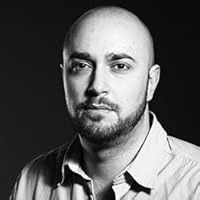
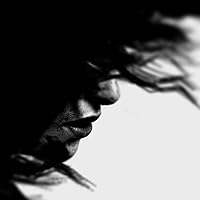
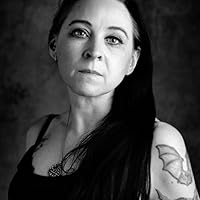
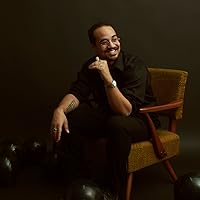
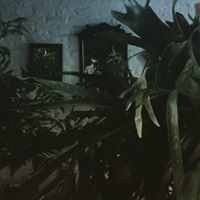
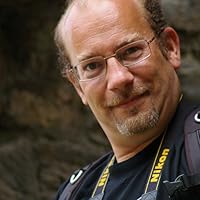
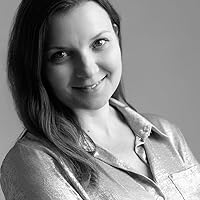
In The Dramatic The Art of Crafting Light and Shadow , Chris Knight addresses portraiture with a unique approach to both light and shadow that allows you to improve and elevate your own portraiture. Without light, there is no photograph. As almost every photographer knows, the word “photograph” has its roots in two Greek words that, together, mean “drawing with light.” But what is less commonly acknowleEAed and understood is the role that shadow plays in creating striking, expressive imagery, especially in portraiture. It is through deft, nuanced use of both light and shadow that you can move beyond shooting simply ordinary, competent headshots into the realm of creating dramatic portraiture that can so powerfully convey a subject’s inner essence, communicate a personal narrative, and express your photographic vision. In The Dramatic The Art of Crafting Light and Shadow , Chris Knight addresses portraiture with a unique approach to both light and shadow that allows you to improve and elevate your own portraiture. He begins with the history of portraiture, from the early work of Egyptians and Greeks to the sublime treatment of light and subject by artists such as Caravaggio, Rembrandt, and Vermeer. Chris then dives into a deep, hands-on exploration of light, shadow, and portraiture, offering numerous lessons and takeaways. He • The qualities of hard, soft, and the spectrum in between • The relationships between light, subject, and background, and how to control them • Lighting patterns such as Paramount, Rembrandt, loop, and split • Lighting ratios and how they affect contrast in your image • from big and small modifiers to grids, snoots, barn doors, flags, and gels • Multiple setups for portrait shoots, including those that utilize one, two, and three lights • How color contributes to drama and mood, eliciting an emotional response from the viewer • How to approach styling your portrait, from wardrobe to background • The post-processing workflow, including developing the RAW file, maximizing contrast, color grading, retouching, and doEAing and burning for heightened drama and effect • How all of these elements culminate to help you define your personal style and create your own narrative
If you take this book as a companion volume to his video lessons, which I have just started, then this is a very good book indeed. If you take this as just a book on portrait photography, then I think that he could have done better. I say this, because he is a very good photographer, and having seen some of his videos, he is a very good educator as well.
There is too much emphasis on the history of portraiture and, if he had to go so deep into that, he should have included Asian (Indian/Oriental) portraiture as well. Gone are the days when you wrote such books only for Western audiences!
I like the breakdown of the book, however. I like his three case studies, that he presents at the end.
What I also like, is how he shows the gradual build up of the dramatic portrait, with pictures and drawings.
The section on post processing seems to have been written in a hurry, and this is a pity.
History of art at the beginning of the book is a great addition. All important aspects are covered: light quality and quantity and how they affect picture, types of light, setups, post production etc.
This is a worthy addition to anyone looking to improve their photography skills. The focus of the book is primarily on lighting and how to create drama. It covers things like 1,2,3+ light setups with some example images and explanations.
I will say, the title is somewhat misleading since the entire book is not about lighting. If you are looking exclusively for a book on lighting, then this might not be the choice for you.
Ch 1 - this goes over some art history viewed from the lens of portraiture. While I was thrilled at the concept of this chapter, I don't think it delivered. Some art history book might be a better resource. Overall this chapter could be cut out and the book would not be worse off. Somewhat disappointing as I was really hoping this would be informative. Ch 2 - goes over the basics of lighting. What's a fill light? What is soft light? What is specular light? What is the 11 zone System? What is low-key lighting? That sort of stuff. Ch 3 - all about different ways to shape and sculpt light to what you need. Ch 4 - Examples of different light setups Ch 5 - How color choices affect the story of your images Ch 6 - Figuring out things like costumes, props, backgrounds, etc. Ch 7 - A basic overview of processing an image from RAW -> Lightroom -> photoshop. You don't get an in-depth guide on how to do the adjustments (that's not the point of the chapter), but you get a pretty good mind map of different strategies you can use (dodging and burning, color adjustments, etc.) and what tools you have available. The author gives some pointers, but leaves it to you for further research on how to implement those methods (useful if you're starting out and have no clue what those are, probably less useful if you already know the pipeline).
This entire review has been hidden because of spoilers.
The book is good in the sense that it covers with extreme detail all possibilities for creating indeed a dramatic portrait in a photo studio. The edition I did not like, as it uses very small type, leaving plenty of white page space blank, and the font ink is grey, not black. Sorry, it can be minutiae, but it took me a great effort to read.
While I really enjoyed this book, truth is only about 30% of it is actually about light and shadow. So the book can seem a bit misleading, as many chapters talk about other subjects such a clothing style, color, and the history of art. It's an interesting read, but not really what I was hoping for.
Also some of the subject matter is confusing, since I only came to this book for the lighting aspect; the photoshop chapter came off confusing to me, as I don't use photoshop, and the author wrote the chapter as if the reader was an expert on the subject.
Overall it's still a good book, with some amazing images. However, the lack of subject matter that mattered made it feel like the author just ran out of material and winged it.
While this is not a bad book, I kind of liked it, but this book is for a very special category of people. I think it is for already knowledgeable photographers, who want to improve their portrait skills. First chapter is about art history and is unnecessary long and poorly written. It is full of somewhat strange jokes and references to the US culture that I don't understand, but fails to explain the techniques used in old paintings. Other chapters assume a lot of working knowledge of photography and do not explain the basics. May be 10% of this information was useful to me, since I am not into photography. On the bright side, it is full of beautiful reference images for your art studies :)
A great book on the how's and the why's of Portraiture.
Chris Knight is one of my favorite portrait photographers so when I found out he was releasing a book on portraiture, I had to have it. Chris packed this book with so much valuable information, not only the techniques of good lighting, but also a history of portraiture and most importantly, the WHYs of portraiture. Any photographer that's passionate about portraiture should have this book in their arsenal of photography books.
Sometimes I watch videos on YouTube and I feel like the person is just going on and on trying to pad out the video in order to reach a certain length. This book kind of feels like one of those YouTube videos. When the author gets on with talking about portraiture and lighting it is really good, but he pads it out with some much unnecessary information. From the history of art at the beginning of the book to talking about where to rent costumes and props in the later chapters.
A wonderful resource for photographers who want more than just a "technically" good portrait. Knight bread down what makes an image striking. He explains how the lights, contrast, and intention transform a photo from ordinary to extraordinary.
What I love most is that he makes you really think before you even pick up your camera. It's less about setting and more about vision. He makes you see the face, the story, and what you put in your frame before you ever apply light to your portrait.
First half of this book was incredibly slow! Last third felt incredibly fast, rushed! The middle third taught me a great deal about lighting! Thanks ProQuest Safari for offering these books to Oberlin students! Haha, we're terribly in debt. Reading another Rocky Nook now, about posing, this was interesting. Knight is a good writer.
This is one of the best photography books I’ve read...EVER! Besides the fact that Chris is a Pentax shooter (there are so few of us!) I love reading about his process. He makes it so simple to understand and implement. Every photographer should read this book. Even if you don’t do portrait photography.
I don't usually select five stars. I felt like I was learning things all over again, but mostly it kept me inspired. I wasn't sure about the jokey bits at first but I ended up loving it. I wish there was more or this book though.
Very inspiring. Clearly written. One of the better lighting books I've read. He clearly demonstrates different types of lighting and different sources as well as going into further things such as props and costumes.
Literally the bible of portrait photography. If you want to be a better portrait photographer, this is the only book you need to read. This is a fully comprehensive guide for portraits that both you and your clients will love, and it explains why they work.
For photographers at the intermediate level and above, as the technical work and tips require increased attention. The shot set ups and examples of variations on light are outstanding.
Knight's style is straightforward and precise. The reader should have a basic working knowledge of lighting and modifiers in order to get the most from this book.
Intricate dance between the art of photography and the rawness of human emotions. Through his discerning eye, Knight unveils the layers that often remain hidden beneath the surface.
Forse rischia di essere una ripetizione per i più esperti, ma l'ho trovato comunque un manuale molto interessante. Contentissima di aver trovato paragrafi che si occupassero di un tema spesso trascurato quale il colore.