"Without the wild world we are less than ourselves."
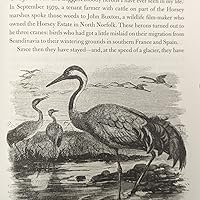
To me, Simon Barnes is a sports reporter and it has taken a while for me to get used to him also being a wildlife writer. I still think of him writing about football or cricket, but he has crafted a book here that is a delight to read for anyone interested in birds. He has a lifelong interest in birds and is passionately knowledgeable about them. He is also a talented writer.
But it is about more than birds. Barnes uses birds as a launching pad for a discussion about conservation. You can judge my feelings about birds and conservation by the fact that I was reduced to tears (yes, tears from a non-fiction book!) by the following passage:
"What would you do if you had a million pounds?"
Isabelle laughed. "I would buy an area of forest - I can show it to you-that would link up two areas of forest we already own. It is the best land, fronting onto the river, essential for wildlife. If we could secure that - well, it would be a dream."
A year later, we gave her that million quid, and she bought the land.
He is referring to a public appeal for funds that was publicised in the column he wrote for The Times and to which people responded magnificently. If you are interested in nature conservation, you will probably understand the importance of connecting corridors that join larger pieces of land and allow free movement of wildlife between those areas.
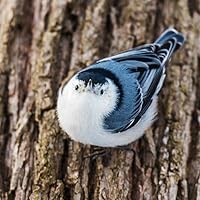
Many of us don’t have much connection with wildlife, but even those who live in city centres would struggle to go a day without seeing birds - they are perhaps our most immediate connection with nature. And even in city centres, if you keep your eyes open, you can see a lot more than sparrows and pigeons. A very large proportion of people have bird feeders in their gardens and often plant bushes and flowers specifically to attract birds. Where I live, just 5 minutes walk into open fields, birds are abundant and nearly all my neighbours have feeders out. People, in general, like birds.
Barnes’ love of birds shines through in this book and I would recommend it to anyone who is interested in any level of birdwatching.
Finally, one plea (please pass this on to anyone you possibly can) that has been a personal cause of mine for some time and which Barnes picks up on in this book. Please, please, please don’t feed bread to the ducks. It fills them up with no nutritional value and what they don’t eat rots in the water and contributes to pollution. Instead, take a bag of frozen peas out of the freezer - by the time you get to the ducks they (the peas, not the ducks) will have thawed enough to make a tasty, nutritious snack. Or oats, or corn. Just, please, please no bread (white bread is the worst).