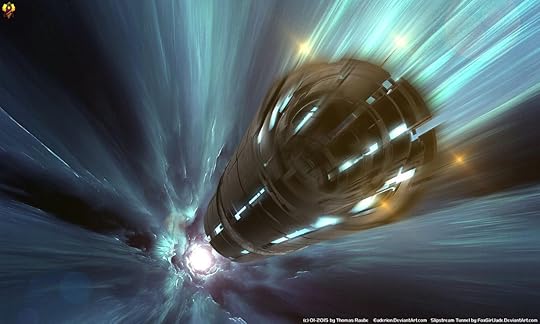
The climactic finale of the Great Schools of Dune Trilogy, set 10,000 years before Frank Herbert’s classic DUNE.
NAVIGATORS OF DUNE is a fascinating portal into vital components of the mesmerizing, intense universe of Dune.
Every DUNE fan knows of the Spacing Guild’s mysterious Navigators, the Bene Gesserit Sisterhood program to breed a superhuman, and the Mentats, trained as human computers to replace forbidden thinking machines. But until now, readers knew little of how they came to be.
Navigators, mutated by spice into beings far superior to normal humans, make space travel possible across the burgeoning Imperium. Their prescient awareness allows them to foresee safe paths through the universe as starship engines “fold” space. Only industrial magnate Josef Venport knows the secret of creating Navigators, and he intends to build a commercial empire to span the galaxy.
But at every turn Josef is embattled by the forces of anti-technology fanaticism, “Butlerian” zealots led by the charismatic and dangerous Manford Torondo, who wishes to countermand humanity’s new renaissance and drive the Imperium back into a dark age. And between those titanic forces stands the uncertain new Emperor Roderick Corrino, forced to take the throne after the assassination of his brother. The Navigators are the key to charting a glorious future for humanity . . . or the end of civilization.
Schools of Dune is the next step in the gradual evolution of the Dune universe. Where Legends of Dune chronicled the great war between humankind and the “thinking machines” while spotlighting the origins of so many of the classic elements of Frank Herbert’s science fiction classic, this trilogy goes even further, detailing the rise of the Bene Gesserite Sisterhood, the origins of the Mentats, the creation of the Spacing Guild, and the continued escalation in the Atreides/Harkonnen feud. All of which means that this is a book fans of Dune will find engrossing, entertaining, and a worthy addition to the sweeping Dune saga.
Shifting between numerous point of view characters, Brian Herbert and Kevin J. Anderson use this diverse cast to convey the epic, galaxy wide nature of this story, where three main factions are vying for control over the human Imperium, while still immersing readers in the individual journey of each participant. And, overall, Navigators of Dune succeeds in doing just that, weaving a wide web of political machinations and personal tragedies, which seamlessly fits into the grand Dune timeline.
On one side of the growing galactic chaos, there is the newly crowned Emperor Roderick Corrino, who finds himself thrust into an unenviable position of having his most important ally turned into an enemy. Directeur Josef Venport of the massively powerful Venport Holdings having been implicated in the assassination of Roderick’s predecessor upon the throne. The Emperor’s desire for vengeance warring with his wisdom, because he knows he needs the Navigators only Venport Holdings knows how to create in order to maintain stable interstellar commerce . . . and also because he has another enemy who might be even worse than Venport.
Roderick’s other enemy is the Bulterians. These religious fanatics having unleashed their righteous fury across the Imperium, demanding that all “evil” technology by purged from human society. Their leader Manford Toronado viewed by his crazed followers as the torchbearer for the long dead Saint Serena Butler, who led the holy crusade against the thinking machines a millennia ago. The Butlerians more than willing to riot, destroy, and use mob rule to force the powers that be to give in to their demands for Butlerian control and an inevitable return to the dark ages.
Mixed into the escalating struggle between Emperor, Venport Holdings, and the Butlerians are a host of characters, all very important and most very memorable. There is the unforgettable (and always creepy) living machine Erasmus, who first appeared in The Butlerian Jihad, continuing his quest to truly understand mankind. Draigo Roget, the leading Mentat alive, who adds and abets Erasmus in his activities. Valya Harkonnen is here, not only the current crazed Harkonnen set on vengeance against the vile Atreides, but also as the Mother Superior of the Bene Gesserit Sisterhood; her vision continuing this groups transformation into the witches all Dune fans love to hate. Vorian Atreides returns, still determined to end the growing feud between these families before he looses himself in the galaxy. Even Norma Cenva, first of the navigators and their patron goddess, reappears, though she has already begun to loose touch with reality. And these are just the most prominent members of the cast.
As a long time Dune fan, I knew I would enjoy Navigators, because, well, I generally enjoy anything Dune related. And while this book wasn’t perfect (I’ll get to my criticisms in a moment.) I felt it did an excellent job of progressing the saga, tying up loose plots, and biding farewell to old characters. Herbert and Anderson able to accomplish all these things while still providing me with enough political scheming, personal duels, emotional epiphanies, space battles, and monumental revelations to keep my attention glued to the pages. But, above all else, Navigators is a complete triumph because it is a mesmerizing return to the familiar, fascinating Dune universe Frank Herbert dazzled me with decades ago.
But there was something I did not enjoy about this narrative. Specifically, I am referring to Brian Herbert and Kevin J. Anderson’s constant need to reiterate the characters’ motives and purposes every time they reappeared in the story. Yes, characters would vanish from the narrative for several chapters before returning to the spotlight, but they were never gone long enough for me to forget how they felt or what they were attempting to accomplish. Honestly, there really wasn’t any need to continue to tell me why the Harkonnens hated the Atreides, or that Joseph Venport really wanted to work with, not against, Emperor Roderick, or that Manford Toronado truly believed destroying all technology was the right thing to do to save humankind. All these things were instantly in my mind as soon as I read a character’s name, because the authors had done such an excellent job explaining everything the first time around. So, instead of aiding my reading, the continued return to these issues began to feel like filler material and slowed down the momentum, as the plot raced to its cataclysmic ending.
As for whether you should read Navigators of Dune, I would loudly exclaim “Of course you should read this book!” However, I would encourage only followers of the Schools of Dune trilogy to do so now. Personally, I believe any new readers should begin their introduction to Frank Herbert’s Dune Saga by starting with the original books before picking up these prequel series. It isn’t that you won’t understand or enjoy Brian Herbert and Kevin J. Anderson’s additions to the classic scifi saga, but rather that all this historical background takes some of the brilliant moodiness and classic mystery from the story of Paul Atreides, the desert planet of Arrakis, the galactic Imperium with its creepy Bene Gesserits, mutated Navigators, and all-powerful Spacing Guild as well as the violent and seemingly eternal Atreides/Harkonnen feud. And nothing should ruin a reader’s first experience with the glory of Dune, because it really is a scifi classic.
I received an advanced reading copy of this book from the publisher in exchange for a fair and honest review. I’d like to thank them for allowing me to receive this review copy and inform everyone that the review you have read is my opinion alone.
Brian Herbert’s School’s of Dune trilogy concludes with Navigators of Dune, the best of the three and this trilogy is the best Dune writing since Frank stepped away from the typewriter.
Brian and writing partner Kevin J. Anderson first began the post Frank writing with the Prelude to Dune / Houses of Dune books that were good and provided some backstory to the generation preceding the original Dune. The journeyman writing was such a contrast from the rich literature of the master Frank Herbert that many readers left the expanded Dune universe there.
Next followed the Legend of Dune, going back 10,000 years to the cataclysmic years of the Butlerian Jihad and the beginnings of what would become our Dune universe. Still entertaining but with problems. Even less readers tuned in, the curious and the fanatic.
Then the Schools trilogy, and it was almost like there was a meeting, a huddle, a conclave – Brian and Kevin and maybe some editors, publishers, and mentors who harkened back to the best of Frank’s original work and also what worked best for their writing. The Sisterhood and the Mentats, books one and two, were clearly better than the other preceding books written by the disciples (even including Hunters and Sandworms – the books that completed Frank’s story).
Navigators completes this trilogy in epic scale. We have showdowns with the empire, Butlerians and Venpool. Norma Cenva, an intriguing character for the last five books, shines as a show stealer here as I knew she ultimately would. Valya Harkonnen is the master manipulator we knew she was and her ascendancy in the fledging Sisterhood (the precursor of the Bene Gesserit) is mesmerizing to read.
We are left, a hundred centuries early, with the bold beginnings of the Dune we know. Great writing and a great story continues. Now on the Caladan trilogy.
While nothing can compare to the original Dune masterpieces by Frank Herbert, I'm so happy that son Brian has taken up the mantle and continued the Dune Saga. I own and have read all 19 of the Dune books!! I love immersing myself in the Dune worlds, and hope this isn't the final book!!
As long as you continue to write these books Brian Herbert and Kevin J. Anderson, I'll continue to buy and read them!
Well, out of the three books in this somewhat promising pre-prequel sequel trilogy, this last one did manage to wrap up most of the dangling plot threads competently but I suppose I finally got over my previously managed expectations and now I'm wishing it had more oomph.
I mean, sure, as a tale on its own, without being a part of the bigger Dune universe, it probably would have been a pretty decent yarn, but it suffers from very real issues that make it butt heads against a real classic that's very much in the same category.
And that wouldn't be much of a problem, either, if it didn't insist on opening up issues about continuity and even worldbuilding.
Still, it satisfied a craving for more info on these Great Schools. In a way. And the plots were pretty fun while they lasted. But now that it's done, I do feel the need to fold it back in with the greater Dune universe and... the original still must come out on top. Alas.
Frank Herbert’s original Dune novel was a groundbreaking sensation of cataclysmic proportions, marrying science fiction, economics, philosophy, and religion. Its powerful novel and extensive worldbuilding captured imaginations for decades. Frank Herbert followed that novel up with five sequels, Dune Messiah, Children of Dune, God Emperor of Dune, Heretics of Dune, and Chapterhouse Dune. For many the first three novels, forming the trilogy, will never be matched.
After Frank Herbert’s death, his son, Brian Herbert, and science fiction writer Brian J. Anderson followed up the original series with at least fifteen (and more coming) primarily prequels (but also some novels that fill in gaps in time between the original books in the series). Legends of Dune comprises the Butlerian Jihad, the Machine Crusade, and the Battle of Corrin. Prelude to Dune comprises the Houses series, of the House Atreides, House Harkonnen, and House Corrino. The Caladan trilogy features the Duke of Caladan, the Lady of Caladan, and soon, the Heir of Caladan. Others include Paul of Dune, the Winds of Dune, the Sandworms of Dune, and Hunters of Dune. While purists will never find that any additions to the series match up to the original, these new novels have created their own expanded universe that is at once dense, complex, and fulfilling.
Then, there is the trilogy relevant here: Mentats of Dune, Sisterhood of Dune, and Navigators of Dune, which explores a universe thousands of years after the Battle of Corrin and thousands of years before the original Dune novel, but chronicles the formation of many of the powers that reigned and battled in the time of the original Dune novel. Navigators continues the story from Mentats of Dune and the characters all carry over from that novel. Therefore, it is recommended that one reads that first. Nevertheless, there are now so many Dune novels that a new reader might be at a loss for where to start, particularly after the original trilogy.
In Navigators, you learn the origins of the most fascinating grouping in the original novels and most mysterious: the navigators who live as blobs of flesh like octopuses in spice-filled tanks and can visit the entire universe. Barely even like human, the Spacing Guild has a monopoly on these beings whose mental journeys through space and time allow space travel across the imperium and without whom all of the universe would be confined to their little dust-moles of planets.
But it’s not so much an origins story as a story of the clashes of powers and interests, primarily here a three-way struggle between the Corrino Emperor, Joseph Venport and his technological marvels, and the Butlerian Jihad led by a leg-less man, Manfort, who has legions of crazed followers who want to destroy any thinking-machine technology, which is understandable after countless eons of the human race being subjugated by the thinking machines. It is a lopsided three-sided table that throughout the book leans first one way then the next.
The story is also about a struggle between technology and anti-technology forces and the two extremes. Counterbalanced against this endless war is what will it take for their to be peace in the imperium so that trade can progress and the human race can evolve and grow to the next level. We learn about different ways that evolution can take place and how unlike humans the melange-enhanced navigators become as well as how difficult it is for a thinking-machine to be human even if it looks like one.
Not only do we get these power struggles, but a continuation of the Hatfield and McCoys fued between the Atreides and the Harkonnens and the unlikely position of the Harkonnens at the top of the Bene Gesserit pyramid.
All in all, Navigators is a thoroughly-imagined expansion of the Dune universe, a compelling story, and a continuation of a universe that keeps filling up novel after novel.
"For every scientist who dedicates his life to helping humanity, there are ten thousand fools who are just as willing to destroy."
Indeed. This series is the embodiment of this statement through Manford Torondo who, finally, receives what he deserves. Fanatic religious people are the worst in every era or world, in reality or fiction.
Leaving the butlerians aside, there is much more to the book: the story continues for the three great schools, their masters and apprentices alike. We learn how the Guild was formed, what happened to the feud between Harkkonen and Atreides, and ends with a big question mark, at least for me.
It was a great read, there is plenty of fodder left for more books to be written, and I really wish to read further about what's in the spolier above, Vor, and Josef Venport's impressions on his .
But "The universe does not function on wishes."... Or is it?
Navigator's of Dune seems to be the final book in the Prequel series for Dune.
Navigator's was the likely the worst of the series for the Dune Prequels. But, even being the worst, it is still a three star book. Roderick Corrino is now the Emperor. He is at conflict with two forces for supreme power and authority. The first is Josef Venport and the second is Manfred Torondo. Venport is at war with the Emperor over his assassination of the previous Emperor, Salvador, Roderick's brother. He also controls Venport Holdings which controls the Navigators and, by extension, has a chokehold on space travel in the Empire. Torondo is the leader of the Butlerian Jihad forces. His conflict is based on not allowing any form of thinking machines to be in the Empire.There is also a secondary set of stories. The first centers around the foundation of the Bene Gesserit order. The second is the conflict between the Harkonens and the Atriedes.
While this may seem like the basis for some truly great storytelling. It is not bad, by any standards, but the ending seemed rushed. The end to some major plot lines seemed rather abrupt and the conflicts are neatly solved by the end. Too neatly. Almost as if "Oh Crap! This is the last book! Time to finish". There is a great story here. We find out the ending of Erasmus, the final cymek battle, the finish of the Butlerian Jihad, etc. While one may think that events of such import are the stuff of great stories- this book seemed to take major issues and then neatly solve them in one fell swoop. That takes away from the complexity of the Dune story. It does answer many of the questions readers may have-but it is not to the level of the other books.
This is still a great read, but do not expect it to be of the caliber of the previous novels. A good story and a fitting end to this saga. A shame they didn't put more into the ending. Still most Dune fans will enjoy this book.
I've never read a book with more repetition. Every motive was given, told, and reiterated to the point that it significantly detracted from an otherwise fine storyline. I'm usually a fan of the series and authors but for whatever reason they just spent so much more time rehashing than spinning a new tale.
Čista jedinica, a opet sam se dobro zabavio :) Kako to pomiriti? Jednostavno - obzirom sam veliki fan Dune universe scenografije ovakvi uradci služe isključivo kao kurbla, iskra, anlaser, okidač za moju maštu. Ova dvojica nesposobnjakovića nabace neku ideju ili scenu, a ostalo je moje :) Jedino tako se i može pročitati.
Inače kao i ostale dvije u tzv. "great schools" serijalu ni ova nema jaku vezu prema školi iz naslova, jednostavno radnja ide kroz sve tri pa razdijeljeno u 3 nastavka. Dinamični autorski duo je ovdje spao u pojedinim dijelovima na očajno niske grane, pojedini odlomci, radnje i podradnje kao da su doslovno izašle iz ruku devetogodišnje djece koja se igraju napolju i maksimalnim urlanjem pokušavaju izraziti svoje mišljenje. Iritantnost i glupost nekih likova, uključujući one bitne za opstanak i razvoj tog svemira, su jednostavno neshvatljive. Izgleda kao da je i Andersonovim ghost writerima (onima koji skidaju njegova lupetanja iz šetnji s diktafona) dozlogrdilo pa su prebacili posao svojoj osnovnoškolskoj djeci.
No ako bude još (a sigurno hoće dok god plaćaju neke račune s tim) ja ću opet pročitati, hehe.
Dakle isključivo i jedino za teške fanove, ostali obiđite i sačuvajte zdravlje.
This trilogy was very, very worth the time! If you have gotten to this point in the series, I don't have to repeat that no, this is not like the original books, and once you get over the need to compare it with Dune, this series can really stand on its own. I think I have said it before, but Brian and Kevin get better with every book they write together, and I think this trilogy was the best of their work so far, having been less restricted by the plot that follows in the far future. I loved the Butlerian Jihad and the effect it has on the Empire for millennia to come. The characters were easy to like or despise, and the action was in perfect balance with the machinations and power plays.
If you are a fan of the Sci-Fi/Fantasy genre, I would definitely give it a try 🙂👍
Honestly I had forgotten about this book that closes the Schools of Dune trilogy but as these books are easy to pick up and read to involve you once more in the Expanded Duniverse. At the beginning House Corrino, Emperors family, are in direct conflict with Venport who has an almost sole grip on the riches of Dune and navigators who can fold space. Venport killed the previous emperor who was way too much in league with the Butlerians, those who want a techfree universe after the dominion of the thinking machines so long. The Butlerians are a tad extreme which will become their downfall when they pick a fight with Venport and the way they do it becomes a thorn in the side of the Empire. It is a fairly balanced book that works its way to the end through the various parties and some endings I did not see coming and some plotlines were a bit much. The Butlerians reminded me a lot of the folks of Qanon who believe strongly but what they believe in makes little sense, but they are willing to push their agenda in the face of any opposition who has different believes, not unlike say the Inquisition. They are an annoying bunch indeed. This trilogy is actually very readable and does extend the Duniverse in a nice way and makes you wonder especially about the future of the Bene Gessirit which are left in a way no fan of Dune really likes. So I do hope that Herbert and Anderson will pick up that thread sooner than later.
A satisfying read which will be denied by the purists who only like Frank Herbert, and yes his books are amazing but sadly is no longer around and I prefer Duniverse to the SW and ST franchises, easily.
A good, but not great, book. It did clear up some of plot lines, but did not have as much about the Navigators as the title implies. There was a little too much repetition of things like why Erasmus "helped" Anna, who hates who and why, why this person had to die, etc. Norma Cenva was great, but I would have liked to have seen more of her and learned more about the Navigators.
Tiene todos los elementos que me gustan de Dune. Muy recomendado para aquellos fans de la Leyendas de Dune y es una buena introducción para entender a algunos personajes que aparecen en la serie Dune: Prophecy. Adicionalmente, conserva a dos personajes que tienen una muy buena historia en las leyendas.
I love the Dune series but this out of all the School books was the worst. It seemed rushed and flat feeling. Some parts didn't make sense if you had read the entire series. I really felt let down by this as this was a book I highly anticipated. Don't get me wrong I liked it but it could have been better.
This is certainly an epic, if tragic, ending to the trilogy. This story really is a cautionary tale about extremism. The Butlerian Jihad is about what happens when you allow unchecked technological growth. Sisterhood of Dune and Mentats of Dune is about what happens when you swing too far in the other direction and allow no progress of any kind and let fantasticism take control of the people. This book is about how to steer a middle ground and take society back to a stable format.
I loved the stories of Anna Corrino and Erasmus in this book, as well as the story of Vorian Atreides. I thought both stories were handled well, even if I would have preferred to see them end differently.
The political storyline about the Butlerians vs Venhold vs Emperor Corrino is certainly an exciting and high point of this series. It definitely cranks up to an eleven and we see a ton of action in this book, probably more action than the other books combined! And the story resolves in a logical manner.
There is really one subplot that I thought really should have been changed. This delves into spoilers for the ending.
Overall, I think this is a good ending to the trilogy, as it wraps up all of the important storylines and themes. However, I had minor issues here and there that I would have changed, mainly that its too sad and tragic an ending for the protagonists, particularly the ones we love the most. 8 out of 10!
A great finish to what I thought was a super solid trilogy. Honestly I don’t know what all the haters are complaining about, because this was an exciting story with some interesting characters that we got to follow pretty much from start to finish.
Of course the writing and the feel is different from the original Dune books, but who cares? I’m not a book snob and I enjoyed them.
I was hoping this was going to be less of a dumpster fire compared to the previous prequels, but my hope died a fiery agonizing death. The authors tell tell tell in very repetitive writing things you already know (such as: Venport thinks Torondo is a mad man and hates his guts; Roderick Corino is broken up by the death of his daughter and never wanted to be emperor; Valya Harkonen is consumed by absurd levels of hatred towards all Artreides, etc, etc, etc, etc). All interesting character developments happens off screen (Tulla feels remorse for killing Ori, but you only see her after she's undergone that internal transformation). Character development happens at faster-than-Holtzmann-engines-travel speed: Erasmus is bored by Anna Corinno in one scene and on the same day or a few days later is madly in love with her to the point where he practically commits suicide on Denali. Inconsistencies abound once again: Norma can fold space instantly, unless we need to have some tension in which case she needs time.
I could list a lot of problems with the bad writing, abysmal character development, but why bother? I realize Brian Herbert didn't know what to do with the rich, unique world his father had left behind. So his solution was to bring in cliches and already overly-used sci-fi elements such as telekinetic women, and evil AIs, which are as pleasant to observe in this world as a large patch of garbage floating over the Great Coral Reef. I'll do myself a favor and read the summary of the remaining prequels on Wikipedia, then I may read the final book (at 2x speed to limit my agony).
Honestly, can all the characters die already? I don't care for any of them and the only OK ones are Roderick and Norma, but even they're not interesting enough to make me care.
This book is a great conclusion to the series it ties up loose ends but in some regards is anticlimactic. I have enjoyed all the books in the Dune series This was something I started in high school in the late 70's by reading the original Dune by Frank Herbert. I was glad when the prequels were written, and finally, Navigators of Dune, the 19th book in the series. I gave it four stars because I enjoyed it a little less than the others, maybe I'm sorry this will most likely be the last one in the series. I would recommend that if you are new to Dune read them in chronological order to get the most out of the series. Start with Dune: The Butlerian Jihad
A good end to a trilogy that embodies the themes of the original series the best so far. Seeing the Bene Gesseritt, Mentats and Navigators come into being, how the political and social structure of the empire shifts in response to dogmatism and the lingering fears of the machine wars was pretty well done and good for further questions and thoughts post-read. There are times the anti-dogmatism nail is hit over and over again so hard that it comes across like preaching, but there is no greater threat to the universe Herbert created than unquestioned belief and self-righteousness. A good message in these days of the real world? Absolutely.
Im growing really tired of the Dune prequels. The writing is just getting lazy, the actions of protagonists make no sense whatsoever. Every mistake is highly predictable and avoidable. The universe depicted does not seem balanced at all and the scale also doesn't make sense, sometimes we are told there are thousands of worlds, sometimes everything hangs on whats happening in some underdevelopped town. And the Atreides/Harkonnen feud is just not credible.
Probably my last Herbert/Anderson Dune book
This entire review has been hidden because of spoilers.
Browsing our local library, I came across this book and thought, I really like the Dune series, wonder if it would be any good? Holy Smokes! Frank would roll over and die if he read any of this mindless drivel. The characters are beyond shallow and the plot is design to go on, ad nauseam.
First things first: this is a third book in a trilogy following Sisterhood of Dune and Mentats of Dune, so don't read it thinking it's a standalone book about the Guild Navigators. In fact, the whole trilogy is called "Schools of Dune," and each book discusses the Navigators, the Sisterhood, and the Mentats. The naming conventions are a bit misleading (maybe for marketing reasons?), since this is a trilogy that's focused as much on imperial/great house intrigue as it is on the formation of the schools. Vorian Atreides is a major character, for reasons there were never clear to me (maybe to please fans of the previous prequels?). I skimmed the Vor chapters, and I feel like I could've entirely skipped them without missing anything.
Second things second: this is a "McDune" book; that is, one of the latter day Dune books written by Frank Herbert's son, Brian, and Kevin J. Anderson. Even people who like the McDune books have to admit they're pretty different than Frank Herbert's originals, and most people (including me) think they're a much lower in quality, especially in terms of characterization, writing style, and philosophical depth. But as I noted in my reviews of other McDune books, sometimes McDonald's (or Taco Bell, in my case) hits the spot even though you know it's not good. Likewise, the Dune setting itself is so interesting that even a bad book in the Dune universe is interesting enough to hit the spot if you're jonesing for some Dune.
I picked these up because I've always loved the idea in Dune of remaking humanity and pushing the boundaries of what humans can be, an idea developed most clearly by the Bene Gesserit (especially in the later Frank Herbert books), the Mentats, and the Guild Navigators. Prequels focused on these schools sounded to me like they might be interesting.
But, being McDune books, I don't feel like I got much of the philosophical background of the schools and their formation, or much of a sense of the characters who created them. The characters' motivations were largely static (and endlessly repeated), but aside from the fact that (spoiler!) the robot Erasmus was integral to the founding of the Mentats, the Sisterhood had a rift at its founding, and Norma Cenva (the first Navigator) was really cool, I don't feel like I actually learned as much about the schools themselves as I learned about the political intrigue surrounding them.
A lot of reviewers criticize the characterization in the McDune books, and for good reason. Every character is basically just a motivation that exists solely to conflict with other characters/motivations. The most mysterious and most interesting character, Norma Cenva, could have been fleshed out a lot more, but instead she's basically reduced to "wants to make the universe safe for her Navigators" although she isn't quite as obvious about her motivation as everyone else.
The worst example of this tendency was Manford, the leader of the Butlerians. I almost had to stop reading his chapters. Sure, he's a religious zealot, but zealots don't have to be two dimensional. It just got old after awhile. Other annoying characters: Anna Corrino and the robot Erasmus have a super abusive relationship that was equal parts dumb and uncomfortable. The Mother Superior of the Bene Gesserit is a Harkonnen still playing great house politics from her new position, which as a fan of the Bene Gesserit, annoyed me to no end as if she can't have loyalty to the Sisterhood. In fact, the way the Sisterhood is portrayed in this book irked me a lot, maybe because I recently read the last couple Frank Herbert books where the Bene Gesserit take center stage. Frank Herbert played up the misogyny of people's reactions to the Sisterhood, but he was doing something interesting with that, whereas the McDune angle almost feels like we're encouraged to have the misogynist reaction to them.
And of course the writing style is basic to groan-worthy, nowhere near as interesting as Herbert's style. Frank Herbert was trying to say something and do something as an artist, but it's hard not to feel sometimes like the McDune books are lowest common denominator cash grabs. Even the epigraphs are shallow and always directly relevant to the chapter at hand rather than Frank's use of them as world building or philosophical asides.
It might sound so far like I hated this book, but that's not true. If you can overlook the weaknesses, there's stuff to like. As much as I bemoan the authors' skills and economic incentive, it is obvious they have a lot of love for the universe and that it takes a lot of work to keep everything roughly consistent with Frank Herbert's basic ideas (even if they fumble in their execution). I enjoyed reading about how each school formed, the political intrigue and space battles were usually pretty exciting, and I actually really liked the way it wrapped up the political story in the founding of the Guild. I might go on from here to read Hunters of Dune, having recently re-read the original series.
The Dune universe is strange in that I love it, but I wouldn't want to live there, what with all the monarchic power structures, mass death, and extreme seriousness all the time (all of this is somewhat challenged in the last couple Dune books, especially Chapterhouse, which is why I love it). I wouldn't want to live there, but I love visiting the Dune universe. And for all their many faults, the McDune books allow me to visit that universe again. Like McDonald's itself, they're not that great, but sometimes they hit the spot.
Author's Brain Herbert & Kevin J. Anderson bring us the last book in the Schools of Dune Trilogy. Picking up after the events of Mentats of Dune, Venport has been held up at his companies main planet but the events of both his and Manfords war has caused the new Emperor to force the war to an end. Manford has used forbidden atmics on Venports main company planet. That has caused them to up their production of Cymeks to take on the Butlerian's for a second time though this time with the permission from the Emperor. As this is going on both House Atredies and House Harkonnen have taken their vendetta to Corrin where the end of the war with the machine Empire ended. Several things are happening all at once with the end of Emeris and Roddrick Corrino's sister Anna dying in each other's arms. The war ending in ways that I will not get into. This book is a great prequel to Dune and I'm looking forward to the next six prequel novels beginning with House Atredies. And you'll want to read how the first Navigator deals with the Corrino Emperor and creates the Spacing Guild. I highly recommend this book to all Dune and science fiction fans.
Though perhaps not free of repetitious plot-loops, it serves to close most threads of a relative short period which will result in some of the major forces that would continue to resound for eons in the future. There were some dramatic moments, which made me smile in dramatic fashion, while others been painful as required in order to fulfill the inevitable future {I do think there may have been suitable alternatives}. In addition some open outcomes neglected and \ or strategies which were not explored. Nonetheless it was a rather thrilling read following the surprising ending of the previous one.
If you don’t like being made to think don’t read this. It leaves too much to be desired and made no sense for what it was supposed to set up (along with the two books that came before it). The following will be more a review of why I think the books failed to do what they set out to do.
Spoilers beyond this point.
Herbert and Anderson wrote this and the books before it like a fan-fiction, which is to say they wrote it like a money grab.
There is so much plot armor on characters to lead to a specific ending as written. It makes no attempt to set the stage for the next 10,000 years of in-universe time.
The books take place over about three years, but that is far too little time to set up the three “schools”. I believe these books should have taken place over the span of decades.
The authors could have set up the sisterhood to lead to the split of the Bene Gesserit into the Honored Matres by keeping Valya and Dorotea both alive, leading their own factions and melding the Sisterhood into what we saw in the Frank Herber novels.
The Mentat school should have been built up during the course of the second book and Drago Roget should have been the successor to Gilbertus Albans in the third. I don’t understand how it continued after the razing of Empoch.
Roderick should have been the one to assassinate his brother to take the throne. He should have been written to play VenHold against the Butlerians, who should have been a much larger threat than they were. There most definitely should have been a greater loss if life over the course of these books at the hands of the Butlerians, and a great series of battles with VenHold battling them along side a weak imperium.
VenHold then should have been imperialized after the civil war, and split into the Spacing Guild and what would in the end become CHOAM because VenHold was so weakened after the long civil war.
On top of all this, Vorian Atreides should have returned to Caladan and set up a life there instead if Kepler. The feud between Atreides and Harkonnen should have been written as a series of misunderstandings, accidents, and misreadings of history. The fued should have started because Vorian cleared Xavier Harkonnen in the Jihad series. In clearing Xavier and in saving Abulurd from execution the Emperor and Vorian should habe forbade Abulurd to use the name Harkonnen as it would taint Xavier’s redemption. Which then would set up Abulurd defying the order and being bitter because both the Emperor and Vorian forbid his use of the name he was so proud of.
That would have made more sense then three generations of Harkonnens that were bitter as hell for very little reason. The history of Abulurd’s fall from grace would be well documented and there would be little denial on Valya’s part that Abulurd was the cause of his own downfall.
The fact that Vorian prevented his execution would then make sense in that the shame of the these Harkonnens would be Vorian’s fault. It and Vorian’s infusion of capital in the Lankiveil Harkonnens would then set up their return from shame over the next several thousand years.
I don’t know, this book and the one before it are garbage. They’re children’s stories, not complex by any means.
Also humanizing Erasmus was like trying to humanize a genocidal dictator. It was dumb and these authors should be ashamed.
I also don’t understand half the decisions by the characters in this book (and the other two). They’re all incredibly stupid decisions. Oh well.
This entire review has been hidden because of spoilers.
In the expansive and richly layered universe of Dune, Navigators of Dune serves as the final book in the Great Schools of Dune trilogy, by Brian Herbert and Kevin J. Anderson. This novel delves into the origins of some of the most powerful and enigmatic institutions within the Dune saga, offering readers a glimpse into the complex forces that will shape the universe for millennia to come. As always, I suggest new readers begin with The Butlerian Jihad to appreciate the full depth of the prequel series and its impact on the main Dune storyline.
Navigators of Dune takes readers into a universe poised on the edge of transformation. The novel focuses on the rise of the Spacing Guild, the mysterious organization that controls space travel through their navigators—individuals whose ability to fold space relies on their consumption of the spice. As the political, economic, and technological foundations of the Imperium begin to solidify, the Spacing Guild, alongside the Bene Gesserit and the Mentats, emerges as one of the most influential powers in the galaxy.
Navigators of Dune like most Dune books is a case study in ambition, control, and the lengths to which individuals and institutions will go to secure power. The novel explains the origins of the Guild's navigators and the sacrifices they make to attain their near-supernatural abilities. The themes of transformation, dependence on spice, and the consequences of technological progress are central to the narrative, raising thought-provoking questions about the cost of progress and the price of power. The story also reflects the inherent dangers of monopolies and unchecked control over vital resources, mirroring the broader dynamics of the Dune universe.
Herbert and Anderson’s world-building remains a highlight of the novel, with vivid descriptions of planetary landscapes, the complexities of interstellar trade, and the political intricacies of the Imperium. The transformation of human beings into navigators through the saturation of spice creates a fascinating and eerie depiction of the extremes individuals will go to in order to gain power. The novel paints a vivid picture of the technological and biological evolution that will later define the Guild’s dominance in space travel.
Navigators of Dune is a thought-provoking and intricate addition to the Dune prequel saga, offering readers a detailed look into the origins of some of the most influential institutions in the series. For those interested in background of the Dune Universe it's a great read. It gives a backdrop you won't get another way.
I got that thrill at the beginning, that feeling after reading so many books in this series back and forth in history, that now I'm reading about real history, that feeling of, "oh, that's what happened that made such and such the result, that makes sense!" Well of course it makes sense, the authors reverse engineered everything from the books that Frank Herbert wrote or the ones that they wrote themselves. But usually it all holds together so well that it does feel real, and that's what has me still reading after all of this time, even when the novels are sometimes uneven in quality. I really enjoy seeing how they fit all of the puzzle pieces together into a mostly seamless whole. Except this time the uneven quality issue became overwhelming. I’m sure I’ve read around twenty books in this series by now, and this is the first one I had to DNF. I was just too bored, too uninterested in anything that was going on with those characters who I couldn’t have cared less about to continue when I had a huge pile of books waiting to be read that I really wanted to get to.