

What do you think?

Ο κύριος Βίλενμπροκ
Ο Μπερντ Βίλεντμπροκ ζει την καλύτερη περίοδο της ζωής του· πρώην μηχανολόγος - μηχανικός σε μια εταιρεία της Ανατολικής Γερμανίας, τώρα, στα τέλη της δεκαετίας του '90, είναι ιδιοκτήτης μιας ανθηρής επιχείρησης εμπορίας μεταχειρισμένων αυτοκινήτων. Αλλά και στην προσωπική του ζωή τα πράγματα φαίνεται να κυλούν ιδανικά: ο γάμος του λειτουργεί, η σύζυγός του είναι ικανοποιημένη με την μπουτίκ που διαχειρίζεται, και δεν έχει την παραμικρή υποψία για τις ευκαιριακές συναντήσεις του Βίλενμπροκ με γοητευτικές πελάτισσες. Όμως, σταδιακά, στην αρχή ανεπαίσθητα, έπειτα όλο και με μεγαλύτερη σαφήνεια, αρχίζουν να τρίζουν όλα τα στηρίγματα της τακτοποιημένης του ζωής: πρώτα μια κλοπή, στη συνέχεια μια ληστεία και μια απόπειρα δολοφονίας, κι αμέσως πίσω από τη φαινομενική τάξη θα γίνει ορατή μια ζούγκλα, στην οποία ο μόνος ισχύων νόμος είναι το σύνθημα: βοήθησε τον εαυτό σου!
- GenresGerman LiteratureFiction
300 pages, Paperback
First published January 1, 2000
About the author
Christoph Hein
111 books69 followersChristoph Hein is a German author and translator.
Growing up in Bad Düben near Leipzig as a clergyman's son and thus not allowed to attend the Erweiterte Oberschule in the communist East, he received secondary education at a gymnasium in the western part of Berlin. After jobbing as an assembler, bookseller and assistant director, he studied philosophy. Upon graduation he became dramatic adviser at the Volksbühne in Berlin, where he worked as a resident writer from 1974. Since 1979, he has worked as a freelance writer, becoming known for his 1982 novella Der fremde Freund (The Distant Lover).
Growing up in Bad Düben near Leipzig as a clergyman's son and thus not allowed to attend the Erweiterte Oberschule in the communist East, he received secondary education at a gymnasium in the western part of Berlin. After jobbing as an assembler, bookseller and assistant director, he studied philosophy. Upon graduation he became dramatic adviser at the Volksbühne in Berlin, where he worked as a resident writer from 1974. Since 1979, he has worked as a freelance writer, becoming known for his 1982 novella Der fremde Freund (The Distant Lover).
Ratings & Reviews
Friends & Following
Create a free account to discover what your friends think of this book!
Community Reviews
Displaying 1 - 10 of 10 reviews

November 10, 2020
TI SENTI DAVVERO AL SICURO?

Il manifesto del film omonimo del 2005 diretto da Andreas Dresen.
La Germania si riunifica nel 1991, Est e Ovest tornano a fare una cosa sola: ma Christoph Hein ci dice che è così più di nome che di fatto, più nelle intenzioni, e speranze, che nella realtà. Anche dieci anni dopo.
Dieci anni dopo l’unificazione è uscito il romanzo che è ambientato nell’ultimo decennio del secondo millennio. A Berlino.
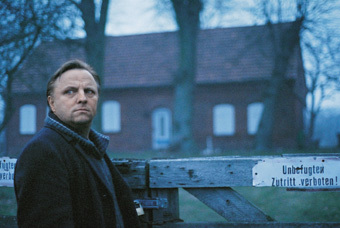
Axel Prahl è Willenbrock.
Willenbrock, che ritengo volutamente suona tanto come Buddenbrook, ha un autosalone alle porte della capitale tedesca, ma viene dalla DDR dove era un ingegnere: con l’unificazione, il dissolvimento della sua vecchia patria assorbita da quella nuova, Bernd Willenbrock ha dovuto riciclarsi. E ci è riuscito: gli affari vanno bene, è sposato con bella moglie occidentale, proprietario perfino di una casa in campagna oltre quella in città, socio di un club sportivo, ha l’amante. Ha raggiunto la perfetta solidità borghese.
Ed è riuscito a farlo col e nel rispetto dei suoi collaboratori, cominciando dal fedele meccanico polacco, Jurek.
Anche i suoi clienti vengono da quella parte d’Europa, la “mezza Varsavia” che si trova di fronte quando apre i cancelli la mattina è espressione bonariamente dispregiativa: le sue auto sono alla portata di quei clienti, adatte a quel mercato che vive principalmente di usato e seconda (ma anche terza) mano.
È così che Willenbrock si è costruito solidità economica. E lui non è certo tipo da sputare sul piatto in cui mangia.
L’emigrazione dall’est, il crollo dell’Unione Sovietica, la nuova Europa: è questa la grande storia rispetto alla quale accade la ‘piccola’ storia di Willenbrock. Infatti, nel classico stile Hein, anche qui si racconta la Storia attraverso quella dei singoli, mettendo in relazione una vicenda personale, una piccola storia collocata all’interno della grande storia.
Le cose cambiano quando cominciano i primi furti. Accompagnati da scasso e violenza. Sono giovani, sono slavi, sono allo sbando: la Storia si sta facendo anche sulla loro pelle.
Il tema della sicurezza diventa la spia del cambio di stato: il regime sovietica garantiva quel genere di sicurezza, la società capitalistica invece affida al singolo il compito di proteggersi. La polizia è inerme, una perdita di tempo. Si limita a espellere i colpevoli. A Willenbrock non resta che difendersi da solo.
Ma, attenzione, siamo bel lungi dall’epica alla giustiziere della notte. Siamo lontanissimi dall’epica: per Hein è l’occasione di una riflessione sociale e psicologica. Anche perché il nostro non è tenero né con il vecchio Est né con quello nuovo nato dalle sue ceneri.

Willenbrock si arma attraverso un conoscente, Krylow, un russo ex funzionario dello dissolto regime, che ora traffica in armi, e come tutti i trasformisti, naviga alla grande anche nel presente. Un losco ceffo, perennemente scortato da una squadra di picchiatori guardie del corpo, che racconta la deriva russa verso mafia destra e fascismo. Krylow la traduce in parole chiare:
A me va da dio. Basta che non pensi a come quelle canaglie hanno ridotto la Russia. Era un paese fiero, adesso è una rovina politica. Vede, io sono un russo. Non un europeo, solo un russo con quei gusti ridicoli e quella barbarie emotiva che già Puschkin lamentava. L’orgoglio fiaccato della mia patria mi colpisce dentro. Per noi russi è come il trattato di Versailles per voi tedeschi. E adesso aspettiamo il nostro Hitler, perché ce la cancelli la nostra Versailles.
Anche se il verdetto di Hein è negativo - la nuova Europa sembra fatta più che altro di degenerazione politica, criminalità e corruzione – non c’è la minima traccia di nostalgia. E non potrebbe esserci: perché proprio Hein, di sicura fede progressista, ha saputo raccontarci il gelido squallore della vecchia DDR. E anche l’ovest che ha “accolto” ha luci e ombre inquietanti: a Berlino si vive blindati in mezzo a giardini ben curati: la sicurezza è possedere un revolver, come finisce per fare Willenbrock, una pistola con la quale trastullarsi prima di cena:
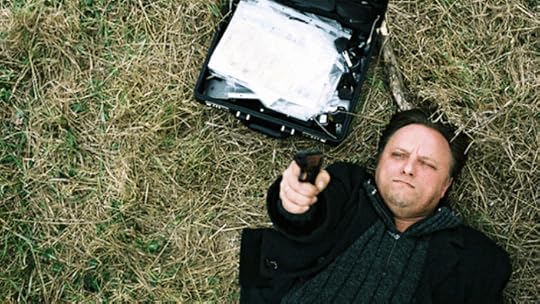
Tolse la sicura all’arma scarica e schiacciò il grilletto, si sentì un secco scatto metallico. Con le dita accarezzò il metallo scintillante, adesso era sollevato all’idea di possederla. Lo divertiva possedere una vera pistola.
Inquietante immagine domestica che segnala cosa si agita dietro le “lustre facciate della nuova capitale tedesca”.

Il manifesto del film omonimo del 2005 diretto da Andreas Dresen.
La Germania si riunifica nel 1991, Est e Ovest tornano a fare una cosa sola: ma Christoph Hein ci dice che è così più di nome che di fatto, più nelle intenzioni, e speranze, che nella realtà. Anche dieci anni dopo.
Dieci anni dopo l’unificazione è uscito il romanzo che è ambientato nell’ultimo decennio del secondo millennio. A Berlino.
Axel Prahl è Willenbrock.
Willenbrock, che ritengo volutamente suona tanto come Buddenbrook, ha un autosalone alle porte della capitale tedesca, ma viene dalla DDR dove era un ingegnere: con l’unificazione, il dissolvimento della sua vecchia patria assorbita da quella nuova, Bernd Willenbrock ha dovuto riciclarsi. E ci è riuscito: gli affari vanno bene, è sposato con bella moglie occidentale, proprietario perfino di una casa in campagna oltre quella in città, socio di un club sportivo, ha l’amante. Ha raggiunto la perfetta solidità borghese.
Ed è riuscito a farlo col e nel rispetto dei suoi collaboratori, cominciando dal fedele meccanico polacco, Jurek.
Anche i suoi clienti vengono da quella parte d’Europa, la “mezza Varsavia” che si trova di fronte quando apre i cancelli la mattina è espressione bonariamente dispregiativa: le sue auto sono alla portata di quei clienti, adatte a quel mercato che vive principalmente di usato e seconda (ma anche terza) mano.
È così che Willenbrock si è costruito solidità economica. E lui non è certo tipo da sputare sul piatto in cui mangia.
L’emigrazione dall’est, il crollo dell’Unione Sovietica, la nuova Europa: è questa la grande storia rispetto alla quale accade la ‘piccola’ storia di Willenbrock. Infatti, nel classico stile Hein, anche qui si racconta la Storia attraverso quella dei singoli, mettendo in relazione una vicenda personale, una piccola storia collocata all’interno della grande storia.
Le cose cambiano quando cominciano i primi furti. Accompagnati da scasso e violenza. Sono giovani, sono slavi, sono allo sbando: la Storia si sta facendo anche sulla loro pelle.
Il tema della sicurezza diventa la spia del cambio di stato: il regime sovietica garantiva quel genere di sicurezza, la società capitalistica invece affida al singolo il compito di proteggersi. La polizia è inerme, una perdita di tempo. Si limita a espellere i colpevoli. A Willenbrock non resta che difendersi da solo.
Ma, attenzione, siamo bel lungi dall’epica alla giustiziere della notte. Siamo lontanissimi dall’epica: per Hein è l’occasione di una riflessione sociale e psicologica. Anche perché il nostro non è tenero né con il vecchio Est né con quello nuovo nato dalle sue ceneri.
Willenbrock si arma attraverso un conoscente, Krylow, un russo ex funzionario dello dissolto regime, che ora traffica in armi, e come tutti i trasformisti, naviga alla grande anche nel presente. Un losco ceffo, perennemente scortato da una squadra di picchiatori guardie del corpo, che racconta la deriva russa verso mafia destra e fascismo. Krylow la traduce in parole chiare:
A me va da dio. Basta che non pensi a come quelle canaglie hanno ridotto la Russia. Era un paese fiero, adesso è una rovina politica. Vede, io sono un russo. Non un europeo, solo un russo con quei gusti ridicoli e quella barbarie emotiva che già Puschkin lamentava. L’orgoglio fiaccato della mia patria mi colpisce dentro. Per noi russi è come il trattato di Versailles per voi tedeschi. E adesso aspettiamo il nostro Hitler, perché ce la cancelli la nostra Versailles.
Anche se il verdetto di Hein è negativo - la nuova Europa sembra fatta più che altro di degenerazione politica, criminalità e corruzione – non c’è la minima traccia di nostalgia. E non potrebbe esserci: perché proprio Hein, di sicura fede progressista, ha saputo raccontarci il gelido squallore della vecchia DDR. E anche l’ovest che ha “accolto” ha luci e ombre inquietanti: a Berlino si vive blindati in mezzo a giardini ben curati: la sicurezza è possedere un revolver, come finisce per fare Willenbrock, una pistola con la quale trastullarsi prima di cena:
Tolse la sicura all’arma scarica e schiacciò il grilletto, si sentì un secco scatto metallico. Con le dita accarezzò il metallo scintillante, adesso era sollevato all’idea di possederla. Lo divertiva possedere una vera pistola.
Inquietante immagine domestica che segnala cosa si agita dietro le “lustre facciate della nuova capitale tedesca”.

May 2, 2025
Is this great literature? Probably not, for that the book lacks a certain layering. Still, this is a novel described with pace and a lot of love for its characters. The title hero is initially extremely successful both professionally (his car dealership is flourishing) and personally , but gradually cracks appear. He cannot cope with the rising violence in post-communist society and the GDR past also haunts him. The authorities are no great help in ensuring his safety and so a gun comes his way. Readers of Chekhov know what this means: when a gun appears in a work of fiction, it must later go off. Which it does.

August 3, 2020
Willenbrock. Eigentlich jemand mit einem „normalen“ Leben, dem eben auch Dinge dieser Zeit widerfahren. Jobverlust mit der Wende, später Herausfinden, dass er an die Stasi verraten wurde, Einbruch ...

July 25, 2023
Не дослушала книгу, бросила после 76 процентов. Не знаю, в чём дело: вроде бы и событий масса, и криминал присутствует, и ни то русская диаспора, ни то мафия. А всё равно роман скучный и неинтересный.

August 14, 2021
Love this book!!
April 12, 2026
So war das Nachwendeberlin. Liest sich sehr gut und sehr schnell und ist spannend bis zum Schluss.

October 5, 2016
Συμπαθητικό θα το χαρακτήριζα ειδικά εάν κάποιος ενδιαφέρεται για τον γερμανικό τρόπο ζωής. Απόλαυσα το κεφάλαιο που αφορούσε την εκδήλωση στην μπουτίκ. Όμως το ημερολογιακό στυλ αφήγησης αφαίρεσε πολλά από το ύφος και από την ουσία των πραγμάτων που ήθελε να επισημάνει ο συγγραφέας

December 14, 2009
I read Hein in translation, though I feel like I know he is a beautiful writer. A simple story of a man who has come to grips with the end of communism in East Germany by welcoming and succeeding from capitalism. While an incorrigible capitalist, he - like the rest of the country, no doubt - has to deal with the side effects of the rough transition, i.e. crime, the lack of a safety net, etc. This review doesn't do the book justice - it is elegant in voice and wry in its humor.

April 20, 2012
The book moves along at a comfortable pace. The characters are developed and the author does a good job of describing the things going on in the Willenbrock's head.
To summarize this book in one sentence, it is the wear and tear on Herr Willenbrock's psyche. That's not the most exciting material, but this is a good book.
To summarize this book in one sentence, it is the wear and tear on Herr Willenbrock's psyche. That's not the most exciting material, but this is a good book.

Want to Read
October 27, 2016In meinem Regal befindet sich die geb. Suhrkamp Ausgabe von 2000
Displaying 1 - 10 of 10 reviews