

What do you think?

鄂圖曼帝國的殞落:第一次世界大戰在中東
今日世界樣貌,起於何時?
中東史研究權威學者
完整還原一段重要但鮮為人知的一戰歷史
◎作者曾榮獲美國中東研究學會亞伯特‧胡拉尼獎(本獎項為獎勵優秀的中東研究學者)
◎經濟學人2015年度選書
◎每日電訊報2015年度選書
◎紐約時報書評2015年編輯選書
◎美國亞馬遜200人五顆星好評
◎英國亞馬遜土耳其史銷售第一名
◎成大歷史系林長寬副教授專文導讀
中東為何戰爭頻仍?
鄂圖曼帝國崩解後,今日中東世界從何誕生?
各國對穆斯林聖戰的恐懼,如何影響世界局勢?
一百年前,位居歐亞非交界的鄂圖曼是個衰弱的大帝國,既面臨英法德俄各國的覬覦,多種族、多宗教的結構也使得帝國內部紛爭不斷。廣大領土且與多國為鄰,使得她在一戰中戰火四起。原以為是個會被輕易打敗的舊帝國,無人料想得到,她的參戰反倒使一戰無限期延長,讓歐洲戰爭搖身一變成為一場世界大戰,當「西線無戰事」時,東線戰局正如火如荼的展開……
一戰期間,鄂圖曼帝國與德國號召全世界穆斯林發起「聖戰」,當時英法等國擔心會激起殖民地的反抗力量,雖然事實證明多數的穆斯林未響應聖戰的號召。一百年後的今日,西方各國仍舊無法擺脫聖戰的陰影。正如九一一事件之後的「反恐戰爭」,各國決策者對聖戰的看法,依舊使人聯想起一戰時期策戰者的恐懼。
本書採用大量阿拉伯、土耳其第一手史料,透過大量信件、日記、報導等,建構出一個完整的歷史片段,有底層士兵的聲音、有決策者的外交布局、有世代積累的民族糾葛、有亞美尼亞人的悲劇,我們看見英法等國為了對抗聖戰的號召,如何激起阿拉伯主義者的行動,戰勝國的「分贓」與交易,又如何埋下今日中東火藥庫的引信。本書從細節到宏觀,讀者可以清楚看到,各種決策如何匯聚,如何將歷史導向某個方向,促使一個大帝國走向滅亡,也使得世界變成今日的樣貌。
中東史研究權威學者
完整還原一段重要但鮮為人知的一戰歷史
◎作者曾榮獲美國中東研究學會亞伯特‧胡拉尼獎(本獎項為獎勵優秀的中東研究學者)
◎經濟學人2015年度選書
◎每日電訊報2015年度選書
◎紐約時報書評2015年編輯選書
◎美國亞馬遜200人五顆星好評
◎英國亞馬遜土耳其史銷售第一名
◎成大歷史系林長寬副教授專文導讀
中東為何戰爭頻仍?
鄂圖曼帝國崩解後,今日中東世界從何誕生?
各國對穆斯林聖戰的恐懼,如何影響世界局勢?
一百年前,位居歐亞非交界的鄂圖曼是個衰弱的大帝國,既面臨英法德俄各國的覬覦,多種族、多宗教的結構也使得帝國內部紛爭不斷。廣大領土且與多國為鄰,使得她在一戰中戰火四起。原以為是個會被輕易打敗的舊帝國,無人料想得到,她的參戰反倒使一戰無限期延長,讓歐洲戰爭搖身一變成為一場世界大戰,當「西線無戰事」時,東線戰局正如火如荼的展開……
一戰期間,鄂圖曼帝國與德國號召全世界穆斯林發起「聖戰」,當時英法等國擔心會激起殖民地的反抗力量,雖然事實證明多數的穆斯林未響應聖戰的號召。一百年後的今日,西方各國仍舊無法擺脫聖戰的陰影。正如九一一事件之後的「反恐戰爭」,各國決策者對聖戰的看法,依舊使人聯想起一戰時期策戰者的恐懼。
本書採用大量阿拉伯、土耳其第一手史料,透過大量信件、日記、報導等,建構出一個完整的歷史片段,有底層士兵的聲音、有決策者的外交布局、有世代積累的民族糾葛、有亞美尼亞人的悲劇,我們看見英法等國為了對抗聖戰的號召,如何激起阿拉伯主義者的行動,戰勝國的「分贓」與交易,又如何埋下今日中東火藥庫的引信。本書從細節到宏觀,讀者可以清楚看到,各種決策如何匯聚,如何將歷史導向某個方向,促使一個大帝國走向滅亡,也使得世界變成今日的樣貌。
616 pages, Paperback
First published March 10, 2015
About the author
Eugene Rogan
22 books405 followersEugene Rogan is Director of the Middle East Centre at St Antony’s College, University of Oxford. He took his B.A. in economics from Columbia, and his M.A. and PhD in Middle Eastern history from Harvard. He taught at Boston College and Sarah Lawrence College before taking up his post in Oxford in 1991, where he teaches the modern history of the Middle East.
Ratings & Reviews
Friends & Following
Create a free account to discover what your friends think of this book!
Community Reviews
Displaying 1 - 30 of 559 reviews

July 26, 2016
When ever World War 1 is discussed, it is usually in a 'Western' context. What most people ignore or overlook, is that the impact of the 'Great War' on Middle East, was absolutely catastrophic. It literally shaped the modern middle east, and all the fault lines and regional conflicts that came to the fore after War War 2 are directly linked to War War 1 and the fall of Ottoman Empire.
The Ottoman Empire was founded by Osman 1 in 1299. Starting from 14th century, the Ottomans ruled a vast areas and conquered parts of Europe and Africa, and due to their uncontested claim to Caliphate, the Sultan of Ottoman Empire became the Spiritual leader of Muslims around the world. During the 16th and 17th centuries, in particular at the height of its power under the reign of Suleiman the Magnificent, the Ottoman Empire was a multinational, multilingual empire controlling much of Southeast Europe, Western Asia, the Caucasus, North Africa, and the Horn of Africa. But then things started getting awry, Ottomans never won a war after 18th century and by 1876 the Ottomans had lost large chunks of its Empire, most importantly Egypt. After 30 years of relative stability under Sultan Abdul Hameed , the Young Turk Revolution occurred in 1908, overthrowing the old regime and making radical amendments to the system of government. The young turks were the protagonists of the Ottoman establishment now, Enver, Jamal and Talhat, the famous trio ruled with an iron fist and focused less on policies and more on heroics.
And then, Europe went to war. Apprehensive of Russian claims on Ottoman lands, the Young Turks sided with Germany after much deliberation. Their first attack on Caucasus front proved to be a catastrophe, killing thousands of soldiers due to Enver Pasha's fatal heroism. The British war planers, Kitchener and Churchill mainly, advocated an attack on Dardanelles to conquer the Ottoman Capital of Istanbul. And there began one of the bloodiest episodes in modern warfare, The Gallipoli Campaign. What the British expected would be a quick victory, became a trench war, and ended up killing 44,000 Entente soldiers, and almost 85,000 Ottoman soldiers. The heavy losses and hostile plain forced the British to retreat, and the Hero of Gallipoli Col. Mustafa Kamal Pasha was lauded for his success in defending Gallipoli.
The war shifted to Mesopotamia, and gradually the Arab revolt stirred by Ottoman totalitarianism and British efforts, brought the forces against each other in what is now Modern Middle east. After a quick set of victories, the British were in control Middle East.
By the time the war ended, The British and French, were dining on the carcass of the Ottoman Empire like hungry monstrous vultures.
The author dedicates an entire chapter on the Armenian Genocide. By rough estimates, nearly 1 million Armenian men, women and children were maimed, butchered and systematically murdered by the Young Turks in one of the bloodiest murderous campaign in modern history. The Christian minority were turned out of their homes, killed in their beds, or made to march through deserts without food or water, only to die with hunger or by the attacks of Kurd tribes and Ottoman soldiers. An incredible tragedy rivaled only by Holocaust.
The book is very well written, it introduces the narratives that are absolutely essential to understand the Modern day Middle East. An incredible depiction of brutality of war as seen by those directly involved in it. Journals of Military doctors and Army officers introduce us to an Ottoman front ruled by chaos. But as Little Finger (GOT) said, “Chaos isn’t a pit. Chaos is a ladder. Many who try to climb it fail and never get to try again. The fall breaks them. And some are given a chance to climb, they cling to the realm or the gods or love. Only the ladder is real. The climb is all there is.”
British Policy on Middle East was based on greed, myopia, misunderstandings and its insatiable imperial ambitions. Sykes-Picot agreement between French and British was a stark example of this. Even before they had any control over it, the two powers were busy dividing future colonies between themselves. And The Balfour declaration, well don't even talk about that. Incoherent, unjust, illegal and short sighted, Balfour Declaration gave parts of Palestine to Jews for settlement, and thence began the most horrendous bloodbath and genocide in post world war 20th century.
For a generation that grew up in a post 9/11 world, the World Wars are events from a distant past. We have witnessed horrors of suicide bombings, terrorist attacks and IEDs, but we know nothing about the hideous realities of a full blown War. WAR consumes everything in its wake. Millions are killed with impunity. But many among us still think War is a solution, that we can force our way to peace through violence. To all the cheer leaders of War and Nietzschean glory, I have only this to say; Life is precious. The bliss of family, the sheer ecstasy of falling in love and being loved back, friends and late night chats, all this is worth much, much more. Nothing is worth killing an innocent being, and wars thrive on the corpses of the poor and the innocent.
The Ottoman Empire was founded by Osman 1 in 1299. Starting from 14th century, the Ottomans ruled a vast areas and conquered parts of Europe and Africa, and due to their uncontested claim to Caliphate, the Sultan of Ottoman Empire became the Spiritual leader of Muslims around the world. During the 16th and 17th centuries, in particular at the height of its power under the reign of Suleiman the Magnificent, the Ottoman Empire was a multinational, multilingual empire controlling much of Southeast Europe, Western Asia, the Caucasus, North Africa, and the Horn of Africa. But then things started getting awry, Ottomans never won a war after 18th century and by 1876 the Ottomans had lost large chunks of its Empire, most importantly Egypt. After 30 years of relative stability under Sultan Abdul Hameed , the Young Turk Revolution occurred in 1908, overthrowing the old regime and making radical amendments to the system of government. The young turks were the protagonists of the Ottoman establishment now, Enver, Jamal and Talhat, the famous trio ruled with an iron fist and focused less on policies and more on heroics.
And then, Europe went to war. Apprehensive of Russian claims on Ottoman lands, the Young Turks sided with Germany after much deliberation. Their first attack on Caucasus front proved to be a catastrophe, killing thousands of soldiers due to Enver Pasha's fatal heroism. The British war planers, Kitchener and Churchill mainly, advocated an attack on Dardanelles to conquer the Ottoman Capital of Istanbul. And there began one of the bloodiest episodes in modern warfare, The Gallipoli Campaign. What the British expected would be a quick victory, became a trench war, and ended up killing 44,000 Entente soldiers, and almost 85,000 Ottoman soldiers. The heavy losses and hostile plain forced the British to retreat, and the Hero of Gallipoli Col. Mustafa Kamal Pasha was lauded for his success in defending Gallipoli.
The war shifted to Mesopotamia, and gradually the Arab revolt stirred by Ottoman totalitarianism and British efforts, brought the forces against each other in what is now Modern Middle east. After a quick set of victories, the British were in control Middle East.
By the time the war ended, The British and French, were dining on the carcass of the Ottoman Empire like hungry monstrous vultures.
The author dedicates an entire chapter on the Armenian Genocide. By rough estimates, nearly 1 million Armenian men, women and children were maimed, butchered and systematically murdered by the Young Turks in one of the bloodiest murderous campaign in modern history. The Christian minority were turned out of their homes, killed in their beds, or made to march through deserts without food or water, only to die with hunger or by the attacks of Kurd tribes and Ottoman soldiers. An incredible tragedy rivaled only by Holocaust.
The book is very well written, it introduces the narratives that are absolutely essential to understand the Modern day Middle East. An incredible depiction of brutality of war as seen by those directly involved in it. Journals of Military doctors and Army officers introduce us to an Ottoman front ruled by chaos. But as Little Finger (GOT) said, “Chaos isn’t a pit. Chaos is a ladder. Many who try to climb it fail and never get to try again. The fall breaks them. And some are given a chance to climb, they cling to the realm or the gods or love. Only the ladder is real. The climb is all there is.”
British Policy on Middle East was based on greed, myopia, misunderstandings and its insatiable imperial ambitions. Sykes-Picot agreement between French and British was a stark example of this. Even before they had any control over it, the two powers were busy dividing future colonies between themselves. And The Balfour declaration, well don't even talk about that. Incoherent, unjust, illegal and short sighted, Balfour Declaration gave parts of Palestine to Jews for settlement, and thence began the most horrendous bloodbath and genocide in post world war 20th century.
For a generation that grew up in a post 9/11 world, the World Wars are events from a distant past. We have witnessed horrors of suicide bombings, terrorist attacks and IEDs, but we know nothing about the hideous realities of a full blown War. WAR consumes everything in its wake. Millions are killed with impunity. But many among us still think War is a solution, that we can force our way to peace through violence. To all the cheer leaders of War and Nietzschean glory, I have only this to say; Life is precious. The bliss of family, the sheer ecstasy of falling in love and being loved back, friends and late night chats, all this is worth much, much more. Nothing is worth killing an innocent being, and wars thrive on the corpses of the poor and the innocent.

September 14, 2020
This year I have been fascinated by all things Turkish including baklava which if you need to know what your next heart attack looks like it looks like this

So I thought I’d read how one of the biggest and longest lived empires came to an end. Really what I knew about the Ottoman Empire could be written on the back of a postage stamp & you would still have room for a recipe for Hunkar Begendi.
It’s sad that almost all history is sad. Mr Gibbon said
History is indeed little more than the register of the crimes, follies, and misfortunes of mankind.
And this book confirms his gloomy conclusion.
The Ottoman Empire lasted in total from 1300 to 1922. 622 years, not bad as empires go. It beat the British Empire (1556-1960) by 200 years. The beginnings were kind of mixed up. Way back when, the World’s Longest Lasting Empire which of course was the Roman, got the western bit chopped off by vandals and morphed into the Eastern or Byzantine Empire which was Greek, they tell me, but mostly located in Turkey before the Turks. Yes, there were many centuries when there were no Turks in Turkey. They arrived from The East, as almost everyone did in those days and they were called Seljuks. They squashed the Greek Romans bit by bit and set up various little kingdoms, one, amusingly, called Rum meaning Rome, just to confuse the historians. Eventually one little band of Seljuks ate up all the others and became the Ottoman empire.
TWO VERY GLOOMY CHAPTERS
I have to say half of this book is dull, stuffed with meticulous descriptions of the battles of World War One that took place in the Middle East. Yes, exactly what the subtitle of this book says, so I can’t say I wasn’t warned. But battles are samey so I kind of skipped those bits. There was one unskippable battle, though, something I always heard about but never understood before, the Gallipoli Campaign. This is the part that really struck me :
The diversity of the invasion force further complicated planning. No battlefield in the Great War would prove more global than Gallipoli. The Mediterranean Expeditionary Force numbered some 75,000 men from around the world. In addition to British troops there were volunteers from the Dominion of Newfoundland, Australians and New Zealanders (with both Pakeha and Maori units), Gurkhas and Sikhs, Frenchmen, Foreign Legionnaires hailing from around the world, and colonial troops from across Africa – Senegal, Guinea, Sudan and the Maghrib. Soldiers were mutually reliant on men with whom they could barely communicate.
Is it reasonable to ask why all these Africans and Indians and Maoris would have any desire whatsoever to traverse the globe and put their lives at risk and lose their lives to further the interests of white imperialists fighting against a country they had probably never heard of? Was it that they didn’t get any choice in the matter, or maybe it was simply that they all loved the British Empire so very much ?
The other gloomy issue is of course
THE ANNIHILATION OF THE ARMENIANS
That is the title of chapter seven. And this is a very contentious issue. No one is disputing that thousands of people died but they bitterly dispute how and why to the present day. Wikipedia had a map showing the countries in the world which recognise these massacres as a genocide and those who don’t. I’m not sure this is a very useful dispute. Wiki says things like
On 4 March 2010, a U.S. congressional panel narrowly voted that the incident was indeed genocide
This is really disgusting, a bunch of comfortable politicians thinking hmmm, yes, I think we should call this a genocide, or hmm, no I don’t think it was, merely a series of massacres. Either way, approx 1.5 million people died. As to how, this book states that there were undoubtedly death squads sent out to murder adult male Armenians, and the women, old people and children were then sent on long death marches into the Syrian desert, which were called deportation.
A HAPPY END
Well, the carving up of one empire by another empire is not a pretty sight, but that’s what happened after 1918. This did provoke the Turkish people to throw out the last Sultan Mehmed VI. The very remarkable Mustafa Kemal Ataturk became the new Republic’s first president, and I need to read a biography of him next.
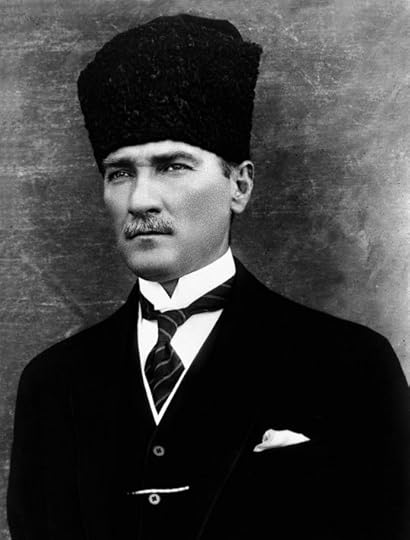
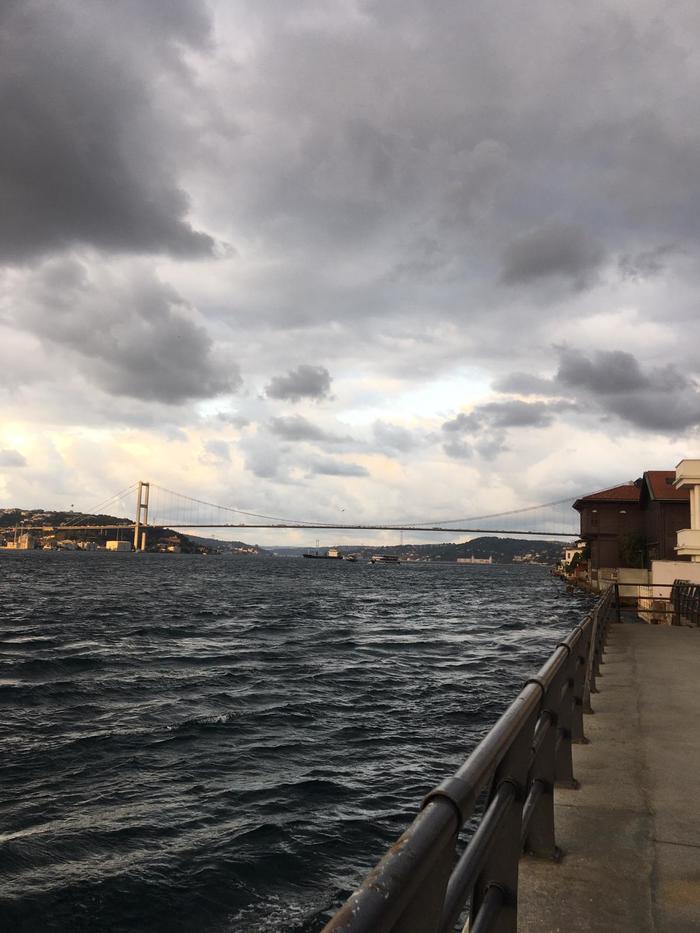
So I thought I’d read how one of the biggest and longest lived empires came to an end. Really what I knew about the Ottoman Empire could be written on the back of a postage stamp & you would still have room for a recipe for Hunkar Begendi.
It’s sad that almost all history is sad. Mr Gibbon said
History is indeed little more than the register of the crimes, follies, and misfortunes of mankind.
And this book confirms his gloomy conclusion.
The Ottoman Empire lasted in total from 1300 to 1922. 622 years, not bad as empires go. It beat the British Empire (1556-1960) by 200 years. The beginnings were kind of mixed up. Way back when, the World’s Longest Lasting Empire which of course was the Roman, got the western bit chopped off by vandals and morphed into the Eastern or Byzantine Empire which was Greek, they tell me, but mostly located in Turkey before the Turks. Yes, there were many centuries when there were no Turks in Turkey. They arrived from The East, as almost everyone did in those days and they were called Seljuks. They squashed the Greek Romans bit by bit and set up various little kingdoms, one, amusingly, called Rum meaning Rome, just to confuse the historians. Eventually one little band of Seljuks ate up all the others and became the Ottoman empire.
TWO VERY GLOOMY CHAPTERS
I have to say half of this book is dull, stuffed with meticulous descriptions of the battles of World War One that took place in the Middle East. Yes, exactly what the subtitle of this book says, so I can’t say I wasn’t warned. But battles are samey so I kind of skipped those bits. There was one unskippable battle, though, something I always heard about but never understood before, the Gallipoli Campaign. This is the part that really struck me :
The diversity of the invasion force further complicated planning. No battlefield in the Great War would prove more global than Gallipoli. The Mediterranean Expeditionary Force numbered some 75,000 men from around the world. In addition to British troops there were volunteers from the Dominion of Newfoundland, Australians and New Zealanders (with both Pakeha and Maori units), Gurkhas and Sikhs, Frenchmen, Foreign Legionnaires hailing from around the world, and colonial troops from across Africa – Senegal, Guinea, Sudan and the Maghrib. Soldiers were mutually reliant on men with whom they could barely communicate.
Is it reasonable to ask why all these Africans and Indians and Maoris would have any desire whatsoever to traverse the globe and put their lives at risk and lose their lives to further the interests of white imperialists fighting against a country they had probably never heard of? Was it that they didn’t get any choice in the matter, or maybe it was simply that they all loved the British Empire so very much ?
The other gloomy issue is of course
THE ANNIHILATION OF THE ARMENIANS
That is the title of chapter seven. And this is a very contentious issue. No one is disputing that thousands of people died but they bitterly dispute how and why to the present day. Wikipedia had a map showing the countries in the world which recognise these massacres as a genocide and those who don’t. I’m not sure this is a very useful dispute. Wiki says things like
On 4 March 2010, a U.S. congressional panel narrowly voted that the incident was indeed genocide
This is really disgusting, a bunch of comfortable politicians thinking hmmm, yes, I think we should call this a genocide, or hmm, no I don’t think it was, merely a series of massacres. Either way, approx 1.5 million people died. As to how, this book states that there were undoubtedly death squads sent out to murder adult male Armenians, and the women, old people and children were then sent on long death marches into the Syrian desert, which were called deportation.
A HAPPY END
Well, the carving up of one empire by another empire is not a pretty sight, but that’s what happened after 1918. This did provoke the Turkish people to throw out the last Sultan Mehmed VI. The very remarkable Mustafa Kemal Ataturk became the new Republic’s first president, and I need to read a biography of him next.
June 24, 2024
This is excellent. Fills a yawning gap in the history of the Great War. There is a discussion of the Gallipoli and Mesopotamian campaigns, in which the British were stomped, and a brief (and heartbreaking) discussion of the Armenian Genocide. One figure I particularly admired was Sharif Husayn, emir of the Hijaz, an Arab Separatist who unleashed the (British enabled) Arab Revolt on the Ottomans. The Hashemites in general come across as impressive figures, larger than life.
Discussion of the Sykes-Picot Agreement, in which Britain and France and Russia laid out their post-war claims on Ottoman lands, will set your hair on fire. It is heart-wrenching to read about because of all the native peoples it displaced. But what other solution — I use that term advisedly — might have been attempted in that colonialist time?
When the Bolsheviks renounced all Czarist territorial claims to Ottoman lands, the Sykes-Picot agreement came to light. The Ottomans publicized it widely, which was a great embarrassment to the Hashemite-led Arab Revolt. One feels bad for the Hashemites, duped as they were by the Allies. Lawrence of Arabia, who took exception to the duping, flits through the history's final pages.
"Sharif Husayn, now king of Hijaz, followed [post-war colonization] events in Syria, Palestine, and Iraq with a deepening sense of betrayal. He . . . felt the British had broken every promise . . . . Having aspired to be king of the Arabs, Husayn was now confined to the Hijaz — and he wasn't even secure there. A rival monarchy in central Arabia, led by Abd al-Aziz Al Saud . . . threatened to overrun the Hijaz. To add insult to injury, Ibn Saud enjoyed a treaty with Great Britain and received a generous monthly stipend from the British treasury." (p. 403)
All my life I remember nothing but Turkey's denial of the Armenian genocide. When the Turkish novelist Orhan Pamuk acknowledged it not long ago he was excoriated by government and press. So it was a big surprise to me to find at the end of this book the story of the post-World War I Ottoman state's indictment and prosecution of those responsible for the Armenian genocide.
"Between January and March 1919, the [new] Ottoman [government] authorities ordered the arrest of three hundred Turkish officials. Among those detained were provincial governors and Unionist members of parliament as well as lower-ranking local officials. Though the police struck without warning, making their arrests in the middle of the night, many — like the triumvirate and their advisers who were already in exile — were tried in absentia. The main military tribunal was convened in Istanbul. The trials were open to the public, with the state's evidence and court decisions published in the official gazette, the Takvim-i Vekâyi.
"The published indictments lay full responsibility for the mass murder of Armenian civilians on the Young Turk [wartime government] leadership. The prosecutors asserted, 'These massacres were carried out under the orders and with the knowledge of Talat, Enver and Cemal.' They quoted an official in Aleppo who claimed to have 'received the order for annihilation' from 'Talaat himself' and was convinced that 'the well-being of the country depended on the extermination of the Armenian population.'" (p. 388)
It perhaps comes as no surprise that a group of Armenian militants, the Dashnak organization, later gunned down Talat, Enver and Cemal while they cowered in exile.
Discussion of the Sykes-Picot Agreement, in which Britain and France and Russia laid out their post-war claims on Ottoman lands, will set your hair on fire. It is heart-wrenching to read about because of all the native peoples it displaced. But what other solution — I use that term advisedly — might have been attempted in that colonialist time?
When the Bolsheviks renounced all Czarist territorial claims to Ottoman lands, the Sykes-Picot agreement came to light. The Ottomans publicized it widely, which was a great embarrassment to the Hashemite-led Arab Revolt. One feels bad for the Hashemites, duped as they were by the Allies. Lawrence of Arabia, who took exception to the duping, flits through the history's final pages.
"Sharif Husayn, now king of Hijaz, followed [post-war colonization] events in Syria, Palestine, and Iraq with a deepening sense of betrayal. He . . . felt the British had broken every promise . . . . Having aspired to be king of the Arabs, Husayn was now confined to the Hijaz — and he wasn't even secure there. A rival monarchy in central Arabia, led by Abd al-Aziz Al Saud . . . threatened to overrun the Hijaz. To add insult to injury, Ibn Saud enjoyed a treaty with Great Britain and received a generous monthly stipend from the British treasury." (p. 403)
All my life I remember nothing but Turkey's denial of the Armenian genocide. When the Turkish novelist Orhan Pamuk acknowledged it not long ago he was excoriated by government and press. So it was a big surprise to me to find at the end of this book the story of the post-World War I Ottoman state's indictment and prosecution of those responsible for the Armenian genocide.
"Between January and March 1919, the [new] Ottoman [government] authorities ordered the arrest of three hundred Turkish officials. Among those detained were provincial governors and Unionist members of parliament as well as lower-ranking local officials. Though the police struck without warning, making their arrests in the middle of the night, many — like the triumvirate and their advisers who were already in exile — were tried in absentia. The main military tribunal was convened in Istanbul. The trials were open to the public, with the state's evidence and court decisions published in the official gazette, the Takvim-i Vekâyi.
"The published indictments lay full responsibility for the mass murder of Armenian civilians on the Young Turk [wartime government] leadership. The prosecutors asserted, 'These massacres were carried out under the orders and with the knowledge of Talat, Enver and Cemal.' They quoted an official in Aleppo who claimed to have 'received the order for annihilation' from 'Talaat himself' and was convinced that 'the well-being of the country depended on the extermination of the Armenian population.'" (p. 388)
It perhaps comes as no surprise that a group of Armenian militants, the Dashnak organization, later gunned down Talat, Enver and Cemal while they cowered in exile.

December 21, 2015
This is an excellent history. Well researched, well written, it provides a great deal to think about. I will note that, at times, I grew impatient with the detailed descriptions of battles. I should have preferred more information about the internal politics and social pressures inside the Ottoman Empire. I know, however, that for many readers, those same battle scenes are the core of the book. Each to her/his own.
My second Eugene Rogan history of the peoples of North Africa and Western Asia. Once again I am impressed by Rogan's breath of knowledge and grasp of a multitude of events and personalities involved. And once again I am horrified by man's inhumanity to man. Of course, the cast of rogues is basically the same as that in the other Rogan history: Turkey, Britain, France, Italy, Germany and Arab leaders all lie, seduce, betray, murder, rape and steal their way through the pages of this book.
Rogan is one of a number of revisionist historians who have returned to original documents to reveal that not only were the purported bad guys that governments, historians and media have told us about for the last hundred years really bad guys, but so were the purported good guys also bad guys, to use the technical terms. As in The Arabs: A History, there are basically no good guys, only bad guys and victims. Of course, out of the horrors of World War I and the collapse of the Ottoman Empire has come a hundred years of more horror and continuing victimization of the same peoples. Look at the victims of a hundred years ago and see their great grandchildren being murdered, terrorized and chased out of their homes today.
"The borders of the post-war settlement have proven resilient - as have the conflicts the post-war boundaries have engendered." Rogan goes on to pinpoint the origins of the conflicts involving the Kurds, Lebanon, Syria, Iraq, Israel, and the current Islamic State violence. "[The] outlandish agreements, which were only conceivable in wartime, were concluded solely to advance Britain and France's imperial expansion."
What struck me about the legacy of violence left by the Europeans is how so much of the violence we see in the region today was prefigured by actions of the British and French against these same peoples as they attempted to assert their national and, often, democratic rights a hundred years ago.
As ever, I ask that you do what you can to assist refugees from the region now. Refugee camps are no place to grow up.
My second Eugene Rogan history of the peoples of North Africa and Western Asia. Once again I am impressed by Rogan's breath of knowledge and grasp of a multitude of events and personalities involved. And once again I am horrified by man's inhumanity to man. Of course, the cast of rogues is basically the same as that in the other Rogan history: Turkey, Britain, France, Italy, Germany and Arab leaders all lie, seduce, betray, murder, rape and steal their way through the pages of this book.
Rogan is one of a number of revisionist historians who have returned to original documents to reveal that not only were the purported bad guys that governments, historians and media have told us about for the last hundred years really bad guys, but so were the purported good guys also bad guys, to use the technical terms. As in The Arabs: A History, there are basically no good guys, only bad guys and victims. Of course, out of the horrors of World War I and the collapse of the Ottoman Empire has come a hundred years of more horror and continuing victimization of the same peoples. Look at the victims of a hundred years ago and see their great grandchildren being murdered, terrorized and chased out of their homes today.
"The borders of the post-war settlement have proven resilient - as have the conflicts the post-war boundaries have engendered." Rogan goes on to pinpoint the origins of the conflicts involving the Kurds, Lebanon, Syria, Iraq, Israel, and the current Islamic State violence. "[The] outlandish agreements, which were only conceivable in wartime, were concluded solely to advance Britain and France's imperial expansion."
What struck me about the legacy of violence left by the Europeans is how so much of the violence we see in the region today was prefigured by actions of the British and French against these same peoples as they attempted to assert their national and, often, democratic rights a hundred years ago.
As ever, I ask that you do what you can to assist refugees from the region now. Refugee camps are no place to grow up.

May 10, 2016
The Ottomans In The Great War
Eugene Rogan's "The Fall of the Ottomans: The Great War in the Middle East" (2015) offers a comprehensive political and military account of the Great War between the Ottoman Empire, which chose to align with Germany, and Great Britain, France, and Russia. Once regarded as a sideshow to the Western Front, the War in the Middle East has received considerable attention in recent years. I read this book to increase my understanding both of WW I and of the turmoil in the Middle East which has lasted though my lifetime and which shows no sign of abating. A distinguished scholar, Rogan is a fellow of St. Antony's College and lectures in the Modern History of the Middle East at the University of Oxford.
Most histories of the Great War in the Middle East rely primarily on Western sources. Rogan's history is unusual because in makes extensive use of Turkish and Arabic sources ranging from the works of high government officials to foot soldiers and private persons. This material has been difficult to access and requires a high degree of linguistic skill to use. The book gains a fresh perspective from the attempt to see the Great War from the points of view of the Ottomans and the Arabs. In the Preface to his book, Rogan discusses how after a visit to the Gallipoli battlefield, he realized that a broader perspective than the usual account was required to understand the Great War. He writes:
"I came away from Gallipoli struck by how little we in the West know about the Turkish and Arab experiences of the Great War. The scores of books published in English on the different Middle Eastern fronts reflect British or Allied experiences. Gallipoli was 'Churchill's debacle'; Kut al-Amara was 'Townshend's surrender'; the Arab Revolt was led by 'Lawrence of Arabia'; it was 'Maude's entry' to Bagdad and 'Allenby's conquest' of Jerusalem. Social historians, keen to break with the official history's top-down approach, probed the experiences of the common soldier by reading the diaries and letters held in private paper archives in London's Imperial War Museum, Canberra's Australian War Memorial, and Wellington's Alexander Turnbull Library. After a century of research, we have a comprehensive view of the Allied side of the trenches. But we are only just beginning to come to terms with the other side -- the experiences of Ottoman soldiers caught up in a desperate struggle for survival against powerful invaders."
The book begins with a discussion of the Young Turks in 1908 and their attempt to modernize and reform the tottering Ottoman government and society. There is an extensive discussion about the factors which drew the Ottomans into an alliance with Germany and into an unpopular war, a decision which still may appear perplexing. The book discusses the attempt of the Ottomans to turn the war into a Jihad in order to secure the support of Arabs and of Moslems in Britain, France, and Russia. These efforts largely failed, but the caused panic in the Entente and helped drive its war effort. The book shows that the Ottomans put up a far stiffer resistance than anticipated and won significant victories at Gallipoli, Kut, Gaza, and elsewhere. The Middle East fighting, as a result, served to prolong the Great War rather than shorten it.
Rogan offers a careful, balanced account of the relationship between the Ottomans and the Armenians both before, during and after the conflict. He concludes that the Ottomans committed genocide against the Armenians and that the genocide was planned and implemented at the highest levels of government. This conclusion remains disputed by some, but Rogan offers a great deal of evidence in support. The book discusses the "Arab Revolt" against the Ottomans, the role of the Arab Revolt in the conflict, and the confusing series of promises made by Britain and France regarding influence after the War. He also discusses the Balfour Declaration, issued just before the British occupation of Jerusalem and the difficulties it created in understanding and implementation.
In the concluding chapter of the book, Rogan explores the impact of the Great War on the Middle East. He discusses the rise of the modern state of Turkey, the military trials in Turkey of those responsible for the Armenian genocide, and the continuing impact of decisions taken at the conclusion of the Great War on the current instability in the Middle East involving Israel and many other issues. Rogan wisely observes at one point that each contemporary participant remains responsible for its own actions and decisions without casting blame on the historical actions of predecessors.
This book tells a complex story of cultures that probably will be unfamiliar to most readers. Rogan writes with a narrative flair and an engaging style that held my attention. The descriptions of battles and politics are generally lucid and easy to follow. Rogan has a strong command of his source material, and his opinions deserve consideration and respect.
The understanding of historical events is a slow, never-ending process. It requires time and the consideration of many points of view. Rogan's book helped me understand the Great War better and also helped me understand the impact of the fall of the Ottomans on subsequent events in the Middle East.
Robin Friedman
Eugene Rogan's "The Fall of the Ottomans: The Great War in the Middle East" (2015) offers a comprehensive political and military account of the Great War between the Ottoman Empire, which chose to align with Germany, and Great Britain, France, and Russia. Once regarded as a sideshow to the Western Front, the War in the Middle East has received considerable attention in recent years. I read this book to increase my understanding both of WW I and of the turmoil in the Middle East which has lasted though my lifetime and which shows no sign of abating. A distinguished scholar, Rogan is a fellow of St. Antony's College and lectures in the Modern History of the Middle East at the University of Oxford.
Most histories of the Great War in the Middle East rely primarily on Western sources. Rogan's history is unusual because in makes extensive use of Turkish and Arabic sources ranging from the works of high government officials to foot soldiers and private persons. This material has been difficult to access and requires a high degree of linguistic skill to use. The book gains a fresh perspective from the attempt to see the Great War from the points of view of the Ottomans and the Arabs. In the Preface to his book, Rogan discusses how after a visit to the Gallipoli battlefield, he realized that a broader perspective than the usual account was required to understand the Great War. He writes:
"I came away from Gallipoli struck by how little we in the West know about the Turkish and Arab experiences of the Great War. The scores of books published in English on the different Middle Eastern fronts reflect British or Allied experiences. Gallipoli was 'Churchill's debacle'; Kut al-Amara was 'Townshend's surrender'; the Arab Revolt was led by 'Lawrence of Arabia'; it was 'Maude's entry' to Bagdad and 'Allenby's conquest' of Jerusalem. Social historians, keen to break with the official history's top-down approach, probed the experiences of the common soldier by reading the diaries and letters held in private paper archives in London's Imperial War Museum, Canberra's Australian War Memorial, and Wellington's Alexander Turnbull Library. After a century of research, we have a comprehensive view of the Allied side of the trenches. But we are only just beginning to come to terms with the other side -- the experiences of Ottoman soldiers caught up in a desperate struggle for survival against powerful invaders."
The book begins with a discussion of the Young Turks in 1908 and their attempt to modernize and reform the tottering Ottoman government and society. There is an extensive discussion about the factors which drew the Ottomans into an alliance with Germany and into an unpopular war, a decision which still may appear perplexing. The book discusses the attempt of the Ottomans to turn the war into a Jihad in order to secure the support of Arabs and of Moslems in Britain, France, and Russia. These efforts largely failed, but the caused panic in the Entente and helped drive its war effort. The book shows that the Ottomans put up a far stiffer resistance than anticipated and won significant victories at Gallipoli, Kut, Gaza, and elsewhere. The Middle East fighting, as a result, served to prolong the Great War rather than shorten it.
Rogan offers a careful, balanced account of the relationship between the Ottomans and the Armenians both before, during and after the conflict. He concludes that the Ottomans committed genocide against the Armenians and that the genocide was planned and implemented at the highest levels of government. This conclusion remains disputed by some, but Rogan offers a great deal of evidence in support. The book discusses the "Arab Revolt" against the Ottomans, the role of the Arab Revolt in the conflict, and the confusing series of promises made by Britain and France regarding influence after the War. He also discusses the Balfour Declaration, issued just before the British occupation of Jerusalem and the difficulties it created in understanding and implementation.
In the concluding chapter of the book, Rogan explores the impact of the Great War on the Middle East. He discusses the rise of the modern state of Turkey, the military trials in Turkey of those responsible for the Armenian genocide, and the continuing impact of decisions taken at the conclusion of the Great War on the current instability in the Middle East involving Israel and many other issues. Rogan wisely observes at one point that each contemporary participant remains responsible for its own actions and decisions without casting blame on the historical actions of predecessors.
This book tells a complex story of cultures that probably will be unfamiliar to most readers. Rogan writes with a narrative flair and an engaging style that held my attention. The descriptions of battles and politics are generally lucid and easy to follow. Rogan has a strong command of his source material, and his opinions deserve consideration and respect.
The understanding of historical events is a slow, never-ending process. It requires time and the consideration of many points of view. Rogan's book helped me understand the Great War better and also helped me understand the impact of the fall of the Ottomans on subsequent events in the Middle East.
Robin Friedman

September 9, 2022
The Parts Unravel
Eugene Rogan is an expert on the Middle East, this goes without saying. So, to read his wonderful book on how the old world of the Ottoman Empire unravelled and the new world of the modern Middle East formed is fascinating. Having recently read Sean McMeekin’s The Ottoman Endgame I couldn’t help but compare the two whilst reading. I would probably say Rogan’s work is more poignant, more down to earth as he enthuses the voices of the soldiers into the narrative. McMeekin’s is more about grand strategy, a top down approach. He also explores more about the war with the Greeks and Italians and the saving of modern Turkey. Both have something unique to offer and both are well worth reading.
The Fall of the Ottomans focuses on the Ottoman Empire in the First World War and how this developed into the Modern Republic of Turkey. From it you can really understand why Turkish people today really revere Mustafa Kemel Artaturk as he, in simplistic terms, saved his people from being left with a rump state. Unfortunately the Ottoman government didn’t support his resistance or the empire would have continued today in the boundaries of modern Turkey. The book allows the reader to think about WWI in context of not just the Western Front. This is where the war was truly a ‘world war’. From nations from around the globe fighting in the Arab world. Although under the guise of colonial empires these were multi ethnic battles and campaigns.
There is also a sense of shame and betrayal with the Sykes-Picot Agreement and then the Balfour Declaration which to some extent betrayed the Arabs when they were asked to rebel. These controversial decisions still reverberate today, although as Rogan explains they are used as talking points and are not the full and direct cause of all the problems in the Middle East.
Overall The Fall of the Ottomans is a great read and should be on anyones shelf interested in the Great War, the Ottoman Empire, the story of the Arabs or the Middle East. Rogan himself is an expert on the Middle East and it has been great to read about WWI and the fall of Ottoman Empire through his lens.
Eugene Rogan is an expert on the Middle East, this goes without saying. So, to read his wonderful book on how the old world of the Ottoman Empire unravelled and the new world of the modern Middle East formed is fascinating. Having recently read Sean McMeekin’s The Ottoman Endgame I couldn’t help but compare the two whilst reading. I would probably say Rogan’s work is more poignant, more down to earth as he enthuses the voices of the soldiers into the narrative. McMeekin’s is more about grand strategy, a top down approach. He also explores more about the war with the Greeks and Italians and the saving of modern Turkey. Both have something unique to offer and both are well worth reading.
The Fall of the Ottomans focuses on the Ottoman Empire in the First World War and how this developed into the Modern Republic of Turkey. From it you can really understand why Turkish people today really revere Mustafa Kemel Artaturk as he, in simplistic terms, saved his people from being left with a rump state. Unfortunately the Ottoman government didn’t support his resistance or the empire would have continued today in the boundaries of modern Turkey. The book allows the reader to think about WWI in context of not just the Western Front. This is where the war was truly a ‘world war’. From nations from around the globe fighting in the Arab world. Although under the guise of colonial empires these were multi ethnic battles and campaigns.
There is also a sense of shame and betrayal with the Sykes-Picot Agreement and then the Balfour Declaration which to some extent betrayed the Arabs when they were asked to rebel. These controversial decisions still reverberate today, although as Rogan explains they are used as talking points and are not the full and direct cause of all the problems in the Middle East.
Overall The Fall of the Ottomans is a great read and should be on anyones shelf interested in the Great War, the Ottoman Empire, the story of the Arabs or the Middle East. Rogan himself is an expert on the Middle East and it has been great to read about WWI and the fall of Ottoman Empire through his lens.

February 13, 2018
I feel bad for the Ottoman empire in a sense. It was a large, long lasting and incredibly diverse empire. It was THE European boogie man (when they weren't worried about the Hapsburg) for centuries and destroyed the last vestiges of the Roman Empire. It was a super power and major influence on the course of history, both European and Near Eastern. Just look at how big it reached at its height:

But almost all Americans know about Ottomans (apart from they are a great thing to prop your feet up on) was that they were The Sick Man of Europe. And, given their string of set backs in the 18th and 19th century, it was a well earned moniker. Leading up to the Great War their greatest foe was the Russian Empire, a opponent they had lost something like TWELVE consecutive wars to the Russians (even with an occasional bright spot it was still mostly ugly for decades).
On top of that the Ottomans had lost just about all of their European territories to various nationalist uprising (often supported by the Great Powers) and Egypt had fallen to the British Empire. They had fallen behind economically, politically, militarily. Things were not looking good of them. To further add to their woes a successful coup was carried off putting a group called The Young Turks into power. They sought to restore Ottoman greatness, modernize it, and, most of all, keep it intact.
It was into this time period that this book picks up the story of the Ottoman Empire during the great war. It was pretty much assumed that if the Ottomans entered the war on the side of the Central Powers (they had a long, positive relationship with the German Crown and lots of German investments and loans in their country) that the combined might of Russia in the east and Britain in the south would just steamroll the Empire and knock it out of the war quickly. And, given the early failures of the Ottoman forces, that seemed eminently reasonable. Rebuffed or out right routed on three different fronts within the first 6 months of the war it seemed like a strong kick would knock over the entire Imperial edifice.
Rogan does an excellent job setting the context for how and why events unfolded in the Middle East during the great war. He examines the situation from many different perspectives: military, political, sociological, real politik. I felt that Rogan conveyed the cause of all the decisions the important figures took very well. We all know the Gallipoli invasion turned into a major disaster for the British but Rogan explains the thinking behind it (which was good in theory but executed terribly) and why the British didn't just evacuate once it became clear the strategic objectives could not be achieved.
What I never really appreciated before reading this was just how much the European powers thought the Ottoman Empire could influence Muslims around the world. France, Britain, and Russia all had large Muslim populations within their Empire and were deathly afraid that too much success on the battlefield by the Ottomans (not to mention the Sultan's call for Jihad) would inflame these populations and cause them to rise up in rebellion. It was this risk of rebellion that the Allies feared more than any of the Ottoman field armies. Though it should be noted that several Ottoman armies proved to be on par with the best the British could throw at them and the Empire held out nearly as long as Germany did. While they may have been a sick man going into the war the Empire proved it could go toe-to-toe with the European powers (except Russia, they just kept getting curb stomped by Russia).
Obviously we all know how the war ended, but what many people fail to realize is the European powers (except for Russia whose newly empowered Communists actually gave back all the territory the Czarist forces had seized) cut up the Ottoman Empire like a Christmas turkey, relegating its independent territory to a small chunk of Anatolia which no one else wanted. This is where Ataturk became the head of Turkey thanks to his military prowess in expelling the imperial powers from what is now Turkey. Sadly the same could not be said for the rest of the Empire which fell under French or British spheres of control. So much for fighting for Arab freedom guys.
The war in the Middle East was a fascinating mix of ethnic interests, imperial ambitions, and religious tensions. It certainly doesn't get nearly enough popular interest as it deserves, though I think this book would make for an excellent initial foray for a casual history lover. It is expansive but accessible, in depth but comprehensible, and an easily digestible read. I cannot recommend this book highly enough for people interested in the Great War or Middle Eastern/Ottoman history.
But almost all Americans know about Ottomans (apart from they are a great thing to prop your feet up on) was that they were The Sick Man of Europe. And, given their string of set backs in the 18th and 19th century, it was a well earned moniker. Leading up to the Great War their greatest foe was the Russian Empire, a opponent they had lost something like TWELVE consecutive wars to the Russians (even with an occasional bright spot it was still mostly ugly for decades).
On top of that the Ottomans had lost just about all of their European territories to various nationalist uprising (often supported by the Great Powers) and Egypt had fallen to the British Empire. They had fallen behind economically, politically, militarily. Things were not looking good of them. To further add to their woes a successful coup was carried off putting a group called The Young Turks into power. They sought to restore Ottoman greatness, modernize it, and, most of all, keep it intact.
It was into this time period that this book picks up the story of the Ottoman Empire during the great war. It was pretty much assumed that if the Ottomans entered the war on the side of the Central Powers (they had a long, positive relationship with the German Crown and lots of German investments and loans in their country) that the combined might of Russia in the east and Britain in the south would just steamroll the Empire and knock it out of the war quickly. And, given the early failures of the Ottoman forces, that seemed eminently reasonable. Rebuffed or out right routed on three different fronts within the first 6 months of the war it seemed like a strong kick would knock over the entire Imperial edifice.
Rogan does an excellent job setting the context for how and why events unfolded in the Middle East during the great war. He examines the situation from many different perspectives: military, political, sociological, real politik. I felt that Rogan conveyed the cause of all the decisions the important figures took very well. We all know the Gallipoli invasion turned into a major disaster for the British but Rogan explains the thinking behind it (which was good in theory but executed terribly) and why the British didn't just evacuate once it became clear the strategic objectives could not be achieved.
What I never really appreciated before reading this was just how much the European powers thought the Ottoman Empire could influence Muslims around the world. France, Britain, and Russia all had large Muslim populations within their Empire and were deathly afraid that too much success on the battlefield by the Ottomans (not to mention the Sultan's call for Jihad) would inflame these populations and cause them to rise up in rebellion. It was this risk of rebellion that the Allies feared more than any of the Ottoman field armies. Though it should be noted that several Ottoman armies proved to be on par with the best the British could throw at them and the Empire held out nearly as long as Germany did. While they may have been a sick man going into the war the Empire proved it could go toe-to-toe with the European powers (except Russia, they just kept getting curb stomped by Russia).
Obviously we all know how the war ended, but what many people fail to realize is the European powers (except for Russia whose newly empowered Communists actually gave back all the territory the Czarist forces had seized) cut up the Ottoman Empire like a Christmas turkey, relegating its independent territory to a small chunk of Anatolia which no one else wanted. This is where Ataturk became the head of Turkey thanks to his military prowess in expelling the imperial powers from what is now Turkey. Sadly the same could not be said for the rest of the Empire which fell under French or British spheres of control. So much for fighting for Arab freedom guys.
The war in the Middle East was a fascinating mix of ethnic interests, imperial ambitions, and religious tensions. It certainly doesn't get nearly enough popular interest as it deserves, though I think this book would make for an excellent initial foray for a casual history lover. It is expansive but accessible, in depth but comprehensible, and an easily digestible read. I cannot recommend this book highly enough for people interested in the Great War or Middle Eastern/Ottoman history.

May 11, 2017

When ISIS swarmed into northern Iraq in the summer of 2014, the hashtag they were using on their social media posts was #SykesPicotOver. Using a First World War diplomatic agreement to get traction on your terrorism – now that's some legacy. Of all the books I've read on 1914-18 since I started this centennial reading project, this is by far the one that had the most unexpected and startling things to teach me about how the conflict's repercussions can be seen in today's world: here in the Middle East, in former Ottoman territory, the famously execrable diplomatic skills of 1910s Europe are still, and in very direct ways, playing out their grisly consequences.
Perhaps this took me by surprise because, before picking this book up, I had mainly associated the war in Ottoman territory with the Gallipoli campaign – and even there, my knowledge was sketchy (lots of Anzacs, Churchill's fault, Atatürk involved somewhere?). Rogan is very good on Gallipoli, giving eye-watering details of the clouds of flies that swarmed over the dead bodies in no-man's-land before landing on the men's food – not to mention the incredible callousness of the attacks that Entente forces were compelled to make on Turkish positions. This was symbolised especially by the assault on the Nek, where,
[a]fter watching the first wave of 150 men mowed down by Turkish gunfire within yards of their trenches, Australian officers blindly followed orders and sent two further waves over the top to near certain death. At least 435 of the 450 men who attempted to storm the Nek fell dead or wounded, without inflicting a single Turkish casualty.
Rogan mixes strategic descriptions of troop movements with worm's-eye views from diaries and letters to great effect here, and throughout the book. Some of the anecdotes are extraordinary. I was reduced to a sobbing wreck by the experiences of Private Robert Eardley, of the Lancashire Fusiliers, who intervened to protect a wounded Turkish soldier from being killed at the hands of an Englishman. Protesting that the Turk was injured and defenceless, Eardley convinced his comrade to back off, and then gave the Ottoman soldier some water, and a cigarette, and improvised a bandage for his head-wound.
A few days later, the Turks counterattacked and retook the trench. Eardley was bayonetted in the process, and left half-conscious in a ditch. He came to as the Turkish soldiers were preparing to bury him. Just as they were about to finish him off, a Turkish infantryman with a bandage around his head leapt out in front of the rifles and protected him with his own body – the same man Eardley had looked after a couple of days before. After some back-and-forth between the Turks, Eardley was told by the enemy sergeant that he would not be harmed: ‘You would have died only for this soldier—you gave him water, you gave him smoke…you very good Englishman’, as Eardley recorded in his diary:
“I shook hands with this Turk (and would give all I possessed to see this man again). As our hands clasped I could see he understood for he lifted his eyes and called ‘Allah’ and then kissed me (I can feel this kiss even now on my cheek as if it was branded there or was part of my blood).”
While there is much excellent material on Gallipoli, it's when Rogan turns to Mesopotamia and the Middle East that he becomes truly enlightening, at least for someone with my level of ignorance about how this part of the war went down. The British takeover of Basra, and slow advance down the Tigris to Baghdad, amidst an atmosphere of competing religious and denominational tensions, was revelatory to me. Both the Entente and the Central Powers were obsessed with the potential of Islamic solidarity, and this was what made the Ottoman Empire such a key player in the minds of European policy-makers: the Germans hoped that Turkish presence in the war would mobilise the world's Muslims in their support, while the British and French, who counted thousands of colonial Muslims among their armies, were extremely nervous about any prospect of jihad. Even to the point of trying to fudge onomastics: ‘the British systematically referred to [the Iraqi city] Salman Pak by its classical Sassanid name, Ctesiphon’, in order to blur the Islamic significance of the site to all their Muslim Indian soldiers.
It would be a mistake, though, to think that this Islampolitik (as the Germans call it) was a feature only of misguided Western European thinking. The Turks, too, had ‘a firm belief in the Ottoman Empire's power to deploy Islam against its enemies at home and abroad’. In their case, it came down to convincing the Arabs that they, the Ottomans, represented the true leaders of Islam – a difficult job when it came to the Shiite Iraqis, who did not see eye to eye with the Sunni Turks.
It is in this context that the Arab uprising, observed and partly fomented by TE Lawrence, takes on its full importance. Indeed having finished this book, I now can't help feeling that it was one of the most essential sequences of the whole war, not just in its immediate effects but in its dispiriting political after-effects. The British desperately wooed Sharif Hussein of Mecca to their side, knowing that his authority would do a lot to counter any jihadism from the Ottomans; eventually, with the help of various Arab tribes of the Hijaz, they got him to declare himself King of the Arabs and move militarily against the Ottomans, with decisive effect.
But in the process the British had promised Hussein a whole lot of territory to which, once the war was won, they were no longer inclined to commit. The vast kingdom promised to the Sharif slowly, and shamefully, dissolved under efforts to carve up the Middle East between British (Sykes) and French (Picot) interests. Meanwhile Hussein, unprotected and with dwindling resources, was eventually taken over by a rival tribe – the Saudis. This has had its own dramatic consequences for the region.
History of hindsight is a dangerous thing, and Rogan is careful not to be too censorious about the diplomatic manoeuvres that brought this state of affairs about – manoeuvres that were, as he points out, a matter of wartime expedience, a fact that's often forgotten. Nevertheless it should be instructive to see quite how disastrously these decisions have backfired. As Rogan mildly says,
Had the European powers been concerned with establishing a stable Middle East, one can't help but think they would have gone about drafting the boundaries in a very different way.
Well, quite. And that's before you even get on to the creation of the state of Israel, another world-historical event on which much light is shed by an Ottoman-oriented narrative. I should also mention – if only because it's a huge part of this book which I haven't referred to yet – that Rogan's history puts the Armenian genocide front and centre in the story of the Ottoman war. The whole thing feels, to me, like a completely new and vital window on the period, demonstrating in the clearest way how necessary it is to understand this context in order to understand the modern Middle East. Plus, it's full of all those lovely contemporary aristocratic names like
Colonel Friedrich Freiherr Kress von Kressenstein
which, as my wife pointed out, seems only a couple of steps away from Boaty McBoatface. Recommended for all history buffs, Middle East watchers, and anyone following ISIS's retweets.

January 27, 2019
The Ottoman Empire was born of war, it’s frontiers drawn through centuries of conquest and conflict. However, only in November 1914, as the Ottomans entered the first global war, did they face the threat of war on all their frontiers at once. With over 7,500 miles of borders and coastlines spanning the Black Sea, the Persian Gulf, the Red Sea, and the Mediterranean, the Ottomans presented their enemies with many points vulnerable to attack.
The Fall of the Ottomans: The Great War in the Middle East, written by Eugene Rogan and published in 2015, is the thirty-eighth book in my reading project on WW1. The book starts a little slow and ends a little weak but the middle two hundred pages from the Dardanelles campaign, to the Armenian genocide, clear through the Arab revolt is quite simply some of best war history that I’ve read. It is written for a western audience but heavily focused on the Ottomans, not the western powers.
By 1914 at the onset of the War the declining Ottoman empire still stretched from Constantinople to Baghdad to Jerusalem and to Mecca and Yemen. Lest we think that the fall of the Ottomans in WW1 was a fait accompli and of little historical interest, it may come as a surprise to some that the Allies (led by Britain and Russia) were soundly defeated by the Ottomans early in the war at places like the Dardanelles, Gallipoli and Kut. The tide turned tragic for the Ottomans in part because of the Arab revolt and Germany’s failures on the Western Front. By 1922 the Ottoman empire was gone and a much smaller Turkey led by Ataturk was born.
Perhaps the most remarkable discovery for me in this book was that Britain, (overwhelmingly Christian) was able to induce the Arabs (overwhelmingly Muslim) to successfully revolt against the Ottomans (predominantly Muslim). Early in the war the Ottomans delivered several demoralizing defeats to Britain both in the Dardanelles and Gallipoli. The Ottomans called for a holy war against the Christians hoping this would be the death knell to Britain and her Allies in this theater and might even allow the Ottoman Empire to regain much of her lost territory in Africa. Since Britain already had a foothold in the region and a surprising amount of influence, including the iconic Lawrence of Arabia, the Ottoman plan of Jihad backfired miserably. At the urging of his son Faisal, Sharif Husayn of Mecca declared the Arab revolt against the Ottomans in June 1916 and from that point the Ottomans lost nearly every significant battle remaining in the war.
Rogan has a genuine gift for clarity which is especially evident in the latter half of the book. There is one figure, Grigoris Balakian, who provides continuity through much of the book. Balakian is an Armenian priest arrested in Instanbul early in 1915 by the Ottomans. He survives the death march and later escapes from the mines where he at one point is laboring alongside British POWs. Balakian writes about the Armenian Golgotha as he called it and he sees Istanbul ‘liberated’ by the Allies late in 1918. A fascinating character indeed. Below is the chapter by chapter breakdown.
1. A Revolution and Three Wars, 1908-1913. As the title of this chapter suggests, the situation of the Ottoman Empire was already grave well before the Great War. Serbia, many of the nations in the Balkans, Armenia, Italian and Russian war-mongering and strong pockets of Arab discontent were all directed toward the empire. Prior to the Great War, Germany and Austria provided no military assistance and the Ottomans, while formidable, were largely on their own. We see in this chapter the first instances of Ottoman directed genocide of Armenians “in the aftermath of the 1909 counter-revolution when some 20,000 Armenians were killed in a frenzy of bloodletting.” 4 stars. Good background.
2. The Peace Before the Great War. By the spring of 1914 the Ottomans were victorious in the second Balkan War, and confidence in the government had recovered. Technology flooded the country and the military worked to upgrade their Navy and buttress their shore defenses. Ironically the ships and much of the new technology was supplied by the British who the Ottomans would be fighting in less than a year. 4 stars.
3. A Global Call to Arms. Covers the first week after war was declared as the Ottomans start to figure out who in the empire and the Arab world are with them. Largely a setup for the next chapter. 3 Stars.
4. Opening Salvos. It was not until November 5, 1914, some three months after the start of WW1, that Great Britain declared war on the Ottomans. We see how global this war has become. Most of the British soldiers are from India and to a lesser degree Australia and New Zealand. 4 stars.
5. Launching Jihad. The Ottomans feel hemmed in and appeal for Jihad across the empire. There are some early successes against the Russians in the east but some devastating losses to the British in modern day Iraq and near the Sinai. 4 stars.
6. The Assault on the Dardanelles. This starts a string of six remarkable chapters focusing on the story of the British blunder to open up the straights of the Dardanelles so that Istanbul could be attacked from both the east (British) and west (Russia). This is largely a naval chapter. Remarkably good. 5 stars.
7. The Annihilation of the Armenians. This chapter highlights the extermination campaign of the Ottomans, led by Mehmed Talat Pasha, against the minority Armenian population. There were tens of thousands of summary executions, possibly more, but the preferred method of extermination was the death march. If anyone survived the march they were put to work in the mines. Historians disagree on the number of Armenians killed in the genocide but it is generally thought to be between 600,000 and 1,500,000. The chapter also discusses the miscalculation by Armenian leaders in signaling a sense of disloyalty to the empire by assuming that Russia would break through from the east and Britain from the west. The Ottomans were losing thousands of soldiers each week to disease and war and now had an excuse to move ahead with the mass extermination. Every student of history should read this chapter. 5 stars.
8. The Ottoman Triumph at Gallipoli. Extraordinary narrative around the Ottomans trench warfare victory over the British. Lord Kitchener’s blunder lasted for 259 days. It only ended because Kitchener decided to visit the front lines to see how bad the conditions were. When seeing for himself, he immediately ordered a secret withdrawal of the troops. ’There was to be no conquest of Istanbul, no collapse of Germany’s Ottoman ally, and no Black Sea route linking Russia to her Entente allies’ 5 stars.
9. The Invasion of Mesopotamia. Many of the place names were familiar to me because of America’s present day involvement in Iraq and armed with this geographical knowledge made for a more rewarding read than it otherwise would have been. The British were struggling to win victories in Mesopotamia and it all came to a head in Kut. A setup in part for the next chapter. 4 stars.
10. The Siege of Kut. One of the best chapters in the book and another must read chapter. The British were besieged in Kut, a small city, less than one hundred miles southeast of Baghdad, for 145 days. Starving with no reinforcements and with more than 13,000 troops and support staff to feed, the British army surrenders to the Ottomans. ’Kut was the British army’s worst surrender ever’. Thousands of sympathizing townspeople were summarily executed by the Ottomans by either firing squad or by the noose. The situation was not much better for the British and Indian soldiers, more than 5,000 died on the march to Baghdad and the mines to the north. 5 stars.
11. Arab Revolt. As mentioned at the outset, other than reading a biography on T.E. Lawrence and his autobiography, I did not know many of the higher level historical details around the Arab revolt. Very informative chapter. 5 stars.
12. Losing Ground. In this chapter, we see the Ottomans lose virtually every single battle across their empire. The only part of the book that discussed Jerusalem and Palestine with any depth. A lot of ground to cover so some thinness in spots. 5 stars.
13. From Armistice to Armistice. More of the same as the previous chapter but lacked the elan. 4 stars.
5 Stars. A highly thoughtful and well written narrative with heavy focus on the Ottomans, Armenians, Arabs, and Indian sepoys and British POWs who experienced the war. Well placed photographs throughout.
The Fall of the Ottomans: The Great War in the Middle East, written by Eugene Rogan and published in 2015, is the thirty-eighth book in my reading project on WW1. The book starts a little slow and ends a little weak but the middle two hundred pages from the Dardanelles campaign, to the Armenian genocide, clear through the Arab revolt is quite simply some of best war history that I’ve read. It is written for a western audience but heavily focused on the Ottomans, not the western powers.
By 1914 at the onset of the War the declining Ottoman empire still stretched from Constantinople to Baghdad to Jerusalem and to Mecca and Yemen. Lest we think that the fall of the Ottomans in WW1 was a fait accompli and of little historical interest, it may come as a surprise to some that the Allies (led by Britain and Russia) were soundly defeated by the Ottomans early in the war at places like the Dardanelles, Gallipoli and Kut. The tide turned tragic for the Ottomans in part because of the Arab revolt and Germany’s failures on the Western Front. By 1922 the Ottoman empire was gone and a much smaller Turkey led by Ataturk was born.
Perhaps the most remarkable discovery for me in this book was that Britain, (overwhelmingly Christian) was able to induce the Arabs (overwhelmingly Muslim) to successfully revolt against the Ottomans (predominantly Muslim). Early in the war the Ottomans delivered several demoralizing defeats to Britain both in the Dardanelles and Gallipoli. The Ottomans called for a holy war against the Christians hoping this would be the death knell to Britain and her Allies in this theater and might even allow the Ottoman Empire to regain much of her lost territory in Africa. Since Britain already had a foothold in the region and a surprising amount of influence, including the iconic Lawrence of Arabia, the Ottoman plan of Jihad backfired miserably. At the urging of his son Faisal, Sharif Husayn of Mecca declared the Arab revolt against the Ottomans in June 1916 and from that point the Ottomans lost nearly every significant battle remaining in the war.
Rogan has a genuine gift for clarity which is especially evident in the latter half of the book. There is one figure, Grigoris Balakian, who provides continuity through much of the book. Balakian is an Armenian priest arrested in Instanbul early in 1915 by the Ottomans. He survives the death march and later escapes from the mines where he at one point is laboring alongside British POWs. Balakian writes about the Armenian Golgotha as he called it and he sees Istanbul ‘liberated’ by the Allies late in 1918. A fascinating character indeed. Below is the chapter by chapter breakdown.
1. A Revolution and Three Wars, 1908-1913. As the title of this chapter suggests, the situation of the Ottoman Empire was already grave well before the Great War. Serbia, many of the nations in the Balkans, Armenia, Italian and Russian war-mongering and strong pockets of Arab discontent were all directed toward the empire. Prior to the Great War, Germany and Austria provided no military assistance and the Ottomans, while formidable, were largely on their own. We see in this chapter the first instances of Ottoman directed genocide of Armenians “in the aftermath of the 1909 counter-revolution when some 20,000 Armenians were killed in a frenzy of bloodletting.” 4 stars. Good background.
2. The Peace Before the Great War. By the spring of 1914 the Ottomans were victorious in the second Balkan War, and confidence in the government had recovered. Technology flooded the country and the military worked to upgrade their Navy and buttress their shore defenses. Ironically the ships and much of the new technology was supplied by the British who the Ottomans would be fighting in less than a year. 4 stars.
3. A Global Call to Arms. Covers the first week after war was declared as the Ottomans start to figure out who in the empire and the Arab world are with them. Largely a setup for the next chapter. 3 Stars.
4. Opening Salvos. It was not until November 5, 1914, some three months after the start of WW1, that Great Britain declared war on the Ottomans. We see how global this war has become. Most of the British soldiers are from India and to a lesser degree Australia and New Zealand. 4 stars.
5. Launching Jihad. The Ottomans feel hemmed in and appeal for Jihad across the empire. There are some early successes against the Russians in the east but some devastating losses to the British in modern day Iraq and near the Sinai. 4 stars.
6. The Assault on the Dardanelles. This starts a string of six remarkable chapters focusing on the story of the British blunder to open up the straights of the Dardanelles so that Istanbul could be attacked from both the east (British) and west (Russia). This is largely a naval chapter. Remarkably good. 5 stars.
7. The Annihilation of the Armenians. This chapter highlights the extermination campaign of the Ottomans, led by Mehmed Talat Pasha, against the minority Armenian population. There were tens of thousands of summary executions, possibly more, but the preferred method of extermination was the death march. If anyone survived the march they were put to work in the mines. Historians disagree on the number of Armenians killed in the genocide but it is generally thought to be between 600,000 and 1,500,000. The chapter also discusses the miscalculation by Armenian leaders in signaling a sense of disloyalty to the empire by assuming that Russia would break through from the east and Britain from the west. The Ottomans were losing thousands of soldiers each week to disease and war and now had an excuse to move ahead with the mass extermination. Every student of history should read this chapter. 5 stars.
8. The Ottoman Triumph at Gallipoli. Extraordinary narrative around the Ottomans trench warfare victory over the British. Lord Kitchener’s blunder lasted for 259 days. It only ended because Kitchener decided to visit the front lines to see how bad the conditions were. When seeing for himself, he immediately ordered a secret withdrawal of the troops. ’There was to be no conquest of Istanbul, no collapse of Germany’s Ottoman ally, and no Black Sea route linking Russia to her Entente allies’ 5 stars.
9. The Invasion of Mesopotamia. Many of the place names were familiar to me because of America’s present day involvement in Iraq and armed with this geographical knowledge made for a more rewarding read than it otherwise would have been. The British were struggling to win victories in Mesopotamia and it all came to a head in Kut. A setup in part for the next chapter. 4 stars.
10. The Siege of Kut. One of the best chapters in the book and another must read chapter. The British were besieged in Kut, a small city, less than one hundred miles southeast of Baghdad, for 145 days. Starving with no reinforcements and with more than 13,000 troops and support staff to feed, the British army surrenders to the Ottomans. ’Kut was the British army’s worst surrender ever’. Thousands of sympathizing townspeople were summarily executed by the Ottomans by either firing squad or by the noose. The situation was not much better for the British and Indian soldiers, more than 5,000 died on the march to Baghdad and the mines to the north. 5 stars.
11. Arab Revolt. As mentioned at the outset, other than reading a biography on T.E. Lawrence and his autobiography, I did not know many of the higher level historical details around the Arab revolt. Very informative chapter. 5 stars.
12. Losing Ground. In this chapter, we see the Ottomans lose virtually every single battle across their empire. The only part of the book that discussed Jerusalem and Palestine with any depth. A lot of ground to cover so some thinness in spots. 5 stars.
13. From Armistice to Armistice. More of the same as the previous chapter but lacked the elan. 4 stars.
5 Stars. A highly thoughtful and well written narrative with heavy focus on the Ottomans, Armenians, Arabs, and Indian sepoys and British POWs who experienced the war. Well placed photographs throughout.
March 20, 2020
"Sideshows" was the contemporary western allied descriptor for those serving and fighting away from the Western Front.
The sideshows were a wide group and vast area, including the Middle East (modern day Libya, Egypt, Palestine, Jordan, Israel, Lebanon, Iraq, Kuwait, Iran, and naturally, Turkey) and also encompassed Macedonia, Salonika and East Africa. This list, aside from East Africa, shows a large part of where this books focus lies. When one adds in the Russian involvement in the Caucasus, notably but not wholly Armenia, the theatre of operations is large.
The Ottoman Empire had not fared well in the early 20th century prior to the First World War; losing wars with Italy (1911) and two rounds with the Balkan nations of Bulgaria, Greece, Montenegro and Serbia (1912 and 1913). The Ottoman Empire - dubbed the sick man of Europe - was seen as being inconsequential as a fighting force and ripe for the taking, either as an ally or enemy if she sided with the Central Powers that could bring a quick(er) ending to the war and providing new areas of influence for Russia, Britain and France. Events were to show that the Ottomans was neither weak or easy and it remained a viable and tough enemy from August 1914 to war's end.
Eugene Rogan's book is a highly readable account of the Ottoman Empire in WWI. Covering all the areas and aspects from brief history leading to 1914, internal and geo-politics, geographies and peoples and their religions to the alliances, battles and cut and thrust of men in action including logistics, strategies and tactics to the tragedy of forced marches and genocide.
Gallipoli is present but is not overbearing in terms of its place in the narrative and wider history. This is good, as for me, I had wanted to really understand how the Ottomans (Turkey) approached the other theatres and how they worked across these with limited troops and transport.
The final chapter and conclusion set the scene for the armistices, the fighting of nations and factions after 1918 to 1920, and how the war time agreements and treaties shaped the Middle East to this day.
Overall, this is a invaluable and important history that will lead this, and I hope other readers, to the author's other book The Arabs: A History and also to other accounts of the sideshows.
The sideshows were a wide group and vast area, including the Middle East (modern day Libya, Egypt, Palestine, Jordan, Israel, Lebanon, Iraq, Kuwait, Iran, and naturally, Turkey) and also encompassed Macedonia, Salonika and East Africa. This list, aside from East Africa, shows a large part of where this books focus lies. When one adds in the Russian involvement in the Caucasus, notably but not wholly Armenia, the theatre of operations is large.
The Ottoman Empire had not fared well in the early 20th century prior to the First World War; losing wars with Italy (1911) and two rounds with the Balkan nations of Bulgaria, Greece, Montenegro and Serbia (1912 and 1913). The Ottoman Empire - dubbed the sick man of Europe - was seen as being inconsequential as a fighting force and ripe for the taking, either as an ally or enemy if she sided with the Central Powers that could bring a quick(er) ending to the war and providing new areas of influence for Russia, Britain and France. Events were to show that the Ottomans was neither weak or easy and it remained a viable and tough enemy from August 1914 to war's end.
Eugene Rogan's book is a highly readable account of the Ottoman Empire in WWI. Covering all the areas and aspects from brief history leading to 1914, internal and geo-politics, geographies and peoples and their religions to the alliances, battles and cut and thrust of men in action including logistics, strategies and tactics to the tragedy of forced marches and genocide.
Gallipoli is present but is not overbearing in terms of its place in the narrative and wider history. This is good, as for me, I had wanted to really understand how the Ottomans (Turkey) approached the other theatres and how they worked across these with limited troops and transport.
The final chapter and conclusion set the scene for the armistices, the fighting of nations and factions after 1918 to 1920, and how the war time agreements and treaties shaped the Middle East to this day.
Overall, this is a invaluable and important history that will lead this, and I hope other readers, to the author's other book
The Arabs: A History and also to other accounts of the sideshows.
December 31, 2015
In this book, Eugen Rogan takes us on a journey through the Middle East, starting from the Unionists taking power untill the end of the hostilities in the Middle East in 1918. Highly readable, objective combined with a good inside literary sources makes this an excellent read. If you want to understand the Middle Eastern situation nowadays, this is a good start. A solid 4 stars.
Fearing Russia to take oppurtunity from the fact that the Western Powers were busy slaughtering themselves in the fields of Flanders, the Ottoman Empire sought protection from the Central Powers to keep Russia off their backs. Having declared war on the Entente, The Ottomans didn't fare well in the Great War. In the Caucasus their troops were destroyed after a ill-fated offensive against the Russians. The attack on British held Egupt failed because they couldn't cross the Suez canal and in Mesopotamia, the English (who has occupied Basra and the Shatt-al-Arab in the early part of the war) succesfully beat of an Ottoman counteroffensive.
This convinced the Entente that a deciding blow was all it took to knock the Ottomans out of the war. The landing in the Dardanels were to open the Bosporus for the allies and to connect with the Russian Black Sea ports. At the same time - as it was considered - endangering the Ottoman capital, forcing the Ottomans out of the war.
The attack didn't surprise the Ottomans allowing them, with German assistence, to dig in and prepare the defensives. The Allies thought that a naval attack would be sufficient, but mucht later on decided to perform a landing as well. This meant that the landings were ill prepared, took considerable time and allowed the Ottomans to further dig in. After the landings, they quickly came to a stalemate with both parties dug in. The threat of German submarines meant that naval support was not available anymore and allowed the Ottomans to hold the high ground, subjecting the Allies to artillery and sniper fire. Kitchener decided to send more troops, afraid a retreat would demoralize the neutral Balkan nations.
However, this exactly happened. In September 1915 Bulgary joind the Central Powers, creating a direct supply line between the Ottoman forces and Germany / Austria-Hungary. German guns and reinforcements started to arrive to the Dardanels front.
With the offensive on the Western Front, the Allies were not able to send reinforcements. In the Dardanels, the situation had escalated to a stalemate. It took a personal visit from Kitchener to convince him of the futility of the situation and the Allies evacuated their forces from the Dardanels.
Meanwhile, in the Caucasus, the Ottomans were convinced that the Armenians were acting as a fifth column, supporting the Russian advance. They ordered the immediate deportation and subsequent mass murder of all Armenians, nowadays known as the Armenian genocide.
The English, by means of T.E. Lawrence, convinced SHarif Husayn to revolt against the Ottomans. They made secret wartime partition agreements promising Husayn large territories. Unbeknownst by Husayn, the English made the Sykes–Picot Agreement with the French, defining their proposed spheres of influence and control in Southwestern Asia should the Triple Entente succeed in defeating the Ottoman Empire.
Although not effective, and supported largely by the English resources, the Arabs were able to put pressure on the Ottoman forces. Combined with new offensives in Mesopotamia (resulting in the capture of Baghdad) and an offensive by the brilliant general Allenby (resulting in the capture of Jerusalem and Palestina) the end seemed near for the Ottoman empire.
With the collapse of Germany the Ottomans had to throw in the towel as well, resulting in the dismemberment of the Ottoman empire.
Fearing Russia to take oppurtunity from the fact that the Western Powers were busy slaughtering themselves in the fields of Flanders, the Ottoman Empire sought protection from the Central Powers to keep Russia off their backs. Having declared war on the Entente, The Ottomans didn't fare well in the Great War. In the Caucasus their troops were destroyed after a ill-fated offensive against the Russians. The attack on British held Egupt failed because they couldn't cross the Suez canal and in Mesopotamia, the English (who has occupied Basra and the Shatt-al-Arab in the early part of the war) succesfully beat of an Ottoman counteroffensive.
This convinced the Entente that a deciding blow was all it took to knock the Ottomans out of the war. The landing in the Dardanels were to open the Bosporus for the allies and to connect with the Russian Black Sea ports. At the same time - as it was considered - endangering the Ottoman capital, forcing the Ottomans out of the war.
The attack didn't surprise the Ottomans allowing them, with German assistence, to dig in and prepare the defensives. The Allies thought that a naval attack would be sufficient, but mucht later on decided to perform a landing as well. This meant that the landings were ill prepared, took considerable time and allowed the Ottomans to further dig in. After the landings, they quickly came to a stalemate with both parties dug in. The threat of German submarines meant that naval support was not available anymore and allowed the Ottomans to hold the high ground, subjecting the Allies to artillery and sniper fire. Kitchener decided to send more troops, afraid a retreat would demoralize the neutral Balkan nations.
However, this exactly happened. In September 1915 Bulgary joind the Central Powers, creating a direct supply line between the Ottoman forces and Germany / Austria-Hungary. German guns and reinforcements started to arrive to the Dardanels front.
With the offensive on the Western Front, the Allies were not able to send reinforcements. In the Dardanels, the situation had escalated to a stalemate. It took a personal visit from Kitchener to convince him of the futility of the situation and the Allies evacuated their forces from the Dardanels.
Meanwhile, in the Caucasus, the Ottomans were convinced that the Armenians were acting as a fifth column, supporting the Russian advance. They ordered the immediate deportation and subsequent mass murder of all Armenians, nowadays known as the Armenian genocide.
The English, by means of T.E. Lawrence, convinced SHarif Husayn to revolt against the Ottomans. They made secret wartime partition agreements promising Husayn large territories. Unbeknownst by Husayn, the English made the Sykes–Picot Agreement with the French, defining their proposed spheres of influence and control in Southwestern Asia should the Triple Entente succeed in defeating the Ottoman Empire.
Although not effective, and supported largely by the English resources, the Arabs were able to put pressure on the Ottoman forces. Combined with new offensives in Mesopotamia (resulting in the capture of Baghdad) and an offensive by the brilliant general Allenby (resulting in the capture of Jerusalem and Palestina) the end seemed near for the Ottoman empire.
With the collapse of Germany the Ottomans had to throw in the towel as well, resulting in the dismemberment of the Ottoman empire.

January 9, 2017
After I read the review of this book posted by my GR friend, Jerome, I was at a loss to say much more.
This is, as the title indicates, the history of the collapse of the once powerful and huge Ottoman Empire which by 1914 (the beginning of WWI) was faltering due to the years of conflict with the neighboring Balkan countries. Horrible things were happening within the Empire with the genocide of the Armenian people being the worst and after the assassination of Franz Ferdinand at Serajevo, the Ottomans were pulled into the Great War. The final blow fell at the end of that war when the infamous Treaty of Versailles divided up Ottoman lands to the victorious allies and the centuries old empire was no more.
A well written, well researched book that is a must-read for those interested in the Middle East as it gives us a prescient look at the origins for the conflicts that continue to disrupt that part of the world.
This is, as the title indicates, the history of the collapse of the once powerful and huge Ottoman Empire which by 1914 (the beginning of WWI) was faltering due to the years of conflict with the neighboring Balkan countries. Horrible things were happening within the Empire with the genocide of the Armenian people being the worst and after the assassination of Franz Ferdinand at Serajevo, the Ottomans were pulled into the Great War. The final blow fell at the end of that war when the infamous Treaty of Versailles divided up Ottoman lands to the victorious allies and the centuries old empire was no more.
A well written, well researched book that is a must-read for those interested in the Middle East as it gives us a prescient look at the origins for the conflicts that continue to disrupt that part of the world.

Want to Read
May 6, 2015This seems to be a good one volume history of the end of the Ottoman Empire, and the beginning of Modern Middle East. Professional reviews so far have been encouraging:
Review in The Guardian:
http://www.theguardian.com/books/2015...
Review in The Telegraph:
http://www.telegraph.co.uk/culture/bo...
Review in The New York Times:
http://www.nytimes.com/2015/04/19/boo...
Review in The Spectactor:
http://www.spectator.co.uk/books/9511...
Review in The Guardian:
http://www.theguardian.com/books/2015...
Review in The Telegraph:
http://www.telegraph.co.uk/culture/bo...
Review in The New York Times:
http://www.nytimes.com/2015/04/19/boo...
Review in The Spectactor:
http://www.spectator.co.uk/books/9511...

March 27, 2023
To this non-specialist in WWI matters, Rogan's book -- clearly written, well-organized, and it presents an immense amount of material about many war fronts -- provides a view of a less-discussed (in popular history) and significant feature of that war: the role of the Ottoman Empire and how its involvement lengthened and worsened the already terrible situation and how what happened to that empire has repercussions today.
The armenian genocide is discussed at good length amidst everything else there is to talk about. The conditions of british and french treachery re: agreements made during wartime (changing conditions meant different agreements were proposed and signed, all to be discarded if they didn't favour those two empires) are also explained at length. Battles can be a bit confusing, at times, but this probably reflects how they were experienced by the various armies.
The overviews of the political situations occasionally and necessarily veer, now and then, from Ottoman interests to the german or british governments (primarily), less so the french, and, much less than expected, the russians (pre- and post-revolution). What is missing, for me, are even more details from Ottoman internal debates, but this may be due to a lack of sources or paperwork, as well as space considerations. For a general history, this is recommended.
It's good to read a history book written about this time that cites arabic and turkish sources. If there was a bit more of that it would have been good to see, but perhaps the first-hand accounts aren't numerous.
Recommended.
The armenian genocide is discussed at good length amidst everything else there is to talk about. The conditions of british and french treachery re: agreements made during wartime (changing conditions meant different agreements were proposed and signed, all to be discarded if they didn't favour those two empires) are also explained at length. Battles can be a bit confusing, at times, but this probably reflects how they were experienced by the various armies.
The overviews of the political situations occasionally and necessarily veer, now and then, from Ottoman interests to the german or british governments (primarily), less so the french, and, much less than expected, the russians (pre- and post-revolution). What is missing, for me, are even more details from Ottoman internal debates, but this may be due to a lack of sources or paperwork, as well as space considerations. For a general history, this is recommended.
It's good to read a history book written about this time that cites arabic and turkish sources. If there was a bit more of that it would have been good to see, but perhaps the first-hand accounts aren't numerous.
Recommended.

July 6, 2021
كتاب ضخم في الجهد المبذول فيه، والمعلومات
يتناول الحرب على الجبهة العثمانية، ويتناول الحرب العالمية الأولى عموماً والتي يتم تهميش ما جرى فيها أوروبياً على الجبهة الشرقية لإعفاء الذنب مما يحدث من جرائم في المنطقة وصراعات هي نتاج مباشر للكوارث التي ألحقها بالعرب المطامع الأوروبية، والإفساد العثماني من قبله
كتاب محايد وموضوعي، كان من الأجدر أن تضاف كلمة ملحمة إلى العنوان، لأن ترصيع الكتاب بشهادات حية للجنود وأشعار، جعله أقرب إلى ملحمة هوميرية من تقرير حربي
يتناول الحرب على الجبهة العثمانية، ويتناول الحرب العالمية الأولى عموماً والتي يتم تهميش ما جرى فيها أوروبياً على الجبهة الشرقية لإعفاء الذنب مما يحدث من جرائم في المنطقة وصراعات هي نتاج مباشر للكوارث التي ألحقها بالعرب المطامع الأوروبية، والإفساد العثماني من قبله
كتاب محايد وموضوعي، كان من الأجدر أن تضاف كلمة ملحمة إلى العنوان، لأن ترصيع الكتاب بشهادات حية للجنود وأشعار، جعله أقرب إلى ملحمة هوميرية من تقرير حربي

February 12, 2016
I was just reading a piece in today’s New York Times, reporting on interviews with President Obama that appeared in The Atlantic:
“Mr. Obama’s frustration with much of the Arab world is not new, but rarely has he been so blunt about it. He placed his comments in the context of his broader struggle to extract the United States from the bloody morass of the Middle East so that the nation can focus on more promising, faster-growing parts of the world, like Asia and Latin America.
‘If we’re not talking to them,' he said, referring to young people in those places, “because the only thing we’re doing is figuring out how to destroy or cordon off or control the malicious, nihilistic, violent parts of humanity, then we’re missing the boat.’ ”
Mr. Obama’s frustration, particularly with Saudi Arabia, is one that I and many Americans feel. Indeed, there are times when I just throw up my hands in disgust and despair at the Middle East, while at other times I wonder: how on earth did things ever get so bad?
This book goes part of the way (though not as much as I’d hoped) to answering those questions. What happened during and, more importantly, after WWI is still resonating today. “The postwar settlement led to the partition of Ottoman lands between the victorious powers, and laid the groundwork for the ongoing conflicts that continue to plague the modern Arab world,” as the book jacket puts it.
The Fall of the Ottomans was eye-opening in many ways. While not, as some maintain, written from the Ottoman perspective, it dispenses with a number of time-honored myths about Churchill’s role in the Gallipoli disaster, T.E. Lawrence’s role in the Arab Revolt, and, indeed, the nature of the Arab Revolt itself. (The Bedouin, in particular, don’t come off very well in Rogan’s account.) This myth-debunking aspect of the book was for me quite enjoyable.
However, I confess that I got rather bogged down in descriptions of the military campaigns, conducted on multiple fronts by armies of various nations – the Russians, Turks, British, French, and Germans – not to mention all the various ethnic minorities such as the Armenians and Kurds. The events were very complex, and the author no doubt did his best make them comprehendible. Still, I found myself at times losing the thread of the narrative, while at other times I admittedly skimmed through details of some campaign or battle, usually because I wasn’t entirely sure of its ultimate significance.
To me it seemed like the bulk of the book could be usefully separated out from what I regarded as the “cream” of the book, largely contained in the closing chapters. Throughout the book there is reference to this theme:
“Much of the Allied war effort in the Middle East was driven by what proved to be an unwarranted fear of jihad. While colonial Muslims remained largely unresponsive to the Ottoman sultan-caliph’s appeal, the European imperial powers continued to assume that any major Turkish success of Allied setback might provoke the dreaded Islamic uprising in their colonies in India and North Africa. Ironically, this left the Allied more responsive to the caliph’s call than his Muslim target audience. Even a century later, the Western world has yet to shake off the belief that Muslims might act in a collectively fanatical manner. As the ‘War on Terrorism’ after 11 September 2001 has demonstrated, Western policy makers continue to view jihad in terms reminiscent of the war planners from 1914 to 1918.” (p. 404)
Bingo!
Though perhaps beyond the scope of this book, I would really like to have read more of the author’s thoughts on how the threat of jihad still casts its spell today. Western society has turned itself practically inside out in frantic attempts to stop terrorists. The effects of the “War on Terrorism” are so widespread that I suspect future historians will look back upon our self-inflicted paroxysms of social upheaval and refer to this as the “Age of Terrorism,” much in the manner that we refer to “The Industrial Age,” “The Age of Enlightenment,” or “The Dark Ages.”
I would also like to have read more analysis of the borders that were drawn after WWI, and in particular the genesis of the Arab-Israeli conflict. Alas, there are just a few pages at the end of the book on this highly pressing topic, ending with the summarizing sentence, “One century later, the borders of the Middle East remain controversial – and volatile.”
Admittedly, Rogan does at various points refer to the realpolitik of the deals and treaties that were made which led to the establishment of Israel, Jordan, Lebanon, Iran, Iraq, Syria and their neighbors. This information is most pertinent, but it is presented piecemeal, broken up by intervening accounts of battles and political events. In the final chapter, Rogan summarizes it thus:
"The post-war partition of the Ottoman Empire was the subject of intense negotiations between the Allies that ran the length of the War. In hindsight, each of the partition agreements only makes sense within its wartime context: the Constantinople Agreement of 1915 when the Allies anticipated the quick conquest of Istanbul; the Husayn-McMahon Correspondence in 1915 and 1916 when the British needed a Muslim ally against the Ottoman jihad; the Balfour Declaration in 1917 when the British wanted to revise the terms of the Sykes-Picot Agreement to secure Palestine for British rule. These outlandish agreements, which were only conceivable in wartime, were concluded solely to advance Britain and France's imperial expansion. Had the European powers been concerned with establishing a stable Middle East, one can't help but think they would have gone about drafting the boundaries in a very different way.” (p. 404)
At this point, however, what I needed was a quick reminder of just what those treaties were and what the “wartime context” had been. To my shame, I once again seem to have lost track of the big picture and felt a certain frustration. It wasn’t so much that I was frustrated by the book, though, as that I was irrationally frustrated by the complexity of the events themselves.
There is no doubt that I learned a lot reading this book, but I think I would need to read it again, perhaps taking notes, and then supplement it with additional reading before I had a handle on the roots of conflict in the Middle East. And even then I’m not entirely sure where that would get me. For lurking underneath the desire to understand, there is an unwillingness that I’ve always wrestled with, an unwillingness to confront “the malicious, nihilistic, violent parts of humanity” that Mr. Obama was referring to.
“Mr. Obama’s frustration with much of the Arab world is not new, but rarely has he been so blunt about it. He placed his comments in the context of his broader struggle to extract the United States from the bloody morass of the Middle East so that the nation can focus on more promising, faster-growing parts of the world, like Asia and Latin America.
‘If we’re not talking to them,' he said, referring to young people in those places, “because the only thing we’re doing is figuring out how to destroy or cordon off or control the malicious, nihilistic, violent parts of humanity, then we’re missing the boat.’ ”
Mr. Obama’s frustration, particularly with Saudi Arabia, is one that I and many Americans feel. Indeed, there are times when I just throw up my hands in disgust and despair at the Middle East, while at other times I wonder: how on earth did things ever get so bad?
This book goes part of the way (though not as much as I’d hoped) to answering those questions. What happened during and, more importantly, after WWI is still resonating today. “The postwar settlement led to the partition of Ottoman lands between the victorious powers, and laid the groundwork for the ongoing conflicts that continue to plague the modern Arab world,” as the book jacket puts it.
The Fall of the Ottomans was eye-opening in many ways. While not, as some maintain, written from the Ottoman perspective, it dispenses with a number of time-honored myths about Churchill’s role in the Gallipoli disaster, T.E. Lawrence’s role in the Arab Revolt, and, indeed, the nature of the Arab Revolt itself. (The Bedouin, in particular, don’t come off very well in Rogan’s account.) This myth-debunking aspect of the book was for me quite enjoyable.
However, I confess that I got rather bogged down in descriptions of the military campaigns, conducted on multiple fronts by armies of various nations – the Russians, Turks, British, French, and Germans – not to mention all the various ethnic minorities such as the Armenians and Kurds. The events were very complex, and the author no doubt did his best make them comprehendible. Still, I found myself at times losing the thread of the narrative, while at other times I admittedly skimmed through details of some campaign or battle, usually because I wasn’t entirely sure of its ultimate significance.
To me it seemed like the bulk of the book could be usefully separated out from what I regarded as the “cream” of the book, largely contained in the closing chapters. Throughout the book there is reference to this theme:
“Much of the Allied war effort in the Middle East was driven by what proved to be an unwarranted fear of jihad. While colonial Muslims remained largely unresponsive to the Ottoman sultan-caliph’s appeal, the European imperial powers continued to assume that any major Turkish success of Allied setback might provoke the dreaded Islamic uprising in their colonies in India and North Africa. Ironically, this left the Allied more responsive to the caliph’s call than his Muslim target audience. Even a century later, the Western world has yet to shake off the belief that Muslims might act in a collectively fanatical manner. As the ‘War on Terrorism’ after 11 September 2001 has demonstrated, Western policy makers continue to view jihad in terms reminiscent of the war planners from 1914 to 1918.” (p. 404)
Bingo!
Though perhaps beyond the scope of this book, I would really like to have read more of the author’s thoughts on how the threat of jihad still casts its spell today. Western society has turned itself practically inside out in frantic attempts to stop terrorists. The effects of the “War on Terrorism” are so widespread that I suspect future historians will look back upon our self-inflicted paroxysms of social upheaval and refer to this as the “Age of Terrorism,” much in the manner that we refer to “The Industrial Age,” “The Age of Enlightenment,” or “The Dark Ages.”
I would also like to have read more analysis of the borders that were drawn after WWI, and in particular the genesis of the Arab-Israeli conflict. Alas, there are just a few pages at the end of the book on this highly pressing topic, ending with the summarizing sentence, “One century later, the borders of the Middle East remain controversial – and volatile.”
Admittedly, Rogan does at various points refer to the realpolitik of the deals and treaties that were made which led to the establishment of Israel, Jordan, Lebanon, Iran, Iraq, Syria and their neighbors. This information is most pertinent, but it is presented piecemeal, broken up by intervening accounts of battles and political events. In the final chapter, Rogan summarizes it thus:
"The post-war partition of the Ottoman Empire was the subject of intense negotiations between the Allies that ran the length of the War. In hindsight, each of the partition agreements only makes sense within its wartime context: the Constantinople Agreement of 1915 when the Allies anticipated the quick conquest of Istanbul; the Husayn-McMahon Correspondence in 1915 and 1916 when the British needed a Muslim ally against the Ottoman jihad; the Balfour Declaration in 1917 when the British wanted to revise the terms of the Sykes-Picot Agreement to secure Palestine for British rule. These outlandish agreements, which were only conceivable in wartime, were concluded solely to advance Britain and France's imperial expansion. Had the European powers been concerned with establishing a stable Middle East, one can't help but think they would have gone about drafting the boundaries in a very different way.” (p. 404)
At this point, however, what I needed was a quick reminder of just what those treaties were and what the “wartime context” had been. To my shame, I once again seem to have lost track of the big picture and felt a certain frustration. It wasn’t so much that I was frustrated by the book, though, as that I was irrationally frustrated by the complexity of the events themselves.
There is no doubt that I learned a lot reading this book, but I think I would need to read it again, perhaps taking notes, and then supplement it with additional reading before I had a handle on the roots of conflict in the Middle East. And even then I’m not entirely sure where that would get me. For lurking underneath the desire to understand, there is an unwillingness that I’ve always wrestled with, an unwillingness to confront “the malicious, nihilistic, violent parts of humanity” that Mr. Obama was referring to.

April 4, 2015
Over the last few years, as the centenary of World War I approached and began, I've been reading a number of books on World War I. When I saw Eugene Rogan's The Fall of the Ottomans: The Great War in the Middle East, I was immediately interested in it. With the exception of the Gallipoli Campaign, the war against the Ottomans is part of World War I that doesn't get a lot of attention. After reading Anderson's Lawrence in Arabia, I've been looking for more books that covered the Middle Eastern theater of World War and this book looked to fit the bill. Rogan treats this part of World War I not as a sideshow or afterthought, but as an important part of the war.
"It is time to restore the Ottoman front to its rightful place in the history of the of both the Great War and the modern Middle East. For, more than any other event, the Ottoman entry into the war turned Europe's conflict into a world war."
This is not a short book, as it has multiple campaigns and a lot of geography to cover. Despite the length, it captured my attention and kept me interested in because he not only tells the story from the usual British, French, and German perspectives but from the Ottoman perspective as well. To be honest, the Ottoman, Armenian, and Arab perspectives are what dominate the book. Rogan explains the Ottoman front by explaining what led up to the Ottoman entry into the war on the side of the Central Powers, what happened during the war, and what happened during peace process after the war, showing how what happened in World War I helped shape the Middle East we know today.
"If the Ottomans turned Europe's conflict into a world war, it is equally true the Great War transformed the modern Middle East."
There is a lot to like about this book. Rogan doesn't just tell what happened; he truly gets into the why by getting right down to the individual level. Examples are the stories of a Turkish medic and an Armenian priest when the story of the Armenian genocide is told. Rogan pulls no punches, not only does he not gloss over what happened to the Armenians, he is forthright about poor decision making on both sides of the conflict in both military and foreign policy arenas. Jihad takes a prominent role, explaining how the Central Powers sought to exploit it, Muslims didn't flock to the call, and how the Triple Entente overly feared it. He covers each part of the Ottoman war, the Caucasus, the Dardanelles, the Sinai and Palestine, and the Persian Gulf and explains how successes and failures in one area affected another.
This is definitely a book worth reading if you're interested in World War I or the Middle East. It seems well researched and comprehensive and it offers a balanced look at the what happened during and after the war. The only complaint I have is that it lacked maps; only 6 maps for a military history book of this length is simply not enough. It's hard to comprehend movements without them, particularly when dealing with geography not everyone may be familiar with (I fully admit that my knowledge of the Caucasus isn't what it should be). If there had been more maps, properly placed I would have gladly given The Fall of the Ottomans five stars, but even at four stars I consider this a must read book for anyone studying the history of World War I and/or the Middle East.
"It is time to restore the Ottoman front to its rightful place in the history of the of both the Great War and the modern Middle East. For, more than any other event, the Ottoman entry into the war turned Europe's conflict into a world war."
This is not a short book, as it has multiple campaigns and a lot of geography to cover. Despite the length, it captured my attention and kept me interested in because he not only tells the story from the usual British, French, and German perspectives but from the Ottoman perspective as well. To be honest, the Ottoman, Armenian, and Arab perspectives are what dominate the book. Rogan explains the Ottoman front by explaining what led up to the Ottoman entry into the war on the side of the Central Powers, what happened during the war, and what happened during peace process after the war, showing how what happened in World War I helped shape the Middle East we know today.
"If the Ottomans turned Europe's conflict into a world war, it is equally true the Great War transformed the modern Middle East."
There is a lot to like about this book. Rogan doesn't just tell what happened; he truly gets into the why by getting right down to the individual level. Examples are the stories of a Turkish medic and an Armenian priest when the story of the Armenian genocide is told. Rogan pulls no punches, not only does he not gloss over what happened to the Armenians, he is forthright about poor decision making on both sides of the conflict in both military and foreign policy arenas. Jihad takes a prominent role, explaining how the Central Powers sought to exploit it, Muslims didn't flock to the call, and how the Triple Entente overly feared it. He covers each part of the Ottoman war, the Caucasus, the Dardanelles, the Sinai and Palestine, and the Persian Gulf and explains how successes and failures in one area affected another.
This is definitely a book worth reading if you're interested in World War I or the Middle East. It seems well researched and comprehensive and it offers a balanced look at the what happened during and after the war. The only complaint I have is that it lacked maps; only 6 maps for a military history book of this length is simply not enough. It's hard to comprehend movements without them, particularly when dealing with geography not everyone may be familiar with (I fully admit that my knowledge of the Caucasus isn't what it should be). If there had been more maps, properly placed I would have gladly given The Fall of the Ottomans five stars, but even at four stars I consider this a must read book for anyone studying the history of World War I and/or the Middle East.

May 25, 2015
This is a really great one volume history of the fall of the Ottoman Empire, focusing mostly on their involvement in the various fronts of WW1. To a great extent, certainly more so than David Fromkin's history of this period, Rogan has also cited Ottoman sources themselves, to give a sense of history from their perspective.
Some of the great insights are the length to which the Ottomans actually tried to stay out of WW1, the political machinations which eventually pushed them into it, and the incredible tenacity of ordinary Ottoman soldiers and commanders, despite the constant strategic overreach of CUP (Unionist) government leaders. The section on the Armenian genocide is absolutely searing and devastating as well, much of it sourced to the memoirs of Grigoris Balakian, an Armenian priest who seems to have been a loyal Ottoman subject before Talat Pasha's fateful decision. His depiction of Istanbul as "Babylon" during the brief Western occupation seemed to hint at his feelings despite the ordeal the Young Turks had put him and his people through. The Dashnak retribution against the perpetrators was also great, like a real life version of Inglorious Bastards. Furthermore, as the book describes, the Ottoman government held trials and sentenced to death many of the perpetrators of the genocide, it was only the later Turkish Republic which would go on to deny it.
Some other great parts were about the Battle of Gallipoli (the last great triumph of the Ottomans), and the Arab Revolt. I had not realized that in the midst of the revolt, Trotsky and the new Bolshevik government actually published the Sykes-Picot papers, humiliating the Hashemites and prompting Cemal Pasha to offer them an amnesty and autonomy if they returned to the fold. They never responded to this offer and continued fighting even though they knew the Europeans had completely betrayed them. Also, despite the crackdowns on Arab nationalists and the infamous hangings of activists in Beirut and Damascus, it seems that many Arabs still saw themselves as loyal Ottoman subjects. Right til the end, and the first fall of Baghdad (the 20th century would see many more), many Arabs stayed on the Ottoman side and were aloof to the Hashemites plans. If things had gone a bit differently it seems like the revolt would surely have been crushed; the image of Fahri Pasha refusing to surrender and threatening to detonate the Prophet's mosque in Medina (with him inside) rather than forfeit the city to the invasion was quite powerful as well. Had the Hashemites not been so craven and shortsighted the empire surely would have survived, though, in fairness, they had their reasons and during the war the Ottomans had undeniably become repressive.
This was a great book, it filled in many gaps of my knowledge and was engagingly written. My only wish would be that, if space had to be economized, it had focused less on the minutiae of military encounters than on the political context and ramifications of the empire's final collapse; particularly its aftermath. Nonetheless this is a great book and a must-read for anyone interested in MENA history.
Some of the great insights are the length to which the Ottomans actually tried to stay out of WW1, the political machinations which eventually pushed them into it, and the incredible tenacity of ordinary Ottoman soldiers and commanders, despite the constant strategic overreach of CUP (Unionist) government leaders. The section on the Armenian genocide is absolutely searing and devastating as well, much of it sourced to the memoirs of Grigoris Balakian, an Armenian priest who seems to have been a loyal Ottoman subject before Talat Pasha's fateful decision. His depiction of Istanbul as "Babylon" during the brief Western occupation seemed to hint at his feelings despite the ordeal the Young Turks had put him and his people through. The Dashnak retribution against the perpetrators was also great, like a real life version of Inglorious Bastards. Furthermore, as the book describes, the Ottoman government held trials and sentenced to death many of the perpetrators of the genocide, it was only the later Turkish Republic which would go on to deny it.
Some other great parts were about the Battle of Gallipoli (the last great triumph of the Ottomans), and the Arab Revolt. I had not realized that in the midst of the revolt, Trotsky and the new Bolshevik government actually published the Sykes-Picot papers, humiliating the Hashemites and prompting Cemal Pasha to offer them an amnesty and autonomy if they returned to the fold. They never responded to this offer and continued fighting even though they knew the Europeans had completely betrayed them. Also, despite the crackdowns on Arab nationalists and the infamous hangings of activists in Beirut and Damascus, it seems that many Arabs still saw themselves as loyal Ottoman subjects. Right til the end, and the first fall of Baghdad (the 20th century would see many more), many Arabs stayed on the Ottoman side and were aloof to the Hashemites plans. If things had gone a bit differently it seems like the revolt would surely have been crushed; the image of Fahri Pasha refusing to surrender and threatening to detonate the Prophet's mosque in Medina (with him inside) rather than forfeit the city to the invasion was quite powerful as well. Had the Hashemites not been so craven and shortsighted the empire surely would have survived, though, in fairness, they had their reasons and during the war the Ottomans had undeniably become repressive.
This was a great book, it filled in many gaps of my knowledge and was engagingly written. My only wish would be that, if space had to be economized, it had focused less on the minutiae of military encounters than on the political context and ramifications of the empire's final collapse; particularly its aftermath. Nonetheless this is a great book and a must-read for anyone interested in MENA history.

December 28, 2015
Conflicts do not occur because a state is strong, strength is, after all, the greatest deterrence to violence. Conflict occurs when a state has weakened, or is perceived to have become weakened. In the case of the formerly mighty Ottoman Empire, prior to the First War, they were both weakened in perception, as well as in reality.
Internal corruption, the rise of ethnic nationalism among its occupied peoples, especially the Greeks, Slavs, Armenians and Arabs, as well as a slowly decaying military infrastructure all ensured that, even had the Ottoman's not been involved in conflict, they were a slowly dying Empire. However, the Ottoman's were involved in conflict, near endless conflict.
Near continuous revolts among many of its occupied peoples, such as the Yemeni's (a common occurrence even today) forced the Empire to continually shift garrison and line formations to quell the increasingly bloody revolts against Imperial rule. Add to this the depredations of outside powers, as well as the constant state of war that existed with the Russian Empire (itself the home of the Orthodox Church who viewed its relationship with the Russian State as the guarantor of all Christians in the East) and the Ottoman Empire should be viewed in a somewhat different light.
Rather than be continually denigrated as 'the sick man of Europe', the Ottoman's should be admired for their ability to hold on to their position for as long as they did.
Eugene Rogan has written a wonderful book on the final two decades of the Ottoman Empire. He relays the backstory, the revolts in Arabia, the strife from within, and the ever looming double threat of increasing Slavic nationalism and the Russian Bear, ever ready to strike a blow for Orthodox Christianity. No other Empire in the world, save China's, were under such extreme and continual stress during this time period as was that of the Ottoman's. And, as Mr. Rogan deftly shows, the Ottoman's did far better, considering the circumstances, than most people give them credit for.
The true beginning of the end of the Empire was in 1911 when, an unlikely opponent, Italy, invaded the Ottoman territories of Cyrenaica and Tripolotania, modern day Libya. The, relatively brief, Italo-Ottoman War ended with the Italians taking control of Libya, even though the Ottoman forces, aided by a Senussi tribal uprising against the Italians (though they also were perfectly comfortable with ambushing Ottoman positions at times as well), were able to contain the technologically superior Italian forces to the Libyan coastal port cities.
However, the Italian victory, minimal though it was, was enough to convince the Christian nations in the Balkans (Greece, Serbia, Montenegro and Bulgaria) to launch a Crusade against the Muslim Ottoman's in the Balkan's. The First Balkan War fought in 1912 was a disaster for the Ottoman's. Struck from three sides, despite valiant efforts, the Ottoman Army was thrown out of the Balkan's entirely, a position they had held for the last five hundred years. By the end of the war, Bulgarian and Greek forces were posed above Istanbul (Constantinople) and prepared to, possibly, lay siege to the great capital city of the Caliphate. As it was, the schizophrenic nature of the Christian nations' politics ensured that the Ottoman's received a reprieve.
The Second Balkan War, fought in a brief period in 1913, saw the states of Greece, Serbia and Romania turn on Bulgaria. This allowed the Ottomans to expand their bridgehead inside Europe proper, and broke the threat of an assault on Istanbul by seizing the lost city of Adrianople.
While the Balkan Wars were, despite the minor, bloodless, success the Ottoman's achieved in retaking Adrianople, a catastrophic defeat for the Empire, it also gave opportunity for the forces of reform and advancement to begin to work.
Both militarily and economically the Ottoman's utilizing knowledge and assistance garnered from their alliance with Germany, drew back from the brink and did something most Empires are never able to accomplish: Learn from their defeats.
Rogan shows that the Ottoman's even in the final days of their reign, showcased remarkable powers of restoration and endurance in tough times. Under the leadership of the Young Turks, who launched a coup in the waning days of the Balkan Wars, the Ottoman Empire strengthened itself, reformed its military, and did everything possible to modernize their infrastructure and economy. The Achilles heel of the Ottoman's, however, would be their relations with their minorities. In the case of both the Armenians and the Arabs, this would lead to horror and catastrophe.
When Europe exploded in massive warfare in August 1914, the Ottoman's decided to sit on the sidelines. However, the Ottomans were already leaning towards joining the coalition with Germany and the Hapsburg's.
Ever the careful, methodical plotters, the Ottoman's bided their time, modernizing their armed forces and industry as much as possible until the time was right. In late 1914, the time was right and, under German advisement, the Ottoman Navy sailed into the Black Sea and assaulted the Russian Fleet near Sevastopol.
The performance of the Ottoman's in the First War was a mixed bag, as is the writing quality of Mr. Rogan's work in this regard. I do not say that to cast aspersions on what is an excellent work, however it is clear that Mr. Rogan is not a trained analyzer of military affairs or military history. As such, the military narrative of his work suffers ever so slightly. Having said that, the politics of the time period, are superbly done, as is the repercussions of the broader conflict on the average Ottoman citizens.
Beginning with their naval assault on the Russian Fleet, the Ottoman's struck out at their opponents, with varying results. Without narrating the course of WWI, it would be far more useful to say that the Ottoman's had to face disaster early, and often, throughout the war.
But so did the Armenians.
Perhaps the most controversial part of Mr. Rogan's work is the chapters detailing the Armenian Genocide. Controversial not because it there is anything untrue about it, no the entirety of the horror of the murder and displacement of over a million people is all too genuine, but rather than Turkey even now refuses to acknowledge the state sponsored murder of over a million Christians during the First War. Mr. Rogan spares no details in the telling of the uprooting, and slaughter, of the Armenians, all for reasons attributed to Imperial paranoia and the victorious advance of the Russian armies into northern Turkey itself.
That said, the Ottoman's did end the possible threat of the Armenians in their rear, and even delivered two major defeats to the British in 1915 at Gallipoli and at Kut-Al Amara in modern day Iraq.
Despite these triumphs, the Ottoman's were doomed to failure. The revolt of the Arabs, prompted in part by British funding and aid, in the second half of the war ensured that the Ottoman armed forces, with their never say die attitude, were stretched to the breaking point.
By the end of the war, despite advancing deep into the Caucasus to take advantage of the Russian Civil War, the Ottoman Empire was no more. A Turkish nationalist movement under one of the best Ottoman commanders of the war, Ataturk, based upon a secularist western model, ensured that the overarching Islamic Caliphate of centuries was no more.
Nearly a million Ottoman soldiers died during the war from the Nile River all the way to the mountains of the Caucasus and the desert expanses of Arabia. And in the process one of the great Empires of the world died.
Eugene Rogan has wrote an excellent work. While light on military details, the book is fantastic, and well worth reading to understand why the modern Middle East is in the political situation that is. As it turns out, the history of a century ago, still matters today.
Very highly recommended.
Internal corruption, the rise of ethnic nationalism among its occupied peoples, especially the Greeks, Slavs, Armenians and Arabs, as well as a slowly decaying military infrastructure all ensured that, even had the Ottoman's not been involved in conflict, they were a slowly dying Empire. However, the Ottoman's were involved in conflict, near endless conflict.
Near continuous revolts among many of its occupied peoples, such as the Yemeni's (a common occurrence even today) forced the Empire to continually shift garrison and line formations to quell the increasingly bloody revolts against Imperial rule. Add to this the depredations of outside powers, as well as the constant state of war that existed with the Russian Empire (itself the home of the Orthodox Church who viewed its relationship with the Russian State as the guarantor of all Christians in the East) and the Ottoman Empire should be viewed in a somewhat different light.
Rather than be continually denigrated as 'the sick man of Europe', the Ottoman's should be admired for their ability to hold on to their position for as long as they did.
Eugene Rogan has written a wonderful book on the final two decades of the Ottoman Empire. He relays the backstory, the revolts in Arabia, the strife from within, and the ever looming double threat of increasing Slavic nationalism and the Russian Bear, ever ready to strike a blow for Orthodox Christianity. No other Empire in the world, save China's, were under such extreme and continual stress during this time period as was that of the Ottoman's. And, as Mr. Rogan deftly shows, the Ottoman's did far better, considering the circumstances, than most people give them credit for.
The true beginning of the end of the Empire was in 1911 when, an unlikely opponent, Italy, invaded the Ottoman territories of Cyrenaica and Tripolotania, modern day Libya. The, relatively brief, Italo-Ottoman War ended with the Italians taking control of Libya, even though the Ottoman forces, aided by a Senussi tribal uprising against the Italians (though they also were perfectly comfortable with ambushing Ottoman positions at times as well), were able to contain the technologically superior Italian forces to the Libyan coastal port cities.
However, the Italian victory, minimal though it was, was enough to convince the Christian nations in the Balkans (Greece, Serbia, Montenegro and Bulgaria) to launch a Crusade against the Muslim Ottoman's in the Balkan's. The First Balkan War fought in 1912 was a disaster for the Ottoman's. Struck from three sides, despite valiant efforts, the Ottoman Army was thrown out of the Balkan's entirely, a position they had held for the last five hundred years. By the end of the war, Bulgarian and Greek forces were posed above Istanbul (Constantinople) and prepared to, possibly, lay siege to the great capital city of the Caliphate. As it was, the schizophrenic nature of the Christian nations' politics ensured that the Ottoman's received a reprieve.
The Second Balkan War, fought in a brief period in 1913, saw the states of Greece, Serbia and Romania turn on Bulgaria. This allowed the Ottomans to expand their bridgehead inside Europe proper, and broke the threat of an assault on Istanbul by seizing the lost city of Adrianople.
While the Balkan Wars were, despite the minor, bloodless, success the Ottoman's achieved in retaking Adrianople, a catastrophic defeat for the Empire, it also gave opportunity for the forces of reform and advancement to begin to work.
Both militarily and economically the Ottoman's utilizing knowledge and assistance garnered from their alliance with Germany, drew back from the brink and did something most Empires are never able to accomplish: Learn from their defeats.
Rogan shows that the Ottoman's even in the final days of their reign, showcased remarkable powers of restoration and endurance in tough times. Under the leadership of the Young Turks, who launched a coup in the waning days of the Balkan Wars, the Ottoman Empire strengthened itself, reformed its military, and did everything possible to modernize their infrastructure and economy. The Achilles heel of the Ottoman's, however, would be their relations with their minorities. In the case of both the Armenians and the Arabs, this would lead to horror and catastrophe.
When Europe exploded in massive warfare in August 1914, the Ottoman's decided to sit on the sidelines. However, the Ottomans were already leaning towards joining the coalition with Germany and the Hapsburg's.
Ever the careful, methodical plotters, the Ottoman's bided their time, modernizing their armed forces and industry as much as possible until the time was right. In late 1914, the time was right and, under German advisement, the Ottoman Navy sailed into the Black Sea and assaulted the Russian Fleet near Sevastopol.
The performance of the Ottoman's in the First War was a mixed bag, as is the writing quality of Mr. Rogan's work in this regard. I do not say that to cast aspersions on what is an excellent work, however it is clear that Mr. Rogan is not a trained analyzer of military affairs or military history. As such, the military narrative of his work suffers ever so slightly. Having said that, the politics of the time period, are superbly done, as is the repercussions of the broader conflict on the average Ottoman citizens.
Beginning with their naval assault on the Russian Fleet, the Ottoman's struck out at their opponents, with varying results. Without narrating the course of WWI, it would be far more useful to say that the Ottoman's had to face disaster early, and often, throughout the war.
But so did the Armenians.
Perhaps the most controversial part of Mr. Rogan's work is the chapters detailing the Armenian Genocide. Controversial not because it there is anything untrue about it, no the entirety of the horror of the murder and displacement of over a million people is all too genuine, but rather than Turkey even now refuses to acknowledge the state sponsored murder of over a million Christians during the First War. Mr. Rogan spares no details in the telling of the uprooting, and slaughter, of the Armenians, all for reasons attributed to Imperial paranoia and the victorious advance of the Russian armies into northern Turkey itself.
That said, the Ottoman's did end the possible threat of the Armenians in their rear, and even delivered two major defeats to the British in 1915 at Gallipoli and at Kut-Al Amara in modern day Iraq.
Despite these triumphs, the Ottoman's were doomed to failure. The revolt of the Arabs, prompted in part by British funding and aid, in the second half of the war ensured that the Ottoman armed forces, with their never say die attitude, were stretched to the breaking point.
By the end of the war, despite advancing deep into the Caucasus to take advantage of the Russian Civil War, the Ottoman Empire was no more. A Turkish nationalist movement under one of the best Ottoman commanders of the war, Ataturk, based upon a secularist western model, ensured that the overarching Islamic Caliphate of centuries was no more.
Nearly a million Ottoman soldiers died during the war from the Nile River all the way to the mountains of the Caucasus and the desert expanses of Arabia. And in the process one of the great Empires of the world died.
Eugene Rogan has wrote an excellent work. While light on military details, the book is fantastic, and well worth reading to understand why the modern Middle East is in the political situation that is. As it turns out, the history of a century ago, still matters today.
Very highly recommended.

March 30, 2026
“And in the Middle East more than in any part of the world, the legacies of the Great War continue to be felt down to the present day.” That’s how Rogan ends his epic history of Ottomans’ fall. He tracks the last sultans and also CUP, Enver, Talat and Cemal pashas with their ambitions leading to massacres and finally to their own assassinations all the while causing indescribable harms thousands of lives. Rowan does a superb job of using both the Allied and German Ottoman military sources to detail the battles and accounts of atrocities committed in multiple fronts, and the ending agreements making the Middle East worse for following decades. “Those outlandish agreements which were only conceivable in wartime were concluded to advance Britain and France’s imperial expansion. Had the European powers been concerned with establishing a stable Middle East one can’t help but think they would have gone about drafting the boundaries in a very different way”

December 30, 2016
A well-written, nuanced and refreshing history of the Middle Eastern theater, although it’s more about the era’s politics than the military campaigns, and often it seems like Rogan covers the British more than the Turks.
Rogan tells his story through the eyes of all kinds of participants and in a very readable, judicious, and accessible style, mostly chronological with only a few main arguments. Rogan describes the history of the Young Turks, the strategy of pan-Islamism, and the Turk and Arab war experience deftly and insightfully. His coverage of the Armenian and Assyrian genocides is balanced and hard-hitting, and the parts on the death marches are particularly vivid. Rogan’s coverage of trench warfare, the divisions within the empire, and the experiences of civilians is vivid (particularly the capture of Jerusalem). He also argues that it wasn’t the war itself that doomed the empire, but the subsequent peace, and emphasizes that the empire’s “defeat” and collapse” were two different things, and that its collapse was not inevitable when the war itself ended.
Although the Sykes Picot agreement and the Balfour Declaration have served as convenient targets for those of a reductionist bent who seem to point to these as the sole cause of every single Middle Eastern crisis ever, this seems much easier to say after the fact (Rogan points out that “the map as drawn by Sykes and Picot bears no resemblance to the Middle East today”). Rogan asserts that these all boiled down to the same thing: Britain promising the same territory to the same people in order to beat the Ottomans, then doing their best to sort out the mess as soon as the overarching crisis (the war) was over. T.E. Lawrence comes off as a self-promoting buffoon who was always in the right place at the right time and was no more than a passing inconvenience for the Turks, and suggests that the Arabs Lawrence championed did not sacrifice as much for a “lie” as is sometimes portrayed, and that they thus perhaps did not deserve to feel “betrayed.”
While fresh and sweeping, the book does not always seem cohesive; it consists of separate chapters about the Ottoman war in the Caucasus (a chapter that could have been a bit more thorough), the Dardanelles, North Africa, Arabia, and Mesopotamia., as well as the Armenian genocide. And, oddly, despite this format, the narrative also seems a bit repetitive at times. Some more maps would have helped as well. Also, Rogan portrays the pre-war Ottoman empire as always on the verge of collapse, with the rest of the great powers waiting for an opportunity to dismember it; in reality, the powers had at time shored the empire up in order to prevent collapse (Muhammad Ali, the war of 1870s, the Balkan Wars, etc.) Some more coverage of this issue would have helped. And, of course, both the Entente and the Central Powers sought to gain the empire’s alliance or neutrality at the outbreak of the war). The Ottomans were not forced into the war by a desire for survival, or dragged into it by the hostile Entente or domineering Germans; it was a decision the Ottoman government itself made for its own reasons. Rogan does mention these things from time to time, but not in detail. Rogan also describes the Sykes-Picot agreement as one imposed by the Entente powers, even though the British were trying to strike a balance between appeasing the Arabs and the French, and even though some of the new Middle Eastern states were able to determine their own borders (Turkey, Persia, and Saudi Arabia, for example). A lot of these developments were local, contrary to popular belief. Elsewhere Rogan writes that the Young Turks imposed Turkish language requirements throughout the empire (they did?) Rogan writes that Kitchener was more responsible for the conception of the Dardanelles campaign rather than Churchill (he was?) Rogan’s coverage of the Armenian genocide may be partly open to question: he asserts that the CUP ordered/planned the Armenians’ annihilation, when in fact they ordered their relocation amid food, clothing, fuel, and supply shortages (according to the those documents that are available; other Turkish archives on the Armenian question remain closed). Rogan does not mention Cemal Pasha’s relief efforts. Also, from perusing the sources it does not seem that Rogan utilized much in the way of Ottoman material. There are also a few factual errors: Rogan writes that the CUP was founded in the early 1900s (it was 1889). Niyazi Bey did not command the army that marched on Istanbul; it was Mahmut Sevket Pasha. Friedrich Bronsart von Schellendorf is called “Paul.” Also, the battle of Sarikamis resulted in 32,000 Ottoman casualties, not 82,000.
A compelling, balanced, readable and well-researched history.
Rogan tells his story through the eyes of all kinds of participants and in a very readable, judicious, and accessible style, mostly chronological with only a few main arguments. Rogan describes the history of the Young Turks, the strategy of pan-Islamism, and the Turk and Arab war experience deftly and insightfully. His coverage of the Armenian and Assyrian genocides is balanced and hard-hitting, and the parts on the death marches are particularly vivid. Rogan’s coverage of trench warfare, the divisions within the empire, and the experiences of civilians is vivid (particularly the capture of Jerusalem). He also argues that it wasn’t the war itself that doomed the empire, but the subsequent peace, and emphasizes that the empire’s “defeat” and collapse” were two different things, and that its collapse was not inevitable when the war itself ended.
Although the Sykes Picot agreement and the Balfour Declaration have served as convenient targets for those of a reductionist bent who seem to point to these as the sole cause of every single Middle Eastern crisis ever, this seems much easier to say after the fact (Rogan points out that “the map as drawn by Sykes and Picot bears no resemblance to the Middle East today”). Rogan asserts that these all boiled down to the same thing: Britain promising the same territory to the same people in order to beat the Ottomans, then doing their best to sort out the mess as soon as the overarching crisis (the war) was over. T.E. Lawrence comes off as a self-promoting buffoon who was always in the right place at the right time and was no more than a passing inconvenience for the Turks, and suggests that the Arabs Lawrence championed did not sacrifice as much for a “lie” as is sometimes portrayed, and that they thus perhaps did not deserve to feel “betrayed.”
While fresh and sweeping, the book does not always seem cohesive; it consists of separate chapters about the Ottoman war in the Caucasus (a chapter that could have been a bit more thorough), the Dardanelles, North Africa, Arabia, and Mesopotamia., as well as the Armenian genocide. And, oddly, despite this format, the narrative also seems a bit repetitive at times. Some more maps would have helped as well. Also, Rogan portrays the pre-war Ottoman empire as always on the verge of collapse, with the rest of the great powers waiting for an opportunity to dismember it; in reality, the powers had at time shored the empire up in order to prevent collapse (Muhammad Ali, the war of 1870s, the Balkan Wars, etc.) Some more coverage of this issue would have helped. And, of course, both the Entente and the Central Powers sought to gain the empire’s alliance or neutrality at the outbreak of the war). The Ottomans were not forced into the war by a desire for survival, or dragged into it by the hostile Entente or domineering Germans; it was a decision the Ottoman government itself made for its own reasons. Rogan does mention these things from time to time, but not in detail. Rogan also describes the Sykes-Picot agreement as one imposed by the Entente powers, even though the British were trying to strike a balance between appeasing the Arabs and the French, and even though some of the new Middle Eastern states were able to determine their own borders (Turkey, Persia, and Saudi Arabia, for example). A lot of these developments were local, contrary to popular belief. Elsewhere Rogan writes that the Young Turks imposed Turkish language requirements throughout the empire (they did?) Rogan writes that Kitchener was more responsible for the conception of the Dardanelles campaign rather than Churchill (he was?) Rogan’s coverage of the Armenian genocide may be partly open to question: he asserts that the CUP ordered/planned the Armenians’ annihilation, when in fact they ordered their relocation amid food, clothing, fuel, and supply shortages (according to the those documents that are available; other Turkish archives on the Armenian question remain closed). Rogan does not mention Cemal Pasha’s relief efforts. Also, from perusing the sources it does not seem that Rogan utilized much in the way of Ottoman material. There are also a few factual errors: Rogan writes that the CUP was founded in the early 1900s (it was 1889). Niyazi Bey did not command the army that marched on Istanbul; it was Mahmut Sevket Pasha. Friedrich Bronsart von Schellendorf is called “Paul.” Also, the battle of Sarikamis resulted in 32,000 Ottoman casualties, not 82,000.
A compelling, balanced, readable and well-researched history.

February 23, 2017
Eugene Rogan's The Fall of the Ottomans revisits the First World War in the Middle East. Rogan casts his net wider than other standard histories of the subject: he manages to incorporate political, military and religious considerations into his narrative, while also tapping Turkish sources rarely used in Anglosphere works. Thus the book depicts the Ottoman Empire's slide into headstrong nationalism under the CUP leaders Envert, Cemal and Talaat, their ill-advised alliance with Germany and increased oppression of racial and religious minorities. Like their Austrian allies, the Turks gamble that a military victory will shore up their tottering empire. Instead, the Empire's shattering: the Army is stretched thin by a multifront war against Britain, France and Russia, decimated by attritional battles and dramatic defeats, and nationalist sentiment inspires Arabs, Armenians and Jews to turn against the Ottomans. Although the Ottomans fare better than expected, repulsing an Anglo-French invasion of the Dardanelles and capturing a British division outside Baghdad, they're ultimately stretched too thin, and their people too unmotivated, to last.
Rogan recapitulates the familiar campaigns (Gallipoli, Allenby's Palestinian offensives, Britain's bungled invasion of Iraq and the Arab Revolt in Hejaz) alongside lesser-known fighting (the Senussi Revolt in Italian Libya, disastrous Turkish offensives in the Russian Caucasus and British Aden). The book incorporates the perspectives of soldiers from both sides, providing a more comprehensive view than either standard military histories or the political-diplomatic focus of Fromkin's A Peace to End All Peace. Rogan shows how Turkish nationalism alienated its subject peoples: the Armenians and other Christian groups were subjected to expulsion and genocide, while the Arabs were antagonized by relocations, executions and coercive conscription policies. Still, the Allies' deceitful dealings meant that the Empire's collapse left more problems than it resolved. An excellent, balanced account of the Great War's Middle Eastern theater.
Rogan recapitulates the familiar campaigns (Gallipoli, Allenby's Palestinian offensives, Britain's bungled invasion of Iraq and the Arab Revolt in Hejaz) alongside lesser-known fighting (the Senussi Revolt in Italian Libya, disastrous Turkish offensives in the Russian Caucasus and British Aden). The book incorporates the perspectives of soldiers from both sides, providing a more comprehensive view than either standard military histories or the political-diplomatic focus of Fromkin's A Peace to End All Peace. Rogan shows how Turkish nationalism alienated its subject peoples: the Armenians and other Christian groups were subjected to expulsion and genocide, while the Arabs were antagonized by relocations, executions and coercive conscription policies. Still, the Allies' deceitful dealings meant that the Empire's collapse left more problems than it resolved. An excellent, balanced account of the Great War's Middle Eastern theater.

January 5, 2017
Clearly written and enjoyable account of the Great War in the Middle East, which draws extensively on eyewitness accounts (many from non Europeans) and Arabic and Ottoman sources to present a deliberately balanced view of the war on the ottoman front which the author points out both due to where it was fought and the nationalities that fought there was the Front that turned a European war into a genuine World War.
The book starts by setting out the lead up to the war in the Ottoman Empire - the Young Turk revolution and the loss of territories from war against Italy in Libya and the two Balkan wars. It also sets out that the Ottomans justified fears of Russia's designs on Istanbul (and the wider area) and the Triple Entente effectively forced them to turn to Germany as allies. The Germans in turn were keen to recruit the Ottomans as allies as they felt the Sultan's status as official head of the Islamic faith could lead to Islamic uprisings across the colonies of the Entente powers (such as India) - a concern which never really came to any fruition but which determined much of the activities of the British in particular who as the author points out on a number of occasions were far more responsive to the call to jihad than any of their Muslim subjects
The war initially went very badly for the Ottomans - defeated by Russia in the Caucasus and losing Anatolian territory to a counter attack, driven from Egypt which Britain simply took over, driven out of the Persian gulf and losing Basra ( a key pre-war aim of the British) and losing out in various counter attacks. The lack of progress on the Western Front and the apparent weakness of the Ottomans made it an attractive target to use the Ottoman front to force Turkey out of the war and shorten the war. This lead to the disastrous campaigns in the Dardanelles - a failed naval attack and then the infamous Gallipoli campaign (which the author points out was a far more intense and horrific experience than the Western front due to the almost continuous fighting).
The war then shifted towards Mesopotamia, where the British advances were pushed back, this (and the ever present concerns that failure would encourage the Jihad which obsessed the British) lead them to forge an alliance with the Hashemite forces which ruled Mecca and which agreed to raise an Arabian army in exchange for promises of future Arabic sovereignty (despite this being incompatible with the secret Sykes-Picot agreements with France and with the public but self-contradictory Balfour declaration as well as other agreements - which at the book's conclusion the author says were agreed at different times of emergency and on grounds of expediency and which therefore were never really suitable for longer term implementation).
When the Arabic revolt against Ottoman rule was linked to the British campaign in Palestine this lead to the occupation of Baghdad and Jerusalem and the beginning of the end for the Ottomans.
The Bolshevik Revolution gave their cause a boost, with the Russians suing for peace and also leaking the Sykes-Picot agreement which threatened to destabilise the Arabic revolution, however while the Ottomans successfully decided to regain territory from the Russians they weakened their armies in Mesopotamia and Palestine and were defeated their by the British, surrendering a few days before the Germans.
The Ottoman government accepted incredibly harsh peace terms for the Allied powers, which in turn lead to Ataturk leading an army to drive the foreign armies from Turkish territory, depose the Ottoman Empire and found the Turkish Republic.
The book starts by setting out the lead up to the war in the Ottoman Empire - the Young Turk revolution and the loss of territories from war against Italy in Libya and the two Balkan wars. It also sets out that the Ottomans justified fears of Russia's designs on Istanbul (and the wider area) and the Triple Entente effectively forced them to turn to Germany as allies. The Germans in turn were keen to recruit the Ottomans as allies as they felt the Sultan's status as official head of the Islamic faith could lead to Islamic uprisings across the colonies of the Entente powers (such as India) - a concern which never really came to any fruition but which determined much of the activities of the British in particular who as the author points out on a number of occasions were far more responsive to the call to jihad than any of their Muslim subjects
The war initially went very badly for the Ottomans - defeated by Russia in the Caucasus and losing Anatolian territory to a counter attack, driven from Egypt which Britain simply took over, driven out of the Persian gulf and losing Basra ( a key pre-war aim of the British) and losing out in various counter attacks. The lack of progress on the Western Front and the apparent weakness of the Ottomans made it an attractive target to use the Ottoman front to force Turkey out of the war and shorten the war. This lead to the disastrous campaigns in the Dardanelles - a failed naval attack and then the infamous Gallipoli campaign (which the author points out was a far more intense and horrific experience than the Western front due to the almost continuous fighting).
The war then shifted towards Mesopotamia, where the British advances were pushed back, this (and the ever present concerns that failure would encourage the Jihad which obsessed the British) lead them to forge an alliance with the Hashemite forces which ruled Mecca and which agreed to raise an Arabian army in exchange for promises of future Arabic sovereignty (despite this being incompatible with the secret Sykes-Picot agreements with France and with the public but self-contradictory Balfour declaration as well as other agreements - which at the book's conclusion the author says were agreed at different times of emergency and on grounds of expediency and which therefore were never really suitable for longer term implementation).
When the Arabic revolt against Ottoman rule was linked to the British campaign in Palestine this lead to the occupation of Baghdad and Jerusalem and the beginning of the end for the Ottomans.
The Bolshevik Revolution gave their cause a boost, with the Russians suing for peace and also leaking the Sykes-Picot agreement which threatened to destabilise the Arabic revolution, however while the Ottomans successfully decided to regain territory from the Russians they weakened their armies in Mesopotamia and Palestine and were defeated their by the British, surrendering a few days before the Germans.
The Ottoman government accepted incredibly harsh peace terms for the Allied powers, which in turn lead to Ataturk leading an army to drive the foreign armies from Turkish territory, depose the Ottoman Empire and found the Turkish Republic.
April 12, 2015
A good read and the author attempts to give a balanced perspective. However it is reliant on sources from the Entente side. This is not the authors fault as the Turkish Government makes access to official records very difficult due to such sensitive matters as the Armenian Genocide. The shadow of this conflict still falls across former Ottoman lands.
October 20, 2018
4,5/5 stars

January 3, 2025
Valoración 3,5 ⭐️
Seguramente creciste como yo, encendiendo la televisión y siendo el testigo al otro lado de un conflicto en Oriente Medio que no parece nunca terminar. Tal vez al madurar empezaste a familiarizarte con términos y datos, pero los conflictos siguen allí, tan vivos como en tu infancia. Especialmente en estos tiempos convulsos en los que nos ha tocado vivir “La caída de los Otomanos” de Eugene L. Rogan se vindica como un libro imprescindible para entender la realidad actual.
Sin embargo, no se trata de un libro que explique con exhaustividad el actual rompecabezas religioso y étnico de la región, al contrario, se trata de una obra que va a narrar de manera rigurosa, pero directa, los últimos latidos del Imperio Otomano durante la Primera Guerra Mundial.
Resulta especialmente fascinante el papel que tuvieron determinados grupos en la fragmentación del Imperio Otomano y que han gestado el Oriente Medio que conocemos hoy (desde los clanes kurdos y el genocidio Armenio, a los hachemitas de la Meca, enredados por los acontecimientos, que acabaron perdiendo su reino frente a los Saudíes pero ganando otros dos). A ese lado del mundo, la realidad es mucho más heredera de las componendas del crepúsculo de la Primera Guerra Mundial que de la Segunda.
El libro comienza estableciendo unos generosos antecedentes que giran en torno al acceso al poder el triunvirato de los tres Pachás, para después a narrar el desarrollo del conflicto, para acabar escuetamente con el papel de Kemal Atatürk en la Guerra de Independencia. No valoro el libro con más estrellas porque que se limita a narrar los hechos sin ofrecer una vertiente más profunda de reflexión que es común en muchos libros parecidos. Rogan menciona también en un momento que al Acuerdo Sykes-Picot se le atribuyen injustamente muchos de los fracasos actuales en Oriente Medio, pero no ofrece más desarrollo de la idea.
En resumen: es bastante recomendable para todo el mundo, ya que, aunque seas un entusiasta de la historia, probablemente haya detalles que desconozcas del devenir exacto de los acontecimientos. ✍️
Seguramente creciste como yo, encendiendo la televisión y siendo el testigo al otro lado de un conflicto en Oriente Medio que no parece nunca terminar. Tal vez al madurar empezaste a familiarizarte con términos y datos, pero los conflictos siguen allí, tan vivos como en tu infancia. Especialmente en estos tiempos convulsos en los que nos ha tocado vivir “La caída de los Otomanos” de Eugene L. Rogan se vindica como un libro imprescindible para entender la realidad actual.
Sin embargo, no se trata de un libro que explique con exhaustividad el actual rompecabezas religioso y étnico de la región, al contrario, se trata de una obra que va a narrar de manera rigurosa, pero directa, los últimos latidos del Imperio Otomano durante la Primera Guerra Mundial.
Resulta especialmente fascinante el papel que tuvieron determinados grupos en la fragmentación del Imperio Otomano y que han gestado el Oriente Medio que conocemos hoy (desde los clanes kurdos y el genocidio Armenio, a los hachemitas de la Meca, enredados por los acontecimientos, que acabaron perdiendo su reino frente a los Saudíes pero ganando otros dos). A ese lado del mundo, la realidad es mucho más heredera de las componendas del crepúsculo de la Primera Guerra Mundial que de la Segunda.
El libro comienza estableciendo unos generosos antecedentes que giran en torno al acceso al poder el triunvirato de los tres Pachás, para después a narrar el desarrollo del conflicto, para acabar escuetamente con el papel de Kemal Atatürk en la Guerra de Independencia. No valoro el libro con más estrellas porque que se limita a narrar los hechos sin ofrecer una vertiente más profunda de reflexión que es común en muchos libros parecidos. Rogan menciona también en un momento que al Acuerdo Sykes-Picot se le atribuyen injustamente muchos de los fracasos actuales en Oriente Medio, pero no ofrece más desarrollo de la idea.
En resumen: es bastante recomendable para todo el mundo, ya que, aunque seas un entusiasta de la historia, probablemente haya detalles que desconozcas del devenir exacto de los acontecimientos. ✍️

May 28, 2017
A comprehensive and well-written account of the First World War in the Middle East and Asia Minor, focusing on the war effort of the Ottoman Empire. The Middle East as we know it today is still based on the outcome of that war, and those who seek to understand how and why the region's conflicts have emerged need, at the very least, a nodding acquaintance with the campaigns in Mesopotamia, Gallipoli, the Caucasus and Palestine/Syria; how and why they were fought and who won. The various diplomatic agreements, treaties and correspondence are also important as to why everyone - except maybe the British and the French - got less out of the war than they were counting on. Professor Rogan gives us an excellent overview of this important conflict in that vital region.

September 14, 2015
There’s a ton of information and loads of opinion in this beautifully written book, but not terribly much cohesion when it comes to the telling of the story itself. Rather, what we have here is a collation of twelve very separate chapters about the six theaters of war that transformed the Great War into WWI: the Caucasian front, the European front (chiefly the Dardenelles), the North African front, the Arab Peninsula, Mesopotamia and what we call today the Middle East. You also get a chapter about the Armenian Genocide.
On the plus side, each chapter stands on its own and can be read separately. On the minus side, stuff gets repeated unnecessarily and you’re often left asking yourself questions along the lines of “this al Askari fellow who’s leading the Arabs against the Ottomans, is he the same guy who was fighting the British earlier in the book in North Africa?” A bit more of an effort could have gone into turning this book into a narrative.
The angle is 110% British. It’s not a whitewash, it’s not an attempt to make the British look good, but it’s told by a Brit to other Brits and you’re invited to listen in if you care. For all the personal accounts included, it is most definitely NOT a history of WWI from the Ottoman perspective. That said, with the exception of two and a half fronts (the Caucasian front, the Hijaz and Libya) this is the story of a war between the British and Ottoman Empires, so the British angle is far from inappropriate.
No attempt is made to glorify war. The author admires many of the protagonists and does a very good job of giving their background and explaining their motivations. He does an even better job of conveying the horrors of trench warfare, the divided loyalties of the Ottoman subjects and the plight of the civilians who played host to the two warring empires. Apart from the harrowing descriptions of what it was like to be in the trenches and what it was like to be an Armenian or a POW marched to one’s death, the heart-rending story of the civilians caught in the crossfire in Kut also stands out. The annihilation of Gaza some 100 years ago is quite poignant too.
What I most liked about the book is that the author says it how he sees it. No wishy-washy stuff here. In no particular order, here’s a selection of views:
• Churchill is poorly served by history. Yes, he ordered the original naval attack on the Dardanelles, but the Gallipoli disaster is pretty much down to one man, Kitchener.
• The time honored British technique of naming places with reference to ancient history is outlined, with the example of Cresiphon given, near Baghdad. The author does not mince words about the motivations: it is to take the focus away from the Muslim religion that tied together the subjects of the Empire and toward the ancient history that often divided them. (The author keeps quiet when it comes to the word Palestine, on the other hand)
• Sykes Picot, the Balfour Declaration and the promises made to the Hashemites and the Iraqis were shameful, alright, but that’s easy to say after the fact. In practice, they all amounted to the same thing: in order to beat the Germans and the Ottomans, the British repeatedly promised the same piece of land to multiple sets of people; after the war was over they did what they could to accommodate them all as best they could. (Yes, probably a bit too convenient an explanation, but a brave view nonetheless)
• Laurence of Arabia was a self-promoting buffoon with a good Oxford accent, a solid command of Arabic and a knack for turning up at the right place at the right time, rather than a pivotal character; similarly, if the spoils of war are due to those who have spilt the most blood, the Arabs he occasionally escorted do not truly deserve to feel cheated out of their entitlements.
• The Armenians were clearly targeted for death, they were not merely marched out of their homeland; but their extermination has to be seen under the light of an empire that was facing dismemberment at best and annihilation at worst. While this does not excuse genocide, it provides insight as to what motivated the death marches. The author does not quite say “it was war,” but he comes close.
• The Kurds are invariably depicted as bloodthirsty bandits and looters who did the dirtywork of the Ottomans.
• When they are not singled out as undisciplined looters, the Bedouin tribes are depicted as fickle allies to the Arabs, the Ottomans or the British. This judgement I personally could not square with the understanding the author shows for the very similar behavior of other locals who had no choice other than to bow to the latest conqueror of their territory.
• Indians and Anzacs are a supporting act. The author only ever goes into any detail about them to quote letters they are sending home from the front or to recount Kiwi rowdiness.
While I don’t necessarily buy all these views, and even though they are all rather Anglo-centric, I have to say they are probably what I’ll be left with after having read “The Fall of the Ottomans.”
Overall, this book has kept me excellent company for the last ten days. My recommendation would be “read it, but take notes along the way.”
On the plus side, each chapter stands on its own and can be read separately. On the minus side, stuff gets repeated unnecessarily and you’re often left asking yourself questions along the lines of “this al Askari fellow who’s leading the Arabs against the Ottomans, is he the same guy who was fighting the British earlier in the book in North Africa?” A bit more of an effort could have gone into turning this book into a narrative.
The angle is 110% British. It’s not a whitewash, it’s not an attempt to make the British look good, but it’s told by a Brit to other Brits and you’re invited to listen in if you care. For all the personal accounts included, it is most definitely NOT a history of WWI from the Ottoman perspective. That said, with the exception of two and a half fronts (the Caucasian front, the Hijaz and Libya) this is the story of a war between the British and Ottoman Empires, so the British angle is far from inappropriate.
No attempt is made to glorify war. The author admires many of the protagonists and does a very good job of giving their background and explaining their motivations. He does an even better job of conveying the horrors of trench warfare, the divided loyalties of the Ottoman subjects and the plight of the civilians who played host to the two warring empires. Apart from the harrowing descriptions of what it was like to be in the trenches and what it was like to be an Armenian or a POW marched to one’s death, the heart-rending story of the civilians caught in the crossfire in Kut also stands out. The annihilation of Gaza some 100 years ago is quite poignant too.
What I most liked about the book is that the author says it how he sees it. No wishy-washy stuff here. In no particular order, here’s a selection of views:
• Churchill is poorly served by history. Yes, he ordered the original naval attack on the Dardanelles, but the Gallipoli disaster is pretty much down to one man, Kitchener.
• The time honored British technique of naming places with reference to ancient history is outlined, with the example of Cresiphon given, near Baghdad. The author does not mince words about the motivations: it is to take the focus away from the Muslim religion that tied together the subjects of the Empire and toward the ancient history that often divided them. (The author keeps quiet when it comes to the word Palestine, on the other hand)
• Sykes Picot, the Balfour Declaration and the promises made to the Hashemites and the Iraqis were shameful, alright, but that’s easy to say after the fact. In practice, they all amounted to the same thing: in order to beat the Germans and the Ottomans, the British repeatedly promised the same piece of land to multiple sets of people; after the war was over they did what they could to accommodate them all as best they could. (Yes, probably a bit too convenient an explanation, but a brave view nonetheless)
• Laurence of Arabia was a self-promoting buffoon with a good Oxford accent, a solid command of Arabic and a knack for turning up at the right place at the right time, rather than a pivotal character; similarly, if the spoils of war are due to those who have spilt the most blood, the Arabs he occasionally escorted do not truly deserve to feel cheated out of their entitlements.
• The Armenians were clearly targeted for death, they were not merely marched out of their homeland; but their extermination has to be seen under the light of an empire that was facing dismemberment at best and annihilation at worst. While this does not excuse genocide, it provides insight as to what motivated the death marches. The author does not quite say “it was war,” but he comes close.
• The Kurds are invariably depicted as bloodthirsty bandits and looters who did the dirtywork of the Ottomans.
• When they are not singled out as undisciplined looters, the Bedouin tribes are depicted as fickle allies to the Arabs, the Ottomans or the British. This judgement I personally could not square with the understanding the author shows for the very similar behavior of other locals who had no choice other than to bow to the latest conqueror of their territory.
• Indians and Anzacs are a supporting act. The author only ever goes into any detail about them to quote letters they are sending home from the front or to recount Kiwi rowdiness.
While I don’t necessarily buy all these views, and even though they are all rather Anglo-centric, I have to say they are probably what I’ll be left with after having read “The Fall of the Ottomans.”
Overall, this book has kept me excellent company for the last ten days. My recommendation would be “read it, but take notes along the way.”

August 25, 2023
This excellent history of WW1 focusing on the Ottoman Empire was the perfect complement and sequel to Ansary’s fantastic Destiny Disrupted: A History of the World through Islamic Eyes. I’ve been wanting to read a history of the battle of Gallipoli for a long time. This book satisfactorily sated my appetite in that regard, but also gave much more.
Rogan deftly walks the Goldilocks path between offering too much and too little information. He provides sufficient detail to understand the drama, interspersed with personal vignettes to keep the reader emotionally invested, but at just 406 pages of text it’s not needlessly bloated for the sake of comprehensiveness. Overall very well done, and highly recommended.
From the conclusion:
“In the end, the Ottoman front proved more influential in the First World War than contemporaries ever imagined. Allied war planners, believing a quick victory over a weak Ottoman Empire might precipitate the Central Powers surrender, found themselves drawn into a series of campaigns that lasted nearly the full length of the war. The battles in the Caucasus and Persia, the failed attempt to force the Dardanelles, the reversals in Mesopotamia, and the long campaign through Sinai, Palestine, and Syria diverted hundreds of thousands of men and strategic war materiel from the primary theatres of operations on the western and eastern fronts. Rather than hastening the end of the conflict, the Ottoman front served instead to lengthen the war.
“Much of the Allied war effort in the Middle East was driven by what proved to be an unwarranted fear of jihad. While colonial Muslims remained largely unresponsive to the Ottoman sultan-caliph's appeal, the European imperial powers continued to assume that any major Turkish success or Allied setback might provoke the dreaded Islamic uprising in their colonies in India and North Africa. Ironically, this left the Allies more responsive to the caliph’s call than his Muslim target audience. Even a century later, the Western world has yet to shake off the belief that Muslims might act in a collectively fanatical manner. As the "War on Terrorism" after 11 September 2001 has demonstrated, Western policy makers continue to view jihad in terms reminiscent of the war planners from 1914 to 1918.
[…]
“The post-war partition of the Ottoman Empire was the subject of intense negotiations between the Allies that ran the length of the War. In hindsight, each of the partition agreements only makes sense within its wartime context…These outlandish agreements, which were only conceivable in wartime, were concluded solely to advance Britain and France's imperial expansion, Had the European powers been concerned with establishing a stable Middle East, one can’t help but think they would have gone about drafting the boundaries in a very different way.”
[p 403-4]
Rogan deftly walks the Goldilocks path between offering too much and too little information. He provides sufficient detail to understand the drama, interspersed with personal vignettes to keep the reader emotionally invested, but at just 406 pages of text it’s not needlessly bloated for the sake of comprehensiveness. Overall very well done, and highly recommended.
From the conclusion:
“In the end, the Ottoman front proved more influential in the First World War than contemporaries ever imagined. Allied war planners, believing a quick victory over a weak Ottoman Empire might precipitate the Central Powers surrender, found themselves drawn into a series of campaigns that lasted nearly the full length of the war. The battles in the Caucasus and Persia, the failed attempt to force the Dardanelles, the reversals in Mesopotamia, and the long campaign through Sinai, Palestine, and Syria diverted hundreds of thousands of men and strategic war materiel from the primary theatres of operations on the western and eastern fronts. Rather than hastening the end of the conflict, the Ottoman front served instead to lengthen the war.
“Much of the Allied war effort in the Middle East was driven by what proved to be an unwarranted fear of jihad. While colonial Muslims remained largely unresponsive to the Ottoman sultan-caliph's appeal, the European imperial powers continued to assume that any major Turkish success or Allied setback might provoke the dreaded Islamic uprising in their colonies in India and North Africa. Ironically, this left the Allies more responsive to the caliph’s call than his Muslim target audience. Even a century later, the Western world has yet to shake off the belief that Muslims might act in a collectively fanatical manner. As the "War on Terrorism" after 11 September 2001 has demonstrated, Western policy makers continue to view jihad in terms reminiscent of the war planners from 1914 to 1918.
[…]
“The post-war partition of the Ottoman Empire was the subject of intense negotiations between the Allies that ran the length of the War. In hindsight, each of the partition agreements only makes sense within its wartime context…These outlandish agreements, which were only conceivable in wartime, were concluded solely to advance Britain and France's imperial expansion, Had the European powers been concerned with establishing a stable Middle East, one can’t help but think they would have gone about drafting the boundaries in a very different way.”
[p 403-4]

May 17, 2017
-Un buen vistazo de conjunto.-
Género. Historia.
Lo que nos cuenta. Con el subtítulo La Gran Guerra en el Oriente Próximo, mucho más concreto y clarificador en todos los aspectos que el propio título, acercamiento a los últimos años del Imperio Otomano, la situación previa al conflicto, su desempeño en la Primera Guerra Mundial y un somero vistazo a sus consecuencias.
¿Quiere saber más de este libro, sin spoilers? Visite:
https://librosdeolethros.blogspot.com...
Género. Historia.
Lo que nos cuenta. Con el subtítulo La Gran Guerra en el Oriente Próximo, mucho más concreto y clarificador en todos los aspectos que el propio título, acercamiento a los últimos años del Imperio Otomano, la situación previa al conflicto, su desempeño en la Primera Guerra Mundial y un somero vistazo a sus consecuencias.
¿Quiere saber más de este libro, sin spoilers? Visite:
https://librosdeolethros.blogspot.com...
Displaying 1 - 30 of 559 reviews