Jump to ratings and reviews
Rate this book
Rate this book
English translation.

115 pages, Hardcover

First published January 1, 1969

43 people are currently reading
637 people want to read

About the author

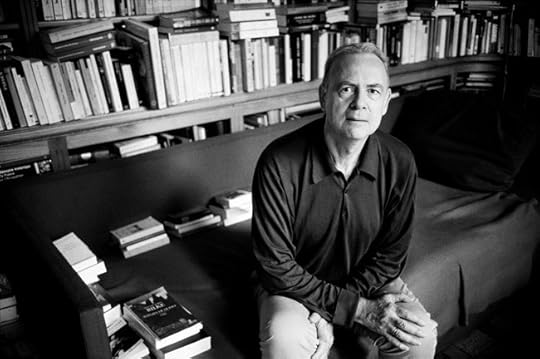
Patrick Modiano

139 books2,128 followers
Patrick Modiano is a French-language author and playwright and winner of the 2014 Nobel Prize in Literature.

He is a winner of the 1972 Grand prix du roman de l'Académie française, and the 1978 Prix Goncourt for his novel "Rue des boutiques obscures".

Modiano's parents met in occupied Paris during World War II and began a clandestine relationship. Modiano's childhood took place in a unique atmosphere: with an absent father -- of which he heard troubled stories of dealings with the Vichy regime -- and a Flemish-actress mother who frequently toured. His younger brother's sudden death also greatly influenced his writings.

While he was at Henri-IV lycee, he took geometry lessons from writer Raymond Queneau, who was a friend of Modiano's mother. He entered the Sorbonne, but did not complete his studies.

Queneau, the author of "Zazie dans le métro", introduced Modiano to the literary world via a cocktail party given by publishing house Éditions Gallimard. Modiano published his first novel, "La Place de l’Étoile", with Gallimard in 1968, after having read the manuscript to Raymond Queneau. Starting that year, he did nothing but write.

On September 12, 1970, Modiano married Dominique Zerhfuss. "I have a catastrophic souvenir of the day of our marriage. It rained. A real nightmare. Our groomsmen were Queneau, who had mentored Patrick since his adolescence, and Malraux, a friend of my father. They started to argue about Dubuffet, and it was like we were watching a tennis match! That said, it would have been funny to have some photos, but the only person who had a camera forgot to bring a roll of film. There is only one photo remaining of us, from behind and under an umbrella!" (Interview with Elle, 6 October 2003). From their marriage came two girls, Zina (1974) and Marie (1978).

Modiano has mentioned on Oct 9, 2014, during an interview with La Grande Librairie, that one of the books which had a great impact on his writing life was 'Le cœur est un chasseur solitaire' (The Heart is a Lonely Hunter), the first novel published by Carson McCullers in 1940.

(Arabic: باتريك موديانو)

Ratings & Reviews

What do you think?
Rate this book

Friends & Following

Create a free account to discover what your friends think of this book!

Community Reviews

5 stars
116 (11%)
4 stars
285 (29%)
3 stars
369 (38%)
2 stars
140 (14%)
1 star
59 (6%)
Displaying 1 - 30 of 141 reviews
Profile Image for Issa Deerbany.
374 reviews692 followers
December 20, 2017
لي جلد كبير على قراءة اَي كتاب مهما كان مملا.
والحمد لله انها ١٤٠ صفحة فقط قرأتها على ثلاث جلسات.

ما فهمته ان الرواية تدور في باريس اثناء الاحتلال النازي لباريس.

وهي رواية سردية على لسان شاب يعمل عميلا مزدوجا، ولَم افهم هل هو عميل للاحتلال والمقاومة في نفس الوقت.
أم هناك عصابات تتنافس فيما بينها.

الرواية باردة وثابتة ولا شيء يتحرك. الأشخاص لا يتحركون وهم ثابتون في نفس المكان كالتماثيل، يشربون الخمر ويسمعون الأغاني ويرقصون.

الأسماء كثيرة ومن جميع دول العالم وليس لها اَي دلالة والشخصيات غامضة.

والرواية تشبيه للوحة اسمها "دورية ليلية" حيث أفراد الدورية يسيرون في الشارع والعتمة حولهم من جميع الاتجاهات والنَّاس من حولهم كالأشباح لا يهم من هم أو ماذا يفعلون.

ربما الرواية تحاكي هذه اللوحة حيث باريس معتمة على عكس ما هو مشهور عنها. أم لان الحكم الشمولي النازي هو سبب هذه الظلمة. ولا يهم من يعيش تحت هذا الحكم لا اسمه أو عمله فهم مجرد اشباح.

صراحتا لم استمتع بها وربما هناك قراء يقدرون هذا العمل اكثر مني اما حسب ما فهمته واستوعبته فنجمتين لا اكثر.

قرأت لنفس المؤلف رواية صبية طيبون وكانت رائعة وأسلوبها عذب، وشخصياتها واضحة .

لذا سأقرأ له مرة اخرى .
Profile Image for Violet wells.
433 reviews4,501 followers
November 20, 2016
Not every book by an important writer is an important book.

The first fifty pages went over my head. Lots of talking heads with exotic names making disconnected remarks. The narrative voice was so thin, so elusive that I found it impossible to get any kind of emotional foothold in the story. It was like an artist’s sketch or a jazz musician improvising. A lot of attention is given to the decadence of the Nazis and their sympathisers but I found all this rather clichéd.

Eventually a narrative voice did emerge. A first person narrative of a character who, as we guessed, is informing for both sides during WW2 in Paris and whose two best friends are inventions. Now it did get more interesting. But it never went beyond the artist’s sketch, the jazz musician’s improvisation. In a proper novel no doubt he would have been a compelling character but here, apart from wanting to get his mother to safety in Switzerland we learn little about his motives. Maybe that was the point, that such people are unknowable. But Modiano created him so he must know him even if he pretends not to. The problem was that the artifice of pretending not to know a character you do felt awkward here. Modiano seems to like unknowable characters. But while this technique of creating ghosts rather than characters worked fabulously well in Dora Bruder here it felt forced and trite. I’d be surprised if it took more than a month to write this.
Profile Image for Araz Goran.
877 reviews4,714 followers
Read
September 19, 2015

هذه الرواية هي ثاني رواية كتبها الأديب الفرنسي " باتريك موديانو " الحاصل على جائزة نوبل لسنة 2014، الرواية هذه كتبها سنة 1969 وهو مايزال في الـ 24 من عمره..


من شأن هذه الرواية أن تأتيك بالشيخوخة مبكراً بالفعل، أو أن تجعلك تهذي ربما.. أغرب وأعقد رواية قرأتها في حياتي لا رأس لها ولا نهاية ،قطعة روائية سردية واحدة حيث لا فواصل ولا أجزاء نسق واحد وطريقة واحدة في السرد من أول كلمة إلى المنتهى، لا حوارات تقريباً، حتى الحوارات الموجودة تايعة للسرد وليست جزءاً يمكن إعتباره حوار أو تحاور بين طرفين، إنتقال زمني للأحداث بسرعة الضوء لا يتيح لك معرفة ماهو الماضي وأين يكمن الحاضر، كل شئ في منتهى التعقيد ويسير بطريقة لا يمكن تفسيرها بأيِ حال..

-------------------------------------------------


يقول المترجم (سامحه الله) عن الرواية : " أكاد أجزم أنه لا توجد رواية، في تاريخ الأدب ، تضم مثل هذا العدد الكبير من أسماء الأماكن والأشخاص.. هي ليست أسماء كثيرة فحسب بل وغريبة النطق والمضمون!! غرابة الأسماء ليست في كثرتها فحسب بل في تنوعها بين الفرنسي والعربي والروسي ألخ.. " والأدهى من ذلك أنك لا تعرف شيئاً عن تلك الشخصيات، لا تفاصيل ولا أعمار ولانوع العلاقة التي تربطهم ولا أي شئ يدل عليهم، بل وحتى بطل الرواية لا تعرف عنه شيئاً إلا بعد مضي وقت طويل في القراءة..


كل شئ يحدث في الرواية في الليل ولا تعرف ماذا يفعلون سوى أنهم جالسون ويحتسون الشراب ويسمعون الموسيقى ويطلقون العبارات الغير مفهومة بين حين وآخر.. هذه هي الرواية لا أحداث ولا تحريك شخصيات ولا أي شئ متعود عليه من الروايات التقليدية.. رواية تشبه دخول كهف مظلم فقط عليك أن تتحس لا أن ترى وتفهم.. إمض في طريقك وتحسس وتخيل المشهد كما تشعر به وكفى..


هي ليست رواية لتعيشها بل لتتعايش معها كما تجري وكما يُفرض عليك .. قطع من الذكريات من الماضي والحاضر مثل قطع البازل تتجمع هنا وهناك لتعطيك صورة غامضة مبهمة وعليك أن تحاول حلها وربطها مع بعض لتصل، أقول ربما الى فهم الرواية..


-------------------------------------------------


هناك مصطلح جديد ظهر منذ سنوات عديدة في عالم الأدب تسمى " الموديانية " طبعاً نسبة إلى باتريك موديانو هذا، ماذا تعني " الموديانية " يا سادة!!

" الموديانية " تعني التفاصيل الدقيقة لإستعادة الذاكرة أو الذكريات لأشخاص يعيشون غالباً داخل أنفسهم دون أن يخرجوا منها.. فالرواية إذن لا تعني الحكي بمعناه المعروف في الأدب بل الرواية هي التذكر فقط من دون حكي.. الحكي يتم بطريقة منتظمة دقيقة منسقة أما هذه الموديانية فهي تحدث بتلقائية ملحوظة وبتداخل غير منطقي وصورة غير كاملة..

------------------------------------------------

يجدر بي الإعتراف أن هذه الرواية بالتأكيد ليست لي وليست بعالمي الأدبي الذي أفهمه ، لذلك لا أستطيع تقييمها ولا الحكم عليها ولا نقدها بطريقة جدية ولا محاولة الدخول فيها، لذلك لا قدرة لي بتقييم الرواية من الأساس..

وشكراً....


" پاتـريـك مـوديـانـو "
Profile Image for Steven Godin.
2,784 reviews3,409 followers
April 27, 2020

2.5/5

Of the Occupation Trilogy I found The Night Watch to be my least favourite. In fact, thinking of it now, its the most disappointing Modiano novel I've read so far. Set in a dark and seedy Paris where there are no heroes, it's full of derelicts, shams, demimondaines, and ruthless criminals. The story centres on a double agent, a young man without a future, who is caught between a rock and a hard place, as he struggles to keep a grip on himself during a time where there is so little moral clarity. It felt a little like one of those atmospheric black and white film noirs of the 1940s, where I found the last third was the best part of the novel, but overall I found the narrative was a bit of a mess compared to Modiano at his most dazzling.
Profile Image for P.E..
970 reviews761 followers
November 29, 2019
Une réécriture de la période des agents doubles et des bandes affidées à l'Occupant allemand pendant la Seconde Guerre Mondiale. Le narrateur et personnage principal est parfaitement détestable.


Piste musicale :
Atrium Carceri & Cities Last Broadcast - Laudanum
Profile Image for Keith.
540 reviews69 followers
November 28, 2014
Author Modiano, the 2014 Nobel Prize in Literature winner, is a French novelist with a large bibliography. Of the more than 25 books he has written only a small number are available in English. At least so far. Apparently one his major themes, Wikipedia calls it an "obsession," is the German occupation of France during World War Two and how French citizens came to terms with it. Night Rounds (Nuit du Ronde) is his second book. More novella than novel it tells the story of a man who seems to be part of a gang of criminals who are both collaborating by arresting patriotic Frenchmen while stealing as much as they can from the houses of those who have fled the Germans. For such a short book there is a large cast of very bizarre characters, all pretty repugnant. The narrator is ordered by his boss, the "Khedive," to infiltrate a group of men who are forming a resistance to the Germans. He is quite taken with the Captain of the group, whose enigmatic comments seem to indicate that he is aware of the narrator's criminal life. The narrator is piercingly aware of the ultimately doomed path he has set out upon. The question of which side the narrator is on is ambiguously addressed throughout the book. The novel has a dream-like, even hallucinatory quality that wonderfully points out the surreal nature of enemy occupation and ultimate loyalty. I look forward to reading more Modiano.
Profile Image for Gill.
330 reviews128 followers
July 26, 2016

4.5 stars

I found this a very confusing book. It's one that I definitely want to read again.

There was a hallucinatory/mesmeric feel to the narrator's description of his journeys round Paris, and the people he encountered and events that occurred. It was only part way through, that I realised that many of the people that he 'imagined'/stated he encountered around Paris were the names of real historical people. That is something I'd want to look in to further prior to or during another read of the book.

I've read that Modiano's writing is like that of W.G. Sebald. In fact this book seems to me more to be related to Ulysses (episode 15, Circe), T.S. Eliot's writing and By Night in Chile.
Profile Image for David Carrasco.
Author 1 book152 followers
May 28, 2025
¿Y si fueras tú el traidor?

No el héroe, no el resistente de película con gabardina y mirada de acero, sino el que se escurre por los márgenes, firma lo que no debe, acepta lo que no quiere y sobrevive de más. ¿Qué haces con esa versión de ti cuando la guerra ha pasado y te siguen dejando sitio en la mesa?

En La ronda de noche, Modiano vuelve a meterse donde nadie quiere mirar: en los pantanos morales de la ocupación nazi, esa época donde todo el mundo jura que habría sido valiente pero donde la mayoría, si somos honestos, se habría limitado a callar, a fingir, o a apuntarse a lo que tocara para que no les faltara el pan.

Esta es, tal vez, la novela más turbia y desorientadora de Modiano. Segunda entrega de su Trilogía de la ocupación, recoge el testigo de El lugar de la estrella y lo retuerce en una espiral todavía más enfermiza, más opaca. Aquí no hay mitología de la resistencia, no hay romanticismo, y desde luego no hay redención. Solo un narrador sin nombre —joven, turbio, ambiguo como el eco de una mentira repetida demasiado tiempo— que trabaja para un grupo de colaboracionistas sin escrúpulos, tal vez amparado por la Gestapo francesa… o no, y se infiltra en un grupúsculo de la Resistencia en París durante la ocupación… o eso parece. Porque tal vez también trabaja para la Resistencia. O para nadie. O para todos. Y ahí está el juego.

Esta ambigüedad, esta danza entre lo visible y lo oculto, se cuela en la manera en que Modiano escribe, fragmentando la historia como quien no se atreve a contarla toda, como si tuviera miedo de que la verdad haga demasiado ruido. Modiano narra en primera persona con esa prosa suya tan característica: desnuda pero hipnótica, como un monólogo interior que va soltando pedazos de historia sin terminar de explicar nada. Aquí todo se sugiere, se susurra, se desliza como una sospecha. Hay momentos que parecen sacados de una pesadilla kafkiana en tonos sepia, donde no sabes si el protagonista es un impostor o un mártir, si está manipulando o siendo manipulado. Todo es bruma, todo es eco. Y, sin embargo, cada frase pesa como un expediente olvidado en una comisaría clausurada.

Pero esa bruma no es solo una atmósfera: es una forma de escribir. Modiano no cuenta la historia desde una estructura lineal, sino como quien intenta reconstruir su vida desde la fragmentación, como si cada página fuera una fotografía encontrada en una caja de cartón con nombres escritos al dorso que ya no significan nada. Y esa forma es perfecta para lo que quiere contar: un yo que se ha desdibujado, una identidad que se escurre entre disfraces, documentos falsificados y fidelidades rotas. Algo que se mueve entre el diario, el monólogo interior y una suerte de delirio moral donde las fechas importan menos que los ecos. Un texto saturado de nombres, lugares, dobles fondos. Modiano no busca claridad, sino el vértigo de la ambigüedad. En lugar de reconstruir su pasado con lucidez, el protagonista lo arrastra como quien arrastra un saco lleno de máscaras que ya no recuerda de quién eran.

No es casual que, después del estallido de furia y sarcasmo del primer libro, esta segunda entrega se sumerja en un silencio helado, en un estado de descomposición moral donde ya no queda espacio ni para la rabia. Comparado con El lugar de la estrella , este es más sombrío aún —que ya es decir— y menos grotesco. Allí había sarcasmo y fuego; aquí hay sombra y frío. Si el primer libro era una bomba lanzada contra la identidad judía falsificada y la autonegación como forma de supervivencia, este es un descenso en espiral hacia el nihilismo moral. El protagonista ya no se pregunta quién es: simplemente actúa, se deja arrastrar, como si fuera consciente de que cualquier elección está ya contaminada.

Y esa deriva —esa entrega casi resignada— se refleja también en el tono y en las resonancias literarias. Si El lugar de la estrella tenía algo de Bernhard, este tiene algo de Dostoievski encerrado en un club nocturno de colaboracionistas, rodeado de espejos y con una pistola en el bolsillo. Es un mundo en el que la culpa ya no necesita un acto concreto, como en Camus, porque la sola pertenencia ya es condena. Y sin embargo, hay también una niebla fantasmagórica, una deriva por el pasado narrada con la distancia espectral de Sebald: la identidad no se busca, se descompone. Más que una novela sobre la ocupación, La ronda de noche dibuja el agotamiento del yo. No hay redención posible. Solo eco.

Y justo ahí, en ese eco, aparecen los personajes que orbitan alrededor del narrador: grotescos y borrosos, como si Otto Dix hubiera pintado una posguerra más gris y menos heroica, pasada por el filtro de la derrota y el miedo. Criminales, oportunistas, falsos patriotas, caricaturas tristes de autoridad, pero sin monstruos de cartón piedra. Porque lo verdaderamente perturbador no es lo grotesco sino lo reconocible.

Pero no nos equivoquemos, la novela no es solo un fresco sobre esa época oscura: la ocupación funciona aquí como telón de fondo. Lo que Modiano hace es algo mucho más sutil, casi una meditación. Culpa, identidad, la duplicidad y ese vértigo terrible de ser alguien sin tener claro quién. El narrador se escribe desde un presente que parece suspendido, clandestino, o muerto en vida; esta confesión que intenta armar es quizá su último acto de resistencia contra el olvido.

Porque, al final, Modiano siempre vuelve a lo mismo: la imposibilidad de recordar con precisión y la necesidad desesperada de no desaparecer del todo. Incluso el título, La ronda de noche, es una trampa que juega con esa idea: evoca el famoso cuadro de Rembrandt, pero aquí ese París no tiene nada de iluminado ni heroico. Es más bien una ronda de sombras, de figuras que se deslizan por pasillos oscuros sin saber qué vigilan. Una lógica de pesadilla se cierne sobre todo; un mundo que podría ser teatro, pero donde el dolor, ese sí, es real. Si Kafka hubiera escrito desde un hotel parisino en 1943, quizás habría salido algo parecido a esto.

Y justo en el corazón de ese delirio late una pregunta terrible que atraviesa toda la novela: ¿puede uno salvarse traicionando? Y más aún: ¿puede uno saber si ha traicionado de verdad o si solo lo ha soñado? Modiano no da respuestas, porque la novela no busca juicio ni redención. Es una especie de misa negra narrada desde el interior, como si el protagonista fuera el único feligrés y el único hereje al mismo tiempo.

Y aún así, hay belleza. Una belleza triste, melancólica, como la de las ruinas después del incendio. La prosa de Modiano tiene esa cualidad de lo irrecuperable, como una carta escrita a alguien que ya no existe. Y uno, que a veces se harta de tanto escritor que se pone digno con la historia, agradece este tipo de libros que no pretenden juzgar sino mirar de frente. Porque nadie queda limpio después de una guerra. Ni siquiera los que se creen los buenos.

¿Lo recomiendo? Sí, claro. Pero no vengas buscando respuestas ni héroes. Aquí solo hay sombras, dobles juegos y la incomodidad de saber que podrías haber sido tú el que firmó lo que no debía, por miedo, por hambre o por puro cansancio de fingir. La ronda de noche no te acaricia. Te susurra al oído que todos tenemos un precio. Y luego apaga la luz. Y ahí te quedas.
Profile Image for Ivy-Mabel Fling.
637 reviews44 followers
December 6, 2023
This rather surreal novella, relating the tale of a (vaguely portrayed) protagonist who works simultaneously for the Gestapo and the Resistance seems to me to be more about the seedy (understatement) underworld in Paris during the Occupation than about the fate of the 'hero' himself (whose only strong feeling appears to be for the safety of his mother). Modiano's feat here (in my view) is his ability make us as readers almost physically feel the atmosphere of disgusting delirium among the Gestapo supporters: their excesses and addictions lived out without the slightest pricks of conscience against a background of screams and murders. Not for the faint-hearted, nor those who would prefer a clear point of view in a completely comprehensible tale.
Profile Image for Aliaa Mohamed.
1,177 reviews2,368 followers
May 16, 2015
- رابع قراءاتي لباتريك موديانو ولكنني فشلت ف حب أدب هذا الرجل .
- الحياة أقصر من محاولة المعافرة من أجل استكمال قراءة عمل أدبي شعرت معه بالملل منذ البداية ولم أستطع إلا تخطي النصف بمشقة كبرى !
- عدم استكمال أي عمل ومن ثم تقييمه بعد ذلك هو خطأ وأعلم ذلك ولكنني فشلت ف محاولة إقناع نفسي أو إجبارها بمعنى أدق ف مواصلة القراءة خاصة مع وصولي إلى الصفحة 70 من أصل 138 صفحة دون أن أفهم شئ !!
- يبدو أن الحاجز أصبح أكبر بيني وبين موديانو صاحب نوبل في الأدب بكل أسف !
Profile Image for Audrey.
87 reviews4 followers
May 23, 2015
Patrick Modiano’s Night Watch (originally published in English as Night Rounds) is a short novel that yanks the reader in to the grubby underworld of Occupied Paris during WWII, and then holds you there, caught between gritty chaos and the fuzzed edges of memory. The narrator is a young man who, claiming to hold no moral convictions, has been drawn into the world of profiteers and the French Gestapo. He is sent to infiltrate the resistance, who may suspect his double crossing ways. Embedded in both camps, his loyalties are conflicted and – although we know from the beginning that he will betray the French cause – he must decide whether or not to stand up to his malevolent employers.

The story begins mid party. In an opulent room, where ‘the women have too much make up’ and ‘the men are dressed in garish colours’, a celebration of excess is ongoing. The occupants of this world are ‘con-artists, women of ill repute, disgraced police officers, morphine addicts, night club owners, indeed all these marquises, counts, barons and princesses that you won’t find in any almanac of high society…’ There are frequent reminders that their pleasure is heightened by the deprivation in the city outside (‘Very scarce. Three hundred thousand francs a bottle. Don’t worry. There is no rationing at Cimarosa Square.’). Undercutting the debauchery are the quietly menacing figures of the Khedive and Monsieur Philbert, profiteers turned Gestapo, who coax the narrator to give up the addresses of his resistance friends. Torture punctuates the merriment, accentuating the surreal atmosphere.

These scenes are deliberately disorientating and written in a larger than life, cartoonish style reminiscent of Pynchon’s work – 60’s ‘pop’ literature which I love – which is set off well by being juxtaposed with the narrator’s more somber reflections on his life. The things which bind him to the world are few, he tells us. His primary ties are to his mother and two innocents – a blind, red-headed giant and a young girl (or an old woman? he is not always sure) – who he protects, and who he believes bring him some redemption. Frequently the narrator, who in previous times has lived as a thief, whore, and con-man, protests that he is not strong or morally certain enough to do the right thing, but instead must go with the flow and will later face the consequences.

‘…it occurred to me that my particular disposition was well suited to double-dealing and – why not? – to treason. Not enough moral fibre to be a hero. Too distracted and dispassionate to be a real villain. On the other hand I was malleable, I had a fondness for action, and I was plainly good natured.’
Continuously self-effacing, his weak will means that we can never be sure that the story we are told is the truth – and in this world of double crossing, what is the truth?

Night Watch sometimes feels – deliberately – overwhelming in its description of the underworld excesses, but beyond this narrow world is a blank space. We are given no background, no history, and no suggestion of what life in Paris is like for those not profiteering (besides the regular sneering mentions of rationing by the revelers). The contrast between this clear centre and the indistinct world beyond it creates a feeling of being out of time, caught within the haze of memory. The selectiveness of the information which the reader is permitted is reinforced by the unreliable first person narrator. Finally, the lack of a straightforward chronology accentuates the dream like nature of the story, as we jump between events and reflections, parties and despair.

This feeling of being suspended in a particular memory, but, as with a dream, being somehow disconnected from surrounding events recurred in the only other work of Modiano’s I have read, Suspended Sentences, and is a captivating experience that, like a dream, leaves you grasping to hold onto it as you surface. Modiano is a celebrated author in France and globally, but was little known in the Anglophone world until he won last year’s Nobel Prize for Literature. We are lucky that English translations of his work are now becoming more readily available; he is a talented writer with a unique voice and the ability to transport you into someone else’s memories. I can’t wait to read more of his work.

Originally blogged at www.goodbyetoallthis.com
Profile Image for أحمد العلي.
Author 30 books531 followers
Read
August 9, 2023
الترجمة شائكة، غير مفهومة. ما الذي يقوله هذا الكتاب؟
Profile Image for Laura .
448 reviews225 followers
Read
February 11, 2022
Taking this off my CR - because Violet has reviewed it and given a rating of 2 stars. Will eventually choose something else by Modiano.
Profile Image for Adam.
46 reviews
October 2, 2015
"I hereby authorise my biographer to refer to me simply as 'a man,' and wish him luck. ... He won't understand the first thing about this story. Neither do I. We're even."

This story is told in hazy fractions of scenes, and about halfway through it all starts to come together in an amazing way. I couldn't put the book down as soon as things started to clear up, but that's not to say they're fully clear at the end.

The main character struggles in occupied Paris to navigate working as a double agent for a French gang that collaborates with the Nazis as well as a group of French resistance fighters. But this isn't an action-packed spy thriller, and it's not concerned with good and evil, right and wrong.

It's about the effects of "living through extraordinary times," as the narrator says. He had been worn down by the pressure and sorrow of daily life during the war and the occupation. That set him adrift and led him to the story told here. The conflict between the two groups is secondary; the power of the story is in understanding the immense psychological and personal impacts of the occupation and Nazi collaboration. That story is expertly told here, but it's so difficult to understand, even for the person telling it.
Profile Image for Peiman.
652 reviews200 followers
February 17, 2022
واقعا چرا؟؟ چرا از موضوع به این قشنگی چنین رمان ضعیفی در آوردی آقای مودیانو؟ کتاب واقعا سردرگم و پیچیده شروع میشه که حتما به خواست نویسنده بوده ولی اینقدر زیاده که اگه کسی بگه قبل از 50 صفحه ابتدایی دو بار کتاب رو پرت کرده تو دیوار من تعجب نمیکنم. شما در 50-60 صفحه اول تعداد زیادی اسم و دیالوگ میبینید که انگار همه رو ریختن تو مخلوط کن بعد چاپ کردن... قطعا من این کتاب رو به هیچ کس پیشنهاد نمیکنم
و نتیجه ای که از این کتاب میگیریم اینه که یک نویسنده ی خوب میتونه یک کتاب بد بنویسه
Profile Image for Nahed.E.
630 reviews1,978 followers
Read
March 10, 2017
حتي الصفحة 80 واكتفيت
باختصار شديد ..
هناك كُتب لم تخلق لنا
وهذه المقولة تنطبق علي هذه الرواية - بالنسبة لي - بكل تأكيد

ولكن ... بالنسبة للرواية فأري أن أخي آراز في الريفيو الذي قدمه عنها قد اوفي ببراعة ما أريد قوله وأكثر
https://www.goodreads.com/review/show...
((:
Profile Image for Woraphol Thawornwaranon.
87 reviews31 followers
April 9, 2018
โมดิอาโนถูกกรรมการโนเบลยกย่องว่าเป็นพรูสต์ในยุคของเรา ว่าเป็นผู้สร้างศิลปะเกี่ยวกับความทรงจำที่ยอดเยี่ยมที่สุด แต่ความทรงจำในงานของโมดิอาโนมันไม่ได้แจ่มชัดทุกรายละเอียดเหมือนความทรงจำใน ‘การตามหาช่วงเวลาที่สูญหาย’ ของพรูสต์ หากเป็นความทรงจำที่คลุมเครือเลือนราง วูบไหวและหลอกหลอนเหมือนผีที่เรามองไม่เห็นตัว จะสลัดทิ้งก็ไม่ได้ จะยึดเหนี่ยวไว้ก็ไม่แน่ใจในความเป็นจริงของมัน ไม่รู้มันจะเป็นการด่วนสรุปเกินไปมั้ยหากจะเหมาเอาว่าความทรงจำในช่วงสงครามโลกครั้งที่สองของโมดิอาโนมันก็คงมีลักษณะแบบนี้แหละ วูบไหวหลอกหลอนและไม่อาจสลัดทิ้ง ทำให้งานทั้งสามเล่มของเขาที่เราเคยอ่านมีธีมเรื่องเดียวกันเซ็ตติ้งเดียวกันหมดเลย

The Night Watch ยังคงบอกเล่าเรื่องราวของคนเล็กคนน้อยที่ต้องเอาตัวรอดอยู่ในปารีสช่วงที่ถูกเยอรมันยึดครอง โดยพล็อตจะออกทริลเลอร์หน่อยๆ เพราะเป็นเรื่องของสายลับสองหน้าที่โชคชะตานำพาให้ไปทำงานกับทั้งฝ่ายเฟรนช์เกสตาโปและฝ่ายต่อต้าน แต่แน่นอนว่าด้วยความเป็นวรรณกรรมซีเรียส มันไม่เสียเวลาไปกับการระเบิดภูเขาเผากระท่อมหรอก

เล่มนี้ก็เหมือนกับ 2 เล่มที่เคยอ่านมาก่อน โมดิอาโนได้แสดงภาพชีวิตของมนุษย์ในช่วงเวลาที่โกลาหลที่สุดในหน้าประวัติศาสตร์ มันเป็นช่วงเวลาที่ชีวิตไร้ค่าและแอ๊บเสิร์ดในหลายมิติมาก คนเล็กคนน้อยไม่เคยถูกบันทึกไว้ การมีอยู่ของพวกเขาพร่าเลือนและกระจัดกระจายกลายเป็นแค่คำบอกเล่าสั้นๆ และพร้อมจะตกหล่นจากโลกใบนี้ไปเมื่อไหร่ตอนไหนก็ได้ ทั้งเรื่องมันเลยเต็มไปด้วยความเศร้าทั้งที่แทบไม่มีเหตุการณ์อะไรเกิดขึ้นเลย เป็นความเศร้านิ่งๆ จากการครุ่นคิดถึงความหมายและการดำรงอยู่ของตัวเอง ซึ่งก็ตามสไตล์นักเขียนนั่นแหละ (แต่ก็ยังไม่เศร้าเท่าตอนอ่าน Pedigree เล่มนั้นเมนชั่นชื่อคนลอยๆ เป็นล้านแต่ดันเศร้าฉิบหาย)
Profile Image for Mer.
15 reviews1 follower
May 15, 2025
PEC menos por el momento de 250 nombres seguidos modiano molt mal
Profile Image for Joshua Line.
198 reviews24 followers
Read
May 19, 2023
'The doctor used to tell me that when he is about to die, a man becomes a music box playing the melody that best describes his life, his character, his aspirations.'
Profile Image for Fabrice Conchon.
311 reviews26 followers
May 1, 2018
La ronde de nuit est un livre étrange, assez obscur au premier abord mais qui se révèle en fin de compte absolument fascinant.

Pendant les cinq premières pages, je n'ai en gros pas compris qui faisait quoi et qu'est ce qui se passait. J'étais plongé dans une atmosphère étrange d'orgie décadente avec des personnages aux noms aussi colorés qu'invraisemblables, puis, petit à petit, la trame du récit a commencé à se mettre en place.

J'ai vraiment adoré la narration déconstruite de Modiano. On comprend au bout de cinq pages que l'histoire se passe sous l'occupation, au bout de quinze qui sont les personnages principaux de Phillibert et du Khédive, au bout de trente pages quel est le rôle du narrateur, etc... Tout y est distillé avec lenteur de façon à ménager le suspens dans une prose délicieuse -et à vrai dire très poétique- pour camper une récit très noir dans une atmosphère très glauque. Je me suis surpris à plaindre les gens qui lisent à l'avance et systématiquement les quatrièmes de couverture ou les critiques sur Goodread comme celle-ci car pour ce qui est de ce livre, il perdent une grande partie de sa magie si ils déflorent ne serait-ce qu'un tout petit peu de l'intrigue.

Le livre est vraiment paradoxal dans la mesure où il donne beaucoup de détails mais tout en conservant une large part de mystère. Les détails ? La multitude de noms de personnages, qui semblent vraiment sortir de contes de fées, avec leurs rôles et occupations interlopes, les pseudos fascinants aux noms de stations de métro, les noms des lieux de Paris qui reviennent en boucle comme une ritournelle et enfin l'atmosphère poisseuse de l'occupation parfaitement restituée. Le mystère ? La manière exacte dont cela se finit où la réalité voire le rôle des personnages importants comme Esmeralda et Coco Latour, ainsi que l'identité réelle du narrateur qui semble bien être le fils d'Alexandre Stavisky, escroc fameux, à l'origine d'un énorme scandale politique, mort à Chamonix en 1934 (le lieu est mentionné dans le livre, ce n'est donc pas une simple homonymie).

En conclusion, un livre captivant, avec ce qu'il faut de réel, de mystère et de beauté poétique pour enchanter le lecteur.
Profile Image for Pelidelasemana.
151 reviews89 followers
June 3, 2017
Infinitamente superior a 'El lugar de la estrella', la segunda novela de la trilogía de la ocupación rehuye la pedantería insulsa de la primera novela para concentrarse en una anécdota muy contenida: el juego de lealtades de un doble agente que trabaja para la Gestapo francesa (compuesta enteramente por los detritos de la sociedad francesa, ahora empoderados por la ausencia de legalidad tras la ocupación) y al mismo tiempo para los restos de la debilitada policía francesa. Proporcionándole a ambos bandos información de espionaje sobre sus contrincantes.

El resultado es una novela que muestra la habilidad narrativa de Modiano, y que se vale del estilo de narración fragmentada que el Nobel francés había esgrimido en su primera novela para atacar una pequeña estampa que, a pesar de su carácter de anécdota, consigue retratar la atmósfera de caos, falsas expectativas de grandeza, y sobre todo ausencia de identidad, que deviene tras el horror de la guerra.

El narrador, tan poco confiable como en la primera novela, es un ser que ha asesinado su identidad, y que tras el violento encuentro con la guerra se monta en una serie de mitologías que le permiten transformarse (de palabra) en lo que siempre quiso ser: galante, noble, bondadoso, etc. Aspiraciones que todos los salvajes a su alrededor tienen, y que persiguen a través de un patetismo melancólico que colisiona con la violencia de sus acciones (jamás pueden escapar a la irrestricción de sus instintos salvajes en un mundo sin ley, y contraponen sus aspiraciones nobles a la tortura, al robo de obras de arte, al tráfico de bienes en la carencia, y al asesinato), y que da pie a una atmósfera decadente estupendamente representada por la prosa de Modiano.

Me alegra no haber abandonado la trilogía tras su infame primer novela. Ahora veremos qué me depara la última.
Profile Image for Yves Gounin.
441 reviews71 followers
November 26, 2011
Le deuxième livre de Modiano annonce Lacombe Lucien.
Le personnage central, qui reste anonyme tout au long ce ce court roman, est un collabo qui pénètre un réseau de résistants.
ironiquement, ses camarades de la résistance lui demande d'espionner ceux-là même pour lesquels il a rejoint ce groupe. Agent double, agent triple, mi-héros mi-lâche, il en vient à douter de son identité.
Comme dans tous les romans de Modiano, le Paris de la collaboration est nocturne, nébuleux, incertain, comme les personnages qui le hantent.
Une petite musique pénétrante ...
Profile Image for Nick Grammos.
277 reviews159 followers
July 22, 2019
I can't stop reading Modiano. He's taken me over. BUT, this Bloomsbury edition is one of the worse publications I have read. I expect a couple of typographical errors in a novel the length of Crime and Punishment, but this had a dozen at least. Deeply upsetting and if I ever see a book by this publisher, I may avoid it.
Profile Image for Victor Morosoff.
377 reviews116 followers
November 3, 2015
Un Modiano presque méconnaissable parle dans ce livre, peut-être à cause de la phase encore incipiente de sa carrière d'écrivain au moment de cette parution. L'action est plutôt difficile à suivre - et pourtant, les dernières pages sont un vrai délice littéraire. 3,3/5
Profile Image for Apubakr.
39 reviews28 followers
June 30, 2017
1-

مارسيا بيتو يعيش حياة صعبة مع أمه في باريس زمن الإحتلال النازي لها حيث شعار النازية يلوح من برج إيفيل. تعاني والدته من إفلاس مؤقت . لكنه يصف أيام ذاك الوقت وهو بعمر 18 سنة بأنها أيامه السعيدة .
2-

في باريس المنكوبة الكثير من الجرذان . منظمة تعرف بإسم المؤسسة التجارية العالمية من باريس - برلين - مونت كارلو ، عرفت فيما بعد بعصابة ميدان سيماروز ، تقوم بأعمال مشبوهة وغير مشروعة . قتل . إغتيالات لسياسين ، سطو ، سرقات .
" هل ترى يا صديقي ، كل الفئران التي تستفيد من الأحداث الجارية كي تصعد إلى السطح ."
يترأس هذه العصابة هنري نورمان المعروف بالخديو بسبب سيجارته التي يدخنها . عاش مراهقته يجر عربات الخضراوات . يدعي أنها يدير وكالة شرطة خاصة مع صديه له " بيير فليبيير " وهو مفتش عام معزول . يوقعون ببيتو ليساعدهم في إعمالهم غير المشروعة هو شكله بريئ ويشبه المسيح
" لكن يشبه نفسه بيهوذا الإسخريوطي . الذي بكثير من الخزي والشجاعة يأخذ كل عار البشر عند الموت وحده . هو أخوه الأكبر "
سجلوه بإسم سوينج تروبادور .
3-

منحوه بطاقة شرطة ، وتصريح بحمل سلاح . وبعد الكثير من الأعمال السيئة ، يطلبون منه الإنضمام إلى شبكة للمقاومة من أجل إختراقها وتدميرها .
" نحن نعيش في عصر خطير .. لديك أياد بيضاء وطويلة . تتمتع بصحة و عافية . إنتبه إذا كان عندي نصيحة لك فهي ألا تلعب دور الأبطال .. الأمر هو أن تدخل في شبكة للمقاومة لكي تهدمها
للخونة دوما نظرة واضحة ."
هو خائن بالتوافق مع صفاته كشبح معدوم القوة الروحية التي تصنع الأبطال بالإضافة إلى كثير من الامبالاة والحيرة ،لجعله وغدا .
" يجهلون واحدا تلو الأخر كم هي هشة سعادتهم .. أنا وحدي الذي ليس له أهمية .. في النهاية .. نحصل على ما نستحق من أصدقاء"
4-

أغدقوا عليه الأموال . 20 ألف فرانك نقدا مقابل أوراق ، 10% عمولة أحيانا ، 100 ألف فرانك أحيانا أخرى . و نصف مليون فرانك من أجل لامبال . . إنتشل أمه من الإفلاس وأرسلها إلى فندق في لوزان .
"حتي لا يقع في الإحباط إعتاد على رؤية الجانب السئ في الناس "
5-

الجانب المضيئ في حياته هما كوكولاكور وأزميرالد . يذكر المترجم في المقدمة أنهما عجوزان ! لكنهما كانا صغيرين عندما عرفهما . حبه لهم أقوى من أي شئ . يمثلان بالنسبة له وجه مشرقا لبلاد تتداعى . تأخذه رغبة أحيانا أن يتركهما . لكنه يخشى الوحدة والسأم من باريس . قضى برفقتهم أيامه الخوال .
6-

عصابة ميدان سيمادوز .. تسطو على المبان والمدخرات تقيم في مبنى 3 مكرر . وتضم مجموعة من الخونة والمرتشين والساقطات . جرذان الإحتلال
" إنسانية بالغة الرخاوة . ملتصقة حول موائد من القطيفة الحمراء.وعلى مقاعد أمام البار الخديو هنري ، السيد فليبيير . مفتسش عام سابق وكان رئيسا لشرطة فرنسا ، ليونيل دوزيف حكم عليه بتهمة السرقة فاقد للثقة - يخفي المسروقات - يحمل ديكورا قانونيا ، الكونت بارتوس خبير في أمور الفن والمورفين ، السيدة سلطانة أو لوسي أونشتاين راقصة سابقة ، جان فاروق دوميتود صاحب سيرك الخريف والساعة الرمادية "كباريه " قواد ممنوع من الإقامة في دول الكومنولث ... ، السيد روزنهايم غشاش ألماني محترف قال مرة :سوف نحصل على فرنسا بأكملها مقابل قطعة خبز . وسوف نعيد بيعها بثمن أكبر . وأخرين من الأنذال "
" هل أستطيع أن أعيش بكل هذا الندم ؟ "

7-

شبكة المقاومة التي يطلب منه الإنضمام إليها وتدميرها هم مجموعة من الأبطال قرروا النضال ضد قوى الشر المنتصرة في اللحظة الحالية . يتزعمها الملازم دومنيك . يعرض البطل خدماته عليه . حول الاحداث والحركات .. يضمه الملازم لحركة فرسان في الظل . يتخذ كل منهم إسما مستعارا . يكون على إسم محطة مترو . سموه الأميرة لامبال .تعرف على الجميع . أصبح بالنسبة لهم واحدا منهم . إلى أن طلب منه الملازم أن يتعرف على " المؤسسة التجارية العالمية من باريس - برلين - مونتي كارلو " وتجنيدهم .
أصبح عميلا مزدوجا .
8-

يقنع الخديو أن قائدهم ليس الملازم ولكنه شخص يدعى لامبال . وأن القبض عليه هو أملهم الوحيد . 500000 ألف فرانك ثمنا لذلك .في نفس الوقت الذي يطلب فيه منه الملازم أن يقوم بعملية إغتيال ..
الخديو يتتبعه .. يضربه فوق كتفه .. يذهب به إلى وكالة نورمان فيلر .
يطلب منه أن يفشي سر لامبال .
"سوف تدلنا على الأماكن التي نستيع أن نقبض فيها ، اليلة ، على أعضاء هذه الشبكة"
في النهاية يأخذهم لمقهى بيللي ، حيث ينبغي أن يقابل الملازم وسان جورج . منتصف اليل في باريس ..
" قلب باريس هي غابة مليئة بحيوانات من النيون المتعدد الألوان . حولك سلال خضراوات مقلوبة . وظلال تجر أحياء عملاقة من الثيران . بعض الوجوه الشاحبة مزدانة بشكل مهين . تتدفق للحظات ثم تتلاشى . من الأن فصاعدا كل شئ ممكن ... وإذا هربت . .. سوف تموت على مسافة قريبة وأنت غير قادر على العودة للوراء."
تحدث مقتلة يطلق الخديو 3 طلققات .. يمسك 8 منهم .. يهرب الملازم وسان جورج وبنتو .بعد ذلك وفي ميدان فيكتور هوجو وشارع كوبرنيكوس . يخرج بيتو من جيبه مسدسا مغلف بالعاج ومرصع بالؤلؤ كان عثر عليه في المنزل الذي يقيم فيه . يطلق بنتو النار على الخديو ويصيب كتفه الأيسر معلنا بأعلى صوته وهو يضحك أنه هو "لامبال "
ثم ينطلق هربا بالسيارة ويتبعوه بسياراتهم .. إلى أن يغادر باريس فيتركوه
" باريس في الفجر ستكون مغطاة بالأنقاض . خسارة كل ما كنت أحبه في مدينتي لم يعد موجودا منذ فترة طويلة "
9-

ماذا حدث بعد ذلك ؟! يقول أنه في النهاية خرج حيا من الكابوس .. وعمل في بار في فندق عند أطراف باريس ..ويقول أنه تعرض للمحاكمة وربما حكم عليه بالإعدام .. لكنه أيضا يوضح أن الشيخوخة أدركته في منطقة سيبريا الباردة . وماذا عن ككولاكور وأزميرالدا ؟ هل قتلهما ؟ " لاتوجد منابع للدموع كي أسري عن وحدتي . المشاعر الوحيدة التي تحركني هي الرعب "
" سأعترف أمام المحكمة أنني تدخلت لتدمير هذا المسكن .. سوف يستعيد العالم ألوانه المألوفة . وستسمى باريس من جديد مدينة النور . تعددت جرائمنا ، والوشايات ، وممرات التبغ ، سرقات ، وإغتيالات وجرائم من كل نوع _ أشياء في الساعة التي أكتب فيها هذه السطور أموال سائلة ، حصن مونتروج ذات صباح من ديسمبر . مقصلة الإعدام وكل ألوان الرعب التي ستعييشها مادلين جاكوب لحسابي . لا تقرأي يا أمي ، على كل حال فإن رفاقي سوف يقتلوني بدافع الأخلاق والعدالة وستعاود الإنسانية الظهور ذات يوم عظيم "
10 -
موديانو والفن الروائي :
هذه الرواية هي ثاني عمل لموديانو وهي جزء من رباعية عن زمن الإحتلال . ميدان النجم إسم عمله الأول يرد ذكر اسم هذا الميدان في هذا العمل. وتفتيش ليلي مستوح من لوحة لرامبرانت . وفي الرواية هي إسم لأوبريت منسي . في رأي يعتبر أشد أعمال موديانو تعقيدا . يقحم موديانو في كل جملة حوارا داخل حوار وقصة داخل أخرى وجملة من زمن في عقب جملة من زمن أخر . ضببابية مرهقة للغاية . ويبدو أن موديانو قد تخلى عن هذا الغموض الزائد في رواياته اللاحقة . وهو متأثر هنا بتيار الوعي وبجيمس جويس على مايبدو . ولا يمكن فك طلاسم هذه الرواية بدون فهم عالم موديانو بشكل كامل .كذلك أعيب على المترجم عدم تدخله لتوضيح عدة أشياء للقارئ يبدوا أنها إستعصت عليه هو نفسه . كذلك الأغنيات الواردة. كان ينبغى أن يوضح أيها ألماني في الأصل وأيها فرنسي

" لقد مات العالم
إثر إنهاك بالغ الرقة
أبواق السيارات تعلن لي
عن إطلاق المدافع
وهي تنتحب ."
Profile Image for Jean.
14 reviews1 follower
August 16, 2023
C génial. Très très bien écrit, totalement fantastique en permanence dans l3 rêve dans un flot de pensée d'images qui s'élèvent puis disparaissent. Tout est bo les ambiances sont puissantes c magnigico. Bravo Patrick
Profile Image for Stela.
1,073 reviews438 followers
February 8, 2018
C'est bizarre comment parfois les livres qu'on choisit de lire à un moment donné se regroupent et communiquent entre eux. Quand j’ai commencé "La ronde de nuit," de Patrick Modiano, je venais de finir un essai sur la naissance du concept de nation, dans lequel l'auteur expliquait que les notions de patriote et de patriotisme sont assez neufs, de toute façon non plus vieux que la nation même – environ deux siècles (même en France qui avait acquis pourtant depuis longtemps une grande partie de ses ingrédients – unité administrative, de langue et de territoire), et qu’ils ont été "inventés" par cette dernière afin de lui consolider la position. La trahison de patrie n’a pas été donc un péché capital depuis toujours, et beaucoup de ceux qui ont collaboré pendant la deuxième guerre l’ont fait non par lâcheté ou pour profiter, mais plutôt parce qu’ils croyaient au droit du vainqueur, ou parce qu’ils craignaient le communisme.

Dans ce contexte, le souvenir de la princesse de Lamballe, qui obsède le narrateur, semble devenir non seulement un exemple que les idéaux sont vides de contenu (elle a préféré mourir au nom de la monarchie, qui ne représente plus rien dans le présent, tout comme maintenant on se meurt au nom de la patrie, qui ne représentera peut-être plus rien dans le futur), mais aussi un exemple qu’un traître pour les uns peut devenir soit un héros, soit un fou incompréhensible pour les autres.

Pourquoi n’a-t-elle pas crié : « VIVE LA NATION ! » Moi je le répéterais autant de fois qu’ils le veulent. Je suis la plus docile des putains.


Les motifs pour lesquels le héros-anti-héros du roman de Patrick Modiano choisit une vie sans gloire mais lucrative, semblent en tout cas plus compliqués que la peur de la mort ou le désir de s’enrichir. A une première vue il paraît qu’une sorte d’amoralité l’empêche de regretter ses actions, en les camouflant derrière le devoir qu’il a envers sa mère (qui lui avait prédit, dans un souvenir qu’il fabrique probablement sur-le-champ, qu’il va finir sur l’échafaud), puis envers un couple de vieillards démunis aux noms de vaudeville, Coco Latour et Esmeralda (qui finalement se révèlent ne pas être que le fruit de son imagination). Parfois, il joue avec volupté le rôle de l’immoral qui profite de l’effondrement de tout un monde. Autres fois, il fait semblant d'être le prisonnier de deux gardiens : la Panique (de mourir) et la Pitié (pour un monde en agonie). Finalement, il se laisse tué par lassitude ou bien parce que de toute façon il n’est qu’un mort vivant dans une ville déjà putréfiée :

L’auberge, tel un bathyscaphe, échoue au milieu d’une ville engloutie. L’Atlantide ? Des noyés glissent boulevard Haussmann. (…)
Au Fouquet’s, ils demeurent autour des tables. C’est à peine si l’on distingue leurs viscères sous les lambeaux d’habits bariolés. Gare Saint-Lazare, dans la salle des pas perdus, les cadavres dérivent en groupes compacts et j’en vois qui s’échappent par les portières des trains de banlieue. Rue d’Amsterdam, ils sortent du cabaret Monseigneur, verdâtres, mais beaucoup mieux conservés que les précédents.


Il est tout cela et encore autres choses, un caméléon jouant avec dévoument des rôles différents, pour lesquels il a des noms différents. « Swing troubadour », pour la bande de forcenés qu’il côtoie, parce que, en dépit de sa « petite gueule d’enfant de chœur », il erre avec eux, comme Khédive le lui dit doucement, parce que, dans le fond, il fait partie du même monde qu’eux. « Princesse de Lamballe », pour le groupe de partisans où il s’infiltre, parce qu’il a l’apparence sincère d’un enfant martyre, mais les enfants ne doivent jamais être laissés seuls dans le noir, comme ils vont tous l'apprendre le moment où il va les trahir. Son vrai nom, il l’a abandonné depuis longtemps dans une gare où le train de grands mots et de grandes promesses de la jeunesse n’arrive plus :

Je m’appelais Marcel Petiot. Seul au milieu de tous ces bagages. Inutile d’attendre. Le train ne viendrait pas. J’étais un garçon sans avenir. Qu’avais-je fait de ma jeunesse ? Les jours succédaient aux jours et je les entassais dans le plus grand désordre. De quoi remplir une cinquantaine de valises.


En fin de compte, pourtant, le drame du personnage qui fait, d'une manière si crédible, semblant souffrir d’un mal de siècle beaucoup plus grand que celui qui avait atteint les romantiques, un mal de siècle où toutes les valeurs se sont confondues, où il est permis que les arnaqueurs deviennent des préfets de police et les honnêtes hommes deviennent des infracteurs, le drame du personnage, comme je disais, n'a rien de métaphysique, n’est qu’un étourdissement généré par la ronde de nuit qu’il joue incessamment jusqu’à ce qu’il perde la capacité de se retrouver parmi tous ces visages qu’il emprunte, tous ces rôles qu’il joue. Sa mort n’est pas du tout tragique, comme nous le suggère l’éditeur dans sa courte présentation sur la quatrième de couverture, éditeur qui le voit angoissé à cause de l’impossibilité de choisir entre deux chemins ; elle est seulement la mort inutile de quelqu’un qui ne s’est jamais réveillé suffisamment pour prendre la responsabilité de ses actions, soit elles du côté du bien ou du côté du mal :

L’Haÿ-les-Roses. Nous avons traversé d’autres localités. De temps en temps la 11 CV du Khédive me dépassait. L’ex-commandant Constantini et Philibert roulaient à mes côtés l’espace d’un kilomètre. Je croyais mon heure venue. Pas encore. Ils me laissaient gagner du terrain. Mon front bute contre le volant. La route est bordée de peupliers. Il suffirait d’un geste maladroit. Je continue d’avancer dans un demi-sommeil.


Un petit roman incommode qui te force de reconnaître que les gens sont plutôt triviaux qu’héroïques, plutôt banals qu’exceptionnels, plutôt égoïstes que généreux et que tu es comme tout le monde. Un petit roman qui te sert des vérités d'autant plus cruelles qu'elles sont définitives:

J’avais au départ une grande fraîcheur d’âme. Cela se perd, en cours de route.

Profile Image for Sarah Dorothea.
265 reviews
March 18, 2018
2.5 out of 5 stars! ⭐️ As much as I love Patrick Modiano I really really did not get that book. The plot was too complex for my taste, which made it not that much of a pleasurable reading experience. Might be the worst book that I’ve read from one of my favourite authors so far. 🤭👎🏻📖

“Lots of people perish on the highways. All those faces should be preserved, engagements kept, promises upheld. Impossible. I walked out instantly. Fleeing the scene of a crime. That kind of game can destroy you. Anyway, I've never known who I was. I authorize my biographer to simply call me "a man," and I wish him luck. I've been unable to lengthen my stride, my breath, or my sentences. He won't understand the first thing about this story. Neither do I. We're even.” ― Patrick Modiano, La Ronde de nuit
Profile Image for - قارئة ..
394 reviews16 followers
Read
October 13, 2015
- ولا نجمة ولا حتّى نصف نجمة ..
هذا هذيان نفسي شخصي لا رواية ! .
Displaying 1 - 30 of 141 reviews

Can't find what you're looking for?

Get help and learn more about the design.