

What do you think?

Trilogie « de l'Occupation » #3
Les Boulevards de ceinture
Le narrateur part à la recherche de son père. Le voici dans un village, en bordure de la forêt de Fontainebleau, du temps de l'occupation, au milieu d'individus troubles. Qui est ce père ? Trafiquant ? Juif traqué ? Pourquoi se trouve-t-il parmi ces gens ? Jusqu'au bout le narrateur poursuivra ce père fantomatique. Avec tendresse.
Paperback
First published October 6, 1972
About the author
Patrick Modiano
131 books2,204 followersPatrick Modiano is a French-language author and playwright and winner of the 2014 Nobel Prize in Literature.
He is a winner of the 1972 Grand prix du roman de l'Académie française, and the 1978 Prix Goncourt for his novel "Rue des boutiques obscures".
Modiano's parents met in occupied Paris during World War II and began a clandestine relationship. Modiano's childhood took place in a unique atmosphere: with an absent father -- of which he heard troubled stories of dealings with the Vichy regime -- and a Flemish-actress mother who frequently toured. His younger brother's sudden death also greatly influenced his writings.
While he was at Henri-IV lycee, he took geometry lessons from writer Raymond Queneau, who was a friend of Modiano's mother. He entered the Sorbonne, but did not complete his studies.
Queneau, the author of "Zazie dans le métro", introduced Modiano to the literary world via a cocktail party given by publishing house Éditions Gallimard. Modiano published his first novel, "La Place de l’Étoile", with Gallimard in 1968, after having read the manuscript to Raymond Queneau. Starting that year, he did nothing but write.
On September 12, 1970, Modiano married Dominique Zerhfuss. "I have a catastrophic souvenir of the day of our marriage. It rained. A real nightmare. Our groomsmen were Queneau, who had mentored Patrick since his adolescence, and Malraux, a friend of my father. They started to argue about Dubuffet, and it was like we were watching a tennis match! That said, it would have been funny to have some photos, but the only person who had a camera forgot to bring a roll of film. There is only one photo remaining of us, from behind and under an umbrella!" (Interview with Elle, 6 October 2003). From their marriage came two girls, Zina (1974) and Marie (1978).
Modiano has mentioned on Oct 9, 2014, during an interview with La Grande Librairie, that one of the books which had a great impact on his writing life was 'Le cœur est un chasseur solitaire' (The Heart is a Lonely Hunter), the first novel published by Carson McCullers in 1940.
(Arabic: باتريك موديانو)
He is a winner of the 1972 Grand prix du roman de l'Académie française, and the 1978 Prix Goncourt for his novel "Rue des boutiques obscures".
Modiano's parents met in occupied Paris during World War II and began a clandestine relationship. Modiano's childhood took place in a unique atmosphere: with an absent father -- of which he heard troubled stories of dealings with the Vichy regime -- and a Flemish-actress mother who frequently toured. His younger brother's sudden death also greatly influenced his writings.
While he was at Henri-IV lycee, he took geometry lessons from writer Raymond Queneau, who was a friend of Modiano's mother. He entered the Sorbonne, but did not complete his studies.
Queneau, the author of "Zazie dans le métro", introduced Modiano to the literary world via a cocktail party given by publishing house Éditions Gallimard. Modiano published his first novel, "La Place de l’Étoile", with Gallimard in 1968, after having read the manuscript to Raymond Queneau. Starting that year, he did nothing but write.
On September 12, 1970, Modiano married Dominique Zerhfuss. "I have a catastrophic souvenir of the day of our marriage. It rained. A real nightmare. Our groomsmen were Queneau, who had mentored Patrick since his adolescence, and Malraux, a friend of my father. They started to argue about Dubuffet, and it was like we were watching a tennis match! That said, it would have been funny to have some photos, but the only person who had a camera forgot to bring a roll of film. There is only one photo remaining of us, from behind and under an umbrella!" (Interview with Elle, 6 October 2003). From their marriage came two girls, Zina (1974) and Marie (1978).
Modiano has mentioned on Oct 9, 2014, during an interview with La Grande Librairie, that one of the books which had a great impact on his writing life was 'Le cœur est un chasseur solitaire' (The Heart is a Lonely Hunter), the first novel published by Carson McCullers in 1940.
(Arabic: باتريك موديانو)
Ratings & Reviews
Friends & Following
Create a free account to discover what your friends think of this book!
Community Reviews
Displaying 1 - 30 of 132 reviews

September 16, 2023
Is it my fault that I am still a prisoner of my memories?
The after-effects of the collaboration and the Occupation
Written in 1972, Ring Roads is the third part of what has become known as Patrick Modiano’s Occupation Trilogy. As the first part, La Place de l’Étoile, was the first novel I happened to read by Modiano (while travelling by train to Bruges, in the year 2006), it struck me that despite the familiar topics (the sleuth-like search for time and people from the past, nocturnal scenes, memory, the second world war, the collaboration, the strained relationship with a neglectful parent) the tone of Ring Roads turned out quite different from the one I remember from the sardonic La Place de l’Étoile). Ring Roads is composed in a melancholic minor key and its tone leans closer towards his later work (eg So You Don't Get Lost in the Neighborhood, particularly with regard to the shadow hunting for the past and in this case the impossibility to elude the looming weight of the father figure instead of the uninvolved mother.
Multiple echoes of Proust adorn the pages and Freud is looking around the corner too, taking the shape of a what comes across as a volte-face of the Oedipus myth, in which the father attempts to kill the son instead of vice versa, the son appears as an accidental passer-by in the life of father while the son is aware of their kinship and the son acts a guardian angel watching over the father trying to preserve him from the gang of thugs, ex-collaborators and shady creatures of the night that has him in their grubby paws, blackmailing the father because he is on the run.
Set partly in Paris and (probably) Barbizon shortly after the second world war, an atmosphere of menace pervades the nocturnal scenes in which the group gathers. Some of the group members are chased by the authorities and fear the settling of scores, both within the criminal milieu as by the state, requiring them to reckon for their collaboration with the Nazi occupier, having being active as a journalist in the collaborationist press or involved in the French Gestapo (as often, Modiano alludes to the Carlingue, known also as the French Gestapo, which operated in collaboration with the German Gestapo during the occupation. Based at 93 rue Lauriston in the 16th arrondissement of Paris, this group of thugs, gangsters and professional criminals was founded by a corrupt ex-policeman. After a trial at the end of 1944, some group members were executed, but others managed to slip through the net. Some features of Modiano’s characters in Ring Roads are inspired by a couple of those involved in the Carlingue (eg Robert Brasillach, a list can be found here.)
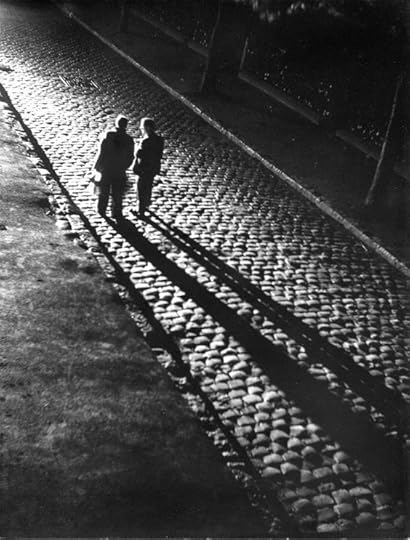
Try though we might, we will never know peace, the sweet stillness of things. We will walk on quicksand to the end.
Against this background, Modiano explores the father-son relationship, in which the father’s attempt to kill the narrator– as well as the suggestion of another murder - might as well have been merely imaginary or symbolic, not unusual in Modiano’s shadow-hunting which is coloured by the blurring brought by oblivion and the unreliability of memory. Last week, a friend pointed me at the fascinating contrast between Modiano’s evocation of the vagueness of memory versus the very detailed indications of places, squares and streets in his oeuvre (a whole catalogue has been made of the streets in Paris featuring in his novels, Paris dans les pas de Patrick Modiano). Ring Roads is no exception in that respect, although some allusions are more indirect than in his later work.
Have you noticed, Baron, how quiet Paris is tonight? We glide along the empty boulevards. The trees shiver, their branches forming a protective vault above our heads. Here and there a lighted window. The owners have fled have forgotten to turn off the lights. Later, I’ll walk through this city and it will seem as empty to me as it does today. I will lose myself in the maze of streets, searching for your shadow. Until I become one with it.

Having savoured this excellent episode in my long-standing addiction to/tango with the novels of Patrick Modiano, it is time to read part two of the Occupation Trilogy. Unsurprisingly, I look forward to the new novel of Modiano which will be published in October 2023, La danseuse.
Because I will take a break from reading and reviewing for the coming months in order to study for a couple of exams, this will probably be the last review I’ll post for a while. I hope to return to books and this site in November – in the meantime, I wish all of you happy reading and reviewing ♥.
Novels of Patrick Modiano on which I posted reviews:
Scene of the Crime
Cathérine Certitude
Vestiaire de l’enfance
Family Record
Sleep of Memory
So You don’t Get Lost in the Neighborhood
A song Ring Roads resuscitated in my mind:
To the centre of the city where all roads meet, waiting for you
To the depths of the ocean where all hopes sank, searching for you
I was moving through the silence without motion, waiting for you
In a room with a window in the corner I found truth
In the shadowplay, acting out your own death, knowing no more
As the assassins all grouped in four lines, dancing on the floor
And with cold steel odour on their bodies made a move to connect
But I could only stare in disbelief as the crowds all left
I did everything, everything I wanted to
I let them use you for their own ends
To the centre of the city in the night, waiting for you
To the centre of the city in the night, waiting for you
(Joy Divison, Shadowplay)
(Photographs by Robert Doisneau)
The after-effects of the collaboration and the Occupation
Written in 1972, Ring Roads is the third part of what has become known as Patrick Modiano’s Occupation Trilogy. As the first part, La Place de l’Étoile, was the first novel I happened to read by Modiano (while travelling by train to Bruges, in the year 2006), it struck me that despite the familiar topics (the sleuth-like search for time and people from the past, nocturnal scenes, memory, the second world war, the collaboration, the strained relationship with a neglectful parent) the tone of Ring Roads turned out quite different from the one I remember from the sardonic La Place de l’Étoile). Ring Roads is composed in a melancholic minor key and its tone leans closer towards his later work (eg So You Don't Get Lost in the Neighborhood, particularly with regard to the shadow hunting for the past and in this case the impossibility to elude the looming weight of the father figure instead of the uninvolved mother.
Multiple echoes of Proust adorn the pages and Freud is looking around the corner too, taking the shape of a what comes across as a volte-face of the Oedipus myth, in which the father attempts to kill the son instead of vice versa, the son appears as an accidental passer-by in the life of father while the son is aware of their kinship and the son acts a guardian angel watching over the father trying to preserve him from the gang of thugs, ex-collaborators and shady creatures of the night that has him in their grubby paws, blackmailing the father because he is on the run.
Set partly in Paris and (probably) Barbizon shortly after the second world war, an atmosphere of menace pervades the nocturnal scenes in which the group gathers. Some of the group members are chased by the authorities and fear the settling of scores, both within the criminal milieu as by the state, requiring them to reckon for their collaboration with the Nazi occupier, having being active as a journalist in the collaborationist press or involved in the French Gestapo (as often, Modiano alludes to the Carlingue, known also as the French Gestapo, which operated in collaboration with the German Gestapo during the occupation. Based at 93 rue Lauriston in the 16th arrondissement of Paris, this group of thugs, gangsters and professional criminals was founded by a corrupt ex-policeman. After a trial at the end of 1944, some group members were executed, but others managed to slip through the net. Some features of Modiano’s characters in Ring Roads are inspired by a couple of those involved in the Carlingue (eg Robert Brasillach, a list can be found here.)
Try though we might, we will never know peace, the sweet stillness of things. We will walk on quicksand to the end.
Against this background, Modiano explores the father-son relationship, in which the father’s attempt to kill the narrator– as well as the suggestion of another murder - might as well have been merely imaginary or symbolic, not unusual in Modiano’s shadow-hunting which is coloured by the blurring brought by oblivion and the unreliability of memory. Last week, a friend pointed me at the fascinating contrast between Modiano’s evocation of the vagueness of memory versus the very detailed indications of places, squares and streets in his oeuvre (a whole catalogue has been made of the streets in Paris featuring in his novels, Paris dans les pas de Patrick Modiano). Ring Roads is no exception in that respect, although some allusions are more indirect than in his later work.
Have you noticed, Baron, how quiet Paris is tonight? We glide along the empty boulevards. The trees shiver, their branches forming a protective vault above our heads. Here and there a lighted window. The owners have fled have forgotten to turn off the lights. Later, I’ll walk through this city and it will seem as empty to me as it does today. I will lose myself in the maze of streets, searching for your shadow. Until I become one with it.
Having savoured this excellent episode in my long-standing addiction to/tango with the novels of Patrick Modiano, it is time to read part two of the Occupation Trilogy. Unsurprisingly, I look forward to the new novel of Modiano which will be published in October 2023, La danseuse.
Because I will take a break from reading and reviewing for the coming months in order to study for a couple of exams, this will probably be the last review I’ll post for a while. I hope to return to books and this site in November – in the meantime, I wish all of you happy reading and reviewing ♥.
Novels of Patrick Modiano on which I posted reviews:
Scene of the Crime
Cathérine Certitude
Vestiaire de l’enfance
Family Record
Sleep of Memory
So You don’t Get Lost in the Neighborhood
A song Ring Roads resuscitated in my mind:
To the centre of the city where all roads meet, waiting for you
To the depths of the ocean where all hopes sank, searching for you
I was moving through the silence without motion, waiting for you
In a room with a window in the corner I found truth
In the shadowplay, acting out your own death, knowing no more
As the assassins all grouped in four lines, dancing on the floor
And with cold steel odour on their bodies made a move to connect
But I could only stare in disbelief as the crowds all left
I did everything, everything I wanted to
I let them use you for their own ends
To the centre of the city in the night, waiting for you
To the centre of the city in the night, waiting for you
(Joy Divison, Shadowplay)
(Photographs by Robert Doisneau)

January 16, 2024
I didn't warm to the first Modiano novel I read, his first, but this was superb, so clever and brilliantly constructed. Though never explicitly referenced Ring Roads was set during the murky days of the Nazi occupation of France when the scum rose to the surface. It's about a young Jewish man's attempts to save his father from the treacherous band of black marketeers he's involved with except there's an ingenious twist which layers in an extra dimension of pathos.
April 26, 2020
If the writing from La Place de l'étoile, the first in the Occupation Trilogy, had more in common with Céline, then I'd say here, with the final book of the three, it leans more towards to Proust, and is closer to the Modiano of later books. After reading the first two in the trilogy back to back, and previously reading a few other Modiano novels over the last couple of years, I wanted to know more about the man himself. After a little digging, I learnt that he had a complicated relationship with his parents, and seeing as Ring Roads deals with a son trying to understand who his father really is, then I'd say this could go down as one of his most personal works. Serge, the narrator, who has a talent in the literary field, recounts the time when he tracked down his father after ten years (previously they were involved in some shady money-making schemes) and was introduced to his dubious circle of friends, and through brief sketches we learn who these various figures really are - a group of dissolute criminals, the sort of seedy frauds who flourished during the chaos of war. All the while you feel the ghosts of the French Occupation are haunting its pages, and there are the familiar Modiano themes of memory and identity. While the narrative was indeed seductive, it's not the easiest book to read if you haven't read him before. There is a murky and sinister feel hanging over all three books, and summing up the trilogy now, then I'd say I found Night Watch was certainly the weakest, with La Place de l'étoile only marginally better than this.
July 2, 2025
Hay padres que mueren una vez. El de Patrick Modiano tiene una habilidad bastante más inquietante: reaparece en una fotografía, con otro nombre, sentado entre canallas, como si la vergüenza también pudiera posar para la cámara.
Después del incendio verbal de El lugar de la estrella y del doble juego asfixiante de Ronda de noche, Los bulevares periféricos parece ese último trago amargo que uno acepta por educación y termina recordando más que los anteriores. Baja la voz, sí, y la turbiedad se desplaza: cambia de habitación. La Historia deja de gritar en los salones, abandona por un momento el cabaret colaboracionista y se cuela en la zona más difícil de ventilar: la familia. Aquí la Ocupación ya tiene cara: un padre.
La novela parte de una fotografía tomada en el Clos-Foucré, una posada situada en los alrededores de la forêt de Fontainebleau: en ella, el narrador distingue a un grupo de hombres de actividades dudosas. Entre ellos está Chalva Deyckecaire, que se hace llamar barón y que tal vez sea su padre. O lo es. O lo fue. Con Modiano conviene desconfiar de los verbos demasiado seguros: “ser”, “recordar”, “ocurrir” y “saber” suelen presentarse con documentación falsa.
El narrador adopta el nombre de Serge Alexandre y se acerca a ese círculo con una mezcla de repulsión, necesidad y esperanza obstinada. Han pasado diez años desde la desaparición del padre, años marcados por un episodio oscuro en el metro, por negocios turbios, por abandono y por una herida que no ha cicatrizado porque ni siquiera sabe exactamente qué forma tiene. En esa fotografía, y en la investigación casi sonámbula que se abre a partir de ella, el padre aparece rodeado de periodistas chantajistas, antiguos legionarios, mujeres frágiles, oportunistas de la Ocupación y figuras que parecen venir de una carpeta policial olvidada. Todos sonríen demasiado poco. Todos parecen conocer una versión del pasado que no piensan contar entera.
La sinopsis podría formularse así: un hijo busca a su padre en una historia absorbida por el clima envenenado de la Ocupación y lo encuentra mezclado con gente que huele a mercado negro, antisemitismo, delación y derrota anticipada. Pero decirlo así sería dejar fuera la sustancia verdadera del libro. Porque Los bulevares periféricos maneja materiales de investigación policial —fotografías, nombres, pistas y lugares concretos—, pero su verdadero movimiento pertenece a una necesidad afectiva mal curada. A Serge le importa descubrir quién fue su padre; también necesita acercarse lo bastante como para entenderlo, tal vez salvarlo, quizá perdonarlo, y en el fondo hacer una de esas cosas imposibles que los hijos intentan a veces sin consultarlo con nadie: reconstruir al padre hasta conseguir que duela menos.
El propio narrador lo formula con una precisión desarmante: “Mi padre. No sé casi nada de él. Pero me lo inventaré”. Ahí está el centro del libro, y casi media obra futura de Modiano: cuando el padre no deja una historia habitable, el hijo empieza a levantarla con fotos borrosas, apellidos falsos y una mezcla peligrosísima de amor y sospecha.
Conviene detenerse ahí, porque esa es la gran diferencia con las dos novelas anteriores de la trilogía. En El lugar de la estrella, Modiano convertía la identidad judía en un carnaval feroz de máscaras impuestas por el odio. En Ronda de noche, seguía a un hombre partido entre dos nombres, dos bandos y ninguna columna vertebral. En Los bulevares periféricos, el centro se estrecha: la identidad deja de ser un delirio colectivo, la traición pierde algo de maquinaria nocturna y aparece una herida más doméstica, más testaruda: la filiación como condena íntima. El hijo no puede apartar la vista del padre, aunque todo en ese hombre invite a mirar hacia otro lado.
Deyckecaire es una de esas criaturas modianescas que parecen pedir compasión justo cuando más ganas dan de sacudirlas por las solapas. Es judío y, al mismo tiempo, se mueve entre antisemitas, chantajistas y figuras del colaboracionismo. Se deja utilizar, se camufla, se degrada, finge una nobleza ridícula con ese título de barón que suena menos a linaje que a chaleco antibalas comprado en un mercadillo. Su vulnerabilidad convive con la culpa, y su vileza no encaja del todo en una categoría simple. Modiano lo sitúa en una franja moral ingrata: la de quienes sobreviven rebajándose hasta casi desaparecer.
Y aquí el libro aprieta donde más duele. La pregunta se desplaza del expediente histórico a la herencia íntima: qué hizo el padre durante la Ocupación, sí, pero también qué demonios puede hacer un hijo con eso encima. ¿Condenarlo? Sería lo más limpio. ¿Comprenderlo? Demasiado peligroso, porque la comprensión puede empezar como una forma de inteligencia y terminar convertida en coartada. ¿Perdonarlo? Eso ya pertenece a una región todavía más delicada, donde la literatura pisa un suelo que cruje. Serge se mueve entre esas posibilidades sin resolverlas del todo, y esa vacilación le da al libro una tristeza muy particular: la tristeza de quien busca a alguien que quizá no merece ser buscado, pero lo busca de todos modos porque el vínculo familiar tiene esa mala educación.
La figura del padre de Modiano vuelve aquí con una claridad dolorosa. En las dos primeras novelas ya se adivinaba su sombra: el judío superviviente, el hombre relacionado con ambientes clandestinos, el silencio familiar convertido en material literario. Pero en Los bulevares periféricos la sombra se sienta a la mesa. El ajuste de cuentas con Francia, con los colaboracionistas o con las mentiras nacionales adquiere entonces una forma más concreta: una cara. El hijo debe mirarla y preguntarse qué parte de su propia identidad depende de un hombre que siempre parece a punto de escurrirse por una puerta lateral.
La novela está llena de personajes secundarios que podrían haber merecido una ficha policial, una necrológica o una nota a pie de página escrita con guantes. Jean Murraille, periodista turbio y maestro del chantaje, pertenece a esa familia de hombres que comprenden muy pronto que una época infame puede convertirse en oportunidad laboral. Marcheret, antiguo legionario, arrastra una virilidad gastada, casi teatral, como si hubiese ensayado durante años el papel de hombre peligroso y ahora solo le quedara el cansancio. Maud Gallas, Annie Murraille, Sylviane Quimphe y las demás criaturas aparecen envueltas en esa mezcla de glamour pobre, fatalidad y suciedad moral que Modiano maneja tan bien: gente que quiere pasar por elegante mientras se les descose el disfraz por las mangas.
Alrededor de Deyckecaire circula dinero caliente, de ese que aparece cuando una guerra desordena las cerraduras y algunos comprenden que ha llegado su gran momento. Son villanos de poca épica, con la solemnidad un poco patética de quien se sabe perdedor y aun así se monta su propia tragicomedia nocturna.
Modiano acierta al dejarlos en su tamaño exacto: mezquinos, ridículos y peligrosos. Les falta la grandeza negra del mal absoluto y también la coherencia de los fanáticos. Son buscavidas, parásitos, periodistas de cloaca, pequeños nobles imaginarios, hombres que se adornan con títulos, cargos y contactos porque la realidad desnuda sería bastante menos favorecedora. Como en Ronda de noche, Modiano entiende que el colaboracionismo también fue una fiesta de los mediocres con instinto. La infamia, aquí, puede presentarse sin botas altas: le basta una buena mesa, un sobre con billetes y la sensación de estar por fin invitada a algo.
El Clos-Foucré funciona casi como una pecera envenenada. El narrador observa a esos seres moverse, hablar, beber, recordar a medias y preparar quién sabe qué maniobras. La posada tiene algo de refugio y algo de trampa. Está fuera de París, en un extremo, en una periferia moral antes que geográfica. Y ese desplazamiento importa. Después del París alucinado de El lugar de la estrella y del París nocturno de Ronda de noche, Modiano nos saca hacia los alrededores, hacia esos bulevares donde la ciudad deja de ser centro y empieza a expulsar restos.
El título gana fuerza cuando aparece la obsesión del padre por recorrer el antiguo trayecto del tren periférico alrededor de París, una línea ya desaparecida, con estaciones muertas y vías que parecen conducir únicamente al abandono. Ahí está el alma del libro: la verdad no espera al final de una avenida; da vueltas alrededor de lo perdido. Serge rodea a su padre, rodea el pasado, rodea la verdad. Da vueltas porque entrar de frente quizá sería insoportable.
En la novela hay una cena infernal que concentra buena parte de esa podredumbre: calor, luces demasiado fuertes, comida pesada, sudor, miradas que se apartan y un padre convertido en objeto de burlas crueles ante los ojos del hijo. La escena tiene algo casi físico, como si la degradación moral hubiera decidido manifestarse en forma de digestión imposible. Serge intenta sostener la mirada, contener el asco y entender qué clase de hombre tiene delante. La infamia queda ahí, sin necesidad de proclamas: en un ambiente irrespirable, una mesa maldita y un hijo comprobando que la vergüenza familiar también puede servirse caliente.
La estructura acompaña esa sensación. La novela parece avanzar entre nieblas de memoria, escenas recompuestas, fotografías que cobran vida, conversaciones que tal vez pertenecen a otro tiempo y datos concretísimos que, en vez de aclarar, aumentan la sospecha. La furia desbordada del debut y la crisis nerviosa casi claustrofóbica de la segunda entrega empiezan a transformarse aquí en algo más reconocible: el escritor que después encontraremos en Calle de las tiendas oscuras o Dora Bruder. Ese que entiende que una dirección exacta puede ser más inquietante que una confesión, que un apellido encontrado en un archivo puede pesar más que una escena melodramática, que la memoria no siempre ilumina; a veces solo cambia la forma de la sombra.
La prosa tiene esa cualidad suya tan difícil de imitar: parece sencilla hasta que uno intenta explicar qué ha ocurrido exactamente. Las frases avanzan con aparente calma, pero debajo circula una corriente de amenaza. Los nombres propios, las calles, los hoteles, los bares y las identidades falsas se acumulan como pruebas de un caso judicial instruido por alguien que ya no confía en los tribunales. A Modiano le basta colocar un nombre al lado de otro, una fecha junto a una sospecha, un gesto mínimo junto a una ausencia de diez años, y el lector empieza a sentir que bajo esa superficie discreta hay algo pudriéndose desde hace décadas.
También hay menos humor que en las entregas anteriores, o al menos un humor menos explosivo. El lugar de la estrella podía hacer reír con una carcajada culpable antes de empujarnos al barranco. Ronda de noche conservaba cierta comicidad macabra en su burocracia de alias, informes y traiciones cruzadas. Los bulevares periféricos sonríe menos. Cuando lo hace, la sonrisa sale torcida: un falso barón, un periodista miserable, una actriz que parece representar una película que nadie va a financiar, un grupo de hombres hablando de grandeza mientras trafican con miedo. Es una comedia de restos, y los restos no suelen tener buen aliento.
El libro tiene, además, una relación muy hermosa y muy turbia con la invención. Serge admite, de un modo u otro, que sabe poco de su padre y que tendrá que imaginarlo. Esa confesión podría servir como contraseña para todo Modiano. La literatura aparece entonces como una forma de documentación desesperada: cuando los archivos callan, cuando los padres mienten, cuando las fotografías solo muestran tres hombres en una mesa, el escritor inventa. Pero no inventa para embellecer. Inventa para acercarse a una verdad emocional que los hechos, por sí solos, no entregan. A veces una ficción honesta se parece más a la verdad que una biografía llena de coartadas.
Ahí la novela toca algo profundamente humano. Todos hemos conocido, en mayor o menor grado, esa tentación de completar a nuestros padres. Añadirles escenas, motivos, miedos, justificaciones. Convertirlos en personajes para no quedarnos solo con sus actos. Es una operación comprensible y peligrosa. Comprensible porque nadie quiere ser hijo de un enigma administrativo. Peligrosa porque los personajes, a diferencia de las personas, permiten demasiados retoques. Modiano escribe desde esa tensión: mira al padre con ternura sin convertir esa ternura en absolución. Intenta rescatarlo y entiende, al mismo tiempo, que algunos rescates se parecen mucho a hundirse con el otro.
Como cierre de la trilogía, Los bulevares periféricos me parece la más perturbadora precisamente porque llega sin trompetas. Es más asequible que las otras dos y quizá la mejor; otros dirán que es la peor, y seguramente tendrán argumentos. Su intensidad trabaja por sedimentación. Hay lectores que echarán de menos una progresión más firme, una intriga más nítida o una resolución menos fantasmal. La novela exige aceptar que el pasado comparece como un testigo indisciplinado: se contradice, se borra la cara con la manga y vuelve a sentarse entre los sospechosos.
A mí esa forma me parece muy coherente con lo que cuenta. Un libro sobre un padre imposible no podía organizarse como una declaración notarial. Si Ronda de noche preguntaba cuánto tiempo puede vivir alguien bajo nombres prestados antes de desalojar su propia vida, esta tercera novela plantea una pregunta todavía más íntima: cuánto puede acercarse un hijo al hombre que lo abandonó sin terminar adoptando también sus sombras. Serge investiga a Deyckecaire, lo sigue, lo mira, se inventa una cercanía y busca un lugar a su lado. Y en ese movimiento hay amor, rabia, vergüenza y una especie de fidelidad absurda que cuesta juzgar sin ensuciarse un poco.
No empezaría a leer a Modiano por aquí. Tampoco empezaría la trilogía por esta puerta lateral. Los bulevares periféricos funciona mejor cuando ya venimos del estruendo de El lugar de la estrella y de la noche cerrada de Ronda de noche. Entonces se percibe el desplazamiento con toda su fuerza: Modiano ha pasado de Francia al padre, del escándalo histórico a la herida doméstica, del grito a la fotografía. El joven escritor sigue obsesionado con la Ocupación, pero empieza a comprender que los países también se heredan en casa, a la hora de la cena, en los silencios, en los apellidos falsos y en los padres que desaparecen antes de haber sido explicados.
El Modiano posterior está ya casi entero en estas páginas: las fotos antiguas, las direcciones, los nombres que suenan como restos de una investigación, los barrios periféricos, los seres que se esfuman, la culpa heredada, la necesidad de perseguir una sombra aunque uno sepa que no podrá abrazarla. Pero todavía conserva una aspereza juvenil que le sienta bien. Falta la depuración hipnótica de la madurez. Aquí vemos a un Modiano que está aprendiendo a convertir su rabia en niebla, y por eso mismo el libro resulta tan valioso: vemos el momento exacto en que el incendio empieza a producir fantasmas en lugar de humo.
Los bulevares periféricos cierra la trilogía con una imagen más triste que grandiosa: un hijo dando vueltas alrededor de un padre perdido, como esos bulevares que rodean París sin entrar nunca del todo en su centro. La Ocupación queda atrás y sigue respirando. Francia queda atrás y sigue dentro. El padre queda atrás y continúa sentado en la fotografía.
Modiano mira esa imagen y comprende algo terrible: a veces uno se empeña en buscar a su padre para acabar descubriendo cuánto espacio le había ocupado su ausencia.
DC
Después del incendio verbal de El lugar de la estrella y del doble juego asfixiante de Ronda de noche, Los bulevares periféricos parece ese último trago amargo que uno acepta por educación y termina recordando más que los anteriores. Baja la voz, sí, y la turbiedad se desplaza: cambia de habitación. La Historia deja de gritar en los salones, abandona por un momento el cabaret colaboracionista y se cuela en la zona más difícil de ventilar: la familia. Aquí la Ocupación ya tiene cara: un padre.
La novela parte de una fotografía tomada en el Clos-Foucré, una posada situada en los alrededores de la forêt de Fontainebleau: en ella, el narrador distingue a un grupo de hombres de actividades dudosas. Entre ellos está Chalva Deyckecaire, que se hace llamar barón y que tal vez sea su padre. O lo es. O lo fue. Con Modiano conviene desconfiar de los verbos demasiado seguros: “ser”, “recordar”, “ocurrir” y “saber” suelen presentarse con documentación falsa.
El narrador adopta el nombre de Serge Alexandre y se acerca a ese círculo con una mezcla de repulsión, necesidad y esperanza obstinada. Han pasado diez años desde la desaparición del padre, años marcados por un episodio oscuro en el metro, por negocios turbios, por abandono y por una herida que no ha cicatrizado porque ni siquiera sabe exactamente qué forma tiene. En esa fotografía, y en la investigación casi sonámbula que se abre a partir de ella, el padre aparece rodeado de periodistas chantajistas, antiguos legionarios, mujeres frágiles, oportunistas de la Ocupación y figuras que parecen venir de una carpeta policial olvidada. Todos sonríen demasiado poco. Todos parecen conocer una versión del pasado que no piensan contar entera.
La sinopsis podría formularse así: un hijo busca a su padre en una historia absorbida por el clima envenenado de la Ocupación y lo encuentra mezclado con gente que huele a mercado negro, antisemitismo, delación y derrota anticipada. Pero decirlo así sería dejar fuera la sustancia verdadera del libro. Porque Los bulevares periféricos maneja materiales de investigación policial —fotografías, nombres, pistas y lugares concretos—, pero su verdadero movimiento pertenece a una necesidad afectiva mal curada. A Serge le importa descubrir quién fue su padre; también necesita acercarse lo bastante como para entenderlo, tal vez salvarlo, quizá perdonarlo, y en el fondo hacer una de esas cosas imposibles que los hijos intentan a veces sin consultarlo con nadie: reconstruir al padre hasta conseguir que duela menos.
El propio narrador lo formula con una precisión desarmante: “Mi padre. No sé casi nada de él. Pero me lo inventaré”. Ahí está el centro del libro, y casi media obra futura de Modiano: cuando el padre no deja una historia habitable, el hijo empieza a levantarla con fotos borrosas, apellidos falsos y una mezcla peligrosísima de amor y sospecha.
Conviene detenerse ahí, porque esa es la gran diferencia con las dos novelas anteriores de la trilogía. En El lugar de la estrella, Modiano convertía la identidad judía en un carnaval feroz de máscaras impuestas por el odio. En Ronda de noche, seguía a un hombre partido entre dos nombres, dos bandos y ninguna columna vertebral. En Los bulevares periféricos, el centro se estrecha: la identidad deja de ser un delirio colectivo, la traición pierde algo de maquinaria nocturna y aparece una herida más doméstica, más testaruda: la filiación como condena íntima. El hijo no puede apartar la vista del padre, aunque todo en ese hombre invite a mirar hacia otro lado.
Deyckecaire es una de esas criaturas modianescas que parecen pedir compasión justo cuando más ganas dan de sacudirlas por las solapas. Es judío y, al mismo tiempo, se mueve entre antisemitas, chantajistas y figuras del colaboracionismo. Se deja utilizar, se camufla, se degrada, finge una nobleza ridícula con ese título de barón que suena menos a linaje que a chaleco antibalas comprado en un mercadillo. Su vulnerabilidad convive con la culpa, y su vileza no encaja del todo en una categoría simple. Modiano lo sitúa en una franja moral ingrata: la de quienes sobreviven rebajándose hasta casi desaparecer.
Y aquí el libro aprieta donde más duele. La pregunta se desplaza del expediente histórico a la herencia íntima: qué hizo el padre durante la Ocupación, sí, pero también qué demonios puede hacer un hijo con eso encima. ¿Condenarlo? Sería lo más limpio. ¿Comprenderlo? Demasiado peligroso, porque la comprensión puede empezar como una forma de inteligencia y terminar convertida en coartada. ¿Perdonarlo? Eso ya pertenece a una región todavía más delicada, donde la literatura pisa un suelo que cruje. Serge se mueve entre esas posibilidades sin resolverlas del todo, y esa vacilación le da al libro una tristeza muy particular: la tristeza de quien busca a alguien que quizá no merece ser buscado, pero lo busca de todos modos porque el vínculo familiar tiene esa mala educación.
La figura del padre de Modiano vuelve aquí con una claridad dolorosa. En las dos primeras novelas ya se adivinaba su sombra: el judío superviviente, el hombre relacionado con ambientes clandestinos, el silencio familiar convertido en material literario. Pero en Los bulevares periféricos la sombra se sienta a la mesa. El ajuste de cuentas con Francia, con los colaboracionistas o con las mentiras nacionales adquiere entonces una forma más concreta: una cara. El hijo debe mirarla y preguntarse qué parte de su propia identidad depende de un hombre que siempre parece a punto de escurrirse por una puerta lateral.
La novela está llena de personajes secundarios que podrían haber merecido una ficha policial, una necrológica o una nota a pie de página escrita con guantes. Jean Murraille, periodista turbio y maestro del chantaje, pertenece a esa familia de hombres que comprenden muy pronto que una época infame puede convertirse en oportunidad laboral. Marcheret, antiguo legionario, arrastra una virilidad gastada, casi teatral, como si hubiese ensayado durante años el papel de hombre peligroso y ahora solo le quedara el cansancio. Maud Gallas, Annie Murraille, Sylviane Quimphe y las demás criaturas aparecen envueltas en esa mezcla de glamour pobre, fatalidad y suciedad moral que Modiano maneja tan bien: gente que quiere pasar por elegante mientras se les descose el disfraz por las mangas.
Alrededor de Deyckecaire circula dinero caliente, de ese que aparece cuando una guerra desordena las cerraduras y algunos comprenden que ha llegado su gran momento. Son villanos de poca épica, con la solemnidad un poco patética de quien se sabe perdedor y aun así se monta su propia tragicomedia nocturna.
Modiano acierta al dejarlos en su tamaño exacto: mezquinos, ridículos y peligrosos. Les falta la grandeza negra del mal absoluto y también la coherencia de los fanáticos. Son buscavidas, parásitos, periodistas de cloaca, pequeños nobles imaginarios, hombres que se adornan con títulos, cargos y contactos porque la realidad desnuda sería bastante menos favorecedora. Como en Ronda de noche, Modiano entiende que el colaboracionismo también fue una fiesta de los mediocres con instinto. La infamia, aquí, puede presentarse sin botas altas: le basta una buena mesa, un sobre con billetes y la sensación de estar por fin invitada a algo.
El Clos-Foucré funciona casi como una pecera envenenada. El narrador observa a esos seres moverse, hablar, beber, recordar a medias y preparar quién sabe qué maniobras. La posada tiene algo de refugio y algo de trampa. Está fuera de París, en un extremo, en una periferia moral antes que geográfica. Y ese desplazamiento importa. Después del París alucinado de El lugar de la estrella y del París nocturno de Ronda de noche, Modiano nos saca hacia los alrededores, hacia esos bulevares donde la ciudad deja de ser centro y empieza a expulsar restos.
El título gana fuerza cuando aparece la obsesión del padre por recorrer el antiguo trayecto del tren periférico alrededor de París, una línea ya desaparecida, con estaciones muertas y vías que parecen conducir únicamente al abandono. Ahí está el alma del libro: la verdad no espera al final de una avenida; da vueltas alrededor de lo perdido. Serge rodea a su padre, rodea el pasado, rodea la verdad. Da vueltas porque entrar de frente quizá sería insoportable.
En la novela hay una cena infernal que concentra buena parte de esa podredumbre: calor, luces demasiado fuertes, comida pesada, sudor, miradas que se apartan y un padre convertido en objeto de burlas crueles ante los ojos del hijo. La escena tiene algo casi físico, como si la degradación moral hubiera decidido manifestarse en forma de digestión imposible. Serge intenta sostener la mirada, contener el asco y entender qué clase de hombre tiene delante. La infamia queda ahí, sin necesidad de proclamas: en un ambiente irrespirable, una mesa maldita y un hijo comprobando que la vergüenza familiar también puede servirse caliente.
La estructura acompaña esa sensación. La novela parece avanzar entre nieblas de memoria, escenas recompuestas, fotografías que cobran vida, conversaciones que tal vez pertenecen a otro tiempo y datos concretísimos que, en vez de aclarar, aumentan la sospecha. La furia desbordada del debut y la crisis nerviosa casi claustrofóbica de la segunda entrega empiezan a transformarse aquí en algo más reconocible: el escritor que después encontraremos en Calle de las tiendas oscuras o Dora Bruder. Ese que entiende que una dirección exacta puede ser más inquietante que una confesión, que un apellido encontrado en un archivo puede pesar más que una escena melodramática, que la memoria no siempre ilumina; a veces solo cambia la forma de la sombra.
La prosa tiene esa cualidad suya tan difícil de imitar: parece sencilla hasta que uno intenta explicar qué ha ocurrido exactamente. Las frases avanzan con aparente calma, pero debajo circula una corriente de amenaza. Los nombres propios, las calles, los hoteles, los bares y las identidades falsas se acumulan como pruebas de un caso judicial instruido por alguien que ya no confía en los tribunales. A Modiano le basta colocar un nombre al lado de otro, una fecha junto a una sospecha, un gesto mínimo junto a una ausencia de diez años, y el lector empieza a sentir que bajo esa superficie discreta hay algo pudriéndose desde hace décadas.
También hay menos humor que en las entregas anteriores, o al menos un humor menos explosivo. El lugar de la estrella podía hacer reír con una carcajada culpable antes de empujarnos al barranco. Ronda de noche conservaba cierta comicidad macabra en su burocracia de alias, informes y traiciones cruzadas. Los bulevares periféricos sonríe menos. Cuando lo hace, la sonrisa sale torcida: un falso barón, un periodista miserable, una actriz que parece representar una película que nadie va a financiar, un grupo de hombres hablando de grandeza mientras trafican con miedo. Es una comedia de restos, y los restos no suelen tener buen aliento.
El libro tiene, además, una relación muy hermosa y muy turbia con la invención. Serge admite, de un modo u otro, que sabe poco de su padre y que tendrá que imaginarlo. Esa confesión podría servir como contraseña para todo Modiano. La literatura aparece entonces como una forma de documentación desesperada: cuando los archivos callan, cuando los padres mienten, cuando las fotografías solo muestran tres hombres en una mesa, el escritor inventa. Pero no inventa para embellecer. Inventa para acercarse a una verdad emocional que los hechos, por sí solos, no entregan. A veces una ficción honesta se parece más a la verdad que una biografía llena de coartadas.
Ahí la novela toca algo profundamente humano. Todos hemos conocido, en mayor o menor grado, esa tentación de completar a nuestros padres. Añadirles escenas, motivos, miedos, justificaciones. Convertirlos en personajes para no quedarnos solo con sus actos. Es una operación comprensible y peligrosa. Comprensible porque nadie quiere ser hijo de un enigma administrativo. Peligrosa porque los personajes, a diferencia de las personas, permiten demasiados retoques. Modiano escribe desde esa tensión: mira al padre con ternura sin convertir esa ternura en absolución. Intenta rescatarlo y entiende, al mismo tiempo, que algunos rescates se parecen mucho a hundirse con el otro.
Como cierre de la trilogía, Los bulevares periféricos me parece la más perturbadora precisamente porque llega sin trompetas. Es más asequible que las otras dos y quizá la mejor; otros dirán que es la peor, y seguramente tendrán argumentos. Su intensidad trabaja por sedimentación. Hay lectores que echarán de menos una progresión más firme, una intriga más nítida o una resolución menos fantasmal. La novela exige aceptar que el pasado comparece como un testigo indisciplinado: se contradice, se borra la cara con la manga y vuelve a sentarse entre los sospechosos.
A mí esa forma me parece muy coherente con lo que cuenta. Un libro sobre un padre imposible no podía organizarse como una declaración notarial. Si Ronda de noche preguntaba cuánto tiempo puede vivir alguien bajo nombres prestados antes de desalojar su propia vida, esta tercera novela plantea una pregunta todavía más íntima: cuánto puede acercarse un hijo al hombre que lo abandonó sin terminar adoptando también sus sombras. Serge investiga a Deyckecaire, lo sigue, lo mira, se inventa una cercanía y busca un lugar a su lado. Y en ese movimiento hay amor, rabia, vergüenza y una especie de fidelidad absurda que cuesta juzgar sin ensuciarse un poco.
No empezaría a leer a Modiano por aquí. Tampoco empezaría la trilogía por esta puerta lateral. Los bulevares periféricos funciona mejor cuando ya venimos del estruendo de El lugar de la estrella y de la noche cerrada de Ronda de noche. Entonces se percibe el desplazamiento con toda su fuerza: Modiano ha pasado de Francia al padre, del escándalo histórico a la herida doméstica, del grito a la fotografía. El joven escritor sigue obsesionado con la Ocupación, pero empieza a comprender que los países también se heredan en casa, a la hora de la cena, en los silencios, en los apellidos falsos y en los padres que desaparecen antes de haber sido explicados.
El Modiano posterior está ya casi entero en estas páginas: las fotos antiguas, las direcciones, los nombres que suenan como restos de una investigación, los barrios periféricos, los seres que se esfuman, la culpa heredada, la necesidad de perseguir una sombra aunque uno sepa que no podrá abrazarla. Pero todavía conserva una aspereza juvenil que le sienta bien. Falta la depuración hipnótica de la madurez. Aquí vemos a un Modiano que está aprendiendo a convertir su rabia en niebla, y por eso mismo el libro resulta tan valioso: vemos el momento exacto en que el incendio empieza a producir fantasmas en lugar de humo.
Los bulevares periféricos cierra la trilogía con una imagen más triste que grandiosa: un hijo dando vueltas alrededor de un padre perdido, como esos bulevares que rodean París sin entrar nunca del todo en su centro. La Ocupación queda atrás y sigue respirando. Francia queda atrás y sigue dentro. El padre queda atrás y continúa sentado en la fotografía.
Modiano mira esa imagen y comprende algo terrible: a veces uno se empeña en buscar a su padre para acabar descubriendo cuánto espacio le había ocupado su ausencia.
DC

October 5, 2016
Patrick Modianon kirja kertoo isästä, pojasta, juutalaisuudesta, vainottuna elämisestä, pahan lähestymisestä, Pariisista, köyhyydestä, rikollisuudesta. Koskettavinta kirjassa on yksinäisyys suurkaupungissa ilman suojaavia turvaverkkoja, ilman sukua, ilman ystäviä ja peläten koko ajan ilmiantajia. Kirjassa on myös tapahtuma, joka on kauhea ja erottaa isän ja pojan toisistaan. Kirjan tunnelma on kiihkeä, siinä juhlitaan viimeistä päivää ravintoloissa ja bordelleissa. Kirja on ujostelematon.
Modiano kuvaa Ranskan sakalaismiehitystä hyytävästi. Elää juutalaisena muiden armoilla peläten jotain kauheaa, kuunnellen juutalaisten solvauksia ja ilmiantopelotteluja. Kehäbulevardit on pieni suuri kirja.
Modiano kuvaa Ranskan sakalaismiehitystä hyytävästi. Elää juutalaisena muiden armoilla peläten jotain kauheaa, kuunnellen juutalaisten solvauksia ja ilmiantopelotteluja. Kehäbulevardit on pieni suuri kirja.

September 21, 2020
Sự lãng quên có lẽ là mùi vị được nhận thức rõ ràng nhất khi đọc văn chương của Modiano. Trong cuốn tiểu thuyết này, mùi hương ấy len lỏi ám khói vào trong từng con người, cảnh vật và cách bài trí. Sống động nhất trong những chi tiết kể trên là hội các nhân vật mà Serge cố gắng tiếp xúc để tìm kiếm những dẻ xương sườn còn lại của cha mình. Nhóm người ấy là tập hợp những kẻ bị tước mất vị thế, những kẻ nhan nhản sống nhung nhúc ngoài lề xã hội. Tất cả chỉ là giả tạm với những vỏ bọc họ tự dựng ra. Modiano vẫn như thường lệ, không đưa ra một manh mối chắc chắn nào. Ông phủ người đọc bằng lớp lụa của cái hư vô, của sự không chắc chắn; để từ đó thế chênh vênh của các nhân vật bộc lộ, dần dần chuyển hóa thành cái bấp bênh trong mỗi người đọc.
Nếu trong Nàng tóc đỏ, Orhan Pamuk dựng lên thế giằng co của những bản ngã cha con giết chết lẫn nhau đậm tính sử thi và sự trơ trơ của Thổ Nhĩ Kỳ; thì ở đây, với Những đại lộ vành đai, câu chuyện ấy lại một lần nữa xuất hiện trở lại, và được gọi dưới tên, như Serge vẫn thường bảo “trường đoạn đau đớn ở trạm tàu điện ngầm George – V”. Cái kết bi thảm ấy diễn ra trong ngày những cảm xúc bối rối gạt chân lẫn nhau để ông một khắc nào đó đẩy cậu con trai vừa đỗ cậu tú vào dưới những bánh xe của gầm tàu hỏa. Động cơ của cú đẩy ấy đến nay vẫn chưa xác định. Liệu đó là sự ganh đua với học vấn của đứa con ông luôn tự hào, trong khi bản thân bất lực với bản cải tạo tuyến đường sắt La Petite Ceinture; hay liệu ông thấy một sao chép DNA thất bại nào đó ở người con trai, mà ở đó ông gợi cho cậu cách giả bút tự của các nhà văn để bán giá cao hơn như Melissa McCarthy một lần nào đó hóa thân trong Can you ever forgive me? Hay một lý giải khác, là cách xỏa bỏ hình ảnh yếm thế, bất lực khi bị hành hung ở chợ tem, ở nhà Pessac và sự thất bát trong lần chơi cổ phiếu từ những công ty phá sản hoặc dẹp tiệm từ lâu?
Không ai biết rõ, ngay cả Serge, và cũng chẳng phải chuyến hành trình của cậu cũng chính là chuyến đi tìm câu trả lời ấy? Nhưng ở đó, dẫu biết những huân chương tước vị là giả tạm, vẫn biết sự nhận ra đứa con là giả vờ, vẫn biết mọi chuyện mai này sẽ theo một hướng rất khác; nhưng cậu trai 17 tuổi vào đêm 17 tháng 6 gần như bị tước đi cuộc sống bởi cha mình ấy, vẫn hiên ngang đứng ra bảo vệ người đàn ông ấy. Đến cuối khi ông bị lừa mất hết tất cả, cậu có hai con đường – một, trốn thoát bình yên và hai, chịu cảnh tù tội cùng ông; thì cậu vẫn luôn ở đó, chọn đồng hành ngồi im cúi đầu để có những đụng chạm xác thịt dù cho nhỏ nhất mỗi khi xe cảnh sát xốc nảy, bởi những trải nghiệm này là không thể có lại; hay việc giết chết Lestandi khi y có những lời xúc phạm đến ông… Tất cả cho thấy một tình cảm nào đó vượt lên tất cả, tha thứ cho nhau, nhìn nhận lẫn nhau, để rồi mọi thứ lại quay trở lại từ đầu, vì người ta luôn tò mò được biết cội nguồn của mình […] Con sẽ theo bố đến cùng.
Với Những đại lộ vành đai, Modiano bằng ngòi bút nhạy cảm mà tinh tế khoét sâu vào cái quên lãng vốn có cố hữu trong văn chương ông làm nên một tiểu thuyết tuy ngắn nhưng rất khó quên đối với độc giả. Trong đó tình thân giữa hai nhân vật chính được đặt trên nền móng điêu tàn của cảnh trí nước Pháp như những chập choạng trong buổi chiều tối. Bức tranh tổng thể trong tiểu thuyết này được Modiano vẽ bằng những nét mảnh, đầy nhưng sắc nét. Ông dùng những khoảng ombre chuyển tiếp cần thiết, giữa nhớ và quên, hiện đại và quá khứ, mất mát và còn lại; để cho thấy vốn dĩ bản chất sự quên lãng vẫn luôn tồn tại, ăn sâu và gặm nhấm vào những khoảng ký ức vốn từ lâu con người vẫn quên lật giở. Một vùng mù sương của những lãng quên, một khoảng không rất Modiano để trôi đến vô cực. Đọc cái lãng quên để không còn có thể quên cái lãng quên ấy.
Nếu trong Nàng tóc đỏ, Orhan Pamuk dựng lên thế giằng co của những bản ngã cha con giết chết lẫn nhau đậm tính sử thi và sự trơ trơ của Thổ Nhĩ Kỳ; thì ở đây, với Những đại lộ vành đai, câu chuyện ấy lại một lần nữa xuất hiện trở lại, và được gọi dưới tên, như Serge vẫn thường bảo “trường đoạn đau đớn ở trạm tàu điện ngầm George – V”. Cái kết bi thảm ấy diễn ra trong ngày những cảm xúc bối rối gạt chân lẫn nhau để ông một khắc nào đó đẩy cậu con trai vừa đỗ cậu tú vào dưới những bánh xe của gầm tàu hỏa. Động cơ của cú đẩy ấy đến nay vẫn chưa xác định. Liệu đó là sự ganh đua với học vấn của đứa con ông luôn tự hào, trong khi bản thân bất lực với bản cải tạo tuyến đường sắt La Petite Ceinture; hay liệu ông thấy một sao chép DNA thất bại nào đó ở người con trai, mà ở đó ông gợi cho cậu cách giả bút tự của các nhà văn để bán giá cao hơn như Melissa McCarthy một lần nào đó hóa thân trong Can you ever forgive me? Hay một lý giải khác, là cách xỏa bỏ hình ảnh yếm thế, bất lực khi bị hành hung ở chợ tem, ở nhà Pessac và sự thất bát trong lần chơi cổ phiếu từ những công ty phá sản hoặc dẹp tiệm từ lâu?
Không ai biết rõ, ngay cả Serge, và cũng chẳng phải chuyến hành trình của cậu cũng chính là chuyến đi tìm câu trả lời ấy? Nhưng ở đó, dẫu biết những huân chương tước vị là giả tạm, vẫn biết sự nhận ra đứa con là giả vờ, vẫn biết mọi chuyện mai này sẽ theo một hướng rất khác; nhưng cậu trai 17 tuổi vào đêm 17 tháng 6 gần như bị tước đi cuộc sống bởi cha mình ấy, vẫn hiên ngang đứng ra bảo vệ người đàn ông ấy. Đến cuối khi ông bị lừa mất hết tất cả, cậu có hai con đường – một, trốn thoát bình yên và hai, chịu cảnh tù tội cùng ông; thì cậu vẫn luôn ở đó, chọn đồng hành ngồi im cúi đầu để có những đụng chạm xác thịt dù cho nhỏ nhất mỗi khi xe cảnh sát xốc nảy, bởi những trải nghiệm này là không thể có lại; hay việc giết chết Lestandi khi y có những lời xúc phạm đến ông… Tất cả cho thấy một tình cảm nào đó vượt lên tất cả, tha thứ cho nhau, nhìn nhận lẫn nhau, để rồi mọi thứ lại quay trở lại từ đầu, vì người ta luôn tò mò được biết cội nguồn của mình […] Con sẽ theo bố đến cùng.
Với Những đại lộ vành đai, Modiano bằng ngòi bút nhạy cảm mà tinh tế khoét sâu vào cái quên lãng vốn có cố hữu trong văn chương ông làm nên một tiểu thuyết tuy ngắn nhưng rất khó quên đối với độc giả. Trong đó tình thân giữa hai nhân vật chính được đặt trên nền móng điêu tàn của cảnh trí nước Pháp như những chập choạng trong buổi chiều tối. Bức tranh tổng thể trong tiểu thuyết này được Modiano vẽ bằng những nét mảnh, đầy nhưng sắc nét. Ông dùng những khoảng ombre chuyển tiếp cần thiết, giữa nhớ và quên, hiện đại và quá khứ, mất mát và còn lại; để cho thấy vốn dĩ bản chất sự quên lãng vẫn luôn tồn tại, ăn sâu và gặm nhấm vào những khoảng ký ức vốn từ lâu con người vẫn quên lật giở. Một vùng mù sương của những lãng quên, một khoảng không rất Modiano để trôi đến vô cực. Đọc cái lãng quên để không còn có thể quên cái lãng quên ấy.

August 23, 2020
Thực sự bị mê hoặc!!!!!

March 16, 2017
The story of a son, an aspiring writer, trying to track down and gain some understanding of his father, who has not seen in a decade, a shady Jewish businessman plying a sordid wartime trade and trying desperately to stay afloat among a small but affluent network of grifters, traitors, prostitutes and con men.
This is yet another small, powerful Modiano novel that mines the depths of memory, and probably the most satisfying book of his that I have so far read (bettered, perhaps, only by 'Honeymoon'). The themes that seem to dominate – and connect – the author's work are in rich abundance: fragmented recollections, disconnection, explorations of an occupied society's dark underbelly, the casually existential ease with immorality and the often swooning sense of the surreal, and the whole thing feels very much like another stitch in a broad tapestry of work. Ring Roads is extraordinary in its conveyance of atmosphere, full of vivid descriptive shards, with the sort of dirty, brooding mood that begs to be read in the night-time.
This is yet another small, powerful Modiano novel that mines the depths of memory, and probably the most satisfying book of his that I have so far read (bettered, perhaps, only by 'Honeymoon'). The themes that seem to dominate – and connect – the author's work are in rich abundance: fragmented recollections, disconnection, explorations of an occupied society's dark underbelly, the casually existential ease with immorality and the often swooning sense of the surreal, and the whole thing feels very much like another stitch in a broad tapestry of work. Ring Roads is extraordinary in its conveyance of atmosphere, full of vivid descriptive shards, with the sort of dirty, brooding mood that begs to be read in the night-time.

May 12, 2022
3.65/5
Nói sao nhỉ, quyển sách này không quá hay, cũng không quá tệ đối với mình, nó ở mức bình bình. Mình chỉ thấy nỗi buồn bao vây, ở những con người, cửa hiệu, quán xá, rìa đại lộ, mọi thứ.
Anh có thể mất tất cả, nhưng không thể mất bố. Anh có thể từ bỏ tương lai với tấm bằng tú tài để được làm một kẻ đầu đường xó chợ như bố. Nhưng bố đã thử đẩy anh xuống tàu điện ngầm, bỏ rơi anh và 10 năm sau còn chẳng nhận ra anh.
Nhưng anh vẫn cứ tìm, cứ tin, cứ yêu bố, cho dù phải làm một tên nhà văn chuyên viết truyện khiêu dâm, ngủ với người đàn bà lố lăng, giao thiệp với tên cựu lính lê dương, gia nhập vào hội của những tên nhà báo mất chất, thì anh cũng bằng lòng, chỉ cần được nhìn và tiếp cận với bố là đủ.
Nói sao nhỉ, quyển sách này không quá hay, cũng không quá tệ đối với mình, nó ở mức bình bình. Mình chỉ thấy nỗi buồn bao vây, ở những con người, cửa hiệu, quán xá, rìa đại lộ, mọi thứ.
Anh có thể mất tất cả, nhưng không thể mất bố. Anh có thể từ bỏ tương lai với tấm bằng tú tài để được làm một kẻ đầu đường xó chợ như bố. Nhưng bố đã thử đẩy anh xuống tàu điện ngầm, bỏ rơi anh và 10 năm sau còn chẳng nhận ra anh.
Nhưng anh vẫn cứ tìm, cứ tin, cứ yêu bố, cho dù phải làm một tên nhà văn chuyên viết truyện khiêu dâm, ngủ với người đàn bà lố lăng, giao thiệp với tên cựu lính lê dương, gia nhập vào hội của những tên nhà báo mất chất, thì anh cũng bằng lòng, chỉ cần được nhìn và tiếp cận với bố là đủ.

May 31, 2022
hay quá, chuyện về người bố và con trai là một thứ gì hết sức cảm động với mình.
người bố và người con trai luôn chứa đựng những phức cảm nghiệt ngã nhất của đời sống. Người bố mang nặng đực tính độc hại, người con trai đề kháng lại và sống trong một ảo tưởng về sự độc hại khác.
người bố và người con trai luôn chứa đựng những phức cảm nghiệt ngã nhất của đời sống. Người bố mang nặng đực tính độc hại, người con trai đề kháng lại và sống trong một ảo tưởng về sự độc hại khác.

September 6, 2015
I don't understand what the Sweedish Academy found in Modiano's work that's worthy of a Nobel Prize.
I don't want to be an ignorant, but I have the feeling that one could easily sit down and write about random stuff, about somebody wandering on streets at night and keep questioning about himself and the others.
Ok, that's his style...he didn't ask to be Nobel laureate, but c'mon...if you compare him to other laureates from the 20th century you would have an ironic smile on your face.
I began with "Rue des boutiques obscures" and I was very disappointed.
Then, "La Petit Bijou" was a little better but still nothing refreshing.
I'm curious about only 2 more works of him: "Dora Bruder" and "Dans le café de la jeunesse perdue". Maybe there is something more in them but I doubt it.
I don't want to be an ignorant, but I have the feeling that one could easily sit down and write about random stuff, about somebody wandering on streets at night and keep questioning about himself and the others.
Ok, that's his style...he didn't ask to be Nobel laureate, but c'mon...if you compare him to other laureates from the 20th century you would have an ironic smile on your face.
I began with "Rue des boutiques obscures" and I was very disappointed.
Then, "La Petit Bijou" was a little better but still nothing refreshing.
I'm curious about only 2 more works of him: "Dora Bruder" and "Dans le café de la jeunesse perdue". Maybe there is something more in them but I doubt it.

February 25, 2018
"Traim vremuri, cand, pana la urma, nu te mai miri de nimic"

May 17, 2014
وقتی قراره با یک اثر از مودیانو روبرو بشی باید بدونی قرار نیست دقیقا از داستان سر در بیاوری بلکه قراره در برهه روایت داستان همراه نویسنده بشی. خب من هم همراه شدم، همراه شخصیت اول ... و اینکه بفهمم چرا مردی که ناگهان از تاریکی در امده و ادعا داره پدرشه.. و اینقدر مرموز و درونگرا و ضعیفه قصد کشتن پسری رو داشته که ادعا می کنه پدرشه!!!!!!!و خب بی شک سر درنیاوردم اما شیوه منحصر بفرد مودیانو تا مدتها سرگرمت می کنه....... تو ناخود اگاه به شخصیت های عاصی و گمشده رمان فکر می کنی. محشربود؛ یکی از بهترینهای مودیانو بعد تصادف شبانه!!!!چیزی که در مورد شخصیت پدر برام عجیب بود (کلا این شخصیت گنگ بود) اینبود که چرا این شخصیت ضعیف ناگهان قصد کشتن پسرش رو داره.....؟اصلا شخصیت پدره از ان شخصیت های ضعیفه که مدام به دیگران وابسته است تابع محضه و حتی در صورت تحقیر و مورد توهین و ظلم واقع شدن از مخاطب بی رحمش داره عذر خواهی می کنه اما در عین حال از پسری که به اون عشق میورزه و مدام داره ازش حمایت می کنه و شخصیت محکم تری از اون داره احساس بی نیازی می کنه و .....نمی خواد حمایت این موجود رو بپذیره .....

August 31, 2017
"Eccoci condannati, da orfani quali siamo, a inseguire un fantasma alla ricerca di una paternità. Impossibile raggiungerlo. Se la squaglia sempre. Abbiamo un bello sforzarci, non conosceremo mai il riposo, la dolce immobilità delle cose. Cammineremo fino in fondo sulle sabbie mobili."

July 2, 2015
نثر،فوق العاده روان و گیراست.
December 18, 2020
Thật sự là không biết nhận xét cuốn này ra sao luôn ấy. Nó nhuốm một màu buồn tẻ nhạt nhẽo, không cao trào cũng không nút thắt, giọng văn trầm buồn, đọc dễ gây buồn ngủ lắm luôn nên không thể bắt được nhịp cảm xúc của tác phẩm. Cũng may là tác phẩm ngắn vừa phải, nên không quá gây cảm giác nhàm chán.
Về nội dung thì cũng hơi hớm kiểu Ở quán cafe của tuổi trẻ lạc lối, có lẽ đó là đặc trưng của nhà văn. Với những hoài niệm, trăn trở về các mối quan hệ xảy ra trong đời, những người đi ngang qua đời ta, ghé lại một chút rồi biến mất mãi mãi, để lại trong ta những kí ức, kỉ niệm dai dẳng, khó quên. Để rồi có những lúc bất chợt, vào một quán quen cũ, hay đi qua một con đường xưa thì những kí ức, kỉ niệm ấy chợt hiện lại khiến ta nao lòng...
Ở tác phẩm này là hành trình đi tìm bố, tác giả đan cài giữa quá khứ và hiện tại làm cho ta cảm giác bối rối không biết đâu là những kí ức, hay đâu là sự thật. Trong đó là cái thứ tình cảm thiêng liêng của một người con đối với cha mình, sẵn sàng tha thứ cho dù ông đã làm gì đối với mình, sẽ theo ông tới cùng cho dù thế nào đi nữa. Đó là cảm giác của một con người không còn ai thân thiết trên đời này nữa, chỉ còn lại một người thân duy nhất, cái cảm giác lạc lõng cô đơn, không một nơi nương tựa, không một ai để bấu víu vào giữa thời cuộc rối ren loạn lạc thật đang sợ.
Về nội dung thì cũng hơi hớm kiểu Ở quán cafe của tuổi trẻ lạc lối, có lẽ đó là đặc trưng của nhà văn. Với những hoài niệm, trăn trở về các mối quan hệ xảy ra trong đời, những người đi ngang qua đời ta, ghé lại một chút rồi biến mất mãi mãi, để lại trong ta những kí ức, kỉ niệm dai dẳng, khó quên. Để rồi có những lúc bất chợt, vào một quán quen cũ, hay đi qua một con đường xưa thì những kí ức, kỉ niệm ấy chợt hiện lại khiến ta nao lòng...
Ở tác phẩm này là hành trình đi tìm bố, tác giả đan cài giữa quá khứ và hiện tại làm cho ta cảm giác bối rối không biết đâu là những kí ức, hay đâu là sự thật. Trong đó là cái thứ tình cảm thiêng liêng của một người con đối với cha mình, sẵn sàng tha thứ cho dù ông đã làm gì đối với mình, sẽ theo ông tới cùng cho dù thế nào đi nữa. Đó là cảm giác của một con người không còn ai thân thiết trên đời này nữa, chỉ còn lại một người thân duy nhất, cái cảm giác lạc lõng cô đơn, không một nơi nương tựa, không một ai để bấu víu vào giữa thời cuộc rối ren loạn lạc thật đang sợ.

July 27, 2016
I found this book more accessible than The Night Watch, though I am more intrigued by that one.
As I was reading this, it reminded me that it was written, I think, at a similar time to the films of the French New Wave. I sensed some similarities in the way the surroundings and the people were presented. I also now know that Modiano was joint writer with Louis Malle of the screenplay for Lacombe Lucien: The Screenplay. I'm pleased that I'm beginning to sort a context for myself for Patrick Modiano.
As I was reading this, it reminded me that it was written, I think, at a similar time to the films of the French New Wave. I sensed some similarities in the way the surroundings and the people were presented. I also now know that Modiano was joint writer with Louis Malle of the screenplay for Lacombe Lucien: The Screenplay. I'm pleased that I'm beginning to sort a context for myself for Patrick Modiano.
September 14, 2020
Modiano rất giỏi dựng nên không khí, đặc tính của cả một thời chỉ bằng tiểu tiết vụn vặn. Có lẽ chỉ có văn chương mới có thể đi đến được nhũng tầng sâu thẳm trong tâm thức con người! Bản dịch rất chau chuốt.

September 10, 2018
بی شک یکی از بهترین کتاب های فلسفی مودیانو به شمار می آید، او در این کتاب به حافظه و هویت می پردازد و روایت داستان پسری که به دنبال پدر خود میگردد را به عهده گرفته است.

June 20, 2020
Riktigt bra!

July 29, 2023
Vierastan pääosin ns. palkintokirjallisuutta ja luen palkittuja teoksia vain harvoin. Kovin usein palkinnot nimittäin menevät ulkokirjallisin perustein - henkilösuhteet, politiikka, etnisyys ja esim. kirjailijan sukupuoli tai seksuaalisuus vaikuttavat enemmän kuin kirja.
Mutta Modianon Nobel 2014 on poikkeus - se meni oikeaan kohteeseen. Parasta eurooppalaiasta kirjallisuutta toisen maailmansodan jälkeen. Jarkko suosittaa!
Mutta Modianon Nobel 2014 on poikkeus - se meni oikeaan kohteeseen. Parasta eurooppalaiasta kirjallisuutta toisen maailmansodan jälkeen. Jarkko suosittaa!

March 16, 2026
Päähenkilö etsii isäänsä, ja löydettyään tämän huomaa joutuvansa jatkamaan etsimistä.
Tätä lukiessa teksti solju silmissä kuin itsestään. Hauska ja vaarallinen, mutta jollain tavalla super haikea. Oli niin hyvä (ja lyhyt), että pitää varmaan lukea lisää modianoa.
Tätä lukiessa teksti solju silmissä kuin itsestään. Hauska ja vaarallinen, mutta jollain tavalla super haikea. Oli niin hyvä (ja lyhyt), että pitää varmaan lukea lisää modianoa.

August 20, 2023
And once again I finish a Modiano and am left with that feeling of emptiness. This must be one of my favourites I’ve read so far, simply because of the style of the narration and because until the very end of the book we don’t know what’s real. Another one that explores the question of identity but - as part of the so called occupation trilogy - links it more explicitly to the question of identity in a time when people went missing unnoticed. Along with Rue des Boutiques Obscures, I really recommend this book for anyone wanting to start reading Modiano.

June 26, 2021
Có thể nói, khó có những cuốn sách mỏng nào lại chứa đựng những u sầu, những triết lý và nhiều hoài niệm cô đọng như những tác phẩm của Patrick Modiano.
Nhân vật xưng tôi đem theo những nghi hoặc trên suốt hành trình đi tìm người cha của mình. Người cha ấy như một kẻ lang thang vô danh sống cùng những người xa lạ đầy rẫy những vấn đề đen tối. Việc tìm về nguồn cội bày ra nhiều thất vọng chán chường để rồi nhân vật tôi ấy chỉ thấy ký ức về những năm tháng đã mất và những lời hứa không được thực hiện. Quá khứ và hiện tại, nơi đâu mờ mịt hơn? Chỉ có những khắc khoải về thân phận, niềm tin yêu với 2 chữ “gia đình” mới có thể dẫn dắt anh trên con đường hiểm trở của lòng tin này. Hành trình ấy là cả một giai đoạn phức tạp không điểm tựa, là việc sống lấp liếm qua ngày nhưng luôn phải tự đối thoại rằng “cậu có cả cuộc đời trước mặt”. Cuộc sống là một chuỗi những tạm bợ và bám víu thế nên cuộc tìm kiếm người cha đầy những giả định này phải chăng là hành trình tìm về những giá trị đã mất hoặc mai một của con người. Và là lời cảnh báo về một xã hội đang bị đảo lộn về mọi thứ, là sự tồn đọng chưa được tháo gỡ do hậu quả của chiến tranh để lại: đó là chia cắt, bạo lực, khinh bỉ và bất công.
Dường như Modiano đã luôn phải đương đầu với những khắc nghiệt của cuộc sống nên những áng văn mới u buồn đến vậy. Ông luôn viết về những nơi chốn cụ thể, là những con phố, cửa hiệu, quán xá, những cột đèn, vỉa hè và các đại lộ. Đó là những nơi chốn vãng lai chỉ đón nhận những mảnh đời bất ổn với những ước mơ chồng chéo và dễ bị lãng quên. Ngay cả những phế tích bỏ hoang, những nơi tối tăm giăng đầy cạm bẫy cũng gợi nhắc quá nhiều. Cũng như vậy, ở câu chuyện này, chúng ta bị trôi dạt từ trung tâm Paris ra những phần rìa của nó, là những vành đai của đại lộ, nơi không hề chối bỏ mà ngược lại sẽ chấp chứa và đón nhận tất cả những vùng trũng của tâm thức, của bất kỳ thân phận nào.
Nhân vật xưng tôi đem theo những nghi hoặc trên suốt hành trình đi tìm người cha của mình. Người cha ấy như một kẻ lang thang vô danh sống cùng những người xa lạ đầy rẫy những vấn đề đen tối. Việc tìm về nguồn cội bày ra nhiều thất vọng chán chường để rồi nhân vật tôi ấy chỉ thấy ký ức về những năm tháng đã mất và những lời hứa không được thực hiện. Quá khứ và hiện tại, nơi đâu mờ mịt hơn? Chỉ có những khắc khoải về thân phận, niềm tin yêu với 2 chữ “gia đình” mới có thể dẫn dắt anh trên con đường hiểm trở của lòng tin này. Hành trình ấy là cả một giai đoạn phức tạp không điểm tựa, là việc sống lấp liếm qua ngày nhưng luôn phải tự đối thoại rằng “cậu có cả cuộc đời trước mặt”. Cuộc sống là một chuỗi những tạm bợ và bám víu thế nên cuộc tìm kiếm người cha đầy những giả định này phải chăng là hành trình tìm về những giá trị đã mất hoặc mai một của con người. Và là lời cảnh báo về một xã hội đang bị đảo lộn về mọi thứ, là sự tồn đọng chưa được tháo gỡ do hậu quả của chiến tranh để lại: đó là chia cắt, bạo lực, khinh bỉ và bất công.
Dường như Modiano đã luôn phải đương đầu với những khắc nghiệt của cuộc sống nên những áng văn mới u buồn đến vậy. Ông luôn viết về những nơi chốn cụ thể, là những con phố, cửa hiệu, quán xá, những cột đèn, vỉa hè và các đại lộ. Đó là những nơi chốn vãng lai chỉ đón nhận những mảnh đời bất ổn với những ước mơ chồng chéo và dễ bị lãng quên. Ngay cả những phế tích bỏ hoang, những nơi tối tăm giăng đầy cạm bẫy cũng gợi nhắc quá nhiều. Cũng như vậy, ở câu chuyện này, chúng ta bị trôi dạt từ trung tâm Paris ra những phần rìa của nó, là những vành đai của đại lộ, nơi không hề chối bỏ mà ngược lại sẽ chấp chứa và đón nhận tất cả những vùng trũng của tâm thức, của bất kỳ thân phận nào.
June 20, 2021
Viết kiểu gì mà từng trang cứ như được phủ một lớp sương bàng bạc như một bức ảnh bị thời gian xoá mờ, chỉ không cẩn thận bỏ lỡ một điều gì thôi là dòng kí ức sẽ bị chặn đứng lại. Đọc lại để nhớ mình từng thích Modiano thế nào. Ngửi mùi sách lại nhớ những ngày giãn cách do COVID nằm dài cả ngày trên giường để đọc sách, đầu tư hẳn một cái đèn 300k (số tiền lớn với mình lúc bấy giờ) để đọc sách, giờ mình vẫn đang dùng cái đèn đó :)) hồi đó đọc marathon một loạt Modiano mà giờ quên cũng nhiều rồi, chỉ nhớ là truyện của ông lúc nào cũng theo đuổi quá khứ, tìm lại những gì đã bị lãng quên. Thỉnh thoảng những cuộc truy đuổi đó cũng thành ra công cốc, và quá khứ thì vẫn tan đi.
Nhập Modiano về bán mà ế quá nên đọc lại để xem gu đọc có vấn đề không mà sao mn không mua =))))
Nhập Modiano về bán mà ế quá nên đọc lại để xem gu đọc có vấn đề không mà sao mn không mua =))))

March 23, 2019
This morning I finished reading the third volume in Modiano's Occupation trilogy. What a remarkable writer! His prose flows with such velocity that I raced through all three books at very high speed but that doesn't mean they are shallow in substance or form. They are deep. I am thinking that Simenon rewritten by Proust or Saramago might have the same delirious effect: the hardness of the described situations, the dilemmas, the traumas, the grime, danger, betrayals and cruelties, but expressed in powerfully melodic and rhythmic prose that unfolds and unfolds and unfolds and has a dreamlike beauty about it.

April 17, 2016
No me ha gustado nada. También es verdad que me lo he tenido que leer por obligación, para un examen de francés.
Aún así... ¿Qué es esto? La estructura no sigue ninguna lógica, los personajes son mezquinos... Y los que no son mezquinos puede que sean tontos.
En resumen, no lo recomiendo, ni tampoco entiendo como puede haber sido merecedor de un premio Nobel de literatura.
Aún así... ¿Qué es esto? La estructura no sigue ninguna lógica, los personajes son mezquinos... Y los que no son mezquinos puede que sean tontos.
En resumen, no lo recomiendo, ni tampoco entiendo como puede haber sido merecedor de un premio Nobel de literatura.
May 22, 2021
Cân bằng và điềm tĩnh hơn một số tác phẩm khác, bác Patrick vẫn trung thành với hoài niệm, quá khứ và những thắc mắc không bao giờ có lời giải.
"Những đại lộ vành đai" là ranh giới của Paris nội thành và khu lân cận, cũng là hình ảnh thể hiện ranh giới của những người bình thường và những kẻ cặn bã bên lề trong đó có người kể chuyện, có cha và đám bạn bè ở ngôi làng đó.
"Những đại lộ vành đai" là ranh giới của Paris nội thành và khu lân cận, cũng là hình ảnh thể hiện ranh giới của những người bình thường và những kẻ cặn bã bên lề trong đó có người kể chuyện, có cha và đám bạn bè ở ngôi làng đó.

January 10, 2015
این کتاب برنده جایزه نوبل "پاتریک مودیانو" به نظرم خیلی جالب نیومد یکهویی تموم شد! در حالی که کل داستان در مورد پدر نویسنده بود ناگهان تمام شد

January 11, 2015
Uma prosa evocativa de uma beleza quase poética, trabalhando sobre as magoadas memórias da França sob ocupação nazi.
Displaying 1 - 30 of 132 reviews