

What do you think?

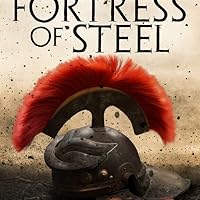
The Mistra Chronicles #1
Τα τείχη του Βυζαντίου
Book 1 in The Mistra Chronicles
"Μια χαμηλή ομίχλη κρεμόταν πάνω από το νερό σαν κουβάρι ιστού αράχνης, που οι άκρες του έφταναν στην ασιατική ενδοχώρα και το φως του ήλιου ξεχυνόταν πάνω του σαν διάστικτο χρυσάφι. Μετά η επιφάνεια του σκίστηκε από πανύψηλα τείχη ραβδωτής πέτρας, με γιγάντιους πύργους που υψώνονταν ακόμα πιο ψηλά και στις κορυφές των οποίων διακρινόταν η λάμψη από ασπίδες κι αιχμές δοράτων. Κωνσταντινούπολη. Ο Λουκάς κρατούσε την ανάσα του και κοίταζε".
Είναι μια εποχή συγκρουόμενων αυτοκρατοριών, καθώς σκοτεινές δυνάμεις από την ανατολή μοιάζουν να σαρώνουν τα πάντα στο πέρασμά τους, βάζοντας σε κίνδυνο το πρώτο φως της δυτικής Αναγέννησης. Είναι μια εποχή άσπλαχνων αφεντάδων, διαιρεμένων εκκλησιών, κατακερματισμένων δυναστειών και εξαιρετικά ανταγωνιστικών, ατρόμητων εμπόρων, που παλεύουν για τα μονοπώλια των προϊόντων τους τόσο άγρια όσο και οι σημερινοί. Είναι μια εποχή μεγάλων πόλεων σαν τη Βενετία και την Κωνσταντινούπολη· μια εποχή κατακτητών σαν τον Ταμερλάνο που θα πνίξει τον κόσμο στο αίμα· μια εποχή όπου ένας ήρωας με σπάνια χαρίσματα προσπαθεί μόνος του να κάνει τη διαφορά.
Ο Λουκάς Μαγκόρις είναι αυτός ο ήρωας. Γιος ενός από τους Βαράγγους φρουρούς που είχαν ορκιστεί να φυλάξουν το μυστικό, θα βρεθεί αναγκασμένος να ταξιδέψει πολύ μακριά σε μια προσπάθεια ν' ανακαλύψει -και ν' αποφύγει- τη μοίρα του. (Από την παρουσίαση στο οπισθόφυλλο του βιβλίου)
"Μια συγκλονιστική ιστορία της πάλης για το Βυζάντιο. Ο Heneage ζωντανεύει τόσο την τραγωδία όσο και τον ηρωισμό". (Tom Holland)
"Μια χαμηλή ομίχλη κρεμόταν πάνω από το νερό σαν κουβάρι ιστού αράχνης, που οι άκρες του έφταναν στην ασιατική ενδοχώρα και το φως του ήλιου ξεχυνόταν πάνω του σαν διάστικτο χρυσάφι. Μετά η επιφάνεια του σκίστηκε από πανύψηλα τείχη ραβδωτής πέτρας, με γιγάντιους πύργους που υψώνονταν ακόμα πιο ψηλά και στις κορυφές των οποίων διακρινόταν η λάμψη από ασπίδες κι αιχμές δοράτων. Κωνσταντινούπολη. Ο Λουκάς κρατούσε την ανάσα του και κοίταζε".
Είναι μια εποχή συγκρουόμενων αυτοκρατοριών, καθώς σκοτεινές δυνάμεις από την ανατολή μοιάζουν να σαρώνουν τα πάντα στο πέρασμά τους, βάζοντας σε κίνδυνο το πρώτο φως της δυτικής Αναγέννησης. Είναι μια εποχή άσπλαχνων αφεντάδων, διαιρεμένων εκκλησιών, κατακερματισμένων δυναστειών και εξαιρετικά ανταγωνιστικών, ατρόμητων εμπόρων, που παλεύουν για τα μονοπώλια των προϊόντων τους τόσο άγρια όσο και οι σημερινοί. Είναι μια εποχή μεγάλων πόλεων σαν τη Βενετία και την Κωνσταντινούπολη· μια εποχή κατακτητών σαν τον Ταμερλάνο που θα πνίξει τον κόσμο στο αίμα· μια εποχή όπου ένας ήρωας με σπάνια χαρίσματα προσπαθεί μόνος του να κάνει τη διαφορά.
Ο Λουκάς Μαγκόρις είναι αυτός ο ήρωας. Γιος ενός από τους Βαράγγους φρουρούς που είχαν ορκιστεί να φυλάξουν το μυστικό, θα βρεθεί αναγκασμένος να ταξιδέψει πολύ μακριά σε μια προσπάθεια ν' ανακαλύψει -και ν' αποφύγει- τη μοίρα του. (Από την παρουσίαση στο οπισθόφυλλο του βιβλίου)
"Μια συγκλονιστική ιστορία της πάλης για το Βυζάντιο. Ο Heneage ζωντανεύει τόσο την τραγωδία όσο και τον ηρωισμό". (Tom Holland)
640 pages, Paperback
First published January 1, 2013
About the author
James Heneage
11 books30 followersJames Heneage has been fascinated by history from an early age, in particular the rise and fall of empires. He was the founder of the Ottakar’s chain of bookshops which, between 1987 and 2006 grew to 150 branches before being bought by Waterstones. James spent these twenty years reading and researching historical subjects before settling on the end of the Byzantine Empire as the period he wanted to write about.
After Ottakar’s, he chaired the Cheltenham Literary Festival before setting up his own festival entirely devoted to history with author James Holland. The Daily Mail Chalke Valley History Festival is now in its third year and attracts around 30,000 people to its menu of talks, debates and living history displays.
The first of his Mistra Chronicles, The Walls of Byzantium, was launched at the Festival in June 2013.
After Ottakar’s, he chaired the Cheltenham Literary Festival before setting up his own festival entirely devoted to history with author James Holland. The Daily Mail Chalke Valley History Festival is now in its third year and attracts around 30,000 people to its menu of talks, debates and living history displays.
The first of his Mistra Chronicles, The Walls of Byzantium, was launched at the Festival in June 2013.
Ratings & Reviews
Friends & Following
Create a free account to discover what your friends think of this book!
Community Reviews
Displaying 1 - 30 of 48 reviews

June 25, 2014
Filed under Teenage Melodrama..... got to about pg 115 & also read the ending
Aweful characters, no historical content whatsover, it could really be an episode of a teenage soap & Suleyman is portrayed as well...... words fail me..... a pantomime villian.
Im sorry its really poor & there's apprently going to be SEVEN books in the Mistra Chronicles.
The best bit were the historical notes at the back of the book, now if the tale had revolved around that as promised I would have liked it, a great period not very oft covered.
I WON book 2 - Towers of Samarkand in a giveaway..... Hurrah..... :(
Addendum - Having read book 2 & found it surprisly ok, I went back to pg 115, took deep breath AND....... nope..... jus couldn't get the drama angst outta my noodle.
Aweful characters, no historical content whatsover, it could really be an episode of a teenage soap & Suleyman is portrayed as well...... words fail me..... a pantomime villian.
Im sorry its really poor & there's apprently going to be SEVEN books in the Mistra Chronicles.
The best bit were the historical notes at the back of the book, now if the tale had revolved around that as promised I would have liked it, a great period not very oft covered.
I WON book 2 - Towers of Samarkand in a giveaway..... Hurrah..... :(
Addendum - Having read book 2 & found it surprisly ok, I went back to pg 115, took deep breath AND....... nope..... jus couldn't get the drama angst outta my noodle.

August 30, 2015
Θα έβαζα 3.5 αςτερακια αν υπήρχε τέτοια βαθμολογία.Οπως και να'ναι έχουμε να κανουμε με ένα Ωραίο παραμυθάκι.Σπαθιά,ιππότες,Βυζάντιο,άλογα κι ένα σωρό αλλα ωραία.Καποιες στιγμές είχα την αίσθηση ότι διάβαζα ένα παιδικό βιβλιο αλλά τελικά αυτο δε μου χάλασε τη γεύση.Θα διαβάσω τη συνέχεια της τριλογίας γιατί το τέλος από αυτό το βιβλιο μ'αφηνει με απορίες.

September 27, 2013
Reading the first 100 pages of Walls of Byzantium and you could believe you are in a standard epic fantasy series first volume that just happens to be set in our history, while having hints of possible magic too: destined boy, doomed love (maybe?), straight-out villains and heroes (again who knows...), hidden magic treasure that may save (or doom) an empire if found, and a writing style that occasionally borders on bestseller blandness and predictability,
All this balanced against very interesting content and on my first reading, I kind of thought "not again, promising stuff done in a mediocre at best way" and skipped through the book and read here and there and the end.
And guess what, once I got familiar with the author style, I was hooked and let the characters take over, so much so that this novel went straight to my top 10 for the year and with a good chance to stay there.
And yes everything said in the first lines is still true, but there is something so compelling about our heroes and more generally the whole storyline/world building that makes all said negatives irrelevant, while the book truly "lives" in a way that books maybe written with better style and more sophisticated characters do not:
The naive to start Luke Magoris, grandson of a disgraced Varangian guard from Constantinople whose father had to take service with arch-villain, traitor, greedy etc etc Archon of Momenvasia and who grew up with their twins - spineless coward, villain etc but heir-by-gender Damian and the willful, wanton, scheming Zoe who badly wants power etc and tries to prove that her being born a girl is just an accident she can correct, while of course as the novel progresses, Luke turns to be a prince, or at least the descendant of such...
Anna, another naive heroine this time, daughter of the right hand of the Despot of Mistra - to whom the Archon owes allegiance in theory, but in practice he sells his services to whomever offers him the "best deal" and the Ottomans and the Venetians are now the rich kids on the block, the latter from their spoils of their traitorous Sack of Byzantium two centuries back, while the former the new power which of course wants Byzantium and everything; Luke is the "man of her life" but she is married to another - Damian the coward perv - and courted by someone even more powerful - Suleyman, heir of famous Bayezid, lover of Zoe and all around schemer and lover of women, wine and pleasure - etc etc...
Finally there is Zoe, another great character whom one loves to hate and then of course the assorted cast of villains, heroes and wise men both Christian and Muslim as only the Venetians are uniform villains so far, not to speak of a great ending that truly begs the continuation asap.
Overall, Walls of Byzantium is a great saga beginning and an entertaining page turner which offers everything one wants in such - dramatic sieges, false accusations, magic treasure, enchanted sword, traitorous murders, intrigue, romance, overview of the state of knowledge of the day, battles and the bloody executions after Nicopolis, awesome world building and narrative power that makes one turn the pages, root for the heroes and get immersed in a novel that is grounded in history but reads more like fantasy than anything else.
All this balanced against very interesting content and on my first reading, I kind of thought "not again, promising stuff done in a mediocre at best way" and skipped through the book and read here and there and the end.
And guess what, once I got familiar with the author style, I was hooked and let the characters take over, so much so that this novel went straight to my top 10 for the year and with a good chance to stay there.
And yes everything said in the first lines is still true, but there is something so compelling about our heroes and more generally the whole storyline/world building that makes all said negatives irrelevant, while the book truly "lives" in a way that books maybe written with better style and more sophisticated characters do not:
The naive to start Luke Magoris, grandson of a disgraced Varangian guard from Constantinople whose father had to take service with arch-villain, traitor, greedy etc etc Archon of Momenvasia and who grew up with their twins - spineless coward, villain etc but heir-by-gender Damian and the willful, wanton, scheming Zoe who badly wants power etc and tries to prove that her being born a girl is just an accident she can correct, while of course as the novel progresses, Luke turns to be a prince, or at least the descendant of such...
Anna, another naive heroine this time, daughter of the right hand of the Despot of Mistra - to whom the Archon owes allegiance in theory, but in practice he sells his services to whomever offers him the "best deal" and the Ottomans and the Venetians are now the rich kids on the block, the latter from their spoils of their traitorous Sack of Byzantium two centuries back, while the former the new power which of course wants Byzantium and everything; Luke is the "man of her life" but she is married to another - Damian the coward perv - and courted by someone even more powerful - Suleyman, heir of famous Bayezid, lover of Zoe and all around schemer and lover of women, wine and pleasure - etc etc...
Finally there is Zoe, another great character whom one loves to hate and then of course the assorted cast of villains, heroes and wise men both Christian and Muslim as only the Venetians are uniform villains so far, not to speak of a great ending that truly begs the continuation asap.
Overall, Walls of Byzantium is a great saga beginning and an entertaining page turner which offers everything one wants in such - dramatic sieges, false accusations, magic treasure, enchanted sword, traitorous murders, intrigue, romance, overview of the state of knowledge of the day, battles and the bloody executions after Nicopolis, awesome world building and narrative power that makes one turn the pages, root for the heroes and get immersed in a novel that is grounded in history but reads more like fantasy than anything else.

September 13, 2015
Αυτό το βιβλίο είναι λιγάκι "άοσμο" κατα την γνώμη μου. Δεν είναι κακό, δεν είναι καλό, έχει κάποια αρνητικά, έχει κάποια θετικά, σε κάποια σημεία σου τραβάει κάπως την προσοχή, σε κάποια σημεία γίνεται λιγάκι βαρετό...
Όπως το βλέπω εγώ, στα θετικά είναι οτι διαδραματίζεται σε μια χρονική περίοδο και σε τοποθεσίες λιγότερο εξαντλημένες στα ιστορικά μυθιστορήματα. Τέλη 14ου αιώνα, Μυστράς, Μονεμβασιά, Χίος, Σέρρες, Νικόπολη(αυτή στην σημερινή Βουλγαρία αν δεν κάνω λάθος, όχι αυτή κοντά στην Πρέβεζα!), Βενετία κτλ
Επίσης, το ιστορικό πλαίσιο είναι ακριβές, στην πλοκή μπλέκονται υπαρκτές προσωπικότητες της εποχής, όπως πχ ο Γεώργιος Γεμιστός Πλήθων, ο σουλτάνος Βαγιαζήτ κ.α. , ωστόσο το βιβλίο επικεντρώνεται σε πρόσωπα τα οποία είναι μεν υπαρκτά τα περισσότερα, αλλά δεν είναι οι κύριοι πρωταγωνιστές της περιόδου. Πχ βασική πρωταγωνίστρια ανάμεσα σε άλλους είναι η κόρη του Λάσκαρη, ο οποίος Λάσκαρης είναι ο πρωτοστάτορας (πρωθυπουργός) του Θεόδωρου, δεσπότη του Μυστρά και αδελφού του αυτοκράτορα του Βυζαντίου Εμμανουήλ και δεν έχουμε ας πούμε τον ίδιο τον αυτοκράτορα ή κάποιο στενό συγγενή του ως ήρωα της ιστορίας.
Στα μάλλον ουδέτερα στοιχεία, η γραφη δεν είναι κάτι ιδιαίτερο, χωρίς να είναι και άσχημη (βέβαια πάντοτε κάτι απο την γραφή χάνεται διαβάζοντας απο μετάφραση, αλλα δεν νομίζω να φτάίει αυτό...) Η πλοκή έχει αρκετές εναλλαγές και δεν θα έλεγα οτι κουράζει ιδιαίτερα τον αναγνώστη, ωστόσο δεν μπορώ να πω οτι είναι και απο τα βιβλία που δεν μπορείς να αφήσεις κάτω. Απο την αρχή είναι ξεκάθαρο ποιός είναι ο καλός, ποιός ο κακός, ποιός θα ερωτευτεί ποιόν στο βιβλίο, δεν υπάρχουν ιδιαίτερες εκπλήξεις. Αντίθετα, ο συγγραφέας ακολουθεί σχεδόν όλα τα κλισέ του είδους και συχνά ο αναγνώστης μπορεί να μαντέψει την συνέχεια επακριβώς.
Στα αρνητικά, ότι ναι μεν για μυθοπλασία πρόκειται, αλλά όμως πολλές σκηνές στο βιβλίο είναι δύσκολο να πείσουν και δυστυχώς πολλοί χαρακτήρες, ακόμα και οι πρωταγωνιστές,εμφανίζονται ρηχοί και "χάρτινοι" και μάλλον δεν είναι εύκολο να συνδεθεί ο αναγνώστης μαζί τους. Κάποιες στιγμές "τηλεπάθειας" ή "ενσυναίσθησης" προς το τέλος του βιβλίου δεν δένουν και πολύ με τον ύφος της ιστορίας, ενώ το τέλος του βιβλίου ουσιαστικά δεν είναι τέλος. Είναι μια αφήγηση που μένει στην μέση και προφανώς κάποιος θα πρέπει να διαβάσει τα άλλα βιβλία στην σειράς για να έχει μια ολοκληρωμένη ιστορία.
Γενικά όπως είπα και στην αρχή, ένα βιβλίο που δυσκολεύεσαι να σχολιάσεις και που μάλλον μετά απο κάποιον καιρό δεν θα θυμάσαι. Ίσως τα υπόλοιπα βιβλία της σειράς να είναι διαφορετικά, δεν ξέρω...
ΥΓ: Προσπαθώ κατα καιρούς να προσθέσω άλλες εκδόσεις κάποιου βιβλίου σε αυτό το site, αλλά δυστυχώς η σχετική σελίδα με πετάει έξω και δεν τα έχω καταφέρει ως τώρα. Η κριτική μου αφορά την Ελληνική έκδοση του 2013 απο τις εκδόσεις Πατάκη.
Όπως το βλέπω εγώ, στα θετικά είναι οτι διαδραματίζεται σε μια χρονική περίοδο και σε τοποθεσίες λιγότερο εξαντλημένες στα ιστορικά μυθιστορήματα. Τέλη 14ου αιώνα, Μυστράς, Μονεμβασιά, Χίος, Σέρρες, Νικόπολη(αυτή στην σημερινή Βουλγαρία αν δεν κάνω λάθος, όχι αυτή κοντά στην Πρέβεζα!), Βενετία κτλ
Επίσης, το ιστορικό πλαίσιο είναι ακριβές, στην πλοκή μπλέκονται υπαρκτές προσωπικότητες της εποχής, όπως πχ ο Γεώργιος Γεμιστός Πλήθων, ο σουλτάνος Βαγιαζήτ κ.α. , ωστόσο το βιβλίο επικεντρώνεται σε πρόσωπα τα οποία είναι μεν υπαρκτά τα περισσότερα, αλλά δεν είναι οι κύριοι πρωταγωνιστές της περιόδου. Πχ βασική πρωταγωνίστρια ανάμεσα σε άλλους είναι η κόρη του Λάσκαρη, ο οποίος Λάσκαρης είναι ο πρωτοστάτορας (πρωθυπουργός) του Θεόδωρου, δεσπότη του Μυστρά και αδελφού του αυτοκράτορα του Βυζαντίου Εμμανουήλ και δεν έχουμε ας πούμε τον ίδιο τον αυτοκράτορα ή κάποιο στενό συγγενή του ως ήρωα της ιστορίας.
Στα μάλλον ουδέτερα στοιχεία, η γραφη δεν είναι κάτι ιδιαίτερο, χωρίς να είναι και άσχημη (βέβαια πάντοτε κάτι απο την γραφή χάνεται διαβάζοντας απο μετάφραση, αλλα δεν νομίζω να φτάίει αυτό...) Η πλοκή έχει αρκετές εναλλαγές και δεν θα έλεγα οτι κουράζει ιδιαίτερα τον αναγνώστη, ωστόσο δεν μπορώ να πω οτι είναι και απο τα βιβλία που δεν μπορείς να αφήσεις κάτω. Απο την αρχή είναι ξεκάθαρο ποιός είναι ο καλός, ποιός ο κακός, ποιός θα ερωτευτεί ποιόν στο βιβλίο, δεν υπάρχουν ιδιαίτερες εκπλήξεις. Αντίθετα, ο συγγραφέας ακολουθεί σχεδόν όλα τα κλισέ του είδους και συχνά ο αναγνώστης μπορεί να μαντέψει την συνέχεια επακριβώς.
Στα αρνητικά, ότι ναι μεν για μυθοπλασία πρόκειται, αλλά όμως πολλές σκηνές στο βιβλίο είναι δύσκολο να πείσουν και δυστυχώς πολλοί χαρακτήρες, ακόμα και οι πρωταγωνιστές,εμφανίζονται ρηχοί και "χάρτινοι" και μάλλον δεν είναι εύκολο να συνδεθεί ο αναγνώστης μαζί τους. Κάποιες στιγμές "τηλεπάθειας" ή "ενσυναίσθησης" προς το τέλος του βιβλίου δεν δένουν και πολύ με τον ύφος της ιστορίας, ενώ το τέλος του βιβλίου ουσιαστικά δεν είναι τέλος. Είναι μια αφήγηση που μένει στην μέση και προφανώς κάποιος θα πρέπει να διαβάσει τα άλλα βιβλία στην σειράς για να έχει μια ολοκληρωμένη ιστορία.
Γενικά όπως είπα και στην αρχή, ένα βιβλίο που δυσκολεύεσαι να σχολιάσεις και που μάλλον μετά απο κάποιον καιρό δεν θα θυμάσαι. Ίσως τα υπόλοιπα βιβλία της σειράς να είναι διαφορετικά, δεν ξέρω...
ΥΓ: Προσπαθώ κατα καιρούς να προσθέσω άλλες εκδόσεις κάποιου βιβλίου σε αυτό το site, αλλά δυστυχώς η σχετική σελίδα με πετάει έξω και δεν τα έχω καταφέρει ως τώρα. Η κριτική μου αφορά την Ελληνική έκδοση του 2013 απο τις εκδόσεις Πατάκη.

August 9, 2013
I enjoyed this book. But I didn't love it.
It's fantastically researched, and the authors passion for this period and for Byzantium really comes across in the writing. The tensions and flavour of Europe at the time really shine through aswell.
It's made me want to read more on almost everything the book touches on.
But I don't know if I want to read this series. The characters are uninspiring and melodramatic, and the Dan Brown esque storyline is pretty vomit enducing, it really detracts from the rest of the book.
It reads like the author himself can't decide what the focus is, delving into places and subjects and then dropping them by the wayside. It's flirty and annoying.
This doesn't mean you shouldn't read it, but be warned that it doesn't stand up to the genre standard
It's fantastically researched, and the authors passion for this period and for Byzantium really comes across in the writing. The tensions and flavour of Europe at the time really shine through aswell.
It's made me want to read more on almost everything the book touches on.
But I don't know if I want to read this series. The characters are uninspiring and melodramatic, and the Dan Brown esque storyline is pretty vomit enducing, it really detracts from the rest of the book.
It reads like the author himself can't decide what the focus is, delving into places and subjects and then dropping them by the wayside. It's flirty and annoying.
This doesn't mean you shouldn't read it, but be warned that it doesn't stand up to the genre standard
July 24, 2013
Dreadful. Well researched, poorly written and this is the first of seven books.

January 7, 2014
I doubt any information giving about Bayezid and his son Suleyman accurate.

August 14, 2024
Κάτι που ξεκίνησε ως ένα υποσχόμενο young adult μυθιστόρημα με ιστορικές αποχρώσεις, κατέληξε δυστυχώς στο να εξελιχθεί σε μια άψυχη σκαλέτα ιστορικών γεγονότων.
Η γραφή δεν είναι απαραίτητα κακή και ο συγγραφέας έχει μελετήσει αρκετά την περίοδο για την οποία γράφει - και φαίνεται- ωστόσο ειδικά από τη μέση και πέρα η όποια πλοκή υπήρχε κατέρρευσε στα μάτια μου και απλά άρχισε ένα παθητικό γεωγραφικό ταξίδι των σχεδόν άψυχων και άνευρων ηρώων, με σκοπό την ιστορική αφήγηση.
Διαβάζοντας κανείς το 10-σέλιδο ιστορικό υπόμνημα στο τέλος του βιβλίου, θεωρώ πως παίρνει ό,τι έχει να πάρει από το παρόν μυθιστόρημα.
Η γραφή δεν είναι απαραίτητα κακή και ο συγγραφέας έχει μελετήσει αρκετά την περίοδο για την οποία γράφει - και φαίνεται- ωστόσο ειδικά από τη μέση και πέρα η όποια πλοκή υπήρχε κατέρρευσε στα μάτια μου και απλά άρχισε ένα παθητικό γεωγραφικό ταξίδι των σχεδόν άψυχων και άνευρων ηρώων, με σκοπό την ιστορική αφήγηση.
Διαβάζοντας κανείς το 10-σέλιδο ιστορικό υπόμνημα στο τέλος του βιβλίου, θεωρώ πως παίρνει ό,τι έχει να πάρει από το παρόν μυθιστόρημα.

July 28, 2013
The Walls of Byzantium is an epic novel, the first of a new series, set at the end of the fourteenth century and mapping the decline and fall of the Byzantine Empire. I don’t know much about the period, but I was relieved to find that everything I need to know to grasp what’s going on is provided in the text. There’s an easy to read map at the start of the books but we are spared a glossary or distracting notes. James Heneage is a first class storyteller and he sweeps you along from page one, quietly adding to the reader’s knowledge only when necessary.
I found this a hugely enjoyable novel set in a fascinating period. The plague had swept through Europe in the mid-fourteenth century wiping out a third of the population and ushered in a new age of fervent religious belief. Life expectancy was short and many of the new rulers and commanders were young, hot headed and spoiling for a fight. The aggressive empires of the East were approaching their zenith: the Ottomans and the Mongols were eager to sweep westwards and had the numbers and capability to overwhelm Europe and stop the flowering of the Renaissance in its tracks. The answer to why this didn’t happen and how European civilization survived is the underlying theme of the novel.
The fate of all of the empires, both East and West, is told through the interconnecting lives of four main characters: Luke Magoris, a medieval horse whisperer whose growth and development seems to embody the glimmering light of the Renaissance; Anna Laskaris whose high birth finds her trapped in a nasty political marriage; Prince Suleyman, heir to the Sultanate and the novel’s prime villain; and Zoe Mamonas, a schemer of Borgia-like proportions who remains engaging and sympathetic throughout. There are some memorable secondary characters, notably the philosopher Plethon who lights up the page and deserves a novel of his own.
The book is full of good things and can be read and enjoyed on many different levels. It opens as a bloody adventure, but soon pans out to map decline of the last vestiges of the Roman empire from a number of perspectives. Heneage is clearly a skilled historian who knows the period in depth and the book is packed with fascinating insights into the period from the effect of the Sultan’s toothache on an Ottoman invasion of Europe to how the Venetians became powerbrokers and arms dealers.
The landscapes of the Mediterranean are richly evoked and lovingly described; reading about Mistra, Monemvasia and Chios has made me yearn to visit them someday. The flowers of Byzantine and Islamic culture existed side by side with utterly sadistic and barbarous behaviour. The Crusaders are shown to behave worse than the Ottomans in their treatment of the conquered and as much as the twentieth century this period is shown to be an age of extremes.
The story works well on a mythic dimension and it’s clear from reading Heneage’s descriptions of the sieges of Monemvasia and Constantinople that this must have been Tolkien’s inspiration for the siege of Minas Tirith in Lord of the Rings. The narrative sweeps to a gripping finale: Heneage is in his element during the battle scenes and his the portrayal of the Battle of Nicopolis, is outstanding and astonishing, encompassing acute historical understanding with a narrative sweep of Tolstoyan grandeur.
Heneage knows how to please his readers, both those who know their history and those who don’t. It will equally delight readers of Tom Holt and Bernard Cornwell and viewers of Game of Thrones and The Borgias. This is a big book full of unexpected delights and it’s easy to be totally drawn into this world. Reading it has changed my perspective on the Dark Ages and I have begun to wonder if we have ever really come out of them. This is historical writing at its best created by a master storyteller who is also a wonderful and engaging historian. I can’t wait for more.
I found this a hugely enjoyable novel set in a fascinating period. The plague had swept through Europe in the mid-fourteenth century wiping out a third of the population and ushered in a new age of fervent religious belief. Life expectancy was short and many of the new rulers and commanders were young, hot headed and spoiling for a fight. The aggressive empires of the East were approaching their zenith: the Ottomans and the Mongols were eager to sweep westwards and had the numbers and capability to overwhelm Europe and stop the flowering of the Renaissance in its tracks. The answer to why this didn’t happen and how European civilization survived is the underlying theme of the novel.
The fate of all of the empires, both East and West, is told through the interconnecting lives of four main characters: Luke Magoris, a medieval horse whisperer whose growth and development seems to embody the glimmering light of the Renaissance; Anna Laskaris whose high birth finds her trapped in a nasty political marriage; Prince Suleyman, heir to the Sultanate and the novel’s prime villain; and Zoe Mamonas, a schemer of Borgia-like proportions who remains engaging and sympathetic throughout. There are some memorable secondary characters, notably the philosopher Plethon who lights up the page and deserves a novel of his own.
The book is full of good things and can be read and enjoyed on many different levels. It opens as a bloody adventure, but soon pans out to map decline of the last vestiges of the Roman empire from a number of perspectives. Heneage is clearly a skilled historian who knows the period in depth and the book is packed with fascinating insights into the period from the effect of the Sultan’s toothache on an Ottoman invasion of Europe to how the Venetians became powerbrokers and arms dealers.
The landscapes of the Mediterranean are richly evoked and lovingly described; reading about Mistra, Monemvasia and Chios has made me yearn to visit them someday. The flowers of Byzantine and Islamic culture existed side by side with utterly sadistic and barbarous behaviour. The Crusaders are shown to behave worse than the Ottomans in their treatment of the conquered and as much as the twentieth century this period is shown to be an age of extremes.
The story works well on a mythic dimension and it’s clear from reading Heneage’s descriptions of the sieges of Monemvasia and Constantinople that this must have been Tolkien’s inspiration for the siege of Minas Tirith in Lord of the Rings. The narrative sweeps to a gripping finale: Heneage is in his element during the battle scenes and his the portrayal of the Battle of Nicopolis, is outstanding and astonishing, encompassing acute historical understanding with a narrative sweep of Tolstoyan grandeur.
Heneage knows how to please his readers, both those who know their history and those who don’t. It will equally delight readers of Tom Holt and Bernard Cornwell and viewers of Game of Thrones and The Borgias. This is a big book full of unexpected delights and it’s easy to be totally drawn into this world. Reading it has changed my perspective on the Dark Ages and I have begun to wonder if we have ever really come out of them. This is historical writing at its best created by a master storyteller who is also a wonderful and engaging historian. I can’t wait for more.

June 22, 2023
2,5 ένα βιβλίο απογοήτευση... Άνευρο, με σχεδόν "παιδικούς" διαλόγους. Είχα πάρα πολλές φορές την αίσθηση ότι πολλές λεπτομέρειες στην αφήγηση ήταν εντελώς αναχρονιστικές, συνήθως μεταγενέστερες. Πολλά τα κλισέ χαρακτηριστικά που "λούζουν" τους δύο βασικούς ήρωες, σε σημείο να μην τους συμπαθήσω καν.
January 12, 2018
I'll start with a short disclaimer that I'm an absolute sucker for this time period and region. Anything set in the late medieval Mediterranean will get my attention. I hope my four stars reflects that this book also kept it.
James Heneage obviously has a passion for the Greek Isles and history, so he's chosen to set his Chronicles of Mistra series based around that epic time of history that saw the fall of Constantinople, the rise of the Ottomans and the Renaissance. I applaud him for this, because there doesn't seem to be much good historical fiction set in east of europe and beyond during this period. If you know any, let me know.
I must admit that it reads a bit like an author still discovering how to find his style, but I would argue that he finds it by the end of the novel and in the successive novels, most of which I have read. It is a little slow at the front end of the novel and it feels like he tries to wax lyrical a little too much on his descriptions of the Peloponnese. I didn't mind this so much because I feel that a series that aspires to cover 70 years of eastern european history needs a somewhat lengthy introduction to the characters, states and politics.
James Heneage's research of the era is impressive. He has included a lot of historically-sound content in the five years or so that this first novel covers. Unless you have a keen interest in the era/region like myself, you may find some sections a little too protracted.
This is a sometimes-staggering start to what I believe is a fantastic series full of political intrigue, interspersed with some good old battles and action sequences. It also breaks up the action with tidbits of information of trade and invention that really make you feel like you're learning something over the course of the novel(s).
The series gets better, but I'm a little confused about the author's intent for the rest of the series. I thought it was going to be a 7-8 book series, but the first three books (which I have read) cover about 5-10 years of history each, but then he seems to have fast-forwarded and covered the next 40 years in his fourth novel! You'll be able to read my thoughts on the pacing of successive novels when I post their reviews.
4 Stars - An excellent book if you are interested in late medieval history of south-eastern europe. His debut novel staggers along at times, but turns into a series well-worth your attention.
James Heneage obviously has a passion for the Greek Isles and history, so he's chosen to set his Chronicles of Mistra series based around that epic time of history that saw the fall of Constantinople, the rise of the Ottomans and the Renaissance. I applaud him for this, because there doesn't seem to be much good historical fiction set in east of europe and beyond during this period. If you know any, let me know.
I must admit that it reads a bit like an author still discovering how to find his style, but I would argue that he finds it by the end of the novel and in the successive novels, most of which I have read. It is a little slow at the front end of the novel and it feels like he tries to wax lyrical a little too much on his descriptions of the Peloponnese. I didn't mind this so much because I feel that a series that aspires to cover 70 years of eastern european history needs a somewhat lengthy introduction to the characters, states and politics.
James Heneage's research of the era is impressive. He has included a lot of historically-sound content in the five years or so that this first novel covers. Unless you have a keen interest in the era/region like myself, you may find some sections a little too protracted.
This is a sometimes-staggering start to what I believe is a fantastic series full of political intrigue, interspersed with some good old battles and action sequences. It also breaks up the action with tidbits of information of trade and invention that really make you feel like you're learning something over the course of the novel(s).
The series gets better, but I'm a little confused about the author's intent for the rest of the series. I thought it was going to be a 7-8 book series, but the first three books (which I have read) cover about 5-10 years of history each, but then he seems to have fast-forwarded and covered the next 40 years in his fourth novel! You'll be able to read my thoughts on the pacing of successive novels when I post their reviews.
4 Stars - An excellent book if you are interested in late medieval history of south-eastern europe. His debut novel staggers along at times, but turns into a series well-worth your attention.

March 5, 2021
I can't remember the last time I gave up reading a book part-way through. But this book was annoying me so much, I'm saving my sanity and moving on to something else. And I've had to create a new shelf on here to list it, along with any other such books I find in future.
The really frustrating part is that it looks interesting from the blurb - a period that historical fiction tends to gloss over, a location that ought to be interesting... it feels like it should be a fascinating read.
Instead, what we get is stereotyped, cliched characters who leave a bad taste in the mouth (Oh look - a villain who's disabled, facially disfigured *and* may possibly be gay! *eye-roll*) and, while I appreciate that medieval attitudes towards women and disability were probably quite different from today, there are scenes which made me feel sick and angry reading them. In one case, in the first few pages, a woman, along with her merchant husband, is seeking help from an ancestor of the protagonist. Instead of trying to protect them or get them to safety, this supposedly heroic ancestor promptly throws her across the street at invading troops as a "distraction", prompting the invaders to pause their invading and... you can probably guess.
It feels unnecessarily cruel - and that cruelty extends further into the book. A character gets seriously injured, conveniently lives *just* long enough to deliver some crucial information to the main characters, and then he's killed off because apparently his paralysing injury renders him "useless" and he "doesn't want to be a burden". I mean... *rolls eyes again*. He could clearly still think and communicate, so he could still have contributed to the story/their lives. But no, the "heroes" and author decide that he's better off being dead than living with a disability... Just... ugh.
And I haven't even mentioned the stereotyping of the supposedly Muslim character...
Basically, this reads as if the author has a bingo card of Villain Cliches and Problematic Stereotypes and is trying to tick off all the squares in it. It's a good job this book is on loan from the library. That means I have to look after it and *not* throw it across the room.
It does look as if it's the author's first book, so maybe they get better and less cliched with subsequent books? One can only hope so, although I don't think I'll be reading any more of them.
The really frustrating part is that it looks interesting from the blurb - a period that historical fiction tends to gloss over, a location that ought to be interesting... it feels like it should be a fascinating read.
Instead, what we get is stereotyped, cliched characters who leave a bad taste in the mouth (Oh look - a villain who's disabled, facially disfigured *and* may possibly be gay! *eye-roll*) and, while I appreciate that medieval attitudes towards women and disability were probably quite different from today, there are scenes which made me feel sick and angry reading them. In one case, in the first few pages, a woman, along with her merchant husband, is seeking help from an ancestor of the protagonist. Instead of trying to protect them or get them to safety, this supposedly heroic ancestor promptly throws her across the street at invading troops as a "distraction", prompting the invaders to pause their invading and... you can probably guess.
It feels unnecessarily cruel - and that cruelty extends further into the book. A character gets seriously injured, conveniently lives *just* long enough to deliver some crucial information to the main characters, and then he's killed off because apparently his paralysing injury renders him "useless" and he "doesn't want to be a burden". I mean... *rolls eyes again*. He could clearly still think and communicate, so he could still have contributed to the story/their lives. But no, the "heroes" and author decide that he's better off being dead than living with a disability... Just... ugh.
And I haven't even mentioned the stereotyping of the supposedly Muslim character...
Basically, this reads as if the author has a bingo card of Villain Cliches and Problematic Stereotypes and is trying to tick off all the squares in it. It's a good job this book is on loan from the library. That means I have to look after it and *not* throw it across the room.
It does look as if it's the author's first book, so maybe they get better and less cliched with subsequent books? One can only hope so, although I don't think I'll be reading any more of them.

April 28, 2014
Reading half way through this novel I would have given it a happily surprised 4 - 4.5 rating. I enjoyed the fast-paced plot, the well researched historical background, the action, the characters, the way the potential for clash was being laid out. After the book's final chapter my rating drops to 3 because the characters remained relatively flat, their incentives rather vague and thus the whole plot rationale somewhat weak. Some things I found out of sync with the world and mindsets of late the 14th cent. I will read the next one (towers of Samarkand) though because I did enjoy the 1st half of the book and hope the weaknesses of the 2nd half will be remedied.
August 31, 2022
A riveting and well written historical novel. Meanders sometimes, which I quite enjoy, getting more of a flavor for the time in which the novel is set. The love story and protagonists can sometimes feel a bit one dimensional and flat, but in context of the whole novel with it's political, historical, and personal intrigue it doesn't distract. A page turner for sure, looking forward to reading the next installment.

November 18, 2023
The walls of Byzantium is an interesting book i would say, like for sure. But it has some things too that arent for everyone. James Heneage loves discribing things and scenes and sometimes that works really well but sometimes its just too much!
Like somewhere in the book they are in a tent with all the important people from far and wide and he littarely writes everyones name and their background and it just goes on and on for like 4 pages. I just skipped it and it didnt really matter. Also its very unclear who is the main character for a good 100 pages, like it keeps switching and switching and in the beginning i had no clue what was happening and who i was actually reading about. Well abit of clues yes but not a lot.
Spoilers after this but might be good to read before starting, i dont say specifics, just why its important to know.
So the whole book basicly builds up to this ancient treasure thats hidden away somewhere. Like the whole time its getting mentioned and everyone wants it. And then after a very random and lame plottwist that didnt make any sort of sense, they Find it and they. Dont. Tell. You. What. It. Is!!#&&@ Like their just like "it's something thats gonna change the world" 🤮, man thats so cheesy! Iv read like 500+ pages just so you can never tell me what all this shit even happened for. Like wtf. Now i "need" to read the others, but i wont, cuz if this is how you write your books, you cant garantee you wont fo it the next book as well.
Just that, read it if you have time and money to buy a whole series, or dont if you dont. You might miss out on a cool story but with the amount of stories out there, i dont think you will be missing much.
Like somewhere in the book they are in a tent with all the important people from far and wide and he littarely writes everyones name and their background and it just goes on and on for like 4 pages. I just skipped it and it didnt really matter. Also its very unclear who is the main character for a good 100 pages, like it keeps switching and switching and in the beginning i had no clue what was happening and who i was actually reading about. Well abit of clues yes but not a lot.
Spoilers after this but might be good to read before starting, i dont say specifics, just why its important to know.
So the whole book basicly builds up to this ancient treasure thats hidden away somewhere. Like the whole time its getting mentioned and everyone wants it. And then after a very random and lame plottwist that didnt make any sort of sense, they Find it and they. Dont. Tell. You. What. It. Is!!#&&@ Like their just like "it's something thats gonna change the world" 🤮, man thats so cheesy! Iv read like 500+ pages just so you can never tell me what all this shit even happened for. Like wtf. Now i "need" to read the others, but i wont, cuz if this is how you write your books, you cant garantee you wont fo it the next book as well.
Just that, read it if you have time and money to buy a whole series, or dont if you dont. You might miss out on a cool story but with the amount of stories out there, i dont think you will be missing much.
This entire review has been hidden because of spoilers.
December 6, 2020
well this is a book about decaying empire and its remnants. Luke magoris decendant of varangians presiding in the south of empire will go through many advanterues, captivity, romance and stil is able to survive all ods. I like the era of the book but characters are more of our time than of those. Admirable how female charachters are active, but still less realistic through the story. Book lacks tons of prejudices and grim of stereotypes. Also that turbulent time envoked too much hate towards each other from all directions. I liked description of Constantinopole but it has to be 10 times more i think. Book ends with uknown treasure found not revealed still what it is and once again luke magoris came out alive from difficult mortal situtation. One more thing for the author Georgia was attacked 8 times by timurids, not converted to islam, not enslaved, and trapizund empire mostly relid on georgia and was founded by georgia.Thanks for.mentioning georgians among population of bursa, but for future u may give it a try to include georgians in historical frame of the time.
May 13, 2026
Not really a big fan tbh. I found myself skipping much of the text in an attempt to finish the chapters faster. The characters were probably the best part of the book but even they felt weak. The romance between Luke & Anna feels like it's only there for the plot. Side characters literally have no meaning. I couldn't give two shits that Luke's father died. If his mother died I wouldn't care either. Luke barely has a reaction to that (once he has the time I mean). Luke's friends aren't even characters, just names that do what the plot demands. I rated this 3 stars, because the writer does have something going for him, I couldn't begin to explain what it is cause I myself don't know, but something in the writing kept me reading rather than dnf-ing it despite my issues. I won't be continuing this series.
This entire review has been hidden because of spoilers.
November 13, 2017
This is a period of history about which I know little and so I was instantly drawn to this book in my never ending quest/thirst to expand my historical knowledge. It is quite clear that the author has done his research and that comes across well without bogging the reader down in unnecessary and cumbersome facts.
Aside from the fact that I had trouble remembering some of the difficult Greek/Turkish names, I found some of the characters easy to empathise with yet others lacking in detail and about whom I cared little.
It moves along at a nice pace and there is a fair amount of action but I did find the book overly long and wonder whether perhaps some things could have been cut.
Fans of this period of history in particular will find this book absorbing.
Aside from the fact that I had trouble remembering some of the difficult Greek/Turkish names, I found some of the characters easy to empathise with yet others lacking in detail and about whom I cared little.
It moves along at a nice pace and there is a fair amount of action but I did find the book overly long and wonder whether perhaps some things could have been cut.
Fans of this period of history in particular will find this book absorbing.

November 22, 2018
I really enjoyed parts of this book. There were some excellently descriptive narrative and the setting was intriguing, exploring the Island of Chios and the history of mastic. Unfortunately though, this was not enough to hold the whole novel together. There were too many characters introduced too quickly which meant that it was difficult to get to know them and understand their motivation, leading to a plot that, although not over complicated, was ultimately quite confusing. The last ¼ of the book was clearly just setting up for the sequel and the repetitive use of the short punchy sentences intended to add emphasis very quickly became annoying.
Annoying.
Overall, disappointing.
Annoying.
Overall, disappointing.
November 5, 2023
Having visited Mistra and Monemvasia in the past I am really enjoying this novel and the time thst it is set in. The historical detail is fantastic and it makes me look up further on the period. I love the descriptions of Monemvasia and Mistra, which are truly fascinating and beautiful places with a wealth of history. I also liked the different characters In the book and the fascinating chapters on Chios and its mastic industry.
When I got back from my travels in the Peloponnese I googled "historical novels set in Mistra" and Jame's books came up and I'm so glad they did as I'm enjoying the first one so much. I can't wait to read the next ones.
When I got back from my travels in the Peloponnese I googled "historical novels set in Mistra" and Jame's books came up and I'm so glad they did as I'm enjoying the first one so much. I can't wait to read the next ones.
December 6, 2023
This book was not at all what I expected. I gave up reading half way through. I was hoping to get a good feel for a period of history that I know very little about, told through a story about believable characters. But what I got was a tale of cruel eyes, kind eyes, voluptuous bodies etc. The most interesting bit for me was the use of mastic in dental work. Some other aspects of detail in the text seemed pretty dubious to me. For example, hummingirds (which come from South America) in Monemvasia in 1395 - really?

September 7, 2024
This is an historical novel full of adventure that brings the complex politics of the late Byzantine period to life. With well-researched details, the story weaves together the declining power of the Eastern Roman Empire, the rapid rise of the Ottomans, and the widespread influence of the scheming Venetian and Genoese powers in the Eastern Mediterranean. I became invested in the characters, despite some pastiche characterisation of the Turks, and am looking forward to reading the next book in the Mistra Chronicles.

July 13, 2019
A really good historical novel following the main character Luke and Anna his love (but not gushy), the focus is on the ailing Byzantine empire and Ottoman designs on Constantin opal, but covers also includes the Venetian and Genoese involvement in the area.
The author cleverly weaved a story which covers the involvement in the Eastern Mediterranean at the end of the 14th Century and leaves us with a massive cliff hanger at the end - I really looked forward to reading book 2.
The author cleverly weaved a story which covers the involvement in the Eastern Mediterranean at the end of the 14th Century and leaves us with a massive cliff hanger at the end - I really looked forward to reading book 2.
August 14, 2021
Set in an era I knew little about , I thought the historical facts were interesting with the fall of Constantinople and the importance of trade to Europe even in the 14th century . But , for me , a top historical novel needs convincing dialogue and well - defined characters . In this book there were too many passages without any dialogue and rather flat main characters . It did not do enough to convince me to read any more of the series .
April 22, 2019
Το πρώτο βιβλίο της καταπληκτικής τριλογίας που αναφέρεται σε μία σπουδαία πλην σχετικά άγνωστη εποχή, πενήντα χρόνια πριν από την Άλωση. Ίσως είναι λίγο πιο άχρωμο σε σχέση με τα δύο επόμενα βιβλία, ωστόσο η ενδιαφέρουσα πλοκή σε εισάγει με ιστορική συνέπεια στην ατμόσφαιρα του 1400 με τις συγκρούσεις, τις προδοσίες και τον αγώνα του μεσαιωνικού ελληνισμού για επιβίωση.
August 12, 2020
Another romping good read. Unusually for me I managed to find the first in a 2 book series. As opposed to number 2 in a trilogy. Good storyline and characters. Also not a period of history I am that close to preferring Romans. But at least it gets me to surf the internet to check on characters and events. Look forward to reading more by this author. And certainly digging out book 2😉
October 6, 2017
I enjoyed this, unlike some reviewers. I think it got better as it went on, though I must admit everything seemed to go just right for the hero. I will certainly read the next one.
June 15, 2018
Loved it!
Loved it!
There are some things that you just can't place but you know that they are good and this was!!
Loved it!
There are some things that you just can't place but you know that they are good and this was!!

April 28, 2019
I've always said, if you don't have nice things to say, say nothing. An easy read...!!

October 15, 2020
It started off very ya but it all came together at the end.
Displaying 1 - 30 of 48 reviews