

What do you think?

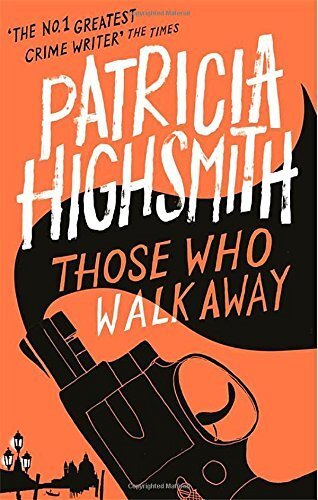
Those Who Walk Away
Ray Garrett, a wealthy young American living in Europe, is grieving over the death of his wife, Peggy. Ray is at a loss for why she would take her own life, but Peggy’s father, Ed Coleman, a painter, has no such uncertainty―he blames Ray completely. Late one night in Rome, Coleman shoots Ray at point-blank range. He thinks he’s had his revenge, but Ray survives and follows Coleman and his wealthy girlfriend to Venice.
In Venice, it happens Coleman attacks his loathed son-in-law, dumping him into the cold waters of the Laguna. Ray survives thanks to the help of a boatman, and this time he goes into hiding, living in a privately rented room under a fake name. So begins an eerie game of cat and mouse. Coleman wants vengeance, Ray wants a clear conscience, and the police want to solve the mystery of what happened to the missing American.
As Ray and Coleman stalk each other through the narrow streets and canals, the hotels and bars of the beguiling city, Those Who Walk Away simmers with violence and unease. Originally published in 1967, this is vintage Highsmith.
In Venice, it happens Coleman attacks his loathed son-in-law, dumping him into the cold waters of the Laguna. Ray survives thanks to the help of a boatman, and this time he goes into hiding, living in a privately rented room under a fake name. So begins an eerie game of cat and mouse. Coleman wants vengeance, Ray wants a clear conscience, and the police want to solve the mystery of what happened to the missing American.
As Ray and Coleman stalk each other through the narrow streets and canals, the hotels and bars of the beguiling city, Those Who Walk Away simmers with violence and unease. Originally published in 1967, this is vintage Highsmith.
288 pages, Paperback
First published January 1, 1967
About the author
Patricia Highsmith
492 books5,312 followersPatricia Highsmith (19 January 1921 – 4 February 1995) was an American novelist who is known mainly for her psychological crime thrillers which have led to more than two dozen film adaptations over the years.
She lived with her grandmother, mother and later step-father (her mother divorced her natural father six months before 'Patsy' was born and married Stanley Highsmith) in Fort Worth before moving with her parents to New York in 1927 but returned to live with her grandmother for a year in 1933. Returning to her parents in New York, she attended public schools in New York City and later graduated from Barnard College in 1942.
Shortly after graduation her short story "The Heroine" was published in the Harper's Bazaar magazine and it was selected as one of the 22 best stories that appeared in American magazines in 1945 and it won the O Henry award for short stories in 1946. She continued to write short stories, many of them comic book stories, and regularly earned herself a weekly $55 paycheck. During this period of her life she lived variously in New York and Mexico.
Her first suspense novel Strangers on a Train published in 1950 was an immediate success with public and critics alike. The novel has been adapted for the screen three times, most notably by Alfred Hitchcock in 1951.
In 1955 her anti-hero Tom Ripley appeared in the splendid The Talented Mr Ripley, a book that was awarded the Grand Prix de Litterature Policiere as the best foreign mystery novel translated into French in 1957. This book, too, has been the subject of a number of film versions. Ripley appeared again in Ripley Under Ground in 1970, in Ripley's Game in 1974, The Boy Who Followed Ripley in 1980, and in Ripley Under Water in 1991.
Along with her acclaimed series about Ripley, she wrote 22 novels and eight short story collections plus many other short stories, often macabre, satirical or tinged with black humour. She also wrote one novel, non-mystery, under the name Claire Morgan , plus a work of nonfiction Plotting and Writing Suspense Fiction and a co-written book of children's verse, Miranda the Panda Is on the Veranda.
She latterly lived in England and France and was more popular in England than in her native United States. Her novel Deep Water, 1957, was called by the Sunday Times one of the "most brilliant analyses of psychosis in America" and Julian Symons once wrote of her "Miss Highsmith is the writer who fuses character and plot most successfully ... the most important crime novelist at present in practice." In addition, Michael Dirda observed "Europeans honoured her as a psychological novelist, part of an existentialist tradition represented by her own favorite writers, in particular Dostoevsky, Conrad, Kafka, Gide, and Camus."
She died of leukemia in Locarno, Switzerland on 4 February 1995 and her last novel, Small g: A Summer Idyll, was published posthumously a month later. (Gerry Wolstenholme, July 2010).
She lived with her grandmother, mother and later step-father (her mother divorced her natural father six months before 'Patsy' was born and married Stanley Highsmith) in Fort Worth before moving with her parents to New York in 1927 but returned to live with her grandmother for a year in 1933. Returning to her parents in New York, she attended public schools in New York City and later graduated from Barnard College in 1942.
Shortly after graduation her short story "The Heroine" was published in the Harper's Bazaar magazine and it was selected as one of the 22 best stories that appeared in American magazines in 1945 and it won the O Henry award for short stories in 1946. She continued to write short stories, many of them comic book stories, and regularly earned herself a weekly $55 paycheck. During this period of her life she lived variously in New York and Mexico.
Her first suspense novel Strangers on a Train published in 1950 was an immediate success with public and critics alike. The novel has been adapted for the screen three times, most notably by Alfred Hitchcock in 1951.
In 1955 her anti-hero Tom Ripley appeared in the splendid The Talented Mr Ripley, a book that was awarded the Grand Prix de Litterature Policiere as the best foreign mystery novel translated into French in 1957. This book, too, has been the subject of a number of film versions. Ripley appeared again in Ripley Under Ground in 1970, in Ripley's Game in 1974, The Boy Who Followed Ripley in 1980, and in Ripley Under Water in 1991.
Along with her acclaimed series about Ripley, she wrote 22 novels and eight short story collections plus many other short stories, often macabre, satirical or tinged with black humour. She also wrote one novel, non-mystery, under the name Claire Morgan , plus a work of nonfiction Plotting and Writing Suspense Fiction and a co-written book of children's verse, Miranda the Panda Is on the Veranda.
She latterly lived in England and France and was more popular in England than in her native United States. Her novel Deep Water, 1957, was called by the Sunday Times one of the "most brilliant analyses of psychosis in America" and Julian Symons once wrote of her "Miss Highsmith is the writer who fuses character and plot most successfully ... the most important crime novelist at present in practice." In addition, Michael Dirda observed "Europeans honoured her as a psychological novelist, part of an existentialist tradition represented by her own favorite writers, in particular Dostoevsky, Conrad, Kafka, Gide, and Camus."
She died of leukemia in Locarno, Switzerland on 4 February 1995 and her last novel, Small g: A Summer Idyll, was published posthumously a month later. (Gerry Wolstenholme, July 2010).
Ratings & Reviews
Friends & Following
Create a free account to discover what your friends think of this book!
Community Reviews
Displaying 1 - 30 of 269 reviews

October 21, 2021
I have mixed feelings about this one – yes, I enjoyed it but not quite as much as other Highsmith books I’ve read. That’s okay – I mean, did Maradona score every shot on goal? Does Daniel Day-Lewis nail every line? Did Michael Jordan score every three-pointer he attempted? Do U2 always play the perfect concert? Is every Palak Paneer the best thing one’s ever eaten? The simple answer to all these questions is NO.
This Patty enthusiast has been so spoiled by each and every Patricia Highsmith offering, anything less than perfect has the capacity to disappoint.
Well, this is how I feel about Those who walk away.
By the way, check out this stunning picture of Piazza San Marco, it's enough to make your mouth water.

Just to be clear, this was enjoyable – it’s about a guy called Ray Garrett, who is trying to establish an art gallery in New York. However, his beautiful wife Peggy, has suicided and this tragic event is made worse by Peggy’s father, an obnoxious man called Edward Coleman, who firmly believes Ray is guilty of her murder. He therefore tries to kill him.
This story is set in the beautiful city of Venice, and I must say one of the most enjoyable aspects of this book for me was the way Highsmith dragged us around every nook and cranny of this historic place. Even though this was a quick read, I was slowed down by frequently jumping into Google Maps so I could run around The Piazza San Marco, or to see where Ray was staying on the Island of Giudecca, or popping into Harry’s Bar for a Martini before a plate of pasta at the Gritti Palace. Every place the author mentioned was there in its Pixelated Splendour if you take the time to have a peek.
I suppose the issues I experienced with this story were – I didn’t really understand the motivations of Ray, the story seemed to meander a tad and the ending was a bit of a fizzer. Everything else was enjoyable, it just wasn’t quite as mind-blowing as her usual fare.
4 Stars
This Patty enthusiast has been so spoiled by each and every Patricia Highsmith offering, anything less than perfect has the capacity to disappoint.
Well, this is how I feel about Those who walk away.
By the way, check out this stunning picture of Piazza San Marco, it's enough to make your mouth water.
Just to be clear, this was enjoyable – it’s about a guy called Ray Garrett, who is trying to establish an art gallery in New York. However, his beautiful wife Peggy, has suicided and this tragic event is made worse by Peggy’s father, an obnoxious man called Edward Coleman, who firmly believes Ray is guilty of her murder. He therefore tries to kill him.
This story is set in the beautiful city of Venice, and I must say one of the most enjoyable aspects of this book for me was the way Highsmith dragged us around every nook and cranny of this historic place. Even though this was a quick read, I was slowed down by frequently jumping into Google Maps so I could run around The Piazza San Marco, or to see where Ray was staying on the Island of Giudecca, or popping into Harry’s Bar for a Martini before a plate of pasta at the Gritti Palace. Every place the author mentioned was there in its Pixelated Splendour if you take the time to have a peek.
I suppose the issues I experienced with this story were – I didn’t really understand the motivations of Ray, the story seemed to meander a tad and the ending was a bit of a fizzer. Everything else was enjoyable, it just wasn’t quite as mind-blowing as her usual fare.
4 Stars

July 14, 2025
Another delicious work of psychological suspense by the great Patricia Highsmith.
Peggy, a lovely young woman, has committed suicide. Peggy's father, Edward Coleman, blames her husband, Ray. Coleman is full of rage and hate, shoots Ray, and runs off. What he doesn't know is he missed Ray, just grazed his arm. Ray then takes pains to find Coleman (who is now in Venice) to talk to his father in law, to convince him that he couldn't have saved Peggy. Coleman responds with violence again, which Ray just barely survives.
Now, if I was Ray, I'd be running to my local stazione di polizia. Let's get Coleman put away, shall we? He's a psycho! But that's not what happens, and it's what makes this novel so interesting. Instead of responding in the conventional way, Ray disappears, leaving his passport and suitcase behind, and spies on Coleman and his friends.
Several times he notices that they are laughing and having lovely meals together. Is this what it looks like when people think he is dead?
The world did not care really whether he was alive or dead, if he had been murdered or not. Perhaps it was the beginning of wisdom to realize this. He could have been murdered, and by Coleman only, but the world didn't seem to care.
This idea of getting to experience one's death before it happens, to see that the world keeps spinning, and that people are unchanged, and even experiencing joy, permeates the pages of this cat-and-mouse story. Even as these two men chase each other through the canals and alleys of Venice, they both contemplate their insignificance. Through ingenious twists of plot, they each get to experience a world who believes they are gone forever. And it is still beautiful! It still bustles and moves and continues.
This book is less about a girl who suicided, and more about two men who test out their own (minute) importance in the world. It's brilliant. Meanwhile, Highsmith draws us onto the gondolas and vaporettos and into the chilly Italian winter with her trademark finesse.
Peggy, a lovely young woman, has committed suicide. Peggy's father, Edward Coleman, blames her husband, Ray. Coleman is full of rage and hate, shoots Ray, and runs off. What he doesn't know is he missed Ray, just grazed his arm. Ray then takes pains to find Coleman (who is now in Venice) to talk to his father in law, to convince him that he couldn't have saved Peggy. Coleman responds with violence again, which Ray just barely survives.
Now, if I was Ray, I'd be running to my local stazione di polizia. Let's get Coleman put away, shall we? He's a psycho! But that's not what happens, and it's what makes this novel so interesting. Instead of responding in the conventional way, Ray disappears, leaving his passport and suitcase behind, and spies on Coleman and his friends.
Several times he notices that they are laughing and having lovely meals together. Is this what it looks like when people think he is dead?
The world did not care really whether he was alive or dead, if he had been murdered or not. Perhaps it was the beginning of wisdom to realize this. He could have been murdered, and by Coleman only, but the world didn't seem to care.
This idea of getting to experience one's death before it happens, to see that the world keeps spinning, and that people are unchanged, and even experiencing joy, permeates the pages of this cat-and-mouse story. Even as these two men chase each other through the canals and alleys of Venice, they both contemplate their insignificance. Through ingenious twists of plot, they each get to experience a world who believes they are gone forever. And it is still beautiful! It still bustles and moves and continues.
This book is less about a girl who suicided, and more about two men who test out their own (minute) importance in the world. It's brilliant. Meanwhile, Highsmith draws us onto the gondolas and vaporettos and into the chilly Italian winter with her trademark finesse.

May 10, 2022
I read this because it was available for free on audio and someone had reviewed this as her "masterpiece;" I am afraid I can't agree, though I was tempted to try to rethink my review if I read persuasive raves here. But I just read The Talented Mr Ripley and The Price of Salt, and this (1967, which is to say much later than those books) feels like an earlier draft of Ripley, or Strangers, but it is in no way close to any of those books.
Ray Garrett's wife dies, by suicide, and we never know why, though we do know she wasn't into sex with him (which was like lesbian Highsmith's experience with men, not surprisingly, and women that are forced by society to marry men and are despondent about it pop up in several Highsmith novels, including The Price of Salt). Ed Coleman, Ray's father-in-law, who raised her, blames Ray for the suicide, and on page 3 shoots him, the (spoiler alert) first of three attempts to kill him.
Ray runs and hides after being the target of homicide by Ed, and when Ray fights back and hurts iEd in yet another attempt to kill him, Ed also runs and hides, and their struggle occurs throughout the book, which can't be described as a typical crime novel. Ed has anger issues, maybe in part borne from grief, but he's basically the Ugly American, a jerk.
It's psychological suspense, but I would not call it a thriller, exactly. The book, as with Ripley, takes place in Italy, and it features lots of nice Italians who are mystified by all the lying both Ray and Ed do. It's not clear why Ray never wants to turn in Ed for attempted murder--something about understanding his grief, he says.
The fact that so little happens forces you to focus on character instead of action, of course, and the twin hiding that both Ray and Ed do out of their guilt and grief has some appeal, from a psychological angle, I guess.
PS Highsmith features a minor chracter who supports Ray, a potential lover, maybe, named Lizaveta, which I am sure is a nod to the Lizaveta (not the same character, just the same name) of both Crime and Punishment and The Brothers Karamazov, two of the greatest "murder mysteries" of all time, from Fyodor Dostoevsky. Nice touch.
Ray Garrett's wife dies, by suicide, and we never know why, though we do know she wasn't into sex with him (which was like lesbian Highsmith's experience with men, not surprisingly, and women that are forced by society to marry men and are despondent about it pop up in several Highsmith novels, including The Price of Salt). Ed Coleman, Ray's father-in-law, who raised her, blames Ray for the suicide, and on page 3 shoots him, the (spoiler alert) first of three attempts to kill him.
Ray runs and hides after being the target of homicide by Ed, and when Ray fights back and hurts iEd in yet another attempt to kill him, Ed also runs and hides, and their struggle occurs throughout the book, which can't be described as a typical crime novel. Ed has anger issues, maybe in part borne from grief, but he's basically the Ugly American, a jerk.
It's psychological suspense, but I would not call it a thriller, exactly. The book, as with Ripley, takes place in Italy, and it features lots of nice Italians who are mystified by all the lying both Ray and Ed do. It's not clear why Ray never wants to turn in Ed for attempted murder--something about understanding his grief, he says.
The fact that so little happens forces you to focus on character instead of action, of course, and the twin hiding that both Ray and Ed do out of their guilt and grief has some appeal, from a psychological angle, I guess.
PS Highsmith features a minor chracter who supports Ray, a potential lover, maybe, named Lizaveta, which I am sure is a nod to the Lizaveta (not the same character, just the same name) of both Crime and Punishment and The Brothers Karamazov, two of the greatest "murder mysteries" of all time, from Fyodor Dostoevsky. Nice touch.

April 15, 2021
Ray Garrett's young wife has committed suicide on their extended honeymoon, a year in Mallorca. She didn't leave a note. But Ray's father-in-law, Ed Coleman, has no doubt as to the reason. He blames Ray and now has his mind set on revenge. Coleman, however, is demonstrably horrible at murdering. In Rome, he shoots at Ray and flees, only having grazed a shoulder. In Venice, Coleman dumps Ray in the frigid canal and races his boat away, not staying to see Ray make it to a buoy and rescue. Without giving away anymore of the story, let me just say Coleman is not done.
There were things unresolved, which might have annoyed me, but didn't. Like why Ray's wife killed herself. We are told, tantalizingly, that she developed more than an average enjoyment of sex; but we are spared the specifics. I have a healthy imagination though. And why would Ray lie to protect Coleman, who would not stop trying to kill him?
Didn't matter. I still really liked this, liked it as much as any Highsmith I have read so far. And I've been trying to understand why. Or, at least, I'm trying to articulate why. It's not just that I read it late into the night, then picked it up first thing in the morning, pre-coffee. Any "thriller" might cause that. But there was stuff.
Like that characters are literate, thinking of Stendhal and Proust, and deciding to stay in all day long: Perhaps the DiRienzas had some books.
Or that Coleman, an erstwhile engineer and now a painter, got busy doing a series of sketches of groups of people's heads, as seen from above. At one point he would dump his girlfriend, but carefully take the sketches, reminiscent of "Leave the gun, take the cannoli."
And there was a scarf, one Ray bought because it reminded him of his wife. The scarf would loom large, symbolically. It moved the plot, shaped the characters; and it told that there are memories and reasons, but they are not always real.
There were things unresolved, which might have annoyed me, but didn't. Like why Ray's wife killed herself. We are told, tantalizingly, that she developed more than an average enjoyment of sex; but we are spared the specifics. I have a healthy imagination though. And why would Ray lie to protect Coleman, who would not stop trying to kill him?
Didn't matter. I still really liked this, liked it as much as any Highsmith I have read so far. And I've been trying to understand why. Or, at least, I'm trying to articulate why. It's not just that I read it late into the night, then picked it up first thing in the morning, pre-coffee. Any "thriller" might cause that. But there was stuff.
Like that characters are literate, thinking of Stendhal and Proust, and deciding to stay in all day long: Perhaps the DiRienzas had some books.
Or that Coleman, an erstwhile engineer and now a painter, got busy doing a series of sketches of groups of people's heads, as seen from above. At one point he would dump his girlfriend, but carefully take the sketches, reminiscent of "Leave the gun, take the cannoli."
And there was a scarf, one Ray bought because it reminded him of his wife. The scarf would loom large, symbolically. It moved the plot, shaped the characters; and it told that there are memories and reasons, but they are not always real.

February 26, 2026
'Do you ever feel that the world is not enough?' Peggy had asked him that at least twice. Ray had wanted to find out from her how the world was not enough, and Peggy had finally said she meant that the stars and the atoms, the systems of religion which stretch the imagination and still remain unfinished, and all painting and music--all this was not enough, and the human mind (or maybe the soul for Peggy) desired more.By now, I've read most of Patricia Highsmith's novels and a good number of her short stories.
Highsmith is today remembered mostly for two of her earliest works - 'Strangers on a Train' and 'The Price of Salt' (aka 'Carol') - and 'The Talented Mr. Ripley' (the first of 5 books about the titular character). Though there's little doubt that the author has her devoted fans, it seems that, with time, she is less talked about.
Certainly a number of her subsequent novels have unfairly taken something of a beating (more so in the US; her rep appears to remain stronger in Europe). And that's hard to fathom since (overall) I've found her to be a consistently satisfying writer. Even something that I found to be a bit of a lesser work ('The Tremor of Forgery') still has much in its favor.
'Those Who Walk Away', as it turns out, came as a particular surprise. I think it's among her finest novels; ultimately a strangely compassionate one.
~ though some would not agree. One reader here at Goodreads, in fact, seemed to bemoan the fact that "nothing happens" in it. Well... I'm not sure what novel that person read, but it's sure not the one I have just finished. To a degree, I can understand how it can *seem* as though nothing happens in it - esp. compared to Highsmith's more popular work - but it's simply not so.
The novel is a singular, intricately structured cat-and-mouse game. A few times the cat strikes - and the mouse seems to ignore that those things happen. At one point the cat is more definitive and the mouse strikes back. But the upshot of these thrusts is nothing that can be anticipated. As a result, the periodic 'scares' have their own uniquely unnerving quality (as does the masterful conclusion).
On top of all of that is the setting: Venice; a particularly leisure location which lends a sort of laziness (mixed with luxuriousness) to the tone and atmosphere. Highsmith's step-by-step depiction of the city is evocative, almost hypnotic.
But even that takes a back seat to the neurotic pas de deux in the minds of the two main characters; two men unexpectedly entwined by a death which, in the final analysis, has nothing to do directly with either one of them (though each believes it does) - but is more deeply personal.
[Knowing Highsmith's work as I do (as well as certain information about her personally), I couldn't resist the urge in thinking that her portrait of the main character - Ray - sort of feels like a capture of the kind of person Highsmith wished she herself had been.]
As the narrative flows, Highsmith gives the reader plenty to bring to the table and privately chew on. A good part of the prize here rests in the peripheral conclusions you yourself will come to - or will have to, since Highsmith does leave a few things up to your own understanding.
On display is a tension of a different kind. Much of this has to do with the residual effect of unexamined guilt. One thing Highsmith understands quite well: how things can fester.

September 25, 2009
This was a fine way to while away some sick time, but I would not say it was her best. Fortunately a less than superior offering by Highsmith is so very much better than most people's pinnacle of achievement. I found myself unconvinced by the motivation/character of Ray, the main character, or Coleman's, his adversary. Not once did either of them - or anybody in the story - feel real to me.
Rest here.
https://alittleteaalittlechat.wordpre...
Rest here.
https://alittleteaalittlechat.wordpre...

July 28, 2017
Το μυθιστόρημα της Patricia Highsmith «Καταδίωξη στη Βενετία» ανήκει στα κλασικά νουάρ της παγκόσμιας λογοτεχνίας. Αποτελεί ένα χαρακτηριστικό δείγμα του συγκεκριμένου λογοτεχνικού είδους, μιας και περιλαμβάνει μυστήριο, αγωνία, δράση και μια ατμοσφαιρική γραφή – όλα σε χορταστικές δόσεις.
Η υπόθεση εκτυλίσσεται στη Βενετία –όπως μαρτυρά και ο τίτλος του– και οι δύο κεντρικοί ήρωες είναι ο Έντουαρντ Κόουλμαν και ο γαμπρός του, ο Ρέι Γκάρετ. Όταν η κόρη του Έντουαρντ και σύζυγος του Ρέι αυτοκτονεί, ο πρώτος θεωρεί τον δεύτερο υπεύθυνο για τον θάνατό της και αποφασίζει να τον δολοφονήσει. Μετά από μια αποτυχημένη απόπειρα στη Ρώμη, ο Κόουλμαν φεύγει για τη Βενετία. Εκεί τον ακολουθεί ο Ρέι, προκειμένου να προσπαθήσει να τον πείσει πως δεν ήταν δικό του φταίξιμο ο θάνατος της κοπέλας και να του ζητήσει να αφήσουν αυτή τη δυσάρεστη κατάσταση πίσω τους. Όμως εκείνος συνεχίζει να επιθυμεί να σκοτώσει τον Ρέι, μ’ ένα πείσμα που μοιάζει περισσότερο με αρρωστημένη εμμονή.
Κι έτσι αρχίζει μια τρελή καταδίωξη μέσα στα στενά σοκάκια της Βενετίας, με τους δυο άντρες να έχουν εναλλάξ τον ρόλο του κυνηγού και του θηράματος. Ο Ρέι, μην έχοντας καμιά επιθυμία να ανοίξει βεντέτα με τον πεθερό του, θέλει απλά να ξεχαστούν οι πικρίες του παρελθόντος και να προχωρήσει επιτέλους στη ζωή του, απελευθερωμένος από τις δυσάρεστες μνήμες και από μια ακαθόριστη ενοχή, που αφορά την σχέση του με τη γυναίκα του. Ο Κόουλμαν, από την άλλη, θεωρεί πως ο γαμπρός του δεν θα κατάφερνε να εξιλεωθεί ούτε με τον θάνατό του, αλλά ο ίδιος οφείλει να πάρει εκδίκηση για την κόρη του, όπως και να ‘χει. Θα προσπαθήσει να τον βγάλει από τη μέση αρκετές φορές, όμως δεν θα τα καταφέρει. Και τότε, ξαφνικά, ο Ρέι θα αποφασίσει πως ο ρόλος του θύματος δεν του ταιριάζει και θα θελήσει να παίξει το ίδιο παιχνίδι με τον πεθερό του· αυτό της γάτας με το ποντίκι. Κι έτσι, το κυνήγι ανάμεσα στους δύο εναλλάσσεται με το κρυφτό, σε μια προσπάθεια να σπάσει ο ένας το ηθικό του άλλου. Αυτή η επικίνδυνη καταδίωξη, που μοιάζει με πραγματική κούρσα θανάτου, διαταράσσει συνεχώς τις ισορροπίες και επιφυλάσσει συγκινήσεις και ανατροπές για τους ήρωες του βιβλίου, αλλά και τους αναγνώστες.
Η ατμόσφαιρα του βιβλίου επιφυλάσσει συνεχείς συγκινήσεις, ενώ η πλοκή προσφέρεται για έναν εξαιρετικό συνδυασμό διαφορετικών καταστάσεων. Απόπειρες δολοφονίας, πυροβολισμοί στο σκοτάδι, κυνηγητά στα αδιέξοδα στενά της πόλης και πάμπολλη αδρεναλίνη συνδυάζονται με ακριβά γεύματα σε πολυτελή εστιατόρια και συγχρωτίσεις με επιφανείς, αλλά κενούς και βαρετούς πλούσιους ανθρώπους. Οι δύο πολύ διαφορετικές μεταξύ τους όψεις της Βενετίας, αυτή της φτωχής λιμνοθάλασσας και εκείνη των πολυτελών καναλιών, δημιουργούν ένα εξόχως ενδιαφέρον μωσαϊκό, που συνδυάζει τη χλιδή με τη φτώχεια, τις αργόσχολες βόλτες των τουριστών στα κανάλια της με τον καθημερινό μόχθο των φτωχών μεροκαματιάρηδων κατοίκων της. Πραγματικά, δεν θα μπορούσε η Highsmith να διαλέξει πιο ατμοσφαιρικό σκηνικό για να τοποθετήσει την πλοκή της και να στήσει τον ιστό που θα τυλιχτεί γύρω από τους ήρωές της.
Ουσιαστικά, ολόκληρο το παιχνίδι περιστρέφεται γύρω από τον Ρέι και τον Κόουλμαν. Δύο εκ διαμέτρου αντίθετους χαρακτήρες, που τους ενώνει μόνο η κοινή τους αγάπη για μια γυναίκα –τη σύζυγο και την κόρη– και τους χωρίζουν όλα τα άλλα. Εκπροσωπούν δύο διαφορετικές γενιές, δύο διαφορετικούς τρόπους σκέψης, δύο διαφορετικά κοινωνικά υπόβαθρα, δύο διαφορετικούς κόσμους. Αποτελούν ένα ιδιόρρυθμο ντουέτο που πιθανότατα δεν θα συναντιόταν ποτέ, αν δεν μεσολαβούσε ο γάμος του ενός με την κόρη του άλλου. Και αν η αναγκαστική συνύπαρξή τους δεν έχει πλέον κανένα λόγο ύπαρξης, μιας και ο συνδετικός τους κρίκος δεν υπάρχει πια, τα καταπιεσμένα αισθήματα που υποβόσκουν δεν αφήνουν τους δρόμους τους να χωρίσουν. Για τον Κόουλμαν δεν υπάρχει μέση λύση, παρά μόνο ο φόνος· και δεν τον νοιάζει η μοίρα του από εκεί κι έπειτα, μια και θεωρεί πως και η ζωή του ίδιου έχει τελειώσει, μετά από αυτήν της κόρης του.
Όλοι οι υπόλοιποι ήρωες χρησιμεύουν απλά ως κομπάρσοι στα δρώμενα· πλαισιώνουν σε μεγαλύτερο ή μικρότερο βαθμό τους δύο πρωταγωνιστές, αλλά δεν δίνεται ιδιαίτερη βαρύτητα στην σκιαγράφηση των προσωπικοτήτων τους. Παίζουν τον ρόλο που τους έχει ανατεθεί, είτε εκείνον του πλούσιου βαριεστημένου τουρίστα για τον οποίον οι υποθέσεις των άλλων αποτελούν ίντριγκα, είτε του ντόπιου, φτωχού και φιλόξενου μεροκαματιάρη που είναι πάντα πρόθυμος να βοηθήσει, και έπειτα χάνονται στα παρασκήνια, πολλές φορές χωρίς ούτε καν μια υπόκλιση. Αυτή θα έρθει στο τέλος της ιστορίας από τους δύο πρωταγωνιστές, όταν ο καθένας τους έχει λάβει αυτό που κατά βάθος του αξίζει κι αφού έχουν κριθεί από τα γεγονότα, αλλά και τους αναγνώστες.
Η υπόθεση εκτυλίσσεται στη Βενετία –όπως μαρτυρά και ο τίτλος του– και οι δύο κεντρικοί ήρωες είναι ο Έντουαρντ Κόουλμαν και ο γαμπρός του, ο Ρέι Γκάρετ. Όταν η κόρη του Έντουαρντ και σύζυγος του Ρέι αυτοκτονεί, ο πρώτος θεωρεί τον δεύτερο υπεύθυνο για τον θάνατό της και αποφασίζει να τον δολοφονήσει. Μετά από μια αποτυχημένη απόπειρα στη Ρώμη, ο Κόουλμαν φεύγει για τη Βενετία. Εκεί τον ακολουθεί ο Ρέι, προκειμένου να προσπαθήσει να τον πείσει πως δεν ήταν δικό του φταίξιμο ο θάνατος της κοπέλας και να του ζητήσει να αφήσουν αυτή τη δυσάρεστη κατάσταση πίσω τους. Όμως εκείνος συνεχίζει να επιθυμεί να σκοτώσει τον Ρέι, μ’ ένα πείσμα που μοιάζει περισσότερο με αρρωστημένη εμμονή.
Κι έτσι αρχίζει μια τρελή καταδίωξη μέσα στα στενά σοκάκια της Βενετίας, με τους δυο άντρες να έχουν εναλλάξ τον ρόλο του κυνηγού και του θηράματος. Ο Ρέι, μην έχοντας καμιά επιθυμία να ανοίξει βεντέτα με τον πεθερό του, θέλει απλά να ξεχαστούν οι πικρίες του παρελθόντος και να προχωρήσει επιτέλους στη ζωή του, απελευθερωμένος από τις δυσάρεστες μνήμες και από μια ακαθόριστη ενοχή, που αφορά την σχέση του με τη γυναίκα του. Ο Κόουλμαν, από την άλλη, θεωρεί πως ο γαμπρός του δεν θα κατάφερνε να εξιλεωθεί ούτε με τον θάνατό του, αλλά ο ίδιος οφείλει να πάρει εκδίκηση για την κόρη του, όπως και να ‘χει. Θα προσπαθήσει να τον βγάλει από τη μέση αρκετές φορές, όμως δεν θα τα καταφέρει. Και τότε, ξαφνικά, ο Ρέι θα αποφασίσει πως ο ρόλος του θύματος δεν του ταιριάζει και θα θελήσει να παίξει το ίδιο παιχνίδι με τον πεθερό του· αυτό της γάτας με το ποντίκι. Κι έτσι, το κυνήγι ανάμεσα στους δύο εναλλάσσεται με το κρυφτό, σε μια προσπάθεια να σπάσει ο ένας το ηθικό του άλλου. Αυτή η επικίνδυνη καταδίωξη, που μοιάζει με πραγματική κούρσα θανάτου, διαταράσσει συνεχώς τις ισορροπίες και επιφυλάσσει συγκινήσεις και ανατροπές για τους ήρωες του βιβλίου, αλλά και τους αναγνώστες.
Η ατμόσφαιρα του βιβλίου επιφυλάσσει συνεχείς συγκινήσεις, ενώ η πλοκή προσφέρεται για έναν εξαιρετικό συνδυασμό διαφορετικών καταστάσεων. Απόπειρες δολοφονίας, πυροβολισμοί στο σκοτάδι, κυνηγητά στα αδιέξοδα στενά της πόλης και πάμπολλη αδρεναλίνη συνδυάζονται με ακριβά γεύματα σε πολυτελή εστιατόρια και συγχρωτίσεις με επιφανείς, αλλά κενούς και βαρετούς πλούσιους ανθρώπους. Οι δύο πολύ διαφορετικές μεταξύ τους όψεις της Βενετίας, αυτή της φτωχής λιμνοθάλασσας και εκείνη των πολυτελών καναλιών, δημιουργούν ένα εξόχως ενδιαφέρον μωσαϊκό, που συνδυάζει τη χλιδή με τη φτώχεια, τις αργόσχολες βόλτες των τουριστών στα κανάλια της με τον καθημερινό μόχθο των φτωχών μεροκαματιάρηδων κατοίκων της. Πραγματικά, δεν θα μπορούσε η Highsmith να διαλέξει πιο ατμοσφαιρικό σκηνικό για να τοποθετήσει την πλοκή της και να στήσει τον ιστό που θα τυλιχτεί γύρω από τους ήρωές της.
Ουσιαστικά, ολόκληρο το παιχνίδι περιστρέφεται γύρω από τον Ρέι και τον Κόουλμαν. Δύο εκ διαμέτρου αντίθετους χαρακτήρες, που τους ενώνει μόνο η κοινή τους αγάπη για μια γυναίκα –τη σύζυγο και την κόρη– και τους χωρίζουν όλα τα άλλα. Εκπροσωπούν δύο διαφορετικές γενιές, δύο διαφορετικούς τρόπους σκέψης, δύο διαφορετικά κοινωνικά υπόβαθρα, δύο διαφορετικούς κόσμους. Αποτελούν ένα ιδιόρρυθμο ντουέτο που πιθανότατα δεν θα συναντιόταν ποτέ, αν δεν μεσολαβούσε ο γάμος του ενός με την κόρη του άλλου. Και αν η αναγκαστική συνύπαρξή τους δεν έχει πλέον κανένα λόγο ύπαρξης, μιας και ο συνδετικός τους κρίκος δεν υπάρχει πια, τα καταπιεσμένα αισθήματα που υποβόσκουν δεν αφήνουν τους δρόμους τους να χωρίσουν. Για τον Κόουλμαν δεν υπάρχει μέση λύση, παρά μόνο ο φόνος· και δεν τον νοιάζει η μοίρα του από εκεί κι έπειτα, μια και θεωρεί πως και η ζωή του ίδιου έχει τελειώσει, μετά από αυτήν της κόρης του.
Όλοι οι υπόλοιποι ήρωες χρησιμεύουν απλά ως κομπάρσοι στα δρώμενα· πλαισιώνουν σε μεγαλύτερο ή μικρότερο βαθμό τους δύο πρωταγωνιστές, αλλά δεν δίνεται ιδιαίτερη βαρύτητα στην σκιαγράφηση των προσωπικοτήτων τους. Παίζουν τον ρόλο που τους έχει ανατεθεί, είτε εκείνον του πλούσιου βαριεστημένου τουρίστα για τον οποίον οι υποθέσεις των άλλων αποτελούν ίντριγκα, είτε του ντόπιου, φτωχού και φιλόξενου μεροκαματιάρη που είναι πάντα πρόθυμος να βοηθήσει, και έπειτα χάνονται στα παρασκήνια, πολλές φορές χωρίς ούτε καν μια υπόκλιση. Αυτή θα έρθει στο τέλος της ιστορίας από τους δύο πρωταγωνιστές, όταν ο καθένας τους έχει λάβει αυτό που κατά βάθος του αξίζει κι αφού έχουν κριθεί από τα γεγονότα, αλλά και τους αναγνώστες.

March 15, 2025
Perhaps identity, like hell, was merely other people.
This is perhaps Highsmith at her most absurd and existential: if you want a book with action, stable characters and clear motivations where everything can be easily understood, then best turn away now. I think this book is too long for what it's doing but it's still a compulsive addition to the Highsmith canon.
Her usual tropes abound: two men bound in a mutually -corrosive relationship mediated by a dead woman from whom they cannot release themselves. Themes of identity as fragile but also restraining, and what can happen if one is psychologically liberated from social taboos and constraints. A subterranean concern with not-quite-normal sex: Peggy's father is far too interested in the sex life of his dead daughter, asking her widowed husband what they did in bed; Ray himself is ambiguous as to whether Peggy was 'over-sexed' or whether she enjoyed it at all.
Most importantly is the way this, once again, plays with the doppelganger idea, so prevalent in PH's work: both men here even duplicate each other's actions .
This is an open, suggestive narrative: what was the truth of Peggy's relationships to these two men? why did she kill herself at just 21 after getting married? We never are given more than suggestions.
And in the foreground is a dark vortex of male obsession which hangs off the idea of Peggy: guilt, obsession, violence, grief turned pathological, lies and deception. Until an end point is reached.
The local picture of Venice is used admirably to create an atmosphere of decadence, mystery and depth with dark, chill canals and labyrinthine streets. An ideal personification of the way PH seems to see her characters reflecting a kind of uncanny misanthropy.

April 26, 2020
Not her best plot
The one problem I had with the book is the fact that Ray's action does not make sense.
Ray's wife killed herself and her father Coleman is angry and blames Ray for the death. First, he shots him in Rome but the bullet just nicks his arm. Then Ray follows Coleman to Venice, to try to explain his side.
Ray is warned by Inez, Coleman's girlfriend that Coleman's angry is irrational and that he would not listen to any explanation.
Ray will not leave until he has spoken with Coleman. After their ineffective talk, Coleman who is giving Ray a ride back to his hotel pushes Ray in the water.
Now the weirdest part of the book begins. After Ray is rescued he does not go back to his hotel to collect his passport and belonging. He starts to stay is a place where he does not have to show his passport. Essentially he begins to act like a fugitive. Why did he not simply leave Venice and keep his distance from Coleman?
He then goes on to write a letter to Coleman trying once again to explain why he was not responsible for his wife's choice. Why he believed after two murder attempts that Coleman was suddenly going to listen is a mystery to me.
I will say the story is compelling to the end, it is just the character's choices that are the weak part of the plot.
I am a fan of Patricia Highsmith's books but this one did not live up to the others.
Ray is not a likable protagonist and makes choices that defy logic. The ending is predictable but by the time you get there, you just don't care.
The one problem I had with the book is the fact that Ray's action does not make sense.
Ray's wife killed herself and her father Coleman is angry and blames Ray for the death. First, he shots him in Rome but the bullet just nicks his arm. Then Ray follows Coleman to Venice, to try to explain his side.
Ray is warned by Inez, Coleman's girlfriend that Coleman's angry is irrational and that he would not listen to any explanation.
Ray will not leave until he has spoken with Coleman. After their ineffective talk, Coleman who is giving Ray a ride back to his hotel pushes Ray in the water.
Now the weirdest part of the book begins. After Ray is rescued he does not go back to his hotel to collect his passport and belonging. He starts to stay is a place where he does not have to show his passport. Essentially he begins to act like a fugitive. Why did he not simply leave Venice and keep his distance from Coleman?
He then goes on to write a letter to Coleman trying once again to explain why he was not responsible for his wife's choice. Why he believed after two murder attempts that Coleman was suddenly going to listen is a mystery to me.
I will say the story is compelling to the end, it is just the character's choices that are the weak part of the plot.
I am a fan of Patricia Highsmith's books but this one did not live up to the others.
Ray is not a likable protagonist and makes choices that defy logic. The ending is predictable but by the time you get there, you just don't care.

June 23, 2019
Από τα πιο ξεχωριστά μυθιστορήματα της Χάισμιθ, όπου εδώ το παιχνίδι της γάτας με το ποντίκι παίρνει τη διάσταση απόγνωσης. Θεωρείται το 'αριστούργημα' της Χάισμιθ με το 1ο μισό του μυθιστορήματος να είναι αρκετά, βέβαια, αργό σε ρυθμό, ωστόσο διαθέτει αρκετή παραδοξότητα σε κάποια σημεία, τα οποία κάνουν τον αναγνώστη να το θυμάται λόγω της καταλυτικής επίδρασης που μπορεί να έχει ο πόνος και η ενοχή στους ανθρώπους.
Βαθμολογία: 4/5 ή 8/10.
Θα γίνει και εκτενέστερη κριτική του βιβλίου.
Βαθμολογία: 4/5 ή 8/10.
Θα γίνει και εκτενέστερη κριτική του βιβλίου.

May 15, 2025
Psychological thriller by Highsmith. The audio was narrated by Steve Marvel. A good easily readable novel. Story is of a grieving father and the son-in-law he blames for his daughter's suicide. A cat and mouse game plays out. The reader follows the action as these two deal with their grief and frequently come to blows. Takes place mostly in Venice, a great location for the game that is played. Hard to put down without seeing who will ultimately survive.

June 13, 2011
06/2011
Disappointed. Once you get on to the secondary or tertiary Highsmith novels, well ... she seems to be writing the same book over and over. This one has all the hallmarks: two men, both painters, in an exotic Euro location (Venice, here), with themes of death, attempted murder and shifting identities. I'm not sure if it wasn't so great or it was just old hat. Still, love her.
Disappointed. Once you get on to the secondary or tertiary Highsmith novels, well ... she seems to be writing the same book over and over. This one has all the hallmarks: two men, both painters, in an exotic Euro location (Venice, here), with themes of death, attempted murder and shifting identities. I'm not sure if it wasn't so great or it was just old hat. Still, love her.

April 13, 2018
One of her worst books. I'm baffled as to why my copy calls it her "masterpiece" and other reviewers praise its psychology (because that's what the book is missing). I guess they think it's enough to throw around words like "suicide" and "grief" and be done with it!

August 21, 2020
A great game of cat and mouse through the narrow streets of Venice. Really enjoyed this.
August 22, 2020
3.49???? Really people???
The only good thing about this book is that there can be no spoilers, because NOTHING ever happens!!
The only good thing about this book is that there can be no spoilers, because NOTHING ever happens!!

March 15, 2025
Those Who Walk Away (1967) lacks the potency of Patricia Highsmith's best work and is just too ambiguous to be truly satisfying. This novel immediately precedes The Tremor of Forgery (1969) and the ideas Patricia Highsmith explores here are more fully realised in that book.
Those Who Walk Away follows Ray Garrett, a young American widower, as he is pursued by his father-in-law, Ed Coleman, who believes Ray is responsible for his daughter Peggy's suicide. The story revolves around Coleman's relentless attempts to kill Ray, and Ray's unnerving refusal to retaliate or escape, creating a dynamic of psychological cat-and-mouse.
This novel makes most sense in the context of her other work and especially her penchant for stories involving two men who become dangerously fascinated with each other. The narrative tension, such as it is, is rooted in the psychological states of the men rather than in any significant physical action. Ray's passive endurance raises questions about culpability and atonement which contrasts with Coleman's desperate need for retribution.
Well worth a read if you enjoy and appreciate Patricia Highsmith's work but it is not an obvious entry point for any newbies (who should pick up either Strangers on a Train or The Talented Mr. Ripley)
3/5
The honeymoon is over, as they say, the bride dead by her own hand. Ray Garrett, the grieving husband, convinces the police in Rome of his innocence, but not his thuggish father-in-law, an American painter named Ed Coleman, who shoots him at point-blank range and leaves him for dead. Ray survives, however, and follows Coleman to Venice, where the two fall into an eerie game of cat-and-mouse—Coleman obsessed with vengeance and Ray equally insistent on clearing his conscience, though each is at once the hunter and the hunted in a duel composed of tension, hiding, and guessing, and at times punctuated by violence that, even as each manages to walk away, draws them nearer to death
Those Who Walk Away follows Ray Garrett, a young American widower, as he is pursued by his father-in-law, Ed Coleman, who believes Ray is responsible for his daughter Peggy's suicide. The story revolves around Coleman's relentless attempts to kill Ray, and Ray's unnerving refusal to retaliate or escape, creating a dynamic of psychological cat-and-mouse.
This novel makes most sense in the context of her other work and especially her penchant for stories involving two men who become dangerously fascinated with each other. The narrative tension, such as it is, is rooted in the psychological states of the men rather than in any significant physical action. Ray's passive endurance raises questions about culpability and atonement which contrasts with Coleman's desperate need for retribution.
Well worth a read if you enjoy and appreciate Patricia Highsmith's work but it is not an obvious entry point for any newbies (who should pick up either Strangers on a Train or The Talented Mr. Ripley)
3/5
The honeymoon is over, as they say, the bride dead by her own hand. Ray Garrett, the grieving husband, convinces the police in Rome of his innocence, but not his thuggish father-in-law, an American painter named Ed Coleman, who shoots him at point-blank range and leaves him for dead. Ray survives, however, and follows Coleman to Venice, where the two fall into an eerie game of cat-and-mouse—Coleman obsessed with vengeance and Ray equally insistent on clearing his conscience, though each is at once the hunter and the hunted in a duel composed of tension, hiding, and guessing, and at times punctuated by violence that, even as each manages to walk away, draws them nearer to death

March 25, 2020
Don’t let the pull quote form Slavoj Zizek put you off. This too-little read classic by Highsmith is a cracking read. It’s suffused with an existential dread so thick you could cut it with a Derwatt paint knife. It starts in Rome and quickly moves to Venice, currently repopulated with swans and dolphins, which is no less bizarre than this book.
Adding to the head-jerking oddness, it’s dedicated to Lil Picard, ‘painter and writer, one of my more inspiring friends’ in Highsmith’s words. The Jewish artist was once part of the Dadaists scene in Berlin, hanging out with Brecht and Dix, then fled to New York where she hung out at Andy’s Factory and made performance art with Caroline Schneeman and Yoko. It’s a surprising choice for the notoriously anti-Semitic writer (they’d not spoken in a decade) but it speaks volumes to her yearning for art and artistry.
Art permeates the story: Ray Garrett is thinking of starting a gallery as he grieves for his wife’s suicide, fearing that he might have been able to save her if only he’d seen the clues (Highsmith dealt with the same when her lover, the artist Allela Cornell, committed suicide). This is the least of his problems, however.
The book opens with Garrett walking through Rome with his passive-aggressive father-in-law who, quiet suddenly, takes out a gun and shoots him, and then runs off. More shocked than injured, Garrett panics and runs back to his hotel to put a Band-Aid on the graze and clean the blood from his shirt. And to think: how did Colemon get a gun? What would he do when he discovered Ray was not dead?
This begins a weird tale of cat and mouse that quickly moves to Venice. ‘If he saw Coleman alone again just once, he could say it all plainly in words—say the plain fact that he didn’t know why Peggy had killed herself, that he honestly couldn’t explain it.’ But her father won’t accept the truth. So much so that Ray begins to wonder if he does bear some guilt. When Coleman shoves him off a boat into the wintery canal, Ray goes into hiding to let him believe he’s been killed. It may, in part, be fueled by the fever he catches from his soaking. But it becomes quite surreal.
He begins to think like a criminal, inventing lies sometimes for cover and sometimes just for a kind of romanticised desire to disappear from himself. Ray tells himself he’s not trying to change his appearance with the beard at the same time he’s cautioning himself to invent a ‘decent’ story: ‘The nearest to the truth was best, or so he had always heard.’ I love how Highsmith tips her hand here about her own easy story-making. Ray looks at himself (oh the cliché but this is 1967) and sees a lot more than he wants to:
It was an American face, slightly on the handsome side, hopelessly marred by vagueness, discretion, the second thought, if not downright indecision.
As gruesome as this all sounds, there is actually a lot of humour in the novel. Ray and his partner consider opening the Gallery of Bad Art in NYC, if they can’t find enough good painters to share. ‘Call it Gallery Zero, for instance. The public’ll soon get the idea.’ Highsmith obsesses over art and its quality in a very different way from Ripley’s blithe assurance that forgery is better than ‘good’ art. The humour pops out quite unexpectedly (like Highsmith’s own ‘jokes’ apparently) and so do the astute observations, like a sharp knife in the dark. I think Camus and Sartre would approve of this one which seems to sum up so much of her work:
Perhaps identity, like hell, was merely other people.
[This review originally appeared at Punk Noir Magazine]
Adding to the head-jerking oddness, it’s dedicated to Lil Picard, ‘painter and writer, one of my more inspiring friends’ in Highsmith’s words. The Jewish artist was once part of the Dadaists scene in Berlin, hanging out with Brecht and Dix, then fled to New York where she hung out at Andy’s Factory and made performance art with Caroline Schneeman and Yoko. It’s a surprising choice for the notoriously anti-Semitic writer (they’d not spoken in a decade) but it speaks volumes to her yearning for art and artistry.
Art permeates the story: Ray Garrett is thinking of starting a gallery as he grieves for his wife’s suicide, fearing that he might have been able to save her if only he’d seen the clues (Highsmith dealt with the same when her lover, the artist Allela Cornell, committed suicide). This is the least of his problems, however.
The book opens with Garrett walking through Rome with his passive-aggressive father-in-law who, quiet suddenly, takes out a gun and shoots him, and then runs off. More shocked than injured, Garrett panics and runs back to his hotel to put a Band-Aid on the graze and clean the blood from his shirt. And to think: how did Colemon get a gun? What would he do when he discovered Ray was not dead?
This begins a weird tale of cat and mouse that quickly moves to Venice. ‘If he saw Coleman alone again just once, he could say it all plainly in words—say the plain fact that he didn’t know why Peggy had killed herself, that he honestly couldn’t explain it.’ But her father won’t accept the truth. So much so that Ray begins to wonder if he does bear some guilt. When Coleman shoves him off a boat into the wintery canal, Ray goes into hiding to let him believe he’s been killed. It may, in part, be fueled by the fever he catches from his soaking. But it becomes quite surreal.
He begins to think like a criminal, inventing lies sometimes for cover and sometimes just for a kind of romanticised desire to disappear from himself. Ray tells himself he’s not trying to change his appearance with the beard at the same time he’s cautioning himself to invent a ‘decent’ story: ‘The nearest to the truth was best, or so he had always heard.’ I love how Highsmith tips her hand here about her own easy story-making. Ray looks at himself (oh the cliché but this is 1967) and sees a lot more than he wants to:
It was an American face, slightly on the handsome side, hopelessly marred by vagueness, discretion, the second thought, if not downright indecision.
As gruesome as this all sounds, there is actually a lot of humour in the novel. Ray and his partner consider opening the Gallery of Bad Art in NYC, if they can’t find enough good painters to share. ‘Call it Gallery Zero, for instance. The public’ll soon get the idea.’ Highsmith obsesses over art and its quality in a very different way from Ripley’s blithe assurance that forgery is better than ‘good’ art. The humour pops out quite unexpectedly (like Highsmith’s own ‘jokes’ apparently) and so do the astute observations, like a sharp knife in the dark. I think Camus and Sartre would approve of this one which seems to sum up so much of her work:
Perhaps identity, like hell, was merely other people.
[This review originally appeared at Punk Noir Magazine]

January 11, 2021
Looking at my reviews of other Highsmith's I've read, one could wonder why I keep coming back to her. I think it is that there is something about her novels that I'm not able to properly express. Her characterizations are of people I don't encounter in real life. In fact, they are of people I hope not to encounter in real life. At the same time, I cannot look away. It isn't the can't-look-away from a train wreck type, but similar.
In this, Ray Garrett is shot at by Ed Coleman, his grieving father-in-law. Although Coleman believes he has killed Ray, in truth the shot has just grazed an arm. Ray knows Coleman and his mistress are are on their way from Rome to Venice. My sense of normalcy says any other man in such circumstances would find himself in any city in the world other than Venice. But, no, Ray Garrett not only follows Coleman to Venice, but meets him and tries to talk to him.
Who to like here? Certainly not Ed Coleman, but I'm not sure I could find anything to like about Ray Garrett either. I have observed before that I don't have to like the characters to like a book. It certainly never occurred to me to set this aside, it was much better than that. And yet, I kept hoping there would be something that would give me a reason to simply embrace the novel. It failed to appear. There is a psychological undertone that I needed better spelled out. I'm sure I have more Highsmith in my future, but this is just a middlin' 3-stars.
In this, Ray Garrett is shot at by Ed Coleman, his grieving father-in-law. Although Coleman believes he has killed Ray, in truth the shot has just grazed an arm. Ray knows Coleman and his mistress are are on their way from Rome to Venice. My sense of normalcy says any other man in such circumstances would find himself in any city in the world other than Venice. But, no, Ray Garrett not only follows Coleman to Venice, but meets him and tries to talk to him.
Who to like here? Certainly not Ed Coleman, but I'm not sure I could find anything to like about Ray Garrett either. I have observed before that I don't have to like the characters to like a book. It certainly never occurred to me to set this aside, it was much better than that. And yet, I kept hoping there would be something that would give me a reason to simply embrace the novel. It failed to appear. There is a psychological undertone that I needed better spelled out. I'm sure I have more Highsmith in my future, but this is just a middlin' 3-stars.

February 6, 2019
[ACHTUNG! Enthält Spoiler!]
Vielleicht ereignet sich nicht nur die Geschichte immer zweimal, einmal als Tragödie und einmal als Farce, wie Marx, Hegel paraphrasierend, einmal anmerkte, sondern auch Literatur? Dann könnte man annehmen, daß Patricia Highsmiths Roman THOSE WHO WALK AWAY (dt.: VENEDIG KANN SEHR KALT SEIN; Original erschienen 1967) sich zu ihrem Klassiker THE TALENTED MR: RIPLEY (dt.: DER TALENTIERTE MR. RIPLEY; 1955) verhält, wie die Farce zur Tragödie. Die Lektüre des Romans evoziert dauernd Bilder aus dem früheren Roman, nur scheint die Geschichte seltsam gegen den Strich gebürstet.
Der junge Ray, der einen Monat vor Einsetzen der Handlung seine Frau Peggy durch Selbstmord verloren hat, wird von seinem Schwiegervater Ed Coleman in Rom niedergeschossen. Nur leicht verletzt, folgt Ray seinem Widersacher nach Venedig, wo es zu einem intensiven Katz-und-Maus-Spiel zwischen den beiden kommt, inklusive weiterer tätlicher Angriffe des Älteren auf seinen Schwiegersohn. Schließlich löst sich dieses Drama, das eher einem Dramolett entspricht, ohne Leichen in Wohlgefallen auf, hinterlässt allerdings schwer beschädigte Charaktere.
Highsmith, die 1967 bereits mehrere Jahre in Europa lebte, macht sich wie selten sonst über ihre Landsleute lustig, die in den Aufbaujahren nach dem Krieg auf den alten Kontinent strömten, sich dort mal als Künstler, mal als Dandys und Lebemänner, oder -leute, gaben, und doch durch und durch Amerikaner blieben, die sich mit Amerikanern umgeben und wenig bis nichts von den Eigenarten der sie jeweils gastlich aufnehmenden Länder verstanden. Ohne diese Basis, wären viele, viele ihrer Helden – besser Anti-Helden – nicht denkbar. Und für THOSE WHO WALK AWAY scheint es ein wesentliches Merkmal zu sein. Ray ist der Sohn eines Ölmagnaten, er hat Geld, ihm steht die Welt offen, nur hat er weder Talent, noch besonderem Ehrgeiz. Er möchte gern eine Galerie in New York eröffnen, doch im Grunde ist ihm egal, ob, wie oder wann dies geschieht. Sein Widersacher Coleman, eins ein erfolgreicher Industrieller, versteht sich als Maler, der in Europa die klassische bildende Kunst sucht und sich anzueignen gedenkt. Zwar wird er uns als durchaus begabt geschildert, doch vor allem benimmt er sich, wie das Klischee es von Künstlern verlangt: egozentrisch, jähzornig und unberechenbar. Peggy, das tote und offenbar vollkommen unverstandene Bindeglied zwischen den Männern, wollte ihrerseits malen, wird dem Leser durch Rays Perspektive allerdings immer wieder als eine launische, verfeinerte junge Frau geschildert, die mit der Welt nicht zurecht kam und in allem – vor allem im Sex – immer ein „Mehr“ suchte, als die Dinge, Gefühle oder Ereignisse ihr geben konnten.
Highsmith ordnet diese Dreiecksbeziehung zwischen zwei lebenden Männern und einer toten Frau geschickt an, indem sie ihren Lesern lediglich männliche Blickwinkel auf und Standpunkte gegenüber dem Charakter dieser jungen Frau bietet. Beide – weder Gatte Ray, noch Vater Coleman – haben je verstanden, weshalb sie sich umgebracht hat. Coleman verdächtigt Ray, daß dieser sich nicht so um Peggy gekümmert habe, wie es notwendig gewesen wäre und damit ihren Suizid fahrlässig in Kauf genommen habe. Sie erscheint in Rays Beschreibung als Mystikerin, aus Colemans Sicht ist sie eine (über)behütete Tochter gewesen, die der jüngere Mann ihm entwunden hat. De facto interessieren sich beide Männer nicht wirklich für sie und beiden, so wie Highsmith sie agieren lässt, nimmt man ihre Trauer nicht ab. Beide sind zu sehr mit sich selbst und dem anderen beschäftigt. Die relevante Beziehung herrscht zwischen den Männern als Kontrahenten, die tote Frau – wie auch die anderen im Roman auftretenden Figuren – wirken eher wie Bindeglieder, Instrumente, bestenfalls Bedingungen, unter denen die Rivalität ausagiert werden kann. Gerade in dem Spiel, das die beiden miteinander treiben, in der Intensität, in der sie es spielen und der (scheinbar) fehlenden Motivation, verdeutlicht sich das mangelnde Interesse für Peggy und deren Beweggründe. Nichts scheint Ray wichtiger zu sein, als daß Coleman anerkennt, daß er trauert, nichts drängt ihn mehr, als daß er Coleman seine Sicht auf Peggys Freitod erklären könnte. Er verheimlicht der Polizei die Mordanschläge und hegt keinerlei negative Gefühle für den Schwiegervater. Erst als dessen Hass und Anfeindungen nicht nachlassen und in immer brutalere Attacken münden, setzt sich Ray zur Wehr und schlägt schließlich zurück. Doch bleibt beständig der Eindruck, daß diese beiden Männer – als archaischer Kampf, als ewiger Generationenkonflikt? – so oder so miteinander hätten ringen müssen, der Tod der Frau gegebener Anlaß ist, nicht aber wirklich hinreichender Grund für ein potentiell tödliches Duell.
Obwohl der Roman durchaus auch an andere Highsmith-Werke anknüpft – genannt seien im Hinblick der Duellsituation zwischen zwei ungleichen Männern sowohl STRANGERS ON A TRAIN (ZWEI FREMDE IM ZUG; 1950) als auch THE TWO FACES OF JANUARY (DIE ZWEI GESICHTER DES JANUAR; 1964) – verhält sich vieles in THOSE WHO WALK AWAY diametral zum ersten Tom-Ripley-Roman. Das beginnt mit der Wahl des Schauplatzes – Italien und im Wesentlichen Venedig, das auch im älteren Werk eine symbolische Funktion übernimmt, um die Verwirrung zu verdeutlichen, die Marge ob des Doppelspiels, das Ripley betreibt, befällt – und setzt sich maßgeblich in der Figurenkonstellation und der Auseinandersetzung zwischen den Charakteren fort.
Während dort ein junger Mann, der sowohl im wörtlichen als auch im übertragenen Sinne ein „Nichts“ ist, sich durch Identitätsklau eine Persona aneignet, die er gern wäre, ist Ray von Beginn an ein „Jemand“. Von Haus aus reich und also mit einer Stellung ausgestattet, mangelt es ihm eben an Esprit und innerer Spannung. Während Ripley unbedingt am Leben einer internationalen (wenn auch amerikanisch geprägten) Bohème teilnehmen will, die die Freiheit und Zügellosigkeit der Nachkriegsjahre in einem Europa genießt, das das Leben gerade erst wieder zu schätzen lernt, bewegt Ray sich in einer Gesellschaft, die geprägt ist durch eine gewisse Behäbigkeit. Das Leben spielt sich in vornehmen Hotels und gediegenen Restaurants und Bars ab, nicht in den heißen Jazzclubs des früheren Buches. Während Ripley ein Meister der Camouflage ist, ein Fälscher und Verwandlungskünstler, der in späteren Büchern der Reihe mit gefälschten Gemälden (sic!) handelt und damit einen gehobenen Lebensstil pflegt, in seinem Handeln die bürgerliche Fassade, die er sich aufgebaut hat, jedoch fortwährend konterkariert, kommt Ray zwar kurzzeitig auf den Geschmack an seinem Spielchen – er versteckt sich tagelang und lässt seine Umwelt im Unklaren, ob Colemans Attentate auf sein Leben erfolgreich waren – besinnt sich jedoch schließlich und geht zur Polizei, um alles aufzuklären. Alles, bis auf die tatsächlichen Angriffe seines Schwiegervaters.
Während Ripley sich mit seinen Fälschungen und schließlich einem grausigen Mord an seinem Freund Dickie eine neue Identität, ein echtes Leben im falschen aufbaut, ein existenzielles Spiel spielt, ist in THOSE WHO WALK AWAY alles falsch, gelingt nichts, obwohl die Protagonisten es bitter ernst meinen: Coleman will seinen Schwiegersohn töten, was ihm weder mit einer Pistole, noch mit einem Stein und auch mit einem Eisenrohr nicht gelingt. Sowohl er als auch Ray geben vor, „in Kunst zu machen“ und dennoch ist der eine nur ein erfolgloser Maler, der sich mit Rahmungen über Wasser hält, der andere Einkäufer einer nicht existenten Galerie. Coleman entwindet Ray einen Schal, da dieser Peggys Geschmack entspreche, folglich ihr gehört haben müsse, und dem Schwiegersohn nichts zustünde, was an seine Frau erinnere, tatsächlich aber hat Ray den Schal erst in Venedig gekauft, eben weil er ihn an Peggy erinnerte. Beide, Coleman und Ray, sind Lügner, wie Ripley einer ist, doch während dem seine Lügen problemlos über die Lippen gehen, glaubt man weder Ray noch Coleman. Beide verkriechen sich für Tage bei ihnen im Grunde unbekannten Italienern, die ihnen selbstlos helfen, doch beiden werden die Geschichten, die sie um ihre Person spinnen, nicht abgenommen.
Highsmith richtet eine wahrlich brillante Versuchsanordnung an, wenn sie nach und nach die Perspektive des auktorial, aber aus Personenperspektive erzählten Romans verschiebt. Erleben wir zunächst alles aus Rays Sicht, wechselt nach gut der Hälfte des Romans unvermittelt der Blickwinkel, und sie bietet uns nun auch Colemans Perspektive an. Und hier beginnt auch eine Doppelung – Coleman, der seinen Schwiegersohn offensichtlich immer verachtet hat, beginnt, dessen Verhalten (sich zu verstecken und die Umwelt im Unklaren zu lassen) zu imitieren. Doch anders als Ray, der wirklich Freunde findet, bleibt Colemans Verhalten erratisch und gewalttätig, was immer wieder dazu führt, daß zwischen ihm und der Welt eine Art Mauer entsteht, die er nicht zu überwinden oder einzureißen versteht. Der alte Mann muß dem jungen Mann das Feld überlassen, sich geschlagen geben und, im besten Wortsinne, verschwinden. Ein ewiger Kampf scheint einmal mehr entschieden. Entschieden nach klassischem Muster.
Ist das also ein Thriller? Highsmith wurde immer in das Genre gepackt, weil Schubladen eben bitter nötig scheinen. Doch wird dabei vergessen, daß sie im Grunde immer daran interessiert war, männliche Psychogramme zu entwerfen, die vor allem eines ausweisen: Die Schwäche des starken Geschlechts. Die Ge- und Befangenheit, aus der heraus Männer agieren, die ihr Verhalten zu bestimmen scheint. Die Mittel, die sie dazu nutzt, wirken oft einfach, weil rein deskriptiv, fast oberflächlich und man erfasst den Horror, der sich unter den Oberflächen auftut, nur nach und nach. Vielleicht sind die Ripley-Romane gerade deshalb so beliebt, weil die Sachlage hier meist eindeutiger ist. Viele ihrer Werke entsprechen zwar stilistisch dem Thriller-Genre, inhaltlich jedoch werden oft eher ebenso psychologische wie dramatische Stoffe behandelt, die das Genre nutzen, um exemplarische Situationen zu schaffen. Wie verhalten sich Menschen (Männer) in Extremsituationen? Welche Motive haben sie, sich zu verhalten, wie sie es tun? Manchmal wundert man sich, wie weit diese Charaktere sich treiben lassen, wie weit sie gehen und manchmal denkt man sich, daß das doch sehr konstruiert wirkt. THOSE WHO WALK AWAY bietet nun ausnahmsweise Menschen, deren Verhalten zwar einer solchen Extremsituation entwächst – Verlust eines geliebten Menschen durch dessen Suizid – die Möglichkeit, sich eher normal, im Sinne herkömmlicher Psychologie, zu verhalten. Anders als die Eskalationsspirale, die alle Ripley-Romane beschreiben, wirkt dieser Roman, als habe die Autorin bewusst versucht, auf den Höhepunkt, die Klimax, auf die ein Thriller fast zwangsläufig hinläuft, zu verzichten. Das stete Mißlingen dessen, was sich die Protagonisten vorgenommen haben und die Gründe dafür – sei es Unvermögen, sei es fehlende innere Antriebskraft, sei es die eigene Schwäche – wirkt wie eine Farce, fast wie eine Karikatur jener Protagonisten in anderen Highsmith-Romanen, die aus oft minderen Gründen bereit sind, sehr viel weiter zu gehen. Mit aller Entschlossenheit. So kommt der Roman ohne Leiche aus, ohne die dem Genre verhaftete Zuspitzungen und konzentriert sich eher auf eine Art Duell zweier Männer, die auf seltsame, undurchschaubare Weise mit- und umeinander ringen, ohne je wirklich miteinander in Kontakt zu treten. Und dennoch ist auch dieser Roman spannend.
Vielleicht ist THOSE WHO WALK AWAY im Highsmith-Kosmos eher jenen zu empfehlen, die bereits einige Romane der Autorin kennen, eben weil der eigentliche Reiz darin besteht, die Wechselwirkung zu anderen, früheren Werken zu studieren. Man wird das Gefühl nicht los, daß die Autorin sich hier einen ebenso hintergründigen wie sarkastischen Spaß auf Kosten ihrer Landsleute, die alles andere als gut wegkommen, wie auch ihrer Leser und nicht zuletzt des eigenen Werkes macht. Allerdings tut sie dies dann meisterlich. Man kann durchaus ihr Kichern zwischen den Zeilen vernehmen.
Vielleicht ereignet sich nicht nur die Geschichte immer zweimal, einmal als Tragödie und einmal als Farce, wie Marx, Hegel paraphrasierend, einmal anmerkte, sondern auch Literatur? Dann könnte man annehmen, daß Patricia Highsmiths Roman THOSE WHO WALK AWAY (dt.: VENEDIG KANN SEHR KALT SEIN; Original erschienen 1967) sich zu ihrem Klassiker THE TALENTED MR: RIPLEY (dt.: DER TALENTIERTE MR. RIPLEY; 1955) verhält, wie die Farce zur Tragödie. Die Lektüre des Romans evoziert dauernd Bilder aus dem früheren Roman, nur scheint die Geschichte seltsam gegen den Strich gebürstet.
Der junge Ray, der einen Monat vor Einsetzen der Handlung seine Frau Peggy durch Selbstmord verloren hat, wird von seinem Schwiegervater Ed Coleman in Rom niedergeschossen. Nur leicht verletzt, folgt Ray seinem Widersacher nach Venedig, wo es zu einem intensiven Katz-und-Maus-Spiel zwischen den beiden kommt, inklusive weiterer tätlicher Angriffe des Älteren auf seinen Schwiegersohn. Schließlich löst sich dieses Drama, das eher einem Dramolett entspricht, ohne Leichen in Wohlgefallen auf, hinterlässt allerdings schwer beschädigte Charaktere.
Highsmith, die 1967 bereits mehrere Jahre in Europa lebte, macht sich wie selten sonst über ihre Landsleute lustig, die in den Aufbaujahren nach dem Krieg auf den alten Kontinent strömten, sich dort mal als Künstler, mal als Dandys und Lebemänner, oder -leute, gaben, und doch durch und durch Amerikaner blieben, die sich mit Amerikanern umgeben und wenig bis nichts von den Eigenarten der sie jeweils gastlich aufnehmenden Länder verstanden. Ohne diese Basis, wären viele, viele ihrer Helden – besser Anti-Helden – nicht denkbar. Und für THOSE WHO WALK AWAY scheint es ein wesentliches Merkmal zu sein. Ray ist der Sohn eines Ölmagnaten, er hat Geld, ihm steht die Welt offen, nur hat er weder Talent, noch besonderem Ehrgeiz. Er möchte gern eine Galerie in New York eröffnen, doch im Grunde ist ihm egal, ob, wie oder wann dies geschieht. Sein Widersacher Coleman, eins ein erfolgreicher Industrieller, versteht sich als Maler, der in Europa die klassische bildende Kunst sucht und sich anzueignen gedenkt. Zwar wird er uns als durchaus begabt geschildert, doch vor allem benimmt er sich, wie das Klischee es von Künstlern verlangt: egozentrisch, jähzornig und unberechenbar. Peggy, das tote und offenbar vollkommen unverstandene Bindeglied zwischen den Männern, wollte ihrerseits malen, wird dem Leser durch Rays Perspektive allerdings immer wieder als eine launische, verfeinerte junge Frau geschildert, die mit der Welt nicht zurecht kam und in allem – vor allem im Sex – immer ein „Mehr“ suchte, als die Dinge, Gefühle oder Ereignisse ihr geben konnten.
Highsmith ordnet diese Dreiecksbeziehung zwischen zwei lebenden Männern und einer toten Frau geschickt an, indem sie ihren Lesern lediglich männliche Blickwinkel auf und Standpunkte gegenüber dem Charakter dieser jungen Frau bietet. Beide – weder Gatte Ray, noch Vater Coleman – haben je verstanden, weshalb sie sich umgebracht hat. Coleman verdächtigt Ray, daß dieser sich nicht so um Peggy gekümmert habe, wie es notwendig gewesen wäre und damit ihren Suizid fahrlässig in Kauf genommen habe. Sie erscheint in Rays Beschreibung als Mystikerin, aus Colemans Sicht ist sie eine (über)behütete Tochter gewesen, die der jüngere Mann ihm entwunden hat. De facto interessieren sich beide Männer nicht wirklich für sie und beiden, so wie Highsmith sie agieren lässt, nimmt man ihre Trauer nicht ab. Beide sind zu sehr mit sich selbst und dem anderen beschäftigt. Die relevante Beziehung herrscht zwischen den Männern als Kontrahenten, die tote Frau – wie auch die anderen im Roman auftretenden Figuren – wirken eher wie Bindeglieder, Instrumente, bestenfalls Bedingungen, unter denen die Rivalität ausagiert werden kann. Gerade in dem Spiel, das die beiden miteinander treiben, in der Intensität, in der sie es spielen und der (scheinbar) fehlenden Motivation, verdeutlicht sich das mangelnde Interesse für Peggy und deren Beweggründe. Nichts scheint Ray wichtiger zu sein, als daß Coleman anerkennt, daß er trauert, nichts drängt ihn mehr, als daß er Coleman seine Sicht auf Peggys Freitod erklären könnte. Er verheimlicht der Polizei die Mordanschläge und hegt keinerlei negative Gefühle für den Schwiegervater. Erst als dessen Hass und Anfeindungen nicht nachlassen und in immer brutalere Attacken münden, setzt sich Ray zur Wehr und schlägt schließlich zurück. Doch bleibt beständig der Eindruck, daß diese beiden Männer – als archaischer Kampf, als ewiger Generationenkonflikt? – so oder so miteinander hätten ringen müssen, der Tod der Frau gegebener Anlaß ist, nicht aber wirklich hinreichender Grund für ein potentiell tödliches Duell.
Obwohl der Roman durchaus auch an andere Highsmith-Werke anknüpft – genannt seien im Hinblick der Duellsituation zwischen zwei ungleichen Männern sowohl STRANGERS ON A TRAIN (ZWEI FREMDE IM ZUG; 1950) als auch THE TWO FACES OF JANUARY (DIE ZWEI GESICHTER DES JANUAR; 1964) – verhält sich vieles in THOSE WHO WALK AWAY diametral zum ersten Tom-Ripley-Roman. Das beginnt mit der Wahl des Schauplatzes – Italien und im Wesentlichen Venedig, das auch im älteren Werk eine symbolische Funktion übernimmt, um die Verwirrung zu verdeutlichen, die Marge ob des Doppelspiels, das Ripley betreibt, befällt – und setzt sich maßgeblich in der Figurenkonstellation und der Auseinandersetzung zwischen den Charakteren fort.
Während dort ein junger Mann, der sowohl im wörtlichen als auch im übertragenen Sinne ein „Nichts“ ist, sich durch Identitätsklau eine Persona aneignet, die er gern wäre, ist Ray von Beginn an ein „Jemand“. Von Haus aus reich und also mit einer Stellung ausgestattet, mangelt es ihm eben an Esprit und innerer Spannung. Während Ripley unbedingt am Leben einer internationalen (wenn auch amerikanisch geprägten) Bohème teilnehmen will, die die Freiheit und Zügellosigkeit der Nachkriegsjahre in einem Europa genießt, das das Leben gerade erst wieder zu schätzen lernt, bewegt Ray sich in einer Gesellschaft, die geprägt ist durch eine gewisse Behäbigkeit. Das Leben spielt sich in vornehmen Hotels und gediegenen Restaurants und Bars ab, nicht in den heißen Jazzclubs des früheren Buches. Während Ripley ein Meister der Camouflage ist, ein Fälscher und Verwandlungskünstler, der in späteren Büchern der Reihe mit gefälschten Gemälden (sic!) handelt und damit einen gehobenen Lebensstil pflegt, in seinem Handeln die bürgerliche Fassade, die er sich aufgebaut hat, jedoch fortwährend konterkariert, kommt Ray zwar kurzzeitig auf den Geschmack an seinem Spielchen – er versteckt sich tagelang und lässt seine Umwelt im Unklaren, ob Colemans Attentate auf sein Leben erfolgreich waren – besinnt sich jedoch schließlich und geht zur Polizei, um alles aufzuklären. Alles, bis auf die tatsächlichen Angriffe seines Schwiegervaters.
Während Ripley sich mit seinen Fälschungen und schließlich einem grausigen Mord an seinem Freund Dickie eine neue Identität, ein echtes Leben im falschen aufbaut, ein existenzielles Spiel spielt, ist in THOSE WHO WALK AWAY alles falsch, gelingt nichts, obwohl die Protagonisten es bitter ernst meinen: Coleman will seinen Schwiegersohn töten, was ihm weder mit einer Pistole, noch mit einem Stein und auch mit einem Eisenrohr nicht gelingt. Sowohl er als auch Ray geben vor, „in Kunst zu machen“ und dennoch ist der eine nur ein erfolgloser Maler, der sich mit Rahmungen über Wasser hält, der andere Einkäufer einer nicht existenten Galerie. Coleman entwindet Ray einen Schal, da dieser Peggys Geschmack entspreche, folglich ihr gehört haben müsse, und dem Schwiegersohn nichts zustünde, was an seine Frau erinnere, tatsächlich aber hat Ray den Schal erst in Venedig gekauft, eben weil er ihn an Peggy erinnerte. Beide, Coleman und Ray, sind Lügner, wie Ripley einer ist, doch während dem seine Lügen problemlos über die Lippen gehen, glaubt man weder Ray noch Coleman. Beide verkriechen sich für Tage bei ihnen im Grunde unbekannten Italienern, die ihnen selbstlos helfen, doch beiden werden die Geschichten, die sie um ihre Person spinnen, nicht abgenommen.
Highsmith richtet eine wahrlich brillante Versuchsanordnung an, wenn sie nach und nach die Perspektive des auktorial, aber aus Personenperspektive erzählten Romans verschiebt. Erleben wir zunächst alles aus Rays Sicht, wechselt nach gut der Hälfte des Romans unvermittelt der Blickwinkel, und sie bietet uns nun auch Colemans Perspektive an. Und hier beginnt auch eine Doppelung – Coleman, der seinen Schwiegersohn offensichtlich immer verachtet hat, beginnt, dessen Verhalten (sich zu verstecken und die Umwelt im Unklaren zu lassen) zu imitieren. Doch anders als Ray, der wirklich Freunde findet, bleibt Colemans Verhalten erratisch und gewalttätig, was immer wieder dazu führt, daß zwischen ihm und der Welt eine Art Mauer entsteht, die er nicht zu überwinden oder einzureißen versteht. Der alte Mann muß dem jungen Mann das Feld überlassen, sich geschlagen geben und, im besten Wortsinne, verschwinden. Ein ewiger Kampf scheint einmal mehr entschieden. Entschieden nach klassischem Muster.
Ist das also ein Thriller? Highsmith wurde immer in das Genre gepackt, weil Schubladen eben bitter nötig scheinen. Doch wird dabei vergessen, daß sie im Grunde immer daran interessiert war, männliche Psychogramme zu entwerfen, die vor allem eines ausweisen: Die Schwäche des starken Geschlechts. Die Ge- und Befangenheit, aus der heraus Männer agieren, die ihr Verhalten zu bestimmen scheint. Die Mittel, die sie dazu nutzt, wirken oft einfach, weil rein deskriptiv, fast oberflächlich und man erfasst den Horror, der sich unter den Oberflächen auftut, nur nach und nach. Vielleicht sind die Ripley-Romane gerade deshalb so beliebt, weil die Sachlage hier meist eindeutiger ist. Viele ihrer Werke entsprechen zwar stilistisch dem Thriller-Genre, inhaltlich jedoch werden oft eher ebenso psychologische wie dramatische Stoffe behandelt, die das Genre nutzen, um exemplarische Situationen zu schaffen. Wie verhalten sich Menschen (Männer) in Extremsituationen? Welche Motive haben sie, sich zu verhalten, wie sie es tun? Manchmal wundert man sich, wie weit diese Charaktere sich treiben lassen, wie weit sie gehen und manchmal denkt man sich, daß das doch sehr konstruiert wirkt. THOSE WHO WALK AWAY bietet nun ausnahmsweise Menschen, deren Verhalten zwar einer solchen Extremsituation entwächst – Verlust eines geliebten Menschen durch dessen Suizid – die Möglichkeit, sich eher normal, im Sinne herkömmlicher Psychologie, zu verhalten. Anders als die Eskalationsspirale, die alle Ripley-Romane beschreiben, wirkt dieser Roman, als habe die Autorin bewusst versucht, auf den Höhepunkt, die Klimax, auf die ein Thriller fast zwangsläufig hinläuft, zu verzichten. Das stete Mißlingen dessen, was sich die Protagonisten vorgenommen haben und die Gründe dafür – sei es Unvermögen, sei es fehlende innere Antriebskraft, sei es die eigene Schwäche – wirkt wie eine Farce, fast wie eine Karikatur jener Protagonisten in anderen Highsmith-Romanen, die aus oft minderen Gründen bereit sind, sehr viel weiter zu gehen. Mit aller Entschlossenheit. So kommt der Roman ohne Leiche aus, ohne die dem Genre verhaftete Zuspitzungen und konzentriert sich eher auf eine Art Duell zweier Männer, die auf seltsame, undurchschaubare Weise mit- und umeinander ringen, ohne je wirklich miteinander in Kontakt zu treten. Und dennoch ist auch dieser Roman spannend.
Vielleicht ist THOSE WHO WALK AWAY im Highsmith-Kosmos eher jenen zu empfehlen, die bereits einige Romane der Autorin kennen, eben weil der eigentliche Reiz darin besteht, die Wechselwirkung zu anderen, früheren Werken zu studieren. Man wird das Gefühl nicht los, daß die Autorin sich hier einen ebenso hintergründigen wie sarkastischen Spaß auf Kosten ihrer Landsleute, die alles andere als gut wegkommen, wie auch ihrer Leser und nicht zuletzt des eigenen Werkes macht. Allerdings tut sie dies dann meisterlich. Man kann durchaus ihr Kichern zwischen den Zeilen vernehmen.

August 30, 2024
Sadly, Those Who Walk Away is a psychological thriller set in Italy that lacks logic and suspense. It reads like bland fiction.
I picked this audiobook because it was available when I needed something to listen to and I’m a fan of Highsmith’s Strangers on a Train and Tom Ripley series. The audio was well-read by Steve Marvel who skillfully managed the Italian dialect.
The narrative opens in a place that felt like I had missed chapters that would have established a better understanding of the characters. I didn’t realize that the death of Ray Garrett’s wife occurred on their honeymoon until after I had finished the book and read the Wiki page for further clarification.
The story revolves around Ray and his father-in-law Ed Coleman, who blames Ray for his daughter’s death and wished him dead. Ray believes that if he could just get Coleman to listen to him explain about his late wife’s state of mind just before she died that Coleman would understand that Ray isn’t to blame. As the plot moves forward, Ray’s actions are illogical and relentless as he tries to convince Coleman. While Coleman’s anger and hatred builds to a boiling point that results in multiple attempts to end Ray.
I pushed on listening to the audio thinking there would be some juicy twist or reveal about the dance these two characters were doing – one wanting to persuade the other while the other tries to kill the one. But let me state that this goes nowhere. In no way does it compare with the other books that I’ve read by this author.
I picked this audiobook because it was available when I needed something to listen to and I’m a fan of Highsmith’s Strangers on a Train and Tom Ripley series. The audio was well-read by Steve Marvel who skillfully managed the Italian dialect.
The narrative opens in a place that felt like I had missed chapters that would have established a better understanding of the characters. I didn’t realize that the death of Ray Garrett’s wife occurred on their honeymoon until after I had finished the book and read the Wiki page for further clarification.
The story revolves around Ray and his father-in-law Ed Coleman, who blames Ray for his daughter’s death and wished him dead. Ray believes that if he could just get Coleman to listen to him explain about his late wife’s state of mind just before she died that Coleman would understand that Ray isn’t to blame. As the plot moves forward, Ray’s actions are illogical and relentless as he tries to convince Coleman. While Coleman’s anger and hatred builds to a boiling point that results in multiple attempts to end Ray.
I pushed on listening to the audio thinking there would be some juicy twist or reveal about the dance these two characters were doing – one wanting to persuade the other while the other tries to kill the one. But let me state that this goes nowhere. In no way does it compare with the other books that I’ve read by this author.

October 26, 2007
Patricia Highsmith is one of the greats of the 20th Century. This novel is about grieving over a daughter/wife with acts of violence and hatred. One of the amazing things about Highsmith's work is how she gets under the skin of her main characters. Often imitated, but no one has mastered her 'cool' skill in getting these people down on paper. The closest comparison I can think of is Patrick Hamilton. But he's very British and most of his stories take place in London. Highsmith is all over Europe as well as parts of the U.S.

May 20, 2021
Mid-20th Century North American Crime and Mystery
COUNTDOWN: Book 15 (of 250)
1967 - Perhaps one of Highsmith's best? And what's with the title?
HOOK - 5 stars: "Coleman was saying, 'She had no brothers or sisters. Makes things a little easier, I suppose." That is one loaded opener. Who is 'she'? What things are 'easier'? Then, there is the 'I suppose' remark: Coleman isn't sure about much, is he? Does 'she' have parents, a spouse, children, friends? It appears not, as Coleman seems to be saying 'she' is alone. By page 2, we learn 'she' is dead, but we don't know how she died. We know she is buried in Mallorca and Coleman and the narrator have taken off for Rome. Are they on the run? A kick-ass, dare-you-to-stop-now first two pages. And above all else, is Highsmith writing a story about her own struggles?
PACE - 4: Highsmith lands us instantly into her trademark high-wire world of unease. But are we really in Highsmith's very own, very private, universe?
PLOT - 5: Running from Mallorca to Rome and then further doesn't really mean very much IF you are traveling with the murderer. Or with a person who knows all of your secrets. And then even IF you think you've killed your know-it-all, road-trip buddy, well, you better think again. And when 'friends' enter the picture, do they know who did what to who and why and where? To say more here would be criminal. But you just gotta question everything here in light of the author's own life.
CAST - 4: Peggy is at the center of everything. But isn't she dead and buried in Mallorca? If she isn't, who is? Peggy's husband, Ray, is the narrator. He has secrets. Edward Coleman is Peggy's father. Edward has secrets. Who is this Mr. and Mrs. Smith-Peters, and Inez? Solid cast but not at the level of Ripley, nor at the level of Bruno and Guy in "Strangers On A Train." Highsmith, sadly, felt she had to live secretly.
ATMOSPHERE - 5: Who is around the next corner in the stupendously portrayed, ancient, always surprising Rome? Or in the very creepy Venice, about which Highsmith seems to be an expert. There is water everywhere. Clothing stays soaked. Canal boats of all types go bumpbumpbump in dark swirling fog. "He saw the kind of hotel he wanted...in a narrow lane, a blue lit sign [reading] Albergo Internazionale." (If you haven't seen the gorgeous film, "The Comfort of Strangers", I highly recommend it.) The huge, formal council halls, the ornate emptiness of the Palace made him feel more calm and in command of himself. It was, somehow, the shattering purposelessness of the Palace that now made him feel so..." pointless? overwhelmed? hateful? alone? Is 'he' in the world of Highsmith herself, a recluse famously living alone in Switzerland when this book was written?
SUMMARY - 4.6: By 1967, Highsmith had indeed walked away into her own private world. In this novel, is she here? Perhaps as Peggy, lurking around every corner? Living deep in the minds of Edward or Inez or the Smiths? This is a psychological thriller of much depth. Parts of this novel feel a bit like autofiction. And there is little in the way of resolution here: the author is still holding her own cards close. Yes, "Those Who Walk Away" is one of Highsmith's best novels. And perhaps her most personal.
COUNTDOWN: Book 15 (of 250)
1967 - Perhaps one of Highsmith's best? And what's with the title?
HOOK - 5 stars: "Coleman was saying, 'She had no brothers or sisters. Makes things a little easier, I suppose." That is one loaded opener. Who is 'she'? What things are 'easier'? Then, there is the 'I suppose' remark: Coleman isn't sure about much, is he? Does 'she' have parents, a spouse, children, friends? It appears not, as Coleman seems to be saying 'she' is alone. By page 2, we learn 'she' is dead, but we don't know how she died. We know she is buried in Mallorca and Coleman and the narrator have taken off for Rome. Are they on the run? A kick-ass, dare-you-to-stop-now first two pages. And above all else, is Highsmith writing a story about her own struggles?
PACE - 4: Highsmith lands us instantly into her trademark high-wire world of unease. But are we really in Highsmith's very own, very private, universe?
PLOT - 5: Running from Mallorca to Rome and then further doesn't really mean very much IF you are traveling with the murderer. Or with a person who knows all of your secrets. And then even IF you think you've killed your know-it-all, road-trip buddy, well, you better think again. And when 'friends' enter the picture, do they know who did what to who and why and where? To say more here would be criminal. But you just gotta question everything here in light of the author's own life.
CAST - 4: Peggy is at the center of everything. But isn't she dead and buried in Mallorca? If she isn't, who is? Peggy's husband, Ray, is the narrator. He has secrets. Edward Coleman is Peggy's father. Edward has secrets. Who is this Mr. and Mrs. Smith-Peters, and Inez? Solid cast but not at the level of Ripley, nor at the level of Bruno and Guy in "Strangers On A Train." Highsmith, sadly, felt she had to live secretly.
ATMOSPHERE - 5: Who is around the next corner in the stupendously portrayed, ancient, always surprising Rome? Or in the very creepy Venice, about which Highsmith seems to be an expert. There is water everywhere. Clothing stays soaked. Canal boats of all types go bumpbumpbump in dark swirling fog. "He saw the kind of hotel he wanted...in a narrow lane, a blue lit sign [reading] Albergo Internazionale." (If you haven't seen the gorgeous film, "The Comfort of Strangers", I highly recommend it.) The huge, formal council halls, the ornate emptiness of the Palace made him feel more calm and in command of himself. It was, somehow, the shattering purposelessness of the Palace that now made him feel so..." pointless? overwhelmed? hateful? alone? Is 'he' in the world of Highsmith herself, a recluse famously living alone in Switzerland when this book was written?
SUMMARY - 4.6: By 1967, Highsmith had indeed walked away into her own private world. In this novel, is she here? Perhaps as Peggy, lurking around every corner? Living deep in the minds of Edward or Inez or the Smiths? This is a psychological thriller of much depth. Parts of this novel feel a bit like autofiction. And there is little in the way of resolution here: the author is still holding her own cards close. Yes, "Those Who Walk Away" is one of Highsmith's best novels. And perhaps her most personal.

May 27, 2011
"Talvez a identidade, como o inferno, estivesse somente nos outros."
É muito difícil atribuir um género literário às obras da Patricia Highsmith, porque a autora vai além dos géneros conhecidos e estabelece as suas próprias regras. Não é mistério ou suspense. Não se foca no crime ou nas relações humanas. Patricia Highsmith é mistério, suspense, acção, drama e romance. Foca-se no crime, na arte, na rotina, nas relações e na mente humana. A autora é, toda ela, um pequeno mundo de infinita sabedoria.
"O corpo dela podia ser muito atraente, mas o que ela dizia maçava-o, matando-lhe o desejo."
Para quem a conhece e está familiarizado com as suas grandes paixões, este livro um reencontro com a pintura, os diletantes, os barcos e os indispensáveis conflitos e desejos pessoais. Numa luta entre genro e sogro, que partilham a dor da morte inesperada da mulher e filha, respectivamente, os sentimentos transbordam. Numa Veneza mais reservada que a da Donna Leon, os dois homens são os únicos empenhados numa batalha destinada a um final sem vencedor. Acima de tudo, cada um faz por seguir os seus interesses e tornar evidente o seu lugar, sem ter em conta questões de moral, danos colaterais, consequência directas ou sentido de oportunidade.
Sem dúvida alguma, um dos meus livros preferidos da autora, que quanto mais conheço, mais quero conhecer.
"Noites descoloridas, de certo modo surdas ao resto do mundo, noites em que a comida só era engolida por ter sido posta na mesa."
É muito difícil atribuir um género literário às obras da Patricia Highsmith, porque a autora vai além dos géneros conhecidos e estabelece as suas próprias regras. Não é mistério ou suspense. Não se foca no crime ou nas relações humanas. Patricia Highsmith é mistério, suspense, acção, drama e romance. Foca-se no crime, na arte, na rotina, nas relações e na mente humana. A autora é, toda ela, um pequeno mundo de infinita sabedoria.
"O corpo dela podia ser muito atraente, mas o que ela dizia maçava-o, matando-lhe o desejo."
Para quem a conhece e está familiarizado com as suas grandes paixões, este livro um reencontro com a pintura, os diletantes, os barcos e os indispensáveis conflitos e desejos pessoais. Numa luta entre genro e sogro, que partilham a dor da morte inesperada da mulher e filha, respectivamente, os sentimentos transbordam. Numa Veneza mais reservada que a da Donna Leon, os dois homens são os únicos empenhados numa batalha destinada a um final sem vencedor. Acima de tudo, cada um faz por seguir os seus interesses e tornar evidente o seu lugar, sem ter em conta questões de moral, danos colaterais, consequência directas ou sentido de oportunidade.
Sem dúvida alguma, um dos meus livros preferidos da autora, que quanto mais conheço, mais quero conhecer.
"Noites descoloridas, de certo modo surdas ao resto do mundo, noites em que a comida só era engolida por ter sido posta na mesa."

December 28, 2023
I devoured this book, and I enjoyed it—more than I expected to, in fact. It’s too easy to fall into the assumption that a less-remembered book is a less good one. This book might not quite match the sharpest Highsmith novels, the ones that are truly great, but you know what? It’s pretty close.
Like many of her books, the story here is about two men who don’t much like one another but are nevertheless bound together in an unhealthy dance that threatens, and delivers, violence. What sets this book apart from some similar novels—including The Two Faces of January, which I read a few weeks ago, is that what drives the bond between protagonist and antagonist here is grief, a deep and very fresh grief that Highsmith handles with depth and compassion.
Ray Garrett’s young wife Peggy has taken her own life just weeks before the book begins. Peggy’s father, Ed Coleman, cannot cope with the loss and channels his fresh agony into violent rage against Ray, whom he squarely and openly blames for Peggy’s death. Ray, whose grief is compounded by the trauma of having discovered Peggy’s body, has many opportunities to escape from Ed, but can’t bring himself to leave, compelled to get his father-in-law to understand his perspective on Peggy’s suicide.
What’s really driving Ray here is deep loneliness; he needs someone to process his grief, someone with whom he can talk through his own guilt and fear. Ray needs a grief counselor or a therapist. Ed, in the grip of his own unprocessed grief, is very much the wrong person to provide this service, but Ray is at a loss, and so he latches on.
And so the two chase one another through the streets and canals of Venice among a typically Highsmithian cast of side characters: indolent and stupid American expats; locals who are game for anything, however shady, that promises momentary escape from the austerity of working-class life in post-war Europe; and two men who would be better off without one another but simply can’t let go—those who really ought to walk away.
Like many of her books, the story here is about two men who don’t much like one another but are nevertheless bound together in an unhealthy dance that threatens, and delivers, violence. What sets this book apart from some similar novels—including The Two Faces of January, which I read a few weeks ago, is that what drives the bond between protagonist and antagonist here is grief, a deep and very fresh grief that Highsmith handles with depth and compassion.
Ray Garrett’s young wife Peggy has taken her own life just weeks before the book begins. Peggy’s father, Ed Coleman, cannot cope with the loss and channels his fresh agony into violent rage against Ray, whom he squarely and openly blames for Peggy’s death. Ray, whose grief is compounded by the trauma of having discovered Peggy’s body, has many opportunities to escape from Ed, but can’t bring himself to leave, compelled to get his father-in-law to understand his perspective on Peggy’s suicide.
What’s really driving Ray here is deep loneliness; he needs someone to process his grief, someone with whom he can talk through his own guilt and fear. Ray needs a grief counselor or a therapist. Ed, in the grip of his own unprocessed grief, is very much the wrong person to provide this service, but Ray is at a loss, and so he latches on.
And so the two chase one another through the streets and canals of Venice among a typically Highsmithian cast of side characters: indolent and stupid American expats; locals who are game for anything, however shady, that promises momentary escape from the austerity of working-class life in post-war Europe; and two men who would be better off without one another but simply can’t let go—those who really ought to walk away.

September 14, 2020
Η Βενετία μου ασκεί μία άνευ προηγουμένου γοητεία (σε εμένα και σε όλο τον κόσμο ...).
Αν έλλειπαν όλες οι ορδές των πρωινών τουριστών, όταν εκχέονται από τα κρουαζιερόπλοια, τα πούλμαν και τα τρένα, θα έλεγα ότι εύκολα θα τον διάλεγα ως τόπο απόσυρσης στα γεράματα μου, εφόσον είχα τα απαιτούμενα τσουβάλια με χρήματα.
Τα στενά της και τα κανάλια της, προσφέρθηκαν απλόχερα στη φαντασία της Πατρίτσια Χάισμιθ για να δημιουργήσει την πλοκή της, ένα κυνήγι ποντικού και γάτας, μεταξύ του νεαρού ήρωα της και του πεθερού του.
Ο νεαρός, πρόσφατα χήρος, αντιμετωπίζει το μένος του πεθερού του, ο οποίος τον κατηγορεί απροκάλυπτα για την αυτοκτονία της κόρης του και τον κυνηγά ανελέητα για να τον εξοντώσει. Οι δυο τους, πλαισιωμένοι από ράθυμους πλούσιους που εναλλάσσονται σε πανάκριβα ρεστοράν και καφέ, αδιάφορους ουσιαστικά πέραν του εαυτού τους, αναλώνονται σε ένα κυνηγητό, το οποίο στα μάτια του αναγνώστη καταντά μάταιο και παρατεταμένο ... Ίσως εδώ έγκειται και η αδυναμία του βιβλίου.
Η συμπεριφορά των χαρακτήρων μοιάζει όλο και πιο ακατανόητη, όλο και πιο κουραστική.
Ας κρατήσουμε τη Βενετία και ας δώσουμε το ελαφρυντικό της πρότερης και επόμενης συγγραφικής μαεστρίας στη συγγραφέα, ούτως ή άλλως γνωστής για την ιδιαιτερότητα του χαρακτήρα της.
Αν έλλειπαν όλες οι ορδές των πρωινών τουριστών, όταν εκχέονται από τα κρουαζιερόπλοια, τα πούλμαν και τα τρένα, θα έλεγα ότι εύκολα θα τον διάλεγα ως τόπο απόσυρσης στα γεράματα μου, εφόσον είχα τα απαιτούμενα τσουβάλια με χρήματα.
Τα στενά της και τα κανάλια της, προσφέρθηκαν απλόχερα στη φαντασία της Πατρίτσια Χάισμιθ για να δημιουργήσει την πλοκή της, ένα κυνήγι ποντικού και γάτας, μεταξύ του νεαρού ήρωα της και του πεθερού του.
Ο νεαρός, πρόσφατα χήρος, αντιμετωπίζει το μένος του πεθερού του, ο οποίος τον κατηγορεί απροκάλυπτα για την αυτοκτονία της κόρης του και τον κυνηγά ανελέητα για να τον εξοντώσει. Οι δυο τους, πλαισιωμένοι από ράθυμους πλούσιους που εναλλάσσονται σε πανάκριβα ρεστοράν και καφέ, αδιάφορους ουσιαστικά πέραν του εαυτού τους, αναλώνονται σε ένα κυνηγητό, το οποίο στα μάτια του αναγνώστη καταντά μάταιο και παρατεταμένο ... Ίσως εδώ έγκειται και η αδυναμία του βιβλίου.
Η συμπεριφορά των χαρακτήρων μοιάζει όλο και πιο ακατανόητη, όλο και πιο κουραστική.
Ας κρατήσουμε τη Βενετία και ας δώσουμε το ελαφρυντικό της πρότερης και επόμενης συγγραφικής μαεστρίας στη συγγραφέα, ούτως ή άλλως γνωστής για την ιδιαιτερότητα του χαρακτήρα της.

July 11, 2019
He stood again at the window. And by God, he swore to himself, if that bastard is still alive and hanging around Venice, I'll get him. Ray Garrett was asking for it, that was the funny part. His eyes were begging for it.
Ugh. 250 pages of people running in circles around each other in Venice, drinking various beverages and worrying if they have enough money to buy more beverages.
Writing ★★★★☆
Characters ★★★★☆
Plot ★★☆☆☆
Ray's wife has killed herself a couple of weeks ago, and Ray's father-in-law, Coleman, blames him for her suicide. So Coleman pretty much keeps chasing Ray around Venice, trying to kill him, while Ray just...... vaguely tries not to get killed.
And that still makes it sound more exciting than it is.
Way too much of the plot consisted of:
- people going out to eat lunch
- people deciding what to buy and telling us how much it cost
- people meeting for drinks
- people calculating the cost of hotel rooms
- and the same 5 people just constantly running into each other, even though they have all of Venice to avoid each other
Everytime the story seemed to get interesting, things just calmed down for no apparent reason. Is Coleman going to get blamed for Ray's death?? Will Coleman start to doubt his sanity because he keeps seeing Ray around after he supposedly killed him?? Wait, will the police now think that Ray killed Coleman???
There's an interesting story somewhere in there, but it wasn't this one.

November 30, 2017
[edit] λοιπόν νομίζω πως όταν σκέφτεσαι ένα βιβλίο 4 ημέρες αφού το έχεις τελειώσει αξίζει και το 5ο αστεράκι.
Δεν καταλαβαίνω γιατί πλασάρεται ως τέτοιο, αλλά φυσικά δεν πρόκειται για αστυνομικό μυστήριο. Είναι κατάδυση στη ψυχολογία 2 ανδρών που βιώνουν το πένθος κι έρχονται αντιμέτωποι με την απώλεια κι ο ένας με τον άλλον. Η -δυνητικά- κλειστοφοβική Βενετία, είναι το τελειότερο σέτινγκ. Εξαιρετικό.
Δεν καταλαβαίνω γιατί πλασάρεται ως τέτοιο, αλλά φυσικά δεν πρόκειται για αστυνομικό μυστήριο. Είναι κατάδυση στη ψυχολογία 2 ανδρών που βιώνουν το πένθος κι έρχονται αντιμέτωποι με την απώλεια κι ο ένας με τον άλλον. Η -δυνητικά- κλειστοφοβική Βενετία, είναι το τελειότερο σέτινγκ. Εξαιρετικό.

October 4, 2019
It started out promising, but towards the end I was so annoyed, I would have cheered if these two chucklefucks had just killed each other.
I think that Highsmith might have lost the plot in her admiration of Venice.
I think that Highsmith might have lost the plot in her admiration of Venice.

Read
February 10, 2018Μετά τον «Ταλαντούχο κύριο Ρίπλεϋ» αυτό είναι το δεύτερο βιβλίο της Πατρίσια Χάϊσμιθ που διαβάζω και οφείλω να ομολογήσω ότι με συνεπήρε περισσότερο και η γραφή της αλλά και η πλοκή του βιβλίου. Παρόλα αυτά να είστε σίγουροι ότι θα προτιμήσω να διαβάσω κι άλλα βιβλία της από τη σειρά με ήρωα τον Τομ Ρίπλεϋ.
Η «Καταδίωξη στη Βενετία» αποτελεί ένα καθαρόαιμο noir μυθιστόρημα που λαμβάνει χώρα στα γραφικά στενά και κανάλια της Βενετίας με μια μικρή διαφορά από άλλα του είδους του. Σε αυτό το βιβλίο δεν υπάρχει κάποιο πτώμα που ζητά δικαίωση και ένα έγκλημα που πρέπει να διαλευκανθεί. Υπάρχει ο θύτης και το θύμα όπως συνηθίζεται αλλά εδώ μιλάμε για ένα πραγματικό κυνήγι γάτας-ποντικού. Και αυτό βασικά είναι που κρατάει το ενδιαφέρον του αναγνώστη στα ύψη μέχρι να φτάσει στην τελευταία σελίδα και να κλείσει το βιβλίο κρατώντας μέσα του τις καλύτερες εντυπώσεις από τη γραφή της Χάϊσμιθ.
«Υπάρχουν άνθρωποι και άνθρωποι. Ψυχές! Ψυχές, σου λέει ο άλλος. Κάποιες ψυχές αξίζουν περισσότερο από άλλες…. Ούτε καν θα τις σύγκρινα, ούτε καν θα υπέθετα ότι ήταν φτιαγμένες από το ίδιο πράγμα…»
Η σύζυγος του Ρέι Γκάρετ, Πέγκι, αυτοκτονεί και ο ίδιος νιώθει τα πάντα γύρω του να γκρεμίζονται. Μεγαλωμένος μέσα σε μια ιδιαίτερα ευκατάστατη οικογένεια και ζώντας, μέχρι τώρα, μια ξέγνοιαστη ζωή καλείται να διαχειριστεί μια δύσκολη κατάσταση. Μέσα στον πόνο του για τον άδικο χαμό της γυναίκας του βρίσκει απέναντι του και την οργή του πεθερού του Έντουαρντ Κόουλμαν ο οποίος τον θεωρεί υπεύθυνο για τον θάνατο της κόρης του. Σε μια βραδινή τους έξοδο στη Ρώμη ο Κόουλμαν πυροβολεί τον Ρέι και φεύγει για τη Βενετία καθώς θεωρεί ότι είναι νεκρός. Ο Ρέι όμως ζει και βασιλεύει και τον ακολουθεί στη Βενετία προκειμένου να του αποδείξει ότι δεν ευθύνεται για την αυτοκτονία της Πέγκι και ότι θα έπρεπε να τον έχει στο πλευρό του αυτές τις δύσκολες στιγμές και όχι απέναντι του ως εχθρό του.
Ο Ρέι, μετά από μια ακόμα αποτυχημένη προσπάθεια απόπειρας δολοφονίας του Κόουλμαν, αποφασίζει ότι δεν θα είναι πλέον θύμα του πεθερού του και του θυμού που νιώθει λόγω της μεγάλης απώλειας του. Έτσι ξεκινάει ένα κυνηγητό όπου ο ένας παραμονεύει τον άλλον. Ο μεν Κόουλμαν για να εκδικηθεί, ο δε Ρέι για να αλαφρώσει τη συνείδηση του από την τεράστια ευθύνη που του έχει φορτώσει ο πατέρας της θανούσας συζύγου του.
Οι ρόλοι κυνηγού και κυνηγημένου εναλλάσσονται κεφάλαιο το κεφάλαιο κρατώντας την αδρεναλίνη και την αγωνία των αναγνωστών στα ύψη μέχρι την τελική σύγκρουση των δύο ανδρών. Οι χαρακτήρες του βιβλίου της Χάϊσμιθ δρουν τελείως αδικαιολόγητα και παράλογα παρασυρόμενοι από τον πόνο της απώλειας σε ένα άσκοπο κυνηγητό μεταξύ τους ενεργώντας χωρίς τους βασικούς κανόνες της κοινής λογικής που θα μπορούσε να τους οδηγήσει σε ένα υγιές όφελος των πράξεων τους. Η ίδια η συγγραφέας άλλωστε αρεσκόταν περισσότερο στο να βουτά βαθιά στην ψυχολογία των ηρώων της παρά να γράψει αστυνομικά μυθιστορήματα κλασικού τύπου.
Ψυχογραφεί άριστα τους δύο πρωταγωνιστές της ιστορίας της μέσα από μια σκοτεινή και γεμάτη σάτυρα γραφή που μιλά για καταστάσεις που οδηγούν στον παραλογισμό και στην παραφροσύνη. Η έννοια της καταδίωξης που υφίσταται ανάμεσα στα δύο πρόσωπα του βιβλίου είναι τόσο μυστηριώδης όσο τα κανάλια και τα σοκάκια της Βενετίας και ο «πόλεμος» που έχει ξεσπάσει μεταξύ τους μοιάζει να μην έχει τελειωμό καθώς ο ένας προσπαθεί να αποφύγει τον άλλον. Δεν μπορούμε να πούμε ότι οι ήρωες μας γίνονται συμπαθείς λόγω του ότι ο καθένας από αυτούς καταβάλλεται από μια καταδιωκτική μανία εξόντωσης του αντιπάλου του μέσα από μια διαρκή εναλλαγή ρόλων κυνηγού και κυνηγημένου που κάνουν τον αναγνώστη να αναρωτιέται ποιος από τους δύο κλέβει τελικά την παράσταση. Ο πονεμένος σύζυγος και γαμπρός ή ο οργισμένος πατέρας και πεθερός;
Και αυτό που τελικά μας ιντριγκάρει σε όλη αυτή την περιπέτεια είναι το τι πραγματικά συμβαίνει μέσα στο μυαλό και των δύο, του Ρέι και του Κόουλμαν ταυτόχρονα, οι οποίοι παλεύουν να κατανοήσουν τους λόγους που έφτασαν σε αυτή την κατάσταση θλίψης μέσα από ένα τόσο δυσάρεστο γεγονός όπως είναι η αυτοκτονία του πιο αγαπημένου τους προσώπου. Ένα βιβλίο που τοποθετεί τον αναγνώστη μέσα στην ατμόσφαιρα αυτού του ανελέητου κυνηγητού που λαμβάνει χώρα στη χειμωνιάτικη, κρύα, υγρή και σκοτεινή αλλά πάντα σαγηνευτική Βενετία. Η Χάϊσμιθ κερδίζει τους αναγνώστες της από τις πρώτες κιόλας γραμμές του βιβλίου χαρίζοντας τους μια noir περιπέτεια που δεν θα τους αφήσει ασυγκίνητους.
Η «Καταδίωξη στη Βενετία» αποτελεί ένα καθαρόαιμο noir μυθιστόρημα που λαμβάνει χώρα στα γραφικά στενά και κανάλια της Βενετίας με μια μικρή διαφορά από άλλα του είδους του. Σε αυτό το βιβλίο δεν υπάρχει κάποιο πτώμα που ζητά δικαίωση και ένα έγκλημα που πρέπει να διαλευκανθεί. Υπάρχει ο θύτης και το θύμα όπως συνηθίζεται αλλά εδώ μιλάμε για ένα πραγματικό κυνήγι γάτας-ποντικού. Και αυτό βασικά είναι που κρατάει το ενδιαφέρον του αναγνώστη στα ύψη μέχρι να φτάσει στην τελευταία σελίδα και να κλείσει το βιβλίο κρατώντας μέσα του τις καλύτερες εντυπώσεις από τη γραφή της Χάϊσμιθ.
«Υπάρχουν άνθρωποι και άνθρωποι. Ψυχές! Ψυχές, σου λέει ο άλλος. Κάποιες ψυχές αξίζουν περισσότερο από άλλες…. Ούτε καν θα τις σύγκρινα, ούτε καν θα υπέθετα ότι ήταν φτιαγμένες από το ίδιο πράγμα…»
Η σύζυγος του Ρέι Γκάρετ, Πέγκι, αυτοκτονεί και ο ίδιος νιώθει τα πάντα γύρω του να γκρεμίζονται. Μεγαλωμένος μέσα σε μια ιδιαίτερα ευκατάστατη οικογένεια και ζώντας, μέχρι τώρα, μια ξέγνοιαστη ζωή καλείται να διαχειριστεί μια δύσκολη κατάσταση. Μέσα στον πόνο του για τον άδικο χαμό της γυναίκας του βρίσκει απέναντι του και την οργή του πεθερού του Έντουαρντ Κόουλμαν ο οποίος τον θεωρεί υπεύθυνο για τον θάνατο της κόρης του. Σε μια βραδινή τους έξοδο στη Ρώμη ο Κόουλμαν πυροβολεί τον Ρέι και φεύγει για τη Βενετία καθώς θεωρεί ότι είναι νεκρός. Ο Ρέι όμως ζει και βασιλεύει και τον ακολουθεί στη Βενετία προκειμένου να του αποδείξει ότι δεν ευθύνεται για την αυτοκτονία της Πέγκι και ότι θα έπρεπε να τον έχει στο πλευρό του αυτές τις δύσκολες στιγμές και όχι απέναντι του ως εχθρό του.
Ο Ρέι, μετά από μια ακόμα αποτυχημένη προσπάθεια απόπειρας δολοφονίας του Κόουλμαν, αποφασίζει ότι δεν θα είναι πλέον θύμα του πεθερού του και του θυμού που νιώθει λόγω της μεγάλης απώλειας του. Έτσι ξεκινάει ένα κυνηγητό όπου ο ένας παραμονεύει τον άλλον. Ο μεν Κόουλμαν για να εκδικηθεί, ο δε Ρέι για να αλαφρώσει τη συνείδηση του από την τεράστια ευθύνη που του έχει φορτώσει ο πατέρας της θανούσας συζύγου του.
Οι ρόλοι κυνηγού και κυνηγημένου εναλλάσσονται κεφάλαιο το κεφάλαιο κρατώντας την αδρεναλίνη και την αγωνία των αναγνωστών στα ύψη μέχρι την τελική σύγκρουση των δύο ανδρών. Οι χαρακτήρες του βιβλίου της Χάϊσμιθ δρουν τελείως αδικαιολόγητα και παράλογα παρασυρόμενοι από τον πόνο της απώλειας σε ένα άσκοπο κυνηγητό μεταξύ τους ενεργώντας χωρίς τους βασικούς κανόνες της κοινής λογικής που θα μπορούσε να τους οδηγήσει σε ένα υγιές όφελος των πράξεων τους. Η ίδια η συγγραφέας άλλωστε αρεσκόταν περισσότερο στο να βουτά βαθιά στην ψυχολογία των ηρώων της παρά να γράψει αστυνομικά μυθιστορήματα κλασικού τύπου.
Ψυχογραφεί άριστα τους δύο πρωταγωνιστές της ιστορίας της μέσα από μια σκοτεινή και γεμάτη σάτυρα γραφή που μιλά για καταστάσεις που οδηγούν στον παραλογισμό και στην παραφροσύνη. Η έννοια της καταδίωξης που υφίσταται ανάμεσα στα δύο πρόσωπα του βιβλίου είναι τόσο μυστηριώδης όσο τα κανάλια και τα σοκάκια της Βενετίας και ο «πόλεμος» που έχει ξεσπάσει μεταξύ τους μοιάζει να μην έχει τελειωμό καθώς ο ένας προσπαθεί να αποφύγει τον άλλον. Δεν μπορούμε να πούμε ότι οι ήρωες μας γίνονται συμπαθείς λόγω του ότι ο καθένας από αυτούς καταβάλλεται από μια καταδιωκτική μανία εξόντωσης του αντιπάλου του μέσα από μια διαρκή εναλλαγή ρόλων κυνηγού και κυνηγημένου που κάνουν τον αναγνώστη να αναρωτιέται ποιος από τους δύο κλέβει τελικά την παράσταση. Ο πονεμένος σύζυγος και γαμπρός ή ο οργισμένος πατέρας και πεθερός;
Και αυτό που τελικά μας ιντριγκάρει σε όλη αυτή την περιπέτεια είναι το τι πραγματικά συμβαίνει μέσα στο μυαλό και των δύο, του Ρέι και του Κόουλμαν ταυτόχρονα, οι οποίοι παλεύουν να κατανοήσουν τους λόγους που έφτασαν σε αυτή την κατάσταση θλίψης μέσα από ένα τόσο δυσάρεστο γεγονός όπως είναι η αυτοκτονία του πιο αγαπημένου τους προσώπου. Ένα βιβλίο που τοποθετεί τον αναγνώστη μέσα στην ατμόσφαιρα αυτού του ανελέητου κυνηγητού που λαμβάνει χώρα στη χειμωνιάτικη, κρύα, υγρή και σκοτεινή αλλά πάντα σαγηνευτική Βενετία. Η Χάϊσμιθ κερδίζει τους αναγνώστες της από τις πρώτες κιόλας γραμμές του βιβλίου χαρίζοντας τους μια noir περιπέτεια που δεν θα τους αφήσει ασυγκίνητους.
June 23, 2020
What a great and unique novel, for me Patricia Highsmith at her best !
i'm agree to say it's a masterpiece, but if you're looking an easy book to read, where all the responses are given, maybe it's not a book for you, even if it's full of suspense, it goes beyond, like every great peace of art.
in the beginning i didn't want to read it, i had never heard about this book of Patricia Highsmith, but in a couple of pages i was hacked by the suspense, the strangeness and the originality of this story set rapidly in Venice. As much people here i was first a bit disturbed by some reactions of Ray the protagonist, before to gradually understand that there is a secret to discover between him, his suicided wife, and her father, a secret profoundly hided between the lines.
This story in Venice is at the same time grounded and dreamlike, complete and with holes to fill, psychological and allegorical. I like the lifeness of the dialogues, and the high sense of psychology of Patricia Highsmith, as if you are really in the head of Ray and other characters, but in the same time you ask yourself about him, a bit like in Contempt by Alberto Moravia, it's a tryptic between the writer, the characters and you. Every action and conversation are like a chess game, a brilliant one, but not a 'plot' one, it's more realistic and contradictory like in real life.
I like too her special use of point of view, but i don't want to say too much, for those who would want to read it, it is a novel much deeper than some seem to think. And Patricia Highsmith style is here very pure and simple, her look on the characters very accurate. I think it is a very personal work for her, even if the plot seems far away from her, i had the mysterious impression to get to know her in reading it, her great intelligence, her sensibity and maybe her human dark side too.
i'm agree to say it's a masterpiece, but if you're looking an easy book to read, where all the responses are given, maybe it's not a book for you, even if it's full of suspense, it goes beyond, like every great peace of art.
in the beginning i didn't want to read it, i had never heard about this book of Patricia Highsmith, but in a couple of pages i was hacked by the suspense, the strangeness and the originality of this story set rapidly in Venice. As much people here i was first a bit disturbed by some reactions of Ray the protagonist, before to gradually understand that there is a secret to discover between him, his suicided wife, and her father, a secret profoundly hided between the lines.
This story in Venice is at the same time grounded and dreamlike, complete and with holes to fill, psychological and allegorical. I like the lifeness of the dialogues, and the high sense of psychology of Patricia Highsmith, as if you are really in the head of Ray and other characters, but in the same time you ask yourself about him, a bit like in Contempt by Alberto Moravia, it's a tryptic between the writer, the characters and you. Every action and conversation are like a chess game, a brilliant one, but not a 'plot' one, it's more realistic and contradictory like in real life.
I like too her special use of point of view, but i don't want to say too much, for those who would want to read it, it is a novel much deeper than some seem to think. And Patricia Highsmith style is here very pure and simple, her look on the characters very accurate. I think it is a very personal work for her, even if the plot seems far away from her, i had the mysterious impression to get to know her in reading it, her great intelligence, her sensibity and maybe her human dark side too.
Displaying 1 - 30 of 269 reviews