The product of decades of work and multiple self-published editions, Going Underground, written by 1980s scene veteran George Hurchalla, is the most comprehensive look yet at America’s nationwide underground punk scene.
Despite the mainstream press declarations that “punk died with Sid Vicious” or that “punk was reborn with Nirvana,” author Hurchalla followed the DIY spirit of punk underground, where it not only survived but thrived nationally as a self-sustaining grassroots movement rooted in seedy clubs, rented fire halls, Xeroxed zines, and indie record shops.
Rather than dwell solely on well-documented scenes from Los Angeles, New York, and Washington, DC, Hurchalla delves deep into the counterculture, rooting out stories from Chicago, Philadelphia, Austin, Cincinnati, Miami, and elsewhere. The author seamlessly mixes his personal experiences with the oral history of dozens of band members, promoters, artists, zinesters, and scenesters. Some of the countless bands covered include Articles of Faith, Big Boys, Necros, Hüsker Dü, Bad Brains, Government Issue, and Minutemen, as well as many of the essential zines of the time such as Big Takeover, Maximum RocknRoll, Flipside, and Forced Exposure.
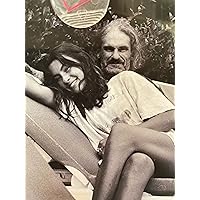
Going Underground features over a hundred unique photos from Marie Kanger-Born of Chicago, Dixon Coulbourn of Austin, Brian Trudell of LA, Malcolm Riviera of DC, Justina Davies of New York, Ed Arnaud of Arizona, and many others, along with flyers from across the nation.
This is the best book about punk rock ever. Period. End of story. Covers the emergence of Hardcore in '79 to the emergence of weenie punk in '92. It's not just a collection of quotes and rumors, it's a real narrative that weaves in the story of the personal life of the author along with quotes from zines and descriptions of what was going on at the time. FANTASTIC!!!!
I really enjoyed this book, despite some of its flaws. One part of me thinks Hurchalla could use an aggressive editor to pair down the material to create a more concise work. On the other hand, so much of the source material is colorful and fun to read that it would be a shame to pull too much of it out. That being said, the book contains quite a bit of extraneous or unnecessarily long excepts from zines, interviews, and other sources.
The book goes way beyond the typical LA, DC, NYC music scenes that are fairly well covered by other sources -- particularly documentaries -- and gets into Texas, Arizona, the Midwest, the Northwest, Florida, etc. I appreciate the work that went in to telling this more comprehensive story of punk and hardcore music in the U.S.
Given the scope of the book and the challenges in offering a temporally and geographically coherent narrative about the rise of punk and hardcore music in the States, I was impressed by the flow of the book. While it wasn't overly structured, the way it progressed from one place to place and band to band over time felt natural and I give Hurchalla a lot of credit for finding a way to weave pretty disparate music scenes together.
Overall, I recommend the book to others looking for a more detailed history about American punk music than you can get from movies like American Hardcore.
I also put together a Spotify playlist covering many of the bands documented in the book:
This is enjoyable if you are into the subject matter. It's a collection of anecdotes about being involved in the DIY punk underground in this time period, but it doesn't add up to a really coherent narrative or statement. As someone from the Philly area, I liked reading about things like Electric Love Muffin gigs in the back rooms of cheeseteak joints.
My sister's book -- I picked it up cuz I had nothing to read, but ended up loving it!
The cover is a picture of Randy 'Biscuit' Turner, whom I had finally met after moving to Austin, TX, . . . and the book ends with some of his last words before he died in 2005:
"Do not ever lose your joy of exploration, look in the mirror and be someone you like!" --From A Reader's Journal, by d r melbie.
I'm hardly an expert on punk ( I know of and own albums by MDC, Black Flag, Dead Kennedy's, Misfits, etc.) but I thought this was as an excellent book on the history of American punk. It's a good companion piece to "American Hardcore" which focuses on Texas punk but tries to incorporate other scenes specifically from other locations. There aren't a ton of interviews in the book, but the ones quoted provide context and stories to the narrative.
It's a good companionship to American Hardcore: A Tribal History, because it looks at American punk with a wider lens than only hardcore, although it acknowledges its importance througout the book. The book reads disjointed and stream-of-counciousnessy so it can get boring at times, it still manages to provide good historical points.
Part scene history, part memoir Hurchalla writes fondly of the good old days and presents a time capsule of an era gone and likely never to be repeated. Great photos and archival interviews interspersed with personal recollections of time spent in Florida, Philly and New Jersey during the salad days of punk and hardcore.
One of the worst punk history books as far as it's writing/editing goes, but still 3 stars because of the photos and flyer reprints. Much like "American Hardcore", if you can look past all of the mistakes and biased writing, it might be worth your time.