

What do you think?

Why Dinosaurs Matter
What can long-dead dinosaurs teach us about our future? Plenty, according to paleontologist Kenneth Lacovara, who has discovered some of the largest creatures to ever walk the Earth.
By tapping into the ubiquitous wonder that dinosaurs inspire, Lacovara weaves together the stories of our geological awakening, of humanity’s epic struggle to understand the nature of deep time, the meaning of fossils, and our own place on the vast and bountiful tree of life.
Go on a journey––back to when dinosaurs ruled the Earth––to discover how dinosaurs achieved feats unparalleled by any other group of animals. Learn the secrets of how paleontologists find fossils, and explore quirky, but profound questions, such Is a penguin a dinosaur? And, how are the tiny arms of T. rex the key to its power and ferocity?
In this revealing book, Lacovara offers the latest ideas about the shocking and calamitous death of the dinosaurs and ties their vulnerabilities to our own. Why Dinosaurs Matter is compelling and engaging—a great reminder that our place on this planet is both precarious and potentially fleeting. “As we move into an uncertain environmental future, it has never been more important to understand the past.”
By tapping into the ubiquitous wonder that dinosaurs inspire, Lacovara weaves together the stories of our geological awakening, of humanity’s epic struggle to understand the nature of deep time, the meaning of fossils, and our own place on the vast and bountiful tree of life.
Go on a journey––back to when dinosaurs ruled the Earth––to discover how dinosaurs achieved feats unparalleled by any other group of animals. Learn the secrets of how paleontologists find fossils, and explore quirky, but profound questions, such Is a penguin a dinosaur? And, how are the tiny arms of T. rex the key to its power and ferocity?
In this revealing book, Lacovara offers the latest ideas about the shocking and calamitous death of the dinosaurs and ties their vulnerabilities to our own. Why Dinosaurs Matter is compelling and engaging—a great reminder that our place on this planet is both precarious and potentially fleeting. “As we move into an uncertain environmental future, it has never been more important to understand the past.”
192 pages, Hardcover
First published September 19, 2017
Ratings & Reviews
Friends & Following
Create a free account to discover what your friends think of this book!
Community Reviews
Displaying 1 - 30 of 163 reviews

December 1, 2017
I'm definitely a bit disappointed by this. I came into it expecting to learn why dinosaurs mattered to the world, but I left without a real answer. The chapter on Lacovara's uncovering the Dreadnoughtus was fascinating, and I would've happily read more stories from his field work and research, but ultimately, the book neither dug deep enough to teach me anything really new about dinosaurs, nor was it personal enough to feel like an account of life stories, nor did it adequately answer the titular topic. Not bad, just disappointing.

January 12, 2018
Why Dinosaurs Matter by Kenneth Lacovara is a concise, pithy, and compulsively readable manifesto about the coolest creatures ever to walk the Earth and what they teach us about life, the universe, and everything. Lacovara is a renowned paleontologist who's unearthed some of the largest dinosaurs ever discovered and his enthusiasm for his subjects is as contagious as it is awe-inspiring. This book is candy for your curiosity and will ignite your sense of wonder.

April 6, 2019
I'm giving up on this one early on. It's a little book by a recognized expert, and cute grafix.... BUT. The book opens with an extended rant on why the author REALLY doesn't like calling old/dead things "dinosaurs." Is Albert Einstein a Dinosaur?, the author asks (at length), and I know I'm in trouble.
Basically, I'm not learning anything, and a quick skim convinces me that's not likely to change. I like short, punchy books. This looks to be a short, soggy one. A quick scan of other 1 and 2-star reviews finds others share my low opinion. Bummer.
Basically, I'm not learning anything, and a quick skim convinces me that's not likely to change. I like short, punchy books. This looks to be a short, soggy one. A quick scan of other 1 and 2-star reviews finds others share my low opinion. Bummer.

February 9, 2022
This book gives us a compact note about Dinosaurs in a nutshell !!!
We underestimated the mere creature called Dinosaurs. They lived on this earth far more years than the humans. They are more experienced than the so-called mighty Homo sapiens. Dinosaurs lived in this world for 165 million years, on the other hand we humans
for just half a million years or less.
Dinosaurs are mighty, huge and they are simply great !!!
We underestimated the mere creature called Dinosaurs. They lived on this earth far more years than the humans. They are more experienced than the so-called mighty Homo sapiens. Dinosaurs lived in this world for 165 million years, on the other hand we humans
for just half a million years or less.
Dinosaurs are mighty, huge and they are simply great !!!
September 1, 2017
Dinosaurs did not become extinct 65 million years ago. They are still around today. No, there is not a herd of Triceratops grazing in a remote Himalayan valley, nor are there Velociraptors hidden away in a top-secret government base. Dinosaurs are probably in your back yard, perching in tree branch. Birds are modern-day dinosaurs.
Such is the claim made by paleontologist, Kenneth Lacovara in his book, Why Dinosaurs Matter. And he is in a position to know. Lacovara is best known for discovering and excavating Dreadnoughtus, one of the largest dinosaur fossils yet found.
Lacovara is a popular TED Talks speaker, and this book is an extension of his video lectures. Like the TED videos, each chapter is short and focused on a single idea.
He defends his startling assertion that bird are dinosaurs by pointing to their anatomy. Birds have the same hip bone structure as all dinosaurs, something that crocodiles do not have . So, although it defies common sense, a penguin is more dinosaur-like than a crocodile.
Another myth that Lacovara explodes is the idea that dinosaurs were stupid, sluggish, brutes whose extinction was due to their inability to adapt to the gradual change in Earth’s climate. The author presents evidence that dinosaurs were, in fact, intelligent. Many were quite speedy and they managed to colonize every continent on Earth.
In the book’s most dramatic chapter, Lacovara argues that the dinosaurs’ undoing was the result of a freak event; a giant meteorite impact off the Yucatan coast. This explosion so radically altered the climate that 75% of all land animal species perished.
But the warm-blooded, feather-insulated bird ancestors hung on after their cold-blooded brethren died off, thus preserving dinosaurs in the form of avians.
The chapter on Lacovara’s discovery of Dreadnoughtus is also fascinating. Located in an isolated valley in Patagonia, the Dreadnoughtus fossils proved to be so gigantic that it took four years to excavate and transport them.
At one point, Lacovara invited an archeologist to visit the excavation site, where she immediately found two prehistoric hand axes. Lacovara, untrained in archeology had walked past the axes hundreds of times without realizing what they were.
Why Dinosaurs Matter concludes on a melancholy note. Lacovara points out that species today are disappearing at a faster rate than they did at the end of the Cretaceous period. This is, of course, because of human activity. Climate change, habitat destruction, pollution and other factors are leading us into another mass extinction event. However, unlike previous extinctions, we humans have the power to halt it.
Why Dinosaurs Matter is a fun, engaging introduction into an always popular subject. This volume would make an excellent addition to middle and high school libraries.
Such is the claim made by paleontologist, Kenneth Lacovara in his book, Why Dinosaurs Matter. And he is in a position to know. Lacovara is best known for discovering and excavating Dreadnoughtus, one of the largest dinosaur fossils yet found.
Lacovara is a popular TED Talks speaker, and this book is an extension of his video lectures. Like the TED videos, each chapter is short and focused on a single idea.
He defends his startling assertion that bird are dinosaurs by pointing to their anatomy. Birds have the same hip bone structure as all dinosaurs, something that crocodiles do not have . So, although it defies common sense, a penguin is more dinosaur-like than a crocodile.
Another myth that Lacovara explodes is the idea that dinosaurs were stupid, sluggish, brutes whose extinction was due to their inability to adapt to the gradual change in Earth’s climate. The author presents evidence that dinosaurs were, in fact, intelligent. Many were quite speedy and they managed to colonize every continent on Earth.
In the book’s most dramatic chapter, Lacovara argues that the dinosaurs’ undoing was the result of a freak event; a giant meteorite impact off the Yucatan coast. This explosion so radically altered the climate that 75% of all land animal species perished.
But the warm-blooded, feather-insulated bird ancestors hung on after their cold-blooded brethren died off, thus preserving dinosaurs in the form of avians.
The chapter on Lacovara’s discovery of Dreadnoughtus is also fascinating. Located in an isolated valley in Patagonia, the Dreadnoughtus fossils proved to be so gigantic that it took four years to excavate and transport them.
At one point, Lacovara invited an archeologist to visit the excavation site, where she immediately found two prehistoric hand axes. Lacovara, untrained in archeology had walked past the axes hundreds of times without realizing what they were.
Why Dinosaurs Matter concludes on a melancholy note. Lacovara points out that species today are disappearing at a faster rate than they did at the end of the Cretaceous period. This is, of course, because of human activity. Climate change, habitat destruction, pollution and other factors are leading us into another mass extinction event. However, unlike previous extinctions, we humans have the power to halt it.
Why Dinosaurs Matter is a fun, engaging introduction into an always popular subject. This volume would make an excellent addition to middle and high school libraries.

September 25, 2017
Why Dinosaurs Matter is an immensely readable book. Dr. Kenneth Lacovara writes in an engaging, conversational style that holds your interest from the first sentence ("Albert Einstein was a complete and utter failure." - what???) to the last ("Maybe we can be like the dinosaurs... the adaptable champions of an era.").
While he defends dinosaurs as "champions of [their] era," his main point is that we can learn from them. His explanation of the slow "discovery" of deep time and evolution is fascinating. Which one of these is a dinosaur: a mosasaur; a pterosaur; a crocodile; or a penguin? The answer is an understandable lesson in evolution. Why does T. rex have such short arms? Read the chapter on "The King" to find out.
Chapter by chapter, Dr. Lacovara shares his love of paleontology and encourages us to love it, too. His chapter, Dinosaur Apocalypse, is both riveting and moving, but it is the final chapter that really explains why dinosaurs matter. Dinosaurs didn't see their end coming. There was nothing they could have done to alter their fate. Humans, on the other hand, are ushering in their own demise. We can see how we are damaging the environment and we have a choice to change things. Will we create the sixth mass extinction, or learn from the past? You really should read this book!
While he defends dinosaurs as "champions of [their] era," his main point is that we can learn from them. His explanation of the slow "discovery" of deep time and evolution is fascinating. Which one of these is a dinosaur: a mosasaur; a pterosaur; a crocodile; or a penguin? The answer is an understandable lesson in evolution. Why does T. rex have such short arms? Read the chapter on "The King" to find out.
Chapter by chapter, Dr. Lacovara shares his love of paleontology and encourages us to love it, too. His chapter, Dinosaur Apocalypse, is both riveting and moving, but it is the final chapter that really explains why dinosaurs matter. Dinosaurs didn't see their end coming. There was nothing they could have done to alter their fate. Humans, on the other hand, are ushering in their own demise. We can see how we are damaging the environment and we have a choice to change things. Will we create the sixth mass extinction, or learn from the past? You really should read this book!

December 18, 2018
2 1/2 stars
I don't know what it was about this book, but I really didn't like it especially the beginning part of the book. I can't believe I made it past the first couple of chapters to be honest. I don't know what it is exactly, but I really didn't like the tone or the way the author's voice came out on paper. It got a little better towards the end of the book.
I also listened to the audiobook version and I recommend NOT doing that. I really disliked the narrator of the book I don't know what it was, but it really put me off this book and I don't know why.
I don't know what it was about this book, but I really didn't like it especially the beginning part of the book. I can't believe I made it past the first couple of chapters to be honest. I don't know what it is exactly, but I really didn't like the tone or the way the author's voice came out on paper. It got a little better towards the end of the book.
I also listened to the audiobook version and I recommend NOT doing that. I really disliked the narrator of the book I don't know what it was, but it really put me off this book and I don't know why.

October 27, 2018
A nice long-form essay on paleontology history and background providing satisfying knowledge about Dionasours - their characteristics, their origins and their demise.

December 16, 2020
I really, really wanted to give this a higher rating, but the tone & writing style just didn't work for me

February 24, 2023
a mí ya me importaban los dinosaurios de antes

August 6, 2017
Received to review via Netgalley; publication date 19th September 2017
The idea of this book is pretty much encapsulated in the words from the summary: “What can long-dead dinosaurs teach us about our future? Plenty.” It’s the story of the dinosaurs as a highly successfully set of creatures who ruled the world — for a time. It’s also the story of their decline and fall, so to speak, and the lessons we can learn from them. Also, a reminder that a penguin is very literally a dinosaur, just as we’re very literally primates.
There’s nothing revelatory here if you’re into dinosaurs, but if you’re looking for something more general than David Hone’s The Tyrannosaur Chronicles, something to get you up to date on current dinosaur scholarship, this isn’t a bad place to start. And I agree with Lacovara: dinosaurs shouldn’t be viewed as synonymous with something obsolete. They ruled the world for a reason.
Reviewed for The Bibliophibian.
The idea of this book is pretty much encapsulated in the words from the summary: “What can long-dead dinosaurs teach us about our future? Plenty.” It’s the story of the dinosaurs as a highly successfully set of creatures who ruled the world — for a time. It’s also the story of their decline and fall, so to speak, and the lessons we can learn from them. Also, a reminder that a penguin is very literally a dinosaur, just as we’re very literally primates.
There’s nothing revelatory here if you’re into dinosaurs, but if you’re looking for something more general than David Hone’s The Tyrannosaur Chronicles, something to get you up to date on current dinosaur scholarship, this isn’t a bad place to start. And I agree with Lacovara: dinosaurs shouldn’t be viewed as synonymous with something obsolete. They ruled the world for a reason.
Reviewed for The Bibliophibian.

November 18, 2023
What an incredibly moving, though-provoking, and engrossing read. I’m not one for non-fiction typically, but this short book has flipped the script. Dinosaur fanatic or not, Why Dinosaurs Matter is the Mesozoic equivalent of Carl Sagan’s Pale Blue Dot. It’s rich in paleontological history without being a bore — and it holds a wealthy reserve of philosophical insight into our place on Earth. Five stars.

November 23, 2017
I have no words to describe how much I loved this <3 It was simple and to the point and really inspiring! Lacovara, you now have a place on my list of heroes. Thank you for your amazing work and thank you for making me feel like a fortunate warrior for living in the blue dot.

April 18, 2019
Dinosaurs are important, y'all.
Why Dinosaurs Matter isn't so much a book about why dinosaurs matter. Instead, it is a history of the biodiversity of dinosaurs, all of the new discoveries within the field, and how dinosaurs were a far more varied and successful species than we often give them credit for being. As for why they matter, ultimately Kenneth Lacovara contends that they matter for the insight they can give us into modern day ecological problems. Dinosaurs were a remarkably adaptable class of animals - able to weather a variety of disasters before the asteroid that wiped the bulk of them out. In fact, they are still startlingly adaptable and varied, omnipresent and beautiful. Birds, after all, are dinosaurs.
This book, while interesting, was a bit too conversational and dry for my taste. It merely skimmed the surface of what dinosaurs can be, and was a bit too much like a lecture for my liking. While I might have enjoyed this book if it had been a classroom lecture, reading it wasn't the pleasurable experience that it could have been. This could be a good book for a beginner, or someone who believes that dinosaurs don't matter, though. For the more interested parties I would likely point them towards The Rise and Fall of the Dinosaurs as one of the best modern books on the subject, though.
Why Dinosaurs Matter isn't so much a book about why dinosaurs matter. Instead, it is a history of the biodiversity of dinosaurs, all of the new discoveries within the field, and how dinosaurs were a far more varied and successful species than we often give them credit for being. As for why they matter, ultimately Kenneth Lacovara contends that they matter for the insight they can give us into modern day ecological problems. Dinosaurs were a remarkably adaptable class of animals - able to weather a variety of disasters before the asteroid that wiped the bulk of them out. In fact, they are still startlingly adaptable and varied, omnipresent and beautiful. Birds, after all, are dinosaurs.
This book, while interesting, was a bit too conversational and dry for my taste. It merely skimmed the surface of what dinosaurs can be, and was a bit too much like a lecture for my liking. While I might have enjoyed this book if it had been a classroom lecture, reading it wasn't the pleasurable experience that it could have been. This could be a good book for a beginner, or someone who believes that dinosaurs don't matter, though. For the more interested parties I would likely point them towards The Rise and Fall of the Dinosaurs as one of the best modern books on the subject, though.

March 30, 2018
I received an ARC e-book copy of this book from NetGalley to review.
Kenneth Lacovara’s book Why Dinosaurs Matter reads like a TED Talk, in that it’s highly engaging and equally fascinating. Through each chapter, Lacovara, a renowned paleontologist and discoverer of the Dreadnoughtus, takes us through the history of our planet, how it’s been viewed by scientists and scholars in our own human/primate era, how dinosaurs still exist today in their avian form, and highlights of our deep fascination with dinosaurs in general. Lacovara keeps the writing in a conversational tone, covering each topic in short chapters.
But I did feel that he didn’t really touch on the title of why dinosaurs actually matter until the end. It seemed to me like he also had an opportunity to provide more details on the creatures, his field studies and work, the discoveries others have made unearthing our past, and even more cultural references to when dinosaurs are featured. I loved reading about his discovery of the Dreadnoughtus and the time spent studying, then classifying the remains. I equally loved reading about Mary Anning and her fossil findings. Maybe if Lacovara added in more photos for reference (from his excavations or sketches of the dinosaurs he describes), it would’ve been cool to have those visual aids.
Other than that though, I found this book really interesting and informative. I wasn’t a huge fan of dinosaurs before but this book has certainly changed that for sure.
Kenneth Lacovara’s book Why Dinosaurs Matter reads like a TED Talk, in that it’s highly engaging and equally fascinating. Through each chapter, Lacovara, a renowned paleontologist and discoverer of the Dreadnoughtus, takes us through the history of our planet, how it’s been viewed by scientists and scholars in our own human/primate era, how dinosaurs still exist today in their avian form, and highlights of our deep fascination with dinosaurs in general. Lacovara keeps the writing in a conversational tone, covering each topic in short chapters.
But I did feel that he didn’t really touch on the title of why dinosaurs actually matter until the end. It seemed to me like he also had an opportunity to provide more details on the creatures, his field studies and work, the discoveries others have made unearthing our past, and even more cultural references to when dinosaurs are featured. I loved reading about his discovery of the Dreadnoughtus and the time spent studying, then classifying the remains. I equally loved reading about Mary Anning and her fossil findings. Maybe if Lacovara added in more photos for reference (from his excavations or sketches of the dinosaurs he describes), it would’ve been cool to have those visual aids.
Other than that though, I found this book really interesting and informative. I wasn’t a huge fan of dinosaurs before but this book has certainly changed that for sure.

September 19, 2017
The father of geology, James Hutton, observed that the past is the key to the future. Much like a modern-day Hutton, Dr. Ken Lacovara takes us on a journey to the ancient past when dinosaurs ruled the land to understand the valuable lessons their evolution and their almost complete extinction can teach about mitigating the Sixth Extinction toward which we are blindly hurtling. Dr. Lacovara writes with clarity, passion and humor to engage us in the exciting path geologists and paleontologists travel to unearth and understand the reign and demise of these rulers of the Mesozoic. He paints a portrait not of lumbering, swamp-bound behemoths ill equipped to cope with a changing world, but rather of vibrant ecosystems where dinosaurs dominated almost every niche with staggering efficiency. After reading Why Dinosaurs Matter, you will never again use “Dinosaur” as a pejorative – they ruled the Earth for over 165 million years, compared to the mere 200,000 years of human existence. Their fate was sealed by an asteroid that they did not see coming and could not stop. Dr. Lacovara poignantly illustrates that humankind has the ability to stave off our own extinction, if we can just learn the lessons of the past.

November 4, 2017
საინტერესო, პატარა, კოპწია წიგნია დინოზავრებზე, (ფორმას, დაკაბადონებას დიზაინსაც ვაქცევ ხოლმე ყურადღებას) უფრო მეტი მინდოდა, მინდოდა მეტი ინფორმაცია "უშიშარ" დინოზავრზე Dreadnoughtus-ზე, მეტი პალეონტოლოგიაზე, მაგრამ მაინც ოდნავ ვრცელი TED საუბარი გამოვიდა. თუმცა არაუშავს, ლაკოვარა თავისი დინოზავრებით მაინც მომწონს.
იყო საინტერესო მომენტებიც, ულტრაიისფერის სინათლის აღმქმელ მხედველობის ნერვულ რეცეპტორებზე რომელიც ფრინველებს და ნიანგს აქვთ და ადამიანის არა. ამან კიდევ ერთხელ დამაფიქრა ფერების და რეალობის კონსტრუქციაზე. საინტერესო იყო ტირანოზავრის კიდურებზე მსჯელობაც. თუმცა თუ გინდათ დინოზავრებზე რამე სერიოზული ლიტერატურა, ალბათ ამ შემთხვევაში უფრო ინსპირაციის მცდელობას აღმოაჩენთ ვიდრე ინფორმაციულ წიგნს.
იყო საინტერესო მომენტებიც, ულტრაიისფერის სინათლის აღმქმელ მხედველობის ნერვულ რეცეპტორებზე რომელიც ფრინველებს და ნიანგს აქვთ და ადამიანის არა. ამან კიდევ ერთხელ დამაფიქრა ფერების და რეალობის კონსტრუქციაზე. საინტერესო იყო ტირანოზავრის კიდურებზე მსჯელობაც. თუმცა თუ გინდათ დინოზავრებზე რამე სერიოზული ლიტერატურა, ალბათ ამ შემთხვევაში უფრო ინსპირაციის მცდელობას აღმოაჩენთ ვიდრე ინფორმაციულ წიგნს.

January 1, 2025
Overall a good brief overview of some dinosaur related topics. I wish that there was more than one brief chapter discussing how studying the past (through dinosaurs) can help us understand how to tackle climate change.
Some of my favorite quotes:
"... common sense is a poor guide to understanding the structure and complexity of the universe. ... If common sense worked well, we wouldn't need science."
"Evolution has no trajectory and possesses no momentum"
"Earth history is a continuum. Earth history is knowable."
I also liked the discussion of the asteroid impact which killed the dinosaurs. I learned something new - that not only did the thousands of rock and molten fragments get ejected to the upper atmosphere, but they also released energy through heat via friction in the atmosphere, not just through impact with the surface.
Some of my favorite quotes:
"... common sense is a poor guide to understanding the structure and complexity of the universe. ... If common sense worked well, we wouldn't need science."
"Evolution has no trajectory and possesses no momentum"
"Earth history is a continuum. Earth history is knowable."
I also liked the discussion of the asteroid impact which killed the dinosaurs. I learned something new - that not only did the thousands of rock and molten fragments get ejected to the upper atmosphere, but they also released energy through heat via friction in the atmosphere, not just through impact with the surface.

March 21, 2020
What a great little book! Loved the discussion going on here with regards to how we view the world - and how old stereotypes and ways of thinking can really hang on and even prevent us from believing what we see right in front of us.
Lacovara's writing is really good - it flows together well, the insights aren't forced, there's a good bit of humor, and a lot of interesting anecdotes in addition to facts.
If you're looking for in-depth science, you won't find it here. This is simply an expansion of the TED talk (which is great, if you haven't seen it) and meant to be accessible to folks like me - citizen scientists with a desire to learn more but not quite ready for the academic world.
Lacovara's writing is really good - it flows together well, the insights aren't forced, there's a good bit of humor, and a lot of interesting anecdotes in addition to facts.
If you're looking for in-depth science, you won't find it here. This is simply an expansion of the TED talk (which is great, if you haven't seen it) and meant to be accessible to folks like me - citizen scientists with a desire to learn more but not quite ready for the academic world.

November 20, 2023
An enriching read to commence your journey from the present to cretaceous period whilst hopping back and forth in deep time. Lacovara suggests learning about dinosaurs “gives us perspective and humility.” I agree. To be able to know of such divinely potent 65 million years old creatures is as important as knowing my grandparents who passed away in the last decades. Lacovara packs his curiosity, passion, humour, sometimes too personally emotional opinions on his love for dinosaurs (which I found cute) and his years of dedication on this tiny mega house of a book. Recommended reading for anyone living, breathing, and questioning life.

August 27, 2020
3.5 stars, with the second half being far better than the first. Most of the first half was spent disparaging creationists and the "young earth" theory (Why do so many science books feel the need to pit science and religion against each other?). When he finally got back to discussing actual dinosaurs, the facts he revealed about certain key species of interest made this book a fascinating snippet of insight. I could feel his excitement as he moved through his discovery of Dreadnoughtus, and his description of the asteroid crash was visceral.

August 27, 2023
This is a very short and approachable book, which is likely for the casual reader more than the amateur paleontologist, and yet I still loved it as the latter. With the charm and basic goal of a lengthy TED Talk, Kenneth Lacovara emphasizes the value of studying history, through the lens of paleontology and "big history" in particular. Tackling some of the most current dinosaur and geological science, it reflects my longtime belief in the strength and beauty of dinosaurs in their lengthy rule of the earth — and, yes, why they definitely mattered and continue to matter.

September 22, 2026
Honestly at first I was gonna give this two stars, but I feel SO clickbaited by the title that I’m annoyed into giving this one. There’s one glimmer of hope at the beginning where Lacovara points out how dinosaurs were these giant biomechanical wonders and I thought maybe there would be discussions about how dinosaurs can contribute to modern physics in a broad sense. But nah this is actually just a very general broad look at paleo history and I would just say go read Dinosaurs Rediscovered instead
August 1, 2018
Like all TED Books, Why Dinosaurs Matter is meant to be read quickly while also being packed full of information. Dinosaurs have always fascinated people and this book takes you on a brief tour of some dinosaurs, including Dreadnoughtus which was discovered by the author. It details what happened after the meteor hit in the Gulf of Mexico and then relates why learning about dinosaurs, and what happened to them, is important to us now. I recommend this book to anyone interested in dinosaurs.
January 13, 2020
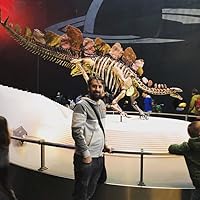
Fantastic book for dino enthusiasts.
Really insightful read in to the lives of the dinosaurs with really interesting information which was new to me. Not only that, but also a great insight in to the development of the knowledge of human beings.
Really concisely written with a fun sense of humour throughout whilst keeping on topic, which illustrates how our understanding of the Earth’s former rulers can benefit us in understanding our future. Very current and topical.
Really insightful read in to the lives of the dinosaurs with really interesting information which was new to me. Not only that, but also a great insight in to the development of the knowledge of human beings.
Really concisely written with a fun sense of humour throughout whilst keeping on topic, which illustrates how our understanding of the Earth’s former rulers can benefit us in understanding our future. Very current and topical.

January 17, 2020
For a book that purports to be about why dinosaurs matters, there's amazingly little - read: pretty much non-existent - analysis of how studying dinosaurs would be helpful and/or relevant to subjects of modern interest. One can definitely tell that the author is enthusiastic about this topic and loves his field, but this would be be better billed as a book about basic dinosaur history for middle or high schoolers.

September 25, 2017
I really enjoyed this look at the history of dinosaurs, our relationship to them, and why they matter.

April 18, 2023
Good succinct book about dinosaurs. I always try to read about things my kids are interested in and my four year old is obsessed. Good reminder of the size and scope of the age of dinosaurs

Read
August 29, 2025it's a good fit if you know nothing about dinosaurs whatsoever like go back to grade school level.
Displaying 1 - 30 of 163 reviews