

What do you think?

Animal Series
المحار - التاريخ الطبيعي والثقافي
يحتوي المحار، مثل جميع المأكولات البحرية الأخرى، على كمّيّات كبيرة من الفوسفور واليود، اللذين يفترض أنهما يزيدان طاقة الجسم. وكان المحار منذ الأزمنة القديمة مصدر إلهام للفلاسفة, والفنانين, والطباخين, والذواقة, والأبيقوريين، وبائعي الجواهر. طارده الصيادون واللصوص, ودافعت عنه شرطة المحار والحكومات. تخبرنا ريبيكا ستوت في كتابها «المحار» عن الحكاية العجيبة للمحار ولآلئه, كاشفةً كيف استُخدم هذا المخلوق الغريب بحق، وكيف صُوِّرَ ثقافياً، وتنوعت معانيه بالنسبة لأولئك الذين أحبوه أو مقتوه. سيروق هذا الكتاب الرائع, بصوره الكثيرة الاستثنائية ونوادره, لمحبي المحار حول العالم.
253 pages, Hardcover
First published October 15, 2004
About the author
Rebecca Stott
23 books255 followersRebecca Stott was born in Cambridge in 1964 and raised in Brighton in a large Plymouth Brethren community. She studied English and Art History at York University and then completed an MA and PhD whilst raising her son, Jacob, born in 1984.
She is the author of several academic books on Victorian literature and culture, two books of non-fiction, including a partial biography of Charles Darwin, and a cultural history of the oyster. She is now a Professor of English Literature and Creative Writing at the University of East Anglia. She has three children, Jacob, Hannah and Kezia and has lived in Cambridge since 1993. She has made several radio programmes for Radio Four.
Her first novel, Ghostwalk, is published by Weidenfeld and Nicolson in the UK, is the launch novel of the new fiction list of Spiegel and Grau in the US (a new division of Random House) and is being translated into 12 different languages including Russian and Chinese.
She is writing her next novel, The Coral Thief.
She is the author of several academic books on Victorian literature and culture, two books of non-fiction, including a partial biography of Charles Darwin, and a cultural history of the oyster. She is now a Professor of English Literature and Creative Writing at the University of East Anglia. She has three children, Jacob, Hannah and Kezia and has lived in Cambridge since 1993. She has made several radio programmes for Radio Four.
Her first novel, Ghostwalk, is published by Weidenfeld and Nicolson in the UK, is the launch novel of the new fiction list of Spiegel and Grau in the US (a new division of Random House) and is being translated into 12 different languages including Russian and Chinese.
She is writing her next novel, The Coral Thief.
Ratings & Reviews
Friends & Following
Create a free account to discover what your friends think of this book!
Community Reviews
Displaying 1 - 7 of 7 reviews

October 26, 2016
من أجمل كتب هذه السلسلة

February 14, 2026
let’s stop FOOLING AROUND 🦪

October 12, 2020
كتاب ممتع عن علاقة الإنسان بالمحار، والتي تؤكد كغيرها على تاريخ من النهم الإنساني والجشع للمال والبذخ والسلطة. أشفقت على المحار ذلك الكائن البسيط الذي لا نعلم كثيرًا عنه، وأحببت صدفته التي كنت أكره شكلها سابقًا، عند مقارنتها بالأصداف البحرية الأخرى!
إن رادار المحار، وآلياته الدفاعية حاسمة لأجل بقائه؛ لأن أفواهًا أخرى عدا الأفواه البشرية تواقة لأكل لحمه. فللمحار مفترسون أساسيون عدة: يلف نجم البحر أذرعه حول المحار، يفتح صدفتيه بالقوة ويبتلعه، يثقب الأسفنج الثقَّاب ثقوبًا صغيرة في صدفته، يمصه عبر أنابيب، ويخنق البطلينوس الخُفي وبلح البحر المحار أو يجوعانه بالالتصاق بصدفته وأكل طعامه كله، يثقب الحلزون الكلبي، والحلزون الواخز الصدفة ويمصان اللحم. وفي وسط أعداء كهؤلاء، تكتب م. ف. ك. فيشر، "يعيش من دون حركة، ودون صوت، جسمه البارد القبيح هو رفاهيته الوحيدة، وإن نجا من خطر كل هؤلاء الذين ذكرناهم، فإنه من نصيب الإنسان ليشبع جوعه".
الكتاب ترجمته جيدة جدًا، وقراءته في المجمل ممتعة، عدا أجزاء بسيطة شعرت ببعض الملل أثناء قراءتها. وفي رأيي اللؤلؤ من أجمل فصول الكتاب.
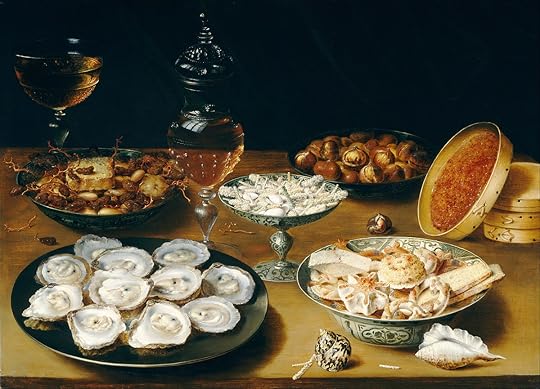
وأخيرًا أشكر الكاتبة جدًا على مجموعة من أجمل الصور واللوحات، والتي جاءنت كإضافة توضيحية وثرية إلى الكتاب
In a poem by William Cowper (1731–1800), ‘The Poet, The
Oyster and the Sensitive Plant’, the poet uses the oyster to
philosophize on sensitivity and suffering in the animal and
vegetable worlds.
The poem opens with the oyster bemoaning
its fate:
Ah hapless wretch! Condemned to dwell
For ever in my native shell,
Ordain’d to move when others please,
Not for my own content or ease,
But toss’d and buffeted about,
Now in the water, and now out.
‘Twere better to be born a stone
Of ruder shape and feeling none,
Than with a tenderness like mine,
And sensibilities so fine!
إن رادار المحار، وآلياته الدفاعية حاسمة لأجل بقائه؛ لأن أفواهًا أخرى عدا الأفواه البشرية تواقة لأكل لحمه. فللمحار مفترسون أساسيون عدة: يلف نجم البحر أذرعه حول المحار، يفتح صدفتيه بالقوة ويبتلعه، يثقب الأسفنج الثقَّاب ثقوبًا صغيرة في صدفته، يمصه عبر أنابيب، ويخنق البطلينوس الخُفي وبلح البحر المحار أو يجوعانه بالالتصاق بصدفته وأكل طعامه كله، يثقب الحلزون الكلبي، والحلزون الواخز الصدفة ويمصان اللحم. وفي وسط أعداء كهؤلاء، تكتب م. ف. ك. فيشر، "يعيش من دون حركة، ودون صوت، جسمه البارد القبيح هو رفاهيته الوحيدة، وإن نجا من خطر كل هؤلاء الذين ذكرناهم، فإنه من نصيب الإنسان ليشبع جوعه".
الكتاب ترجمته جيدة جدًا، وقراءته في المجمل ممتعة، عدا أجزاء بسيطة شعرت ببعض الملل أثناء قراءتها. وفي رأيي اللؤلؤ من أجمل فصول الكتاب.
وأخيرًا أشكر الكاتبة جدًا على مجموعة من أجمل الصور واللوحات، والتي جاءنت كإضافة توضيحية وثرية إلى الكتاب
In a poem by William Cowper (1731–1800), ‘The Poet, The
Oyster and the Sensitive Plant’, the poet uses the oyster to
philosophize on sensitivity and suffering in the animal and
vegetable worlds.
The poem opens with the oyster bemoaning
its fate:
Ah hapless wretch! Condemned to dwell
For ever in my native shell,
Ordain’d to move when others please,
Not for my own content or ease,
But toss’d and buffeted about,
Now in the water, and now out.
‘Twere better to be born a stone
Of ruder shape and feeling none,
Than with a tenderness like mine,
And sensibilities so fine!

August 24, 2019
كتاب يتحدث عن التاريخ الطبيعي والثقافي للمحار ، تطرقت الكاتبة في هذا الكتاب لعدة فصول ما بين علاقة المحار بالذاكرة ، وتاريخ نهوض المحار وسقوطه وفلسفات عن المحار ، وطرق استخراج اللؤلؤ ، وعدة مواضيع تدور حول المحار وكل ما يرتبط به .
فكرة الكتاب جميلة ومميزة 👌🏻😍 هي عبارة عن سلسلة عن الحيوانات وهذه كانت إحداهما ، كتاب متنوع بمواضيعه وشامل كل ما يخص المحار ، حتى يوجد به وصفات طبخ من المحار 😂
وأسماء مطاعم عالمية مشهورة بتقديم المحار 🐚
أحببت السلسلة جداً وسأقرأ بقيتها 👍🏻
وشكراً " كلمة " على هذا الإصدارات المميزة ✨ .
.
اقتباسات :
" علماء الطبيعة والميثولوجيا في الهند القديمة واليونان وروما آمنوا أن اللآلئ تشكلت عندما طفت المحارات على سطح البحر فتحت صدفاتها لتلتقط قطرات من المطر أو الندى ثم عادت إلى قاع البحر لتحول الندى إلى لآلئ ، آمن الصينيون أن اللآلئ كانت دموع التنين وأسماك القرش أو حوريات البحر ."
" كان معظم غواصي اللؤلؤ نساء في البحار الجنوبية واليابان ، وكان أكثرهم رجالاً في الخليج العربي ."
" كان موسم اللؤلؤ في الخليج العربي ولقرون عدة يدوم من يونيو حتى أوائل أكتوبر ."
" كان غواصو اللؤلؤ في اليابان لعصور فتيات أو نسوة ، يقال لهن آما ama "

November 2, 2019
Since moving to the East Coast my new favorite culinary obsession to replace my San Diegan burrito addiction is oysters. They do not occupy the same functional bin as the late night carne aside burrito, but they're a new addiction. Even after having enjoyed them fresh from the pier, I wasn't sure how to approach the oyster as an item of epicurean culture. Stott's book neatly supplies a crash course on the oyster through primarily (though not exclusively) its Western cultural significance. Chapter 1 begins with a scientific and deceptively dry treatment of the oyster as evolved species, but Stott finds her pace and strength in later chapters addressing the oyster in history, its place in art and even the "philosophies" of the oyster. The information in each chapter is abbreviated and a sampling for those who feel inclined to move on to further research, but each is a fair treatment of its own subject, and leaves me very satisfied with breadth and depth. I'm unlikely to read the other volumes in the series, but if this any indication of the overall quality of the other books, then they're also likely to be excellent reads and well worth the reader's time.

April 15, 2013
This book is beautifully written and has gorgeous pictures accompanying the text to boot. Stott takes the reader from the oyster's scientific origins to its present day popularity as a much-desired menu item. It was extremely helpful in the research I am doing on oysters.

January 5, 2016
I thought this book was brilliant - maybe my favourite in the Animal Series so far!
Displaying 1 - 7 of 7 reviews