

What do you think?

Hep Eve
Güney Afrika’nın en önemli seslerinden Henrietta-Rose Innes bu incelikli ve tam kararında yazılmış öykülerde bizlere bir dizi sıradan hayata sıra dışı bir bakış atma imkânı sunuyor.
Gittikçe mutenalaşan semtlerini yabancılayan bir kadın bu hisle baş etmenin yolunu evlerinin yanı başındaki lüks otelde arıyor. Bir adam yitik çocukluk hatırasını aramak için bir alışveriş merkezinin cam kubbesine tırmanıyor. Sevgililikte bocalayan bir delikanlı, hayatı annesinin deliliğinin gölgesinde kalan genç bir kadın, kimyasal bir felaket sonucu boşalan şehirden kaçamayan bir yarı alkolik.
Cape Town’da yaşayan bu karakterler eve dönmenin yeni yollarını buluyor ve bu yolculuk sayesinde dönüşüyorlar.
“Henrietta Rose-Innes hayran olunacak derecede düzenli, arı bir dil kullanıyor. Güney Afrika edebiyatı için müthiş bir kazanç.”
J. M. Coetzee
“Okuması çok keyifli; özgün, zekice ve eğlenceli. Tanıdık olanı şaşılacak yollarla yeni bir kılığa büründüren keskin, ilham verici bir tasvir yeteneği var.”
Ivan Vladislavić
Gittikçe mutenalaşan semtlerini yabancılayan bir kadın bu hisle baş etmenin yolunu evlerinin yanı başındaki lüks otelde arıyor. Bir adam yitik çocukluk hatırasını aramak için bir alışveriş merkezinin cam kubbesine tırmanıyor. Sevgililikte bocalayan bir delikanlı, hayatı annesinin deliliğinin gölgesinde kalan genç bir kadın, kimyasal bir felaket sonucu boşalan şehirden kaçamayan bir yarı alkolik.
Cape Town’da yaşayan bu karakterler eve dönmenin yeni yollarını buluyor ve bu yolculuk sayesinde dönüşüyorlar.
“Henrietta Rose-Innes hayran olunacak derecede düzenli, arı bir dil kullanıyor. Güney Afrika edebiyatı için müthiş bir kazanç.”
J. M. Coetzee
“Okuması çok keyifli; özgün, zekice ve eğlenceli. Tanıdık olanı şaşılacak yollarla yeni bir kılığa büründüren keskin, ilham verici bir tasvir yeteneği var.”
Ivan Vladislavić
184 pages, Paperback
First published January 1, 2010
About the author
Henrietta Rose-Innes
24 books98 followersHenrietta Rose-Innes is a South African writer based in Cape Town. Her novel Nineveh was published by Random House Struik in 2011, following a short-story collection, Homing and two earlier novels: Shark's Egg and The Rock Alphabet.
In 2012, her short story 'Sanctuary' took second place in the BBC International Short Story Competition. Nineveh was shortlisted for the 2012 Sunday Times Fiction Prize and the M-Net Literary Award. In 2008, Henrietta won the Caine Prize for African Writing, for which she was shortlisted in 2007. Also in 2007, she was awarded the South African PEN Literary Award. Shark's Egg was shortlisted for the 2001 M-Net Book Prize.
Her short stories have appeared in various international publications, including Granta, AGNI and The Best American Nonrequired Reading 2011. A collection of short pieces, translated into German, was published in September 2008 as Dream Homes.
In 2012, her short story 'Sanctuary' took second place in the BBC International Short Story Competition. Nineveh was shortlisted for the 2012 Sunday Times Fiction Prize and the M-Net Literary Award. In 2008, Henrietta won the Caine Prize for African Writing, for which she was shortlisted in 2007. Also in 2007, she was awarded the South African PEN Literary Award. Shark's Egg was shortlisted for the 2001 M-Net Book Prize.
Her short stories have appeared in various international publications, including Granta, AGNI and The Best American Nonrequired Reading 2011. A collection of short pieces, translated into German, was published in September 2008 as Dream Homes.
Ratings & Reviews
Friends & Following
Create a free account to discover what your friends think of this book!
Community Reviews
Displaying 1 - 20 of 20 reviews

March 20, 2018
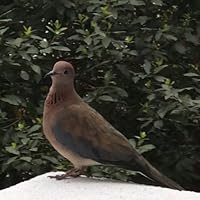
Öykülerle ilgili uzun bir değerlendirme yerine neden bu öyküleri sevdiğimi kestirmeden tarif etmek istiyorum. Umarım fazla uzatmam. Anlatmakta zorlandığımı söylemeliyim. Şu an bile kitabı anlatacak kelimeleri bulmaya çalışıyorum. Öykülerin neyin alegorisi olduğu ve kullanılan metaforlar ile yapılan göndermeler üzerinde dururdum ama bunlar kitabı bir başıma sevmem için yeterli değil, üstelik başka yapıtlarda bunların daha başarılı olanları var. Öyküleri sempatik buldum, sıcaklık akıyordu öykülerden diyemiyorum. Kısmen doğru bu ama bazı öyküler tam tersine gotik havasında. Öyküler sık örülmüş. Türk öykücülüğündeki içine sızmam için bırakılan boşlukları bulamadım... Bunun yanında tuhaflıklar, ilginçlikler, sürprizler de var ama bunlar bir başına beni etkileyen şeyler değil. Örneğin öykünün birinde olağan yaşamlarını sürdüren Anna ve Hein'in odalarına pencereden bir kumru girer. Kumru bir sürprizdi ve öyküye ilginçlik katacağı belli. Ama girmeseydi de olurdu ben yine o öyküyü severdim. Çünkü hatibin ifade gücü beni etkiliyordu... Bu kitabı okuması için dostlarıma önersem çoğundan negatif yorumlar gelir muhtemelen. Şunu diyeceklerdir: "Çok fazla bir şey olmuyor." Oluyor ama az. Anlatının artısı olanlar değil anlatımın güzelliğiydi bence. Edebiyat söz konusu olduğunda bu son dediğimin eksik olması kabul edilebilir bir şey değil zaten. Çeviri bir eser için bunları söylediğim için de burada çevirmeni de alkışlamak zorundayım... Özetle güzel bir kitaptı, güzel anlatılmış. Harika betimlemeler var. Kıvrak bir dil, berrak bir anlatım. Tüm söylemek istediğim buydu aslında .Lafı biraz dolaştırmak zorunda kaldım... İfadenin güzelliği dedik. İşte kitabın son cümleleri: "Berrak gökler görmek istiyordu, tatlı kokulu bir bozkır. Eğer gözlerini kapatırsa bir kurbağanın sesini duyabilirdi, sadece tek bir tane, çitin ötesinde akşam şarkısına başlayan."

December 26, 2016
hiç güney afrika'dan öykü okumamışım. cape town yapılaşması, betonlaşması, kentsel dönüşümüyle istanbul'a ne kadar benziyormuş meğer.
henrietta rose-innes, kimsenin farkına varmadığı anların, duyguların, saçmalıkların farkına varmada ve bunları anlatmada oldukça usta.
gündelik rutin, önemsiz hayatlar, küçücük detaylar... ve birden size tanıdık geliverecek bir cümle... kitabı okurken bunu sık sık yaşadım.
okumaya başlayan kadar hep eve adındaki eve'nin havva'nın ingilizcesini sanmışım bir de nedense :) öyküyü okur okumaz onun ev-e olduğu ortaya çıkıyor. hâlâ şaşırıyorum kendime.
agos'a yazdığım yazıyı ekledim http://tembelveyazar.blogspot.com.tr/...
henrietta rose-innes, kimsenin farkına varmadığı anların, duyguların, saçmalıkların farkına varmada ve bunları anlatmada oldukça usta.
gündelik rutin, önemsiz hayatlar, küçücük detaylar... ve birden size tanıdık geliverecek bir cümle... kitabı okurken bunu sık sık yaşadım.
okumaya başlayan kadar hep eve adındaki eve'nin havva'nın ingilizcesini sanmışım bir de nedense :) öyküyü okur okumaz onun ev-e olduğu ortaya çıkıyor. hâlâ şaşırıyorum kendime.
agos'a yazdığım yazıyı ekledim http://tembelveyazar.blogspot.com.tr/...

September 7, 2017
Onbeş hikaye!
Hepsi de tek başına -acıya,altı çizile çizile anlamını yitirmiş kimliklere,hiç bir dine,millete,tutkuyla pekiştirilse mükemmel olacağına inandığımız hiç bir kavrama - yaslanmadan dimdik
ama sakince,kesinlikle çok yalın ve akıp giden gündelik hayattaki insanı anlatan onbeş hikaye!
Henrietta Rose-Innes'e bırakın teşekkür etmeyi dümdüz bir minnet hissediyorum. 🦋
Çevirisi ve kitap kapağı ile yaşayan bir kitap olmuş, nefissss 👌🏻
Hepsi de tek başına -acıya,altı çizile çizile anlamını yitirmiş kimliklere,hiç bir dine,millete,tutkuyla pekiştirilse mükemmel olacağına inandığımız hiç bir kavrama - yaslanmadan dimdik
ama sakince,kesinlikle çok yalın ve akıp giden gündelik hayattaki insanı anlatan onbeş hikaye!
Henrietta Rose-Innes'e bırakın teşekkür etmeyi dümdüz bir minnet hissediyorum. 🦋
Çevirisi ve kitap kapağı ile yaşayan bir kitap olmuş, nefissss 👌🏻

June 5, 2017
Öykülerin dili, tavrı, "hep eve" giden sonları kitabın içerisindeki her bir hikayeyi ayrı ayrı değerlendirmeme çok da izin vermiyor. Bir araya geldiklerinde, art arda okunduklarında mana bulan; farklı hayatların, farklı yaşanmışlıklarının sonunun aynı olabileceğini gösteren öyküler yazmış Henrietta Rose-Innes. Zarif, naif ve duygulu anlatımı sayesinde güzel bir yolculuğa çıkabilirsiniz.

April 15, 2014
I loved reading these stories. Apart from enjoying seeing my home town through the eyes of a very good storyteller, I enjoyed the immediacy of these very visual stories and their narrow focus. I see one commenter has slammed the lack of political context but I think he has totally missed the plot. Race is not absent from these stories - there are subtle references to race throughout - but these stories are about character, place, emotion, narrative.
November 19, 2016
Usul usul anlatılmış dokunma hissi veren öyküler. Başkalarının önemsemeyeceği kişisel "aydınlanma" anları ancak bu kadar naif anlatılabilirdi...
February 12, 2012
Henrietta Rose-Innes’ debut collection of short fiction spans stories written from the mid 1990s to the present day, and is a welcome addition to her work. Rose-Innes has also written two previous novels, with a third forthcoming next year.
There are several moving and memorable stories, distilled essences of a particular time in characters’ lives, highlighting a pivotal point upon which a realisation is made and a life turns, for better or worse. Many of the stories take place in Rose-Innes’s hometown Cape Town, or in locales near to the city, and the city becomes a subtle backgrounds to the themes explored. Rose-Innes’s work is highly visual and when I recall the first story in this powerful collection, ‘Homing’ I immediately think in terms of the pictures painted by this writer.
The final story in the collection is the tour de force and the Caine Prize-winning, ‘Poison’. In this excellent apocalyptic story, Lynn finds herself fleeing Cape Town after a mysterious disaster has resulted in the city becoming contaminated, with residents fleeing in panic as fast and as far as they can. Lynn lands up at a near-deserted petrol station, and finds herself stranded in this empty world which is “poison violet and puce”. Sometimes there really is nothing left to do, but to abandon yourself to the violent, apocalyptic worlds you find yourself stranded in. A mere telling of the events don’t do justice to a story that is haunting in its simplicity, and continues to resonate. A story of extraordinary power: a description that fits much of Rose-Innes’s short fiction in this excellent volume.
There are several moving and memorable stories, distilled essences of a particular time in characters’ lives, highlighting a pivotal point upon which a realisation is made and a life turns, for better or worse. Many of the stories take place in Rose-Innes’s hometown Cape Town, or in locales near to the city, and the city becomes a subtle backgrounds to the themes explored. Rose-Innes’s work is highly visual and when I recall the first story in this powerful collection, ‘Homing’ I immediately think in terms of the pictures painted by this writer.
The final story in the collection is the tour de force and the Caine Prize-winning, ‘Poison’. In this excellent apocalyptic story, Lynn finds herself fleeing Cape Town after a mysterious disaster has resulted in the city becoming contaminated, with residents fleeing in panic as fast and as far as they can. Lynn lands up at a near-deserted petrol station, and finds herself stranded in this empty world which is “poison violet and puce”. Sometimes there really is nothing left to do, but to abandon yourself to the violent, apocalyptic worlds you find yourself stranded in. A mere telling of the events don’t do justice to a story that is haunting in its simplicity, and continues to resonate. A story of extraordinary power: a description that fits much of Rose-Innes’s short fiction in this excellent volume.

September 2, 2017
Önce kitap kapağına ardından da ismine tav olarak aldım kitabı, farklı bir öykücü tanımaktan fazla bir beklentim yoktu. Fakat hem öykülerde ele aldığı konuları hem de hikaye anlatış biçimini sevdim. Kitaptaki bir iki öyküyü dönüp dönüp tekrar okuyabilirim.
October 21, 2018
Kitabın her bir öyküsünün kendine has bir çekiciliği var.Her birini ayrı ayrı birer tomana dönüştürebilirsiniz. İnsanların iç dünyalarını çok ayrıntı vermeden bu kadar güzel anlatması yazarın çok büyük bir başarısı. Yazarın okuduğum ilk kitabı , ama son olmayacak. Özellikle zehir ,çalışma sürüyor, yanan evler meçhul asker, düşüş en beğendiklerimdi. Zehir de bir kimyasal patlamadan sonraki durumu anlatmakta, çalışma sürüyor da kitabının basımı için yaslı bir yazarın mekanına gidebilecek kadar istekli ama orada gördüğü kadın olmak istemeyecek kadar düşmeyen bir kadını, yanan evler de kadın erkek ilişkisine , erkek egemenliğine kibritlerle yapılmış evleri yakarak sitem eden bir kadını, meçhul askerde kütüphaneye bırakılan bir cocuğun genç bir adamı kütüphane içerisinde ölmekten kurtarmasını, ve düşüşte de avm kubbesinde çocukluğunu bulmaya çalışan adamı görebilirsiniz. Okuduğum en iyi öykü kitaplarından...
This entire review has been hidden because of spoilers.

November 26, 2021
Hanımefendi müthiş zeki bir insan. Normalde öykü türünde planlanarak yaratılmış hissiyatını pek sevmiyorum. Kitaptaki tüm öykülerin girişinde bunu hissetmedim dersen yalan olur. Sıkıcı, alakasız, anlamsız bazen de yorucu girişlerine rağmen, sayın yazar öyle bir yerden oltayı geçiriyor ki okuyucuya, takdirle ve tamamlanmışlıkla bitiyor her öykü. Ne anlattığından bağımsız, neyi nasıl anlattığını çok iyi bilen ve bunun farkında olan bu öyküler gerçekten iyi yazılmış, kurgulanmış ve bitirilmiş. Kitabın ismi öykülerin özeti gibi, sizi olduğunuz yerde döndürüp, aynı yere başka biri olarak bakmak. Hep eve geri dönmek, ayrılmadan.
Sevdim. güzel. pek güzel.
Sevdim. güzel. pek güzel.
March 21, 2019
Porselen ve Adli en beğendiğim öyküler oldu. Naif, sakin, sade öyküler. Aksiyon arayanlara göre olmadığı kesin. Kişisel değişimler, arayışlar, dönüşler, gecikmeler üzerine kurulu. İlerledikçe daha iyi ya da bir şekilde kendine bağlıyor.
March 14, 2023
Sonlara doğru öykülerden koptum, akışa bir türlü giremedim. Tabi bu benden kaynaklı da olabilir. Günlük hayatları içerisinde yuvarlanıp giden insanları bir süre seyretmişim gibi bir his bıraktı. Sürekli bir şeyler olacakmış gibi de hissettiriyor ama öyle büyük sürprizler yok.

June 5, 2019
Cape Town hikayeleri olarak 4 tanesini beğendim. Coetzee güney afrika cumhuriyetinden tanıdığım tek yazardı o yüzden bu kitap güzel oldu.

August 8, 2020
Great and surprising stories, wide range of perspectives and tones. I loved how accessible and complicated the stories were at the same time.
February 15, 2021
“Birini ıslığından tanıyabilmek ne tuhaftı.”

July 13, 2013
Another dispiriting inscription of a not-so-new kind of white writing, prose so possessively invested in white supremacy, one is (at first) surprised that it can still be published in post-millennial South Africa; then you realise that it can probably only be published in post-millennial South Africa, given the state of the local publishing industry.
Rose-Innes' work harks back to a time before South African Anglophone writing was troubled by the self-critical investigations of Nadine Gordimer and J.M. Coetzee, when whiteness could still be assumed to be the unquestionable and unremarkable position from which the world is viewed and narrated. The very language in which description is delivered reeks of a colonial moment in which the landscape, denuded of the politically inconvenient bodies of the colonised, could be taken to be unpopulated except by the viewing white subject. In one story after another, the focalisers' and protagonists' 'racial' characteristics are elided, but whenever Black characters intrude upon the blank white world of Rose-Innes' characters, readers are subjected to the sorts of tropes familiar to readers of Sarah Gertrude Millin: the language of phenotype reduces Blackness to a strangeness that needs to be made familiar and simultaneously 'explained away', removed from frame, exiled back into the narrative silence from which such Black characters slipped into the stories. In one particular story, about a reunion on a wine farm, where the whiteness of the space cannot any longer be 'ignored', the very prose breaks down in a way derivative of Marlow's inability to confront the alterity of the African interior in his retelling on the Thames. Only, the irony is that Rose-Innes' stories seem plagued (sickened, perhaps?) by their investment in a now dated form of white writing. What is even more ironic, or perhaps tragic, is that this sort of writing is praised in local reviews, awarded prizes, and its author plays a significant and powerful gatekeeping role in the local publishing industry.
At best these stories are nostalgic fantasies attempting to write in the realist mode outside the gulag of South Africa and its 'race' problematic; at worst, they are insulting elisions of the majority of South Africans from the narrative gaze, either through the inability of the writer to engage us, or from sheer disinterest. And neither inability nor disinterest can be excused in a writer.
In the land which produced Olive Schreiner, Pauline Smith, Nadine Gordimer, Andre Brink, J.M. Coetzee, Mike Nicol and Ivan Vladislavic, this sad inscription of regressive white writing is symptomatic of the moral indolence and intellectual torpor which pockmark new Anglophone writing by white subjects in post-millennial South Africa.
Rose-Innes' work harks back to a time before South African Anglophone writing was troubled by the self-critical investigations of Nadine Gordimer and J.M. Coetzee, when whiteness could still be assumed to be the unquestionable and unremarkable position from which the world is viewed and narrated. The very language in which description is delivered reeks of a colonial moment in which the landscape, denuded of the politically inconvenient bodies of the colonised, could be taken to be unpopulated except by the viewing white subject. In one story after another, the focalisers' and protagonists' 'racial' characteristics are elided, but whenever Black characters intrude upon the blank white world of Rose-Innes' characters, readers are subjected to the sorts of tropes familiar to readers of Sarah Gertrude Millin: the language of phenotype reduces Blackness to a strangeness that needs to be made familiar and simultaneously 'explained away', removed from frame, exiled back into the narrative silence from which such Black characters slipped into the stories. In one particular story, about a reunion on a wine farm, where the whiteness of the space cannot any longer be 'ignored', the very prose breaks down in a way derivative of Marlow's inability to confront the alterity of the African interior in his retelling on the Thames. Only, the irony is that Rose-Innes' stories seem plagued (sickened, perhaps?) by their investment in a now dated form of white writing. What is even more ironic, or perhaps tragic, is that this sort of writing is praised in local reviews, awarded prizes, and its author plays a significant and powerful gatekeeping role in the local publishing industry.
At best these stories are nostalgic fantasies attempting to write in the realist mode outside the gulag of South Africa and its 'race' problematic; at worst, they are insulting elisions of the majority of South Africans from the narrative gaze, either through the inability of the writer to engage us, or from sheer disinterest. And neither inability nor disinterest can be excused in a writer.
In the land which produced Olive Schreiner, Pauline Smith, Nadine Gordimer, Andre Brink, J.M. Coetzee, Mike Nicol and Ivan Vladislavic, this sad inscription of regressive white writing is symptomatic of the moral indolence and intellectual torpor which pockmark new Anglophone writing by white subjects in post-millennial South Africa.

November 15, 2016
Ms Rose-Innes is in good company: sporadically Jorge Luis Borges, Ernest Hemingway and Alice Munro.
Like these writers occasionally -and many others too often- she seems to confuse the genre 'short story' with a green light to produce half-baked stories without an ending. Most of these 2-act stories are somewhat captivating and have potential but turn out disappointing because they go nowhere.
I give this book a 2-and-a-half-star rating not because I think it deserves it but because the writing is good (even if at times it feels wasted on half-stories) -but it misses the stories.
I have also bought this author's "Nineveh" -a full novel. I hope it doesn't disappoint me.
Like these writers occasionally -and many others too often- she seems to confuse the genre 'short story' with a green light to produce half-baked stories without an ending. Most of these 2-act stories are somewhat captivating and have potential but turn out disappointing because they go nowhere.
I give this book a 2-and-a-half-star rating not because I think it deserves it but because the writing is good (even if at times it feels wasted on half-stories) -but it misses the stories.
I have also bought this author's "Nineveh" -a full novel. I hope it doesn't disappoint me.
April 16, 2019
Öykülerin özet fikri "Değişimin kişi üzerinde yarattığı hafiflik, özgürlük!" . Sonuç ise "İnsanın iç dünyasında yaşadığı şey küçük değişimler de olsa sonu hep çıktığı noktaya varır". Hep eve!
Yazarın dili, anlatım sadeliği, öykülere verdiği isimler çok güzel. #Yüzkitap a da teşekkürler!
Yazarın dili, anlatım sadeliği, öykülere verdiği isimler çok güzel. #Yüzkitap a da teşekkürler!

Read
October 1, 2010A real page turner, which is slightly odd given the short stories are not connected by anything other than being written by the same person.

Read
December 4, 2017Çok güzeldi be 😍
Displaying 1 - 20 of 20 reviews