El Topo est un bandit qui devint un saint capable d'accomplir des miracles. De deux femmes, il eut deux fils : Caïn et Abel. Caïn le maudit s'est juré de tuer son père mais ne peut assouvir sa soif de vengeance : il jette donc son dévolu sur son demi-frère.
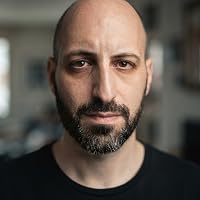
Better known for his surreal films El Topo and The Holy Mountain filmed in the early 1970s, Alejandro Jodorowsky is also an accomplished writer of graphic novels and a psychotherapist. He developed Psychomagic, a combination of psychotherapy and shamanic magic. His fans have included John Lennon and Marilyn Manson.
Ходоровський або подобається, або ні. Це той автор, фантазія якого невідомо куди заведе. Так само як і його філософія, заснована на езотериці, містицизмі й міфології. Тому читати чи не читати сіквел до однойменного вестерну (де жанр вестерну лише велика умовність, за якою Ходоровський транслює, немов медіум, свої улюблені сюжети) - питання не складне, адже з перших сторінок відразу стає ясно чи ваша це історія. Якщо ж ви бачили фільм, то питання взагалі не стоїть - читати обов`язково.
Якщо коротко, перед нами трансформований злодюжка, імя якого Каїн, який раніше не мав жодних моральних імперативів. Зрештою, після так званого чуда він особливо не став кращим, але однозначно набув нових здібностей, подібно до святого. Ще цікаво, що бачити не всі можуть або не всім варто його, тому для більшості людей він подібен до демона, чий чорний вигляд додатково підкреслює таку асоціацію. Каїн іде верхи сухими степами Дикого Заходу, зустрічаючи різних диваків і фріків. Ось такий вестерн, подібних якому важко знайти у світовому кінематографі й тим паче коміксовій індустрії.
Десь пунктиром вимальовується метаісторія, зіткана зі старозавітних і новозавітніх алюзій, але збагнути її не так просто, тому це може викликати певне роздратування. Але так пише Ходоровський. У нього нема жодної певності, так само як і лінійної історії — усюди натяки, образи, девіаціі та абсурд. Особливо це загострюється божественним малюнком Хоче Ладрона, який ще більше підсилює це розходження видимого й здорового глузду завдяки реалістичній манері. Однак читати це цікаво, якщо особливо не напружувати себе питаннями логіки й розуміння. Ні, у Ходоровського є логіка, але своя, метафізична й сюрреалістична, а вже далі справа ваша — впускати себе в цю кротову нору чи ні.
The direct sequel of the '70s film, this volume is only one third of the complete work due to its format. If you loved the original film you will probably love this but, if you want the whole "sequel" you should probably wait for the collected edition, or read Jodorowsky's "Bouncer" in the meantime. Personally, can't wait for the next volume!
My first time reading Jodorowsky. How crazy is that?
And what a great way to start!
Master Jodorowsky's fame is well deserved.
Perfectly structured story. Both writing and narrative sequence. Like watching a movie.
Ladrönn's illustrations are up to the level of quality of the writing.
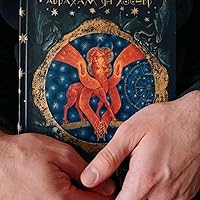
How about the cover of this edition? So good. Beautiful edition.
The story itself is loosely based on the Cain/Abel story, but with a very unique and different approach. It's a weird one but one that will definitely awaken your interest.
Atmospheric, terse and undoubtedly European - I suppose a familiarity with the original source material would deepen ones appreciation for this sequel, but its enjoyable on its own.
I've been a HUGE Jodorowsky fan for quite some time. I've seen most of his films, read most of his comics, and have been searching for all the stuff that I haven't read or seen. I'm certainly no stranger to his landmark film, El Topo either. Imagine my excitement when I found out he was making a sequel via comic/graphic novel.
First off, Jodorowsky picked the PERFECT artist for this work. Ladronn perfectly captures the look, tone and feel of the film. The panels are so stunning that you can get lost in them for quite some time just absorbing the minor details. The framing of each panel feels like its a perfect continuation of El Topo and like Jodorowsky is still directing every frame.
It's a marvelous work and it's only fault is that it is just not long enough. Highly recommended.
Lido pela primeira vez em Outubro de 2021. Relido em Fevereiro de 2023.
Esta coleção de 3 álbuns são a continuação de um filme (El Topo) de 1970 da autoria de Jodorowsky, a qual ele nunca conseguiu filmar. Assim sendo, lançou na forma de BD o argumento que criou.
Este volume lê-se rapidamente, pois as vinhetas são bem grandes e não têm propriamente muito texto. Os desenhos, da autoria de José Ladrönn,estão bem conseguidos. A história tem elementos de sobrenaturalidade, a qual poderá não ser bem entendida para quem desconheça o estilo habitual de Jodorowsky... No geral, gostei deste volume, mas para o apreciarmos, não podemos apegar demasiado à "lógica da realidade"... Temos de nos abstrair da tal sobrenaturalidade, e apreciar a história sem pré-concepções "realistas".
I am glad Jodorowski did not get to make his Dune, i disagree with his take on it. Made for a fun documentary though. I really like el Topo and this comic continues the story seamlessly. The art is perfect as is the writing in all the same new age glory and gore. Thought provoking and shocking.
In the way of every Jorodowsky movie and novel, the first volume of the Sons of El Topo is full of religious and occult symbolism, it's a retale of the Cain and Abel story. Need to read the second volume. And by the way, the art by José Ladrön is amazing!
This is a very sparsely written mid-20th century style fable with biblical roots. The sons of Topo are Cain and Abel, Cain is marked and sent away within the first few pages of the story. There's lots of magic mirroring where harm you would do to others is visited on you. There's a vengeance seen with unnecessary rape and arson.
It's definitely true to the aesthetics of Jodorowsky's work. And if you love his films and graphic novels, you'll probably also enjoy this. But his storytelling style hasn't aged well. It's not that it's offensively outdated or politically incorrect. It's just no longer the way people tell interesting stories. And I found myself having to concentrate to keep from skimming over the very minimal dialogue.
The art is fantastic, as Jodorowsky always teams up with the most talented artists. But the end didn't have me looking forward to picking up volume two.
"Jodorowsky lifts his symbols and mythologies from everywhere: Christianity, Zen, discount-store black magic, you name it. He makes not the slightest attempt to use them so they sort out into a single logical significance. Instead, they're employed in a shifting, prismatic way, casting their light on each other instead of on the film's conclusion. The effect resembles Eliot's 'The Waste Land,' and especially Eliot's notion of shoring up fragments of mythology against the ruins of the post-Christian era."
- Roger Ebert
I've been reading and re-reading this and the sequel, and I've finally found peace in this quote from Mr. Ebert. This book is poetry and should be read/viewed as such. Any other lens and it reads as incongruent madness.
Finally! I wanted to read this story for so long I've forgotten it even existed! Thank God for Comic Books! It's a great start on a new story, it you are a fan of El Topo as I am.
Я подивився тільки два фільми Алехандро Ходоровскі, але цього було достатньо, щоб він став одним з моїх найулюбленіших режисерів. Ці два фільми це “Свята гора” і “Кріт” , або, як він звучить в оригіналі “El Topo”.
Якщо “Свята Гора” це психоделічно-езотерично-алхімічний шедевр-одкровення, то “EL Topo” це езотеричний філософський вестерн.
Обидва фільми, звісно ж, здобули статус культових.
І от, після надзвичайно тривалої перерви, Алехандро Ходоровскі представляє продовження “Крота”, але на цей раз в форматі графічної історії.
Цей жанр для Ходоровскі ще ближчий, аніж кіно, адже він створив безліч знакових творів включаючи “Інкал”, “Метабаронів”, “Маґалекс” , “Борджиа” і інші.
Події “The Sons of El Topo. vol 1. Cain” починаються там, де закінчується фільм – тобто після смерті легендарного Святого і народження його другого сина.
Тут Ходоровскі не відходить від своїх типових тропів і представляє нам цю подію в епічно-пафосному антуражі. З трупа Крота виходять медові соти, а з них проростаються золоті стовпи.
Це місце стає ціллю для паломництва усіх можливих віруючих з усіх можливих релігій.
Не обійшлося й без бюрократії, адже жерці кожного культу, хочуть приєднати цю святиню для своїх потреб і таким чином здобути собі домінацію.
Все це скінчається плачевно, адже ніхто зі священнослужителів не може підступитись до святині, хіба що розумово відсталі чи непорочні діти.
А тим часом перший син Крота – Каїн, скитається світом. Він був проклятий власним батьком, котрий наклав йому на чоло печатку. Через це прокляття ніхто не може його бачити, а кожен, хто торкнеться чи заговорить з ниv, моментально буде проклятий. Зброя його не бере, кожен удар нанесений йому, вертається до ворога.
Є в Крота і другий син – народжений карлицею з жебрацького люду. Цього сина звати Авель і він подорожує зі своєю матір’ю заробляючи на життя за допомогою перевозного театру ляльок.
Пусковою подією є смерть матері, котра просить доправити її труп до святині Крота.
Таким чином, Авель мусить просити помочі в свого брата Каїна і так починається історія Синів Крота.
Загалом тут дуже багато посилань на Біблію, наприклад сцена з дивакуватою дівчиною, котра закохується в Каїна і обтирає йому обличчя, повторює таку ж сцену з Христом і Веронікою.
Такий дивний мікс для читача не знайомого з творчістю Ходоровскі може видатися надто пафосним і ненатуралістичним, тому перед прочитанням обов’язково необхідно переглянути фільм, а читаючи, раджу увімкнути на фоні саундтрек з того ж фільму.
Найсильніше в цій історії не так сюжет, як віртуозний малюнок Ладронна, ним хочеться милуватись годинами. Тут вже виявляється славнозвісна елітарність банде десіньє – кожна панель промальована акуратно і з душею.
Підсумовуючи, скажу, що буду з нетерпінням чекати продовження “Синів Крота”, бо це вельми непересічна річ, як і все до чого торкається Ходоровскі.
Alejandro Jodorowsky's film, El Topo, is a personal favorite of mine as it blends surrealism into a violent western setting and is filled with bizarre occurrences and fascinating but inscrutable characters. Despite the cult status El Topo would enjoy over the years, Jodo never could get studios interested in funding a sequel, and the planned Sons of El Topo never came to fruition. Instead, he would pair up with artist José Ladrönn in 2016 to adapt the original screenplay into a pair of graphic novels. The first volume focuses on Cain, the son of El Topo known simply as "Hijo" in the original film. The premise as set up in this story follows the events of the film but reveals that Cain had a brother named Abel, who El Topo separated at birth due to a known prophecy that would lead Cain to kill his brother. Cain, at the onset of the story, takes on a lot of El Topo's original appearance as he wears a black coat and hat and rides a destrier into the desert. Wracked with anger for not being able to kill his father who now has attained sainthood, Cain plans to revenge himself upon Abel.
As with the original film, scenes of random encounters of violence, rape and mutilation are commonplace in this world. Jodo's view on the western genre hasn't softened in the decades since making the original film, so in a sense this does work well as a direct sequel. However, the surreal aspects are more lacking, with the story delivered almost like a true revenge thriller instead of the acid western the original was. It's a fun read for sure, bolstered largely by Ladrönn's lush artwork which mimics cinematic scenes well, but the magic of the level of unpredictability that El Topo presented is not really here. One can enjoy plenty out of Ladrönn's compositions and atmospheric sensibilities, but I wouldn't say one should expect The Sons of El Topo to really hit the same heights.
(PT) El Topo, um bandido que irou santo, tee dois filhos de duas mulheres diferentes: Caim e Abel. Do primeiro, que se sentiu desprezado, prometeu vingança sobre o seu pai, e depois do seu meio-irmão, Abel. Com a maldição em cima dele, ninguém o poderia ver ou ouvir, por causa da maldição, vagueia no deserto, sem eira nem beira. Mas um dia, recebe a chamada de Abel com uma missão delicada: a sua mãe morreu e ele pediu ajuda para a levar para o túmulo de El Topo, cheio de ouro e do qual apenas os corações mais puros podem atravessar o fosso que o rodeia...
"Os Filhos de El Topo" é a sequela que Alejandro Jodrowsky queria fazer, mas nunca lhe deram a chance. Com Ladronn como desenhador, decidiu então passar para banda desenhada a sua ideia, resultando em três álbuns - este é o primeiro - onde o western e o misticismo são as mãos e fazem uma dança maravilhosa e maldita. Sem freios e sem medos, a leitura destes álbuns é simplesmente fantástica, com as referências à Bíblia bem explicitas, e a violência do México do século XIX e principio do século XX está mais do que presente. Fazendo toda esta mistura, o resultado é que estás a sentir tudo isto como se estivesses a mais de 40 graus sob o sol escaldante de Sonora. Ou então, que estás no escuro da sala de cinema, à meia-noite, agarrado ao balde de pipocas, querendo saber como acaba a primeira parte.
Dos álbuns mais cinemáticos que já li. Mas acho que a ideia é essa.
It feels almost like the sequel to El Topo itself. The ending of the film is interpreted differently in the beginning of this volume, and it dips so much into mythology.
I didn't know, until later, that El Topo's two sons were named Cain and Abel. Cain takes after El Topo from when he was an outlaw seeking power -- complete with paying people with diamonds in a similar way to how his father used his mother's gems, the girl who follows him just like the sex worker that follows the thief in The Holy Mountain, while Abel takes after him having become a living saint. They are two halves of the same man, the chthonic and the ouranic. I like how El Topo actually had the power to banish guns from the world Jodorowsky created, destroying an entire area before his death that happens in the film, and even give Cain his own Mark: so that others would never see, or want to see, him again. You see how it drives the latter mad in doing so, and the atrocity of what he does is in keeping with Jodorowsky's works. And the numinous moments too, where Cain finally has someone see him -- see his face -- it really hits you. The puppet show that Abel and his own mother put on as she is dying too, hits hard. And I can see, and I wish, this had been the film it deserved to be.
I like this world that is basically the continuation of a Spaghetti Western of occultism and mythology, and the world-building is strange and ambiguous, but also very clear. I look forward to seeing where this prelude goes.
After reading the comic, I did some research on Jodorowsky just to get some sense of what on earth was going on. But even now after somewhat aware of his filmography, I still think it's a confusing mess that isn't really for me. However, the fans of Jodorowsky seem to like it quite a lot.
Occassionally beautiful, always psychedelic, Cain combines religion, the western, the occult and all manner of things into a soup that I would wager is only for the chosen few. There are interesting concepts and ideas here, I especially loved how no one could see Cain but instead of being really invisible, they were all simply forced not to acknowledge him.
If the story were easier to piece out and had more sense to it, I think I would have liked it but alas, this was not for me.
A direct sequel to the classic cult film. Jodorowsky begins here showing the final scenes of the film and the curse that El Topo places on his firstborn son, apply named Cain. Marked by his father, no one is allowed to look upon or speak to him. Like his father before his redemption Cain has no principles beyond his own day to day survival.
If you are familiar with the film you know that violence, murder and rape are frequently portrayed. This book and it’s sequel, Able, are based on the script that the director wrote but was never able to get filmed.
I have seen some of Jodorowsky's films, so I was curious about his graphic novels. This volume is the sequel to his film El Topo, and is based on the screenplay Jodorowsky wrote for a potential film. The artwork is deliberately laid out so as to give a cinematic effect.
This volume is not long, but a lot happens in the space of only a few panels. The story also hops around quite a bit, and some of the scenes are quite surreal, which I guess is to be expected! The artwork by Ladronn is both clear and detailed, and makes great use of a limited, muted, colour palette.
Fans of Jodorowsky should enjoy this, while others may be confused.
In the era of citizens thought policing each other and hypocrisy guised as political correctness comes Sons of El Topo. Jodorowsky's work is highly symbolic and many fail to understand that an artist needs freedom to express himself. Art, many a time, works as a mirror to the horrors in the world and is a platform to reflect and critizise the reality we live in and even transform it. It doesn't mean the artist is promoting such horrors. Anyway 5 stars to Jodorowsky for still being true to himself and thumbs up to Ladrönn's art.
It begins with a brief summary of the end of El Topo (which I’ve just rewatched), with a few extra details. This comic does feel like a Jodorowsky movie. There are a number of obviously symbolic events that are left quite up to interpretation. The art is pretty stunning and was the main reason I picked up these 2 volumes, but the story is also pretty intriguing. There is not a lot of dialogue, which makes this quite a quick read, but there is much to digest on each page. Recommended for fans of the film and Jodorwsky’s general style.
I do love stories by Jodorowsky ... Technopriest, Metabaron & Metabarons, The White Lama, Madwoman, Bouncer, Megalex, Son of the Gun, Pietrolino, Diosamanta ... and now this mythological western tale is one more diamond he gives as a gift to us. It is really hard to find compelling, raw and surprisingly story like this. Thanks again Jodo. And the artwork of Ladrönn is just perfect together with this.
Reminds of Salvador Dali in the worst way possible (and not just talking about his art). A lot of praise for this author but I found everything in this to be disgustingly sexiest. Every second page a woman is either being SA'd or ridiculed but you can bet that no matter what's going on she'll be naked for at least one panel. I got about half way through the second vol before I had to tap out. I wish I never blind bought these books. Will not finish.
A western in the mystical tradition using Cain and Abel. There are other things going on but this at its heart in a western in a battle between good and evil or is it more about the relation between the two? Regardless, this first arc is mostly following Cain and his expulsion and curse for sins he has not yet committed. We see Abel at the back end of this.
These two are to get together after being kept apart by a curse in order to do something very personal and familial.
Definitely easier to approach and more enjoyable if you've watched El Topo (or if you're familiar with any of Jodorowsky's works, I'd say). Felt more like warm-up for following volumes, but in very promising way; I think this will be worthy sequel to the film. Really enjoyed Ladrönn's artwork in this.