Jump to ratings and reviews
Rate this book

Nemesis: de slag om Rio

Rate this book
In ‘Nemesis’ vertelt misdaadjournalist Misha Glenny het verhaal van Nem, de grootste drugsbaas van Brazilië. Rio de Janeiro, 10 november 2011. Met veel machtsvertoon verricht een eenheid van de Batalhão de Polícia de Choque een arrestatie. Het gaat om Antônio Francisco Bonfim Lopes, beter bekend als Nem, de ‘koning’ van Rocinha, de grootste favela van het land. Met de aanhouding van de meest gezochte man van Brazilië willen de autoriteiten het signaal afgeven dat de criminaliteit onder controle is, en het land klaar is voor het WK van 2014 en de Olympische Spelen van 2016. Nemesis is een boek over Nems jeugd, zijn noodgedwongen keuze voor het foute pad, zijn rise to fame en zijn neergang. Wie dit pad volgt, kijkt voorgoed met andere ogen naar de sloppenwijken en de stranden van Rio. Terwijl Brazilië internationaal gezien steeds meer als een wereldmacht wordt beschouwd, vindt in het land zelf een constante strijd om de macht plaats. De katholieke en evangelische kerk wedijveren om de meeste zielen en de militaire en civiele politie kijken op elkaar neer, terwijl gangs strijden om controle over de cocaïnehandel. Via het verhaal van Nem krijgt de lezer een buitengewoon inkijkje in de onderwereld van dit Zuid-Amerikaanse land en hoe deze verweven is met de bovenwereld. In een verhaal vol corruptie, armoede, misdaad, geweld en seks wordt ons een glimp gegund van hoe het er echt aan toe gaat in Rio.

301 pages, Paperback

First published September 17, 2015

125 people are currently reading
2354 people want to read

About the author

Misha Glenny

21 books382 followers

Ratings & Reviews

What do you think?
Rate this book

Friends & Following

Create a free account to discover what your friends think of this book!

Community Reviews

5 stars
867 (42%)
4 stars
791 (39%)
3 stars
308 (15%)
2 stars
47 (2%)
1 star
10 (<1%)
Displaying 1 - 30 of 176 reviews
Profile Image for Daniela.
190 reviews90 followers
October 14, 2021
It is very easy to say that this book glorifies drug lords. It doesn’t, but that’s not the point. If you look at this account and the only thing you take from it is a supposed glorification of a drug lord, then you entirely missed the point not only of the book, but of what Rio de Janeiro is, and of a very big part of Brazilian identity.

This is a book about Brazil, about Rio, about a society so divided that its division is an unescapable part of its geography. The favelas – the slum cities – are the symbol of that division.

So if you read this book, and you still think that this glorifies drug lords, or if you haven’t read it yet but don’t think you want to read an apology of drug lords, listen to me.

Favelas are slum towns that were built in mid-20th century in large Brazilian cities for those migrants who came from rural areas to work. Unlike what happened in other places of the world where the same happened, Favelas took a much longer time – a process that in many cases still isn’t complete – to become part of the city by which I mean, to get piped water, proper sanitation, electricity, decent urban planning etc. This means that a Favela is a city inside a city – a place that doesn’t have the same services, the same living standards, not even the same transportation as other neighbourhoods of the city.

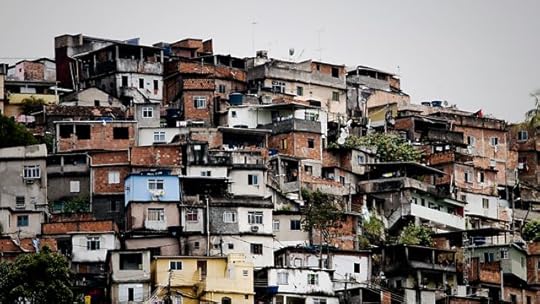
It is estimated that 11 million people live in Favelas in Brazil. In Rio de Janeiro there are about 1000 favelas. Rocinha, the Favela at the centre of this book, the country’s largest favela, harbours about 100 000 people.

Up until the beginning of the century, Rocinha had open air sewage that ran down its streets. There was no proper garbage disposal, many places had no piped water, and electricity was so deficient that people still used gas lighting. Now, Rocinha as many other Favelas in Rio, is not in the outskirts of the city.

In Rio, Favelas are right in the centre of the city. You can’t escape them. Rocinha– and think carefully about what this means – is located right between Gávea and São Conrado which are two of the richest neighbourhoods in Rio. Additionally, it’s really close to Barra da Tijuca where nearly 90% of its inhabitants are from the upper middle class. In the middle of all this wealth, is a vast land of people who for decades did not have piped water and who, even now, do not even have proper means of public transportation.

And who lives in the Favelas? Drug lords? Drug dealers? Not really. Most people who live in Favelas are working people. Either they work in the Favelas, or, more significantly, they work as domestic employees, shop assistants, supermarket employees for the middle class who live in the richer areas.

There is of course crime. Now why is there crime? Why are favelas home to drug trafficking especially? Well, first because Brazil is the gateway between the countries that produce drugs – Colombia, Bolivia and Peru – and Europe. There is also in Brazil, especially among the rich middle classes, a relevant market for those drugs. In fact, in Brazil even drug consumption is classist: cocaine is the drug of the rich, while maconha (cannabis) is the drug of the poor. Favelas offered the perfect home for these criminals, especially with the rise of global capitalism and consumerism. Young people in Favelas want to have the things that those who live in the neighbourhoods so close to them have. Simple things: phones, TVs, video games, cars. Drug-dealing and trafficking is an easy and fast way to get money for that.

However, the drug lords are from the Favelas themselves. Those are their communities. As in the case of the protagonist of this book, Antônio Francisco Bonfim Lopes, known as Nem, they know nothing else. They were born, raised and most likely will die in the favela. They are its product. They exist as criminals because of the favela and because of the society that lives in fear of the favela. Some drug lords, such as Nem and others before him, realised that the best way to have the population who lives in the favela on their side, would be to provide the services that the State doesn’t provide. And here is the key to understand the whole situation. The problem is not the absence of the State. It's its tremendous incompetence. The State exists in the form of corrupt policemen, of the violence inflicted by a whole Structure that doesn’t care for those who live in the Favelas. A State that for years and years abandoned them to their luck, to drug lords and weapon dealers. Why would the inhabitants of the favelas be on the side of the State when it was the drug lords who provided them with basic services? In Rocinha, Nem and his former boss, Lulu, even distributed something called “Cesta Básica” which was a basket filled with foodstuffs, such as rice, meat, vegetables and fruit. It was the drug lords who made the Favelas actually safer – people in the favelas were safe there, except when there was a battle between criminal factions or when the police came barging in.

Of course, in other Favelas, drug lords often resorted to violence and fear to demand silence and cooperation from the people. They often extorted them for "protection" just like the Mafia. But in the case of Nem, and in the specific case of the Rocinha, that didn’t seem to happen. In reality, what the facts show, is that certain improvements in Rocinha are partly owed to the actions of the drug lords to the point where the people who live there felt safer – albeit always fearful – under the rule of drug lords than under the rule of the State. Imagine that, imagine the State failing so badly at its job that people in a community feel safer with criminals.

Misha Glenny says one very significant thing at the end of the book. If Nem hadn’t been born in a Favela, and hadn’t been forced to enter the drug dealing business to get money for his daughter’s medical treatments, he would have been an upright, successful citizen. This is clear throughout the book. Nem is a criminal, he is not a good person, he gets people killed and beaten, and he enjoys the profits the drug traffic brings him. There’s a harrowing part where it is stated that Nem beat his ex-wife because he thought she had betrayed him to the cops. But he clearly isn't an evil man. In fact, he’s very smart and, at times, even kind. It’s obvious that if he hadn’t been born into such a violent environment, and if the State had been able to help him with his daughter, if the State had fulfilled its part of the Bargain – its part of the Social Contract – then Nem would never have become a criminal.

The story of Favelas is the story of the inability of the State to fulfil its promises to its Citizens. And today, it has become clearer and clearer that the strategies the State used to pacify the Favelas are failing – failing because of the old, same problems: an inability to care and create proper structures for the citizens of the Favelas, and the corruption of the police forces.

A last note:

White people don’t live in Favelas. Favelas are inhabited by black and mixed race people. Favelas are not only a symbol of classist violence. They are a symbol of racial violence. And whatever developments were attained in the Favelas – the vibrant nightlife, the music, the food, the samba, electricity, safety – was achieved in spite of the State, with the help of people and activists from the Favelas themselves. So keep that in mind when you go to the beaches of Rio, when you dance Samba or when you listen to Funk. And keep it in mind when you say that this book glorifies drug lords.
Profile Image for Juli.
161 reviews19 followers
September 13, 2017
As a Brazilian who lived in Rio but also grew up in Germany, Ihave a bit of a different perspective on Rio - but I love that city to bits, even though it's one hell of a crazy dangerous place. I heard about this book on Brazilian websites when it was released in Brazil and I immediately ordered it. I still remember the night when Nem was caught in the back of a car, I as every other Brazilian watched it on TV and I remember how I felt really disgusted by the way the police and press treated Nem in that scene. It was so hypocritical because we all knew how many of the military police and civil police are involved in drug trafficking, how many politicians are part of the drug industry. How many rich kids take drugs and how many of the high society are happy to toss so much money on their cocaine.
So I felt really disgusted to see everyone bully one of the many many players in that huge game - as if all of them were in a place to point fingers since most of them were probably involved in the drug trade too. I didn't feel necessarily sorry for Nem, I knew he was a drug boss but I still felt cheap watching those stupid police man push him around in that way.
So when I heard of this book I was intrigued - interviews with Nem? I was sold.

This book turned out to be so much better than I imagined. Usually I am weary of anything a 'gringo' writes about Brazil - I have met many gringos who wanted to explain my own country to me. But Misha Glenny did a really good job on this documentary. In a way this kind of book probably couldn't have been written by a Brazilian because it needed a bit of detachment, a bit of neutrality to tell the whole story without judgement and without too many emotions. It's difficult to stay neutral when you think of the corrup politics of a place like Rio. I am already getting worked up just thinking about it. It's the epitome of unfairness, it's the perfect example of everything gone wrong. A vicious circle where no one wins in the end, except obviously the highest players.

This book tells the story of organized crime in Rio, focusing on Rocinha, the biggest favela (slum) in Brazil but also giving an insight of how the different gangs came to be, how favelas started getting involved with drugs, how police became so corrupt, and parallel to that you have Nem's story - which is equally fascinating than Rio's history with the drug business.

I can only recommend this book to everyone who is interested in learning more about how the drug industry works in South America and how it effects people's lives. But you will also get to know more about a very intelligent man who managed to become one of the most sucessful drug bosses of Rocinha in Rio.
Profile Image for Bettie.
9,977 reviews5 followers
September 16, 2015
BOTW

http://www.bbc.co.uk/programmes/b069jf1z

Description: His name was Antonio, but they would call him Nem meaning 'babe' as he was the youngest in his family. From the infamous favela of Rocinha in Rio, surrounded by the comfortable middle-class neighbourhoods of Brazil's party city, he was a hardworking young father forced to make a life-changing decision. If the only person who will lend you money in a crisis is a drug baron, then the only way you can repay him is by going to work for the gang.

Nemesis is the story of an ordinary man who became the 'don' of the largest slum in Rio. It is a story of fate and retribution, of the inevitable consequences of moral collapse and the blurred boundaries of the law. Brazil's most wanted criminal, Antonio (or 'Nem') tried to bring welfare and a crude kind of justice to a favela of over 100,000 citizens; a world governed by violence and destitution, existing beyond the rule of an equally corrupt state. But his period of ascendancy coincided with the nation's attempts to earn international respect first of all through hosting the football World Cup and then winning the right to stage the 2016 Olympics.

This is the story of how change came to Brazil. It begins with Misha Glenny meeting the eponymous Nem at a high security prison in 2012 , the account that follows is of a country's journey into the global spotlight, and the battle for the beautiful but damned city of Rio as it struggles to break free from a tangled web of corruption, violence, drugs and poverty.


1/5: It's 2012 and Misha Glenny travels to Brazil's top security jail to meet Antonio, known as Nem, who became one of the most feared yet respected crime lords in Rio.

2/5:Antonio and Vanessa are delighted with the arrival of their baby daughter, Eduarda. But when Duda is diagnosed with a rare illness the cost of the hospital bills is beyond their means.

3/5: Violence escalates between warring factions in the favela of Rocinha. The responsibility is too much for Nem to bear.

4/5: When Nem eventually takes over in Rocinha, a prosperous and safe environment begins to flourish.

5/5: The authorities cannot risk further internecine violence in the city which is due to come under global scrutiny. The policy of 'pacification' is escalated to include Rocinha.
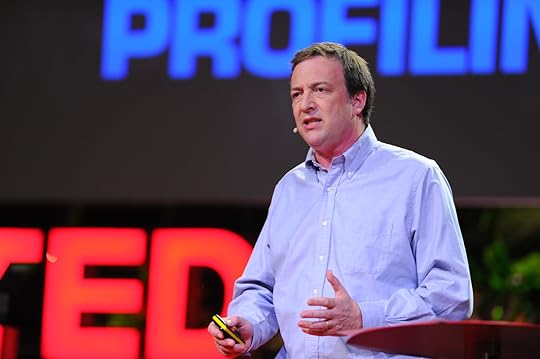


From wiki: Glenny is the son of the late Russian studies academic Michael Glenny. He was educated at an independent school, Magdalen College School, in Oxford, and studied at Bristol University and Prague's Charles University before becoming Central Europe correspondent for The Guardian and later the BBC. He specialised in reporting on the Yugoslav wars in the early 1990s that followed the breakup of Yugoslavia. While at the BBC, Glenny won 1993's Sony Gold Award for his 'outstanding contribution to broadcasting'. He has also written three books about Central and Eastern Europe. In McMafia (2008), he wrote that international organised crime could account for 15 per cent of the world's GDP.

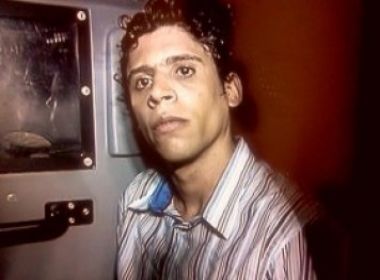
Antônio Francisco Bonfim Lopes aka Nem: drug lord, gangster and murderer.

I was slightly wary of listening to this as Brazilliant mentions that this account glorifies drug lords. Glenny set out to find the truth by interviewing Nem ten times, and spent vast amounts of time talking to both defence and prosecuting lawyers, police, and people from the favelas. Poverty and addiction in a lawless region will always equal murder and mayhem.


For the most, I feel Glenny succeeded in informing the reader as to the state of affairs and think the title is clever, turning Nem into Nemesis, however as Laura points out, there were apologist episodes, sympathetic interludes that left a rank taste in the mouth. Glenny's book has convinced that Rio is not a place I would wish to visit anytime soon.

Profile Image for Nina.
143 reviews21 followers
November 5, 2020
Veľmi dobre spracovaná téma okolo drogových bitiek v Rio de Janeiro. Autor nám predkladá situáciu v celej Brazílii, načrtáva aj Latinskú Ameriku. Práve ta mňa osobne zaujíma viac a želala by som si, aby bola tiež nejak spracovaná. Niektoré pasáže som bohužiaľ preskakovala, pretože to boli také tie nezaujímavejšie príbehy, ja som bola zvedavá viac na Nema a dianie okolo neho. To však neuberá na kvalite :) Kto sa zaujíma o túto tému, nebude banovať.
Profile Image for Hermano.
8 reviews
March 9, 2017
Um livro longo que não cansa porque não tem nada que sobre, porque toda informação, além de interessante, acrescenta algo ao que você viu nos noticiários anteontem (e, no meu caso, até sobre o que já se escreveu com muito menos recursos).

Mas tão interessante quanto a figura biografada é a relação entre seu ingresso no mundo do crime, ascensão e inevitável queda com o momento político e econômico da favela, reflexo do que acontecia ao mesmo tempo no país, as oportunidades surgidas com o crescimento e a atração de eventos esportivos internacionais, as conquistas na segurança pública e o inexplicável fracasso que seguiu. Um documento impecável sobre meados da década 00 e a primeira metade dos anos 10 no Brasil.
Profile Image for Igor Ljubuncic.
Author 19 books278 followers
September 1, 2018
This is a really nice book.

In Nemesis, Misha Glenny tells the story of one Antonio Francisco Bonfim Lopez O Nem de Rocinha, a drug lord from one of the biggest and poorest favelas in Rio. After reading Killing Pablo, which focuses on Colombia's Pablo Escobar, I was intrigued to read more about Brazil's contemporary history.

Nem became involved in the drug trade through misfortune - his daughter was sick, he needed money for her treatment, so he asked the don of Rocinha for a loan and offered to work for him so he could pay off his debt. Because of his intelligence, he quickly rose through the ranks and eventually became the don himself.

Nem was a remarkable character - he combined both cruelty and compassion. He was keen on reducing violence in the favela, and during his reign, the murder rate went down significantly. He invested in social programs and tried to help people. He also avoided violence as much as possible. But a chain of unfortunate events with his gangs (bandidos) put him in the spotlight of the federal police, just as Brazil was preparing for the world cup and the olympics, and had initiated its program of pacification in favelas across the city.

The book has a wealth of information, personal stories, and it paints a colorful, sad background into the lives of people in Brazil, the huge disparity between the rich and the poor, the massive police corruption, the rise of the cocaine trade in the 80s and the 90s, the rivalry among different factions. Woven into it is the personal story of Nem, his passions, his love triangles - and he did get in trouble when his wife and girlfriend formed a coalition against him, his modest ambitions, and his exasperation with controlling the crime and the violence in Rocinha.

Nem does not come across as a bad guy, more like someone who is a victim of their environment and circumstances. The author believes he would have been a successful businessman or a manager if he'd had better education or lived in a better part of Rio.

Sometimes, it's a little hard to follow the narrative, because a lot of people have similar or even identical names, and there are many players involved. But it's never boring. In fact, this is a page turner. Refreshing, touching, eye-opening. Highly recommended.

Igor
20 reviews2 followers
May 17, 2018
There were certain components of the book that I found interesting. The history of the country, the description of the systems that created the pervasive poverty, which naturally led to violence and illegal activities. The complicated politics that also heavily contribute to the poverty. But this information felt as if it should have been in another book, written by a better writer.

I had two main issues with this book, first I did not like this writer's writing style. At all. Second, I found this "reporter" to not be very professional. It is very obvious by the beginning of the book that this writer clearly liked Nem and was not trying to separate his personal feelings from just reporting the facts. This man went out of his way to show Nem in a positive light, all the time. Near the end I was just in complete disbelief and wanted to finish this book. Like, I'm suppose to believe that a drug lord in Brazil who ran a tight drug, weapons trade organization, and a woman beater, would never ever resort to murder?? What? Misha seems to not know very much about how the illicit drug business works. I especially like how one of the individuals he interviewed mentions Nem's need to have people believe that he never resorts to violence, but how there is no such thing as no murder in the drug business, and yet Misha still does not quite believe the Nem could ever have resort to murder. Ok, sure thing. I was also disgusted by his flippant reporting on Nem's abusive towards his wives and mistresses. So gross, but I guess this doesn't make him a terrible person, because he financially supports all of his children!
Profile Image for DaViD´82.
792 reviews87 followers
December 2, 2020
Drogový boss, který nahrazuje staráním se o svou komunitu vládu/zákon v rámci favely, slouží autorovi čistě pro nastavování zrcadel vůči vládní politice, bezpečnostním složkám a korupcí echt prorostlou brazilskou společností. Což je vynikající syžet pro zdramatizovanou sérii à la Narcos, ale jako základní prvek ryze reportážní knihy to ne zcela funguje.

Není problém, že by si snad Glenny vzestup a pád "humanitního bosse" Nema jakkoli idealizoval (byť k němu jako ke svému druhu "hrdinovi z lidu" přistupuje, o tom žádná) či opačnou stranu "společnosti, která na favely a jejich obyvatele dávno zapomněla a odsoudila je tak na několik generací do role občanů třetí kategorie" démonizoval. Problém je, že jakmile na to nejde aplikovat (či v horším případě naroubovat) nahlížení skrze ono nastavování nemesis zrcadel, tak to zde nemá místo.

Čili autor řeší první poslední. Věnuje se kdečemu, ale ničemu pořádně. A tak nakousne vše; od vzniku favel a co k tomu vedlo, nástup drogového problému, půtky bossů, několik desetiletí vývoje, rozkol bezpečnostních složek, osobní život Nema i jeho okolí, běžný život ve favele, chudoba, distribuce, média... A to skrze směsici domněnek, vyrešeršovaných událostí, "hlasu ulice" apod. Ovšem je to jak když se pes honí za projíždějícím cyklistou. Chvilku sleduje jednoho a jakmile projíždí kolem jiný, tak veškerou svou pozornost přesouvá na něj. A tak je to tu se vším. Papírově by spojujícím elementem měla být kariéra Nema na pozadí společenských a politických veletočů Ria/Brazílie, ale působí to mnohdy spíše "sakra, dlouho jsem ho nezmínil, tak tedy se mezitím stalo asi tohle a myslel si asi tohle, ale nikdo neví, každopádně lidi na něj s láskou vzpomínají, protože za něj bylo lépe i bezpečněji, ať už dělal pro živobytí cokoli".

Není to v žádném ohledu špatné, to ne, jen to není v žádném ohledu ani dotažené.
Profile Image for Pedro Pacifico Book.ster.
391 reviews5,483 followers
March 31, 2020
A princípio, com a leitura da sinopse, o leitor pode achar que irá encontrar “apenas" a história de Nem, um dos mais conhecidos líderes do tráfico da Rocinha. No entanto, o autor conseguiu ir muito além dessa proposta, apresentando um verdadeiro panorama sobre a evolução do tráfico no Rio de Janeiro, o fortalecimento das facções criminosas e o crescimento das favelas nos morros cariocas. É um relato jornalístico que, além de se basear em fatos históricos, foi construído a partir de entrevistas que o autor teve com o próprio Nem, enquanto cumpre pena em um presídio de segurança máxima. É uma leitura rápida, instigante e que traz reflexões envolvendo temas importantes como a legalização das drogas, papel da polícia no combate ao tráfico e a visão da comunidade sobre o poder das facções nas favelas. Um ponto que me chamou bastante atenção é nacionalidade do autor. Misha Glenny não é brasileiro, mas sim britânico. E, na minha opinião, ele conseguiu se livrar muito bem da visão estereotipada sobre a violência nas favelas que o Brasil tem no exterior. No entanto, achei que o relato foi pouco imparcial, já que fica claro o esforço do autor para suavizar - não sei se de forma proposital ou não - o lado negativo e cruel por trás da vida de um chefe de tráfico. A despeito disso, é um livro necessário, esclarecedor e extremamente atual!

Nota: 8,5/10

Leia mais resenhas em https://www.instagram.com/book.ster/
Profile Image for Cintia Andrade.
487 reviews51 followers
September 22, 2016
Ninguém nasce traficante. Antes de ser o dono do morro, Nem era uma pessoa comum, assim como eu e você. Atingido por uma situação inesperada e incontornável com sua filha, ele decide trabalhar para o tráfico. É essencial - principalmente se você mora no Brasil e no Rio de Janeiro - entender que contextos criam a violência e a desumanização.

Muito bem escrito e agilíssimo, daquele tipo que você não consegue largar. Só acho que poderia ser um tiquinho mais detalhado.
Profile Image for Juraj Holub.
158 reviews25 followers
December 28, 2020
Vynikajuco podane! Skutocny “Narcos” odohravajuci sa v Rocinha - najvacsej favele v Rio de Janeiro. Hlavna dejova linia sa sice toci okolo najuspesnejsieho dona favely Nem-a, ale kniha ide dalej a vysvetluje vznik drogoveho biznisu, korupciu policie a socialne fungovanie slumov v Brazilii.
Profile Image for Pečivo.
482 reviews182 followers
December 28, 2021
Příběh drogového krále favely z Rio de Janeira mne vůbec nenadchl. Nevím jestli to je téma nebo to, jak to autor pojal, ale pečiho srdce zůstalo zavřené.

A když zůstane pečiho srdce zavřené, tak není o čem dál psát. 5/10, po Louisových dětech druhé zklamání z dílny Absynt.
Profile Image for Elijah Oyekunle.
198 reviews26 followers
January 29, 2022
I've seen Rocinha from above in 2 separate helicopter tours in Rio de Janeiro, and I'm familiar with a lot of the locations in the book. The author did a pretty good job humanizing the Favelas and the drug dealers who run them.
Profile Image for Sara.
1,612 reviews73 followers
June 16, 2016
I'm not sure what to make of this book, as some parts were quite fascinating and others felt flat. This book covers a part of Rio de Janeiro that so many people have seen, whether in person or in photos: the favelas, the slums of Rio, easily recognizable as small colorful dwellings built on top of one another up the mountains. Rocinha, the largest of Rio's favelas, was under the control of one don after another until the subject of this book, Nem, took over. The author chronicles Nem's rise to authority in Rocinha and how his reign over the favela fared until he became the most wanted man in Rio, culminating in his arrest.

Although Nem was apparently once Rio's most wanted criminal and well known within the city, his name is not one widely known elsewhere, so I began this book without any real knowledge of what would be covered. I think this is the book's main weakness: while the book definitely contained an interesting history of how favelas came to be and Nem's rise to power, it failed to impress upon me why this story needed to be told. Additionally, with Nem currently in prison and many details of his arrest, and his ultimate fate, still unknown, this didn't feel as "complete" as it could have, had the book been written years from now. The author interviewed Nem multiple times as part of his research, and it also felt like he often sympathized with him instead of staying completely neutral - something I realize can be difficult to do when getting to know subjects. Yet the slant toward Nem being, yes, a criminal, but also someone almost "forced" into that life and one who was bad at times only for the greater good made the narrative seem more one-sided than it should have.

The best parts of this book, for me, were the parts that explained the history of the favelas and how they came to be, as well as day-to-day life there. These parts comprised quite a bit of the book, which I appreciated, since it really gave a good foundation for the bigger story; on the other hand, it often felt like the history of the favelas was the real story in here, with the narrative about Nem included only to provide a more "explosive" story. The two storylines - the favelas and Nem's life - intertwined, of course, but I felt like both could have been greatly expanded on. Nem's personal life, for example, was briefly touched upon here and there, his violent tendencies mentioned, but his personal life seemed glossed over a little too much for this to be a definitive account of him. Again, I felt like the author sympathized too much with Nem to portray him fairly - perhaps subconsciously, since there were passages that tried to balance out this slant. Perhaps part of this also stems from the fact that most of the people in these pages are still alive and clarity in hindsight has not yet been achieved.

This was a pretty easy read and nicely researched, although the narrative did jump around between people, places, and dates. I had a hard time keeping track of all the players in here and when/how everything unfolded. Some reviews for this book said it read like a thriller, a statement I don't agree with. This was interesting overall, but I never came to a part where I felt like I couldn't put it down because it was so riveting or tense. I did find many of the details fascinating, however, including how the police interacted with favelas and how some of the major players affected Rocinha's pacification and Nem's fate. It's so interesting to see other countries' strengths and weaknesses in dealing with internal problems.

I think this book would definitely be of the most interest to people with a knowledge or familiarity with Rio's favelas and its criminals. However, I would caution to recommend this simply because of how sympathetic it is to Nem, glossing over serious concerns and accusations and providing an inexplicably positive portrayal of a known drug lord and criminal. To be sure, this book was interesting to read and I definitely learned a lot. The underlying problem is that I think the book was written too soon; in another decades or two, when more is known and events/people can be examined through the lens of history, this would have a lot more depth and balance.
Profile Image for Thiago Sant'Anna Da Silva.
41 reviews
May 20, 2021
Esse livro é muito bom, recomendo DEMAIS. Glenny foi morar na Rocinha, entrevistou o próprio Nem no presídio de Campo Grande, mas tb seus amigos, inimigos, policiais, políticos, cruzou versões com fatos e documentos, contextualizou com o período, opinou com astúcia... Enfim, muito bom!
Profile Image for Cait.
1,535 reviews
December 16, 2015
Such a great read. I knew nothing about Brazil and the favelas when I started reading this book. My mind was blown over the amount of corruption that exists in Brazil, and how Dons run favelas like a fiefdom.

Nem is such an interesting person, who while obviously a leader of a drug cartel, is much more than that. It is impossible to paint the people in this book as good vs bad. This book has reminded me that so much of the world is comprised of shades of grey, and that people like Nem exist in those areas.

This was a fantastic read, and should be read by anyone who is interested in the world, politics, and the human condition. You will not be disappointed, and you will undoubtably learn a lot about Brazil, it's people, it's political situation in Rio as well as what lengths a person goes to survive impossible situations and terrible odds.
Profile Image for Iza.
128 reviews1 follower
October 6, 2019
I was really impressed by this book! The author (who is not Brazilian) has made a wonderful job and he explains really well the relationship between the traffickers, the police and the citizens of the slums (specifically Favela da Rocinha) in Rio de Janeiro. It is a must read to understand the reality of Brazil better!
Profile Image for Marti.
443 reviews19 followers
October 16, 2025
This was a fascinating look at the Favelas in general and Rocinha in particular. And it is confirmation of my belief that a down and out neighorhood is better off supporting organized criminals than trusting in wealthy do-gooders. I thought that about the Mafia [is it a coincidence that in the 1950s Unions were strongest when organized crime was at its pinnacle? Talk about make America great!] Every crime lord except our president seems to realize that you need buy-in from the people so they will not snitch on you. It was quite amusing to think of these tough guys preparing food baskets to distribute every month.

I did not know too much about the individuals involved in Rio's criminal syncicate, but Nem and his predecessor, Lulu could probably be likened to Philadelphia's crime boss Angelo Bruno [nicknamed "the docile don"] whose philosophy was that there is enough for everyone and shootouts in front of nightclubs are bad for business. It's a sentiment that prevailed in Las Vegas and anyone who got trigger-happy was taken out immediately. And petty crime was non-existant for the same reasons.

Although I never got to go inside a favela, you can get a pretty good look on the way from the airport. And we got close to the borders of one in Lapa and another time to get to a hilltop banquet hall. Thus, I could easily imagine the terrain and how near everything is to the high class areas like Leblon and Ipanema.

I went twice in the early 1990s and once in 2009, thus I got a taste of the so-called "golden age" before it all went to pieces in the run-up to the World Cup and the Olympics. In fact, around the year 2008, it was said that the main entertainment district of Rocinha was safer than Copacabana at night and I can well believe it.

So, like Bonnie and Clyde and Al Capone, you cannot help but root for the drug lords. Too bad this Nem character cannot become President. He has a much better grasp of leadership and much more common sense.
Profile Image for Thiago Alves.
82 reviews4 followers
August 20, 2018
Uma das questões mais relevantes no nosso país é a segurança pública e o que muitas vezes percebemos através de noticiários é que a chamada “guerra às drogas” joga combustível no fogo ao invés de controlar ou apagar. É isso que percebemos através dessa obra-prima do jornalismo literário, que através de muita pesquisa e 28 horas de entrevistas na prisão de segurança máxima com o ex-líder do tráfico traz relevantes referências para entender os motivos dos altos índices de violência no Brasil.

Possui uma narrativa objetiva da vida de um dos maiores traficantes do Rio que estudou até o primário e ganhou tanto poder, contada pelo jornalista e historiador Misha Glenny. O livro narra a história do tráfico no Rio, especialmente na favela da Rocinha destacando a total ausência do Estado e sua substituição pela criminalidade.

Muitas vezes parece lamentavelmente um verdadeiro roteiro de cinema que apesar do final que todos já sabemos, é muito provável que você não acredite no que vai ler nas últimas linhas.

É um excelente livro para quem se interessa pelo tema e traz em sua essência os problemas brasileiros e as variáveis do surgimento da violência nos centros urbanos. Leitura que vale muito a pena!
Profile Image for Edu Macedo.
3 reviews3 followers
December 28, 2018
Personagens incríveis., acontecimentos surreais., narrativa cinematográfica. Tudo isso tendo a cidade do Rio de Janeiro como cenário. Parece realismo fantástico mas é quente.

O Jornalista Misha Glenny fez um belíssimo trabalho investigativo, histórico e literário nesse surpreendente livro. Glenny montou de forma notável todas as peças desse quebra-cabeça que compõem uma parcela importante da complexa rede criminal, corrupta e política da história do Rio de Janeiro.

Terminei o livro com uma música de 1998 na cabeça, do disco Sobrevivendo no Inferno do Racionais Mc’s:

“Ele tinha um certo dom pra comandar
Tipo, linha de frente em qualquer lugar
Tipo, condição de ocupar um cargo bom e tal, talvez em uma multinacional
É foda...
Pensando bem que desperdício
Aqui na área acontece muito disso
Inteligência e personalidade
Mofando atrás da porra de uma grade”

Leitura essencial pra se compreender, pelo menos um pouco, do efeito colateral provocado por um sistema omissivo, corrupto e sobretudo genocida que é o estado brasileiro.
Profile Image for Ricardo.
199 reviews9 followers
October 6, 2017
Misha Glenny, historiador britânico, hospedou-se por uma boa temporada na Rocinha para conhecer sua geografia, seus meandros e os personagens desta história. Ao recontar o que Nem, um dos mais organizados chefes do tráfico carioca, passou a ele em várias conversas na prisão, o autor enfeixou uma esclarecedora história do tráfico de cocaína na cidade (e no País), a partir da década de 70-80. A primeira metade do livro é justamente a mais interessante, pois paralela à trajetória de um "cidadão de bem" cuja tragédia familiar em pouco mais de cinco anos transformou num dos homens mais poderosos do submundo do País, faz-se uma apresentação ampla dos vetores que gradativamente transformaram uma cidade num caos de violência, sem final aparente. A consolidação de poder e a eventual queda de Nem (ainda com dúvidas que não serão sanadas facilmente) torna a leitura minuciosa e repleta de personagens secundários, o que estreita o foco para uma novela de drama pessoal. Aí, o livro perde força -- mas no todo, estampa uma marca esclarecedora sobre ideias incorretas e preconceitos repetidos na mídia do dia a dia.

Você vai gostar se gostar de livros como "Falcão - Meninos do Tráfico", "Folha Explica o Narcotráfico" e outros que constroem uma visão menos maniqueísta do abismo brasileiro.
Profile Image for Bob Schnell.
651 reviews14 followers
October 24, 2025
If you've ever been curious about Brazilian drug mobs and Rio de Janeiro in the 1990s and early 2000s, "Nemesis" by Misha Glenny is the book for you. Glenny 's investigative journalism goes deep into the favelas (hillside slums) and law enforcement agencies of Rio to tell the story of perhaps the best-known drugs mob boss, Nem. Within Nem's tale we get a history of organized crime, corrupt police and politicians, and corporate mischief in 20th century Brazil. It is a tale that might surprise many Americans who only associate that country with bossa nova music, samba dancing, soccer and beautiful beaches.

The book was especially interesting to me as I have visited Rio several times (mostly in the 1990s). Thankfully, I was never a victim of crime, but there was always a hint of potential danger in the air. It didn't help that friends who live there kept warning us of the danger signs and how ruthless even the muggers could be. These experiences certainly added to my enjoyment of the book and my understanding of the city's zeitgeist at the time.
Profile Image for Lucas Lanza.
168 reviews4 followers
January 31, 2018
Jornalismo literário em sua melhor forma! A narrativa criada pelo autor é dinâmica e muito instigante, deixando o leitor sempre querendo mais. A particularidade neste título vem do fator jornalismo investigativo internacional - o autor é inglês. Talvez seja por isso que o relato tenha uma perspectiva diferenciada, uma liberdade imparcial sobre os acontecimentos narrados, sobre as instituições listadas e nomes envolvidos. Pra quem é (como eu era - agora menos) ignorante no assunto, este é um livro essencial pra entender a situação socioeconômica e cultural nos centros urbanos, a relação que existe entre as favelas e o Estado, e o reflexo do descaso social nos tempos da ditadura. Recomendo!
Profile Image for Jacqueline Lafloufa.
Author 2 books103 followers
April 24, 2025
Existe uma graça bastante particular em ler um gringo jornalista fazer um retrato tão … detalhado e equânime sobre uma questão tão complicada. Misha traz o toque do “não acredito” com o “ninguém sabe desses detalhes” de uma maneira que só quem teve o cuidado de passar por uma imersão consegue ter. Ele também não parece estar contaminado pela vontade de defender um lado ou outro, mas esclarece o que vê como um jornalista: narrando fatos, confirmando informações, trazendo contexto. O texto é uma delícia de ler e flui com velocidade. Triste mesmo é apenas a constatação de que Nem é como um Walter White Latino, que mesmo com o SUS, precisou de mais grana pra cuidar dos seus e acabou levado para lugares que poderia facilmente ter evitado. A leitura de Dono do Morro também ficou curiosa depois de ter lido “Via Apia”, do Geovane Martins. O cenário é o mesmo. A diferença é que, nesse caso, nada é ficção.
Profile Image for Lícia Brancher.
4 reviews
December 24, 2017
Um relato realista, que dá voz a múltiplos personagens e traz à tona a vida na Rocinha, destacando a ausência/ineficiência do Estado e sua consequente substituição pelo negócio ilícito do tráfico de drogas e transações de poder e criminalidade. Excelente leitura para quem quer se enveredar nessa temática que diz respeito a interesses difusos mas que traz em seu âmago a essência dos problemas brasileiros.
Profile Image for Johana Koutenská.
19 reviews
March 16, 2021
První absyntovka, kterou jsem četla a musim říct, že jsem nadšená. Pro mě osobně je to hodně zajímavé téma, určitě to bude bavit fanoušky seriálu Narcos.
Hodně oceňuju práci autora na té knize. Je z toho znát, že to zabralo roky. Je tam skvěle popsaný obyčejný život ve favelách, občas z toho až mrazí.
Musíte se na čtení docela dost soustředit... není to určitě žádná oddechovka, ale byla jsem až překvapená, že se to četlo hrozně dobře a rychle.
Profile Image for Gabriel Miranda.
49 reviews
March 11, 2022
"Do escritório de Lulu, ele desce a estrada da Gávea até a rua 4. Subiu o morro como Antônio. Desceu como outro homem, a partir de agora conhecido pelo apelido de "Nem". Não havia nenhuma razão especial para isso, a não ser que era o caçula da família e sempre o chamaram Neném e Nem."
Profile Image for El Miňo.
32 reviews1 follower
December 22, 2020
Parádna kniha nielen zameraná nielen na drogový biznis, Favely, boj medzi narcos, ale aj pohľad na hospodárstvo, politiku a celkový obraz Brazílie konca 90 rokov a začiatku nového storočia.
Profile Image for Jelmer.
7 reviews
December 26, 2025
Mooi inkijkje in de fevela’s maar de schrijver was net iets te idolaat van deze crimineel en schreef al z’n misdaden wel heel makkelijk weg
Displaying 1 - 30 of 176 reviews

Can't find what you're looking for?

Get help and learn more about the design.