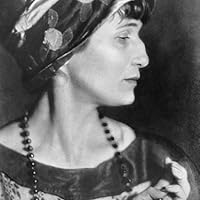
Marguerite Germaine Marie Donnadieu, (4 April 1914 -3 March 1996) known as Marguerite Duras, was a French novelist, playwright, screenwriter, essayist, and experimental filmmaker.
Her script for the film Hiroshima mon amour (1959) earned her a nomination for Best Original Screenplay at the Academy Awards.
زوجی که تصمیم به جدایی گرفتند و در لابی هتل با هم ملاقاتی دارند و در اون ملاقات به مرور گذشتشون میپردازند. در خلال این مرور غم،حسرت،سنگینی باری از گذشته، خشم از بین حرفهای رد و بدل شده به وضوح حس میشه.دیالوگهایی که سادهاند ولی در عین سادگی به دلیل واقعی بودن قابل پذیرش هستند.میشه درکشون کرد،میشه حسشون کرد. نویسنده چیزی رو بین این زوج تصنعی درست نکرده و حرفهایی که به همدیگه میزنند کاملا برآمده از موقعیتی هستند که دو طرف در حال گذرانش هستند. این ترکیب حسهای گوناگون در خلال گپ و گفت غمآلود این زوج خیلی خوب و منطقی بود. این نمایشنامه برشی از زندگی زوجی بود که به آخر خط رسیده بودند.ما میفهمیم در خلال صحبتها که چرا به این تصمیم رسیدند. من هم تصمیم این زوج به جدایی رو درک میکردم و هم این غم و خشمی که داشتند و البته من هم حسرت خوردم که چرا یک سری پرسشها و حرفها در زمان خودش زده نشد و چرا مراقبت هایی انجام نشد که سرانجام رابطه به اینجا نرسه.تمنا و دست و پا زدن مرد در آخر کار،مثل تلاش کسی بود که قصد داره به ریسمانی هر طور شده چنگ بزنه،غافل از اینکه اون ریسمان،سرابی بیش نیست ...اگر تجربه جدایی دارید، احتمالا این نمایشنامه میتونه شما رو اذیت کنه..
نمیتونم بدون پیشداوری و قاطی کردن احساسات شخصی درباره این نمایش حرف بزنم. اما چون تجربهای شبیه به این داشتم خیلی منو درگیر کرد و سوالاتش توی ذهنم شکل گرفت و درنهایت احساسیم کرد :))
برای همین دوستاش داشتم. فضاشو هم دوست داشتم. فضای لابی یک هتل قدیمی با نور کم و سکوت نیمهشب و حرفهای خورده شده و نگاههای حسرتبار.
زن : قبل از اینکه بشناسمت هیچی از شهوتی که آدم میتونه ناگهان برای یه مرد دیگه داشته باشه نمیدونستم ... (مکث) توی هر کدوم از اونها فکر میکردم چیزی از عشق ما گم شده بود و سعی میکردم با هرکدومشون ... اون حس گمشده رو دوباره پیدا کنم ...
___ این اثر درخشان نمود عینیِ دیدگاه کیرکهگور در امر ازدواج میباشد : « ازدواج کنی پشیمان میشوی ، ازدواج نکنی هم پشیمان میشوی ، خواه ازدواج کنی ، خواه ازدواج نکنی پشیمان خواهی شد » ___ اگر بخواهیم از منظر لَکان به این نمایشنامه نگاه کنیم ، داشتن رابطهی جنسی کاراکتر زن و مرد با دیگری ، برای تداعی و پیدا کردن قطعات گمشدهی عشق و احساسات خود ، این تفسیر درخشان لکان را بار دیگر گوشزد میکند : « رابطهی جنسی وجود ندارد » در امر جنسی ما با تماس جسم دیگر ، تمنای ارضای خود را داریم ؛ عمل معاشقه نه برای نزدیک شدن به دیگری ، که برای سفر به دوردستها ، به جایی دور از موقعیتی که در آن حضور دارم ، صورت میگیرد . از اینرو در چنین مهمی با دست یازیدن به یک دیگریِ غایب ، میخواهیم آن عشق و عواطفی را که با حضور دیگری (معشوق) تجربه کرده بودهایم ، بار دیگر بازیابیم . آنچه برای ما در اولویت قرار دارد و مهم است ، احوالاتِ دگرگون شدهٔ ما در اثر عشق یا امر جنسی است ؛ پس برای بازپسگیریِ چنین عواطفی ، حاضریم دست به هرکاری بزنیم ، حتی برقراری رابطه جنسی با نفر سومی که در دایرهٔ روابط عاشقانهٔ ما نمیگنجد ...
uzuun bir süreden sonra tam olarak neden kendisini sevdiğimi bana da hatırlatmış oldu duras. çok güzel. fazla tek bir kelime yok. ya da eksik. metnin içinde öyle bir yerde “Gel.” diyor ki üç harfle bile okurken derin nefesler aldırabiliyor. öyle güzel anlatıyorsun ki durascığım okuyucun da daha azıyla yetinmek istemiyor
The play consists of two personages, a man and a woman who are back from a divorce process in the hotel where they reside, which is the same hotel they lived in for the first some weeks of their life together.
In my copy of the book, the play was followed by the second part (La Musica II) written by the same author after twenty years.
The first part (as the first Act) is independent by itself and can be read alone, but the second one is based on the first one and should be read after the first it. The plays (acts) are both wonderful and very interesting. The way dialogs between two people brings out their doubts and ensures them forever, etc.
نویسنده درباره این کتاب میگوید: «دقیقاً بیست سال بین لاموزیکا و لاموزیکای دوم زمان گذشته است. برای این پردۀ دوم بیست سال شوق به دل داشتم. صدای شکستۀ پردۀ دوم بیست سال توی گوشم بود، صدای بی طنین شده از خستگیِ شب بیخوابی. نکتۀ آخر اینکه این دو همیشه در حال و هوای ایام دلباختگیِ جوانیاند؛ و هراسان. باری، گاهی آدم موفق میشود چیزی بنویسد!»
A very beautiful story of love, jealousy and tenderness
This is a complex story even if on the face of it is rather common and simple.
A divorced couple meets again and talks about furniture that needs to be moved, misunderstandings and regrets.
At first look, the main characters are so pleasant, decent and likeable. But why did they divorce if they are so nice and civil to each other?
How about the partners that they have had since they divorced? Are they fair to them?
It does not seem like it. He is not honest when talking to his new, young lover.
By the way, the male character is addressed as Lui and she is “Elle”.
He and She.
It looks rather odd, when we see them getting along so well, that they have separated. Once they start talking about the past, differences surface.
He was very keen on having a career, and She resented that. It was the job that triumphed over the relationship. There have been scenes and the extended family had a role to play.
Her family was not thrilled by her marriage and they felt that she could have done better.
He is played by the actor that is ever present in my notes – George Constantin.
He is responsible for my renewed interest in listening to a play a day in large part.
Whenever George Constantin plays a role, my interest in that respective play increases dramatically. And for very good reason- I will give an example-
Fabrice Luchini is one of the best actors of France and therefore the world. I saw him in a number of good roles recently, including Dans La Maison and Alceste à bicyclette.
As I watched the latter last night, I was making a comparison with George Constantin and thought that, although excellent, the French actor has less magic than George Constantin.
If we take La Musica, this where he shows yet another side of his all reaching talent- known and appreciated for major roles of power and strength, where the actor needs to show stamina and force, in this work of Marguerite Duras, George Constantin is tender, romantic, soft spoken and touching. He is sensitive and warm, soothing and friendly.
He has an excellent partner in the wonderful Gina Patrichi, who has a great voice and special presence.
He and She talk about their present partners- their age and how they have met.
The author is an intriguing person. Marguerite Duras was born and raised in South Vietnam, where she has endured hardship, poverty and the early death of her father.
She had an affair with a rich local businessman, portraied in L’Amant, which was adapted for the screen in an erotic and succesful film.
But much more acclaimed is Hiroshima Mon Amour, directed by Alain Resnais, for which Marguerite Duras has written the script.
La Musica is a great love story, where jealousy and relationship are talked in a very calm and unusual tone. As I have said before, I am still puzzled by the fact that the two “former „lovers are not together. They still seem to love each other.
But then, that may not be enough. John Gottman is an expert on marriages and author of the acclaimed Seven Principles To Make Marriage Work. He is so good, that he can tell with an accuracy rate of above 90% (was it 95?) which marriage would work and which would fail, after only five minutes of conversation between couples.
I wonder what he would make of the peaceful, friendly and even warm dialogue of La Musica. On the other hand, we only witness one late phase of the relationship, which might be influenced decisively by one well known truth: we want what we do not have
"Prima di incontrarti, non sapevo nulla della passione che si può provare all'improvviso per un nuovo uomo... averlo contro il proprio corpo. In ognuno di loro credevo ci fosse qualcosa del nostro stesso amore che era andato perduto e che avrei ritrovato così, in chiunque, semplicemente attraverso il calore della pelle la prima volta".
---
A trent'anni dalla morte dell'autrice esce questo dittico teatrale, "La Musica" e "La musica II". Lo stile di Duras è inconfondibile, essenzialità e intensità ben amalgamate. Pazzesco come la sua scrittura riesca a essere piena di pathos pur così ridotta all'essenziale. Sarà la scelta delle parole giuste... Non saprei. È da anni che mi chiedo in cosa consista, esattamente, la bellezza e la forza della scrittura di Marguerite Duras.
Nella hall di un albergo di provincia, Anne-Marie e Michel si rivedono dopo la sentenza che sancisce il loro divorzio. Sono passati tre anni. La loro storia è finita: si sono amati, hanno vissuto insieme, si sono sposati e poi hanno divorziato. Sembra un comunissimo amore, come quello di tutti gli altri, che segue tappe ben precise. Parlano, tacciano, si raccontano, si guardano, si rinfacciano qualche colpa, si confessano e poi se ne vanno. I loro dialoghi e i loro silenzi vengono interrotti dalle telefonate dei loro rispettivi nuovi amori, che scopriremo durante la lettura che sono solo nuovi, ma non amori. Tra i due la storia è terminata, ma in questa notte che sembra non finire mai, sembra che sia ancora tutto possibile e ancora tutto in gioco.
Che dire? Pur essendo due opere teatrali, questi testi hanno una forza narrativa che non ha nulla da invidiare a quella dei romanzi. Qui dentro c'è un amore solo in apparenza finito. C'è il rimpianto. C'è il tradimento. C'è il desiderio. C'è la lontananza.
Pasear sola, ir al cine y al hipódromo, y no decir nada... todo por un amor perdido. «Hay gente que llora toda la tarde por un amor gastado, yo en cambio voy a las carreras».
«La novedad barrió con la desesperación».
El 'quid pro quo' no opera en el amor. Una infidelidad puede matarte aunque tú mismo cometas mil. Entre los amores el pasado acecha como un fantasma, y sin embargo el presente nos vigila como una fiera: no podemos volver atrás porque saltaría sobre nosotros para desgarrarnos/ «debería insinuarse la impresión de que son perseguidos, de que no pueden volver atrás sin provocar, una vez más, el sufrimiento y la desesperación en todas partes». Suena un teléfono, incansable. Encontrarse con los antiguos amores por azar, y liberarse completamente si eso sucede, sin culpa alguna ni opresión de "lo buscado". / «-Si nos morimos... -Ni siquiera entonces».
Qué intriga la adaptación cinematográfica, especialmente su sonido. La edición que he leído está escrita en argentino, lo cual le da inevitablemente un toque cómico.
«- Y si algún día vos y yo de nuevo... - Ese día sin duda moriremos, como hacen los amantes».
Leído en Coyoacán, pensando mucho en esos amores "olvidados"
المسرحية تحكي قصة زوجين في مرحلة الانفصال بسبب خيانة كل منهما للآخر.. و هي قصيرة فالأحداث تدور في مشهد واحد يحكي الأسباب التي جعلت كل من الزوج و الزوجة يتجه للخيانة من خلال الحوار الأخير بين الزوجين بعد قرار الطلاق..
لم أتعاطف مع أي من الزوجين.. الزوج يبدو لي متغطرسا و متشبعا بالأفكار الذكورية الشوفونية فليس لديه بأس من أن يحب زوجته و لكن العلاقات مع نساء أخريات هى مجرد علاقة جسدية لا أكثر و ليست خيانة عاطفية.. المرأة تبدو كائنا ضعيفا مستسلما لقدرها.. تقع تحت سطوة الرجل المتسلط الديكتاتور.. أنها تعلم بخيانة زوجها و لكنها لا تتخذ أي رد فعل.. وفي النهاية بعد قرار الإنفصال يدرك كلاهما أنه لا يستطيع تنفيذه..
إنها نفس الأفكار المكررة في تقريبا كل الكتابات النسائية.. تيمة المرأة المقهورة تحت وطأة الرجل الظالم..
نویسنده درباره این کتاب میگوید: «دقیقاً بیست سال بین لاموزیکا و لاموزیکای دوم زمان گذشته است. برای این پردۀ دوم بیست سال شوق به دل داشتم. صدای شکستۀ پردۀ دوم بیست سال توی گوشم بود، صدای بی طنین شده از خستگیِ شب بیخوابی. نکتۀ آخر اینکه این دو همیشه در حال و هوای ایام دلباختگیِ جوانیاند؛ و هراسان. باری، گاهی آدم موفق میشود چیزی بنویسد!»
اجرای این نمایش رو سال ۱۳۹۵ در بوشهر به کارگردانی هادی ارشدپور دیدم. این اولین تئاتری بود که توی عمرم میرفتم و اشتیاقم به هنرهای نمایشی بیشتر و بیشتر شد.
اون موقع شنیدم که دو بازیگر این نمایش (هادی ارشدپور و مریم شهریاری) در زندگی واقعی هم زن و شوهر بودن و برای همین وزارت ارشاد گیری به برخورد بدن آن ها به هم در نمایش نداد (در نظر بگیرید که در سال ۱۳۹۵ آزادی ها خیلی محدودتر بود)