

What do you think?

Psychedelia and Other Colours
In Psychedelia and Other Colours , acclaimed author Rob Chapman explores in crystalline detail the history, precedents and cultural impact of LSD, from the earliest experiments in painting with light and immersive environments to the thriving avant-garde scene that existed in San Francisco even before the Grateful Dead and the Fillmore Auditorium. In the UK, he documents an entirely different history, and one that has never been told before. It has its roots in fairy tales and fairgrounds, the music hall and the dead of Flanders fields, in the Festival of Britain and that peculiarly British strand of surrealism that culminated in the Magical Mystery Tour.
Sitars and Sergeant Pepper, surfadelica and the Soft Machine, light shows and love-ins - the mind-expanding effects of acid were to redefine popular culture as we know it. Psychedelia and Other Colours documents these utopian reverberations ― and the dark side of their moon ― in a perfect portrait.
Sitars and Sergeant Pepper, surfadelica and the Soft Machine, light shows and love-ins - the mind-expanding effects of acid were to redefine popular culture as we know it. Psychedelia and Other Colours documents these utopian reverberations ― and the dark side of their moon ― in a perfect portrait.
656 pages, Paperback
First published September 1, 2015
Ratings & Reviews
Friends & Following
Create a free account to discover what your friends think of this book!
Community Reviews
Displaying 1 - 11 of 11 reviews

March 16, 2026
I've been reading this mighty beast on and off for three years, finally finished it.
My favourite part of this great comprehensive history of psychedelic music is the period 1965 to 1967, specifically in Britain. What happened was that all those frantic white mod R&B groups who had been trying to sound like Booker T & the MGs began suddenly to mutate into something….else. Of course this being Britain and not the West Coast, very few of the lads in these groups had encountered any actual LSD. But they had read about it, and that was good enough. A new direction meant a name change, so Mark Four became The Creation, the Tea Set became Pink Floyd, Gary Farr and the T-Bones became the Nice, and so on.
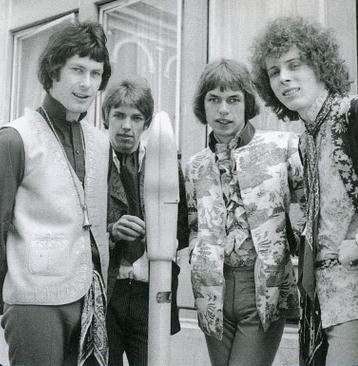
SCHOOLBOY POETRY
I love the gawky ineptness in the new type of lyrics they suddenly started writing. Here’s a few examples of how they changed.
The Pretty Things – from this
Oh Rosalyn, you're the girl for me
Yeah Rosalyn, you're the girl for me
When I'm holding you so tight
I don't wanna say goodnight
To this
Fly to the moon on the curve of a spoon
I turn upside down
Tumbling through leaves as I scatter the seeds
On an eiderdown
Love, love, love
The Moody Blues went from
I don't want to go on without you
It's so bad to be alone
Whoa, baby come home
To
Something, calls to me,
The trees are drawing me near, I've got to find out why
Those gentle voices I hear, explain it all with a sigh
Tough guys Eric Burdon and the Animals morphed from
Baby, let me take you home
I'll love you all my life
You can bet I'll treat you right
If you'll just let me take you home
To
Strobe lights beam creates dreams
Walls move, minds to do
On a warm San Francisco night
Cop's face is filled with hate
Heavens above he's on a street called love
When will they ever learn
The Spencer Davis Group leaped from
When you stand close to me
You make me kind of weak
And when you hold me tight
My poor heart skips a beat
To
Money is chocolate, locked in a silver cloud
Everybody knows but no one is around
There's no tomorrow, only today
When it rains, it rains lemonade
And the Yardbirds from
Good morning, little schoolgirl
Can I go home with you?
Tell your mother and your father
I once was a schoolboy too
To
Happenings ten years time ago
Situations we really know
But the knowing is in the mind
Sinking deep into the well of time
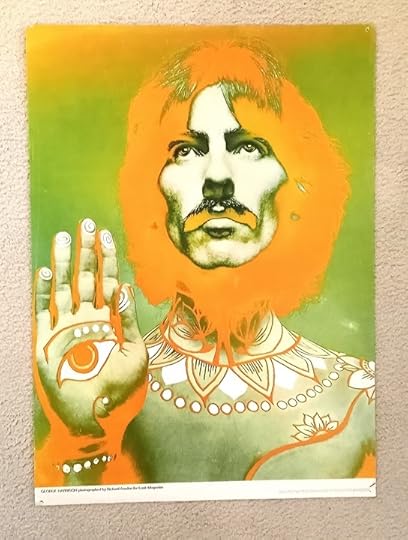
Led by the Beatles, who in 1966 told everybody to turn off their minds, relax and float downstream, in two short years all these groups decided they needed to stop pulling birds and necking lager and instead ponder the truly profound questions of life. Or maybe they could do both, you think ?
THE TOTAL OBSCURITIES
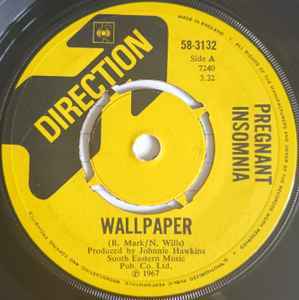
It would be so good if there was a band called that. But what did happen was that totally unknown bands sprouted up everywhere with really silly names possibly invented by hopeful label bosses :
Shy Limbs, Wild Silk, Gentle Influence, Paper Bubble, Tintern Abbey, The Crocheted Doughnut Ring, The Orange Machine, Tuesday’s Children, The Good Ship Lollipop, Wholly Cringemaking. No that last one is a comment not a band name. I believe. Did they rocket up the charts? Did they heck. Wellllll…. One of these bands with a ridiculous name did exactly that – Procol Harum. Whiter Shade of Pale. That was the blueprint. If they could do it, why not Pregnant Insomnia?
My favourite part of this great comprehensive history of psychedelic music is the period 1965 to 1967, specifically in Britain. What happened was that all those frantic white mod R&B groups who had been trying to sound like Booker T & the MGs began suddenly to mutate into something….else. Of course this being Britain and not the West Coast, very few of the lads in these groups had encountered any actual LSD. But they had read about it, and that was good enough. A new direction meant a name change, so Mark Four became The Creation, the Tea Set became Pink Floyd, Gary Farr and the T-Bones became the Nice, and so on.
SCHOOLBOY POETRY
I love the gawky ineptness in the new type of lyrics they suddenly started writing. Here’s a few examples of how they changed.
The Pretty Things – from this
Oh Rosalyn, you're the girl for me
Yeah Rosalyn, you're the girl for me
When I'm holding you so tight
I don't wanna say goodnight
To this
Fly to the moon on the curve of a spoon
I turn upside down
Tumbling through leaves as I scatter the seeds
On an eiderdown
Love, love, love
The Moody Blues went from
I don't want to go on without you
It's so bad to be alone
Whoa, baby come home
To
Something, calls to me,
The trees are drawing me near, I've got to find out why
Those gentle voices I hear, explain it all with a sigh
Tough guys Eric Burdon and the Animals morphed from
Baby, let me take you home
I'll love you all my life
You can bet I'll treat you right
If you'll just let me take you home
To
Strobe lights beam creates dreams
Walls move, minds to do
On a warm San Francisco night
Cop's face is filled with hate
Heavens above he's on a street called love
When will they ever learn
The Spencer Davis Group leaped from
When you stand close to me
You make me kind of weak
And when you hold me tight
My poor heart skips a beat
To
Money is chocolate, locked in a silver cloud
Everybody knows but no one is around
There's no tomorrow, only today
When it rains, it rains lemonade
And the Yardbirds from
Good morning, little schoolgirl
Can I go home with you?
Tell your mother and your father
I once was a schoolboy too
To
Happenings ten years time ago
Situations we really know
But the knowing is in the mind
Sinking deep into the well of time
Led by the Beatles, who in 1966 told everybody to turn off their minds, relax and float downstream, in two short years all these groups decided they needed to stop pulling birds and necking lager and instead ponder the truly profound questions of life. Or maybe they could do both, you think ?
THE TOTAL OBSCURITIES
It would be so good if there was a band called that. But what did happen was that totally unknown bands sprouted up everywhere with really silly names possibly invented by hopeful label bosses :
Shy Limbs, Wild Silk, Gentle Influence, Paper Bubble, Tintern Abbey, The Crocheted Doughnut Ring, The Orange Machine, Tuesday’s Children, The Good Ship Lollipop, Wholly Cringemaking. No that last one is a comment not a band name. I believe. Did they rocket up the charts? Did they heck. Wellllll…. One of these bands with a ridiculous name did exactly that – Procol Harum. Whiter Shade of Pale. That was the blueprint. If they could do it, why not Pregnant Insomnia?

February 25, 2020
What can I say about this book that’s new, that hasn’t been said before, reworded, re-hashed and re-done?
Nothing, to be honest. The accolades are already out there in Reviewland, and all that’s left for me to do is to endorse most enthusiastically every single one of those accolades, all the laurels and the five star reviews that already exist.
I’m not going into detail about what the book covers – you can get all that from a quick look at the contents pages. Suffice to say it’s a brief exploration of the socio-cultural impact of LSD widened by a significantly more in-depth look at its effect on the music scene, primarily in USA and UK, but elsewhere too.
What this book isn’t is a rehash of all the books that have gone before – its detailed knowledge, the ease in which Chapman provides us with the lesser-known facts and minutiae of the time, and the idiosyncratic and highly entertaining style makes this a significant contribution to our knowledge of psychedelia, its style, its music, its substance.
If you’re not into psychedelia, the book may lose a little of its appeal - but not to any great extent. As a retrospective of a time when huge changes were taking place in western society, it’s still a fascinating and informative read. Honestly, I can’t praise this book highly enough.
One word of warning though. Yes, it’s big, a weighty tome in all senses. But it shouldn’t take three months to read and put most of my other reading on hold, surely?
Well, yes, it should. Book in hand, You Tube and Google at the ready, I revisited all those names I’d long forgotten and made the acquaintance of many more that I’d never heard of. If you have any love of music you cannot go more than two or three pages without having to listen or re-listen to a band or a track… and that’s what takes up the time.
And the most enjoyable time it was too.
So now I should get back to some other reading, catch up a bit… but then, Rob Chapman’s written about Syd Barrett, so maybe not…
Thanks Rob, that was great, informative, entertaining and thought-provoking. Cheers!
Nothing, to be honest. The accolades are already out there in Reviewland, and all that’s left for me to do is to endorse most enthusiastically every single one of those accolades, all the laurels and the five star reviews that already exist.
I’m not going into detail about what the book covers – you can get all that from a quick look at the contents pages. Suffice to say it’s a brief exploration of the socio-cultural impact of LSD widened by a significantly more in-depth look at its effect on the music scene, primarily in USA and UK, but elsewhere too.
What this book isn’t is a rehash of all the books that have gone before – its detailed knowledge, the ease in which Chapman provides us with the lesser-known facts and minutiae of the time, and the idiosyncratic and highly entertaining style makes this a significant contribution to our knowledge of psychedelia, its style, its music, its substance.
If you’re not into psychedelia, the book may lose a little of its appeal - but not to any great extent. As a retrospective of a time when huge changes were taking place in western society, it’s still a fascinating and informative read. Honestly, I can’t praise this book highly enough.
One word of warning though. Yes, it’s big, a weighty tome in all senses. But it shouldn’t take three months to read and put most of my other reading on hold, surely?
Well, yes, it should. Book in hand, You Tube and Google at the ready, I revisited all those names I’d long forgotten and made the acquaintance of many more that I’d never heard of. If you have any love of music you cannot go more than two or three pages without having to listen or re-listen to a band or a track… and that’s what takes up the time.
And the most enjoyable time it was too.
So now I should get back to some other reading, catch up a bit… but then, Rob Chapman’s written about Syd Barrett, so maybe not…
Thanks Rob, that was great, informative, entertaining and thought-provoking. Cheers!
February 23, 2018
You Can’t Seem To Find How You Got There, So Just Blow Your Mind
One pill makes you larger. And one pill makes you small. And the ones that mother gives you don’t do anything at all. But which pill did all of those doing the turning on, tuning in and dropping out in reverb-equipped recording studios and dank basements with dry ice and flashing lights in mid-sixties San Francisco and Swinging London actually take? Or did they even take any at all? Well, it’s difficult to say.
The main problem with histories of psychedelia is that most observers tend to start with what happened and work backwards in the vaguest possible sense. Take a look at the average newspaper article about the far-out sounds of the mid-sixties, and you’ll probably find a reference to, say, “bands like The Byrds and Jefferson Airplane” spearheading the new pyramid-meets-the-eye lifestyle, which is all very well and good except for the fact that the two came from different cities, had different influences, different images and even different attitudes – to celebrity as well as to music – and probably didn’t even really hear about each other until they started having hits. Over in the UK, of course, The Beatles invented everything and everyone else just copied them; even then, anyone who wasn’t Pink Floyd or Traffic was apparently a cash-in outfit pushed onto the paisley-patterned bandwagon by cynical record company types who wanted a financial slice of this psychedelic action. Brian Wilson went mad but was still a genius unlike the other evil breadhead Beach Boys, Syd Barrett didn’t go mad but we pretend he did anyway because it’s easier to repeat sensationalist stories with no foundation in truth, Charles Manson broke his CIA programming and smashed a TV, David Bowie didn’t make a proper record until Space Oddity, and oh hang on where do The Move and Jimi Hendrix and Donovan fit into this erm hey look at those colours over there. They’ve got spirals in and everything.
There are exceptions to this, however, and one of the greatest exceptions came in the form of the sleevenotes to a compilation entitled Paisley Pop – Pye Psych And Other Colours 1966-69, which raided the archives of defunct sixties hit factory Pye Records for releases that had slipped through the cracks in the pop pavement, leaving a distinctly multicoloured trail as they went. Opening by noting the problem with The Troggs’ mind-expanding lyric “bamboo butterflies, twice their normal size, flying around in my mind” – namely that even at twice their normal size, butterflies, bamboo or otherwise, still wouldn’t actually be that large – compiler Rob Chapman poured gag-drenched disdain on the tendency of those writing about sixties pop music to take it all too seriously, and their baffling obsession with what retired musicians are doing now (“what are you going to do – startle him at the bus stop and make him drop his Argos catalogue?”). Pondering “in a world where everyone from Vince Hill to The Seekers to Des O’Connor embroidered their music with sitars and their album covers with dayglo, what price authenticity anyway?”, the sleevenotes rattle through the twenty two featured pop hopefuls getting a bit weird on their b-sides while nobody was looking with a combination of jokes, pop cultural context, and references to everything from Ivor The Engine to a schoolkid Rob being caught shoplifting one of the featured 7″s. “Some took little sugared pills that made them mystics for a day”, he concludes, “some just put on a paisley shirt and pretended, but everyone wanted big pop star hits and don’t you kid yourself that it was ever otherwise”. It was a refreshing piece of writing that to one young listener at least was every bit as significant as discovering I Wish I Was Five by Scrugg and Morning Way by Trader Horne courtesy of the accompanying CD.
Psychedelia And Other Colours is essentially that same attitude and approach applied to a serious academic study of how and why psychedelia happened on both sides of the Atlantic. The first half of the book addresses exactly what spurred those bands in entirely different cities into simultaneous psychoactive action, looking at every possible refractive colour-changing sphere of influence from superhero comics to a long-forgotten Son Et Lumiere craze to the folk and world music compilations put out by revered blues labels, with the sudden agricultural spread of a certain raggedy-leafed lawbreaker slotted around them rather than vice versa. What’s more, there’s some fascinating detail on Black America’s little-documented psychedelic experience, and convincing speculation on what might have happened if Brian Wilson had finished SMiLE and it had wowed critics and pop fans alike, leading to a much more upbeat and harmony-drenched late sixties as 5th Dimension, Spanky And Our Gang and Strawberry Alarm Clock took the critical and commercial place of twenty million hour guitar solo rock bores. Instead, of course, hapless hippies ended up being preyed on by those who sought to financially exploit them and worse – I’d never heard of the Linda Fitzpatrick case before reading this book, and in some ways wish that I still hadn’t – while the rock stars who had led them to this not-so-promised land abandoned them in search of a new nirvana apparently located in a rocking chair on a porch somewhere in the Old West; a musical movement that Rob hilariously and pointedly dubs ‘Whiteface’.
Over in Great Britain, the second half of the book looks at how the future members of ‘The’ Pink Floyd, The Small Faces and The Moody Blues had their imagination fired by the kaleidoscopic blend of Victoriana and advertising boards in the amazing-sounding Festival Of Britain – where Croydon’s own Barbara Jones invented the style and name of Pop Art despite what certain men who came along later would have had everyone believe – through Listen With Mother and Watch With Mother, strips in the Eagle, Light Programme detective and sci-fi serials, the Doctor Who theme and the under-appreciated ‘sound pictures’ conjured up in single takes by the likes of The Shadows, Joe Meek and Russ Conway, with wilder and weirder sounds sneaking in over the three-mile limit courtesy of Pirate Radio, before the arrival of BBC2 lit the fuse with its daily late-night line-up of irreverent comedy, modern art, modern jazz, European cinema and Bob Dylan. Meanwhile, in the background, powerful hallucinogens are generally ignored by all and sundry, apart from proving a cause of academic concern to the exact same tweedy blokes on wordy science and current affairs programmes that would later welcome such bands onto their highbrow late-night BBC2 musings.
Less My Little Red Book than My Massive Multicoloured Pocket Library, Psychedelia And Other Colours is a laudable attempt to tell the reality rather than the hedonistic ‘visionary’ myth behind the reasons why so many on one side of the Atlantic wound up babbling about ‘free love’ and philosophies they probably couldn’t even spell properly, and those on the other spent their entire time trying on military jackets in top hats and singing about Auntie Mildred’s Button Shop. What emerges is a colourful portrait of a black and white world – and one that clearly wasn’t as ‘grey’ as it is routinely made out to be – and given that where possible Rob has gone back to primary sources stretching all the way from ‘alternative lifestyle’ pamphlets circulated illicitly in post-JFK America to BBC film crews asking perturbed early sixties shoppers if they’ve ever heard of powerful hallucinogens – not to mention John Lennon sending Ringo Starr a note saying “we all agree with you” – chances are that you’ll find yourself doing a lot more reading, viewing and indeed listening after reading this superlative work. It’s basically the book I’ve wanted to read ever since, well, Paisley Pop. Which reminds me, I’ve not heard Dreamtime by The Rainbow People for ages…
One pill makes you larger. And one pill makes you small. And the ones that mother gives you don’t do anything at all. But which pill did all of those doing the turning on, tuning in and dropping out in reverb-equipped recording studios and dank basements with dry ice and flashing lights in mid-sixties San Francisco and Swinging London actually take? Or did they even take any at all? Well, it’s difficult to say.
The main problem with histories of psychedelia is that most observers tend to start with what happened and work backwards in the vaguest possible sense. Take a look at the average newspaper article about the far-out sounds of the mid-sixties, and you’ll probably find a reference to, say, “bands like The Byrds and Jefferson Airplane” spearheading the new pyramid-meets-the-eye lifestyle, which is all very well and good except for the fact that the two came from different cities, had different influences, different images and even different attitudes – to celebrity as well as to music – and probably didn’t even really hear about each other until they started having hits. Over in the UK, of course, The Beatles invented everything and everyone else just copied them; even then, anyone who wasn’t Pink Floyd or Traffic was apparently a cash-in outfit pushed onto the paisley-patterned bandwagon by cynical record company types who wanted a financial slice of this psychedelic action. Brian Wilson went mad but was still a genius unlike the other evil breadhead Beach Boys, Syd Barrett didn’t go mad but we pretend he did anyway because it’s easier to repeat sensationalist stories with no foundation in truth, Charles Manson broke his CIA programming and smashed a TV, David Bowie didn’t make a proper record until Space Oddity, and oh hang on where do The Move and Jimi Hendrix and Donovan fit into this erm hey look at those colours over there. They’ve got spirals in and everything.
There are exceptions to this, however, and one of the greatest exceptions came in the form of the sleevenotes to a compilation entitled Paisley Pop – Pye Psych And Other Colours 1966-69, which raided the archives of defunct sixties hit factory Pye Records for releases that had slipped through the cracks in the pop pavement, leaving a distinctly multicoloured trail as they went. Opening by noting the problem with The Troggs’ mind-expanding lyric “bamboo butterflies, twice their normal size, flying around in my mind” – namely that even at twice their normal size, butterflies, bamboo or otherwise, still wouldn’t actually be that large – compiler Rob Chapman poured gag-drenched disdain on the tendency of those writing about sixties pop music to take it all too seriously, and their baffling obsession with what retired musicians are doing now (“what are you going to do – startle him at the bus stop and make him drop his Argos catalogue?”). Pondering “in a world where everyone from Vince Hill to The Seekers to Des O’Connor embroidered their music with sitars and their album covers with dayglo, what price authenticity anyway?”, the sleevenotes rattle through the twenty two featured pop hopefuls getting a bit weird on their b-sides while nobody was looking with a combination of jokes, pop cultural context, and references to everything from Ivor The Engine to a schoolkid Rob being caught shoplifting one of the featured 7″s. “Some took little sugared pills that made them mystics for a day”, he concludes, “some just put on a paisley shirt and pretended, but everyone wanted big pop star hits and don’t you kid yourself that it was ever otherwise”. It was a refreshing piece of writing that to one young listener at least was every bit as significant as discovering I Wish I Was Five by Scrugg and Morning Way by Trader Horne courtesy of the accompanying CD.
Psychedelia And Other Colours is essentially that same attitude and approach applied to a serious academic study of how and why psychedelia happened on both sides of the Atlantic. The first half of the book addresses exactly what spurred those bands in entirely different cities into simultaneous psychoactive action, looking at every possible refractive colour-changing sphere of influence from superhero comics to a long-forgotten Son Et Lumiere craze to the folk and world music compilations put out by revered blues labels, with the sudden agricultural spread of a certain raggedy-leafed lawbreaker slotted around them rather than vice versa. What’s more, there’s some fascinating detail on Black America’s little-documented psychedelic experience, and convincing speculation on what might have happened if Brian Wilson had finished SMiLE and it had wowed critics and pop fans alike, leading to a much more upbeat and harmony-drenched late sixties as 5th Dimension, Spanky And Our Gang and Strawberry Alarm Clock took the critical and commercial place of twenty million hour guitar solo rock bores. Instead, of course, hapless hippies ended up being preyed on by those who sought to financially exploit them and worse – I’d never heard of the Linda Fitzpatrick case before reading this book, and in some ways wish that I still hadn’t – while the rock stars who had led them to this not-so-promised land abandoned them in search of a new nirvana apparently located in a rocking chair on a porch somewhere in the Old West; a musical movement that Rob hilariously and pointedly dubs ‘Whiteface’.
Over in Great Britain, the second half of the book looks at how the future members of ‘The’ Pink Floyd, The Small Faces and The Moody Blues had their imagination fired by the kaleidoscopic blend of Victoriana and advertising boards in the amazing-sounding Festival Of Britain – where Croydon’s own Barbara Jones invented the style and name of Pop Art despite what certain men who came along later would have had everyone believe – through Listen With Mother and Watch With Mother, strips in the Eagle, Light Programme detective and sci-fi serials, the Doctor Who theme and the under-appreciated ‘sound pictures’ conjured up in single takes by the likes of The Shadows, Joe Meek and Russ Conway, with wilder and weirder sounds sneaking in over the three-mile limit courtesy of Pirate Radio, before the arrival of BBC2 lit the fuse with its daily late-night line-up of irreverent comedy, modern art, modern jazz, European cinema and Bob Dylan. Meanwhile, in the background, powerful hallucinogens are generally ignored by all and sundry, apart from proving a cause of academic concern to the exact same tweedy blokes on wordy science and current affairs programmes that would later welcome such bands onto their highbrow late-night BBC2 musings.
Less My Little Red Book than My Massive Multicoloured Pocket Library, Psychedelia And Other Colours is a laudable attempt to tell the reality rather than the hedonistic ‘visionary’ myth behind the reasons why so many on one side of the Atlantic wound up babbling about ‘free love’ and philosophies they probably couldn’t even spell properly, and those on the other spent their entire time trying on military jackets in top hats and singing about Auntie Mildred’s Button Shop. What emerges is a colourful portrait of a black and white world – and one that clearly wasn’t as ‘grey’ as it is routinely made out to be – and given that where possible Rob has gone back to primary sources stretching all the way from ‘alternative lifestyle’ pamphlets circulated illicitly in post-JFK America to BBC film crews asking perturbed early sixties shoppers if they’ve ever heard of powerful hallucinogens – not to mention John Lennon sending Ringo Starr a note saying “we all agree with you” – chances are that you’ll find yourself doing a lot more reading, viewing and indeed listening after reading this superlative work. It’s basically the book I’ve wanted to read ever since, well, Paisley Pop. Which reminds me, I’ve not heard Dreamtime by The Rainbow People for ages…

January 22, 2020
Awesome, exhilarating read. Loved Chapman's take on the varieties of US/UK psychedelia, and appreciated that he didn't dismiss the slide into kitschedelia by the end of the 1960s. Was so glad taht we were on the same page of appreciation of the Moody Blues and the Monkees' "Head" film! Learned a lot, got turned on to some great new albums and bands, and loved his take on psychedelia's relationship to traditions of culture and art. Great, great book!

February 5, 2018
From the appearance of the cover, one might think that this is going to be a fab book with all kinds of wonderfully groovy colourful photos of bands performing with a backdrop of psychedelic lights projected behind them. Well, you know the old expression about a book and its cover. In fact, there is not one single photo contained in the over 600 pages of this tome.
What you do get in this book is a hefty amount of information relating to the progress of the drug culture and its impact on the music scene in the latter half of the 1960s. It’s a book that fits in right between two other recent volumes – 1966: The Year the Decade Exploded by Jon Savage and Never a Dull Moment: 1971 – The Year That Rock Exploded by David Hepworth.
No mention of things exploding in the sub-title of this book but, the text inside certainly does relate a lot of heads exploding as psychedelic drugs (more specifically LSD) began to make inroads into the counterculture movement of the sixties.
Jon Savage’s book goes into great detail about the social and cultural times leading up to the year 1966. There’s a bit of a sense of deja vu when reading Chapman’s book but, that is what I was expecting. So, not much of a disappointment there.
After a general introduction, Chapman divides his time towards firstly concentrating on the scene in the USA and then on the UK. This shows both the parallels and differences in the way in which psychedelia took shape in the midst of both (counter)cultural situations.
While you’ll see familiar names from this era appear – such as Timothy Leary – there are also many more people discussed who may not have been as vibrant on the radar (at the time or since).
Throughout the book, Chapman does an enviable job of connecting the dots which relate to musical events in both the live performance realm and the release of specific recordings. Of course, a fair amount of time is spent on such artists as The Beatles and their turning (on) into the direction of pot and LSD and Pink Floyd’s areas of cerebral and sonic explorations.
But, as you’d expect in such and exhaustive cultural and musical survey, it’s the efforts of the countless minor figures that accounts for a great deal of the story. Some of the here today, gone tomorrow artists mentioned include The Drivin’ Stupid, Fe-Fi-Four Plus Two, The Factory, Jason Crest, Tintern Abbey etc… Of course, there are a lot of the more familiar bands like, Love, Moby Grape, The Incredible String Band, Jefferson Airplane, Grateful Dead and other usual suspects.
To conclude the volume, the final section – Afterglow (Which Dreamed It?) – attempts to tie up some loose ends and reflects on the aftereffects.
For anyone with a keen interest in this era and specifically psychedelic music, this book stands as a well-researched and extremely detailed survey. It sent me scrambling to my music collection to find out if I had recordings of many of the songs mentioned on my various psych LP and CD collections. That’s usually the sign of a good book for me.
(This review appears on my blog with the addition of a couple of links to interesting videos associated with the era.)
http://www.chrismeloche.com/?p=466
What you do get in this book is a hefty amount of information relating to the progress of the drug culture and its impact on the music scene in the latter half of the 1960s. It’s a book that fits in right between two other recent volumes – 1966: The Year the Decade Exploded by Jon Savage and Never a Dull Moment: 1971 – The Year That Rock Exploded by David Hepworth.
No mention of things exploding in the sub-title of this book but, the text inside certainly does relate a lot of heads exploding as psychedelic drugs (more specifically LSD) began to make inroads into the counterculture movement of the sixties.
Jon Savage’s book goes into great detail about the social and cultural times leading up to the year 1966. There’s a bit of a sense of deja vu when reading Chapman’s book but, that is what I was expecting. So, not much of a disappointment there.
After a general introduction, Chapman divides his time towards firstly concentrating on the scene in the USA and then on the UK. This shows both the parallels and differences in the way in which psychedelia took shape in the midst of both (counter)cultural situations.
While you’ll see familiar names from this era appear – such as Timothy Leary – there are also many more people discussed who may not have been as vibrant on the radar (at the time or since).
Throughout the book, Chapman does an enviable job of connecting the dots which relate to musical events in both the live performance realm and the release of specific recordings. Of course, a fair amount of time is spent on such artists as The Beatles and their turning (on) into the direction of pot and LSD and Pink Floyd’s areas of cerebral and sonic explorations.
But, as you’d expect in such and exhaustive cultural and musical survey, it’s the efforts of the countless minor figures that accounts for a great deal of the story. Some of the here today, gone tomorrow artists mentioned include The Drivin’ Stupid, Fe-Fi-Four Plus Two, The Factory, Jason Crest, Tintern Abbey etc… Of course, there are a lot of the more familiar bands like, Love, Moby Grape, The Incredible String Band, Jefferson Airplane, Grateful Dead and other usual suspects.
To conclude the volume, the final section – Afterglow (Which Dreamed It?) – attempts to tie up some loose ends and reflects on the aftereffects.
For anyone with a keen interest in this era and specifically psychedelic music, this book stands as a well-researched and extremely detailed survey. It sent me scrambling to my music collection to find out if I had recordings of many of the songs mentioned on my various psych LP and CD collections. That’s usually the sign of a good book for me.
(This review appears on my blog with the addition of a couple of links to interesting videos associated with the era.)
http://www.chrismeloche.com/?p=466

September 3, 2018
There will never be another book unless someone invents time travel. Rob Chapman has pretty much turned over every stone and followed every rainbow to uncover the TOTAL history of the sounds of the '60s. I could bore for Team GB on this subject as I've been a psych obssessive since I was five so I was most impressed to not just reading along with the text but actualy learning from it. OK, learning things most people would run a mile from but which are part of my culture. If you prefer the Top 100 Greatest version of musical history then this book is not for you. If you want to know how the '60s began in 1949 and a hit single for Nat King Cole then it is.

May 18, 2019
Terrific survey of psychedelic music from surf to the end of the century

September 4, 2023
Fantastically thought-provoking.
December 16, 2024
Absolutely brilliant evocation of an era. If you have any interest in the lysergic you need this book. Loved every anecdote, enough music pointers to keep you listening for months

February 18, 2016
Oh boy. Exhaustive and exhausting. An objectively excellent summary of the US and UK psychedelic scenes that is very good at describing the influences and highlights of the phenomenon but doesn't have the verve to completely communicate the essence of the time. That might be a romantic expectation too far from me though.
Dock half a star if you're not bothered by psyche rock - add half if you dig it.
Dock half a star if you're not bothered by psyche rock - add half if you dig it.

December 16, 2015
Well-researched and fascinating, Rob Chapman's book has kept me entertained for a good long time. I highly recommend this book to anyone interested in the history of popular culture.
Displaying 1 - 11 of 11 reviews