

What do you think?

स्वामी
The Maratha (non Muslim) empire established in Maharashtra by Chhatrapati Shivaji Maharaj (d. 1680) against all odds later passed into the hands of the Peshwas (prime minister) who became the supreme lords. The Maratha Empire which stretched across a sizeable portion of Western, Central and Northern India suffered a severe setback when the Marathas lost the (Third) Battle of Panipat in 1761. It was an immense loss of men, money, and material. The then Peshwa Nanasaheb could not bear the brunt of the casualties which included his eldest son and younger brother, and soon passed away.
For the sixteen year old Madhavrao who succeeded Nanasaheb, it was not a piece of cake. The coffers were empty, the royal court was fraught with internal dissensions. Madhavrao could not go along with his uncle, Raghunathrao, who wanted to be the Peshwa, and went to any extent including looting his own subjects. The Nizam, Hyder, and the British had set their eyes on the Maratha empire.
Swami is based on the life and character of Madhavrao who resurrected the Maratha empire. He revived the lost glory and pride. The extent of the empire was now wider than before. He contained the enemy. Swami sketches the personal life of the Peshwa and specially poignant are the parts covering the discomfort he feels when Raghunathrao is a thorn in his flesh, and his untimely death. The novel throws light on the political, social and cultural history of the mid Peshwa era. The portrayal of the bond between Madhavrao and his wife, Ramabai, is a special feature.
Ranjit Desai (1928-1992) tackled the genre of novels with such ease that his collection includes all types of novels: historical, social, mythological, and biographical. He was also a playwright and has to his credit short stories.
For the sixteen year old Madhavrao who succeeded Nanasaheb, it was not a piece of cake. The coffers were empty, the royal court was fraught with internal dissensions. Madhavrao could not go along with his uncle, Raghunathrao, who wanted to be the Peshwa, and went to any extent including looting his own subjects. The Nizam, Hyder, and the British had set their eyes on the Maratha empire.
Swami is based on the life and character of Madhavrao who resurrected the Maratha empire. He revived the lost glory and pride. The extent of the empire was now wider than before. He contained the enemy. Swami sketches the personal life of the Peshwa and specially poignant are the parts covering the discomfort he feels when Raghunathrao is a thorn in his flesh, and his untimely death. The novel throws light on the political, social and cultural history of the mid Peshwa era. The portrayal of the bond between Madhavrao and his wife, Ramabai, is a special feature.
Ranjit Desai (1928-1992) tackled the genre of novels with such ease that his collection includes all types of novels: historical, social, mythological, and biographical. He was also a playwright and has to his credit short stories.
429 pages, Kindle Edition
First published January 1, 1962
Ratings & Reviews
Friends & Following
Create a free account to discover what your friends think of this book!
Community Reviews
Displaying 1 - 30 of 128 reviews

April 9, 2020
Historical fiction biography on Madhavarao Peshwa. Thoroughly enjoyed reading it. Originally it was written in Marathi. Later it got translated in Hindi, Odiya and English.
What i admired about Ranjit Desai is that he combined deep research with fiction. This book is on Madhavarao Peshwa. In this book writer deftly explores the nuances of the relationship between the Peshwa and his wife Ramabai. The characters in his historical novel come alive against backdrop of the ruling forces and individual ambition. The novel is as much a retelling of history as it is a story of a young man building Maratha empire after a huge loss in Panipat war.
I am a huge fan of Ranjit Desai, I have read Shreeman Yogi(book on Shivaji Maharaj) and Raja Ravi Verma. Both were an amazing books. Those two books are also available in Marathi, Hindi and English. Now i am waiting for Uday S. Kulkarni to write non fiction book on Madhavarao Peshwa which will be release in mid of 2022.
What i admired about Ranjit Desai is that he combined deep research with fiction. This book is on Madhavarao Peshwa. In this book writer deftly explores the nuances of the relationship between the Peshwa and his wife Ramabai. The characters in his historical novel come alive against backdrop of the ruling forces and individual ambition. The novel is as much a retelling of history as it is a story of a young man building Maratha empire after a huge loss in Panipat war.
I am a huge fan of Ranjit Desai, I have read Shreeman Yogi(book on Shivaji Maharaj) and Raja Ravi Verma. Both were an amazing books. Those two books are also available in Marathi, Hindi and English. Now i am waiting for Uday S. Kulkarni to write non fiction book on Madhavarao Peshwa which will be release in mid of 2022.

February 21, 2013
http://avadhutrecommends.wordpress.com/
Summary –
“And the plains of Panipat were not more fatal to the Maratha Empire than the early end of this excellent prince..” These famous lines by British historian Grant Duff aptly summarise the reign of Madhavrao I. “Swami” – Ranjit Desai’s celebrated novel on the life of this excellent prince is a perfect blend of history and literature.
Review –
I think Madhavrao I is one of the most remarkable yet relatively unknown figure in Indian history. He became Peshwa (Prime Minister) of Maratha Empire when he was hardly 16. He inherited an empire devastated by Panipat, whose carefully crafted edifice over 40 years in the North India had crumbled. Its enemies in South, Nizam and Hyder Ali were strong and sensing Maratha rule in shambles, quick to compound their gains. But during his 11 years of reign Marathas once again attained their former glory. Madhavrao constantly wedged battles against Nizam and Hyder forcing them to accept Maratha supremacy. In the meanwhile Maratha generals in the north extracted their revenge by defeating Rohillas who were chief architect of Panipat. They also imposed heavy penalties on Jats and Rajputs and helped Shah Alam to the throne at Delhi.
Madhavrao was a fair and strict ruler sparing not even his family members for their wrong deeds. He was a good general and an even better administrator with an eye for minute details. He was an astute judge of human character and brought forth many young generals who led the Marathas to their valour. At a time when most kings and generals in India were self centred, he was foresighted enough to appreciate the spreading tentacles of East India Company and rebuke the British.
Like Shivaji and Bajirao, Madhavrao also had to fight his own clan. His internal fighting with his uncle Raghunathrao and continuous efforts to tie Maratha generals to his common cause extracted their toll on this young prince who succumbed to tuberculosis at the young age of 27.
Ranjit Desai has done a great job at setting the entire political and family turmoil of the times. Swami scores due to its ability to portray not only the political mechanisations of various players but also by creating characters that are highly believable, showcasing their nature, ambitions and the historical contexts in which they operate and are forced to operate. The endearingly loving relationship between Madhavrao and his wife Ramabai is touching and is sure to bring silent tears in your eyes.
Swami won many awards including Sahitya Akademi Award and catapulted Ranjit Desai in the higher echelons Marathi authors.
Summary –
“And the plains of Panipat were not more fatal to the Maratha Empire than the early end of this excellent prince..” These famous lines by British historian Grant Duff aptly summarise the reign of Madhavrao I. “Swami” – Ranjit Desai’s celebrated novel on the life of this excellent prince is a perfect blend of history and literature.
Review –
I think Madhavrao I is one of the most remarkable yet relatively unknown figure in Indian history. He became Peshwa (Prime Minister) of Maratha Empire when he was hardly 16. He inherited an empire devastated by Panipat, whose carefully crafted edifice over 40 years in the North India had crumbled. Its enemies in South, Nizam and Hyder Ali were strong and sensing Maratha rule in shambles, quick to compound their gains. But during his 11 years of reign Marathas once again attained their former glory. Madhavrao constantly wedged battles against Nizam and Hyder forcing them to accept Maratha supremacy. In the meanwhile Maratha generals in the north extracted their revenge by defeating Rohillas who were chief architect of Panipat. They also imposed heavy penalties on Jats and Rajputs and helped Shah Alam to the throne at Delhi.
Madhavrao was a fair and strict ruler sparing not even his family members for their wrong deeds. He was a good general and an even better administrator with an eye for minute details. He was an astute judge of human character and brought forth many young generals who led the Marathas to their valour. At a time when most kings and generals in India were self centred, he was foresighted enough to appreciate the spreading tentacles of East India Company and rebuke the British.
Like Shivaji and Bajirao, Madhavrao also had to fight his own clan. His internal fighting with his uncle Raghunathrao and continuous efforts to tie Maratha generals to his common cause extracted their toll on this young prince who succumbed to tuberculosis at the young age of 27.
Ranjit Desai has done a great job at setting the entire political and family turmoil of the times. Swami scores due to its ability to portray not only the political mechanisations of various players but also by creating characters that are highly believable, showcasing their nature, ambitions and the historical contexts in which they operate and are forced to operate. The endearingly loving relationship between Madhavrao and his wife Ramabai is touching and is sure to bring silent tears in your eyes.
Swami won many awards including Sahitya Akademi Award and catapulted Ranjit Desai in the higher echelons Marathi authors.

September 13, 2016
"स्वामी" ही थोरल्या माधवराव पेशव्यांची जीवनगाथा. लेखक रणजित देसाई यांची पहिलीच ऐतिहासिक कादंबरी. यानंतर त्यांनी "राधेय" (कर्ण), "श्रीमान योगी" (शिवाजी महाराज) यांसारख्या उत्तमोत्तम कादंबया लिहिल्या, पण जनमानसात त्यांची ओळख निर्माण झाली ते "स्वामी"कार म्हणूनच!
विलक्षण घटना-प्रसंग, विपुल व ताकदवान संवाद, अचूक शब्दयोजना, हा या कादंबरीचा आत्मा आहे. या दृष्टीने "स्वामी" ने ऐतिहासिक कादंबयात नवा प्रवाह निर्माण केला असे म्हटल्यास ते वावगे ठरणार नाही.
रमाबाई व माधवराव यांच्यामधील भावपूर्ण प्रसंगांनी तर मराठी वाचकाला अक्षरश: वेड लावलेय. शृंगार हा संयमितपणे चित्रीत करूनही तो कसा मनोवेधक ठरू शकतो हे देसाईंनी दाखवून दिले. "स्वामी" मूळे रमा-माधव ही जोडी अजरामर, आदर्श जोडप्यांच्या यादीत कायमची विराजमान झाली आहे.
माधवरावांचा करारीपणा, त्यांची कर्तव्यनिष्ठा, दूरदृष्टी, गणेशभक्ती; रमाबाईंचा भावूक स्वभाव व पतिवरील निर्लेप प्रेम; राघोबादादांचा सत्तेवरील मोह, त्यासाठी प्रसंगी स्वजनांचा घात करण्याची त्यांची वृत्ती, मराठी राजकारणातील डावपेच, उतार-चढाव यांचे एक अनोखे दर्शन या कादंबरीत आपल्याला होते. रमा-माधवरावांबरोबरच नाना फडणीस, राघोबादादा, रामशास्त्री, सखारामबापू, हैदर-अल्ली, निजाम आदी व्यक्तिविशेषांचे जीवनपट उलगडले जातात.
ऐतिहासिक कादंबयांच्या प्रत्येक संग्रहात "स्वामी"ची उपस्थिती अत्त्यावश्यक आहे!
विलक्षण घटना-प्रसंग, विपुल व ताकदवान संवाद, अचूक शब्दयोजना, हा या कादंबरीचा आत्मा आहे. या दृष्टीने "स्वामी" ने ऐतिहासिक कादंबयात नवा प्रवाह निर्माण केला असे म्हटल्यास ते वावगे ठरणार नाही.
रमाबाई व माधवराव यांच्यामधील भावपूर्ण प्रसंगांनी तर मराठी वाचकाला अक्षरश: वेड लावलेय. शृंगार हा संयमितपणे चित्रीत करूनही तो कसा मनोवेधक ठरू शकतो हे देसाईंनी दाखवून दिले. "स्वामी" मूळे रमा-माधव ही जोडी अजरामर, आदर्श जोडप्यांच्या यादीत कायमची विराजमान झाली आहे.
माधवरावांचा करारीपणा, त्यांची कर्तव्यनिष्ठा, दूरदृष्टी, गणेशभक्ती; रमाबाईंचा भावूक स्वभाव व पतिवरील निर्लेप प्रेम; राघोबादादांचा सत्तेवरील मोह, त्यासाठी प्रसंगी स्वजनांचा घात करण्याची त्यांची वृत्ती, मराठी राजकारणातील डावपेच, उतार-चढाव यांचे एक अनोखे दर्शन या कादंबरीत आपल्याला होते. रमा-माधवरावांबरोबरच नाना फडणीस, राघोबादादा, रामशास्त्री, सखारामबापू, हैदर-अल्ली, निजाम आदी व्यक्तिविशेषांचे जीवनपट उलगडले जातात.
ऐतिहासिक कादंबयांच्या प्रत्येक संग्रहात "स्वामी"ची उपस्थिती अत्त्यावश्यक आहे!

August 21, 2013
स्वामी .. रणजित देसाई ह्यांची लोकमान्यता पावलेली ऐतेहासिक कादंबरी..
एकदा वाचनाला सुरुवात केल्यावर खाली ठेऊ न वाटणारी.. सलग दोन दिवस ह्या कादंबरीत गुंग होऊन ती संपवली.
पेशवे .. हे नाव ऐकल्यावर अपल्याला फक्त श्रीमंत बाजीराव पेशवे व्यतिरिक्त अन्य कोणी पेशवे माहितीच नाहीत . अश्याच एका इतिहासाला विसर पडलेल्या योध्याची कथा. पानिपत च्या लढाई नंतर अवघे १६ वर्षाचे असताना पेशवाई ची जबाबदारी अंगी येऊन पडलेल्या माधवराव पेशव्यानी स्वतःचा गृहकलह सोडवत मराठी दौलतीची जी जपवणूक केलीये ती विस्मयकारक वाटते. आपल्या अल्प आयुष्यात त्यांनी मराठी सत्तेचा दरारा पुन्हा एकदा बसवला. अश्या माधवराव पेशव्याची राजकीय, वैयक्तिक जीवन खूप जवळण पाहायला मिळत ते ह्या कादंबरीतून..
ऐतिहासिक कादंबरी एवढ्या सोप्या पण प्रभावी शब्दांत मांडणे ही कला रणजित देसाई कडेच आहे. प्रत्येक पात्र मग ते रमाबाई असो किंवा राघोबादादा किंवा गोपिकाबाई, खूप सुंदर रेखाटलंय. आयुष्याच्या शेवटी रमा-माधव ह्यांची संभाषणे तर जीवाला चटका लावून जातात.. सती जाण्या इतपत रमाचा प्रेम, तिला तिच्या आयुष्यात काही देऊ न शकल्याची माधवरावांची खंत, जीवघेण्या आजरातूनही कर्नाटकच्या मोहिमेवर जाण्याची जिद्द, आणि शेवट पर्यंत मराठी दौलतीचा सांभाळ करण्याबद्दल विचार..
संभाजी राजा नंतर गृहकलाहला बळी पडलेला दुसरा मराठी योद्धा.. जाहले बहु होतील बहु परंतु या सम हाच खरा.
प्रत्येकानी वाचावी अशी मराठी साहित्यिक परंपरा..
एकदा वाचनाला सुरुवात केल्यावर खाली ठेऊ न वाटणारी.. सलग दोन दिवस ह्या कादंबरीत गुंग होऊन ती संपवली.
पेशवे .. हे नाव ऐकल्यावर अपल्याला फक्त श्रीमंत बाजीराव पेशवे व्यतिरिक्त अन्य कोणी पेशवे माहितीच नाहीत . अश्याच एका इतिहासाला विसर पडलेल्या योध्याची कथा. पानिपत च्या लढाई नंतर अवघे १६ वर्षाचे असताना पेशवाई ची जबाबदारी अंगी येऊन पडलेल्या माधवराव पेशव्यानी स्वतःचा गृहकलह सोडवत मराठी दौलतीची जी जपवणूक केलीये ती विस्मयकारक वाटते. आपल्या अल्प आयुष्यात त्यांनी मराठी सत्तेचा दरारा पुन्हा एकदा बसवला. अश्या माधवराव पेशव्याची राजकीय, वैयक्तिक जीवन खूप जवळण पाहायला मिळत ते ह्या कादंबरीतून..
ऐतिहासिक कादंबरी एवढ्या सोप्या पण प्रभावी शब्दांत मांडणे ही कला रणजित देसाई कडेच आहे. प्रत्येक पात्र मग ते रमाबाई असो किंवा राघोबादादा किंवा गोपिकाबाई, खूप सुंदर रेखाटलंय. आयुष्याच्या शेवटी रमा-माधव ह्यांची संभाषणे तर जीवाला चटका लावून जातात.. सती जाण्या इतपत रमाचा प्रेम, तिला तिच्या आयुष्यात काही देऊ न शकल्याची माधवरावांची खंत, जीवघेण्या आजरातूनही कर्नाटकच्या मोहिमेवर जाण्याची जिद्द, आणि शेवट पर्यंत मराठी दौलतीचा सांभाळ करण्याबद्दल विचार..
संभाजी राजा नंतर गृहकलाहला बळी पडलेला दुसरा मराठी योद्धा.. जाहले बहु होतील बहु परंतु या सम हाच खरा.
प्रत्येकानी वाचावी अशी मराठी साहित्यिक परंपरा..

June 30, 2012
Swami is a book that teaches politics, deciets, loss, sacrifice and yet triumph of the worthy. An excellent work by ranjit desai. The life of an excellent peshwa whose loss cost us our swarajya!

February 3, 2021
A book speaks for itself when after an exhausting day you pick it up to read a few pages and end up reading the whole book into the wee hours.
It is my first book by Ranjeet Desai ji and he has told the story of the young Peshwa in an honest and simple manner. And Reshma ji has translated the book in English in equally simple way which is very easy to read.
The great valour of the young Peshwa, who ascended the throne at a tender age of sixteen, makes you proud and humble. The diplomacy and maturity he shows in treating his citizens, enemies and conspirators makes one wish to be born in those tumultuous days and work alongside him. The wars he waged wars to keep the Maratha Empire and its saffron flag flying high gives one goosebumps and one is left thinking that had he not died at such young age how he would have brought Hyder and the East India Company to their knees, how different our history would have been.
But the misfortune of a great nation that he died young of tuberculosis. The agony he went through has been described in such detail that one could actually feel his pain and left gasping. His fight with TB was equally heroic as was his war with his enemies. But a great ruler brought down by a deadly disease way before his time just seems like a cruel joke played by the fate.
Still the image that has stayed with me after reading this book was of a proud Madhavrao Peshwa, in his royal ensemble, sitting on his throne and telling his conditions to the Company's representative in exchange for the port towns that the East India Company wanted from him.
Our history is rich with great people like the fourth Peshwa and if one is interested in reading about them but don't care for History then these historical fictions are a great way to get started.
It is my first book by Ranjeet Desai ji and he has told the story of the young Peshwa in an honest and simple manner. And Reshma ji has translated the book in English in equally simple way which is very easy to read.
The great valour of the young Peshwa, who ascended the throne at a tender age of sixteen, makes you proud and humble. The diplomacy and maturity he shows in treating his citizens, enemies and conspirators makes one wish to be born in those tumultuous days and work alongside him. The wars he waged wars to keep the Maratha Empire and its saffron flag flying high gives one goosebumps and one is left thinking that had he not died at such young age how he would have brought Hyder and the East India Company to their knees, how different our history would have been.
But the misfortune of a great nation that he died young of tuberculosis. The agony he went through has been described in such detail that one could actually feel his pain and left gasping. His fight with TB was equally heroic as was his war with his enemies. But a great ruler brought down by a deadly disease way before his time just seems like a cruel joke played by the fate.
Still the image that has stayed with me after reading this book was of a proud Madhavrao Peshwa, in his royal ensemble, sitting on his throne and telling his conditions to the Company's representative in exchange for the port towns that the East India Company wanted from him.
Our history is rich with great people like the fourth Peshwa and if one is interested in reading about them but don't care for History then these historical fictions are a great way to get started.
July 20, 2017
'स्वामी' वाचल्यानंतर एक जाणवतं की रमाबाईंशिवाय माधवरावांचं चरित्र पूर्ण होऊच शकत नाही. माधवरावांच्या निग्रही, करारी, धारदार व्यक्तिमत्वाची वज्रमूठ रमाबाई आहेत. नाहीतरी पानिपतचा प्रलय कमी म्हणून की काय, गृहकलहाचा मनस्ताप आणि क्षयरोगाची पीडा सोसण्याचं आणि त्यातून मार्गक्रमण करण्याचं आत्मिक बळ या पुरुषाकडे कुठून येतं?!
माधवरावांच्या सूर्यप्रतापाने दिपून गेलेल्या मनावर रमाबाईंचं अस्तित्व मायेचं शीतल चांदणं शिंपतं..इतिहासात जुजबी माहिती उपलब्ध असलेली ही स्त्री भावविश्वात मात्र अब्द अब्द बोलते...आणि मग थेऊरला बाप्पापुढे झुकणारं शीश तसंच किंबहुना अधिकच गलबलून नम्र होतं ते ऐन पंचविशीत मृत्यूच्या दाढेतही पतीशी एकनिष्ठ राहणाऱ्या या साध्वीचं वृंदावन बघून...इतिहासातल्या या अनुपम जोडप्याचं अद्वैत बघून!
माधवरावांच्या सूर्यप्रतापाने दिपून गेलेल्या मनावर रमाबाईंचं अस्तित्व मायेचं शीतल चांदणं शिंपतं..इतिहासात जुजबी माहिती उपलब्ध असलेली ही स्त्री भावविश्वात मात्र अब्द अब्द बोलते...आणि मग थेऊरला बाप्पापुढे झुकणारं शीश तसंच किंबहुना अधिकच गलबलून नम्र होतं ते ऐन पंचविशीत मृत्यूच्या दाढेतही पतीशी एकनिष्ठ राहणाऱ्या या साध्वीचं वृंदावन बघून...इतिहासातल्या या अनुपम जोडप्याचं अद्वैत बघून!

July 27, 2018
This book gives details of Peshwa Madhavrao's reign, his relationship with his soulmate Ramabai Peshwe and his struggle against his conniving uncle Raghoba Dada, the infamous Raghunath Rao.
Madhavrao on one occasion politely scolds Malharao Holkar when he again tries to flee the battle field saying, "I had heard that you were the first one to flee the field during the Panipat War but didn't believe it then. But I guess I should believe it now."
I think these are some historical insights that he has given in the book. However, I do not agree with the genial representation of Gopikabai Peshwe, Madhavrao's mother. She was one of the chief reason's for the Panipat catastrophe and didn't even come to see Madhavrao's dead body because he had punished his scamster maternal uncles.
Otherwise, the description of beautiful Parvatibai, wife of Shrimant Sadashivrao bhausaheb is really good.
Madhavrao on one occasion politely scolds Malharao Holkar when he again tries to flee the battle field saying, "I had heard that you were the first one to flee the field during the Panipat War but didn't believe it then. But I guess I should believe it now."
I think these are some historical insights that he has given in the book. However, I do not agree with the genial representation of Gopikabai Peshwe, Madhavrao's mother. She was one of the chief reason's for the Panipat catastrophe and didn't even come to see Madhavrao's dead body because he had punished his scamster maternal uncles.
Otherwise, the description of beautiful Parvatibai, wife of Shrimant Sadashivrao bhausaheb is really good.
August 22, 2011
The hollow vanity and ominous arrogance of PESHWA, the twisted relation's, the corrupt hearts, all painted on a grand canvas of opulence. Swami is a must read for understanding the roots of our heritage and political ambitions of warrior families.
September 26, 2012
Story of a Madhavrao Peshave.
Nice Historic book for understanding one of the Great Maratha Worrier.
Nice Historic book for understanding one of the Great Maratha Worrier.

August 14, 2013
Excellent depiction of life of Madhavrao Peshwa. Just shows you need no experience and ahe for politics. How your own relatives are against you.

March 5, 2020
Undoubtedly one of the best books on Marathas
It has to be one of the best books I have ever read in my life. For most part the book is read as historical one but the last 50 odd pages are very emotional. The relationship between Ramabai and Madhaorao is the high point of the book.
A must read.
It has to be one of the best books I have ever read in my life. For most part the book is read as historical one but the last 50 odd pages are very emotional. The relationship between Ramabai and Madhaorao is the high point of the book.
A must read.

February 16, 2019
वयाच्या सोळाव्या वर्षी जिथे आज कालची मुलं कुठलं शिक्षण घ्यायचं ह्या विवंचनेत असतात तिथे ह्या पेशव्यावर संपूर्ण मराठी दौलतीची जबाबदारी पडली. बाहेरचे शत्रू कमी की काय म्हणून गृहकलहाला सामोरं जावं लागलं. तेही निभावलं असतं पण प्रकृतीने दगा दिला. असं असूनही निडर आणि निःपक्षपाती राहून ह्या सर्व जबाबदाऱ्या पुऱ्या पाडणारे माधवराव पेशवे.
रणजित देसाई ह्यांनी माधवरावांचं चरित्र सुरेख चितारलं आहे. त्यांच्या मनातल्या भावना आणि त्यांनी केलेल्या मोहिमा ह्या सर्वांचा परामर्श या पुस्तकात आलेला आहे. कौटुंबिक गोष्टींबरोबर सामरिक घडामोडीही त्यांनी कथेचा बाज घेऊन मांडलेल्या आहेत.
अर्थात, पेशवाईतील सर्व व्यक्तींची ओळख नसल्यास, ह्या पुस्तकात सुरुवातीला भांबावून जायला होते. बरीच नाव आणि त्यांची नाती लगेच न समजल्याने गोंधळ उडतो. त्यातून, सर्वच जण एकमेकांना आदरार्थी दादा, भाऊ, राव म्हणत असल्याने त्यात आणखीन भर. तेवढा सुरुवातीचा भाग कठीण जात असला तरी पुढे पुस्तक चांगलाच वेग घेते. मग उत्तरार्धात प्रकृतीवर आणि त्यांच्या आजारावर वाजवीपेक्षा जास्त पाने खर्ची केली आहेत असे वाटले.
मात्र, मृत्यूची चाहूल लागल्यावरचे माधवरावांचे बोलणे हे देसाईंच्या लेखणीची प्रतिभा खरी. रमेला हरिहरेश्वरला पाठवताना, सागराच वर्णन त्यांनी जे सुरेख रंगवलं आहे त्याला तोड नाही.
एक ऐतिहासिक चरित्र कादंबरी म्हणून स्वतःचं एक स्थान मानाने मिरवणारी ही कलावस्तू आहे हे निश्चित.
रणजित देसाई ह्यांनी माधवरावांचं चरित्र सुरेख चितारलं आहे. त्यांच्या मनातल्या भावना आणि त्यांनी केलेल्या मोहिमा ह्या सर्वांचा परामर्श या पुस्तकात आलेला आहे. कौटुंबिक गोष्टींबरोबर सामरिक घडामोडीही त्यांनी कथेचा बाज घेऊन मांडलेल्या आहेत.
अर्थात, पेशवाईतील सर्व व्यक्तींची ओळख नसल्यास, ह्या पुस्तकात सुरुवातीला भांबावून जायला होते. बरीच नाव आणि त्यांची नाती लगेच न समजल्याने गोंधळ उडतो. त्यातून, सर्वच जण एकमेकांना आदरार्थी दादा, भाऊ, राव म्हणत असल्याने त्यात आणखीन भर. तेवढा सुरुवातीचा भाग कठीण जात असला तरी पुढे पुस्तक चांगलाच वेग घेते. मग उत्तरार्धात प्रकृतीवर आणि त्यांच्या आजारावर वाजवीपेक्षा जास्त पाने खर्ची केली आहेत असे वाटले.
मात्र, मृत्यूची चाहूल लागल्यावरचे माधवरावांचे बोलणे हे देसाईंच्या लेखणीची प्रतिभा खरी. रमेला हरिहरेश्वरला पाठवताना, सागराच वर्णन त्यांनी जे सुरेख रंगवलं आहे त्याला तोड नाही.
एक ऐतिहासिक चरित्र कादंबरी म्हणून स्वतःचं एक स्थान मानाने मिरवणारी ही कलावस्तू आहे हे निश्चित.
December 15, 2012
“And the plains of Panipat were not morefatal to the Maratha Empire than the early end of this excellent prince..” the words by Grant Duff say it all...
Swami is the story of Peshwa who always fought for his people and his empire. He stood firmly for what he believed in, against even his own blood. Great story of love, sacrifice and leadership.
Swami is the story of Peshwa who always fought for his people and his empire. He stood firmly for what he believed in, against even his own blood. Great story of love, sacrifice and leadership.
May 3, 2013
This is the very first non-academic book I read in summer of 1995. I credit this book for my love towards history and historic reading. It is a must read book at least for every literate Maharashtrain.

August 27, 2013
Hearttouching.....Everyone have to read...atleast those who loves about history of maratha's...
February 8, 2014
good book i thought it would give me more details of the war Madhaorao peshwa but book gives more details of the personal life..
good read for all ages...
good read for all ages...
January 5, 2017
Very nice use of Marathi language, It is worth to read this book.

August 23, 2017
awesome book

March 18, 2018
A wonderful book & whenever I list down a favorite 10, this surely ranks higher.

June 21, 2020
Ranjit Desai’s The Fourth Peshwa tells the story of a frail young man who was compelled to prematurely step into his father’s shoes, but who rose to the occasion. Now into its 34th edition in Marathi, this is an absolute classic all fans of historical fiction ought to have on their shelves.
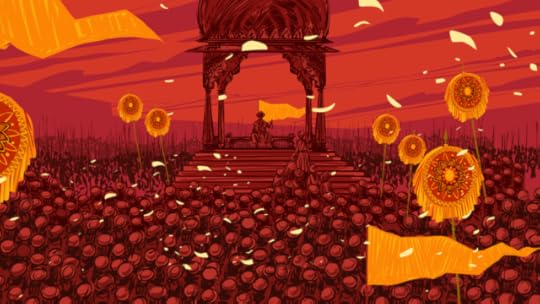
‘I am young, immature, really. Inexperienced in the complex matters of administration. And, add to that, our kingdom is besieged with many problems. At one point, our Maratha warriors had laid claim to the vast kingdoms spread between Thanjavur and Attock. But now, the state of the Maratha empire is deplorable, to say the least. And enemies like Nizam and Hyder are waiting in the shadows to take their revenge. Utter chaos prevails among our people in the north; generals and commanders are fighting amongst themselves. The state treasury is burdened with heavy debts, and there are no able elders alive to guide us through these difficult times. My mind gets very disturbed at the thought of salvaging these issues. How am I going to become capable enough to take on this responsibility? I cannot sleep a wink at night, Shastribuva. All these thoughts weigh heavily on my mind.’
18th century, India. Maratha empire established by Chhatrapati Shivaji in 1680, now administered by the Peshwas suffered a severe setback when the Marathas lost the 3rd battle of Panipat to Ahmad Shah Abdali in 1761. In such a situation when the 16 years old Madhavrao became Peshwa, he was met with empty coffers, a royal court fraught with internal dissensions, and an uncle, Raghunathrao, raring to usurp his throne. He set about resurrecting the empire while keeping the Nizam of Hyderabad and the East India Company at bay. Not only did he revive its lost glory and pride, but also widened its boundaries.
Review:
👑The cover is absolutely gorgeous & the title apt to the story. However, I liked the Marathi title 'Swami' more.
👑Although the book was published in 1962, its writing, narration, and characters are still refreshing to read. Its English translation definitely has chopped some of its lusters, but it failed to remove the charm of the Desai's storytelling. Once you began reading, the constant twist and turn, political maneuvering, and emotional conflicts move the story at a rapid speed and hooked your attention till the last.
👑Among the long cast of characters Madhavrao, Raghunathrao, and Sakharambapu are the most interesting to read and keeps you to turn the pages. Sadly the female characters -Gopikabai, Anandibai, and Ramabai - although important to the story I felt quite ignored. There are many characters with same/ similar names in the book which is too confusing to remember. So a character list would have been appreciated.
👑Although the book doesn't give you a historical note/reference, the story is written based on well established historical facts. Today you can easily google them in your phone, but think about how much it might have been difficult for Desaiji in the 20th century to do all this without using any technology.
👑The climax of the book is heartwrenching and beautifully written. The pain, helplessness, and sacrifices in this book will definitely moist your eyes and even after completing the book, it will leave its impression in your heart.
Overall the book is a masterpiece, a true classic in Marathi literature which I think everyone should read.
My Rating:⭐⭐⭐⭐
‘I am young, immature, really. Inexperienced in the complex matters of administration. And, add to that, our kingdom is besieged with many problems. At one point, our Maratha warriors had laid claim to the vast kingdoms spread between Thanjavur and Attock. But now, the state of the Maratha empire is deplorable, to say the least. And enemies like Nizam and Hyder are waiting in the shadows to take their revenge. Utter chaos prevails among our people in the north; generals and commanders are fighting amongst themselves. The state treasury is burdened with heavy debts, and there are no able elders alive to guide us through these difficult times. My mind gets very disturbed at the thought of salvaging these issues. How am I going to become capable enough to take on this responsibility? I cannot sleep a wink at night, Shastribuva. All these thoughts weigh heavily on my mind.’
18th century, India. Maratha empire established by Chhatrapati Shivaji in 1680, now administered by the Peshwas suffered a severe setback when the Marathas lost the 3rd battle of Panipat to Ahmad Shah Abdali in 1761. In such a situation when the 16 years old Madhavrao became Peshwa, he was met with empty coffers, a royal court fraught with internal dissensions, and an uncle, Raghunathrao, raring to usurp his throne. He set about resurrecting the empire while keeping the Nizam of Hyderabad and the East India Company at bay. Not only did he revive its lost glory and pride, but also widened its boundaries.
Review:
👑The cover is absolutely gorgeous & the title apt to the story. However, I liked the Marathi title 'Swami' more.
👑Although the book was published in 1962, its writing, narration, and characters are still refreshing to read. Its English translation definitely has chopped some of its lusters, but it failed to remove the charm of the Desai's storytelling. Once you began reading, the constant twist and turn, political maneuvering, and emotional conflicts move the story at a rapid speed and hooked your attention till the last.
👑Among the long cast of characters Madhavrao, Raghunathrao, and Sakharambapu are the most interesting to read and keeps you to turn the pages. Sadly the female characters -Gopikabai, Anandibai, and Ramabai - although important to the story I felt quite ignored. There are many characters with same/ similar names in the book which is too confusing to remember. So a character list would have been appreciated.
👑Although the book doesn't give you a historical note/reference, the story is written based on well established historical facts. Today you can easily google them in your phone, but think about how much it might have been difficult for Desaiji in the 20th century to do all this without using any technology.
👑The climax of the book is heartwrenching and beautifully written. The pain, helplessness, and sacrifices in this book will definitely moist your eyes and even after completing the book, it will leave its impression in your heart.
Overall the book is a masterpiece, a true classic in Marathi literature which I think everyone should read.
My Rating:⭐⭐⭐⭐

November 6, 2022
नक्की वाचावे असे!
सुंदर शब्द रचना, मांडणी, आणि बारकावे.
सुंदर शब्द रचना, मांडणी, आणि बारकावे.
January 22, 2021
What a brilliantly written story about Madhavrao Peshwa - the man who took the charge of the Maratha Empire at the age of 16 post Panipat defeat in 1761.
The empire was in a mess, financial debts were rising and there was a potential revolt in the family by Raghunathrao.
Unfortunately, Madhavaro ruled only for 11 years and died at the age of 27. His rule is known as the resurrection of the Maratha empire where he rebuilt the empire and it regained the lost glory.
If he would live longer, the history of British India could have been much different.
This book is historical fiction, originally written in Marathi by noted author Ranjeet Desai. The story flows smoothly, like a thriller and it is an absolute page-turner.
This book covers so many facets about the life of Madahrao Peshwa, gives a glance into the functioning of the Empire, the challenges he and the Marathas faced post-Panipat with a strong focus on his personal life, his sufferings due to illness and untimely death.
A must-read to know about one of the best administrator, warrior and the ruler India ever had.
The empire was in a mess, financial debts were rising and there was a potential revolt in the family by Raghunathrao.
Unfortunately, Madhavaro ruled only for 11 years and died at the age of 27. His rule is known as the resurrection of the Maratha empire where he rebuilt the empire and it regained the lost glory.
If he would live longer, the history of British India could have been much different.
This book is historical fiction, originally written in Marathi by noted author Ranjeet Desai. The story flows smoothly, like a thriller and it is an absolute page-turner.
This book covers so many facets about the life of Madahrao Peshwa, gives a glance into the functioning of the Empire, the challenges he and the Marathas faced post-Panipat with a strong focus on his personal life, his sufferings due to illness and untimely death.
A must-read to know about one of the best administrator, warrior and the ruler India ever had.

July 21, 2021
"The plains of Panipat were not more fatal to the Maratha Empire than the early end of this excellent prince" - these famous lines of the British historian James Grant Duff sum up the significance of this young Prime Minister of the Maratha Empire, Madhavrao Peshwa.
The Sahitya Akademi Award winner Swami is one of the greatest works in Marathi literature. The novel throws light on the life of a relatively lesser-known yet significant character in Indian history, the 9th Peshwa (Prime Minister) of the Maratha Empire - Madhavrao I.
Madhavrao became the Peshwa at an early age of 16 and died at an age of 27 due to tuberculosis but his reign is often credited to have stabilized the Maratha Empire post disasters of the Battle of Panipat. He played an important role in the Maratha Resurrection.
In Swami, the author beautifully explores the relationship between Madhavrao & his wife Ramabai, his infamous disputes with uncle Ragunathrao, his loyalty towards the Maratha throne, his diplomacy & battle strategies, and his administrative competency.
The characterization & narration are so apt that the story unfolds like a movie. Your respect for this excellent leader will increase manifold after reading this novel.
The Sahitya Akademi Award winner Swami is one of the greatest works in Marathi literature. The novel throws light on the life of a relatively lesser-known yet significant character in Indian history, the 9th Peshwa (Prime Minister) of the Maratha Empire - Madhavrao I.
Madhavrao became the Peshwa at an early age of 16 and died at an age of 27 due to tuberculosis but his reign is often credited to have stabilized the Maratha Empire post disasters of the Battle of Panipat. He played an important role in the Maratha Resurrection.
In Swami, the author beautifully explores the relationship between Madhavrao & his wife Ramabai, his infamous disputes with uncle Ragunathrao, his loyalty towards the Maratha throne, his diplomacy & battle strategies, and his administrative competency.
The characterization & narration are so apt that the story unfolds like a movie. Your respect for this excellent leader will increase manifold after reading this novel.

July 26, 2023
The as usual awesome Ranjeet Desai book, just incredible!
And the pain of PANIPAT were not more fatal to the MARATHA Empire than the early end of this excellent prince....----- James Grant Duff. He was indeed right.
This book covers so many facts about the life of Madhavhrao Peshwa, gives a glance into the functioning of the Empire, the challenges he and the Marathas faced post-Panipat with a strong focus on his personal life, his sufferings due to illness and untimely death. Madhavrao serves as peshwa for 11 years (Taking command in hands at the age of 16) & died at the age of 28.
The author beautifully explores the relationship between Madhavrao & his wife Ramabai, his infamous disputes with uncle Ragunathrao, his loyalty towards the Maratha throne, his diplomacy & battle strategies, and his administrative competency.
It is a very sensitive and touching portrayal of Madhavrao’s life and his relationship with his wife Ramabai. Tears will be appeared in your eyes at the end of this book if you are human.
I loved it SOOOOOOO much. Must read for everyone who love to read history of Maratha.
And the pain of PANIPAT were not more fatal to the MARATHA Empire than the early end of this excellent prince....----- James Grant Duff. He was indeed right.
This book covers so many facts about the life of Madhavhrao Peshwa, gives a glance into the functioning of the Empire, the challenges he and the Marathas faced post-Panipat with a strong focus on his personal life, his sufferings due to illness and untimely death. Madhavrao serves as peshwa for 11 years (Taking command in hands at the age of 16) & died at the age of 28.
The author beautifully explores the relationship between Madhavrao & his wife Ramabai, his infamous disputes with uncle Ragunathrao, his loyalty towards the Maratha throne, his diplomacy & battle strategies, and his administrative competency.
It is a very sensitive and touching portrayal of Madhavrao’s life and his relationship with his wife Ramabai. Tears will be appeared in your eyes at the end of this book if you are human.
I loved it SOOOOOOO much. Must read for everyone who love to read history of Maratha.
May 6, 2019
स्वामी ही रणजित देसाई लिखित ऐतिहासिक कादंबरी आहे. माझ्या वाचनात आलेली ही रणजित देसाईंची पहिलीच कादंबरी. दोन दिवसात वाचून पूर्ण केली. एकदा वाचायला सुरुवात केल्यानंतर ती खाली ठेवू नये या प्रकारातील.
पेशवाई म्हटले की फक्त श्रीमंत बाजीराव पेशवे डोळ्यासमोर येतात परंतु या पुस्तकाने पेशवाई मधील दुसऱ्या एका कर्तृत्ववान पेशव्याची ओळख करून दिली.
इतिहासापासून अनभिज्ञ राहिलेल्या या पेशव्याची जीवनगाथा मनाला चटका लावून जाते.
त्यांची मराठी राज्याबद्दल असलेली कर्तव्यनिष्ठा किती प्रखर होती... मृत्यूचे सावट दिसत असतानाही ती किंचित देखील ढळली नाही.
त्यांच्या पत्नी रमाबाईंनी तर उत्कृष्ट पातिव्रतेच उदाहरण घालून दिले.
रामाबाईंशिवाय माधवरावांची जीवनी अपूर्ण आहे हे या कथेतून स्पष्ट पणे जाणवतं.
धन्य ते थोरले माधवराव पेशवे आणि धन्य त्या रमाबाई !
पेशवाई म्हटले की फक्त श्रीमंत बाजीराव पेशवे डोळ्यासमोर येतात परंतु या पुस्तकाने पेशवाई मधील दुसऱ्या एका कर्तृत्ववान पेशव्याची ओळख करून दिली.
इतिहासापासून अनभिज्ञ राहिलेल्या या पेशव्याची जीवनगाथा मनाला चटका लावून जाते.
त्यांची मराठी राज्याबद्दल असलेली कर्तव्यनिष्ठा किती प्रखर होती... मृत्यूचे सावट दिसत असतानाही ती किंचित देखील ढळली नाही.
त्यांच्या पत्नी रमाबाईंनी तर उत्कृष्ट पातिव्रतेच उदाहरण घालून दिले.
रामाबाईंशिवाय माधवरावांची जीवनी अपूर्ण आहे हे या कथेतून स्पष्ट पणे जाणवतं.
धन्य ते थोरले माधवराव पेशवे आणि धन्य त्या रमाबाई !

May 16, 2017
A really nice read if you are into Maratha history or history in general. Plays out the politics during the last Peshwa - Madhavrao's reign ~1760-1772. Good description of the Deccan terrain, wars during that period.
June 9, 2018
Fantastic book. A very beautiful tale of this phenomenal couple who showed their love towards each other by only way which is responsibility. Simple writing, realistic views on different paradigms of this great Peshwa.

October 8, 2018
थोरल्या माधवरावांचा जिवन प्रवास सुरेख पद्धतीने साध्या सोप्या सरळ भाषेत देसाईंनी मांडला आहे. कादंबरीतील पात्रे त्यांच्यातील भाव भावना, गुण दोष , निसर्ग सौंदर्य रेखाटताना केलेली वातावरण निर्मिती, उतोरोत्तर रंगत आलेला रमा-माधवा यांच्यातील संवाद रसिक वाचकांच्या मनाला भुरळ पाडतो.
September 4, 2019
Swami- a good read
The as usual best Ranjeet Desai book. Firstly the history of Madhavrao Peshwe is amazing then it mixes with apt words of Ranjeet sir, creating a great amalgamation 🤩🤩
The as usual best Ranjeet Desai book. Firstly the history of Madhavrao Peshwe is amazing then it mixes with apt words of Ranjeet sir, creating a great amalgamation 🤩🤩
Displaying 1 - 30 of 128 reviews