

What do you think?

The Return of Sherlock Holmes #13
The Adventure of The Second Stain - a Sherlock Holmes Short Story
'The Adventure of The Second Stain' is a Sherlock Holmes short story written by Sir Arthur Conan Doyle, best known for his novel 'The Hound of the Baskervilles.' It is one of 13 stories in the cycle collected as 'The Return of Sherlock Holmes.' Doyle ranked 'The Adventure of the Second Stain' eighth in a list of his twelve favorite Sherlock Holmes short stories.
Lord Bellinger, the Prime Minister, and Trelawney Hope, the Secretary for European Affairs, come to see Sherlock Holmes about the matter of a document stolen from Hope's dispatch box which he kept at home in Whitehall Terrace when not at work. A very serious matter. If divulged, this document could bring about very dire consequences for all of Europe, even war. They are loath to tell Holmes at first the exact nature of the document, but eventually feel that they must tell him that it was a rather injudicious letter from a foreign potentate. It disappeared from the dispatch box one evening when Hope was out for four hours. No-one in the house knew about it, not even the Secretary's wife with whom he does not discuss his work.
Lord Bellinger, the Prime Minister, and Trelawney Hope, the Secretary for European Affairs, come to see Sherlock Holmes about the matter of a document stolen from Hope's dispatch box which he kept at home in Whitehall Terrace when not at work. A very serious matter. If divulged, this document could bring about very dire consequences for all of Europe, even war. They are loath to tell Holmes at first the exact nature of the document, but eventually feel that they must tell him that it was a rather injudicious letter from a foreign potentate. It disappeared from the dispatch box one evening when Hope was out for four hours. No-one in the house knew about it, not even the Secretary's wife with whom he does not discuss his work.
29 pages, Kindle Edition
First published December 1, 1904
About the author
Arthur Conan Doyle
17.5k books25.1k followersSir Arthur Ignatius Conan Doyle was a Scottish writer and physician. He created the character Sherlock Holmes in 1887 for A Study in Scarlet, the first of four novels and fifty-six short stories about Holmes and Dr. Watson. The Sherlock Holmes stories are milestones in the field of crime fiction.
Doyle was a prolific writer. In addition to the Holmes stories, his works include fantasy and science fiction stories about Professor Challenger, and humorous stories about the Napoleonic soldier Brigadier Gerard, as well as plays, romances, poetry, non-fiction, and historical novels. One of Doyle's early short stories, "J. Habakuk Jephson's Statement" (1884), helped to popularise the mystery of the brigantine Mary Celeste, found drifting at sea with no crew member aboard.
Doyle was a prolific writer. In addition to the Holmes stories, his works include fantasy and science fiction stories about Professor Challenger, and humorous stories about the Napoleonic soldier Brigadier Gerard, as well as plays, romances, poetry, non-fiction, and historical novels. One of Doyle's early short stories, "J. Habakuk Jephson's Statement" (1884), helped to popularise the mystery of the brigantine Mary Celeste, found drifting at sea with no crew member aboard.
Ratings & Reviews
Friends & Following
Create a free account to discover what your friends think of this book!
Community Reviews
Displaying 1 - 30 of 102 reviews

July 6, 2018
'The Adventure of the Second Stain' gives a glimpse of the future while recounting actions in the past. Watson gains permission from Sherlock to publish yet one last story of their adventures. In so doing, Watson provides information about Sherlock's activities after his retirement.

October 22, 2023
A decir verdad, creo que que el desarrollo de este relato me gustó más que la solución. Tenía la idea de que se iba a desatar un gran conflicto internacional, una guerra algo terrible... pero cuando revelan que la culpable fue la esposa, que tuvo un amante en el pasado, perdí todo el interés y fue muy anticlimático. Prefería que el caso no se hubiera resuelto.

July 12, 2020
This is a Sherlock Holmes short story,nicely dramatised in the British TV series,The Adventures of Sherlock Holmes (Season 1).
The British Prime Minister asks for the help of Holmes to find a missing letter.If the letter is not recovered,war may result.
As Holmes prepares to investigate,a murder takes place.But Holmes cannot fail,of course.He arranges matters to the satisfaction of all concerned,eventually.
The British Prime Minister asks for the help of Holmes to find a missing letter.If the letter is not recovered,war may result.
As Holmes prepares to investigate,a murder takes place.But Holmes cannot fail,of course.He arranges matters to the satisfaction of all concerned,eventually.

May 24, 2021
5 stars & 5/10 hearts. For some reason, I always confuse this story with
The Adventure of the Naval Treaty
—probably because of the similar basic incident and because I frequently forget exactly what happened. But The Second Stain is really completely different from The Naval Treaty. I really enjoy how twisty this plot is and how Watson entirely surprises Holmes in the beginning. The characters, especially the Lady, are most interesting persons—although MASSIVE SPOILERY RANT INCOMING But despite my slight annoyance at this fact, I still really enjoy the story and how it wraps up, and how Holmes shines… as always.
A Favourite Quote: “It is a capital mistake to theorize in advance of the facts.”
A Favourite Humorous Quote: “What do you make of that, Mr. Holmes?”
“Why, it is simple enough. The two stains did correspond, but the carpet has been turned round. As it was square and unfastened it was easily done.”
“The official police don’t need you, Mr. Holmes, to tell them that the carpet must have been turned round. That’s clear enough, for the stains lie above each other—if you lay it over this way. But what I want to know is, who shifted the carpet, and why?”
A Favourite Quote: “It is a capital mistake to theorize in advance of the facts.”
A Favourite Humorous Quote: “What do you make of that, Mr. Holmes?”
“Why, it is simple enough. The two stains did correspond, but the carpet has been turned round. As it was square and unfastened it was easily done.”
“The official police don’t need you, Mr. Holmes, to tell them that the carpet must have been turned round. That’s clear enough, for the stains lie above each other—if you lay it over this way. But what I want to know is, who shifted the carpet, and why?”

August 25, 2018
“أشاح هولمز وجهه مبتسما بعيدا عن تلك العينين الفضوليتين.
أجاب: نحن أيضا لنا أسرارنا الدبلوماسية.
ثم تناول قبعته واتجه نحو الباب.”
رااائعة!
لم يكن هولمز مجرد متحرٍّ هنا، بل ساهم في الحفاظ على بقاء الأسرة متماسكة وسعيدة بدهائه الدبلوماسي، وتكتمه الذكي.
متشابكة ومعقدة، ذكية من البداية وحتى صفحة الختام.
أجاب: نحن أيضا لنا أسرارنا الدبلوماسية.
ثم تناول قبعته واتجه نحو الباب.”
رااائعة!
لم يكن هولمز مجرد متحرٍّ هنا، بل ساهم في الحفاظ على بقاء الأسرة متماسكة وسعيدة بدهائه الدبلوماسي، وتكتمه الذكي.
متشابكة ومعقدة، ذكية من البداية وحتى صفحة الختام.

June 7, 2023
ربما لانها الاخيرة فهي الاقوى في روايات هولمز عكس ما كنت متوقعاً فإن ارثر كونان دويل يتحدى نفسه في تقديم الافضل
هولمز ❤️ واتسون ❤️
هولمز ❤️ واتسون ❤️

April 29, 2020
Holmes at his most misogynistic (as are most of the male characters in this story), but also at his most eloquent and determined. I love how he struggles with this case, and that Watson takes him by surprise for a moment.

November 30, 2023
أعجبتني! نهاية غير متوقعة رغم بساطتها.

July 5, 2021
Untuk episod ini berlaku kes kecurian dan kes pembunuhan! Malahan ia melibatkan maruah negara. Detektif perlu selesai dengan segera. Jika tidak, England dalam bahaya.

June 1, 2021
"We’ve got it all clear as if we had seen it.”
Holmes raised his eyebrows. “And yet you have sent for me?”
“Ah, yes, that’s another matter–a mere trifle, but the sort of thing you take an interest in–queer, you know, and what you might call freakish.”
--Lestrade to Holmes
Holmes has retired in Sussex for study and bee-farming, so this is an old case.
How does Holmes have the British Treasury behind him?
A very important letter is stolen, leading Holmes and Watson to track down three possible suspects. One man is promptly murdered.
Watson likes the beautiful coloring of the Duke of Belmister’s youngest daughter’s head. Odd that the young lady goes to Holmes to beg him for the details of the crime. She’s a nosy little thing. And secretive. Watson is dazzled. Sherlock is suspicious.
Holmes eats sandwiches at irregular hours.
So far, no stains.
How is Holmes getting reports hourly from the government? Mycroft Holmes?
In this story, Lestrade is said to have bulldog features. He also puzzles Holmes with the stain until Holmes comes to the conclusion that there must be a secret compartment there. He shoos Lestrade off long enough for him and Watson to check the hiding spot then put it back before anyone knows. He comes away empty-handed.
Holmes then concludes that the Duke’s daughter is the thief. She’d written a letter many years ago that will destroy her relationship with her husband which appears in the wrong hands. She agrees to steal the very important document from her husband’s lockbox in exchange for her letter. Once she realizes what she’s done, she panics. Since Holmes wouldn’t help, she goes to recollect the letter herself.
In the end, Holmes gets the letter back, replaces it in the lockbox, and convinces the Secretary and Premier that the letter never left the box.
Holmes is a wizard and a sorcerer.
I like this one because Watson still shows such admiration for Holmes even though the detective is so stressed that he doesn't sleep, talks to himself, eats at odd hours, and is very grumpy. We also see Holmes solve a case by brilliant misdirection; sending Lestrade to question the constable, getting the constable to tell what he is hiding, then getting the Duke's daughter to confess and replace the stolen letter. He then convinces everyone that the letter was never stolen in the first place. All of this done with a few neatly placed words and suggestions.
Holmes raised his eyebrows. “And yet you have sent for me?”
“Ah, yes, that’s another matter–a mere trifle, but the sort of thing you take an interest in–queer, you know, and what you might call freakish.”
--Lestrade to Holmes
Holmes has retired in Sussex for study and bee-farming, so this is an old case.
How does Holmes have the British Treasury behind him?
A very important letter is stolen, leading Holmes and Watson to track down three possible suspects. One man is promptly murdered.
Watson likes the beautiful coloring of the Duke of Belmister’s youngest daughter’s head. Odd that the young lady goes to Holmes to beg him for the details of the crime. She’s a nosy little thing. And secretive. Watson is dazzled. Sherlock is suspicious.
Holmes eats sandwiches at irregular hours.
So far, no stains.
How is Holmes getting reports hourly from the government? Mycroft Holmes?
In this story, Lestrade is said to have bulldog features. He also puzzles Holmes with the stain until Holmes comes to the conclusion that there must be a secret compartment there. He shoos Lestrade off long enough for him and Watson to check the hiding spot then put it back before anyone knows. He comes away empty-handed.
Holmes then concludes that the Duke’s daughter is the thief. She’d written a letter many years ago that will destroy her relationship with her husband which appears in the wrong hands. She agrees to steal the very important document from her husband’s lockbox in exchange for her letter. Once she realizes what she’s done, she panics. Since Holmes wouldn’t help, she goes to recollect the letter herself.
In the end, Holmes gets the letter back, replaces it in the lockbox, and convinces the Secretary and Premier that the letter never left the box.
Holmes is a wizard and a sorcerer.
I like this one because Watson still shows such admiration for Holmes even though the detective is so stressed that he doesn't sleep, talks to himself, eats at odd hours, and is very grumpy. We also see Holmes solve a case by brilliant misdirection; sending Lestrade to question the constable, getting the constable to tell what he is hiding, then getting the Duke's daughter to confess and replace the stolen letter. He then convinces everyone that the letter was never stolen in the first place. All of this done with a few neatly placed words and suggestions.

February 13, 2015
From IDMb:
Holmes is asked by the country's Prime Minister to aid in the recovery of a stolen diplomatic letter, which, if published, might lead England into war.
A TV movie was made based on this book and it's available at YouTube.
Holmes is asked by the country's Prime Minister to aid in the recovery of a stolen diplomatic letter, which, if published, might lead England into war.
A TV movie was made based on this book and it's available at YouTube.

August 7, 2018
The author rating this book one of his better stories, I would disagree.
Half interesting somewhat tiresome to listen too
Half interesting somewhat tiresome to listen too
July 24, 2024
5 Stars. A great Sherlock Holmes. I saw it on TV and have now read it. Just as good. Dr. Watson, his biographer and confidante, describes it as, "The most important international case which he has ever been called upon to handle." I wish I could reach into the fictional past and ask Watson, have you forgotten 'A Scandal in Bohemia'? With foreign potentates, mistresses, stolen jewels, and more! Yet the implications here could lead to war. The crowned head of some unnamed European country has written a politically-indiscreet letter to the UK. It was entrusted to the Right Honourable Trelawney Hope, Secretary of European Affairs for safekeeping overnight while it was being considered by Cabinet. One morning he finds it missing from his dispatch box, and within hours, he and the Prime Minister are sitting in the front room of Holmes and Watson's abode. They're desperate, but Hope is certain that no one at his home, including his beautiful wife Lady Hilda and his long-serving household staff, would have taken it. Then a person of interest to Holmes, Eduardo Lucas, is found murdered! I hope you enjoy it too. (Jul2024)

May 14, 2020
While not the most exciting of stories, it was quite clever and well handled by Holmes.

December 26, 2020
مغامرة ممتعه لشارلوك هولمز
وكعادته يكتشف المجرم بعبقريه
وكعادته يكتشف المجرم بعبقريه

Read
September 11, 2026Reread

June 3, 2026
بیش از حد قابل حدس بود. یعنی همون دو ثانیه اول همه چی رو حدس زدم. توی مسیر برگشت به خونه از لس آنجلس همراه همسرم گوش دادم❤️

May 4, 2024
Meh.
Not worth reviewing it.
For the moment at least.
It’s public domain. You can find it HERE.
-----------------------------------------------
PERSONAL NOTE :
[1905] [30p] [Crime] [1.5] [Recommendable]
-----------------------------------------------
★★★★☆ 1. A Study in Scarlet [3.5]
★★★☆☆ 2. The Sign of Four [2.5]
★★★☆☆ 3. The Adventures of Sherlock Holmes
★★★★☆ 4. The Memoirs of Sherlock Holmes [3.5]
★★★★☆ 5. The Hound of the Baskervilles
★★★★☆ 6. The Return of Sherlock Holmes <--
★★★☆☆ 7. The Valley of Fear
★★★★☆ 8. His Last Bow [3.5]
★★★☆☆ 9. The Case-Book of Sherlock Holmes [2.5]
★★★☆☆ 10. The Complete Sherlock Holmes
-----------------------------------------------
Meh.
No vale la pena reseñarlo.
Al menos por ahora.
Es dominio público, lo pueden encontrar ACA.
-----------------------------------------------
NOTA PERSONAL :
[1905] [30p] [Crimen] [1.5] [No Recomendable]
-----------------------------------------------
Not worth reviewing it.
For the moment at least.
It’s public domain. You can find it HERE.
-----------------------------------------------
PERSONAL NOTE :
[1905] [30p] [Crime] [1.5] [Recommendable]
-----------------------------------------------
★★★★☆ 1. A Study in Scarlet [3.5]
★★★☆☆ 2. The Sign of Four [2.5]
★★★☆☆ 3. The Adventures of Sherlock Holmes
★★★★☆ 4. The Memoirs of Sherlock Holmes [3.5]
★★★★☆ 5. The Hound of the Baskervilles
★★★★☆ 6. The Return of Sherlock Holmes <--
★★★☆☆ 7. The Valley of Fear
★★★★☆ 8. His Last Bow [3.5]
★★★☆☆ 9. The Case-Book of Sherlock Holmes [2.5]
★★★☆☆ 10. The Complete Sherlock Holmes
-----------------------------------------------
Meh.
No vale la pena reseñarlo.
Al menos por ahora.
Es dominio público, lo pueden encontrar ACA.
-----------------------------------------------
NOTA PERSONAL :
[1905] [30p] [Crimen] [1.5] [No Recomendable]
-----------------------------------------------

January 1, 2022
Repeat read this one today, after reading one of its sequel pastiches in a recent collection. The story is awesome. But for me its Granada version, with Jeremy Brett producing one of the finest Holmes ever on screen, runs superior. Nevertheless, the story is unforgettable.
If you haven't read it yet, well... my condolences.
Highly recommended.
If you haven't read it yet, well... my condolences.
Highly recommended.

May 7, 2018
لا بأس بها

March 12, 2019
This is a rather baffling Sherlock Holmes story full of international intrigue, but of course, the master detective solves the case in the way in which only he can.

January 5, 2020
This is one of my favorites so far.

February 11, 2021
Lord Bellinger নামে আদৌ কোন মিনিস্টার ছিলেন কি না সন্দেহ ছিল। পরে খুঁজে পেলাম ১৮৮৮ সালে ইউনাইটেড কিংডমের প্রাইম মিনিস্টার ছিলেন Robert Gascoyne-Cecil.

November 16, 2021
Goed SH avontuur.
June 10, 2025
The Last Sherlock Holmes Story ever to be written by A. Conan Doyle.
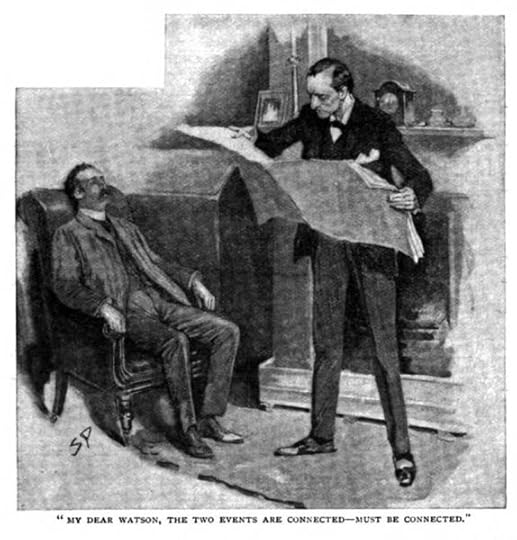
In The Adventure of the Second Stain, one of Sherlock Holmes’s most politically sensitive cases, the stakes are nothing short of international war. The story begins when the British Prime Minister, Lord Bellinger, and Trelawney Hope, the Secretary of State for European Affairs, visit Holmes in desperation: a top-secret letter from a foreign sovereign has vanished from Hope’s locked dispatch box. If leaked, the letter could ignite a European conflict.
Holmes investigates the usual suspects in the espionage world, including a known spy named Eduardo Lucas, only to discover Lucas has just been murdered.
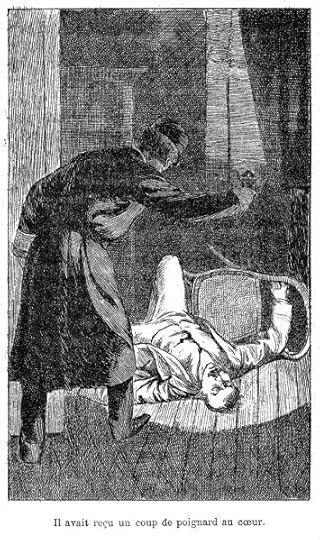
He had been stabbed to the heart.
The plot thickens when Lady Hilda Trelawney Hope, the Secretary’s wife, secretly visits Holmes, clearly hiding something.
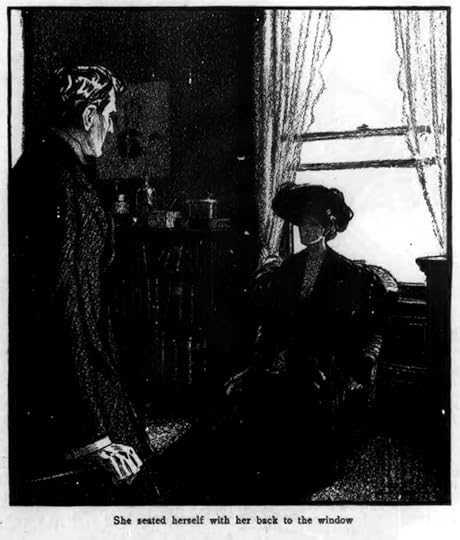
Holmes eventually deduces that Lady Hilda had taken the letter to protect her own reputation, fearing a past indiscretion might be exposed. Lucas had been blackmailing her, and she retrieved the letter after his death, hiding it in her own home.
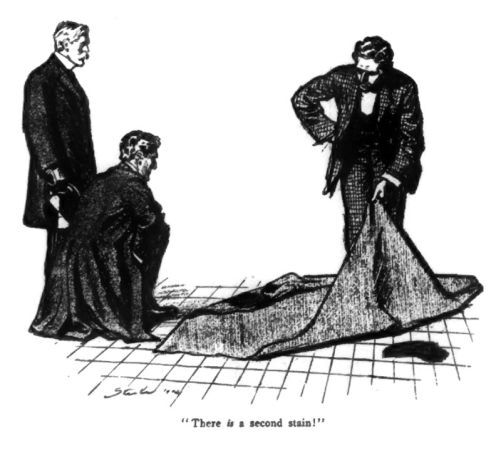
Holmes recovers the letter without scandal, preserving both Lady Hilda’s honor and European peace. It’s a masterclass in discretion, deduction, and diplomacy, Holmes at his most subtle and strategic.
In The Adventure of the Second Stain, one of Sherlock Holmes’s most politically sensitive cases, the stakes are nothing short of international war. The story begins when the British Prime Minister, Lord Bellinger, and Trelawney Hope, the Secretary of State for European Affairs, visit Holmes in desperation: a top-secret letter from a foreign sovereign has vanished from Hope’s locked dispatch box. If leaked, the letter could ignite a European conflict.
Holmes investigates the usual suspects in the espionage world, including a known spy named Eduardo Lucas, only to discover Lucas has just been murdered.
He had been stabbed to the heart.
The plot thickens when Lady Hilda Trelawney Hope, the Secretary’s wife, secretly visits Holmes, clearly hiding something.
Holmes eventually deduces that Lady Hilda had taken the letter to protect her own reputation, fearing a past indiscretion might be exposed. Lucas had been blackmailing her, and she retrieved the letter after his death, hiding it in her own home.
Holmes recovers the letter without scandal, preserving both Lady Hilda’s honor and European peace. It’s a masterclass in discretion, deduction, and diplomacy, Holmes at his most subtle and strategic.

April 4, 2024
My review on that one?
Let me quote Watson:
"My mind filled with admiration for this extraordinary man."
Also I loved that part lol:
"Why, it is simple enough. The two stains did correspond, but the carpet has been turned round. As it was square and unfastened it was easily done."
"The official police don't need you, Mr. Holmes, to tell them that the carpet must have been turned round. That's clear enough, for the stains lie above each other if you lay it over this way. But what I want to know is, who shifted the carpet, and why?"
Then
" "Now, Watson, now!" cried Holmes with frenzied eagerness. All the demoniacal force of the man masked behind that listless manner burst out in a paroxysm of energy. He tore the drugget from the floor, and in an instant was down on his hands and knees clawing at each of the squares of wood beneath it. One turned sideways as he dug his nails into the edge of it. It hinged back like the lid of a box. A small black cavity opened beneath it. Holmes plunged his eager hand into it and drew it out with a bitter snarl of anger and disappointment. It was empty.
"Quick, Watson, quick! Get it back again!" The wooden lid was replaced, and the drugget had only just been drawn straight when Lestrade's voice was heard in the passage. He found Holmes leaning languidly against the mantelpiece, resigned and patient, endeavouring to conceal his irrepressible yawns."
Let me quote Watson:
"My mind filled with admiration for this extraordinary man."
Also I loved that part lol:
"Why, it is simple enough. The two stains did correspond, but the carpet has been turned round. As it was square and unfastened it was easily done."
"The official police don't need you, Mr. Holmes, to tell them that the carpet must have been turned round. That's clear enough, for the stains lie above each other if you lay it over this way. But what I want to know is, who shifted the carpet, and why?"
Then
" "Now, Watson, now!" cried Holmes with frenzied eagerness. All the demoniacal force of the man masked behind that listless manner burst out in a paroxysm of energy. He tore the drugget from the floor, and in an instant was down on his hands and knees clawing at each of the squares of wood beneath it. One turned sideways as he dug his nails into the edge of it. It hinged back like the lid of a box. A small black cavity opened beneath it. Holmes plunged his eager hand into it and drew it out with a bitter snarl of anger and disappointment. It was empty.
"Quick, Watson, quick! Get it back again!" The wooden lid was replaced, and the drugget had only just been drawn straight when Lestrade's voice was heard in the passage. He found Holmes leaning languidly against the mantelpiece, resigned and patient, endeavouring to conceal his irrepressible yawns."

March 9, 2022
Holmes is called in to retrieve some important government documents that were taken from a locked box. He thinks that 1 of 3 criminals is responsible and when he finds that one of them is dead he goes to investigate. The blood stain on the rug soaked through but the floor underneath is dry, showing that the rug has been moved. The officer admits that a woman came to the house by mistake and fainted upon seeing the stain so the officer fetched her water. Holmes checks the secret hiding spot under the rug and sees that it is empty. He immediately suspects to government official’s wife as being involved and then retrieving the document after she found out their importance. She says that she traded it for a long lost love letter and retrieved it when she learned how it would impact her husband’s career. The man was already dead, having been killed by his French wife who thought that he was cheating on her.
This entire review has been hidden because of spoilers.

February 12, 2024
The Adventure of the Second Stain had much to do with a missing letter disappearing from a dispatch box. In true Sherlock Holmes fashion, one of the easiest explanations turns out to be the correct one. By "observing" rather than just "seeing", Holmes is able to track the missing letter and ensure that the secrets of the British empire are not revealed.
Recently, I embarked upon reading a series of Sherlock Holmes' short stories. This was the last one in the bunch and I'm sorry to say it was my least favorite. While the conclusion was satisfying, I felt like this one lacked the punch and verve of some of the others. By no means am I saying this was a terrible story that I needed to slog my way through. Rather, my recommendation to others would be to put this story in the middle of your stack, rather than the end, so that you may finish on a short story that is more likely to leave an indelible mark on your imagination.
Recently, I embarked upon reading a series of Sherlock Holmes' short stories. This was the last one in the bunch and I'm sorry to say it was my least favorite. While the conclusion was satisfying, I felt like this one lacked the punch and verve of some of the others. By no means am I saying this was a terrible story that I needed to slog my way through. Rather, my recommendation to others would be to put this story in the middle of your stack, rather than the end, so that you may finish on a short story that is more likely to leave an indelible mark on your imagination.

July 21, 2025
القصة دي بتجمع بين تحقيق جنائي بسيط في شكله، وبين خلفية سياسية ممكن تجر وراها مشاكل كبيرة. وثيقة سرية بتختفي من مكتب وزير كبير في الحكومة البريطانية، وهولمز بيُطلب منه يدخل على الخط علشان يمنع كارثة دبلوماسية.
التحقيق بياخد منعطف مختلف لما يظهر جريمة قتل غامضة في بيت راجل معروف ببيع المعلومات، وهنا بيبدأ هولمز يربط الخيوط بطريقة هادية ومنظمة. مفيش أكشن كتير، ومفيش مفاجآت صادمة، لكن في شغل تفكير وتحليل هادي، بيمشي خطوة بخطوة لحد ما الصورة تتضح.
الملفت في القصة مش بس حل اللغز، لكن كمان تعامل هولمز مع الجانب الإنساني في القضية، وإزاي اختار يتصرف بحكمة علشان يتفادى ضرر أكبر، حتى لو ده معناه إنه ما يكشفش كل حاجة للعلن.
بس برغم كل ده، النهاية نفسها ممكن تحسها مش مقنعة تمامًا، وساذجة شوية، خصوصًا في الطريقة اللي القصة اتقفلت بيها، وكأن كل الأطراف خرجت منها بسهولة من غير تبعات حقيقية. يمكن ده مقصود علشان يخدم الطابع السياسي للقصة، بس كقاري، كنت مستني حاجة أشد.
التحقيق بياخد منعطف مختلف لما يظهر جريمة قتل غامضة في بيت راجل معروف ببيع المعلومات، وهنا بيبدأ هولمز يربط الخيوط بطريقة هادية ومنظمة. مفيش أكشن كتير، ومفيش مفاجآت صادمة، لكن في شغل تفكير وتحليل هادي، بيمشي خطوة بخطوة لحد ما الصورة تتضح.
الملفت في القصة مش بس حل اللغز، لكن كمان تعامل هولمز مع الجانب الإنساني في القضية، وإزاي اختار يتصرف بحكمة علشان يتفادى ضرر أكبر، حتى لو ده معناه إنه ما يكشفش كل حاجة للعلن.
بس برغم كل ده، النهاية نفسها ممكن تحسها مش مقنعة تمامًا، وساذجة شوية، خصوصًا في الطريقة اللي القصة اتقفلت بيها، وكأن كل الأطراف خرجت منها بسهولة من غير تبعات حقيقية. يمكن ده مقصود علشان يخدم الطابع السياسي للقصة، بس كقاري، كنت مستني حاجة أشد.

August 13, 2020
Nothin* new about the story. Instead of the Home Secretary and Prime Minister w3 have another Government Minister and Prime Minister coming to seek Holmes’s assistance for a missing document that if put in th3 wrong hands, disaster and all out war. Add an old love letter and person potentially mad, and we have the usual run of the mill Holmes mystery.
Having read enough of these mysteries, there is actually nothing new, different, ground breaking or shocking in it. It was very well written, enjoyable to follow the story and plot, but ultimately there is nothing new or different you wouldn’t have read in this story before.
Having read enough of these mysteries, there is actually nothing new, different, ground breaking or shocking in it. It was very well written, enjoyable to follow the story and plot, but ultimately there is nothing new or different you wouldn’t have read in this story before.
Displaying 1 - 30 of 102 reviews