

What do you think?

Pecados sin cuento
Richard Ford explora, en esta espléndida colección de relatos, el gran tema de la intimidad, el amor y sus fracasos. Sólo a través de su notable agilidad, penetración y sinceridad podía recrear con tal perfección nuestros muy imperfectos esfuerzos para lograr lo que consideramos más importante en nuestras relaciones: ser fieles y sinceros, comprensivos y pacientes, honestos y apasionados y, finalmente, cariñosos con aquellos que nos importan o que, al menos ?y a veces desesperadamente?, deseamos. Ford demuestra de nuevo que tanto en la novela como en los cuentos es uno de los grandes.
360 pages, Hardcover
First published January 1, 2001
About the author
Richard Ford
246 books1,699 followersRichard Ford, born February 16, 1944 in Jackson, Mississippi, is an American novelist and short story writer. His best-known works are the novel The Sportswriter and its sequels, Independence Day, The Lay of the Land and Let Me Be Frank With You, and the short story collection Rock Springs, which contains several widely anthologized stories. Comparisons have been drawn between Ford's work and the writings of John Updike, William Faulkner, Ernest Hemingway and Walker Percy.
His novel Independence Day won the Pulitzer Prize for Fiction in 1996, also winning the PEN/Faulkner Award in the same year.
His novel Independence Day won the Pulitzer Prize for Fiction in 1996, also winning the PEN/Faulkner Award in the same year.
Ratings & Reviews
Friends & Following
Create a free account to discover what your friends think of this book!
Community Reviews
Displaying 1 - 30 of 125 reviews

November 4, 2020
CERCASI ADULTERIO DISPERATAMENTE

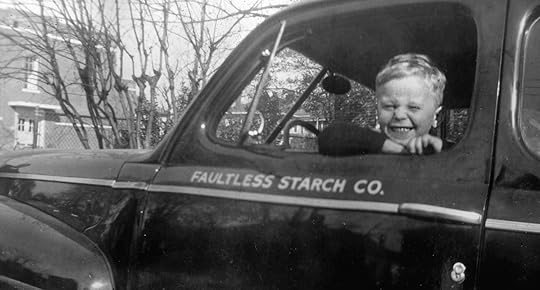
Richard Ford bambino con i suoi genitori nei primi anni Cinquanta.
Dieci racconti come dieci erano i comandamenti impressi sulle tavole che Yahweh dette a Mosè sul monte Sinai.
E dopo la dichiarazione di Ford che segue, non credo si possa trovare esagerato il parallelo:
Ho scelto un titolo ispirato alla Bibbia per dare una dimensione morale di cui soffriamo la mancanza. Quindi un punto di riferimento alto che, spero, costringa il lettore ad interrogarsi sul senso di delusione e colpa arrecato dai continui tradimenti: sentimentali, ideali e morali.

Anche se sono soprattutto il sesto e il nono comandamento che interessano Ford:
6: non commettere atti impuri.
9: Non desiderare la donna d’altri. [Evidentemente le donne non venivano ritenute capaci di poter desiderare l’uomo d’altri.]
Sono questi due i peccati dell’America che racconta Ford, di un’America che è il trionfo della classe media, e della provincia.
E quindi, questi suoi dieci racconti si presentano quasi come parabole. Che Ford sa tenere insieme con un misto elegante di commedia e disperazione.

Non sempre i peccati sono commessi: a volte si tratta solo di fantasie, l’infedeltà non esce dai confini della testa del personaggio. Come in Intimità dove il protagonista “tradisce” la moglie che russa a letto ogni sera guardando dalla finestra la donna che si spoglia nella casa di fronte. È uno spogliarello che si ripete sempre uguale, e sempre seducente: nella vita priva di soddisfazione del nostro voyeur questo suo solitario passatempo serale è fonte di crescente eccitazione. Ma un giorno, di giorno, alla luce del sole, senza la protezione del buio notturno, il nostro incontra la donna: che si rivela essere una cinese di settant’anni con un paio di leggeri calzoni neri e un leggero paltò nero dentro il quale doveva avere lo stesso freddo che avevo io.
Oppure si tratta di sospetti, seppelliti, o ritenuti tali. In Cucciolo la coppia protagonista, entrambi avvocati, si sveglia una mattina e trova nel giardino un cucciolo di cane che qualcuno ha abbandonato. La coppia non ha figli: ma non è in questa direzione che va il racconto. Bensì, il piccolo quadrupede serve a far affiorare qualcosa che l’uomo credeva dimenticato, e sepolto: un lontano tradimento di sua moglie, di cui nessuno dei due ha mai parlato, né lei ha confessato né lui ha svelato il suo sospetto. Però, il silenzio ha condotto la coppia a un matrimonio ormai solo di facciata, pura apparenza.

E tutto scorre senza esplosioni.
Tranne forse che in Abisso dove si raggiunge la tragedia: due amanti in visita al Grand Canyon, l’uomo le chiede di mettersi in posa per una foto che vuole scattarle, la donna si sposta, incespica, e cade ne vuoto.
Ford ci regala personaggi che sono disperati, e soli senza saperlo: finché la narrazione lo fa emergere, non gli dimostra che sono proprio soli e disperati.
La religione del lavoro non è un’alternativa, non aiuta: i personaggi rimangono coinvolti in matrimoni in crisi, in coppie che sono più disunite che legate, in adulteri senza tormento e senza senso di colpa, anime sole ormai indifferenti al sentimento, anime algide, sorde. Vite spezzate senza fragore.

Richard Ford bambino con i suoi genitori nei primi anni Cinquanta.
Dieci racconti come dieci erano i comandamenti impressi sulle tavole che Yahweh dette a Mosè sul monte Sinai.
E dopo la dichiarazione di Ford che segue, non credo si possa trovare esagerato il parallelo:
Ho scelto un titolo ispirato alla Bibbia per dare una dimensione morale di cui soffriamo la mancanza. Quindi un punto di riferimento alto che, spero, costringa il lettore ad interrogarsi sul senso di delusione e colpa arrecato dai continui tradimenti: sentimentali, ideali e morali.
Anche se sono soprattutto il sesto e il nono comandamento che interessano Ford:
6: non commettere atti impuri.
9: Non desiderare la donna d’altri. [Evidentemente le donne non venivano ritenute capaci di poter desiderare l’uomo d’altri.]
Sono questi due i peccati dell’America che racconta Ford, di un’America che è il trionfo della classe media, e della provincia.
E quindi, questi suoi dieci racconti si presentano quasi come parabole. Che Ford sa tenere insieme con un misto elegante di commedia e disperazione.
Non sempre i peccati sono commessi: a volte si tratta solo di fantasie, l’infedeltà non esce dai confini della testa del personaggio. Come in Intimità dove il protagonista “tradisce” la moglie che russa a letto ogni sera guardando dalla finestra la donna che si spoglia nella casa di fronte. È uno spogliarello che si ripete sempre uguale, e sempre seducente: nella vita priva di soddisfazione del nostro voyeur questo suo solitario passatempo serale è fonte di crescente eccitazione. Ma un giorno, di giorno, alla luce del sole, senza la protezione del buio notturno, il nostro incontra la donna: che si rivela essere una cinese di settant’anni con un paio di leggeri calzoni neri e un leggero paltò nero dentro il quale doveva avere lo stesso freddo che avevo io.
Oppure si tratta di sospetti, seppelliti, o ritenuti tali. In Cucciolo la coppia protagonista, entrambi avvocati, si sveglia una mattina e trova nel giardino un cucciolo di cane che qualcuno ha abbandonato. La coppia non ha figli: ma non è in questa direzione che va il racconto. Bensì, il piccolo quadrupede serve a far affiorare qualcosa che l’uomo credeva dimenticato, e sepolto: un lontano tradimento di sua moglie, di cui nessuno dei due ha mai parlato, né lei ha confessato né lui ha svelato il suo sospetto. Però, il silenzio ha condotto la coppia a un matrimonio ormai solo di facciata, pura apparenza.
E tutto scorre senza esplosioni.
Tranne forse che in Abisso dove si raggiunge la tragedia: due amanti in visita al Grand Canyon, l’uomo le chiede di mettersi in posa per una foto che vuole scattarle, la donna si sposta, incespica, e cade ne vuoto.
Ford ci regala personaggi che sono disperati, e soli senza saperlo: finché la narrazione lo fa emergere, non gli dimostra che sono proprio soli e disperati.
La religione del lavoro non è un’alternativa, non aiuta: i personaggi rimangono coinvolti in matrimoni in crisi, in coppie che sono più disunite che legate, in adulteri senza tormento e senza senso di colpa, anime sole ormai indifferenti al sentimento, anime algide, sorde. Vite spezzate senza fragore.

May 11, 2024
Cuentos interesantes, muy realistas, que se leen con facilidad. La mayoría giran en torno a la pareja, sobre todo la infidelidad y la figura del tercero en discordia. Son amantes que se encuentran en frías habitaciones de hotel y a veces el marido despechado ronda por el hall. Me ha transmitido una cierta sensación como en los cuadros de Hopper, mucha soledad en esa búsqueda insomne del amor.
No le pongo 4 estrellas porque algunos se me han hechos un poco largos, como el de la pareja de amantes que durante una convención se escapan a visitar el Cañón del Colorado, pero el conjunto está muy bien.
3,5*
No le pongo 4 estrellas porque algunos se me han hechos un poco largos, como el de la pareja de amantes que durante una convención se escapan a visitar el Cañón del Colorado, pero el conjunto está muy bien.
3,5*

October 26, 2017
Most things have disappointing explanations somewhere behind them, no matter how strange they seem at first.
These are a series of short stories centering on the relationships (or non-relationships) of men and women who yearn for something they may already have. Pasts that cannot be repaired. Futures unknown. That sort of thing. Characters who may or may not involve the reader, but all surrounded by lovely writing. One of the stories, Charity, stood out for its relaxed ambling (in Maine) of a going-in-different-directions couple, who are looking at "life-by-forecast". I like that, as it is true for most people today. Life by forecast, as though we are all weather channels.
Some stories are just simple adultery.
...our affair had taken place in the city of St. Louis, that largely overlookable red-brick abstraction that is neither West nor Middlewest, neither South nor North; the city lost in the middle, as I think of it. It's a place, I suppose, the world can't get away from fast enough.
Ford nails it in several tales, especially the last one, Abyss. He writes with reflection, as though he takes down his daily thoughts and turns them into miracles of paragraphs. And you think you know how a narrative is going to end, but it doesn't happen that way.
Who you really were, and what you believed, Rothman realized, were represented by what you maintained or were helpless to change. Very few people really got that; most people in his stratum thought everything was possible at all times, and so continued to try to become something else.
As I stated, lovely writing, and although I couldn't get behind most of the characters, they still kept me interested throughout.
Book Season = Year Round (sailboats at anchor)
These are a series of short stories centering on the relationships (or non-relationships) of men and women who yearn for something they may already have. Pasts that cannot be repaired. Futures unknown. That sort of thing. Characters who may or may not involve the reader, but all surrounded by lovely writing. One of the stories, Charity, stood out for its relaxed ambling (in Maine) of a going-in-different-directions couple, who are looking at "life-by-forecast". I like that, as it is true for most people today. Life by forecast, as though we are all weather channels.
Some stories are just simple adultery.
...our affair had taken place in the city of St. Louis, that largely overlookable red-brick abstraction that is neither West nor Middlewest, neither South nor North; the city lost in the middle, as I think of it. It's a place, I suppose, the world can't get away from fast enough.
Ford nails it in several tales, especially the last one, Abyss. He writes with reflection, as though he takes down his daily thoughts and turns them into miracles of paragraphs. And you think you know how a narrative is going to end, but it doesn't happen that way.
Who you really were, and what you believed, Rothman realized, were represented by what you maintained or were helpless to change. Very few people really got that; most people in his stratum thought everything was possible at all times, and so continued to try to become something else.
As I stated, lovely writing, and although I couldn't get behind most of the characters, they still kept me interested throughout.
Book Season = Year Round (sailboats at anchor)

November 25, 2011
I finally just finished this one. It nested for the last few months in my backpack, only seeing the light of day when I was on a long bus ride, or when I knew had a good enough stretch of time to really sit back and soak in one of it's stories - to appreciate the subtle nuances of Ford's writing. Today, it seems, I had enough time to finish four...
Out of the ten stories included in this collection, I would say maybe two were unspectacular, while the rest were outright masterpieces of the short story form. Nearly every story deals with the relationship between men and women, about the things that can and do go wrong, and the consequences of these wrongs. Ford's prose while he describes and dissects these relationships and their consequences are some of the best examinations of the modern American psyche out there. I can't pretend to sit here and know how I would convince you as to why this is the case - you just have to give Ford a try and see if you agree or not...
If you liked Ford's story collection, Rock Springs, his best collection in my opinion, and you're looking for more of the same great writing, you can't go wrong with A Multitude of Sins... If, however, you've stumbled onto my humble review as a Richard Ford virgin, and wondering if you should pop your cherry with this one or not, I shall point you to the classic collection mentioned above, Rock Springs - that is the Richard Ford primer.
In the end... Highly Recommended!
Out of the ten stories included in this collection, I would say maybe two were unspectacular, while the rest were outright masterpieces of the short story form. Nearly every story deals with the relationship between men and women, about the things that can and do go wrong, and the consequences of these wrongs. Ford's prose while he describes and dissects these relationships and their consequences are some of the best examinations of the modern American psyche out there. I can't pretend to sit here and know how I would convince you as to why this is the case - you just have to give Ford a try and see if you agree or not...
If you liked Ford's story collection, Rock Springs, his best collection in my opinion, and you're looking for more of the same great writing, you can't go wrong with A Multitude of Sins... If, however, you've stumbled onto my humble review as a Richard Ford virgin, and wondering if you should pop your cherry with this one or not, I shall point you to the classic collection mentioned above, Rock Springs - that is the Richard Ford primer.
In the end... Highly Recommended!

May 10, 2024
9/10. Un libro con 10 cuentos magníficos. El tema que subyace en todos el de la infidelidad. Recuerda mucho a Carver. La única diferencia es que en Ford el flujo de conscienccia, además de visible, es constante.
Todos los cuentos están a un gran nivel, pero si tuviera que destacar dos serían Centro de acogida y, sobre todo, Abismo. Buenísimos, de verdad.
Todos los cuentos están a un gran nivel, pero si tuviera que destacar dos serían Centro de acogida y, sobre todo, Abismo. Buenísimos, de verdad.

June 2, 2013
Richard Ford is one of my favorite writers, and this collection of short stories are some of his best. A few are familiar from reading them in the 'New Yorker' in the early oughts, but most were new to me. Adultery is a common theme among the stories, but none feel yuckily Updike-ian or pious or smutty. Ford's observations ring so true, I felt like I was learning something about human nature. Reader of the NLS recording for my blindies is the excellent Steven Carpenter (reader of DFW's IJ). Highly recommend this book in any edition.

April 29, 2011
I love me some Richard Ford. He's just one of the best writers living, so careful and tender with his characters yet so generous and abundant with his realizations of time and place and physicality. His stories reach this place between scrutiny and grandiosity that is utterly unique and frequently sublime. He takes tiny moments between people, the moments almost any other writer would overlook, and enlarges them to an epic scale so that we feel every passing second of awkwardness and growing emotional detachment—Ford's default mode.
A Multitude of Sins isn't my favorite thing Ford has written (his novel Independence Day is one of the greatest works of fiction ever conceived and you should read it immediately if you haven't already) but not because it isn't masterful. It's an extended meditation on adultery, broken up into nine short stories and a novella. So unwavering is its theme and subject matter that the stories actually run together a little bit. Each one keeps company with either the couple who are dealing with the adultery's aftermath, or the adulterous couple currently in the throws of cheating with each other, sneaking around behind the backs of their spouses. Whichever side we're on, nobody's very happy. The adulterers never seem to like each other much and the adulterated couples (wow, the spell check recognizes "adulterated"! A whole new world has opened up) are struggling in their own quiet way to pick up the pieces and move on. Ford doesn't like blow-out arguments or violence. His people never yell at each other, rarely curse, rather, suffer in relative quiet. Whether they're sick of cheating or sick of being cheated on, they almost always try to be big about it, to be the better woman or man, to make things work no matter unhappy or mistrustful they know they'll be forever hence. Each tale depicts with exquisite craft a suffocatingly dreary state of affairs centered around people that are rather hard to like. Ford surely has experienced adultery in his own life—either giving or receiving or both—for his fixation is relentless, cynical and ultimately, not very much fun to read. For all its nuance and dazzling storytelling, Multitude is also pretty miserable, and it took me a long while to get all the way through. It's kind of a collection for writers; worth picking up to admire its craftsmanship, though if you don't care about such matters and just want to read for pleasure, you might want to look elsewhere. Or, just read its bookends, the first and last stories. The opening tale, "Privacy," is a relatively tiny glimpse of a relationship that packs so much color and life into such a small amount of space without ever feeling overcrowded, it kind of takes the breath away. I read this one aloud to my girlfriend because I wanted to show her why I love Ford and it made us both gasp a little at the end, not because it has a surprise twist or anything but because you just feel its dazzling energy so acutely, like seeing a clear night sky in the middle of an open field.
The last tale, Abyss, is a longer piece, more of a novella, and it's extremely entertaining and moves along with a lively bounce that is missing from the other stories (intentionally missing, but still missing). It follows an adulterous couple of real estate agents (Ford loves the world of real estate for some reason—I think because it's such a reflection of American values) cheating on their respective spouses while at a sales convention. They kind of hate each other already, as people who only desire each other for sex tend to do, yet go on a little road trip together to see the Grand Canyon anyway. Ford's depiction of their growing resentment is priceless, and sometimes hilarious. His descriptions of the landscape of the Southwest and the depressing spectacle of tourism are captivating. It all ends in a nasty twist that is jarring and ugly yet also somehow hilarious. Ford seems to be having fun here and it's refreshing and delightful after the miserable, yet beautifully written, slog of the stories preceding it.
A Multitude of Sins isn't my favorite thing Ford has written (his novel Independence Day is one of the greatest works of fiction ever conceived and you should read it immediately if you haven't already) but not because it isn't masterful. It's an extended meditation on adultery, broken up into nine short stories and a novella. So unwavering is its theme and subject matter that the stories actually run together a little bit. Each one keeps company with either the couple who are dealing with the adultery's aftermath, or the adulterous couple currently in the throws of cheating with each other, sneaking around behind the backs of their spouses. Whichever side we're on, nobody's very happy. The adulterers never seem to like each other much and the adulterated couples (wow, the spell check recognizes "adulterated"! A whole new world has opened up) are struggling in their own quiet way to pick up the pieces and move on. Ford doesn't like blow-out arguments or violence. His people never yell at each other, rarely curse, rather, suffer in relative quiet. Whether they're sick of cheating or sick of being cheated on, they almost always try to be big about it, to be the better woman or man, to make things work no matter unhappy or mistrustful they know they'll be forever hence. Each tale depicts with exquisite craft a suffocatingly dreary state of affairs centered around people that are rather hard to like. Ford surely has experienced adultery in his own life—either giving or receiving or both—for his fixation is relentless, cynical and ultimately, not very much fun to read. For all its nuance and dazzling storytelling, Multitude is also pretty miserable, and it took me a long while to get all the way through. It's kind of a collection for writers; worth picking up to admire its craftsmanship, though if you don't care about such matters and just want to read for pleasure, you might want to look elsewhere. Or, just read its bookends, the first and last stories. The opening tale, "Privacy," is a relatively tiny glimpse of a relationship that packs so much color and life into such a small amount of space without ever feeling overcrowded, it kind of takes the breath away. I read this one aloud to my girlfriend because I wanted to show her why I love Ford and it made us both gasp a little at the end, not because it has a surprise twist or anything but because you just feel its dazzling energy so acutely, like seeing a clear night sky in the middle of an open field.
The last tale, Abyss, is a longer piece, more of a novella, and it's extremely entertaining and moves along with a lively bounce that is missing from the other stories (intentionally missing, but still missing). It follows an adulterous couple of real estate agents (Ford loves the world of real estate for some reason—I think because it's such a reflection of American values) cheating on their respective spouses while at a sales convention. They kind of hate each other already, as people who only desire each other for sex tend to do, yet go on a little road trip together to see the Grand Canyon anyway. Ford's depiction of their growing resentment is priceless, and sometimes hilarious. His descriptions of the landscape of the Southwest and the depressing spectacle of tourism are captivating. It all ends in a nasty twist that is jarring and ugly yet also somehow hilarious. Ford seems to be having fun here and it's refreshing and delightful after the miserable, yet beautifully written, slog of the stories preceding it.

January 16, 2009
The title stayed in my head the entire time I read the nine short stories and one novella in this quiet, meditative volume on adultery. The Amazon reviews bemoaned that the book wasn’t about a multitude of sins, that it was about only one, but Ford must have intended something by the title, as it was not a title of one of the stories.
The stories were actually less about adultery than the living space between the adulterers, between the adulterers and their married mates, and between others whose lives the adultery involved. I suspect Ford was referring either to the multitude of ways in which adultery comes about or to the sins of deceit, complacence and neglect that come before and after the adultery.
Ford is adept at describing humans in the process of thinking, but his narratives are often laborious as a result of so much time spent in characters’ heads. Most of the stories in this collection would read better separately, as in The New Yorker, where many were first published. Others, though, particularly “Abyss,” the novella, read like pages from a novel you wish they had been excerpted from.
The stories were actually less about adultery than the living space between the adulterers, between the adulterers and their married mates, and between others whose lives the adultery involved. I suspect Ford was referring either to the multitude of ways in which adultery comes about or to the sins of deceit, complacence and neglect that come before and after the adultery.
Ford is adept at describing humans in the process of thinking, but his narratives are often laborious as a result of so much time spent in characters’ heads. Most of the stories in this collection would read better separately, as in The New Yorker, where many were first published. Others, though, particularly “Abyss,” the novella, read like pages from a novel you wish they had been excerpted from.

April 21, 2014
I had to read this book for one of my MFA classes, otherwise I never would have picked it up or likely even known about it. Ford is a solid writer, clean and efficient. He never overwrites, which I particularly appreciate. No flowery prose for him, which is great. But this book is themed around infidelity, which just didn't work for me. First off, I don't care for themed collections. I prefer different kinds of stories as I get bored. Then add to it the theme of infidelity and after a few I was extra bored. He never excuses it (as is evidenced by the title), but he also, in typical Ford style, doesn't do much with it, either. He is a writer of characters more than stories. This collection is about a lot of people having affairs, but each story is limited to one or two scenes, really. So there is no story to speak of. They are more like observations. If you like character studies and clean writing you might like this. For me, I wanted something to happen - not a Ford thing. Hardly anything ever happens in his stories. But they are smart and capture the human condition well. If that's your thing, you might like this indeed.

March 18, 2022
Richard Ford isn’t for everyone — after all, many of his characters are interchangeable white men who cheat on their spouses — but nonetheless, his books are poetry, as comforting as a cold drink after a long day’s work.
Ford has a unique ability to ground life’s monumental moments into humbling moments of clarity for his characters. In Quality Time, he does this with the end of an affair, one in which feelings are being worked out: “They were not bad feelings, not an unfamiliar moment, not the opening onto desolation. They were simply the outcome. And in a short while, possibility at some instant during his drive back up the lake, he would feel a small release, an unburdening, the sensation of events being completed…”
This story is marked by a dramatic punctuation that borders nearly every story in A Multitude of Sins. In Privacy, a story that begins with the fantastic, if melodramatic, classic Fordian line, “This was at a time when my marriage was still happy,” a man becomes a semi-voyeur, peaking at a woman across the alley late at night, only to find her to be much, much older than he realized and ending on a note of finality, like it began: “… my life entering, as it was at that moment, its first long cycle of necessity.”
That same punctuation is in the next story, Calling, about a boy going on a fishing excursion with his gay alcoholic father in southern Louisiana. Calling is a coming-of-age story about working out “confusing and disorienting” memories, connected through happiness, family, and selfishness: “The trick was to get used to that feeling, or risk missing what little happiness there really was… Life had already changed. That morning represented just the first working out of particulars I would evermore observe.”
It is these peaceful moments of self-reflection that make Ford the writer he is: Stories for a sort of niche suburban white man on the East Coast, yes — but also stories that represent that group as part of the necessary story of Americana, the coastal elitism, the single-family homes, the summer trips up the Maine coast, while simultaneously fitting right into an increasingly segregated society.
His stories are about the relationships that get older and staler with time, how these characters endure them, and what’s next, when they’re distracted by human temptation, or just down on their luck depressed about their place in life and society.
It can be values at stake, as when the protagonist in Puppy realized he had not thought about the dog all day, and therefore has not cared as much about it as he thought. Or it can be the moment when a man realizes his mistress fails to offer him relief from his own personal life, becoming an annoyance, and after a tragic event at the Grand Canyon, as happens at Abyss.
The book ends again, at a moment of clarity, though one in which is marked by the recognition of how little one can see: “Peering out the windshield of the flat, gray desert at evening, he understood that in fact very little of what he knew mattered…. So that life, as fast as this car hurtling down the side of a mountain toward dark, seemed to be disappearing from around him. Being erased. And he was so sorry.”
These characters, try as they may, try to find solace in the very sins that are contributing to their isolation, an isolation reflective of a the notion of the American man, which for Ford, is unraveling at its seams.
Ford has a unique ability to ground life’s monumental moments into humbling moments of clarity for his characters. In Quality Time, he does this with the end of an affair, one in which feelings are being worked out: “They were not bad feelings, not an unfamiliar moment, not the opening onto desolation. They were simply the outcome. And in a short while, possibility at some instant during his drive back up the lake, he would feel a small release, an unburdening, the sensation of events being completed…”
This story is marked by a dramatic punctuation that borders nearly every story in A Multitude of Sins. In Privacy, a story that begins with the fantastic, if melodramatic, classic Fordian line, “This was at a time when my marriage was still happy,” a man becomes a semi-voyeur, peaking at a woman across the alley late at night, only to find her to be much, much older than he realized and ending on a note of finality, like it began: “… my life entering, as it was at that moment, its first long cycle of necessity.”
That same punctuation is in the next story, Calling, about a boy going on a fishing excursion with his gay alcoholic father in southern Louisiana. Calling is a coming-of-age story about working out “confusing and disorienting” memories, connected through happiness, family, and selfishness: “The trick was to get used to that feeling, or risk missing what little happiness there really was… Life had already changed. That morning represented just the first working out of particulars I would evermore observe.”
It is these peaceful moments of self-reflection that make Ford the writer he is: Stories for a sort of niche suburban white man on the East Coast, yes — but also stories that represent that group as part of the necessary story of Americana, the coastal elitism, the single-family homes, the summer trips up the Maine coast, while simultaneously fitting right into an increasingly segregated society.
His stories are about the relationships that get older and staler with time, how these characters endure them, and what’s next, when they’re distracted by human temptation, or just down on their luck depressed about their place in life and society.
It can be values at stake, as when the protagonist in Puppy realized he had not thought about the dog all day, and therefore has not cared as much about it as he thought. Or it can be the moment when a man realizes his mistress fails to offer him relief from his own personal life, becoming an annoyance, and after a tragic event at the Grand Canyon, as happens at Abyss.
The book ends again, at a moment of clarity, though one in which is marked by the recognition of how little one can see: “Peering out the windshield of the flat, gray desert at evening, he understood that in fact very little of what he knew mattered…. So that life, as fast as this car hurtling down the side of a mountain toward dark, seemed to be disappearing from around him. Being erased. And he was so sorry.”
These characters, try as they may, try to find solace in the very sins that are contributing to their isolation, an isolation reflective of a the notion of the American man, which for Ford, is unraveling at its seams.

December 28, 2013
Relatos sobre la intimidad, la confianza, el propio matrimonio.
Mi selección: "Intimidad"; "Momentos exquisitos"; "Encuentro"; "Canadiense" y "Caridad".
Mi selección: "Intimidad"; "Momentos exquisitos"; "Encuentro"; "Canadiense" y "Caridad".

October 22, 2016
Hochmoralischer Gallenbitter, der einen garantiert runter zieht
Der Gesamteindruck dieser Sammlung ist schwächer als die Einzelteile für sich genommen, nur zwei von zehn Erzählungen (Gute Zeiten, Revier) bewegen sich für mich im Zwei-Sterne-Niveau, aber die Vielzahl von Sünden sollte eher Variationen über das Thema Ehebruch heißen. Der Reigen beginnt beim gedanklichen in der Voyeur-Geschichte Aussicht, deren desillusionierendes Ende für den Erzähler gewissermaßen auf die weiteren Leseerfahrungen voraus weist. Ford thematisiert in erster Linie die enttäuschenden Auswirkungen des Ehebruchs, die Affären und ihr Zustande kommen ist nur in der letzten und längsten Geschichte Absturz ein Thema, so weit es die faszinierende Seite oder den Ausgleich von Defiziten im Ehealltag betrifft. Bei den anderen Geschichten entsteht eher der Eindruck, einen Ehebruch, so existenziell seine Folgen auch sein können, begeht man so beiläufig, wie man sich einen Schnupfen einfängt oder einen Zug im Nacken.
Angesichts der Beiläufigkeit des Vorgangs im Erzählwerk wirkt die moralische Position, die Ford einnimmt, etwas anachronistisch, schließlich spielen seine Erzählungen um den Jahrtausendwechsel und das Bürgertum gegen dessen Regeln Anna Karenina oder Madame Bovary verstießen, ist längst Geschichte.
In Sachen Komposition und Perspektivwechsel ist die Sammlung nicht einmal schlecht aufgestellt, auf eine Story (Wiedersehen) in der ein Ehebrecher, der längst zu neuen Ufern unterwegs ist, zufällig den existenziell getroffenen Gatten einer ziemlich lächerlichen Verflossenen trifft, folgt mit Welpe die Tragikomödie eines kinderlosen Anwaltsehepaars aus der Sicht eines Mannes, dessen Frau ihn einst mit dem Senior-Partner seiner Kanzlei betrogen hat. Eine nie ausgesprochene Geschichte, die nur kurz im Geschehen um den im Garten der beiden ausgesetzten Problemhund, anklingt, der gewissermaßen symbolisches Potenzial gewinnt, bevor er ihn einer Verwahranstalt begraben wird.
Kinder als Betroffene sind in Ruf und Krippe ein Thema, in der ersten Geschichte beschreibt ein Halbwaise sein Versagen bei einer kurzfristig anberaumten Entenjagd und den lächerlichen Eindruck, den sein Vater dabei macht, während die Mutter mit ihrem schwarzen Lover ahnungslos einem Suff- und Drogentod entgegen geht. In der Weihnachtsgeschichte spekuliert eine kinderlose Filmanwältin darüber, wie sie ihrer im Entzug befindlichen Schwester, für die immer der dickste Schwanz das einzige Entscheidungskriterium war, die Kinder abnehmen kann, deren Vater wiederum auf seine scharfe Schwägerin spitz ist und mit seiner durchaus beeindruckenden Latte auf der nächtlichen Loipe zum Zug kommen will. Dafür wird er dann ausgesperrt und muss draußen im Dunkeln frieren und darf, entgegen der christlichen Botschaft, auch nicht bei der Bescherung dabei sein.
Die Ehebrecher sind bei Ford immer die lächerlichen Figuren, mehr noch als die Betrogenen selbst. Insofern herrscht, bei allem Spott ein strenger moralischer Zug vor, geradezu exemplarisch gestaltet sich dieses lächerlich werden in Nachsicht. In dieser Erzählung, die aus der Perspektive von Nancy Marschall erzählt wird, unternimmt ein Paar in mittleren Jahren eine Art Versöhnungsreise nach Maine. Sie steht als spät berufene Pflichtverteidigerin mitten im Leben, Frank ist ein Bulle im Vorruhestand, der Holzspielzeug entwickelt und in seinem Atelier eine Affäre mit der benachbarten Kitschkünstlerin hatte, die aber inzwischen Geschichte ist. Frank wollte nach Maine, wie sich heraus stellt, um dort noch einmal neu anzufangen, schließlich kann er überall eine neue Holzwerkstatt aufbauen. Je länger die Reise dauert, desto mehr dämmert Nancy, dass der Patentskerl, mit dem sie über 20 Jahre verheiratet ist, immer ein Kindskopf geblieben ist, so weit so gut, leider fällt Ford auch dieses mal kein bezeichnendes Ende ein.
Es ist schwer herauszufinden, wie man etwas beenden soll, das nie richtig begonnen hat, mit dieser Einsicht verabschiedet die weibliche HP von Revier ihren Ex-Lover aus dessen Perspektive die Geschichte erzählt wird und trifft damit mein Problem mit diesen handlungsarm und pointenfrei dahin plätschernden Geschichten auf den Punkt.
Das Fehlen einer starken Schlusspointe oder eines bezeichnenden Schlusses ist die ganz große Schwäche bei 9 von 10 Erzählungen, von denen die Hälfte wie notdürftig in ein paar zusätzliche Sätze oder Abschnitte aus einem Roman wirkt, der nie geschrieben wurde. Das Gefühl permanent um einen Schluss betrogen zu sein, verstärkt noch den deprimierenden Eindruck dieser Lektüre, die in der Hitze des hochsommerlichen Sonnenscheins genauso niederschmetternd auf mich gewirkt hat wie im dichten Oktobergrau. Wenn dies die Absicht war, hat Richard Ford natürlich fünf Sterne verdient, aufgrund der unbestreitbaren literarischen Qualitäten seiner Prosa gebe ich drei Sterne, das gefühlte Lesevergnügen liegt aber eher bei zwei Sternen. Sein erster Erzählband Rock Springs soll zwar stärker sein, ich bin gern dazu bereit das zu glauben, aber nicht dazu bereit, mich noch einmal derart runterziehen zu lassen, diese Literatur führt einen nicht durch Tiefen und entwickelt dabei auch eine befreiende Wirkung oder vermittelt einen Erkenntnisgewinn, sie macht einfach nur krank. Bei einer Erzählung pro Monat ist der Eindruck vielleicht besser, aber ich wollte dieses Missverständnis nur noch als abgeschlossenes Kapitel in meiner Lesestatistik sehen.
Der Gesamteindruck dieser Sammlung ist schwächer als die Einzelteile für sich genommen, nur zwei von zehn Erzählungen (Gute Zeiten, Revier) bewegen sich für mich im Zwei-Sterne-Niveau, aber die Vielzahl von Sünden sollte eher Variationen über das Thema Ehebruch heißen. Der Reigen beginnt beim gedanklichen in der Voyeur-Geschichte Aussicht, deren desillusionierendes Ende für den Erzähler gewissermaßen auf die weiteren Leseerfahrungen voraus weist. Ford thematisiert in erster Linie die enttäuschenden Auswirkungen des Ehebruchs, die Affären und ihr Zustande kommen ist nur in der letzten und längsten Geschichte Absturz ein Thema, so weit es die faszinierende Seite oder den Ausgleich von Defiziten im Ehealltag betrifft. Bei den anderen Geschichten entsteht eher der Eindruck, einen Ehebruch, so existenziell seine Folgen auch sein können, begeht man so beiläufig, wie man sich einen Schnupfen einfängt oder einen Zug im Nacken.
Angesichts der Beiläufigkeit des Vorgangs im Erzählwerk wirkt die moralische Position, die Ford einnimmt, etwas anachronistisch, schließlich spielen seine Erzählungen um den Jahrtausendwechsel und das Bürgertum gegen dessen Regeln Anna Karenina oder Madame Bovary verstießen, ist längst Geschichte.
In Sachen Komposition und Perspektivwechsel ist die Sammlung nicht einmal schlecht aufgestellt, auf eine Story (Wiedersehen) in der ein Ehebrecher, der längst zu neuen Ufern unterwegs ist, zufällig den existenziell getroffenen Gatten einer ziemlich lächerlichen Verflossenen trifft, folgt mit Welpe die Tragikomödie eines kinderlosen Anwaltsehepaars aus der Sicht eines Mannes, dessen Frau ihn einst mit dem Senior-Partner seiner Kanzlei betrogen hat. Eine nie ausgesprochene Geschichte, die nur kurz im Geschehen um den im Garten der beiden ausgesetzten Problemhund, anklingt, der gewissermaßen symbolisches Potenzial gewinnt, bevor er ihn einer Verwahranstalt begraben wird.
Kinder als Betroffene sind in Ruf und Krippe ein Thema, in der ersten Geschichte beschreibt ein Halbwaise sein Versagen bei einer kurzfristig anberaumten Entenjagd und den lächerlichen Eindruck, den sein Vater dabei macht, während die Mutter mit ihrem schwarzen Lover ahnungslos einem Suff- und Drogentod entgegen geht. In der Weihnachtsgeschichte spekuliert eine kinderlose Filmanwältin darüber, wie sie ihrer im Entzug befindlichen Schwester, für die immer der dickste Schwanz das einzige Entscheidungskriterium war, die Kinder abnehmen kann, deren Vater wiederum auf seine scharfe Schwägerin spitz ist und mit seiner durchaus beeindruckenden Latte auf der nächtlichen Loipe zum Zug kommen will. Dafür wird er dann ausgesperrt und muss draußen im Dunkeln frieren und darf, entgegen der christlichen Botschaft, auch nicht bei der Bescherung dabei sein.
Die Ehebrecher sind bei Ford immer die lächerlichen Figuren, mehr noch als die Betrogenen selbst. Insofern herrscht, bei allem Spott ein strenger moralischer Zug vor, geradezu exemplarisch gestaltet sich dieses lächerlich werden in Nachsicht. In dieser Erzählung, die aus der Perspektive von Nancy Marschall erzählt wird, unternimmt ein Paar in mittleren Jahren eine Art Versöhnungsreise nach Maine. Sie steht als spät berufene Pflichtverteidigerin mitten im Leben, Frank ist ein Bulle im Vorruhestand, der Holzspielzeug entwickelt und in seinem Atelier eine Affäre mit der benachbarten Kitschkünstlerin hatte, die aber inzwischen Geschichte ist. Frank wollte nach Maine, wie sich heraus stellt, um dort noch einmal neu anzufangen, schließlich kann er überall eine neue Holzwerkstatt aufbauen. Je länger die Reise dauert, desto mehr dämmert Nancy, dass der Patentskerl, mit dem sie über 20 Jahre verheiratet ist, immer ein Kindskopf geblieben ist, so weit so gut, leider fällt Ford auch dieses mal kein bezeichnendes Ende ein.
Es ist schwer herauszufinden, wie man etwas beenden soll, das nie richtig begonnen hat, mit dieser Einsicht verabschiedet die weibliche HP von Revier ihren Ex-Lover aus dessen Perspektive die Geschichte erzählt wird und trifft damit mein Problem mit diesen handlungsarm und pointenfrei dahin plätschernden Geschichten auf den Punkt.
Das Fehlen einer starken Schlusspointe oder eines bezeichnenden Schlusses ist die ganz große Schwäche bei 9 von 10 Erzählungen, von denen die Hälfte wie notdürftig in ein paar zusätzliche Sätze oder Abschnitte aus einem Roman wirkt, der nie geschrieben wurde. Das Gefühl permanent um einen Schluss betrogen zu sein, verstärkt noch den deprimierenden Eindruck dieser Lektüre, die in der Hitze des hochsommerlichen Sonnenscheins genauso niederschmetternd auf mich gewirkt hat wie im dichten Oktobergrau. Wenn dies die Absicht war, hat Richard Ford natürlich fünf Sterne verdient, aufgrund der unbestreitbaren literarischen Qualitäten seiner Prosa gebe ich drei Sterne, das gefühlte Lesevergnügen liegt aber eher bei zwei Sternen. Sein erster Erzählband Rock Springs soll zwar stärker sein, ich bin gern dazu bereit das zu glauben, aber nicht dazu bereit, mich noch einmal derart runterziehen zu lassen, diese Literatur führt einen nicht durch Tiefen und entwickelt dabei auch eine befreiende Wirkung oder vermittelt einen Erkenntnisgewinn, sie macht einfach nur krank. Bei einer Erzählung pro Monat ist der Eindruck vielleicht besser, aber ich wollte dieses Missverständnis nur noch als abgeschlossenes Kapitel in meiner Lesestatistik sehen.

April 3, 2010
"A Multitude of Sins", a collection of short stories by Richard Ford. He has the strained relations between men and women falling in and out of love with one another nailed, better than anyone since John Cheever, with a prose that is flawlessly crafted and deeply felt in its economy . Richard Ford is an extraordinarily gifted prose writer whose control of his style is rare in this time of flashy virtuosos , ala Franken and DF Wallace or Rick Moody, whose good excesses run neck-and-neck with their considerable assets. Ford, in his The Sports Writer, Independence Day, and certainly in this collection of Multitude of Sins, understands his strengths in language and advances , seemingly, only those virtues in his work. He obviously understands the lessons of Hemingway , and wisely chooses not imitate: rather, the words are well chosen.
For the more poetic language of simile and metaphor, The Cheever influence is clear; the imagery to describe the detail make those details resonate profoundly, as in the last story "Abyss", without killing the tale with a language that's too rich for the good of the writing. His writing is quite good, although the shadow of Hemingway dims the light of his own personality. Ford seems as if he’s made peace with the gloomy and morose code of honor and betrayed idealism that is said to the heterosexual male’s stock and trade. But maybe not just peace; it’s as if he’s cut a deal with the emotional sagging age brings upon his brow, and he cherishes each sour taste and resonating resentment to give his brooding prose the feeling of being more than cleverly disguised metaphors simulating the moral dissolution of a grown man’s sense of situated-nests.
For the more poetic language of simile and metaphor, The Cheever influence is clear; the imagery to describe the detail make those details resonate profoundly, as in the last story "Abyss", without killing the tale with a language that's too rich for the good of the writing. His writing is quite good, although the shadow of Hemingway dims the light of his own personality. Ford seems as if he’s made peace with the gloomy and morose code of honor and betrayed idealism that is said to the heterosexual male’s stock and trade. But maybe not just peace; it’s as if he’s cut a deal with the emotional sagging age brings upon his brow, and he cherishes each sour taste and resonating resentment to give his brooding prose the feeling of being more than cleverly disguised metaphors simulating the moral dissolution of a grown man’s sense of situated-nests.

October 25, 2012
Before reading this collection of short stories, and after reading the back cover summary, I thought each story would be pretty formulaic: one person cheats, the other finds out, anger and devastation follow. However, surprisingly and fortunately, each short story touched upon infidelity, but it wasn’t necessarily the driving force behind each story. Sometimes it was the main event, and most other times it was the character’s self-reflection and self-realization (sometimes happening way after the affair) that was more significant than the actual act itself. The variety was really nice.
Aside from the key characters in some of the “stronger” stories (“Calling”, “Crèche”, and “Reunion”), the majority of characters often viewed life with an air of pretension (pretentiousness?) and self-pity. I usually don’t mind when characters aren’t particularly likeable, but I felt in these stories they all sort of just blended together - each character became less memorable, and collectively left me slightly frustrated. I wish the characters in each story were just a tad more distinct.
Aside from the key characters in some of the “stronger” stories (“Calling”, “Crèche”, and “Reunion”), the majority of characters often viewed life with an air of pretension (pretentiousness?) and self-pity. I usually don’t mind when characters aren’t particularly likeable, but I felt in these stories they all sort of just blended together - each character became less memorable, and collectively left me slightly frustrated. I wish the characters in each story were just a tad more distinct.

November 25, 2012
Ford is best known for the Frank Bascombe tetralogy, but has enjoyed a justly deserved reputation for his short fiction as well. His earlier collection (Rock Springs) is a minor classic: concise, authentic, and with a qualified sense of optimism. I've known people who can quote whole paragraphs from the collection verbatim (usually from the story 'Fireworks', for some reason).
This volume shows him moving from blue
collar to white collar. Perhaps slicker, less earnest than the earlier work, they still involve you in all the old ways. Despite the weak opening story and the under-achieving 'Under the Radar', the other tales dazzle, none more so than the novella 'Abyss'. Oddly, this is the only story that hasn't seen magazine publication, apparently due to an inability between Ford and a New Yorker editor - let's call him 'Will Wuford' - to agree on cuts in length.
Worth your attention.
This volume shows him moving from blue
collar to white collar. Perhaps slicker, less earnest than the earlier work, they still involve you in all the old ways. Despite the weak opening story and the under-achieving 'Under the Radar', the other tales dazzle, none more so than the novella 'Abyss'. Oddly, this is the only story that hasn't seen magazine publication, apparently due to an inability between Ford and a New Yorker editor - let's call him 'Will Wuford' - to agree on cuts in length.
Worth your attention.
June 14, 2016
Pocos días después de comenzar este libro, se conoció la noticia de que Richard Ford era el nuevo Premio Princesa de Asturias en la categoría de artes, lo que me provocó una sensación agradable, relacionada con la casualidad austeriana que se había producido, como si los astros se alinearan para decirme que había elegido el libro correcto. Y así fue. La sensación de cercanía y cotidianidad que había percibido en las dos obras de Ford que había leído, se multiplica en este compendio de relatos, todos diferentes entre sí, pero a la vez con un nexo en común: las relaciones de pareja desde un amargo (quizá muy real) punto de vista. Destacar uno sobre todos ellos se me hace muy complicado, recomiendo encarecidamente leerlos (disfrutarlos) uno a uno. Maravilloso.
January 12, 2008
At first glance, it seems the title is wrong, and that it should read "One sin: adultery" because it shows up almost every other story. But what makes this book so good is that it is really about the many ways people deceive themselves and how it effects their romantic relationships. Ford creates his characters beautifully, it is haunting to notice similarities between yourself and the down-and-out characters. Read a romance novel or childrens book after this one.

August 14, 2018
"Ho scelto un titolo ispirato alla Bibbia - afferma Richard Ford - per dare una dimensione morale di cui soffriamo la mancanza. Quindi un punto di riferimento alto che, spero, costringa il lettore ad interrogarsi sul senso di delusione e colpa arrecato dai continui tradimenti: sentimentali, ideali e morali".
I racconti di Ford hanno una struttura narrativa vicina a quella del romanzo. Lo scrittore americano li costruisce proprio in modo che la tensione si dipani nel corso delle pagine, sciogliendosi in alcuni punti e ravvivandosi in altri. A differenza di quanto fatto per esempio da Carver, nei cui confronti il peso tributario sembra ridursi semmai alle tematiche affrontate, Ford si cura di rivelare i propri personaggi, e molto spesso gli stessi avvenimenti anteriori, poco alla volta. Generalmente un racconto ha un soggetto forte che l'autore sfrutta per condensare in poche pagine una storia significativa. Quasi sempre, queste storie si concentrano su una sola situazione, e quindi su un solo tema, anche quando l'azione si compie in un arco di tempo più ampio. Difficile dire lo stesso di questi racconti, almeno di quelli più lunghi. Il filo conduttore che li tiene legati è sicuramente l'instabilità dei rapporti umani - e amorosi, nella fattispecie. C'è un passaggio, nell'ultimo racconto, che vuole rivelare, qualora non lo si fosse capito, il significato che il tradimento assume. "A volte la vita era questione di liberarsi di questo o quel bisogno, dopodiché il resto diventava più facile. E l'adulterio era l'atto che liberava, cancellava, cancellava persino se stesso una volta compiuto."
L'opera di Ford si macchia di un tono ideologico e un po' moraleggiante, laddove Carver, per completare il parallelismo, riusciva a disegnare una serie di immagini senza mai scivolare nel giudizio, proprio perché queste si facevano specchio della debolezza degli individui. L'ultimo racconto del libro, invece, probabilmente il più pasticciato, si chiude con un evento tragico che appare inevitabilmente come un ritorno karmico, se non proprio un intervento divino. Sicuramente la morte di Frances diventa simbolo di una colpa che non può essere espiata.
I personaggi dei racconti sono quasi sempre mossi da un egoismo meschino, ma agiscono così perché sembra che il mondo non permetta loro di fare altrimenti. Un mondo, quello moderno, frenetico e pure insulso e vuoto, che si evolve e che si sporca, quasi meccanico e cinico nelle sue divisioni (i ricchi e i poveri, i neri e i bianchi, il Canada e l'America). E forse senza speranze.
La prosa di Ford non è minimalista, ma semplicemente pulita. Il dettato è ottimo, ma la narrazione perde d'incisività quando l'autore sospende il tempo in qualche memoria e/o descrizione che rischiano di essere gratuite.
I racconti di Ford hanno una struttura narrativa vicina a quella del romanzo. Lo scrittore americano li costruisce proprio in modo che la tensione si dipani nel corso delle pagine, sciogliendosi in alcuni punti e ravvivandosi in altri. A differenza di quanto fatto per esempio da Carver, nei cui confronti il peso tributario sembra ridursi semmai alle tematiche affrontate, Ford si cura di rivelare i propri personaggi, e molto spesso gli stessi avvenimenti anteriori, poco alla volta. Generalmente un racconto ha un soggetto forte che l'autore sfrutta per condensare in poche pagine una storia significativa. Quasi sempre, queste storie si concentrano su una sola situazione, e quindi su un solo tema, anche quando l'azione si compie in un arco di tempo più ampio. Difficile dire lo stesso di questi racconti, almeno di quelli più lunghi. Il filo conduttore che li tiene legati è sicuramente l'instabilità dei rapporti umani - e amorosi, nella fattispecie. C'è un passaggio, nell'ultimo racconto, che vuole rivelare, qualora non lo si fosse capito, il significato che il tradimento assume. "A volte la vita era questione di liberarsi di questo o quel bisogno, dopodiché il resto diventava più facile. E l'adulterio era l'atto che liberava, cancellava, cancellava persino se stesso una volta compiuto."
L'opera di Ford si macchia di un tono ideologico e un po' moraleggiante, laddove Carver, per completare il parallelismo, riusciva a disegnare una serie di immagini senza mai scivolare nel giudizio, proprio perché queste si facevano specchio della debolezza degli individui. L'ultimo racconto del libro, invece, probabilmente il più pasticciato, si chiude con un evento tragico che appare inevitabilmente come un ritorno karmico, se non proprio un intervento divino. Sicuramente la morte di Frances diventa simbolo di una colpa che non può essere espiata.
I personaggi dei racconti sono quasi sempre mossi da un egoismo meschino, ma agiscono così perché sembra che il mondo non permetta loro di fare altrimenti. Un mondo, quello moderno, frenetico e pure insulso e vuoto, che si evolve e che si sporca, quasi meccanico e cinico nelle sue divisioni (i ricchi e i poveri, i neri e i bianchi, il Canada e l'America). E forse senza speranze.
La prosa di Ford non è minimalista, ma semplicemente pulita. Il dettato è ottimo, ma la narrazione perde d'incisività quando l'autore sospende il tempo in qualche memoria e/o descrizione che rischiano di essere gratuite.

January 3, 2011
http://www.rockymountainnews.com/news...
Adultery is new again in 'Sins'
Ford rescues an old subject from the jaws of cliche
Jenny Shank, Special to the News
Published February 1, 2002 at midnight
In many ways, the literature of adultery hit its peak with Anna Karenina and went downhill from there, though that hasn't stopped dozens of American writers from building their careers on the exploration of violations of the Seventh Commandment. Indeed, a whole generation of writers, headed by the towering and much-Pulitzered triumvirate of John Updike, Phillip Roth, and Richard Ford, has focused intently on adultery in its fiction.
It was perhaps easier to create a potent story about this topic when Gustave Flaubert, Thomas Hardy and Leo Tolstoy were writing their great adultery narratives. The stakes were grave then, and in choosing to be faithful to their spouses or not, the characters in these books were making the very choice between heaven and hell. These writers took such choices absolutely seriously, focusing on adultery not to titillate but to make moral sparks fly, and the consequence was that their books were initially banned and decried nearly as often as they were praised.
Literary taboos gradually loosened, of course, and then the '60s happened. From that time on, adultery became increasingly more common in fiction, to such an extent that now it's more surprising to encounter a story in The New Yorker about a married couple that doesn't cheat on each other than about one that does.
So it's difficult, this late in history, to write about adultery in a fresh way, as its shock value has diminished, and it's certainly difficult to write about it with the degree of moral heft and substance that has illustrious precedence in the genre. But in his new collection of short stories, A Multitude of Sins, Ford does a fine job of it.
Each story in A Multitude of Sins has to do with adultery, though each leads its characters to a distinct moral precipice, and Ford creates such an array of characters, settings and situations that the topic doesn't get dull. A mark of the freshness of Ford's approach is that he mercifully didn't write any stories about young, nubile college girls sleeping with wizened brainiac professors. The characters in Ford's stories are hardly the stuff of fantasy -- they have hair that "tended to dry unruliness" or that is "thinning a little in front," and one poor guy has "enormous feet with their giant gray toenails hard as tungsten."
The humanity of Ford's characters draws you toward them, even as their actions repel. Ford makes the reader care about people who are doing bad, bad things, even if you'd never want to actually meet them for fear they'd do these things to you.
The highlight of the collection is Calling, the story of a New Orleans boy whose father abandoned him and his mother for his rich, gay lover in St. Louis. The father, Boatwright McKendall, returns to take his son duck hunting for a day. McKendall is an amusing dandy to watch from the sidelines, where we're free from the heartache he causes his family. He gives sage Oscar Wilde-esque advice to his son, such as: "The world wants to operate on looks. It only uses brains if looks aren't available."
McKendall sends a cab instead of picking up his son for hunting and shows up drunk at the pier. McKendall explains, "I couldn't locate my proper hunting attire," and wears instead "a tuxedo with a pink shirt, a bright-red bow tie and a pink carnation." It's what some have called an Irish moment, painfully funny and sad at the same time.
The son narrates all this from many years hence, after his mother and father have died. Reflecting on his father, he makes an observation that encapsulates all the stories in this collection: "My father did only what pleased him, and believed that doing so permitted others the equal freedom to do what they wanted. Only that isn't how the world works, as my mother's life and mine were living proof. Other people affect you. It's really no more complicated than that."
But the effects people's choices have on others can be extremely complicated, as Ford demonstrates in other stories in A Multitude of Sins. In Puppy, a pack of sullen Goth kids leave an angry puppy in the yard of a rich New Orleans couple, and the couple's decisions about how to get rid of the dog are a coded way of expressing to each other undiscussed facets of their marriage -- yes, you guessed it, one of them has had an affair.
In Under the Radar, the shortest, tightest, most dramatic story in the collection, a ditsy wife tells her husband that she's had an affair with the host of the party they're driving to, and two shocking brutalities result.
In Creche, Faith, a successful Hollywood lawyer, treats her mother, her sister's husband, Roger, and his two children to a Christmas stay at a Michigan ski resort. The missing sister is in rehab and has treated her family horribly, partying, doing drugs and taking up with a biker boyfriend who's now incarcerated. On top of that, Faith's mother has become grossly obese, and Roger is lecherous and unlikable. Still, Faith tries to put the best face on things and contemplates taking her nieces with her to live in California.
Ford does an excellent job of capturing the sordid truth that keeps coming out from under the veneer of holiday cheer that Faith tries to maintain with this description of the dining hall at the lodge: "In a room that can conveniently hold five hundred souls, there are perhaps fifteen scattered diners. No one is eating family style, only solos and twos. Young lodge employees in paper caps wait dismally behind the long smorgasbord steam table. Metal heat lamps with orange beams are steadily overcooking the prime rib, of which Roger has taken a goodly portion."
While there are plenty of moments of excellent writing like this in A Multitude Of Sins, there are also missteps. Ford is sometimes prone to stilted phrasing, as in this sentence from Quality Time: "He'd lately realized he'd been away too long, had lost touch with things American."
Later in the same story, which is about an international journalist who's lecturing in Chicago for a few months and the affair he starts with a married, middle-aged woman, Ford writes, "He knew, of course, that when women came to lectures, they came wanting something -- conceivably something innocent -- but something, always."
Just what is that supposed to mean? That women never come to lectures just to learn from them as men do? Ford does nothing to indicate that the character thinking this is supposed to be considered repugnant, so with that sentence he comes perilously close to introducing the professor-chasing-college-girl trope.
Another drawback of Ford's consistent focus on adultery is that toward the end of the book, where there's a story that doesn't mention an affair until five pages in, it's hard to pay attention to what's going on, because the reader thinks, "OK, where is it? Who did it this time?"
Still, by exploring the confrontations that result from affairs and by introducing grave consequences that stem from even the most casual extramarital fling in A Multitude of Sins, Ford has returned high seriousness and originality to a topic that had threatened to become banal window dressing in contemporary fiction. His characters are, for the most part, more Karenina than sorority girl, and the stories that house them are consequently well worth reading.
Adultery is new again in 'Sins'
Ford rescues an old subject from the jaws of cliche
Jenny Shank, Special to the News
Published February 1, 2002 at midnight
In many ways, the literature of adultery hit its peak with Anna Karenina and went downhill from there, though that hasn't stopped dozens of American writers from building their careers on the exploration of violations of the Seventh Commandment. Indeed, a whole generation of writers, headed by the towering and much-Pulitzered triumvirate of John Updike, Phillip Roth, and Richard Ford, has focused intently on adultery in its fiction.
It was perhaps easier to create a potent story about this topic when Gustave Flaubert, Thomas Hardy and Leo Tolstoy were writing their great adultery narratives. The stakes were grave then, and in choosing to be faithful to their spouses or not, the characters in these books were making the very choice between heaven and hell. These writers took such choices absolutely seriously, focusing on adultery not to titillate but to make moral sparks fly, and the consequence was that their books were initially banned and decried nearly as often as they were praised.
Literary taboos gradually loosened, of course, and then the '60s happened. From that time on, adultery became increasingly more common in fiction, to such an extent that now it's more surprising to encounter a story in The New Yorker about a married couple that doesn't cheat on each other than about one that does.
So it's difficult, this late in history, to write about adultery in a fresh way, as its shock value has diminished, and it's certainly difficult to write about it with the degree of moral heft and substance that has illustrious precedence in the genre. But in his new collection of short stories, A Multitude of Sins, Ford does a fine job of it.
Each story in A Multitude of Sins has to do with adultery, though each leads its characters to a distinct moral precipice, and Ford creates such an array of characters, settings and situations that the topic doesn't get dull. A mark of the freshness of Ford's approach is that he mercifully didn't write any stories about young, nubile college girls sleeping with wizened brainiac professors. The characters in Ford's stories are hardly the stuff of fantasy -- they have hair that "tended to dry unruliness" or that is "thinning a little in front," and one poor guy has "enormous feet with their giant gray toenails hard as tungsten."
The humanity of Ford's characters draws you toward them, even as their actions repel. Ford makes the reader care about people who are doing bad, bad things, even if you'd never want to actually meet them for fear they'd do these things to you.
The highlight of the collection is Calling, the story of a New Orleans boy whose father abandoned him and his mother for his rich, gay lover in St. Louis. The father, Boatwright McKendall, returns to take his son duck hunting for a day. McKendall is an amusing dandy to watch from the sidelines, where we're free from the heartache he causes his family. He gives sage Oscar Wilde-esque advice to his son, such as: "The world wants to operate on looks. It only uses brains if looks aren't available."
McKendall sends a cab instead of picking up his son for hunting and shows up drunk at the pier. McKendall explains, "I couldn't locate my proper hunting attire," and wears instead "a tuxedo with a pink shirt, a bright-red bow tie and a pink carnation." It's what some have called an Irish moment, painfully funny and sad at the same time.
The son narrates all this from many years hence, after his mother and father have died. Reflecting on his father, he makes an observation that encapsulates all the stories in this collection: "My father did only what pleased him, and believed that doing so permitted others the equal freedom to do what they wanted. Only that isn't how the world works, as my mother's life and mine were living proof. Other people affect you. It's really no more complicated than that."
But the effects people's choices have on others can be extremely complicated, as Ford demonstrates in other stories in A Multitude of Sins. In Puppy, a pack of sullen Goth kids leave an angry puppy in the yard of a rich New Orleans couple, and the couple's decisions about how to get rid of the dog are a coded way of expressing to each other undiscussed facets of their marriage -- yes, you guessed it, one of them has had an affair.
In Under the Radar, the shortest, tightest, most dramatic story in the collection, a ditsy wife tells her husband that she's had an affair with the host of the party they're driving to, and two shocking brutalities result.
In Creche, Faith, a successful Hollywood lawyer, treats her mother, her sister's husband, Roger, and his two children to a Christmas stay at a Michigan ski resort. The missing sister is in rehab and has treated her family horribly, partying, doing drugs and taking up with a biker boyfriend who's now incarcerated. On top of that, Faith's mother has become grossly obese, and Roger is lecherous and unlikable. Still, Faith tries to put the best face on things and contemplates taking her nieces with her to live in California.
Ford does an excellent job of capturing the sordid truth that keeps coming out from under the veneer of holiday cheer that Faith tries to maintain with this description of the dining hall at the lodge: "In a room that can conveniently hold five hundred souls, there are perhaps fifteen scattered diners. No one is eating family style, only solos and twos. Young lodge employees in paper caps wait dismally behind the long smorgasbord steam table. Metal heat lamps with orange beams are steadily overcooking the prime rib, of which Roger has taken a goodly portion."
While there are plenty of moments of excellent writing like this in A Multitude Of Sins, there are also missteps. Ford is sometimes prone to stilted phrasing, as in this sentence from Quality Time: "He'd lately realized he'd been away too long, had lost touch with things American."
Later in the same story, which is about an international journalist who's lecturing in Chicago for a few months and the affair he starts with a married, middle-aged woman, Ford writes, "He knew, of course, that when women came to lectures, they came wanting something -- conceivably something innocent -- but something, always."
Just what is that supposed to mean? That women never come to lectures just to learn from them as men do? Ford does nothing to indicate that the character thinking this is supposed to be considered repugnant, so with that sentence he comes perilously close to introducing the professor-chasing-college-girl trope.
Another drawback of Ford's consistent focus on adultery is that toward the end of the book, where there's a story that doesn't mention an affair until five pages in, it's hard to pay attention to what's going on, because the reader thinks, "OK, where is it? Who did it this time?"
Still, by exploring the confrontations that result from affairs and by introducing grave consequences that stem from even the most casual extramarital fling in A Multitude of Sins, Ford has returned high seriousness and originality to a topic that had threatened to become banal window dressing in contemporary fiction. His characters are, for the most part, more Karenina than sorority girl, and the stories that house them are consequently well worth reading.

April 20, 2021
It is an accepted notion, as I understand it, that short-form fiction eludes the grasp of many writers known for their prowess crafting stories that demand, instead, considerably greater expenditures in ink toward character and plot development. Ford, who I number among my favorites--this being my eighth book he's authored--excells in whatever literary endeavor (regardless of length, and depth, and scope) he sets his pen to. What is so remarkable about the collected ruinous relationships he explores, here, is the narrative he assumes of various characters whose innermost thoughts run counter to those we glimpse revealingly in equally discordant measure from their spouses and/or adulterous partners; not to mention the self-conscious misgivings of both parties as their relationships crash with the rude awakening of confessions for earlier secret transgressions; either these, or the doubtful realizations that insidiously materalize in re-casting what a significant other morphs into given an altered perspective from a redefining moment. In either case, what begins as comfortable, and convenient, and familiar, is destined to suffer from fleeting temptations of restlessness (second thoughts that usually prevail after, but not before, a transgression in what he calls the benefit of "forecasting" that'd make such regrettable temptations avoidable) followed by episodic "understandable" mistakes (no intention of bearing permanent ill-will toward the aggrieved) and, of course, violated trust which causes the relationship to slide into inevitable decline. It is understandable. Or is it not? What we know about ourselves, and those closest to us, may be called into doubt, clarification, redirection, or the need for separation and dissolution altogether. The undeniable satisfaction for the reader is the voyeuristic point-of-view (the fly on the wall) of seeing both parties' involvement and outcomes simultaneously concluding with endings that, while avoidable, are played out to the last, undone to no one's satisfaction. How Ford encompasses the emotional, self-actualized stickiness of messy, complicated relationships in quiet (and/or more dramaticized) distress, then condenses them into an intensely intimate short story (full of deliberation, accident, and fate) is pure genius. His own interpersonal failings are either agonizingly evident, as they seem to echo some of our own, or if not--and are wholly the convincing product of fiction--then he's even a better writer than he's gotten credit for thus far. And that's saying a heck of a lot.

February 11, 2020
Qué barbaridad. Ford explora hasta el último recoveco de la condición humana, y, en especial, de eso que podríamos llamar la adultez, y que él entiende como un Periodo Permanente nunca a salvo de, en este caso más que nunca -- todos los cuentos son cuentos de maridos y mujeres teniendo AVENTURAS en todo tipo de MOTELES de todo tipo de sitios --, terremotos que parecen meros terremotos sentimentales y en realidad son brutísimos terremotos existenciales. Prefiero 'De mujeres con hombres', pero, eh, este, como el resto de sus libros de cuentos, le sigue muy de cerca.

Read
February 23, 2021En su maliciosa pero erudita reseña del libro, Colson Whitehead, groseramente premiado por Richard Ford con un célebre escupitajo de implicaciones bien duraderas, afirma, con una malicia astuta, que apenas hay un pecado aquí. Digamos que la situación (el deseo del adúltero) recibe múltiples tratamientos, y que el mejor, Intimidad, está al principio, pero las variaciones más interesantes aparecen en el último, Abismo.

May 16, 2020
Richard Ford can write well but (and this may have been because it is short stories) I never identified with his characters and frankly they bored me. Too many selfish middle aged men without enough redeeming features.

December 4, 2024
Je suis tellement fan de collection dhistoire comme ce que ca promettait mais toute sauf la première m’ont sembler teeeellement fade, aucun imaginaire, aucun symbole, juste de l’adultère plate
July 8, 2023
Banal collection about stupid people with boring problems. Only saved by the last story, Abyss, which is actually excellent.

November 24, 2009
I appreciated the fact this short story collection was connected by the theme of fidelity (and, most often, infidelity) because it made the stories seem related despite the fact they shared no similar characters or locales. In fact, I think this collection proves that thematically connecting narratives may be more powerful than connecting them by time, people, or space. At the very least, it suggests how the relationships depicted within the book, all unique in their own right, are tied to universal struggles and hopes. But, despite this uniting theme, what was most striking is Ford's range as an author. That is, the characters and places they live are so wildly disparate from each other, yet incredibly believable and real. "Abyss", the novella that completes the collection, provides a perfect endpoint -- at once illustrating Ford's range as an author while also providing a haunting reminder of the potential consequences of the shorter vignettes contained within the novel. I've never read any of Ford's novels, but truly enjoy him as a writer and look forward to enjoying his long-form efforts.

March 2, 2009
"Reunion" stands in my top three stories of all time. Surprising, because Ford isn't nearly the caliber of other greats in the genre: Carver, Hemingway and the like. He's a hardworking and proficient storyteller.
In "Reunion," however, he creates a world of emotion and memory packaged into a brief chance encounter in the midst of a busy hour at Grand Central Station. He not only introduces us to his protagonist and the long-lost friend who stands in front of them but, in a few powerful pages, manages to embroil us into the story behind the present awkwardness and power of the reunion encounter.
I found this story in a Paris Review back issue in the St. Paul's School library and read the first pages of it dozens of times. It was impossible to finish; faced with such mastery of the form, I rushed back to my dorm room to try and emulate it. I finished it eventually. The ending didn't disappoint; if nothing else Ford has always been neat and satisfying, often in surprising ways, and "Reunion," to me, is his most extraordinary and inspiring work.
In "Reunion," however, he creates a world of emotion and memory packaged into a brief chance encounter in the midst of a busy hour at Grand Central Station. He not only introduces us to his protagonist and the long-lost friend who stands in front of them but, in a few powerful pages, manages to embroil us into the story behind the present awkwardness and power of the reunion encounter.
I found this story in a Paris Review back issue in the St. Paul's School library and read the first pages of it dozens of times. It was impossible to finish; faced with such mastery of the form, I rushed back to my dorm room to try and emulate it. I finished it eventually. The ending didn't disappoint; if nothing else Ford has always been neat and satisfying, often in surprising ways, and "Reunion," to me, is his most extraordinary and inspiring work.
July 13, 2012
When I read Ford, I think of Cheever, Hemingway and Carver, all gifted writers. Was struck by how one sin can trigger a multitude of others. Had read "Puppy" in the New Yorker, I think, years ago.
Ford sets his stories in NY, LA, ME, MI, AZ and creates characters of amazing clarity and density and denseness. Was especially - and sadly -moved by "Abyss," "Charity," and "Calling." So many seemingly successful people torn apart by needs and wants and yearnings they don't fully understand. So much about the nature of marriage, intimacy, lack thereof, masquerades and the metaphor of a sampler - clearly detailed on the front and much of a mess on the reverse side where the knots and tying are done.
Well worth reading.
Ford sets his stories in NY, LA, ME, MI, AZ and creates characters of amazing clarity and density and denseness. Was especially - and sadly -moved by "Abyss," "Charity," and "Calling." So many seemingly successful people torn apart by needs and wants and yearnings they don't fully understand. So much about the nature of marriage, intimacy, lack thereof, masquerades and the metaphor of a sampler - clearly detailed on the front and much of a mess on the reverse side where the knots and tying are done.
Well worth reading.

September 14, 2014
Nine short stories and a novella all tackling infidelity in this uneven but oddly memorable collection. Maybe it's because I was reading Cormac McCarthy prior to this but the writing didn't seem that great to me. The subject is interesting though and the author approaches it from many different and unexpected angles. Therefore one story turns out funny, another tragicomic, but most are just duds and plain boring. Basically a hit and miss collection, mostly miss, with one glaring exception - "Puppy" about a couple finding a puppy in their front yard which is subtle and quiet and full of heart and justifies the book title's origin 1 Peter 4:8 "Above all love each other deeply because love covers over a multitude of sins."

November 6, 2015
"Gli infiniti peccati" sono generati dalla nostra incapacità di essere fedeli, affettuosi, sinceri, pazienti, onesti, appassionati, di essere veramente attenti e vicini alle persone che desideriamo, o a quelle che dovremmo semplicemente amare. E, fra i tanti peccati, sembra spiccarne uno che, in fondo, non è neppure una consapevole colpa: la piccolezza del nostro essere uomini davanti a un sentimento così grande come l'amore, la meschinità della nostra vita reale rispetto ai sogni che la ispirano, l'avarizia, la grettezza e la miseria dei nostri rapporti con gli altri. Non siamo capaci di stare insieme."
Richard Ford, nel retro di copertina. E non c'è molto altro da dire, se non cercare di imparare dai nostri errori (?), crescere (?), o arrendersi (? )......
Richard Ford, nel retro di copertina. E non c'è molto altro da dire, se non cercare di imparare dai nostri errori (?), crescere (?), o arrendersi (? )......
Displaying 1 - 30 of 125 reviews