

What do you think?

Midnight Chat
Mira MacDonald, a proud lesbian, and Rob Stevens, gay but in the closet, don’t have it easy at their high school. Luckily they’ve always had each other and their close friendship to rely on, and it makes facing the bullies a little easier. At least for Mira. Rob is also struggling with untreated depression, and lately, Mira’s sweet and funny friend has become increasingly paranoid, suspicious, and obsessed with death.
Things go even further downhill when Mira begins dating Talia Acevedo and Rob becomes convinced Talia is driving a wedge between them. Mira knows Rob needs her, but his jealousy and irrational fears are becoming harder to balance with her relationship with her girlfriend. Add to that escalating harassment from bullies, and Rob is being driven closer and closer to an edge Mira worries she can’t pull him back from.
But she has no idea how serious the situation is until, during one of their midnight chats, Rob reveals he has a solution—a desperate final measure to put an end to the bullying… permanently. This time, trying to help her friend and save the school could cost Mira her life.
Things go even further downhill when Mira begins dating Talia Acevedo and Rob becomes convinced Talia is driving a wedge between them. Mira knows Rob needs her, but his jealousy and irrational fears are becoming harder to balance with her relationship with her girlfriend. Add to that escalating harassment from bullies, and Rob is being driven closer and closer to an edge Mira worries she can’t pull him back from.
But she has no idea how serious the situation is until, during one of their midnight chats, Rob reveals he has a solution—a desperate final measure to put an end to the bullying… permanently. This time, trying to help her friend and save the school could cost Mira her life.
- GenresYoung Adult
180 pages, Kindle Edition
Published February 7, 2017
About the author
Jo Ramsey
37 books41 followersJo Ramsey has been telling stories since she could talk, and has been writing them down since age five, when someone finally showed her how to make those funny little squiggles on paper. Out of desperation to keep Jo occupied, her kindergarten teacher encouraged her to write stories based on books in the classroom library, and the writing addiction was born.
When Jo was a teenager, she started writing young adult fiction, and still has some of the stories she wrote during junior high and high school. And no one else will EVER see them! Many of her stories involved “normal” teenagers who ended up doing or seeing extraordinary things. Her main influences were Susan Cooper and Madeleine L’Engle.
Although Jo never stopped writing entirely, real life interfered for a while after she graduated college. She worked as a special education teacher, married, and had two offspring. During that time, writing was both an escape and therapy. Continuing the themes from her earlier stories, Jo wrote for the teens she knew who were struggling with academics and with their lives, hoping that someday they and others like them would read and find encouragement from those stories.
Jo’s first young adult novel was published in 2010. Although her books vary widely in plot and characters, they all have one thing in common: The belief that anyone is capable of being a hero, whether to others or in their own lives, no matter who they are or what they’ve been through.
Jo lives in Massachusetts with her husband and three cats, one of whom, like Jo, has refused to grow up.
When Jo was a teenager, she started writing young adult fiction, and still has some of the stories she wrote during junior high and high school. And no one else will EVER see them! Many of her stories involved “normal” teenagers who ended up doing or seeing extraordinary things. Her main influences were Susan Cooper and Madeleine L’Engle.
Although Jo never stopped writing entirely, real life interfered for a while after she graduated college. She worked as a special education teacher, married, and had two offspring. During that time, writing was both an escape and therapy. Continuing the themes from her earlier stories, Jo wrote for the teens she knew who were struggling with academics and with their lives, hoping that someday they and others like them would read and find encouragement from those stories.
Jo’s first young adult novel was published in 2010. Although her books vary widely in plot and characters, they all have one thing in common: The belief that anyone is capable of being a hero, whether to others or in their own lives, no matter who they are or what they’ve been through.
Jo lives in Massachusetts with her husband and three cats, one of whom, like Jo, has refused to grow up.
Ratings & Reviews
Friends & Following
Create a free account to discover what your friends think of this book!
Community Reviews
Displaying 1 - 6 of 6 reviews
February 17, 2017
I received a free copy of this book to read and review for Wicked Reads.
What would you do if you best friend was being bullied every day for years? How would you help it stop? How would you help them cope? This is what Mira's is facing. She is her best friend Rob's only support and he relies on her friendship and their midnight chats.
Rob has been the target of school bullies for years and his mental health is deteriorating. The adults in his life fail him. He doesn't like Mira's girlfriend and this adds pressure to their friendship.
This story shows us the serious damage that bullying can do to a person's mental health and that the bullying doesn't just hurt the person being bullied. I found myself wondering what I would have done in Mira's place. It is not hard to see how Rob ends up coming to the conclusion he does.
I'm not sure I'd say I enjoyed Midnight Chat but I would say it is a good book and it is good to see stories like this one bring this serious issue out in the open.

What would you do if you best friend was being bullied every day for years? How would you help it stop? How would you help them cope? This is what Mira's is facing. She is her best friend Rob's only support and he relies on her friendship and their midnight chats.
Rob has been the target of school bullies for years and his mental health is deteriorating. The adults in his life fail him. He doesn't like Mira's girlfriend and this adds pressure to their friendship.
This story shows us the serious damage that bullying can do to a person's mental health and that the bullying doesn't just hurt the person being bullied. I found myself wondering what I would have done in Mira's place. It is not hard to see how Rob ends up coming to the conclusion he does.
I'm not sure I'd say I enjoyed Midnight Chat but I would say it is a good book and it is good to see stories like this one bring this serious issue out in the open.

October 16, 2017
I usually enjoy Jo Ramsey’s books. This one not so much. Although the story deals with an important topic, the story itself was written with a lot of repetition. Each story element was hammered over and over. There was really no surprises or suspense. It was obvious after the first chapter how this story would turn out.

March 11, 2017
It was really slow and hard for me to get into but once I got to chapter nine things got interesting and I couldn't put it down! The ending was such a cliffhanger though

April 18, 2017
1.5 stars

May 15, 2017
Review written for Boy Meets Boy Reviews
This story made me feel really uncomfortable, in a way that opened me up to self-analysis and critical thought.
Mira is in a really tough position. Fifteen, with a friend who requires a lot of attention and care, Mira is trying to be loyal, but the things Rob is saying to her are scary. She’s not sure how to handle it, and also fears that Rob will feel betrayed if she asks for help, even though he needs more help than Mira can provide.
This is one of those stories that really shines a light on the reality of school bullying and teens with mental illness. Whether it is overcrowding, underfunding, or misunderstanding, the sorts of things that happen in this story are seen across the world in schools. News articles, activism, and parent groups all over find the system, and social norms, impossible to navigate when bullying gets to this point. It’s a lose-lose situation, and it’s one of the things most parents I know, fear when having children.
This story was raw, and powerful, in the way the author spared no quarter with displaying bullying. It is something I’m sure the majority of people have experienced, seen, or heard about. The outcome can be tragic, and cause generational damage. All these messages came across in this story.
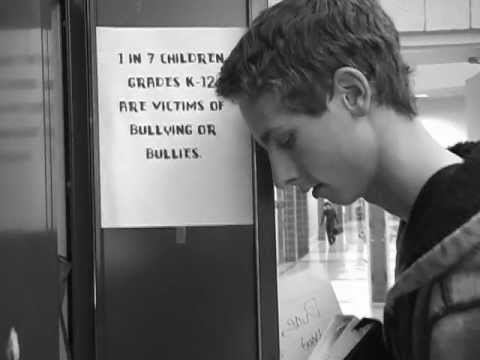
Mira is in the most impossible situation, and I really felt her pain, fear, and frustration. Her ability as a child to be heard, for the sake of her friend, shines a glaring light on how children and teens are perceived in our society. While this is set in America, this is also a global problem. Dismissing children as exaggerators, hysterical, or troublemakers instead of listening first, is one of the biggest problems I see when my own teens try to express something that is bothering them.
Rob’s homelife is a continuation of his life at school. He feels trapped, and bullied by his parents. His perceived sexuality is associated with his manliness, or lack thereof, by his father, he is told he should just stick up for himself, and “be a man”. This was the most difficult part of the story for me. This lose-lose battle, where children who are bullied are told to stick up for themselves, and then end up in trouble with everyone as a result, victims of more severe bullying, or emasculated due to their innate nature of pacifism. They feel so hopelessly trapped that there is no winning. Children lose their lives because adults cannot accept what is right in front of them, or do not have the tools or support to navigate this type of situation. All throughout the story, I was frustrated along side Mira. I was torn in two by the scenes in the story. We have international events and programs dedicated to anti-bullying, but on a local, individual level, the system fails. Heartbreaking, and soul destroying, this story had me analysing my own worldviews, and how fragile mental health can be in adolescents who face this type of ostracism.
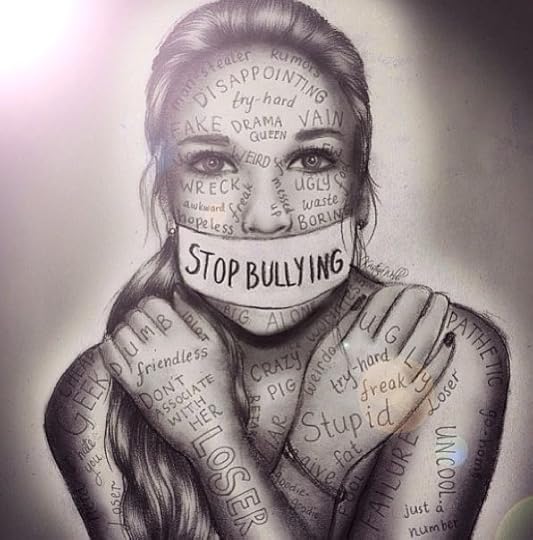
I also battled with my feelings on whether I want my children to read a story like this. I tried to think of the types of stories I was reading when I was a teen. What was the earliest I read something as complex as this? The conclusion I came to was, yes, they are old enough. They are old enough to know how to be an advocate for themselves and their friends, with the support of adults. They are old enough to speak up, and speak out. My teens are thirteen and fourteen. They are as different as night and day, and most times I worry more about one, than the other. I worry about secrets, and bullying, and whether I need to act. I worry that if something were to happen to one of them, would they tell me, and whether I could successfully advocate for them, without overtaking their own needs for self-advocacy. I worry constantly about whether or not I would know that this was happening. And I worry about how the men in my family view “being a man” and “fighting back” and whether that would impact how they advocated for my children. If I am worried about these things, then I accept that they are participating in a culture that produces bullying, and therefore they are old enough to read something that resonates with the reality of that culture.

Mira is also trying to navigate her own sexuality, and first relationship, while trying to support her friend. It is draining, and I felt her exhaustion. Being split between being a friend to Rob, who needs her, with her new relationship with Talia strains her to her emotional limit.
The importance of being there for those who need her overtakes her own needs for self-care. I think this is a golden message for teens (and adults) about boundaries and being well enough to clearly assist someone else. It also facilitates that really important conversation of when something is beyond your ability to manage, and when to seek outside help. This is something that plagues Mira, and freezes her in an unhealthy situation.
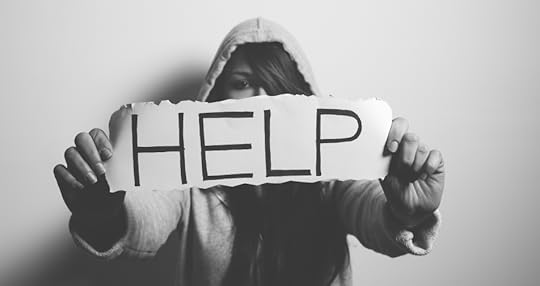
I loved the complexity of relationships in this story. I thought the character building was good. I connected with Mira and felt all her feelings with her. I also empathised with Rob’s struggle, and how his lack of support from those with authority, along with his mental illness, created a pretty toxic situation for both Rob, and Mira.
Being YA I would first recommend a parent reading this before deciding whether their child is ready. I think this would be an excellent book for parents and teens to read together. This is something that could be used as a communication tool. It’s not perfect in execution, but it is definitely a story that is powerful in it’s delivery. It is hard to read, there will be a lot of tears, but it is important on many different levels.
A well rounded read, with some pretty heavy content. I would recommend it to all, but check in with your own mental well-being before diving into this.
A Review copy was provided for an honest opinion
This story made me feel really uncomfortable, in a way that opened me up to self-analysis and critical thought.
Mira is in a really tough position. Fifteen, with a friend who requires a lot of attention and care, Mira is trying to be loyal, but the things Rob is saying to her are scary. She’s not sure how to handle it, and also fears that Rob will feel betrayed if she asks for help, even though he needs more help than Mira can provide.
This is one of those stories that really shines a light on the reality of school bullying and teens with mental illness. Whether it is overcrowding, underfunding, or misunderstanding, the sorts of things that happen in this story are seen across the world in schools. News articles, activism, and parent groups all over find the system, and social norms, impossible to navigate when bullying gets to this point. It’s a lose-lose situation, and it’s one of the things most parents I know, fear when having children.
This story was raw, and powerful, in the way the author spared no quarter with displaying bullying. It is something I’m sure the majority of people have experienced, seen, or heard about. The outcome can be tragic, and cause generational damage. All these messages came across in this story.
Mira is in the most impossible situation, and I really felt her pain, fear, and frustration. Her ability as a child to be heard, for the sake of her friend, shines a glaring light on how children and teens are perceived in our society. While this is set in America, this is also a global problem. Dismissing children as exaggerators, hysterical, or troublemakers instead of listening first, is one of the biggest problems I see when my own teens try to express something that is bothering them.
Rob’s homelife is a continuation of his life at school. He feels trapped, and bullied by his parents. His perceived sexuality is associated with his manliness, or lack thereof, by his father, he is told he should just stick up for himself, and “be a man”. This was the most difficult part of the story for me. This lose-lose battle, where children who are bullied are told to stick up for themselves, and then end up in trouble with everyone as a result, victims of more severe bullying, or emasculated due to their innate nature of pacifism. They feel so hopelessly trapped that there is no winning. Children lose their lives because adults cannot accept what is right in front of them, or do not have the tools or support to navigate this type of situation. All throughout the story, I was frustrated along side Mira. I was torn in two by the scenes in the story. We have international events and programs dedicated to anti-bullying, but on a local, individual level, the system fails. Heartbreaking, and soul destroying, this story had me analysing my own worldviews, and how fragile mental health can be in adolescents who face this type of ostracism.
I also battled with my feelings on whether I want my children to read a story like this. I tried to think of the types of stories I was reading when I was a teen. What was the earliest I read something as complex as this? The conclusion I came to was, yes, they are old enough. They are old enough to know how to be an advocate for themselves and their friends, with the support of adults. They are old enough to speak up, and speak out. My teens are thirteen and fourteen. They are as different as night and day, and most times I worry more about one, than the other. I worry about secrets, and bullying, and whether I need to act. I worry that if something were to happen to one of them, would they tell me, and whether I could successfully advocate for them, without overtaking their own needs for self-advocacy. I worry constantly about whether or not I would know that this was happening. And I worry about how the men in my family view “being a man” and “fighting back” and whether that would impact how they advocated for my children. If I am worried about these things, then I accept that they are participating in a culture that produces bullying, and therefore they are old enough to read something that resonates with the reality of that culture.
Mira is also trying to navigate her own sexuality, and first relationship, while trying to support her friend. It is draining, and I felt her exhaustion. Being split between being a friend to Rob, who needs her, with her new relationship with Talia strains her to her emotional limit.
The importance of being there for those who need her overtakes her own needs for self-care. I think this is a golden message for teens (and adults) about boundaries and being well enough to clearly assist someone else. It also facilitates that really important conversation of when something is beyond your ability to manage, and when to seek outside help. This is something that plagues Mira, and freezes her in an unhealthy situation.
I loved the complexity of relationships in this story. I thought the character building was good. I connected with Mira and felt all her feelings with her. I also empathised with Rob’s struggle, and how his lack of support from those with authority, along with his mental illness, created a pretty toxic situation for both Rob, and Mira.
Being YA I would first recommend a parent reading this before deciding whether their child is ready. I think this would be an excellent book for parents and teens to read together. This is something that could be used as a communication tool. It’s not perfect in execution, but it is definitely a story that is powerful in it’s delivery. It is hard to read, there will be a lot of tears, but it is important on many different levels.
A well rounded read, with some pretty heavy content. I would recommend it to all, but check in with your own mental well-being before diving into this.
A Review copy was provided for an honest opinion

Read
January 5, 2018Read for an upcoming Under the Radar column on bullying and LGBTQA youth. This title is notable for multiple perspectives on homophobic bullying and exploring the dynamic of how the bullied can be driven to violent extremes. It hits a bit too close to home for me, having mentored a student who was bullied and who gave signals that a violent reprisal might be imminent. I struggled with whether and to whom to report my concerns, but once it was clear that other students closer to the situation shared my unease, I took action. It drove a wedge between me and the student, which only got deeper as, sometime after graduation, other authorities raised concern about the same individual, and I received some bitter correspondence from the former student, who laid the blame for future troubles at my feet. Ultimately, any potential violence was never realized, which is perhaps some comfort.
Displaying 1 - 6 of 6 reviews