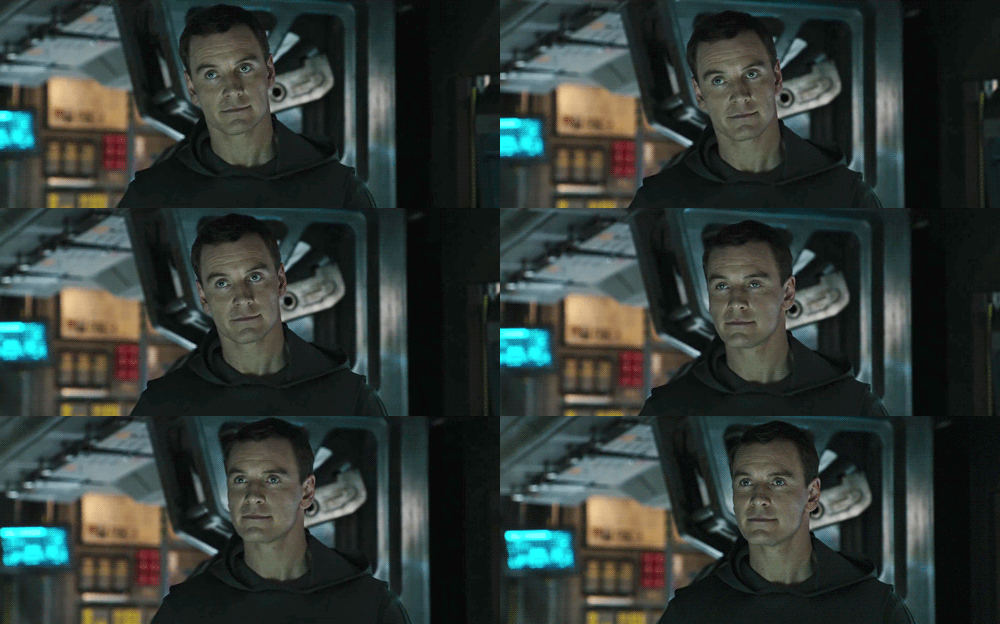
I don't usually read novelizations, and when I do, I'm usually disappointed. But after glancing through the first few pages of this one, I thought maybe the writer could bring something to the story that the movie hadn't. In some ways, he did, but overall the novel only emphasizes the film's flaws.
If you've seen any reviews of the film, you're familiar with some of the major complaints: characters making very stupid decisions; lingering questions; uneven pacing; and terribly undeveloped characters.
The book does a decent job justifying the character's poor decisions by providing some interiority. By understanding the characters' reasoning, I felt their mistakes were less glaring and a little more understandable--this is also helped by a few minor tweaks in the events. Like a lot of novelizations, this one is based off an earlier draft of the script, so it reads like a director's cut of the film. What little difference there is tends to soften the rough edges a bit--for example, the book provides a little explanation for why the crew doesn't don helmets when exploring an alien planet. Whether or not that explanation holds up is another issue (they say there are no pathogens in the air, but you're telling me nobody in the history of space flight thought about non-airborne pathogens?). So it's still not the most intelligent story, and it's especially light on the "science" aspect of the science fiction, but its transgressions are less noticeable than the film's.
However, the most important issue, and the one that is magnified by the novel, is how underdeveloped the characters are. If it weren't for the promotional material behind the film, I don't think I would be able to tell you who the main character is. It's supposed to be Daniels, but she disappears for roughly half of the book or more. Worse--and this is important--Daniels doesn't DO anything. In the latter parts of the story, she reveals herself to be a fighter, but so have other characters who were equally undeveloped. I felt like Oram had more of an inner life than Daniels, but he still only felt like 1/2 of a realized character, so there's nobody to root for or care about.
And Tennessee? Forget it. He's a glorified plot device.
That's how you could describe everyone in the story. They're only there so they can make poor decisions and advance the plot, which never really takes off, anyway. The characters spend most of their time hanging out in an alien cathedral waiting for things to happen to them. This should have been a huge red flag for the writers of the script, and I don't envy Alan Dean Foster's task of turning it into a novel.
To compensate, Foster uses a whole lot of POV shifts, often in the middle of the scene, usually because the main characters are just sitting around. This is what I really don't understand about the story: why didn't anyone think to make Daniels a more active character? She seems to disappear for the middle of the book, but she could have been the one trying to fix the linkup to the ship. Or she could have been the one to discover the horrors lurking in the cathedral. She could have been skeptical before the awful "twist" ending. As-is, she waits around (or sleeps!) until someone else does something to progress the plot. And those characters who DO progress the plot aren't around long enough to be considered main characters, themselves.
As with its predecessor--the flawed Prometheus--what makes this so frustrating is all the wasted potential. There are some genuinely interesting ideas here, and the premise is compelling enough, but the execution is muddled, unfocused, and poorly paced. It feels like a story that was put together by committee--or someone who doesn't value the importance of character.
I haven't read any of Alan Dean Foster's original work, and I don't doubt that he's a talented writer. Here, it's clear that the source material is the problem, so my criticisms are purely story-based.