

What do you think?

A Fratricide
"Ein Brudermord" ist eine kurze Erzählung von Franz Kafka, die in wenig abweichender Form bereits 1917 unter dem vorläufigen Titel "Der Mord" entstand und die 1920 in verbesserter und autorisierter Form im Band "Ein Landarzt" veröffentlicht wurde. Es handelt sich um eine plakative Kriminalgeschichte, zwischen einem Mörder Schmar und seinem Opfer Wese, in der starke Darstellungseffekte des frühen Kinos enthalten sind.
Unknown Binding
First published November 30, 1917
About the author
Franz Kafka
3,628 books41.5k followersFranz Kafka was a German-speaking writer from Prague whose work became one of the foundations of modern literature, even though he published only a small part of his writing during his lifetime. Born into a middle-class Jewish family in Prague, then part of the Austro-Hungarian Empire, Kafka grew up amid German, Czech, and Jewish cultural influences that shaped his sense of displacement and linguistic precision. His difficult relationship with his authoritarian father left a lasting mark, fostering feelings of guilt, anxiety, and inadequacy that became central themes in his fiction and personal writings.
Kafka studied law at the German University in Prague, earning a doctorate in 1906. He chose law for practical reasons rather than personal inclination, a compromise that troubled him throughout his life. After university, he worked for several insurance institutions, most notably the Workers Accident Insurance Institute for the Kingdom of Bohemia. His duties included assessing industrial accidents and drafting legal reports, work he carried out competently and responsibly. Nevertheless, Kafka regarded his professional life as an obstacle to his true vocation, and most of his writing was done at night or during periods of illness and leave. Kafka began publishing short prose pieces in his early adulthood, later collected in volumes such as Contemplation and A Country Doctor. These works attracted little attention at the time but already displayed the hallmarks of his mature style, including precise language, emotional restraint, and the application of calm logic to deeply unsettling situations. His major novels The Trial, The Castle, and Amerika were left unfinished and unpublished during his lifetime. They depict protagonists trapped within opaque systems of authority, facing accusations, rules, or hierarchies that remain unexplained and unreachable. Themes of alienation, guilt, bureaucracy, law, and punishment run throughout Kafka’s work. His characters often respond to absurd or terrifying circumstances with obedience or resignation, reflecting his own conflicted relationship with authority and obligation. Kafka’s prose avoids overt symbolism, yet his narratives function as powerful metaphors through structure, repetition, and tone. Ordinary environments gradually become nightmarish without losing their internal coherence. Kafka’s personal life was marked by emotional conflict, chronic self-doubt, and recurring illness. He formed intense but troubled romantic relationships, including engagements that he repeatedly broke off, fearing that marriage would interfere with his writing. His extensive correspondence and diaries reveal a relentless self-critic, deeply concerned with morality, spirituality, and the demands of artistic integrity. In his later years, Kafka’s health deteriorated due to tuberculosis, forcing him to withdraw from work and spend long periods in sanatoriums. Despite his illness, he continued writing when possible. He died young, leaving behind a large body of unpublished manuscripts. Before his death, he instructed his close friend Max Brod to destroy all of his remaining work. Brod ignored this request and instead edited and published Kafka’s novels, stories, and diaries, ensuring his posthumous reputation.
The publication of Kafka’s work after his death established him as one of the most influential writers of the twentieth century. The term Kafkaesque entered common usage to describe situations marked by oppressive bureaucracy, absurd logic, and existential anxiety. His writing has been interpreted through existential, religious, psychological, and political perspectives, though Kafka himself resisted definitive meanings. His enduring power lies in his ability to articulate modern anxiety with clarity and restraint.
Kafka studied law at the German University in Prague, earning a doctorate in 1906. He chose law for practical reasons rather than personal inclination, a compromise that troubled him throughout his life. After university, he worked for several insurance institutions, most notably the Workers Accident Insurance Institute for the Kingdom of Bohemia. His duties included assessing industrial accidents and drafting legal reports, work he carried out competently and responsibly. Nevertheless, Kafka regarded his professional life as an obstacle to his true vocation, and most of his writing was done at night or during periods of illness and leave. Kafka began publishing short prose pieces in his early adulthood, later collected in volumes such as Contemplation and A Country Doctor. These works attracted little attention at the time but already displayed the hallmarks of his mature style, including precise language, emotional restraint, and the application of calm logic to deeply unsettling situations. His major novels The Trial, The Castle, and Amerika were left unfinished and unpublished during his lifetime. They depict protagonists trapped within opaque systems of authority, facing accusations, rules, or hierarchies that remain unexplained and unreachable. Themes of alienation, guilt, bureaucracy, law, and punishment run throughout Kafka’s work. His characters often respond to absurd or terrifying circumstances with obedience or resignation, reflecting his own conflicted relationship with authority and obligation. Kafka’s prose avoids overt symbolism, yet his narratives function as powerful metaphors through structure, repetition, and tone. Ordinary environments gradually become nightmarish without losing their internal coherence. Kafka’s personal life was marked by emotional conflict, chronic self-doubt, and recurring illness. He formed intense but troubled romantic relationships, including engagements that he repeatedly broke off, fearing that marriage would interfere with his writing. His extensive correspondence and diaries reveal a relentless self-critic, deeply concerned with morality, spirituality, and the demands of artistic integrity. In his later years, Kafka’s health deteriorated due to tuberculosis, forcing him to withdraw from work and spend long periods in sanatoriums. Despite his illness, he continued writing when possible. He died young, leaving behind a large body of unpublished manuscripts. Before his death, he instructed his close friend Max Brod to destroy all of his remaining work. Brod ignored this request and instead edited and published Kafka’s novels, stories, and diaries, ensuring his posthumous reputation.
The publication of Kafka’s work after his death established him as one of the most influential writers of the twentieth century. The term Kafkaesque entered common usage to describe situations marked by oppressive bureaucracy, absurd logic, and existential anxiety. His writing has been interpreted through existential, religious, psychological, and political perspectives, though Kafka himself resisted definitive meanings. His enduring power lies in his ability to articulate modern anxiety with clarity and restraint.
Ratings & Reviews
Friends & Following
Create a free account to discover what your friends think of this book!
Community Reviews
Displaying 1 - 28 of 28 reviews

April 4, 2020
A book must be the axe for the frozen sea within us.”
― Franz Kafka
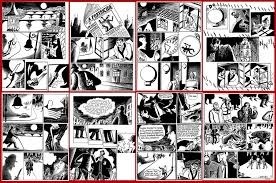
Bliss of murder! Relief, to be lent wings by flowing of another’s blood! Wese, old nightshadow, friend, bar0fly, trickling away into the gutter. Why aren’t you just a bladder full of blood, so I can sit on you, and you’d disappear utterly. Not everything is fulfilled, not all dreams bear fruit, now your heavy carcass is lying here, unresponsive to my boot. What does your mute questions portend ?
Well, jealously, we all know, is a fueling emotion. That doesn't mean you need to like or support it. Yet, on the off chance that you removed all worth decisions and permitted yourself to subside into the unadulterated vibes of envy, you'd see they're truly not unreasonably unique in relation to the experience of turn-on. Your heart palpitates, your heartbeat races, heat prickles the outside of your skin, and your interior organs reshape in a winding move of elevated feeling. However, the envious passion may said to be something different, it is as if jealously walks over into your passionate stream, and you become a epitome of uncontrollable passionate energy which is volatile, though may be beneficial or injurious.
Schmar awaits his brother, we see him sharpening his blade, we feel him hot with nerves, we see what he is wearing; we are in very close narrative distance to Schmar. The plot of the story ia quite clear from the very first sentence itself, it is as if someone narrating the details of a murder. However, it is familiar world of Kafka, which teased the critics and commentators into contradictory, even outlandish interpretations, the reader is grasped into a dense emotional miscellany, but the reader feels usual anxiety and perplexes to search for motifs behind the events as they happened, only to realize that all his/ her endeavors are hitting the closed loop. We see that Schmar also watches his tormented soul cursing him outlandishly, for the great act of murder did not bring any solace to it. So, we feel are somewhat in the same muck of consciousness as we are also ungratified, hopping hither and thither to search for motives/ meanings behind the divine act. However, as soon our sympathy starts to pour out for Schmar, we are taken by a sense of guilt, a moral sense taught us by the society, as we are surreptitiously becoming accomplice in the act of prodigious passion.
The night sky as brought it on, so much dark blue and gold, Ignorantly he looks at it, ignorantly he looks at it, ignorantly he doffs his hat and sweeps his hair back; nothing up there reconfigures itself to indicate what will be; everything remains in its meaningless, inscrutable place. Perfectly reasonable, on the face of it, for Wese to walk on, but he walks into Schmar’s knife.
The narrator of the story is as unclear as the motives of the characters in the story are. The unreliable narrator keeps on bombarding unpleasant surprises to the reader but did not really reveal his real role. Though the narrator engaged the reader, not really in manner we see in metafiction but more in a sensational way. He/ she tried to pull in the reader, who is watching in this heinous but unexplainable event in horror from a place from where his motives could not be guessed, asking the readers to actively participate in identifying the motives of the passive on-looker, Pallas but the reader never has the comfort of concluding anything in the story.
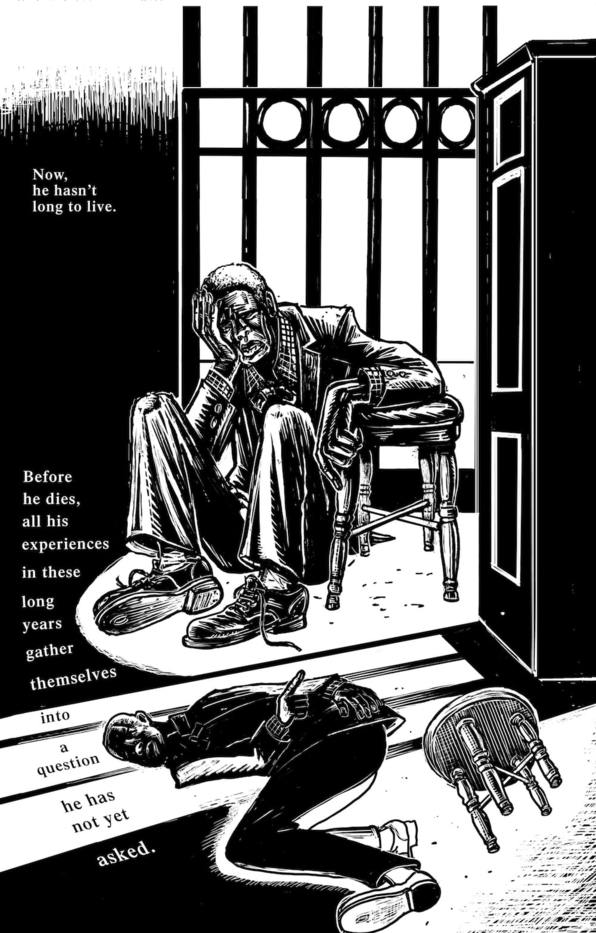
We also have another character, Pallas, who acts as a passive on-looker to this unusual murder. What could have been his motive to act as acquiescent associate to this divine man, Schmar who is as strange as his very act itself. Pallas could have intervened in this whole act, perhaps could have been able to change its outcome or could have avert the act in the first place. But he did not act all. What could have been his thinking behind his non-act. Is that Pallas was not capable to step in one of the strangest acts of humanity. Is it so that the existence of Pallas was not authentic at all, he was non-being who was incapable of express himself, as if his existence doesn’t matter at all since he was burning in the hell of nothingness and was nothing more than a symbol or farce. Another possible reason could be ascertained that perhaps he was the narrator of the story, himself who just did what was expected of him in his limited capabilities.
We see that even after expressing his passionate outburst through the strange act of murdering his friend, Schmar could not find any solace, his soul keeps on wandering from here to there, uncontended in the hell of nothingness. Why did he do then, perhaps he himself did not know it. For man is not capable of deciding his act, he is so fragile and vulnerable that his impulse more often than not defeats his reason and in aftermath all his acts come out as brazen farces. His entire existence is so undefended and defenseless that any flame of fire of hell or the cruel eyes of ‘ the Other’, stripped it to nothingness.
The story of Kafka is crafted in the typical Kafkaesque world in which the strangeness and the details left unexplained impressed upon the reader that part of the fun of reading is leaving something for the reader to parse out – a mystery in form and not only in subject matter. The style of omission can be difficult for a reader in longer works. In really short stories, there isn’t enough physical space for these storytelling and other tangible details, and requires the reader to fill in the blanks and work with the writer for a fully composed masterpiece and experience. Some commentators have said the three characters are personifications of Freud’s three elements of personality: id, ego, and superego; see the obvious parallel to the biblical brothers, Cain and Abel. Look for the layers. As a flash fiction writer, you present a stage, throw in some clues as to what your intentions are and leave the rest to the reader. That’s the beauty of flash fiction – it can be so many different things at once. Who better author can be for it than Kafka, whom the critics and commentators still struggling to comprehend.

― Franz Kafka
Bliss of murder! Relief, to be lent wings by flowing of another’s blood! Wese, old nightshadow, friend, bar0fly, trickling away into the gutter. Why aren’t you just a bladder full of blood, so I can sit on you, and you’d disappear utterly. Not everything is fulfilled, not all dreams bear fruit, now your heavy carcass is lying here, unresponsive to my boot. What does your mute questions portend ?
Well, jealously, we all know, is a fueling emotion. That doesn't mean you need to like or support it. Yet, on the off chance that you removed all worth decisions and permitted yourself to subside into the unadulterated vibes of envy, you'd see they're truly not unreasonably unique in relation to the experience of turn-on. Your heart palpitates, your heartbeat races, heat prickles the outside of your skin, and your interior organs reshape in a winding move of elevated feeling. However, the envious passion may said to be something different, it is as if jealously walks over into your passionate stream, and you become a epitome of uncontrollable passionate energy which is volatile, though may be beneficial or injurious.
Schmar awaits his brother, we see him sharpening his blade, we feel him hot with nerves, we see what he is wearing; we are in very close narrative distance to Schmar. The plot of the story ia quite clear from the very first sentence itself, it is as if someone narrating the details of a murder. However, it is familiar world of Kafka, which teased the critics and commentators into contradictory, even outlandish interpretations, the reader is grasped into a dense emotional miscellany, but the reader feels usual anxiety and perplexes to search for motifs behind the events as they happened, only to realize that all his/ her endeavors are hitting the closed loop. We see that Schmar also watches his tormented soul cursing him outlandishly, for the great act of murder did not bring any solace to it. So, we feel are somewhat in the same muck of consciousness as we are also ungratified, hopping hither and thither to search for motives/ meanings behind the divine act. However, as soon our sympathy starts to pour out for Schmar, we are taken by a sense of guilt, a moral sense taught us by the society, as we are surreptitiously becoming accomplice in the act of prodigious passion.
The night sky as brought it on, so much dark blue and gold, Ignorantly he looks at it, ignorantly he looks at it, ignorantly he doffs his hat and sweeps his hair back; nothing up there reconfigures itself to indicate what will be; everything remains in its meaningless, inscrutable place. Perfectly reasonable, on the face of it, for Wese to walk on, but he walks into Schmar’s knife.
The narrator of the story is as unclear as the motives of the characters in the story are. The unreliable narrator keeps on bombarding unpleasant surprises to the reader but did not really reveal his real role. Though the narrator engaged the reader, not really in manner we see in metafiction but more in a sensational way. He/ she tried to pull in the reader, who is watching in this heinous but unexplainable event in horror from a place from where his motives could not be guessed, asking the readers to actively participate in identifying the motives of the passive on-looker, Pallas but the reader never has the comfort of concluding anything in the story.
We also have another character, Pallas, who acts as a passive on-looker to this unusual murder. What could have been his motive to act as acquiescent associate to this divine man, Schmar who is as strange as his very act itself. Pallas could have intervened in this whole act, perhaps could have been able to change its outcome or could have avert the act in the first place. But he did not act all. What could have been his thinking behind his non-act. Is that Pallas was not capable to step in one of the strangest acts of humanity. Is it so that the existence of Pallas was not authentic at all, he was non-being who was incapable of express himself, as if his existence doesn’t matter at all since he was burning in the hell of nothingness and was nothing more than a symbol or farce. Another possible reason could be ascertained that perhaps he was the narrator of the story, himself who just did what was expected of him in his limited capabilities.
We see that even after expressing his passionate outburst through the strange act of murdering his friend, Schmar could not find any solace, his soul keeps on wandering from here to there, uncontended in the hell of nothingness. Why did he do then, perhaps he himself did not know it. For man is not capable of deciding his act, he is so fragile and vulnerable that his impulse more often than not defeats his reason and in aftermath all his acts come out as brazen farces. His entire existence is so undefended and defenseless that any flame of fire of hell or the cruel eyes of ‘ the Other’, stripped it to nothingness.
The story of Kafka is crafted in the typical Kafkaesque world in which the strangeness and the details left unexplained impressed upon the reader that part of the fun of reading is leaving something for the reader to parse out – a mystery in form and not only in subject matter. The style of omission can be difficult for a reader in longer works. In really short stories, there isn’t enough physical space for these storytelling and other tangible details, and requires the reader to fill in the blanks and work with the writer for a fully composed masterpiece and experience. Some commentators have said the three characters are personifications of Freud’s three elements of personality: id, ego, and superego; see the obvious parallel to the biblical brothers, Cain and Abel. Look for the layers. As a flash fiction writer, you present a stage, throw in some clues as to what your intentions are and leave the rest to the reader. That’s the beauty of flash fiction – it can be so many different things at once. Who better author can be for it than Kafka, whom the critics and commentators still struggling to comprehend.

July 14, 2018
A story that brings some of the illogical human: a murderer who kills a friend, but is not satisfied with his act;
A witness who foresees murder, but exempts himself from any action that prevents the murder and on the contrary, is satisfied with what happened.
The victim's wife, who simply awaits her daily life.
The victim who, before dying, feels and lives the absurdity of another night of life after a day's work.
This is a narrative that deals more with description than explanation. In which the illogical is not the redemption of the irrational, but the consciousness of the limits of life.
----
Uma história que traz um tanto do ilógico humano: um homicida que mata um amigo, mas não está satisfeito com seu ato;
Uma testemunha que prevê o homicídio, mas isenta-se de qualquer ação que impeça o assassinato e pelo contrario, se satisfaz com o ocorrido.
A mulher da vítima, que simplesmente espera seu cotidiano.
A vítima que antes de morrer, sente e vive plena o absurdo de mais uma noite de vida depois de um dia de trabalho.
Essa é uma narrativa que trata mais da descrição do que da explicação. Em que o ilógico não é a redenção do irracional, mas a consciência dos limites da vida.
A witness who foresees murder, but exempts himself from any action that prevents the murder and on the contrary, is satisfied with what happened.
The victim's wife, who simply awaits her daily life.
The victim who, before dying, feels and lives the absurdity of another night of life after a day's work.
This is a narrative that deals more with description than explanation. In which the illogical is not the redemption of the irrational, but the consciousness of the limits of life.
----
Uma história que traz um tanto do ilógico humano: um homicida que mata um amigo, mas não está satisfeito com seu ato;
Uma testemunha que prevê o homicídio, mas isenta-se de qualquer ação que impeça o assassinato e pelo contrario, se satisfaz com o ocorrido.
A mulher da vítima, que simplesmente espera seu cotidiano.
A vítima que antes de morrer, sente e vive plena o absurdo de mais uma noite de vida depois de um dia de trabalho.
Essa é uma narrativa que trata mais da descrição do que da explicação. Em que o ilógico não é a redenção do irracional, mas a consciência dos limites da vida.

June 13, 2016
12 hikayeden oluşan kitap için özetle Metaforların dansı diyebilirim :)
Kafka'nın ince ayrıntılarına gizlenmiş, metaforlarla bezenmiş hikayelerinde neler anlatılmamış ki;
Sanatçımız var gurur duyduğu kendince çok önem verdiği açlığı başkaları tarafından bazen yalancılıkla suçlanıyor bazen de sıradanlıkla izleniyor, işsiz kaldığında çok da irdelemeden kabul görmek uğruna daha da fedakarlık yaparak hayatının diğerleri tarafından hiçe sayılmasına sessiz kalarak gidiyor bu dünyadan.
Baba, 11 oğlunu anlatıyor ne de güzel betimlemiş birbirinden farklı karakter ve yakışıklılıkta 11 erkek ama umudu sadece bir tanesinde.
Fare halkından sadece bir tanesinin sesi güzel ve şarkıları dinleniyor peki bu onun zamana karşı koymasına neden mi yoksa o da diğerleri gibi unutulup gidenlerden mi olacak?
Çakal sürüsü insanlardan korkuyor, nefret ediyor ama yine de onlara zarar vermiyorlar çünkü insana değer vermenin ayrı anlatıldığı bu öykü “kirlenirlerse arınmaya Nil’in suyu yetmez” görüşünde.
Cinayet hangi hissi yaşatır insana? Neyi çağrıştırır? Değişken ruh halinize göre sonuç değişir mi?
Sahtekâr tasviri ve davranış şekillerini öğrenecek kadar çok sahtekâr görüp tanımıştı ama insan yine de yanılabilirdi.
Seyahat etmeyi sevmeyen trapez sanatçısı; başarısına başarı katmak isterken yetersizliğini mi görmüştü yoksa her istediğine tamam diyen, itirazı olmayan menajeri miydi bu bitmek bilmeyen çocukça kaprislerin sebebi?
Mutsuzluğun tanımını herkes başedemediği duygusuyla yapar kimine göre yalnızlık, kimine göre korku, kimine göre düşünceler…
Yoktan var ederek fedakarlık mı yapıyorsunuz ama siz ne yaparsanız yapın karşı tarafın sonunu kabullenmiş sabit fikrini değiştiremeyeceksiniz. Pişman mı oldunuz, insanları memnun mu edemediniz kimse sorumluluğu kendine almayacak ve siz zamanı geri saramayacaksınız. Taşra doktorunun Rosa’yı feda edip hastasına gidişi ve dönüşü binlerce anlam barındırabilir.
Sarayın göçebelere karşı davetkar tavrı sonrasında ihtiyaçlarını karşılayamaması, ne yapacağını bilemez hale gelmesi ve esnafın da bu durumu çözemeyecek oluşu bir anda günümüz Türkiye’sini anlattığını sanmadım değil.
İstediğiniz şeyi elde etme yolu en başından niyetinizle belirlenir, ilk kararınızda ve icraata geçiş şeklinizle de ilgilidir diyor Kova Binicisi.
İyi okumalar,
Kafka'nın ince ayrıntılarına gizlenmiş, metaforlarla bezenmiş hikayelerinde neler anlatılmamış ki;
Sanatçımız var gurur duyduğu kendince çok önem verdiği açlığı başkaları tarafından bazen yalancılıkla suçlanıyor bazen de sıradanlıkla izleniyor, işsiz kaldığında çok da irdelemeden kabul görmek uğruna daha da fedakarlık yaparak hayatının diğerleri tarafından hiçe sayılmasına sessiz kalarak gidiyor bu dünyadan.
Baba, 11 oğlunu anlatıyor ne de güzel betimlemiş birbirinden farklı karakter ve yakışıklılıkta 11 erkek ama umudu sadece bir tanesinde.
Fare halkından sadece bir tanesinin sesi güzel ve şarkıları dinleniyor peki bu onun zamana karşı koymasına neden mi yoksa o da diğerleri gibi unutulup gidenlerden mi olacak?
Çakal sürüsü insanlardan korkuyor, nefret ediyor ama yine de onlara zarar vermiyorlar çünkü insana değer vermenin ayrı anlatıldığı bu öykü “kirlenirlerse arınmaya Nil’in suyu yetmez” görüşünde.
Cinayet hangi hissi yaşatır insana? Neyi çağrıştırır? Değişken ruh halinize göre sonuç değişir mi?
Sahtekâr tasviri ve davranış şekillerini öğrenecek kadar çok sahtekâr görüp tanımıştı ama insan yine de yanılabilirdi.
Seyahat etmeyi sevmeyen trapez sanatçısı; başarısına başarı katmak isterken yetersizliğini mi görmüştü yoksa her istediğine tamam diyen, itirazı olmayan menajeri miydi bu bitmek bilmeyen çocukça kaprislerin sebebi?
Mutsuzluğun tanımını herkes başedemediği duygusuyla yapar kimine göre yalnızlık, kimine göre korku, kimine göre düşünceler…
Yoktan var ederek fedakarlık mı yapıyorsunuz ama siz ne yaparsanız yapın karşı tarafın sonunu kabullenmiş sabit fikrini değiştiremeyeceksiniz. Pişman mı oldunuz, insanları memnun mu edemediniz kimse sorumluluğu kendine almayacak ve siz zamanı geri saramayacaksınız. Taşra doktorunun Rosa’yı feda edip hastasına gidişi ve dönüşü binlerce anlam barındırabilir.
Sarayın göçebelere karşı davetkar tavrı sonrasında ihtiyaçlarını karşılayamaması, ne yapacağını bilemez hale gelmesi ve esnafın da bu durumu çözemeyecek oluşu bir anda günümüz Türkiye’sini anlattığını sanmadım değil.
İstediğiniz şeyi elde etme yolu en başından niyetinizle belirlenir, ilk kararınızda ve icraata geçiş şeklinizle de ilgilidir diyor Kova Binicisi.
İyi okumalar,
March 12, 2026
Nice man
April 19, 2024
das war der erste Kafka-Text, den ich auf Deutsch lese. die Erfahrung war gut, ich musste ein paar wörter googeln aber normal. ich liebe kafka und will seine bücher in der originalversion lesen, bin begeistert :)

November 5, 2018
(A Fratricide short story only)
I haven't read any Kafka yet, although my daughter recommends him. I decided to read this little vignette because I saw that it was reprinted in Ellery Queen's Mystery Magazine and was curious since I didn't think of Kafka as a mystery/crime fiction writer.
This story asks more questions than it answers. Why did Schmar kill his brother Wese? Why did Pallas watch the murder without interfering? Why didn't anyone report the agitated man with the big knife pacing the street?
This tale was just too short for my to make any kind of opinions as to what I think of Kafka's writing so I guess I'll need to move Metamorphosis up on my to read list.
I haven't read any Kafka yet, although my daughter recommends him. I decided to read this little vignette because I saw that it was reprinted in Ellery Queen's Mystery Magazine and was curious since I didn't think of Kafka as a mystery/crime fiction writer.
This story asks more questions than it answers. Why did Schmar kill his brother Wese? Why did Pallas watch the murder without interfering? Why didn't anyone report the agitated man with the big knife pacing the street?
This tale was just too short for my to make any kind of opinions as to what I think of Kafka's writing so I guess I'll need to move Metamorphosis up on my to read list.
August 26, 2020
— Край! — казва Шмар и запокитва ножа, това вече ненужно кърваво бреме, срещу стената на близката къща. — О, блаженство на убийството! Как облекчава и окриля гледката на изтичащата чужда кръв! Везе, стари нощен призрако, приятелю, другарю по чашка, ти се процеждаш в тъмната улична пръст. Защо не си просто пълен с кръв мехур, та да седна отгоре ти и да изчезнеш завинаги! Не всичко се сбъдва, не узряха всички разцъфнали мечти[1] тежките ти останки лежат тук, недостъпни вече за ритник. Какво означава немият въпрос, който поставяш по този начин?
[1] „Не узряха всички разцъфнали мечти“ — из „Прометей“, Гьоте. — Б. пр ↑
[1] „Не узряха всички разцъфнали мечти“ — из „Прометей“, Гьоте. — Б. пр ↑
This entire review has been hidden because of spoilers.
September 22, 2023
✦"Bliss of murder! Relief, to be lent wings by flowing of another’s blood! Wese, old nightshadow, friend, barofly, trickling away into the gutter. Why aren’t you just a bladder full of blood, so I can sit on you, and you’d disappear utterly. Not everything is fulfilled, not all dreams bear fruit, now your heavy carcass is lying here, unresponsive to my boot. What does your mute questions portend?"

May 31, 2023
Vou colocar todos os contos que eu ler do kafka aqui, para não esquecer.
Esse é o mais curto dele que eu li. É tão curto que tudo fica meio aberto. Tenho muitas perguntas kkkkk.
Se você nunca leu kafka, não começa por esse, achei que ele não representa tudo que eu amo nele. Parece um pouco Edgar Allan Poe, sepa pq tem assassinato e começa o conto descrevendo o ambiente como frio.
Esse é o mais curto dele que eu li. É tão curto que tudo fica meio aberto. Tenho muitas perguntas kkkkk.
Se você nunca leu kafka, não começa por esse, achei que ele não representa tudo que eu amo nele. Parece um pouco Edgar Allan Poe, sepa pq tem assassinato e começa o conto descrevendo o ambiente como frio.
October 2, 2025
This book was really interesting. Super short, but in that time you ask so many questions. What is the relationship between Schmar and Wese, why does Schmar want to kill him, why does Pallas sit back and watch, what is this “dumb question” that Wese asks. There is so much up to interpretation, and at that is part of what keeps you interested

October 3, 2019
12 hikayeden oluşan kitapta,bir tanesini bile sevemeden bitirmiş bulunuyorum.Yazar da eser de büyük olabilir ama maalesef bana hitap etmedi diyebilme özgürlüğümü kullanıyorum... .Sizde de büyük yazarlar ya da klasik eserler için beğenmediğinizi söylerken ya da yazarken zorlanıyor musunuz acaba ???

March 19, 2022
One of the more descriptive short stories of Kafka. A retelling of Cain and Abel, but the most interesting element by far for me was Pallas, which once again introduces the element of (in)action, not unlike "Up in the Gallery", and the consequences it has on human life.

February 23, 2025
Bir çok hikayenin birleştiği bir derleme olmuş . Şaşırmadığım şekilde yarım kalmış Kafka hikayeleri çıktı karşıma . Anlamakta zorlandığım ve yorulduğum bir kitap . Ama Kafka’nın kalemi ne olursa olsun lezzetli .

November 3, 2017
Pek benim sevdiğim tarzda olmasa da, Kafka yazdıysa okunur diyerek almıştım zamanında. İç hesaplaşmaları, sorumlulukları, yabancılaşmaları ve nicelerini konu alan kısacık öyküler içeren bir eser.


March 12, 2023
4 pages

August 15, 2023
9 Seiten?? WIRKLICH JZ?

November 7, 2023
3.75* less exciting than I thought it would be
December 3, 2023
A story about an act, short but effective

August 18, 2024
A perfect message in less than a thousand words.

September 26, 2024
"Not all we want comes true, not all the dreams that blossomed have borne fruit"

February 1, 2025
Uzun zamandır okuduğum en huzursuz kitaplardan biriydi. Her öykü uyanmak istediğim bir rüya görüyor gibi bir sıkışmışlık hissettirdi. Kafka okumayı özlemişim.
February 9, 2025
bin mir nicht ganz sicher was ich grad gelesen habe aber ich mag kafkas beschreibugen in büchern sehr
April 21, 2025
A person who kills someone close to him and is not satisfied with this we have no reason why he did it. But he killed him and even confessed to the guard.


January 14, 2017
Kafkadan beklenecegi uzre ilginc hikayelerle dolu bir kitap, hizla ve zevkle okunuyor.
March 23, 2025
Cinayet, ölüm, eylemsizlik ..
13 Farklı Hikaye, 13 Farklı Metafor
13 Farklı Hikaye, 13 Farklı Metafor
Displaying 1 - 28 of 28 reviews