

What do you think?

Qui est Charlie ? : Sociologie d'une crise religieuse
Titlee: Qui est Charlie ? : Sociologie d'une crise religieuse
Author(s): Philippe Laforgue et Emmanuel Todd
Publisher: Seuil
Publishing year: 2015
Sate: Second Hand - Very good
ISBN : 9782021279092
Comment: Ammareal gives back up to 15% of this book's net price to charity organizations.
Ammareal sells online second hand books provided by our partners which are associations and lbraries.
A portion of the price of each book is donated to our partners or to charities.
What we do not sell is given, what we do not give is recycled.
252 pages, Paperback
First published May 4, 2015
About the author
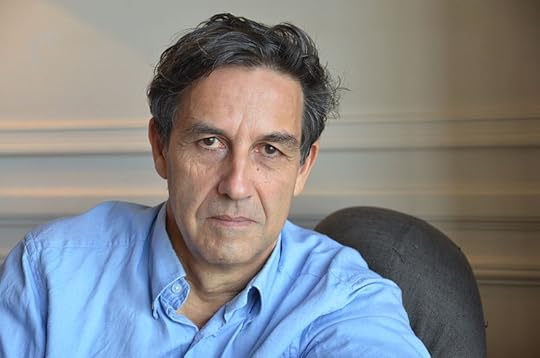
Emmanuel Todd
75 books194 followersEmmanuel Todd is a French historian, anthropologist, demographer, sociologist and political scientist at the National Institute of Demographic Studies (INED) in Paris. His research examines the different types of families worldwide and how there are matching beliefs, ideologies and political systems, and the historical events involving these things.
Ratings & Reviews
Friends & Following
Create a free account to discover what your friends think of this book!
Community Reviews
Displaying 1 - 28 of 28 reviews

October 2, 2015
Netgalley Disclosure
Executive Symbolist Junior

http://www.gocomics.com/doonesbury/19...
Duane Delacourt - Secretary of Symbolism under President Carter (later Executive Symbolist and Press Secretary for California Governor and presidential candidate Jerry Brown)(Doonesbury character)
Prolegomena to a Polemic on the Republic
One of the things that is so fascinating about terrorism as a political strategy is that relatively small groups of terrorists (one, two, three, six individuals) can take on a civilisation and its military might by targeting its symbols.
The attack on the World Trade Centre was effectively an attack on a symbol of the centre of world trade. The attack on Charlie Hebdo was an attack on the symbolic status of free speech, just as much as it was motivated by revenge for continuous acts of blasphemy against Islam. The attack on a kosher supermarket was an attack on Judaism and Jewish culture.
Such a precise attack on a symbolic target guarantees that it will be seen and watched as a major spectacle, which is what the terrorists want to achieve (after all, we live in the society of the spectacle). It would be of no value as an act of aggression or protest, if it was hushed up by the government and the media, if we simply pretended that it never happened.
Satire of the Charlie Hebdo type equally attacks power, self-righteousness and pretension, usually by attacking symbols important to the target (e.g., the prophet Mohammed in the case of Islam).
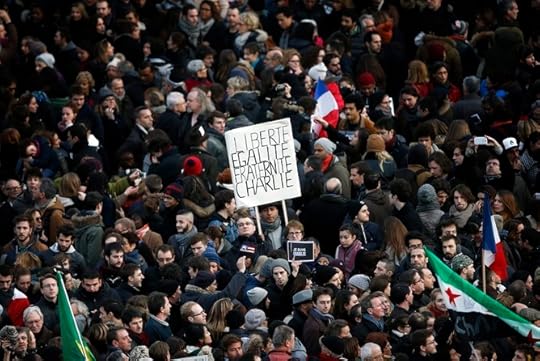
A lot of the immediate concern of this book is the public response to the Charlie Hebdo attacks, in particular, the marches in which up to four million people are supposed to have participated.
No doubt each participant had a sincere personal reason for doing so, even the politicians.
However, collectively, they created a symbol of the refusal to bow down to militant, jihadist Islam and terrorism.
Emmanuel Todd questions this symbol, in words, with the precision of a social terrorist or a satirist. As a result, there has been a significant backlash from many people who had gathered around the symbol, bought the t-shirt, tweeted that they were Charlie, and been heroes just for one day.
It's ironic that these people have been just as protective of their symbol as many Moslems have been of theirs. What emerges, then, is an understanding of how seriously we take our symbols and values, and how we react when they come under attack.
However, the real value of this book is how it attempts to analyse what was really going on in January, 2015 and why.
A Beautiful Polemic
This book is a classic polemic, and what a beauty it is, too!
Born in 1951, Emmanuel Todd is a French academic who is qualified in multiple related areas: anthropology, sociology, demographics, political science and history.
He describes himself as "a Frenchman exasperated by his own society." Written in 30 days, his polemic betrays the spontaneity of something written this quickly. However, it also reflects Todd's view that the Charlie Hebdo attack and response can be analysed within a socio-political framework that he had developed over the course of 40 years. There are frequent references to two earlier books that he has co-written. Thus, this is a subject matter that he has thought and written deeply about for a long time. It's like inviting an exceptional mind to get up on the podium and speak about his favourite topic. The words are there, the structure, the rhetoric. It's left to us to decide whether we're convinced by his arguments.
One question mark I had relates to how Todd deals with both international and domestic French issues. On the one hand, Islamic extremism and the domestic response to it has become a global issue. On the other, much of the anthropo-sociological analysis concerns the unique social fabric of France, if not possibly the European Union. The question is to what extent some of this analysis can be applied outside Europe.
Family, Religion and Republican Values
The overall analysis is based on the anthropology of family structures and the sociology of religions. The analysis is clearly indebted to both Weber and Durkheim.
Todd focusses, firstly, on the values of the French Republic (liberty, equality, fraternity) and the extent to which they have been embraced by different religions, and secondly, on how different family and social structures relate to equality and egalitarianism.
The latter subject was the most unfamiliar to me and therefore the most interesting part of the book. However, it was also the part most specifically based on an examination of local or European conditions (e.g., the influence of the Roman Catholic Church).
While I was aware that France had been one of the more Catholic countries in Europe, I wasn't aware of the extent to which Catholicism has apparently broken down as a social force in France.
"Zombie Catholicism"
Todd believes that Catholicism is less of an influence in the central part of France ("la France centrale") than the peripheral parts. Even on the periphery, there is less observance of Catholic rituals and beliefs. However, Todd suggests that many of the cultural traits of Catholicism have survived post-religion and have shaped what he calls a life after death or "zombie Catholicism", which in a later manifestation has resulted in a shift towards the left on the part of the right-wing Catholic electorate:
"We gave the name ‘zombie Catholicism’ to the anthropological and social force that emerged from the final disintegration of the Church in its traditional bastions. I will later be examining other phenomena, in education and the economy, which provide evidence of the survival of this residual form after the death of the peripheral Catholic subculture. This cultural survival is probably the most important social phenomenon of the years from 1965 to 2015. It eventually led France into a multifaceted ideological venture, including the rise of a new kind of socialism, decentralization, a surge of pro-European feeling, a masochistic monetary policy, a deformation of the nature of the Republic and, as we shall later see, a particularly shifty form of Islamophobia and, probably, of anti-Semitism."
Authority and Inequality
Todd uses the term to help explain two different views of authority and inequality that he finds present in the people who supported Charlie Hebdo by marching on 11 January:
"Charlie...works in two ways, the one conscious and positive, liberal and egalitarian and republican, while the other is unconscious and negative, authoritarian and inegalitarian, dominating and excluding."
The latter view he associates with zombie Catholicism. It pervades the middle class who have come from a Catholic background. It has left them with a residual Islamophobia, which Todd described above as "shifty".
On the other hand, the former view is more a product of the secular tradition of the French Republic. It seems that Todd associates this view with the old left before it was appropriated and changed by the zombie Catholics.
Liberty and Equality
In contrast to the French periphery, Todd believes that the people in the Paris basin are more concerned with equality and egalitarianism. For them, also, "equality in the family was linked to liberal values."
However, the current problem from Todd's point of view is that the left has been contaminated by the arrival of the zombie Catholics.
On the one hand, he recognises that the "the Socialist Party that has been revitalized by the absorption of refugees from Catholicism".
On the other, he questions whether "zombie Catholics, in joining the Socialist Party rather than converting to the egalitarianism of the central regions, have brought their inegalitarian mental baggage with them and deposited it in the heart of the left."

http://tinyurl.com/nmhhkfn
Zombie Catholic Islamophobia
The result is a cultural division within the left, which manifests itself in the different attitudes towards Moslems (see also Nick Cohen for a living example of the divisiveness of this issue in England).
Todd's preferred view seeks an accommodation with Islam, although he is at pains to point out that "there is no naively idealistic Islamophilia in this book."
In order to lend credence to his own view, Todd recognises the cultural phenomenon that, having suffered prejudice from zombie Catholics, some young Moslems have responded by attacking Jews. Thus, they are not without fault.
The other view is the Islamophobia of zombie Catholicism. While he doesn't say so expressly, he seems to imply that the zombie Catholic support for the Charlie marches was motivated more by Islamophobia than a commitment to free speech.
Whether or not you are convinced by this analysis, the significance is that the Charlie marches were a composite of both views.
In Todd's opinion, they didn't necessarily represent any unanimous confirmation of the Republican values of liberty, equality or fraternity. Individuals were there for different reasons and motives. There was even an attempt to stage manage how the march was perceived: the National Front wasn't allowed to participate, and the Russian representative was relegated to the margins where he couldn't be seen.
A System Broken Down
While the march seemed to bring together diverse forces in recognition of the value of freedom of speech, Todd believes that what divides French politics now, why "the French political system has so spectacularly broken down", is the fundamentally different views on equality and inequality, egalitarianism and inegalitarianism, which reflect different family and religious backgrounds.
The left that has emerged is an unstable coalition. It risks stumbling from issue to issue, unable to command a constant majority with respect to the most fundamental item on its agenda, that of equality.
The Meaning of Equality
It was a surprise, then, that there didn't seem to be a robust definition of the type of equality under discussion.
Some on the left seem to demand equality of outcome (in terms of income), whereas others would be content with equality of opportunity. The latter agenda leaves scope for significant differences in wealth and income, as long as there is a safety net for the lowest income earners. This might include higher minimum wages, as well as a redistribution of income by a combination of social security benefits and differential taxation (both dependent on the maintenance of a welfare state).
It's interesting that Todd seems to remain on the left of the left (e.g., even further left than the Socialist Party), especially in relation to inequality and how to deal with it. Even Thomas Piketty appears to be a little too conservative for his liking. Todd seems to hint at a nostalgia for aspects of the old French Communist Party (the PCF) that existed before the collapse and evaporation of (Euro-)Communism as a popular social and political movement in France.
The Absence of Fraternity
Also absent is any substantive mention of the third Republican value of fraternity (which is the foundation of social harmony). I had hoped that any discussion of Islamophobia and Anti-Semitism would touch on this value, particularly as the Charlie Hebdo issue for me was always an example of how liberty and fraternity might occasionally come into conflict, and a compromise between the two values might be required.
That said, the book contains a sophisticated, interesting and insightful attempt to judge different national cultures in terms of the balance between liberty and equality:
"La France centrale combines liberty with equality; England combines liberty with the absence of equality; Germany combines authority with inequality. Russia joins equality with authority."
Getting the Balance Right
Whether or not you agree with Todd's analysis or conclusions, he has made significant progress in getting the focus back on the Republican values (albeit equality moreso than liberty or fraternity), who supports them and for what reason.
Ultimately, there is more at stake in the French Republic than the right to blaspheme a religion associated with people many of whom are currently trapped in the lowest stratum of French society, even if this has become a powerful symbolic issue in a post-Charlie Hebdo world.

https://en.wikipedia.org/wiki/Libert%...
Declaration of the Rights of Man and of the Citizen:
https://en.wikipedia.org/wiki/Declara...
Executive Symbolist Junior
http://www.gocomics.com/doonesbury/19...
Duane Delacourt - Secretary of Symbolism under President Carter (later Executive Symbolist and Press Secretary for California Governor and presidential candidate Jerry Brown)(Doonesbury character)
Prolegomena to a Polemic on the Republic
One of the things that is so fascinating about terrorism as a political strategy is that relatively small groups of terrorists (one, two, three, six individuals) can take on a civilisation and its military might by targeting its symbols.
The attack on the World Trade Centre was effectively an attack on a symbol of the centre of world trade. The attack on Charlie Hebdo was an attack on the symbolic status of free speech, just as much as it was motivated by revenge for continuous acts of blasphemy against Islam. The attack on a kosher supermarket was an attack on Judaism and Jewish culture.
Such a precise attack on a symbolic target guarantees that it will be seen and watched as a major spectacle, which is what the terrorists want to achieve (after all, we live in the society of the spectacle). It would be of no value as an act of aggression or protest, if it was hushed up by the government and the media, if we simply pretended that it never happened.
Satire of the Charlie Hebdo type equally attacks power, self-righteousness and pretension, usually by attacking symbols important to the target (e.g., the prophet Mohammed in the case of Islam).
A lot of the immediate concern of this book is the public response to the Charlie Hebdo attacks, in particular, the marches in which up to four million people are supposed to have participated.
No doubt each participant had a sincere personal reason for doing so, even the politicians.
However, collectively, they created a symbol of the refusal to bow down to militant, jihadist Islam and terrorism.
Emmanuel Todd questions this symbol, in words, with the precision of a social terrorist or a satirist. As a result, there has been a significant backlash from many people who had gathered around the symbol, bought the t-shirt, tweeted that they were Charlie, and been heroes just for one day.
It's ironic that these people have been just as protective of their symbol as many Moslems have been of theirs. What emerges, then, is an understanding of how seriously we take our symbols and values, and how we react when they come under attack.
However, the real value of this book is how it attempts to analyse what was really going on in January, 2015 and why.
A Beautiful Polemic
This book is a classic polemic, and what a beauty it is, too!
Born in 1951, Emmanuel Todd is a French academic who is qualified in multiple related areas: anthropology, sociology, demographics, political science and history.
He describes himself as "a Frenchman exasperated by his own society." Written in 30 days, his polemic betrays the spontaneity of something written this quickly. However, it also reflects Todd's view that the Charlie Hebdo attack and response can be analysed within a socio-political framework that he had developed over the course of 40 years. There are frequent references to two earlier books that he has co-written. Thus, this is a subject matter that he has thought and written deeply about for a long time. It's like inviting an exceptional mind to get up on the podium and speak about his favourite topic. The words are there, the structure, the rhetoric. It's left to us to decide whether we're convinced by his arguments.
One question mark I had relates to how Todd deals with both international and domestic French issues. On the one hand, Islamic extremism and the domestic response to it has become a global issue. On the other, much of the anthropo-sociological analysis concerns the unique social fabric of France, if not possibly the European Union. The question is to what extent some of this analysis can be applied outside Europe.
Family, Religion and Republican Values
The overall analysis is based on the anthropology of family structures and the sociology of religions. The analysis is clearly indebted to both Weber and Durkheim.
Todd focusses, firstly, on the values of the French Republic (liberty, equality, fraternity) and the extent to which they have been embraced by different religions, and secondly, on how different family and social structures relate to equality and egalitarianism.
The latter subject was the most unfamiliar to me and therefore the most interesting part of the book. However, it was also the part most specifically based on an examination of local or European conditions (e.g., the influence of the Roman Catholic Church).
While I was aware that France had been one of the more Catholic countries in Europe, I wasn't aware of the extent to which Catholicism has apparently broken down as a social force in France.
"Zombie Catholicism"
Todd believes that Catholicism is less of an influence in the central part of France ("la France centrale") than the peripheral parts. Even on the periphery, there is less observance of Catholic rituals and beliefs. However, Todd suggests that many of the cultural traits of Catholicism have survived post-religion and have shaped what he calls a life after death or "zombie Catholicism", which in a later manifestation has resulted in a shift towards the left on the part of the right-wing Catholic electorate:
"We gave the name ‘zombie Catholicism’ to the anthropological and social force that emerged from the final disintegration of the Church in its traditional bastions. I will later be examining other phenomena, in education and the economy, which provide evidence of the survival of this residual form after the death of the peripheral Catholic subculture. This cultural survival is probably the most important social phenomenon of the years from 1965 to 2015. It eventually led France into a multifaceted ideological venture, including the rise of a new kind of socialism, decentralization, a surge of pro-European feeling, a masochistic monetary policy, a deformation of the nature of the Republic and, as we shall later see, a particularly shifty form of Islamophobia and, probably, of anti-Semitism."
Authority and Inequality
Todd uses the term to help explain two different views of authority and inequality that he finds present in the people who supported Charlie Hebdo by marching on 11 January:
"Charlie...works in two ways, the one conscious and positive, liberal and egalitarian and republican, while the other is unconscious and negative, authoritarian and inegalitarian, dominating and excluding."
The latter view he associates with zombie Catholicism. It pervades the middle class who have come from a Catholic background. It has left them with a residual Islamophobia, which Todd described above as "shifty".
On the other hand, the former view is more a product of the secular tradition of the French Republic. It seems that Todd associates this view with the old left before it was appropriated and changed by the zombie Catholics.
Liberty and Equality
In contrast to the French periphery, Todd believes that the people in the Paris basin are more concerned with equality and egalitarianism. For them, also, "equality in the family was linked to liberal values."
However, the current problem from Todd's point of view is that the left has been contaminated by the arrival of the zombie Catholics.
On the one hand, he recognises that the "the Socialist Party that has been revitalized by the absorption of refugees from Catholicism".
On the other, he questions whether "zombie Catholics, in joining the Socialist Party rather than converting to the egalitarianism of the central regions, have brought their inegalitarian mental baggage with them and deposited it in the heart of the left."
http://tinyurl.com/nmhhkfn
Zombie Catholic Islamophobia
The result is a cultural division within the left, which manifests itself in the different attitudes towards Moslems (see also Nick Cohen for a living example of the divisiveness of this issue in England).
Todd's preferred view seeks an accommodation with Islam, although he is at pains to point out that "there is no naively idealistic Islamophilia in this book."
In order to lend credence to his own view, Todd recognises the cultural phenomenon that, having suffered prejudice from zombie Catholics, some young Moslems have responded by attacking Jews. Thus, they are not without fault.
The other view is the Islamophobia of zombie Catholicism. While he doesn't say so expressly, he seems to imply that the zombie Catholic support for the Charlie marches was motivated more by Islamophobia than a commitment to free speech.
Whether or not you are convinced by this analysis, the significance is that the Charlie marches were a composite of both views.
In Todd's opinion, they didn't necessarily represent any unanimous confirmation of the Republican values of liberty, equality or fraternity. Individuals were there for different reasons and motives. There was even an attempt to stage manage how the march was perceived: the National Front wasn't allowed to participate, and the Russian representative was relegated to the margins where he couldn't be seen.
A System Broken Down
While the march seemed to bring together diverse forces in recognition of the value of freedom of speech, Todd believes that what divides French politics now, why "the French political system has so spectacularly broken down", is the fundamentally different views on equality and inequality, egalitarianism and inegalitarianism, which reflect different family and religious backgrounds.
The left that has emerged is an unstable coalition. It risks stumbling from issue to issue, unable to command a constant majority with respect to the most fundamental item on its agenda, that of equality.
The Meaning of Equality
It was a surprise, then, that there didn't seem to be a robust definition of the type of equality under discussion.
Some on the left seem to demand equality of outcome (in terms of income), whereas others would be content with equality of opportunity. The latter agenda leaves scope for significant differences in wealth and income, as long as there is a safety net for the lowest income earners. This might include higher minimum wages, as well as a redistribution of income by a combination of social security benefits and differential taxation (both dependent on the maintenance of a welfare state).
It's interesting that Todd seems to remain on the left of the left (e.g., even further left than the Socialist Party), especially in relation to inequality and how to deal with it. Even Thomas Piketty appears to be a little too conservative for his liking. Todd seems to hint at a nostalgia for aspects of the old French Communist Party (the PCF) that existed before the collapse and evaporation of (Euro-)Communism as a popular social and political movement in France.
The Absence of Fraternity
Also absent is any substantive mention of the third Republican value of fraternity (which is the foundation of social harmony). I had hoped that any discussion of Islamophobia and Anti-Semitism would touch on this value, particularly as the Charlie Hebdo issue for me was always an example of how liberty and fraternity might occasionally come into conflict, and a compromise between the two values might be required.
That said, the book contains a sophisticated, interesting and insightful attempt to judge different national cultures in terms of the balance between liberty and equality:
"La France centrale combines liberty with equality; England combines liberty with the absence of equality; Germany combines authority with inequality. Russia joins equality with authority."
Getting the Balance Right
Whether or not you agree with Todd's analysis or conclusions, he has made significant progress in getting the focus back on the Republican values (albeit equality moreso than liberty or fraternity), who supports them and for what reason.
Ultimately, there is more at stake in the French Republic than the right to blaspheme a religion associated with people many of whom are currently trapped in the lowest stratum of French society, even if this has become a powerful symbolic issue in a post-Charlie Hebdo world.
https://en.wikipedia.org/wiki/Libert%...
Declaration of the Rights of Man and of the Citizen:
https://en.wikipedia.org/wiki/Declara...

October 20, 2020
أشتريته قبل أسبوع ثم قامت حادثة قتل الشاب الشيشاني المسلم للمدرس الذي عرض لهم الرسوم المسيئة للنبي صل الله عليه وسلم وأختلفوا الناس بين مؤيد ومعارض لهذه الفعلة، وهل كان يجب ألا يتخذ أي موقفا ضد تلك الإساءة أم هل هو بطل لأنه مات دون دينه.
في هذا الكتاب نجد الكثير من الأجوبة بما أن الكاتب نفسه فرنسيا ورغم ذلك هو ينتقد ذلك الحراك يوم 11 يناير 2015 لدعم شارلي إبدو وكأن شارلي إبدو هي فرنسا ومن كان ضدها فهو إرهابي.
الكتاب في مجمله لطيف جدا وأنصح به.
في هذا الكتاب نجد الكثير من الأجوبة بما أن الكاتب نفسه فرنسيا ورغم ذلك هو ينتقد ذلك الحراك يوم 11 يناير 2015 لدعم شارلي إبدو وكأن شارلي إبدو هي فرنسا ومن كان ضدها فهو إرهابي.
الكتاب في مجمله لطيف جدا وأنصح به.

July 20, 2015
On a tous joué à "Où est Charlie ?". Grâce à Emmanuel Todd, on joue depuis deux mois à "Qui est Charlie ?".
Son livre est un pavé dans la mare. Sa thèse est aussi simple que provocatrice pour toutes les bonnes âmes qui ont défilé le 11 janvier pour la liberté de la presse et contre le terrorisme : la France, dit-il, s'est achetée ce jour-là une bonne conscience. Pire : elle aurait sans le savoir versé dans l'islamophobie et l'antisémitisme.
Son livre ne s'y résume pas qui rassemble de nombreuses idées déjà développées par ce sociologue-anthropologue-géographe prolixe que la modestie n'étouffe pas.
Et c'est peut-être le principal défaut de ce livre qui part un peu dans tous les sens.
Emmanuel Todd y remâche ses obsessions. Le pêché originel de Maastricht. La haine de l'Allemagne. La fascination de la Russie. L'obsession de l'antisémitisme.
La méthode développée mêle la sociologie, l'anthropologie, la géographie. Rien de neuf qu'il n'ait déjà exposé dans son précédent ouvrage "Le mystère français" co-signé avec Hervé Le Bras. la France, y écrivait-il, est divisée en deux : le Bassin parisien et le pourtour méditerranéen forment une France laïque attachée aux valeurs d'égalité, le reste de la France (la "France périphérique" dirait Christophe Guilluy) attachée aux valeurs d'autorité, en voie de déchristianisation, connaît la persistance d'un "catholicisime zombie". C'est cette France-là qui penche plutôt à gauche (notons le paradoxe de l'enracinement du PS dans des terres dites d'inégalité et la provocation de voir en François Hollande un "catholique zombie archétypal" (p. 56)) et qui a défilé pour Charlie.
L'approche spatiale de Todd ne convainc pas. Elle survalorise la géographie au détriment de l'économie et néglige la mobilité qui caractérise, à court et long terme, les populations françaises.
Pour autant, son analyse du 11-janvier touche souvent juste.
Sans le suivre dans son analyse spatiale des manifestations, on ne peut qu'être d'accord avec son analyse sociologique. Charlie nous renvoie une image déformée de notre pays - même s'il faut la pondérer par la sociologie des manifestations : surreprésentation des CSP, âge médian élevé, sous-représentation des ouvriers et des immigrés.
De là à prêter aux foules bon-enfant du 11 janvier des intentions qui n'étaient pas les siennes, il n'y a qu'un pas que Tood franchit (trop) vite. Il a tort de les imaginer en quête d'un bouc émissaire à leur mal-être métaphysique : les manifestants du 11-janvier n'étaient pas islamophobes, pas plus qu'antisémites. Il a raison en revanche de dénoncer "l'éloge du blasphème" (c'est le titre du dernier pamphlet de Caroline Fourrest) auquel se sont livrés certains laïcards : c'est une chose de se battre, comme Voltaire en son temps, pour le droit de blasphémer sa propre religion, c'en est une autre que d'assigner aux tenants d'une religion minoritaire le devoir de le faire.
Les Français ont surréagi le 11 janvier. Ils se sont inventés un 11-septembre. Hollande, comme Bush en 2001, a donné un sens idéologique à des actions terroristes qui n'en avaient guère. C'est faire trop d'honneur aux frères Kouachi que d'imaginer qu'ils luttaient contre la liberté d'expression. C'est exagérer l'influence de l'Islam dans les banlieues et déformer son message que de voir dans tous les immigrés des antisémites assassins, des Coulibaly en puissance. L'Islam n'est pas une menace, c'est tout au plus une réponse que des jeunes immigrés désocialisés donnent, avec plus ou moins de fanatisme, à leur désir frustré d'assimilation.
Son livre est un pavé dans la mare. Sa thèse est aussi simple que provocatrice pour toutes les bonnes âmes qui ont défilé le 11 janvier pour la liberté de la presse et contre le terrorisme : la France, dit-il, s'est achetée ce jour-là une bonne conscience. Pire : elle aurait sans le savoir versé dans l'islamophobie et l'antisémitisme.
Son livre ne s'y résume pas qui rassemble de nombreuses idées déjà développées par ce sociologue-anthropologue-géographe prolixe que la modestie n'étouffe pas.
Et c'est peut-être le principal défaut de ce livre qui part un peu dans tous les sens.
Emmanuel Todd y remâche ses obsessions. Le pêché originel de Maastricht. La haine de l'Allemagne. La fascination de la Russie. L'obsession de l'antisémitisme.
La méthode développée mêle la sociologie, l'anthropologie, la géographie. Rien de neuf qu'il n'ait déjà exposé dans son précédent ouvrage "Le mystère français" co-signé avec Hervé Le Bras. la France, y écrivait-il, est divisée en deux : le Bassin parisien et le pourtour méditerranéen forment une France laïque attachée aux valeurs d'égalité, le reste de la France (la "France périphérique" dirait Christophe Guilluy) attachée aux valeurs d'autorité, en voie de déchristianisation, connaît la persistance d'un "catholicisime zombie". C'est cette France-là qui penche plutôt à gauche (notons le paradoxe de l'enracinement du PS dans des terres dites d'inégalité et la provocation de voir en François Hollande un "catholique zombie archétypal" (p. 56)) et qui a défilé pour Charlie.
L'approche spatiale de Todd ne convainc pas. Elle survalorise la géographie au détriment de l'économie et néglige la mobilité qui caractérise, à court et long terme, les populations françaises.
Pour autant, son analyse du 11-janvier touche souvent juste.
Sans le suivre dans son analyse spatiale des manifestations, on ne peut qu'être d'accord avec son analyse sociologique. Charlie nous renvoie une image déformée de notre pays - même s'il faut la pondérer par la sociologie des manifestations : surreprésentation des CSP, âge médian élevé, sous-représentation des ouvriers et des immigrés.
De là à prêter aux foules bon-enfant du 11 janvier des intentions qui n'étaient pas les siennes, il n'y a qu'un pas que Tood franchit (trop) vite. Il a tort de les imaginer en quête d'un bouc émissaire à leur mal-être métaphysique : les manifestants du 11-janvier n'étaient pas islamophobes, pas plus qu'antisémites. Il a raison en revanche de dénoncer "l'éloge du blasphème" (c'est le titre du dernier pamphlet de Caroline Fourrest) auquel se sont livrés certains laïcards : c'est une chose de se battre, comme Voltaire en son temps, pour le droit de blasphémer sa propre religion, c'en est une autre que d'assigner aux tenants d'une religion minoritaire le devoir de le faire.
Les Français ont surréagi le 11 janvier. Ils se sont inventés un 11-septembre. Hollande, comme Bush en 2001, a donné un sens idéologique à des actions terroristes qui n'en avaient guère. C'est faire trop d'honneur aux frères Kouachi que d'imaginer qu'ils luttaient contre la liberté d'expression. C'est exagérer l'influence de l'Islam dans les banlieues et déformer son message que de voir dans tous les immigrés des antisémites assassins, des Coulibaly en puissance. L'Islam n'est pas une menace, c'est tout au plus une réponse que des jeunes immigrés désocialisés donnent, avec plus ou moins de fanatisme, à leur désir frustré d'assimilation.

May 17, 2015
Je n'ai pas lu les livres précédents d'Emmanuel Todd, mais celui-ci ne me semble pas mériter son sous-titre de "Sociologie d'une crise religieuse" : toute sa théorie sur les fondements de "conservatisme, égoïsme, domination, inégalité" des manifestations repose sur quelques corrélations statistiquement significatives. Je ne suis pas sociologue, mais il me semble que dans une démarche scientifique, on chercherait des "contrôles", d'autres mécanismes plausibles qui pourraient expliquer ces corrélations, pour les falsifier. Il n'y a rien de cela. Le résultat ressemble fortement à une thèse admise a priori et enduite de vernis pseudo-scientifique.
On y trouve aussi une certaine indifférence pour toutes les évolutions politiques et sociales qui durent moins d'un ou deux siècles, et des simplifications qui me semblent grotesques : la France centrale serait libérale-égalitaire, l'Angleterre libérale-inégalitaire, l'Allemagne autoritaire-inégalitaire, et la Russie autoritaire-égalitaire, du moins du point de vue de leurs structures familiales ancestrales. Le modèle m'a l'air quelque peu grossier, mais bon, admettons. Là où je ne marche plus, c'est quand ceci suffit à l'auteur pour s'étonner de la "russophobie" des dirigeants français, qui devraient reconnaître en la Russie leur partenaire égalitaire. Bon d'accord, l'anthropologie c'est très instructif, mais peut-être que cette "russophobie" a un tout petit rapport avec le fait que le pays en question, puissance nucléaire, est dirigé depuis une quinzaine d'années par une oligarchie gravitant autour d'un autocrate ancien directeur du KGB qui annexe de temps en temps des bouts de pays supposés souverains. Du moins, il me semble.
Enfin, il y a des moments qui sont juste *bizarres*, comme la section sur la circoncision en Allemagne. (Si quelqu'un voit le rapport avec Charlie, ça m'intéresse.) Suite à un fait divers où un garçon de 11 ans a été circoncis par son père, contre sa volonté et celle de sa mère divorcée, un débat de plusieurs années a finalement accouché d'une loi autorisant la circoncision rituelle, mais seulement dans certaines conditions (de compétence du praticien et d'accord des parents et de l'enfant à partir d'un certain âge, si j'ai bien compris). Ceci me semble tout à fait raisonnable, mais pour Emmanuel Todd, je cite, "le simple bon sens aurait dû faire considérer [ce texte de loi] comme antisémite et islamophobe". Euh… Ok. Ah, oui, voilà le rapport avec Charlie : ceci démontrerait qu'il existe en Europe un centre de gravité de l'islamophobie qui se situerait, grosso-modo, quelque part du coté de l'Allemagne. Euh… O.K.
Ceci dit, le lynchage médiatique que subit l'auteur ne me semble pas du tout basé sur le sérieux, ou plutôt l'absence de sérieux, du bouquin, que la plupart des critiques n'ont pas lu. Il me semble qu'on reproche surtout à Todd d'avoir osé contester le narratif des manifestations, soi-disant motivées uniquement par l'union nationale spontanée autour de la liberté d'expression. Il me semble que c'est beaucoup plus compliqué que cela, et qu'il est grand temps de remettre cette historiographie simpliste en question.
Malheureusement, il faudra encore attendre, car l'essai d'Emmanuel Todd n'est pas convaincant du tout.
On y trouve aussi une certaine indifférence pour toutes les évolutions politiques et sociales qui durent moins d'un ou deux siècles, et des simplifications qui me semblent grotesques : la France centrale serait libérale-égalitaire, l'Angleterre libérale-inégalitaire, l'Allemagne autoritaire-inégalitaire, et la Russie autoritaire-égalitaire, du moins du point de vue de leurs structures familiales ancestrales. Le modèle m'a l'air quelque peu grossier, mais bon, admettons. Là où je ne marche plus, c'est quand ceci suffit à l'auteur pour s'étonner de la "russophobie" des dirigeants français, qui devraient reconnaître en la Russie leur partenaire égalitaire. Bon d'accord, l'anthropologie c'est très instructif, mais peut-être que cette "russophobie" a un tout petit rapport avec le fait que le pays en question, puissance nucléaire, est dirigé depuis une quinzaine d'années par une oligarchie gravitant autour d'un autocrate ancien directeur du KGB qui annexe de temps en temps des bouts de pays supposés souverains. Du moins, il me semble.
Enfin, il y a des moments qui sont juste *bizarres*, comme la section sur la circoncision en Allemagne. (Si quelqu'un voit le rapport avec Charlie, ça m'intéresse.) Suite à un fait divers où un garçon de 11 ans a été circoncis par son père, contre sa volonté et celle de sa mère divorcée, un débat de plusieurs années a finalement accouché d'une loi autorisant la circoncision rituelle, mais seulement dans certaines conditions (de compétence du praticien et d'accord des parents et de l'enfant à partir d'un certain âge, si j'ai bien compris). Ceci me semble tout à fait raisonnable, mais pour Emmanuel Todd, je cite, "le simple bon sens aurait dû faire considérer [ce texte de loi] comme antisémite et islamophobe". Euh… Ok. Ah, oui, voilà le rapport avec Charlie : ceci démontrerait qu'il existe en Europe un centre de gravité de l'islamophobie qui se situerait, grosso-modo, quelque part du coté de l'Allemagne. Euh… O.K.
Ceci dit, le lynchage médiatique que subit l'auteur ne me semble pas du tout basé sur le sérieux, ou plutôt l'absence de sérieux, du bouquin, que la plupart des critiques n'ont pas lu. Il me semble qu'on reproche surtout à Todd d'avoir osé contester le narratif des manifestations, soi-disant motivées uniquement par l'union nationale spontanée autour de la liberté d'expression. Il me semble que c'est beaucoup plus compliqué que cela, et qu'il est grand temps de remettre cette historiographie simpliste en question.
Malheureusement, il faudra encore attendre, car l'essai d'Emmanuel Todd n'est pas convaincant du tout.

October 4, 2015
Disclaimer: ARC via Netgalley.
When PEN decided to award Charlie Hebo a freedom award, it led to some PEN members withdrew from the dinner and presentations in protest. They saw the magazine/newspaper as racist. This led to a quasi public spat that included authors like Rushdie, whose point you can’t only defend that which you don’t object to is valid. But it also raises the question of you should know what you objecting to and who you are supporting.
In many ways, this is the point of Todd’s book. The title question is targeting those who marched in support of the paper, and the book itself isn’t about free speech rights as it is about France’s current political and social divisions.
This means that if you are reading the book for a blow by blow account of the attacks or a freedom of speech discussion, you are going to be disappointed. Todd’s analysis, however, does take into account the attack on the Jewish market as well, and it is also ties into the current refugee crisis.
It is this last bit, unintentional it must be, that in many ways seems the most important. Watching the news broadcasts, a viewer notices that some Europeans are welcoming and some are not. It is understandable, if only from an economic view, why some governments are hesitant about welcoming over 5,000 people in a single day. What is interesting is the view that is sometimes subtly transmitted that the refugees are poor and uneducated, terrorists in waiting. While the charge of poverty must be true for some of the refuges, one should wonder. For instance, how come it seems so easy to find those refugees who speak English? Doesn’t that imply education? If it costs a large sum of money to make the journey then doesn’t that mean that more middle or lower middle class groups? (Because the rich would have already left).
This is touched on in part in the book. Part of Todd’s point seems to be the question of assimilation, what the term actually means. Todd considers what it means to belong French society means. Does it mean adopting French values and beliefs that according to some of the data presented in this book aren’t even currently used by the real French. This value group is very vocal and votes. It keeps outsiders out. The press and politicians play to it.
SO it’s the tea party, I think.
It also enforces the status quo and keeps those who are different as second class citizens or dominated religions. This, in turn, leads to more division. It also leads to compliancy. And then it ties to the rise of Anti-Semitism because of this division.
At least, I think that’s the point I could be reading it wrong. The translation could be off.
The point is also whether something or a group that is exclusive pretending to be inclusive. Which is also a good point. If anything Todd’s book is about knowledge.
When PEN decided to award Charlie Hebo a freedom award, it led to some PEN members withdrew from the dinner and presentations in protest. They saw the magazine/newspaper as racist. This led to a quasi public spat that included authors like Rushdie, whose point you can’t only defend that which you don’t object to is valid. But it also raises the question of you should know what you objecting to and who you are supporting.
In many ways, this is the point of Todd’s book. The title question is targeting those who marched in support of the paper, and the book itself isn’t about free speech rights as it is about France’s current political and social divisions.
This means that if you are reading the book for a blow by blow account of the attacks or a freedom of speech discussion, you are going to be disappointed. Todd’s analysis, however, does take into account the attack on the Jewish market as well, and it is also ties into the current refugee crisis.
It is this last bit, unintentional it must be, that in many ways seems the most important. Watching the news broadcasts, a viewer notices that some Europeans are welcoming and some are not. It is understandable, if only from an economic view, why some governments are hesitant about welcoming over 5,000 people in a single day. What is interesting is the view that is sometimes subtly transmitted that the refugees are poor and uneducated, terrorists in waiting. While the charge of poverty must be true for some of the refuges, one should wonder. For instance, how come it seems so easy to find those refugees who speak English? Doesn’t that imply education? If it costs a large sum of money to make the journey then doesn’t that mean that more middle or lower middle class groups? (Because the rich would have already left).
This is touched on in part in the book. Part of Todd’s point seems to be the question of assimilation, what the term actually means. Todd considers what it means to belong French society means. Does it mean adopting French values and beliefs that according to some of the data presented in this book aren’t even currently used by the real French. This value group is very vocal and votes. It keeps outsiders out. The press and politicians play to it.
SO it’s the tea party, I think.
It also enforces the status quo and keeps those who are different as second class citizens or dominated religions. This, in turn, leads to more division. It also leads to compliancy. And then it ties to the rise of Anti-Semitism because of this division.
At least, I think that’s the point I could be reading it wrong. The translation could be off.
The point is also whether something or a group that is exclusive pretending to be inclusive. Which is also a good point. If anything Todd’s book is about knowledge.

November 9, 2015
Although I have not rated this book too highly, I nonetheless found it an interesting read. My rating owes to a number of reasons.
Firstly, the main content of the book was not what I expected upon reading the blurb. Initially thinking that it would be a book tackling what Charlie actually represented, instead Todd delves into the ethnographies and demographics of France at large, specifically focusing on the ranks of those who made up the masses at the 'Je Suis Charlie' demonstrations. Thus, it is more of a sociological than a political analysis.
The author states that the masses of the demonstrating crowds consisted mainly of three groups: the 'Zombie Catholics', the middle class and the elderly. A demographic that was notably missing from the demonstrations was the working class and children of immigrants - as well as the National Front. Thus, the demonstrations were not egalitarian in nature and anyone disagreeing with what they represented was ostracised. Zombie Catholics are defined as those who come from Catholic backgrounds but who have since lost their religiosity, yet their inegalitarian structure remains in the absence of religion. Todd also claims that the Euro (or more generally, currency) has replaced religion for the secular masses, but he deems the treaty of Maastricht a failure without much clarification for his stance.
As an anthropologist and sociologist, Todd approaches the book in a very academic way, although he professes that this is not an academic text. Written in 30 days, it is nonetheless based on over 40 years of his research. As a result, the content of the book seemed rather esoteric and hard to follow at times, especially considering my lack of background in anthropology/sociology. Some of the conclusions that Todd drew seemed too unconvincing and far-fetched, such as when he speaks about family structures of different European societies.
One pertinent conclusion that Todd draws is that the Charlie demonstrations focussed too much on the attacks on the office of Charlie Hebdo, with the attacks of the Jewish supermarket mostly ignored by the mass media. He argues that France's biggest problem is not an attack on freedom of speech, but rather a growing anti-Semitism in the French suburbs. He ascribes this as a result of the increase in islamophobia in French society and policy, creating a vicious cycle of discrimination.
Overall, I found the book insightful into French society. Many of the points brought up in the book are ones that should be brought up in public discourse, but a lot also seemed irrelevant to the main agenda of the book. However, this perception could owe to my lack of background in sociology.
Firstly, the main content of the book was not what I expected upon reading the blurb. Initially thinking that it would be a book tackling what Charlie actually represented, instead Todd delves into the ethnographies and demographics of France at large, specifically focusing on the ranks of those who made up the masses at the 'Je Suis Charlie' demonstrations. Thus, it is more of a sociological than a political analysis.
The author states that the masses of the demonstrating crowds consisted mainly of three groups: the 'Zombie Catholics', the middle class and the elderly. A demographic that was notably missing from the demonstrations was the working class and children of immigrants - as well as the National Front. Thus, the demonstrations were not egalitarian in nature and anyone disagreeing with what they represented was ostracised. Zombie Catholics are defined as those who come from Catholic backgrounds but who have since lost their religiosity, yet their inegalitarian structure remains in the absence of religion. Todd also claims that the Euro (or more generally, currency) has replaced religion for the secular masses, but he deems the treaty of Maastricht a failure without much clarification for his stance.
As an anthropologist and sociologist, Todd approaches the book in a very academic way, although he professes that this is not an academic text. Written in 30 days, it is nonetheless based on over 40 years of his research. As a result, the content of the book seemed rather esoteric and hard to follow at times, especially considering my lack of background in anthropology/sociology. Some of the conclusions that Todd drew seemed too unconvincing and far-fetched, such as when he speaks about family structures of different European societies.
One pertinent conclusion that Todd draws is that the Charlie demonstrations focussed too much on the attacks on the office of Charlie Hebdo, with the attacks of the Jewish supermarket mostly ignored by the mass media. He argues that France's biggest problem is not an attack on freedom of speech, but rather a growing anti-Semitism in the French suburbs. He ascribes this as a result of the increase in islamophobia in French society and policy, creating a vicious cycle of discrimination.
Overall, I found the book insightful into French society. Many of the points brought up in the book are ones that should be brought up in public discourse, but a lot also seemed irrelevant to the main agenda of the book. However, this perception could owe to my lack of background in sociology.
August 31, 2015
It was very easy for me to endorse “Je suis Charlie” back in January 2015, believing in absolute freedom of expression and opposing Islamic extremism. From an objective point of view, the core principles of the movement that brought millions to the streets of Paris were inspirational, reflecting a “unanimous” French spirit to consolidate the values of the “République”. In this book however, Emmanuel Todd presents other dimensions for the whole movement that caused a wave of massive hyper-nationalism all over France. Using a sociological analysis, Todd studied the interdependence of political background, religious beliefs, class and economic status of the French people who participated in the Charlie demonstration, giving anthropological context to the whole movement. He argues how the movement was relatively exclusionary, fuelled by elements of Islamophobia caused by a post-catholic, middle class, ageing population living on the periphery of the Hexagon.
Todd argues that Charlie belied deep inequality in the French society, with a popular inclination towards the far right, with a growing educational gap between the population as well as deeply-rooted inequality in a post-catholic families (which he coined as “Catholique-Zombie”). The whole movement is argued to be dominated by a privileged middle class (which represents a considerable percentage of the population), while ignoring workers (representing another considerable portion of the population), further alienating Muslims, and endangering Jews.
In the times of popular national movements, a critical, sometimes cynical, voice is always favourable to prevent its political hijacking. This is why I particularly enjoyed several parts of his analysis, despite several generalised conclusions regarding his anti-EU, “Russophilic” stances.
I still stand by the “Je suis Charlie” principles on an absolute level. But it is hard to ignore the fact that it happened in France, a nation suffering from militant secularism under the pretext of “Laïceté” and growing intolerance towards immigrants and Muslims.
Todd argues that Charlie belied deep inequality in the French society, with a popular inclination towards the far right, with a growing educational gap between the population as well as deeply-rooted inequality in a post-catholic families (which he coined as “Catholique-Zombie”). The whole movement is argued to be dominated by a privileged middle class (which represents a considerable percentage of the population), while ignoring workers (representing another considerable portion of the population), further alienating Muslims, and endangering Jews.
In the times of popular national movements, a critical, sometimes cynical, voice is always favourable to prevent its political hijacking. This is why I particularly enjoyed several parts of his analysis, despite several generalised conclusions regarding his anti-EU, “Russophilic” stances.
I still stand by the “Je suis Charlie” principles on an absolute level. But it is hard to ignore the fact that it happened in France, a nation suffering from militant secularism under the pretext of “Laïceté” and growing intolerance towards immigrants and Muslims.

Read
May 11, 2017لعل حادثة 11 يناير 2015 بصمت التاريخ و بالخصوص الفرنسي بعد خروج الكثير من الفرنسيين للتظاهر استنكارا لأحداث العمل الارهابي الذي استهدف صحيفة شارلي ايبدو و أسفر عن موتى و جرحى .. يأتي هذا الكتاب ليقرأ تلك الأحداث ربما بطريقة مغايرة عن التفسيرات الجاهزة و الاعلامية .. وهذا لا يعني دفاعا عن العمل الشنيع و لكن توضيحا لما هو خفي و استنتاجا للمعطيات الميدانية التي رصدت جملة من الخلاصات .. أولها بل و اهمها أن الجماهير الفرنسية التي خرجت للشارع و الذي تتزعمه شخصيات وازنة (و غير الفرنسية كذلك ) تنتمي إلى الطبقات العليا المسيطرة أو إلى الطبقة المتوسطة المستفيدة و اللتان تتوزعا في مجالات جغرافية مركزية أما فرنسا الأحياء الشعبية و أبناء الأرياف و الطبقة الهوامش , لم تكن حاضرة بالمرة .
يقرأ ايمانويل تود حدث التظاهر في 11 يناير 2015 باعتباره :
أزمة دينية للمجتمع الفرنسي -
خوف في حياة الفرنسي العلماني ( المعادي للدين ) إثر الاختفاء النهائي للكنيسة -
حاجة فرنسا الغير المؤمنة لكبش فداء كي يحل محل كاثوليكيتها التي لم يعد لها استخدام -
شيطنة الاسلام و اتخاذه ذلك الكبش الملبي لحاجة مجتمع بدأ يتخلص من المسيحية -
حدث يقف ضد المساواة التي تنادي به الجمهورية -
حسب تود الطبقات المتظاهرة في هذا اليوم التاريخي كانت تحمل في بنياتها الذهنية مسوغات و برامج أخرى يمكن التعبير عنها بالمعاداة للإسلام وتكريس للاسلاموفوبيا في الاوساط الجماهيرية التي كانت من الطبقة المثقفة و العليا و الطبقة المتوسطة (ذات خلفية دينية مسيحية كاثوليكية ) أي المسيطر و المستفيد ضد الطبقات الشعبية و الفئات الكادحة و التي تتحدد في أبناء المهاجرين و العمال المسلمين . يقدم هذا المعطى جوابا مفاده تنامي موجات الاسلاموفوبيا و تحالف اجتماعي ضد الطبقة الشعبية و التي بدورها يزداد فيه العداء للسامية و لليهود . و من بين ما يؤكد هذا الطرح هو معدل المتظاهرين في المدن ذات التراث العلماني مثل مارسيليا بلغ 115000 في ظرف يومين , بينما في وسط كاثوليكي مثل مدينة ليون بلغ 300000 في ظرف يوم واحد ؟
حتى دلالة الرمز أو الجملة المتداولة في ذلك السياق و هي " أنا شارلي " تعبر عن رغبة جماهيرية حركها منطق اعلامي متسرع و فاقد لرؤية , كما أنها نموذج صارخ للوعي الزائف ...
حصر الكاتب فرنسا بين موقفين , إما المواجهة مع الاسلام و الذي سيؤدي إلى الانكماش و التقشف ,الانغلاق و الانسداد , العنصرية و الراديكالية , عزلة دولية ... أو التكيف معه عبر جملة من الخطوات ...فالخيار الذي اخذته فرنسا اليوم هو خيار المواجهة وما يجسد ذلك هو ظهور شارلي و الهوس المتزايد ضد الاسلام , التصويت للجبهة الوطنية , معاداة السامية ...
انطلاقا من هذا الحدث فقيمة المساواة لم تعرف مكانا في الاوساط الشعبية بسبب صعود نزعة الهيمنة و الاستيلاء الايديولوجي و السياسي على السلطة عبر شرائح اجتماعية عليا و طبقات كاثوليكية و كذا بسبب فاعل سياسي هو الحزب الاشتراكي .
ما يثير حيرة الكاتب هو هوس المجتمع الفرنسي بالاسلاموفوبيا و تنامي العداء لليهود في الاوساط الشعبية في ظل عدم اكتراث من طرف الوسط العلماني .
يقرأ ايمانويل تود حدث التظاهر في 11 يناير 2015 باعتباره :
أزمة دينية للمجتمع الفرنسي -
خوف في حياة الفرنسي العلماني ( المعادي للدين ) إثر الاختفاء النهائي للكنيسة -
حاجة فرنسا الغير المؤمنة لكبش فداء كي يحل محل كاثوليكيتها التي لم يعد لها استخدام -
شيطنة الاسلام و اتخاذه ذلك الكبش الملبي لحاجة مجتمع بدأ يتخلص من المسيحية -
حدث يقف ضد المساواة التي تنادي به الجمهورية -
حسب تود الطبقات المتظاهرة في هذا اليوم التاريخي كانت تحمل في بنياتها الذهنية مسوغات و برامج أخرى يمكن التعبير عنها بالمعاداة للإسلام وتكريس للاسلاموفوبيا في الاوساط الجماهيرية التي كانت من الطبقة المثقفة و العليا و الطبقة المتوسطة (ذات خلفية دينية مسيحية كاثوليكية ) أي المسيطر و المستفيد ضد الطبقات الشعبية و الفئات الكادحة و التي تتحدد في أبناء المهاجرين و العمال المسلمين . يقدم هذا المعطى جوابا مفاده تنامي موجات الاسلاموفوبيا و تحالف اجتماعي ضد الطبقة الشعبية و التي بدورها يزداد فيه العداء للسامية و لليهود . و من بين ما يؤكد هذا الطرح هو معدل المتظاهرين في المدن ذات التراث العلماني مثل مارسيليا بلغ 115000 في ظرف يومين , بينما في وسط كاثوليكي مثل مدينة ليون بلغ 300000 في ظرف يوم واحد ؟
حتى دلالة الرمز أو الجملة المتداولة في ذلك السياق و هي " أنا شارلي " تعبر عن رغبة جماهيرية حركها منطق اعلامي متسرع و فاقد لرؤية , كما أنها نموذج صارخ للوعي الزائف ...
حصر الكاتب فرنسا بين موقفين , إما المواجهة مع الاسلام و الذي سيؤدي إلى الانكماش و التقشف ,الانغلاق و الانسداد , العنصرية و الراديكالية , عزلة دولية ... أو التكيف معه عبر جملة من الخطوات ...فالخيار الذي اخذته فرنسا اليوم هو خيار المواجهة وما يجسد ذلك هو ظهور شارلي و الهوس المتزايد ضد الاسلام , التصويت للجبهة الوطنية , معاداة السامية ...
انطلاقا من هذا الحدث فقيمة المساواة لم تعرف مكانا في الاوساط الشعبية بسبب صعود نزعة الهيمنة و الاستيلاء الايديولوجي و السياسي على السلطة عبر شرائح اجتماعية عليا و طبقات كاثوليكية و كذا بسبب فاعل سياسي هو الحزب الاشتراكي .
ما يثير حيرة الكاتب هو هوس المجتمع الفرنسي بالاسلاموفوبيا و تنامي العداء لليهود في الاوساط الشعبية في ظل عدم اكتراث من طرف الوسط العلماني .
January 25, 2017
Ce livre est une analyse sociologique, démographique, appuyé par des études économétriques très intéressantes du phénomène de la déchristianisation de la France entre 1960 et 1990 ainsi que des poussées xénophobes qui ne cessent de croitre dans une Europe inégalitaire. Tous ça expliqué à travers la grande marche du 11 janvier 2015 suite aux attentats de Charlie Hebdo.
Un bouleversement des mentalités en l'espace de trente ou quarante ans s'illustrent par des chiffres très percutants : en 1950, on comptait 3 enfants par femme, alors que la fécondité a chuté à 2 aujourd'hui. En 1960, 5,5% d'enfants étaient nés hors mariage, il y en a 55% aujourd'hui. Concernant la pratique religieuse qui a plongé de 33 à 6%, ce basculement dans l'incroyance et la liberté des moeurs "pose des problèmes d'équilibre psychologique et politique à la population en cours de transformation" nous dit l'auteur.
Concernant la manifestation du 11 janvier, il n'est pas question pour Emmanuel Todd de remettre en cause les bonnes intentions des manifestants qui on voulut exprimer de manière positive la liberté d'expression mais plutôt d'attirer l'attention sur l'identification de la République au journal satirique Charlie Hebdo, en mettant au centre de ses valeurs le droit et le devoir au blasphème sur le personnage emblématique d'une religion minoritaire, portée par un groupe défavorisé, dans un contexte de chômage de masse des jeunes d'origines maghrébines et d'un climat islamophobe.
Sans une sortie de la phobie du religieux, et tant que le République n'accordera pas une place légitime en tant que composante de la nation, Emmanuel Todd arrive à une conclusion pessimiste d'une aggravation de la situation dans le futur.
Enfin, même si le mouvement du 11 janvier a provoqué une immense vague de sympathie dans le monde, la Une du Charlie Hebdo du 14 janvier en tapant à nouveau sur le prophète a conduit à un isolement moral de la France aux yeux de la presse anglo-américaine qui a refusé de reproduire la Une. Les russes, les japonais, les chinois et les indiens ont jugé cette caricature insultante.
Je retiendrai tout de même de ce livre bouleversant une phrase touchante : pour pouvoir surmonter ce marasme, il faut regarder avec tendresse les faiblesses des autres parce que la bienveillance est plus efficace à long terme que la confrontation toujours génératrice de haine et de polarisation.
Un bouleversement des mentalités en l'espace de trente ou quarante ans s'illustrent par des chiffres très percutants : en 1950, on comptait 3 enfants par femme, alors que la fécondité a chuté à 2 aujourd'hui. En 1960, 5,5% d'enfants étaient nés hors mariage, il y en a 55% aujourd'hui. Concernant la pratique religieuse qui a plongé de 33 à 6%, ce basculement dans l'incroyance et la liberté des moeurs "pose des problèmes d'équilibre psychologique et politique à la population en cours de transformation" nous dit l'auteur.
Concernant la manifestation du 11 janvier, il n'est pas question pour Emmanuel Todd de remettre en cause les bonnes intentions des manifestants qui on voulut exprimer de manière positive la liberté d'expression mais plutôt d'attirer l'attention sur l'identification de la République au journal satirique Charlie Hebdo, en mettant au centre de ses valeurs le droit et le devoir au blasphème sur le personnage emblématique d'une religion minoritaire, portée par un groupe défavorisé, dans un contexte de chômage de masse des jeunes d'origines maghrébines et d'un climat islamophobe.
Sans une sortie de la phobie du religieux, et tant que le République n'accordera pas une place légitime en tant que composante de la nation, Emmanuel Todd arrive à une conclusion pessimiste d'une aggravation de la situation dans le futur.
Enfin, même si le mouvement du 11 janvier a provoqué une immense vague de sympathie dans le monde, la Une du Charlie Hebdo du 14 janvier en tapant à nouveau sur le prophète a conduit à un isolement moral de la France aux yeux de la presse anglo-américaine qui a refusé de reproduire la Une. Les russes, les japonais, les chinois et les indiens ont jugé cette caricature insultante.
Je retiendrai tout de même de ce livre bouleversant une phrase touchante : pour pouvoir surmonter ce marasme, il faut regarder avec tendresse les faiblesses des autres parce que la bienveillance est plus efficace à long terme que la confrontation toujours génératrice de haine et de polarisation.

May 11, 2015
Un essai censé, raisonnable, une démonstration convaincante. Quel bouffée d'air frais que de lire un essai à contre-courant de la communion nationale de l'après-Charlie. C'est une des analyses rigoureuses dont nous avons besoin.
Emmanuel Todd ne déçoit pas. J'ai apprécié en particulier l'approche Durkheimienne de Todd, qui recherche à mettre en lumière les motivations objectives des acteurs sociaux (par l'étude statistique), plutôt que de se fier à leurs déclarations subjectives.
Emmanuel Todd ne déçoit pas. J'ai apprécié en particulier l'approche Durkheimienne de Todd, qui recherche à mettre en lumière les motivations objectives des acteurs sociaux (par l'étude statistique), plutôt que de se fier à leurs déclarations subjectives.

March 12, 2017
المفكر الفرنسي إيمانويل تود يخالف في الرأي أغلبية نظراءه و ينتقد مباركة الدولة و الصحافة و الإعلام و أغلبية الشعب للرسوم التي نشرتها شارلي إيبدو على اعتبار أنها حرية للتعبير و لكن في نفس الوقت تنكر هذه الحرية للفئات المهاجرة خاصة المسلمة منها و بالإشارة إلى كراهية الاسلام و صعود اليمين تزداد عزلة و شعور اغتراب الأقلية المسلمة و تقل قدرتها على الاندماج و المشاركة المجتمعية.

December 21, 2015
Interesting read, but a large portion of the book is hard to understand if you're not both French and an anthropologist.

December 7, 2017
كتاب مهم في ظل لفهم ما نعيشه منذ اندلاع ثورات الربيع العربي
يقول "تود": مجلة "شارلى إيبدو" ورسومها الكاريكاتورية عن النبى محمد صارت معبدًا مقدسًا، حينما أعلنت الحكومة عن إعادة إصدارها، الأمر الذى مثل لحظة الذروة فى رد الفعل القومى على المأساة، فعلى الغلاف رأينا رسمًا يصور محمدًا بطريقة غير مهذبة، ولا يفلت من مؤرخ متمرس ومعتاد على الأزمات الدينية المغرمة بالأيقونات، أو المدمرة لها، أن تكريس الدولة الفرنسية لصورة محمد فى هذا الشكل يمثل منعطفًا تاريخيًا، ويؤكد أن فرنسا تعيش أزمة دينية تأتى فى أعقاب كل الأزمات الدينية التى حددت إيقاع تاريخها وتاريخ أوروبا منذ أفول الإمبراطورية الرومانية. يمكن لنا هنا أن نشارك وسائل الإعلام فى تسمية مظاهرات 11 يناير بالتاريخية وهى تسمية مكثفة، تكرارية، هوسية وطلسمية دينية.
وأضاف "تود" فى يناير 2015 لم يكن يوجد من يستمع إلى أى تحليل نقدى. كيف يمكن القول إن حشد الجماهير لم يكن رائعًا، وإنه يوحى بفقدان للهدوء بل وللكرامة فى المحنة؟ إن إدانة العمل الإرهابى لا يترتب عليها البتة تقديس شارلى إيبدو. إن حق المرء فى ازدراء دينه لا يجب أن ينسحب على حقه فى ازدراء دين الغير، وبشكل خاص فى السياق الاجتماعى والاقتصادى الصعب الذى يسم المجتمع الفرنسى حاليًا: التطاول بصورة متكررة، منهجية، على محمد وهو الشخصية المركزية لدى جماعة ضعيفة ويمارس ضدها تمييزا ينبغى له، أيًا كان رأى المحاكم، أن يعد تحريضًا على الكراهية الدينية والعرقية العنصرية.
كيف يمكن أن نشير إلى أن فرانسوا هولاند، عندما دعا إلى المظاهرة الجماهيرية، قد خاطر بتمجيد الشقيقين كواشى، وبإسباغ معنى أيديولوجى لعمل كان ينبغى التقليل من شأنه من خلال تفسيرات سيكولوجية؟ الجنون، بوصفه فقدان كل صلة بالواقع لا يمكن أن يستغنى عن الرموز الاجتماعية العادية: فالمصاب بالشيزوفرينيا يتصور نفسه نابليون أو يسوع، والمصاب بالبارانيو يتصور أن الشمس تخترقه أو الدولة تضطهده. السير فى طريق يحمل نبرة التهوين من الشأن وتخفيف المعنى كان ممكنًا. وهذا الاختيار لا يستبعد بالطبع قيام سوسيولوجيا للفزع الإسلاموى فى فرنسا. ولكن تم استبعاده. وعلى العكس، حصلنا على تقديس سلبى للشر بواسطة السلطات يؤدى إلى تفاقم التوترات الدينية فى داخل مجتمعنا كما فى داخل علاقتنا بالعالم.
كيف يمكن بيان أن فرنسا، فى جماهيرها وفى طبقاتها الوسطى وليس فى أطرافها، تعيش أزمة، ليست مجرد أزمة اقتصادية ولكن أيضًا أزمة من النمط الدينى أو شبه الدينى، لأنها لم تعد تعرف أين تذهب؟ مشكلة المجتمع الفرنسى لا تختزل فى مجرد ضاحية ينشط فيها الإرهاب الإسلاموى، إنها أكبر من ذلك. إن التركيز على الإسلام ينبئ فى الحقيقة عن حاجة مرضية للشرائح الوسطى والعليا لكراهية شىء ما أو شخص ما وليس فقط الخوف من تهديد قادم من قاع المجتمع، إن المسألة الحقيقة بالنسبة لفرنسا ليست هى الحق فى الكاريكاتير، وإنما هى صعود معاداة للسامية فى الضواحى. والعنصرية تنتشر فى الوقت نفسه باتجاه قاع البناء الاجتماعى وقمته.
يقول "تود": مجلة "شارلى إيبدو" ورسومها الكاريكاتورية عن النبى محمد صارت معبدًا مقدسًا، حينما أعلنت الحكومة عن إعادة إصدارها، الأمر الذى مثل لحظة الذروة فى رد الفعل القومى على المأساة، فعلى الغلاف رأينا رسمًا يصور محمدًا بطريقة غير مهذبة، ولا يفلت من مؤرخ متمرس ومعتاد على الأزمات الدينية المغرمة بالأيقونات، أو المدمرة لها، أن تكريس الدولة الفرنسية لصورة محمد فى هذا الشكل يمثل منعطفًا تاريخيًا، ويؤكد أن فرنسا تعيش أزمة دينية تأتى فى أعقاب كل الأزمات الدينية التى حددت إيقاع تاريخها وتاريخ أوروبا منذ أفول الإمبراطورية الرومانية. يمكن لنا هنا أن نشارك وسائل الإعلام فى تسمية مظاهرات 11 يناير بالتاريخية وهى تسمية مكثفة، تكرارية، هوسية وطلسمية دينية.
وأضاف "تود" فى يناير 2015 لم يكن يوجد من يستمع إلى أى تحليل نقدى. كيف يمكن القول إن حشد الجماهير لم يكن رائعًا، وإنه يوحى بفقدان للهدوء بل وللكرامة فى المحنة؟ إن إدانة العمل الإرهابى لا يترتب عليها البتة تقديس شارلى إيبدو. إن حق المرء فى ازدراء دينه لا يجب أن ينسحب على حقه فى ازدراء دين الغير، وبشكل خاص فى السياق الاجتماعى والاقتصادى الصعب الذى يسم المجتمع الفرنسى حاليًا: التطاول بصورة متكررة، منهجية، على محمد وهو الشخصية المركزية لدى جماعة ضعيفة ويمارس ضدها تمييزا ينبغى له، أيًا كان رأى المحاكم، أن يعد تحريضًا على الكراهية الدينية والعرقية العنصرية.
كيف يمكن أن نشير إلى أن فرانسوا هولاند، عندما دعا إلى المظاهرة الجماهيرية، قد خاطر بتمجيد الشقيقين كواشى، وبإسباغ معنى أيديولوجى لعمل كان ينبغى التقليل من شأنه من خلال تفسيرات سيكولوجية؟ الجنون، بوصفه فقدان كل صلة بالواقع لا يمكن أن يستغنى عن الرموز الاجتماعية العادية: فالمصاب بالشيزوفرينيا يتصور نفسه نابليون أو يسوع، والمصاب بالبارانيو يتصور أن الشمس تخترقه أو الدولة تضطهده. السير فى طريق يحمل نبرة التهوين من الشأن وتخفيف المعنى كان ممكنًا. وهذا الاختيار لا يستبعد بالطبع قيام سوسيولوجيا للفزع الإسلاموى فى فرنسا. ولكن تم استبعاده. وعلى العكس، حصلنا على تقديس سلبى للشر بواسطة السلطات يؤدى إلى تفاقم التوترات الدينية فى داخل مجتمعنا كما فى داخل علاقتنا بالعالم.
كيف يمكن بيان أن فرنسا، فى جماهيرها وفى طبقاتها الوسطى وليس فى أطرافها، تعيش أزمة، ليست مجرد أزمة اقتصادية ولكن أيضًا أزمة من النمط الدينى أو شبه الدينى، لأنها لم تعد تعرف أين تذهب؟ مشكلة المجتمع الفرنسى لا تختزل فى مجرد ضاحية ينشط فيها الإرهاب الإسلاموى، إنها أكبر من ذلك. إن التركيز على الإسلام ينبئ فى الحقيقة عن حاجة مرضية للشرائح الوسطى والعليا لكراهية شىء ما أو شخص ما وليس فقط الخوف من تهديد قادم من قاع المجتمع، إن المسألة الحقيقة بالنسبة لفرنسا ليست هى الحق فى الكاريكاتير، وإنما هى صعود معاداة للسامية فى الضواحى. والعنصرية تنتشر فى الوقت نفسه باتجاه قاع البناء الاجتماعى وقمته.

March 13, 2022
Mais quelle grosse bouse!
La diabolisation de l'islam par des athées islamophobes.
C est ça qu'il fallait voir dans les réactions du peuple au massacre de Charlie Hebdo.
Des petits bourgeois, en errance car déchristianisés, en état d'hystérie collective.
Honte à Mr Todd.
La diabolisation de l'islam par des athées islamophobes.
C est ça qu'il fallait voir dans les réactions du peuple au massacre de Charlie Hebdo.
Des petits bourgeois, en errance car déchristianisés, en état d'hystérie collective.
Honte à Mr Todd.
June 14, 2020
Could be shorter
Last chapter is really interesting
Last chapter is really interesting

February 15, 2016
Als ich das Buch gekauft habe, habe ich auf ein interessantes Buch gehofft, das mir einen guten Einblick in die französische Gesellschaft gibt. Leider bin ich komplett enttäuscht worden. Das Buch ist sehr schwer zu lesen, ich habe meistens nach wenigen Seiten Pause gemacht. Da mich aber die französische Geschichte und Politik interessiert, habe ich es trotzdem weiter gelesen. Nach 121 Seiten konnte ich aber nicht mehr und habe das Buch ins Regal gestellt. Vielleicht werde ich es irgendwann noch mal in die Hand nehmen.
Die Ansichten vom Autor finde ich auch etwas seltsam. Ich gehe ja immer ohne Vorurteile an die Bücher ran und achte nicht auf den Autor. Ab jetzt werde ich aber Emmanuel Todd meiden.
Anstrengend fand ich es, dass gefühlt auf jeder Seite der Begriff "Zombie-Katholizismus" erwähnt wird. Der Begriff kommt wohl vom Autor und er hat wohl versucht, diesen so oft wie möglich zu schreiben. Auf die Dauer wird es aber mühsam, wenn der Autor auf einen Begriff fixiert ist.
So ganz habe ich auch die Ausführungen vom Autor nicht verstanden. Ist der Katholizismus tot? ist er schuld am Anschlag auf Charlie Hedbo? Sind die Moslems in Frankreich eine Minderheit, die unterdrückt wird und am Anschlag völlig unschuldig ist? Ist der Euro schuld? Der Autor schreibt meiner Meinung nach viel zu kompliziert und nicht einleuchtend. Man kommt mit ihm nicht mit.
Auf Seite 113 folgt dann die These, dass Russland Autorität mit Gleichheit kombiniert und das Putin eine Schwester der Gleichheit ist. Da sagt der Gino-Koeffizient etwas anderes aus. Russland hat von allen größeren Nationen die größte Ungleichheit und die Kluft zwischen Arm und Reich wächst weiter. Russland mit Gleichheit zu kombinieren ist eine Verhöhnung der russischen Bevölkerung und ein Buckeln vor den Oligarchen. Da fragt man sich, warum für viele Linke Russland immer noch der Sehnsuchtsort und das Vorbild sind.
Und wenn dann der Autor wenig später schreibt, dass Einwanderer sich anpassen und die Werte der Herkunftsregion aufgeben, fragt man sich, in welcher Welt der Autor lebt. Hat er noch nie etwas von Parallelgesellschaften gehört? Gab es in Deutschland schon immer Friedensrichter, die außerhalb der staatlichen Gesetzgebung praktizieren? Da kann man nur den Kopf schütteln.
Diese zwei Punkte haben für mich das Fass zum Überlaufen gebracht und ich habe das Buch zur Seite gelegt. Ich werde mich nun wieder Joseph Stieglitz zu wenden, der deutlich angenehmer zu lesen ist.
Das Buch bekommt von mir einen Stern, da es das erste Buch seit langem ist, das ich abgebrochen habe.
Die Ansichten vom Autor finde ich auch etwas seltsam. Ich gehe ja immer ohne Vorurteile an die Bücher ran und achte nicht auf den Autor. Ab jetzt werde ich aber Emmanuel Todd meiden.
Anstrengend fand ich es, dass gefühlt auf jeder Seite der Begriff "Zombie-Katholizismus" erwähnt wird. Der Begriff kommt wohl vom Autor und er hat wohl versucht, diesen so oft wie möglich zu schreiben. Auf die Dauer wird es aber mühsam, wenn der Autor auf einen Begriff fixiert ist.
So ganz habe ich auch die Ausführungen vom Autor nicht verstanden. Ist der Katholizismus tot? ist er schuld am Anschlag auf Charlie Hedbo? Sind die Moslems in Frankreich eine Minderheit, die unterdrückt wird und am Anschlag völlig unschuldig ist? Ist der Euro schuld? Der Autor schreibt meiner Meinung nach viel zu kompliziert und nicht einleuchtend. Man kommt mit ihm nicht mit.
Auf Seite 113 folgt dann die These, dass Russland Autorität mit Gleichheit kombiniert und das Putin eine Schwester der Gleichheit ist. Da sagt der Gino-Koeffizient etwas anderes aus. Russland hat von allen größeren Nationen die größte Ungleichheit und die Kluft zwischen Arm und Reich wächst weiter. Russland mit Gleichheit zu kombinieren ist eine Verhöhnung der russischen Bevölkerung und ein Buckeln vor den Oligarchen. Da fragt man sich, warum für viele Linke Russland immer noch der Sehnsuchtsort und das Vorbild sind.
Und wenn dann der Autor wenig später schreibt, dass Einwanderer sich anpassen und die Werte der Herkunftsregion aufgeben, fragt man sich, in welcher Welt der Autor lebt. Hat er noch nie etwas von Parallelgesellschaften gehört? Gab es in Deutschland schon immer Friedensrichter, die außerhalb der staatlichen Gesetzgebung praktizieren? Da kann man nur den Kopf schütteln.
Diese zwei Punkte haben für mich das Fass zum Überlaufen gebracht und ich habe das Buch zur Seite gelegt. Ich werde mich nun wieder Joseph Stieglitz zu wenden, der deutlich angenehmer zu lesen ist.
Das Buch bekommt von mir einen Stern, da es das erste Buch seit langem ist, das ich abgebrochen habe.

Read
August 31, 2015C'est un livre motivé par la peur, qu'a écrit Todd ici. Une peur, que l'on comprend, dans une société de plus en plus crispée sur les questions de religion et d'appartenance éthnique. Mais c'est aussi un livre qui se réclame d'une approche scientifique, et la peur ne fait pas bon ménage avec la rigueur scientifique.
Dans une première partie intriguante, Todd expose une thèse sur la sociologie des manifestations du 11 janvier 2015. Selon lui, les manifestations ont été parliculièrement suivies dans les parties restées longtemps catholiques dans une France aujourd'hui largement athée. Il observe des similitudes frappantes entre certaines cartes de la déchristianisation en France et les cartes du nombre de manifestants publiées par Libération au lendemain des manifestations. Ces recoupements sont intêressants. Cependant, le reste des idées avancées par l'auteur ne découlent pas de ces faits, mais bien plus des opinions et des craintes apeurées de l'auteur.
Dans la deuxième partie en effet, Todd rassemble en vrac toutes ses idées-observations-opinions sur un peu tous les sujets politiques (Euro, islamophobie, Hollande, la domination des classes moyennes supérieures...) pour nous servir un discours bizarre un peu moralisateur sur pourquoi ça va mal et pourquoi il a peur.
Ce qui est étrange, c'est que Todd ne se demande pas une seconde pourquoi ce "je suis Charlie" a si bien convaincu ce groupe qu'il appelle les catholiques zombies (pourquoi un nom si provocateur!?!). J'aimerais savoir, pourquoi la liberté d'expression, est un thème qui marche si bien pour ce groupe.
Dans une première partie intriguante, Todd expose une thèse sur la sociologie des manifestations du 11 janvier 2015. Selon lui, les manifestations ont été parliculièrement suivies dans les parties restées longtemps catholiques dans une France aujourd'hui largement athée. Il observe des similitudes frappantes entre certaines cartes de la déchristianisation en France et les cartes du nombre de manifestants publiées par Libération au lendemain des manifestations. Ces recoupements sont intêressants. Cependant, le reste des idées avancées par l'auteur ne découlent pas de ces faits, mais bien plus des opinions et des craintes apeurées de l'auteur.
Dans la deuxième partie en effet, Todd rassemble en vrac toutes ses idées-observations-opinions sur un peu tous les sujets politiques (Euro, islamophobie, Hollande, la domination des classes moyennes supérieures...) pour nous servir un discours bizarre un peu moralisateur sur pourquoi ça va mal et pourquoi il a peur.
Ce qui est étrange, c'est que Todd ne se demande pas une seconde pourquoi ce "je suis Charlie" a si bien convaincu ce groupe qu'il appelle les catholiques zombies (pourquoi un nom si provocateur!?!). J'aimerais savoir, pourquoi la liberté d'expression, est un thème qui marche si bien pour ce groupe.

June 25, 2015
Au delà des apparences, une magistrale analyse de la réalité des manifestations de janvier dernier. Derrière des mots d'ordre libertaires, Emmanuel Todd nous montre la réalité d'une marche contre l 'égalité, contre les relégués de la crise, soucieuse de conservatisme social, porteuse d'un européisme frileux, aveugle au racisme et à l'antisémitisme, et finalement hostile aux valeurs de la Republique dont il est un ardent défenseur. Une oeuvre majeure qui doit amener tous les Républicains à réfléchir sur la dérive de nos valeurs et sur les vrais dangers qui nous menacent. Si quelques analyses peuvent parfois être contestées, les idées avancées sont trop brillantes pour ne pas mériter de réponses tant sur le plan de notre politique intérieure que de notre stratégie européenne et internationale.

April 25, 2017
As usual, Emmanuel Todd hits the nail on the head. This is a book that must be read by all who care about understanding contemporary France and contemporary Europe. Look at the fact and the research, then disagree if you want with the political guidelines, but do not approach such a crucial debate or issue without the full command of the facts and the figures that Todd is able to isolate and articulate.

May 15, 2015
Un essai qui explique comment la France est arrivée a cette étape et quelles sont les conséquences de cette crise religieuse. A travers des statistiques, Todd présente les motivations des acteurs sociaux et il analyse objectivement les manifestations de 11 Janvier qui sont d'après lui des marches contre l'égalité !

May 31, 2016
If you want to understand what has driven the manifestations in France in support of Charlie Hebdo, read this book. It's more complicated than people defending free speech. Todd shows the incidence of past support for Vichy France and neoliberal movements such as Maastricht and how it relates to the places where #JeSuisCharlie manifs were most attended. Fascinating, and he hits the mark.

June 20, 2016
Je m'attendais à un traitement peut-être pas plus "journalistique" de la question du terrorisme en France et de la réaction des Français, mais disons plus accessible au profane que je suis. Emmanuel Todd a plutôt choisi l'analyse sociologique et démographique assez relevée, y allant d'une foule de tableaux et de statistiques. Pas mauvais, mais pas ce que je recherchais.

November 14, 2015
At times more polemic than analysis. Still an impressive essay on the challenge of European societies adjusting to shifting attitudes with regard to social equality. Especially interesting with regard to the challenges and transformations of the French left.

December 25, 2015
Problematic book containing too many simplistic assumptions for someone who is supposedly so renowned as Emmanual Todd. Nevertheless, many of his insights and his conclusion--minus the hysterical anti-euro views--are important and many people would do well to heed them.

Read
May 8, 2015Qu'est-il arrivé à Emmanuel Todd ?
http://www.lexpress.fr/actualite/soci...
http://www.lexpress.fr/actualite/soci...
January 1, 2016
Todd is sadly carried away by his inability to imagine a community beyond the nation leading to an obsessive anti EU feeling . A pity as his sociological analysis are interesting

April 2, 2017
ذكرني بكتاب سيكولوجية الجماهير فيه
من نفس أسلوب الكتاب بس هذا يخص فرنسا بشكل أخص
من نفس أسلوب الكتاب بس هذا يخص فرنسا بشكل أخص
Read
May 12, 2018カトリック的フランスが2つあるのだ。すなわち十八世紀の中葉にはすでに教会を捨ててしまったカトリック的フランス①と、1960年ごろまで信仰を維持していたが、そのあと遂に熱心さを失って、これまた無信仰に沈んだカトリック的なフランス②
p.75
エルヴェルブラーズとの共著『不均衡という病』の中で、彼と私は、カトリック教会がその伝統的拠点地域において最終的に崩壊した結果として生まれた人類学的・社会学的パワーをゾンビカトリシズムと名付けた。
カトリック的サブカルチャーな残存形態がカトリシズムの死んだ後もなお生き延びているということを示す教育上、経済上の他の諸現象を検討するつもりだ。
p.116
マーストリヒト条約とシャルリの間に確認された同型性のおかげで、フランスの社会システムの現実を描くことができる。ヘゲモニーを握っている集合体は同一で、これが社会を支配している。違うのは、この集合体が1992年にはヨーロッパ主義的で楽観的だったのが、2015年には事件にショックを受け、潜在的にイスラム恐怖症に陥っている。
フランスでヘゲモニーを握っているのは、M(classe moyen), A(Personne âgées), Z(catholiques Zombies). MAZ
p.123
付加価値税(消費税)をもっとも恵まれないひとたちが払いすぎている。
p.124
シャルリの出現は中産階級上位部分にあたる19%を重心とする社会的・イデオロギー的システムの自閉的傾向がつよまっていることを思わせる。
p.125
われわれは、好戦的な気質を示すこれらの新聞・雑誌がたいへんな経済的危機状況にあることを思い出さなくては成らない。国家から補助金を受けているとはいえ・・・もしかすると倒産なのである。活字メディアのかなり大きな部分が好戦熱に浮かされていることを説明する要素の中には、いうまでもなく、こうした切迫下経済的現実も入る。中産階級の分析モデルの中に、募ってきているこの不安感をも統合しないならば、この階層の内部でイスラム恐怖症が広がっている理由は理解できないだろう。
p.128
行列の規模からみて・・・これまたどんな疑問の余地もなしに、上流中産階級が都市社会構造の中でより下位に属する大勢の人々の牽引に成功したことが確認できる。・・・一般社員・職員である人口層を自分たちの世界観の中に引き連れていく能力だ。
p.132
(左翼のデモ参加)あの日、フランス社会をイデオロギー的にも政治的に支配している集合体MAZに自分たち自身も属していることを認めたのだ。
p.133
都市郊外に暮らす若いイスラム教徒たちと労働者たちの二重の排除をともなって社会の上層部で実現されたフランスの一体化の結果、社会のメンタルな「垂直化」が強まった。
p.134
1月11日のデモを観察すれば、全参加者の内に労働者の占める割合が小さく、「管理職および知的上級職」の占める割合が大きかったことがわかるわけだが、その事実にも増して、デモ参加率の地図とカトリシズムの昔からの分布地図の一致が、平等を重視する伝統的共和主義と、ゾンビ・カトリシズムを骨組みとするネオ共和主義との間に連続性があるという見方を許さない。
p.136
フランス社会を特徴づける宗教的混乱の中に、次の四つの基本的要素が見られる。
①無信仰の一般化
②被支配的状況にあるマイノリティの宗教であるイスラムへの敵意
③被支配的状況にあるそのグループの内部での反ユダヤ主義の擡頭
④そのユダヤ主義擡頭に対する、支配的世俗的社会の相対的無関心
p.145
文化水準のピラミッドが、若年層においては逆立ちする。10%の初等教育にとどまるものは、ほとんど学校教育上の落ちこぼれのようにみえる。初等教育をおえた、から読み書きが十分にできない、への認識の変化。
このような文化的階層かはFNの得票に寄与
p.162
フランスの行動原則はドイツ(軍事的あるいは経済的勝利者)に対する劣等意識にも、アラブ世界(われわれの植民地)に対する優越意識にも依存せず、独立して成立していた。
p.192
平等主義的アプリオリ
「もし人間が地球上のどこででも同じなら、そしてもしわれわれの国にやってくる外国人達が本当に異なる振る舞い方をするのなら、彼等は人間ではないのだ」
p.208
オランドは左派だが、オランドへの投票は平等主義が低い方が高い。
p.256
郊外にあるのは共同体主義ではなく、アノミー
p.275
過去のフランスがライシテの下で同質的だったなどと思うのは根も葉もない幻想である。
今日ラディカルなライシズムが世の中に伝えているのは、純然たるフィクションなのだ。ライシテとカトリシズムの間では100年以上にわたって、激烈な抗争がおこなわれたのだが、それにもかかわらず、未だかつて今日イスラム教徒に要求されているものがカトリックから得られたこと等一度もない。
p.276
ここ30年の間に、国土の周縁部に散在するゾンビ・カトリシズムのパワーが擡頭する一方で、世俗主義的な中央部が危機にはいり、この二つの現象が化合した結果、大きな転換がおこった。いまや周縁部が支配的となったのである。
p.75
エルヴェルブラーズとの共著『不均衡という病』の中で、彼と私は、カトリック教会がその伝統的拠点地域において最終的に崩壊した結果として生まれた人類学的・社会学的パワーをゾンビカトリシズムと名付けた。
カトリック的サブカルチャーな残存形態がカトリシズムの死んだ後もなお生き延びているということを示す教育上、経済上の他の諸現象を検討するつもりだ。
p.116
マーストリヒト条約とシャルリの間に確認された同型性のおかげで、フランスの社会システムの現実を描くことができる。ヘゲモニーを握っている集合体は同一で、これが社会を支配している。違うのは、この集合体が1992年にはヨーロッパ主義的で楽観的だったのが、2015年には事件にショックを受け、潜在的にイスラム恐怖症に陥っている。
フランスでヘゲモニーを握っているのは、M(classe moyen), A(Personne âgées), Z(catholiques Zombies). MAZ
p.123
付加価値税(消費税)をもっとも恵まれないひとたちが払いすぎている。
p.124
シャルリの出現は中産階級上位部分にあたる19%を重心とする社会的・イデオロギー的システムの自閉的傾向がつよまっていることを思わせる。
p.125
われわれは、好戦的な気質を示すこれらの新聞・雑誌がたいへんな経済的危機状況にあることを思い出さなくては成らない。国家から補助金を受けているとはいえ・・・もしかすると倒産なのである。活字メディアのかなり大きな部分が好戦熱に浮かされていることを説明する要素の中には、いうまでもなく、こうした切迫下経済的現実も入る。中産階級の分析モデルの中に、募ってきているこの不安感をも統合しないならば、この階層の内部でイスラム恐怖症が広がっている理由は理解できないだろう。
p.128
行列の規模からみて・・・これまたどんな疑問の余地もなしに、上流中産階級が都市社会構造の中でより下位に属する大勢の人々の牽引に成功したことが確認できる。・・・一般社員・職員である人口層を自分たちの世界観の中に引き連れていく能力だ。
p.132
(左翼のデモ参加)あの日、フランス社会をイデオロギー的にも政治的に支配している集合体MAZに自分たち自身も属していることを認めたのだ。
p.133
都市郊外に暮らす若いイスラム教徒たちと労働者たちの二重の排除をともなって社会の上層部で実現されたフランスの一体化の結果、社会のメンタルな「垂直化」が強まった。
p.134
1月11日のデモを観察すれば、全参加者の内に労働者の占める割合が小さく、「管理職および知的上級職」の占める割合が大きかったことがわかるわけだが、その事実にも増して、デモ参加率の地図とカトリシズムの昔からの分布地図の一致が、平等を重視する伝統的共和主義と、ゾンビ・カトリシズムを骨組みとするネオ共和主義との間に連続性があるという見方を許さない。
p.136
フランス社会を特徴づける宗教的混乱の中に、次の四つの基本的要素が見られる。
①無信仰の一般化
②被支配的状況にあるマイノリティの宗教であるイスラムへの敵意
③被支配的状況にあるそのグループの内部での反ユダヤ主義の擡頭
④そのユダヤ主義擡頭に対する、支配的世俗的社会の相対的無関心
p.145
文化水準のピラミッドが、若年層においては逆立ちする。10%の初等教育にとどまるものは、ほとんど学校教育上の落ちこぼれのようにみえる。初等教育をおえた、から読み書きが十分にできない、への認識の変化。
このような文化的階層かはFNの得票に寄与
p.162
フランスの行動原則はドイツ(軍事的あるいは経済的勝利者)に対する劣等意識にも、アラブ世界(われわれの植民地)に対する優越意識にも依存せず、独立して成立していた。
p.192
平等主義的アプリオリ
「もし人間が地球上のどこででも同じなら、そしてもしわれわれの国にやってくる外国人達が本当に異なる振る舞い方をするのなら、彼等は人間ではないのだ」
p.208
オランドは左派だが、オランドへの投票は平等主義が低い方が高い。
p.256
郊外にあるのは共同体主義ではなく、アノミー
p.275
過去のフランスがライシテの下で同質的だったなどと思うのは根も葉もない幻想である。
今日ラディカルなライシズムが世の中に伝えているのは、純然たるフィクションなのだ。ライシテとカトリシズムの間では100年以上にわたって、激烈な抗争がおこなわれたのだが、それにもかかわらず、未だかつて今日イスラム教徒に要求されているものがカトリックから得られたこと等一度もない。
p.276
ここ30年の間に、国土の周縁部に散在するゾンビ・カトリシズムのパワーが擡頭する一方で、世俗主義的な中央部が危機にはいり、この二つの現象が化合した結果、大きな転換がおこった。いまや周縁部が支配的となったのである。
Displaying 1 - 28 of 28 reviews