William Somerset Maugham was born in Paris in 1874. He spoke French even before he spoke a word of English, a fact to which some critics attribute the purity of his style.
His parents died early and, after an unhappy boyhood, which he recorded poignantly in Of Human Bondage, Maugham became a qualified physician. But writing was his true vocation. For ten years before his first success, he almost literally starved while pouring out novels and plays.
Maugham wrote at a time when experimental modernist literature such as that of William Faulkner, Thomas Mann, James Joyce and Virginia Woolf was gaining increasing popularity and winning critical acclaim. In this context, his plain prose style was criticized as 'such a tissue of clichés' that one's wonder is finally aroused at the writer's ability to assemble so many and at his unfailing inability to put anything in an individual way.
During World War I, Maugham worked for the British Secret Service . He travelled all over the world, and made many visits to America. After World War II, Maugham made his home in south of France and continued to move between England and Nice till his death in 1965.
At the time of Maugham's birth, French law was such that all foreign boys born in France became liable for conscription. Thus, Maugham was born within the Embassy, legally recognized as UK territory.
A short and very well-known classic story or fable about Death and self-fulfilling prophecies that has inspired many other stories of the same kind/trope.
As short as it is, it's more of a cautionary tale than anything so I really can't say much about the author's writing style. Nevertheless, I enjoyed it very much.
W. Somerset Maugham's retelling of an ancient Mesopotamian tale, which appears as an epigraph for the novel by John O'Hara
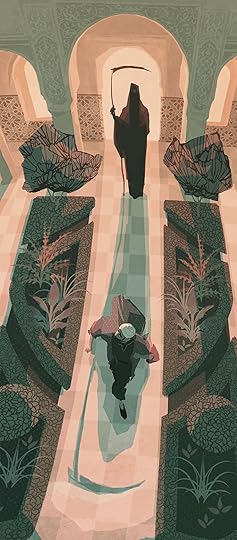
A merchant in Baghdad sends his servant to the marketplace for provisions. Soon afterwards, the servant comes home white and trembling and tells him that in the marketplace, he was jostled by a woman, whom he recognized as Death, who made a threatening gesture. Borrowing the merchant’s horse, he flees at great speed to Samarra, a distance of about 75 miles (125 km), where he believes Death will not find him. The merchant then goes to the marketplace and finds Death, and asks why she made the threatening gesture to his servant. She replies, “That was not a threatening gesture, it was only a start of surprise. I was astonished to see him in Baghdad, for I have an appointment with him tonight in Samarra.”
Appointment in Samarra, published in 1934, is the first novel by American writer John O'Hara (1905–1970). It concerns the self-destruction of the fictional character Julian English, a wealthy car dealer who was once a member of the social elite of Gibbsville (O'Hara's fictionalized version of Pottsville, Pennsylvania). The book created controversy due to O'Hara's inclusion of sexual content.
In 1998, the Modern Library ranked Appointment in Samarra 22nd on its list of the 100 best English-language novels of the 20th century.
قصة قصيرة بعنوان: الموعد في سامراء الكاتب: سومرست موم
جاءت القصة على لسان الموت: الموت يتحدث: أرسل تاجرٌ في بغداد خادمه إلى السوق ليأتيه برزق منه، وما لبث الخادم أن عاد شاحبا مرتجفا وقال: سيدي! بينما كنت في السوق زاحمتني امرأة في حشود الناس فالتفتُ إليها فإذا هو بالموت يزاحمني. لقد نظرت إليّ وأومأت إلي إيماءة كلها تهديد ووعيد، والآن أعطني جوادك حتى أمتطيه وأعدو به بعيدا عن المدينة هربا من مصيري المحتوم. سوف أذهب إلى سامراء، وهناك لن يجد الموت إلي سبيلا. دفع التاجر إليه بجواده، وامتطاه الخادم وغمزه بالمهماز وعدا الحصان بعزم ما فيه. ثم ذهب التاجر بعد ذلك إلى السوق ورآني واقفا وسط الزحام، فأقدم علي وقال: لماذا أومأتي إلى خادمي إيماءة التهديد عندما رآك هذا الصباح؟ قلت: لم تكن تلك إيماءة تهديد ووعيد، بل إيماءة تنم عن العجب والمفاجأة. لقد اعترتني الدهشة حين رأيته هنا في بغداد في حين أن لي موعد معه الليلة في سامراء!
يبدو أن الكاتب استوحى قصته من أسطورة مشابهة في أدبنا العربي، غير أنه أضفى عليها قالبا قصصيا حتى ظهرت بهذا الشكل. والقصة التي أشير إليها هي قصة وزير سليمان—مع ملك الموت.
قصة وزير النبي (الملك) سليمان مع ملك الموت.
كان سليمان جالساً مع أحد وزرائه - ودخل عليهم رجل وجلس ثم انصرف - فسأل الوزير سليمان : من هذا الذي كان يجلس معك يا نبى الله؟ فقال سليمان : انه ملك الموت - فلما سمع الوزير ذلك - خاف وتفككت اعصابه وقال لسليمان : ارجوك ايها الملك ان تأمر الريح ان تحملنى إلى بلاد الهند - خوفا من ملك الموت- ونفذ له سليمان ما طلب - وحملته الرياح إلى بلاد الهند -ثم حضر ملك الموت إلى سليمان - وقال له اين الرجل الذي كان يجلس معك- فقال حملته الرياح إلى بلاد الهند خوفا منك - فقال له ملك الموت: اننى لما رايته جالسا عندك - عجبت لذلك - لان الله سبحانه وتعالى امرنى ان اقبض روحه في بلاد الهند - في ساعة كذا - فلما رايته عندك - قلت سبحان الله - ان الله لا يغير الزمان ولا المكان - ولكنى عندما ذهبت اليه في بلاد الهند- وهذا المكان الذي حدده الله - رايته في انتظارى في المكان والزمان اللذان امرنى الله بهما - وقبضت روحه هناك.
This entire review has been hidden because of spoilers.
I read a picture book version adapted by Alan Benjamin and illustrated by Roger Essley, titled, simply, Appointment. Not your usual picture book. Magically dark to the very clever and spooky end. The pictures are arresting, the text archetypally spare. Pretty black for kid lit but I would have loved this as a kid and I love it now.
Me dio escalofríos leer este libro. Al principio pensé que sería una historia vacía, carente de contexto, sencilla, de esas que se olvidan muy fácil, pero resultó ser TODO LO CONTRARIO. Te hace reflexionar, recordar todo lo que has hecho, y deja una enseñanza acerca de lo fugaz que es la vida y lo fácil que esta puede terminar. Que la muerte es lo único seguro y que no puedes hacer nada para evitarla. I got chills reading this book. At first I thought it would be an empty story, devoid of context, simple, one of those we forget easily, but turned out to be THE COMPLETELY OPPOSITE. It makes you think, remember everything you've done, and leaves a teaching about how fleeting life is and how easily this can end. That death is the only sure thing and you can do nothing to prevent it.
There was a merchant in Bagdad who sent his servant to market to buy provisions and in a little while the servant came back, white and trembling, and said, Master, just now when I was in the marketplace I was jostled by a woman in the crowd and when I turned I saw it was Death that jostled me. She looked at me and made a threatening gesture, now, lend me your horse, and I will ride away from this city and avoid my fate. I will go to Samarra and there Death will not find me. The merchant lent him his horse, and the servant mounted it, and he dug his spurs in its flanks and as fast as the horse could gallop he went. Then the merchant went down to the marketplace and he saw me standing in the crowd and he came to me and said, why did you make a threatening gesture to my servant when you saw him this morning? That was not a threatening gesture, I said, it was only a start of surprise. I was astonished to see him in Bagdad, for I had an appointment with him tonight in Samarra.