Filipino screenwriter, journalist, novelist, and playwright.
He has written more than 150 film screenplays since 1973, earning him more than 50 trophies from various award-giving bodies, including a 2003 Natatanging Gawad Urian Lifetime Achievement Award from the Manunuri ng Pelikulang Pilipino (Filipino Film Critics). As a screenwriter, he has worked with many Filipino film directors, most notably with Lino Brocka and Ishmael Bernal. Many of his films have been screened in the international film festival circuit in Cannes, Toronto, Berlin, among others.
"Mga kuwentong pambata para sa mga hindi na bata."
Totoong-totoo. May pagka-dark kasi ang apat na kwento sa bagong librong ito ni Ricky Lee. Mali pala, actually, dark talaga sila. And it's even getting darker along the way, I love it!
1. Ang Nawawalang Diyos (3.5 stars)
Ito ang unang kwento sa librong ito. At sa tingin ko, tama lang na ito ang inuna. Atin-atin lang ha, ito kasi ang least favorite ko sa apat. Hindi naman sa hindi ko nagustuhan, mas magaganda lang talaga yung 3 pang kwento. Medyo gasgas na rin kasi yung konsepto. Mas naging interesante lang dahil d'on sa dalawang nagsasalitang alagang hayop nung bida (Carlo).
Pero magkagayon man, sumasalamin ang istoryang ito sa buhay ng taong may pag-aalinlangan sa buhay. Naipakita at naipahayag ng mabuti kung paanong ang tao ay hindi perpekto at kadalasan ay nawawalan ng tiwala at nagdududa, nag-aaway at nagpapataasan sa isa't isa. The list goes on, ika nga nila.
Sa huli, naging matagumpay ang kwentong ito sa kanyang hangarin.
Ano nga ba mga, ka-DDS? To see is to believe nga ba? Or to believe is to see?
2. Ang Sayaw ng Mga Letra (5 stars) Nang mabasa ko ang title, akala ko happy story naman. Hindi pala. Nalinlang ako, bes. Don't judge the book by its cover talaga. Hahahuhu
Ang Sayaw ng mga Letra ay isang unique na kwento about a sensitive topic. Maganda ang build-up. Ang galing ng idea ng sumasayaw na mga letra pati ang kahulugan na nakakubli rito.
I commend Ricky Lee for including this theme dito sa bago n'yang libro. Naipakita ang dapat maipakita. Napadama ang dapat maipadama. Pagmamahal, kalungkutan, paghihinagpis.
Siguro para sa iba, too dark to read, ngunit habang binabasa ko ito, makararamdam ka ng liwanag. Kinakausap ka ng buhay, na ang nararanasan mo, nararamdaman mo, ay mayroon ring katulad. Na kahit hindi mo matalu-talo ang pagtanda, isa ka pa ring bata. Na may mga bagay tayong nalimut, ngunit darating rin sa punto na kailangan rin nating balikan at hukayin ang mga naibaon.
apat na kwento. magkakaiba. ngunit maaaring isa lang rin siyang kwento ng buhay ng isang tao. pwedeng ako. pwedeng sa'yo.
kudos sa illustrators. mas nabigyang kulay ang kwento ni Ricky Lee. nakatulong sa pagkwento.
...
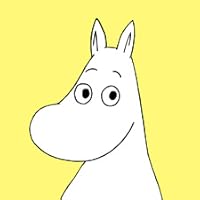
isang katanungan lang. namali ba si Ricky Lee sa kwneto ni Monty? kasi ginamit niya ang ngalan na "Carlo" na dapat ay Monty?
Naniniwala ako na ang pagsusulat ay pakikipagdiyalo ng manunulat sa kanyang mga mambabasa. Samakatuwid, sa aklat na ito, kinakausap tayo ni Sir Ricky, edad 69, kung anong nasa isip niyapagsapit ng ganoong edad. At dahil nais niyang kausapin ang mga kabataan, ginawa niyang nasa porma ng pambatang aklat (tauhang mga bata, may mga drowing, malalaking letra, makikinis na pahina) ang mga kuwentong hindi naman pambata (paghahanap sa Diyos, schizophrenia, pagkabagabag ng konsensiya at kamatayan).
"May mga bagay na hindi, may mga bagay na oo. Saan tayo lulugar?" (p. 168) parang sinasabi ni Sir Ricky na ang buhay ay nahahati sa dalawa: sa pagkabata at pagkamatanda, sa katotohanan at kasinungalingan, sa kaligayahan at kalungkutan. Papasok na sya sa sesenta at gusto niyang magiwan ng obrang nakikipagusap sa kanyang mambabasa. Hindi tulad ng Para Kay B na patungkol sa pag-ibig o sa paghahanap nito. Hindi tulad ng Amapola na patungkol sa seksuwalidad. Hindi tulad ni Elsa na nagsasabing ang Himala ay ginagawa ng tao at nasa puso natin ito.
Kundi: ang Diyos ay hindi hinahanap. Narito lang Siya tuwina at nagpapakita sa tamang panahon ("Ang Nawawalang Diyos"); ang mga maysakit o kapansanan ay dapat unawain kung hindi man ay mahalin ("Ang Sayaw ng Mga Letra"); ang mali ay hindi maaaring pagtakpan sa habang buhay ("Si Inggo at ang Santo Kuwatro"); at ang kamatayan ay parte ng buhay. Bawat isa sa atin ay mamamatay bilang pagbibigay daan sa sumusunod na henerasyon. Mas maluwag nating matatanggap ang kamatayan kung mas maaga natin itong maiintindihan ("Nang Mapagod si Kamatayan").
Salamat na naman sa isang napakahusay na akda, Sir Ricky.
Solid 3.75 stars. . . . Kung Alam N'yo Lang is a bind up of four short fiction stories (dagli) about children but are not intended for children. It is seemingly a children's book parents would read at night before your tuck them to bed but really, this is a Pandora's box of monsters we fear when the lights are off. . The very words of Lee that captured my attention - that you see a child when you look into a man's eye and in the same boat, you see a child's future when you gaze deep into their eyes. This piece of work scrutinizes the humanity in everyone - an innocent question leading to darker alleys and nooks. It tells stories about these kids and and how there musings reflect the adult dilemmas of faith, mental illness, politics, corruption, grief and greed. If they only knew... . 1.) Ang Nawawalang Diyos (The Missing God) ***This is cliche and has been used over and over. The search for the divine being. How is it to be so zealous to look for faith and forget why once you find it? Which is true and which is not? If he only knew how to stop searching... so he would not burn out.
2.) Ang Sayaw ng mga Letra (The Dance of Letters) ***I liked how the magical realism of the animated letters portrayed the mental illness aspect in this story. Words are indeed powerful and they evolve. If only he knew how to speak up... so the letters obeyed.
3.) Si Inggo at ang Santo Kuwatro ***Glimpses of bullying both in kids and adults. It delves into how power, no matter how little you have, can be dangerous. It also talks about stories that are forgotten and how they can evolve into monsters that haunt you. If he only knew what was... he could have understood what is.
4.) Nang Mapagod si Kamatayan (When Death Gets Tired) ***What if Death no longer takes the dead? No one will die. And he wished for it. If he only understood why... then He would not have doubted his own.
This is the third book I read from Lee and I would say this is inferior compared to Para Kay B and Si Amapola sa 65 na Kabanata. These two I loved far more due to the quirkiness of the writing style. I knew that this was intended to be simplistic as it was packaged as a sort-of-children's-book, however, it heavily reminds me much of Challenger Deep (N.Shusterman) or A Monster Calls (P.Ness). The style is also reminiscent of Bob Ong and Eros Atalia. If I had read this first, I think I would have loved it far more than 3.75 stars.
Nonetheless, this book I enjoyed and this is such a quick read (but definitely not light). I adored the graphics and the format. Kudos to this neatly put book.
This is the first Tagalog book I’ve read in years and years.
And yes it is a kids book - because when you grow up surrounded in all places apart from your own house with another language - then your reading skills for your own language never improve.
I asked my mom to bring me back a couple of Tagalog books because it feels like a crime that I know the English language so deeply and my own language, so poorly. This book was perfect to immerse myself in it again.
It’s a kids book that’s not a kids book because the scary stories are for adults written in a language easy enough for kids to understand.
The stories itself sent chills up my spine. The drawings at times, acted like little jump scares. But it was the reading out loud of this book that I did that made it feel like the most precious experience, as though I was coming home while speaking every word of native language out loud. Because often, I would have to say it out loud to sound it out to understand it. I felt like an 8 year old trying to read my first book by myself. And it felt so wonderful.
Mahusay ka sa pagsusulat Ricky Lee at nag papasalamat po ako na nabasa ko ito. Salamat sa pag sulat at sa pag puri mo sa lengwahe natin. Lagi akong natatakot na nakakalimutan ko pero magandang paalala na kung kayo mong basahin, kayo mo pa rin isalita. Salamat.
Although it was a good read, I didn't enjoy it as much as I did with Para Kay B. First story was relatable pero wala masyadong depth in my opinion. 2nd to 4th stories had me #shookt lalo na yung last story since I've always imagined life without death when I was a kid.
What I liked about the novel is that it gave the answers my younger self was looking for – which in real life, ganun naman talaga. Overall, I enjoyed reading it :)
ang gaganda ng apat na kwentong ito. ang husay rin ng mga visuals. mapapaisip ka tungkol sa mga topics na ine-explore ni ricky lee pagkatapos basahin ang isang kwento. at ang ganda ng build-up ng bawat kwento sa dulo.
The book has four stories: (1) Ang Nawawalang Diyos, (2) Ang Sayaw ng mga Letra, (3) Si Inggo ang ang Santo Kuwatro, and (4) Nang Mapagod si Kamatayan. They all have a dark tone but it's the first and second stories that I like most. Ang Nawawalang Diyos is amusing, hilarious, and most of all, thought-provoking. Pwedeng pambata. Ang Sayaw ng mga Letra is brilliant. Strong piece. Hindi pambata, haha.
Pasko. Nahirapan akong basahin kasi inakala ko noong magiging magaan ang mga kuwento. Mabigat ito at hindi napapanahon na basahin nang Pasko. Bakit ko nga ba inasahang magiging magaan ang laman ng libro? Sa pabalat nito, marahil. Sa materyales na ginamit. Sa lahat ng mga nabasa kong libro, ito marahil ang unang beses kong naging conscious sa pisikal na pagkakahubog sa mismong aklat, na maiintindihan ko kung bakit ng makapunta ako sa isang event sa BGC tungkol sa kung paano ito nabuo. Minsan mas naaappreciate mo ang isang nagay kapag alam mo kung paano ito nagsimula. Mas maiintindihan mo ang libro kapag nalaman mo ang disenyo.
Pero bago ko pa man malaman ang kuwento ng simula ng librong ito, nagandahan na ako - kahit na sinabi kong Pasko nang binasa ko ang librong ito at nasabi kong hindi napapanahon, kahit na sinabi kong mabigat, maganda ang librong ito. Hindi mo maikukumpara sa mga naunang gawa ni Ricky Lee. Kakaiba ito, at kahit na nabanggit niya nang ang mga ideya dito ay matagal niya ng naisip. Ang apat na kuwento ay maganda dahil ipinapaalala nitong nangyayari ang mga ganitong kuwento hindi lang sa mga pahina ng aklat na ito - may mga taong naghahanap ng Diyos, may mga taong naghahanap ng kasagutan, may mga taong nakakalimot sa nakaraan, at marami pang mga iba't ibang klaseng tao ang makikita sa aklat na ito. Mga tao na baka isa sa mga ito ay ang sarili mo.
Maganda. Basahin mo, at kung maari ay ipabasa mo rin daw sa mga bata, sabi ng may akda na gusto niyang marinig ang mga ideya ng bata pagkatapos mabasa ang mga kuwento niyang ito.
Pero higit sa lahat inaabangan ko na ang mga susunod pang kuwento na kasabay sana nitong lalabas.
Unang-una, papansinin ko muna ang mga drowing at illustrations. Bawat kwento, iba-iba ang artist at iba-iba rin ang konsepto. Kung babasahin ko ulit, mas bibigyang pansin ko na ang mga ito hindi dahil sa hindi maganda ang pagkakasulat o paghahayag ng kwento, kundi dahil pakiramdam ko ay masyado akong nalunod sa mga salita na hindi ko masyadong pinansin ang mga hugis at linya na nakapalibot sa mga letra. Ang gaganda ng mga guhit sa bawat kwento.
Apat na kwento. Simulan ko sa pinaka-una.
1. Ang nawawalang diyos
Sabihin na natin na lahat tayo ay magdaraan dito, kung hindi man, bakit hindi? Ito'y tungkol sa paniniwala at sa kakayahan nating maniwala bilang tao. Ang pinakagusto ko sa kwentong ito ay pinakita ang pagbabago ni Carlo at kung paano niya sinubukang sagutin ang mga katanungan niyang walang makasasagot. Asan nga ba ang diyos?
Nasaktan ako sa kung paano nawala ang lahat pagdating sa dulo. Ang ganda ng pagkakasulat.
Rate: 4.5
2. Ang sayaw ng mga letra
Marahil sa parteng ito, bilang bata, mahirap talaga intindihin lahat. Kailangan ng malalim na pag-unawa sa pagbasa ng pangalawang kwentong ito. Baka ako lang? Ngunit, kung susumahin, isang malaking sampal na lamang siguro sa akin ang mga nagyari.
Rate: 5
3. Si Inggo at ang Santo Kuwatro
Pano nga ba natin dapat harapin ang kasaysayan? Totoo nga ba ang mga kwentong-bayan o may mga nakakubli pang mga lihim na hindi binubunyag? Ang nakakuha talaga sa akin ng pansin ay ang detalyadong pagkukwento, na bawat piraso ng mga salita ay tila isa pang ebidensya sa kung ano nga ba ang nagsanhi ng mga pangyayari.
Rate: 4.5
4. Nang mapagod ang kamatayan
Dito na siguro masasagot ang katanungan na kung pano kapag naging imortal tayo?
Rate: 4
Sa kabuuan, naiintindihan ko na sa kung bakit ito naging kwentong pambata na hindi para sa mga bata. N'ong binabasa ko ito, kailangan ko tumigil bawat kwento kahit na pwedeng pwede naman itong basahin nang isang upuan lang. Napapaisip ako, nasasaktan ako. Totoo ang mga pangyayari, hindi man sa ganitong pananaw o sa ganitong mundo, higit pa rin sa mga salita ang ibig sabihin nito.
Wala mang kulay ang mga drowing, nagbigay naman ito ng kulay sa mundong ginagalawan ng mga tauhan.
isang malaking huhu at yakap sa mga taong nakaramdam kasama ng mga salitang nasa librong ito.
Basta ang unang storya ay ukol sa isang bata na nagngangalang Carlo kasama ang kanyang aso at pusa, na hinahanap kung nasaan ang Diyos. Ang ikalawa ay ukol sa isang bata na nakakakita ng mga nagsasayaw na letra. Ang ikatlo ay ukol naman sa isang bata na naghiganti sa batang nambubuyo sa kanya. Ang ikaapat naman ay ukol sa batang si Monty at ang pagkuwestyon nya kung bakit nga ba kumukuha ng buhay.
Lahat ng istorya ay may mga malalalim na methapor at simbolismo. Natapos magbasa ay mapapaisip ka at hahanapin ka nito sa iyong pagtulog.
Ito ay apart na kuwento na isinalaysay sa mata ng mga inosenteng mga bata na dapat kapulutan ng leksyon ng mga nakatatanda ;)
Started #2017 with Ricky Lee's Kung Alam N'yo Lang. I thought it was a clever attempt! The stories were indeed written like a children story--the mood is childlike, but the atmosphere is grim. Enjoyed all four stories, but I think the third one, Si Inggo at ang Santo Kuwatro, has the most spicy flavor that I'm looking for. Thank you, Ricky Lee! For bringing us countless good stories and for indulging me on the 1st day of 2017! :)
While this book is told from the perspective of children, all stories are for adults. The stories are definitely product of curious minds which made me think if Mr. Ricky Lee himself thought of these scenarios when he was a kid. It's a good book, but I must say that Para Kay B remains to be my favorite!
For me, the last story is the best. Read all and find out why. :)
Gusto ko sanang gumawa ng book talk sa wikang Filipino pero hindi ko talaga kaya. Habang binabasa ko ito, ang naiisip ko - Mala Bob Ong na may kahalong A Monster Calls ang peg. Iyun lang ang naging dahilan kaya 4 stars lang sakin to. Pero overall napakaganda, napakalalim at makabuluhan ang libro. Ang mga ilustrasyon ay nakakamangha. Kudos to the team.
Parehas kami ng pag-aakala sa kwentong pambata ni G. Ricky Lee. Haha. Nagiging hindi pambata. Mabilis lamang basahin ang libro. Malungkot. Palungkot nang palungkot, ngunit paganda nang paganda ang bawat istorya. Tulad ng dati, hindi pa rin mawawala ang kwenta sa bawat niyang kwento. Sana hindi lahat ng pagkabata ay kasinglungkot nito. Isang mahigpit na yakap kay Tatang.
Apat na maikling kwentong pambata na hindi para sa bata. Naglalaman ng malikhaing mga guhit na angkop sa tema ng mga storya. Di siya children's book, pero iniisip ko kung anong maiisip ng batang ako kung nabasa nya ito noon. The stories remind me of things I have to resolve from my childhood.
Mga kwentong pambata para sa hindi na mga bata - indeed. Lahat ng kwento mapapaisip ka. At kakaisip mo, kikilabutan ka na lang. Dark to para sa akin, pero worth reading talaga. Nakakalungkot, nakakatuwa, nakakatakot, marami kang magiging emosyon - depende sa sarili mong interpretasyon. Hindi pa ako handang ipabasa sa mga anak ko ito, tsaka na siguro, kaya itatago ko muna itong libro. :)
Ito ang una kong libro na binasa mula kay Ricky Lee. Naalala ko, isang makata at propesor ng Unibersidad ng Pilipinas ang nagsabi (tila ba, sinesermonan niya ang isa nilang fellow sa pamamagitan ng isang Facebook post) na paano maging isang manunulat kung hindi mo pa nababasa si Ricky Lee?
Una kong nasaksihan ang librong Kung Alam N’yo Lang sa diyaryo. Ito raw ay magiging limited edition, kumpara sa iba niyang gawa. Kuwentong pambata rin daw, at ako naman, na mahilig sa panitikang pambata, mula sa mga inihain ng Ibong Adarna, hanggang sa nabasa na ang mga kwento at tula ni A.A. Milne, na pinagbibidahan ni Christopher Robin at Winnie-the-Pooh; ang Tom’s Midnight Garden; at ilan sa mga akda, kasama na ang His Dark Materials Trilogy/The Golden Compass ni Philip Pullman ay naakit kaagad. Bakit hindi? Katulad ng huling awtor na aking nabanggit, ang Kung Alam N’yo Lang ay hindi nalalayo. Maraming pagkakahalintulad ito sa pamamaraan ni Pullman. Hindi sa estilo ng pagsulat, kundi sa mismong konteksto at karakter: gagamitin ang panitikang pambata, bida siyempre ang mga bata; ngunit ang tema ay mas malalim pa. Alam mong isinulat talaga ang apat na kwentong ito para mamulat ang mga matatanda sa mga bagay na kinalimutan na. May panganib man o pagkalimot—kailangang mamulat kung tunay ngang namuhay ka. “Yeah, you bleed just to know you’re alive,” awit nga ng Goo Goo Dolls. Existential, kumbaga. Madilim naman talaga ang buhay. Walang kulay, walang sigla. Paulit-ulit na lang, tadtad pa ng overtime. Puro 7-11 at Mini-stop na lang bumibili ng pagkain, hindi na nagluluto—sabihin na lahat na magpapakitang life is nothing but Kafkaesque. Buti nga ang ipis, may thrill sa buhay. Nakikipag-patintero sa mamang amba ang tsinelas. Ang tao? Wala. Stuck sa traffic. Galit pa. “Eh di ikaw na ang mag-presidente!” sigaw niya sa comment section ng balita mula Rappler.
Kahit existential man din ang pangunahing laman ng mga kwentong ito ni Ricky Lee, nakuha niya pa ring itahi ang iba-ibang mga facets ng buhay dito sa Filipinas. Napaka-creative rin, kasi may metaphysical ring paglalahad. Parang Inception ang drama: how could this happen? It’s beyond reality. Kaya nga meta at physical hindi ba? The story of Death, thus, ang isa sa tumatak sa akin mula sa koleksyon niyang ito.
At ang witty niya. Kung aking susuriin, at bigyang parangal na rin, baka si Ricky Lee ang greatest sa ika-21 siglo ng panitikan at popular fiction ng bansa (Fuck you, Eros Atalia!). Ang upbeat niya ring magkwento. “Walang forever,” echo niya sa isang kwento. That shit cray naman ako, ala-Kanye West. Witty eh. Hindi formal. Walang sinusunod. Nais lang niyang magkwento, magmulat. Bakit hindi? Sabi nga niya sa umpisa ng aklat, “Mahirap magsulat, pero mas mahirap ang hindi magsulat.”
That shit cray. Therefore, tweet nga ni Donald Trump, “Thank you Kanye, Very cool.”
i haven't read a filipino novel / short story collection in so long. i had no choice but to read this so i could provide better counsel to my poor undergraduate thesis advisees, who were so unfortunate as to have me assigned as their adviser. what do i know of postmodern theory? only the surface-level basics. i have never actually conducted a postmodern analysis of any literary work, so i was praying that these students better know what they are doing.
anyway, here are my thoughts on two of the four short stories:
ang nawawalang diyos
the premise of searching for the christian god whose physical invisibility justifies his omnipotent existence is something i find quite interesting. i'm pretty sure every christian growing up has questioned whether the primary subject of the book club that they were forced to join since birth is actually real or not. how can he be real if he cannot be seen? unsurprisingly, a veteran christian would have a poetic answer for that. but the main character of the story is just like me; he's cynical and not so easily convinced. he used to believe in god, until his search attempt one summer proved to be futile. after that, he no longer cared about his two talking pets, whose favorite hobby is to start pointless arguments with one another.
ever since he failed to find physical evidence that god indeed exists, his faith eventually began to wane, following a series of misfortunes which includes the death of his two pets, the divorce of his parents, and his own marriage proving to be a disaster. he did succeed in his career, but there was no indication of him ever being happy and fulfilled with what he accomplished. when he reached old age, he decided to seek god again, traveling in distant places only to come home disappointed just like the first time around. if god is not in the philippines where zealots keep divorce from being legalized, i doubt you'll catch him in europe.
the story wrapped up with a revelation that seemed unsatisfyingly cliche. surprise! he has been an atheist all this time (and that's why he's always been miserable). but so what? i'm aware that religion is the ultimate coping mechanism for tons of people, but if it doesn't work for you then either get over it and start exploring camus' philosophical works, or join a cult and get manipulated by a narcissist into thinking he's the next messiah who will save us all from the meaninglessness of existence. it's honestly not that difficult.
ang sayaw ng mga letra
uh oh! we have a schizophrenic patient over here. no, seriously, the main character hallucinates letters of the english alphabet to be dancing and prancing around his room. his delusions got so severe to the point that the words that stand for the names of objects eventually replaced the objects themselves, like that one cartoon shown on disney channel called word world where the entire world was made up of spelt words. even the people in his surroundings became faceless, their physical appearances substituted for the written spelling of their names. strangely enough, the protagonist didn't find any reason to be alarmed by these peculiar visions.
although the letters seemed nice and harmless at first, they began to attack the young boy one night completely unprovoked. since he was locked alone in his room with no one to provide immediate help, the letters almost succeeded in killing him, a metaphor for how the young boy's mental illness drove him to have an intense psychotic episode it nearly broke his mind. it was then revealed after that the older brother he mentioned before with much affection has been dead for some time now, which pretty much explains why the poor kid has been isolating himself from everyone and, thus, found comfort in the company of his imaginary letter friends. his strained relationship with his uptight mother also contributed to his worsening depression.
inside the hospital room where the main character was recovering from his psychosis, the letters reappeared to convince him to put a stop to his suffering and follow them to freedom, implying that he either went out to jump off the building or run into incoming traffic. so much for being a reliable support system.
the story concluded with a tragic end that warns about the consequences of bad parenting and letting your mental disorders stay untreated. don't forget to contact your local therapists now, folks. avoid becoming a statistic today.