Works of French poet and diplomat Alexis Saint-Léger Léger under pen name of Saint-John Perse include Anabase (1924) and Chronique (1960); he won the Nobel Prize of 1960 for literature.
He came from an old Bourguignon family, which settled in the Antilles in the 17th century and returned at the end of the 19th century.
Perse studied law at Bordeaux and, after private studies in political science, went into the service in 1914. A brilliant career ensued. He served first in the embassy at Peking. People published his work chiefly under the pseudonyms. After various reflections on the impressions of his childhood, he wrote in China. An epic puzzled many critics and gave rise to the suggestion that an Asian ably understands it better than by a westerner.
He later in the foreign office held top positions under Aristide Briand as its administrative head.
He left for the United States in 1940, and the regime at Vichy deprived him of his citizenship and possessions. From 1941 to 1945, he served as adviser to the Library of Congress. After the war, he resumed not his career and in 1950 retired officially with the title of ambassador. He made the United States his permanent residence.
After he settled in the United States, he wrote much of his work. Exil (Exile) (1942) fully masters man, merge, imagery, and diction. * Poème l'Etrangère (Poem to a Foreign Lady), 1943; * Pluies (Rains) (1943); * Neiges (Snows) (1944); * Vents (Winds) (1946) of war and peace blow well within and outside man; * In Amers (Seamarks) (1957), the sea redounds as an image of the timelessness of man. His abstract epic followed.
People awarded him "for the soaring flight and the evocative imagery of his poetry which in a visionary fashion reflects the conditions of our time."
القراءة الأولي للشاعر والسياسي الفرنسي الشهير سان جون بيرس، ولكني حقا لم استمتع بها رغم مجهود الوصف، وبلاغة التصوير ربما لكون موضوع الديوان أصلا لم يناسبني، وربما لإحساسي بالملل في كثير كثير من الصفحات
"Svrdlasta školjka smrti buši drvo postelje, buši kobilicu lađe. Ali ljubav bije još jače po drvenoj oplati sna. A ja to čujem kako se noć cepa, pred pramcem kad se nađe."
“Our books read, our dreams closed, was that all there was?”He is sooooo me after I lose myself in old, old, books and forget to look up. I just don’t like it this time, even as it delights me every once in a while with surprise. There was something that kept his kinda archaic chanting grounded in his first book: a very real childhood trying to evade the slavery of French colonials mixed in with some possible incest. That kinda thing is fun for everyone. The whole family. This one is a procession that lost its way in the depths of the sea after acquiring blunt force trauma to the vocal cords from copious amounts of ancient greek shit that got stuck in there after deepthroating tradition one too many times.
The work of Saint-John Perse, the pen-name of the exiled French diplomat Alexis Leger, is unlike that of any other 20th-century poet. Though Perse maintains hints of the French poetic tradition, his verse consists of long sentences as if prose poems, repeated ecstatic invocations, and settings in some ancient civilization that could be Ur or Athens. His massive 1957 work AMERS ("Seamarks") is his epic masterpiece, two hundred pages of thrilling poetry in honour of the Sea.
The poem starts off with an Invocation that establishes the setting as that universal civilization common to Perse's work: "Et vous, Mers, qui lisiez dans de plus vastes songes, nous laisserez-vous un soir aux rostres de la Ville, parmi la pierre publique et la pampres de bronze?" With this classical ambience established, Perse then announces that his poem will even follow the structural conventions of a choral ode, with a Stophe and Choir: "Poese pour accompagner la marche d'une recitation en l'honneur de la Mer. / Poesie pour assister le chant d'une marche au pourtour de la Mer. / Come l'entreprise du tour d'autel et la gravitation du choeur" What follows is beautiful poetry, all the more remarkable for the fact that its lack of "plot" poses no problem.
AMERS is, in my opinion, Perse's best poem. However, its great length can be intimidating, and his earlier poem "Exil" works as a better introduction. The reader with limited French may want to start with the New Directions paperback [[ASIN:0811208559 Selected Poems]], where alongside the original French the poetry has been translated into English by a number of distinguished literary figures.
The volume is rounded off with two other writings. OISEAUX is a series of thirteen one-page poems about the majesty birds, originally written to accompany paintings by Georges Braque. Though usually considered a minor work, it is quite thought-provoking. POESIE is the speech Perse gave on 10 December 1960 when he accepted the Nobel Prize for Literature. It has become notorious among Nobel speeches for the way the intensively private man deflects attention away from himself towards poetry.
My major complaint is that the paper of this old Gallimard paperback is of low quality. Indeed, you're unlikely to find a copy of this today in which the paper is not brittle and yellow. If you have already come to like Perse's poetry, you might as well invest in the volume of collected poems and correspondence published by Gallimard in the series Bibliotheque de la Pleiade, which is expensive but ultimately much cheaper than assembling separate publications. Nonetheless, if you come across this book with AMERS and the two other works for cheap, it can be worth picking up while you save your pennies for the collected works.
كتاب منارات هو الجزء الأول لأشعار الفرنسي جون بيرس :استلهم شعره النثري من البحر وقليل منه من المرأة. لم يعجبني هناك الكثير من الجمل الغير مترابطة بالنسبة لي وشعرت بالملل لكن ربما الترجمه هي السبب واشمأزيت من الصور المخلة والوصف الغير أخلاقي .
بعض الاقتباسات: -لا طمأنينة أكبر مما هي في نوم العاشقة.
-من لم يحب نهاراً سيحب هذا المساء.
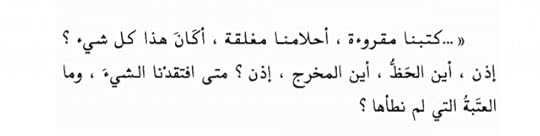
-كتبنا مقروءة ، أحلامنا مغلقة . أكان هذا كل شيء،؟إذا أين الحظ؟ أين المخرج اذاً؟ متى افتقدنا الشيء وما العتبة التي لم نطأها؟
-قليلون هم الذين ينهضون، ينهضون معنا ويبقون باسمين.
-سنحييك أيها البحر تحية يبقى ذكرها طويلا كذكرى قلب يستريح.
Τα βιβλία μας διαβασμένα, τα όνειρά μας τελειωμένα, αυτό ήταν όλο; Πού η τύχη λοιπόν, πού η διέξοδος; Πώς να λαθρέψουμε φτάσαμε έτσι, και το σύνορο είναι ποιο, που δεν το πατήσαμε;
سان جون بيرس يعرف كيف يحس من أجلنا بالظمأ الى الأشياء الغريبة والى السيطرة على القوة وتحرير المنابع وابهار انفاسنا في سعيها الدائم الى تحطيم الحدود المرسومة . الحاجة الى الكمال لا الحاجة الى الهرب من تحركه ، معه نحس بثقل الانسان وقدرته على استنطاق الجمادات وتحريكها شعرا وخيالا . معه نكتشف البحر بموجوداته ومفرداته الهائلة ...
Saint-John Perse was a diplomat and I imagine that he crossed the seas many times, until he came to see it as a primal force that mirrors the adventurous poet’s mind. The energy and visual beauty in a highly allegorical subject – an ode to the sea as frontier and transcendence – more than excuses the parts that are arcane. I also admired the sense of commitment in giving this two hundred-page poem a classic structure and how he manages not to tire through his invocations and endless motifs. One of the main and most distinctive part is “Étroits sont les vaisseaux” which is his Song of Solomon.
ترجمة أدونيس النثرية بديعة جدًا شعر سان جون بيرس غنائيّ وملحميّ
الجزع علي المياه ، من الكلمة التي تتباطأ في أفواهنا . و البحر يغسل علي الحجر عيوننا التي تلتهب من الملح. و علي الحجرة الخنثي تكبر عينا الغريبة
علي المدينة المقفرة ، فوق الحلبة ، ورقة تائهة في ذهب المساء ، لا تزال تبحث عن الجبين الإنساني ... الله الغريب في المدينة ، و الشاعر الذي يعود وحده مع فتيات المجد الكئيبات
المغتصب ينهض علي كرسيه العاجي . العاشق يغتسل من لياله. و الرجل ذو القناع الذهبي يتعري من ذهبه تمجيدًا للبحر
Amers est une ode à la mer, à l'amour et à l'humanité. C'est le plus grand et le plus beau poème que j'ai lu. Ayant étudié en histoire, j'ai été particulièrement touché par les images et l'impressions d'immanence et d'histoire et d'intemporalité qui se dégage de chaque page. À lire avec un dictionnaire non loin parce que les mots employés sont souvent rares et précieux.
لو حظيت برؤية البحر يوماً سأراه بعيون سان جون بيرس . سان جون استنطق البحر، ضاعف وجوده،طارده من كل معبر ،غرفه لنا هنا بقوة الكلمة ثم اطلق سراحه ليغني لنا اناشيد الحرية ..
This is abstract stuff, and therefore deemed to be difficult reading. Saint-John Perse uses the sea as a canvas to mirror the human condition on a truly grand scale. This large poem is densely packed with imagery and metaphor and therefore rewards repeated reading. The part where the author is letting two lovers speak reminded me a bit of the Song of Songs at its best moments, yet also had some moments where I wondered how far the licence of poetry is allowed to go before I should reject it as misogynist. (Well, "reject" is the wrong term... There's great poetry that has been written by fascists even, so we shouldn't prematurely throw away a book because the author has the wrong ideology; we just shouldn't get lulled in it and enjoy the form, the imagery, the creativity of language, the melody and the ambiguity - because if it is good, it certainly comes with ambiguity, there can't be any doubt about it - so we should enjoy all that and only reject the foul ideology, if there are traces of it in the work.) Unfortunately the postface has the author saying that he demands that his poetry is always read in silence, not aloud (neither to an audience, nor to oneself). I admit I've misused my bilingual edition of this book, practicing my French-as-a-foreign-language by reading aloud. If you read this review before you actually open the book, then you're warned now not to put this book into wrong use.
عبير الوردة المأتميّ لن يحيط بعد بسياج القبر، الساعة الحيّة في النخيل لن تُسكِتَ بعد روحَها الغريبة، وشفاهنا الحيّة هل كانت أبداً.. مرّة؟
يا امرأةً مأخوذة في عبيرها وامرأةً مأخوذة في كنهها، الشفاه التي شمّتكِ لن يكون لها أبداً شميم الموت.. فوق الذبول أنتِ.. أيّتها النعمة.. أكثر مما هي الوردة الأسيرة في البلّور!
كنت تبتسمين، محروسةً من الشر، مُودَعةً بين يديّ، كابنةٍ عريقةِ لعبور البحار - وها أنتِ تستيقظين، ووجهك موسوم بالتغضن المقدّس؛ وأيّ فألٍ لا يزال يفتح نحوك طريقه السّورنجانية؟
هذا الشعر النثري المغرق في التصوير والتشبيه، المشبّع بالكنايات والاستعارات، ينأى بنفسه عن الفهم والإدراك. كل ما وصلني من هذا الكتاب هو تمجيد البحر. ولكن الشاعر في كل قطعة وكلمة يأتي بصورة أو تشبيها أو معنى غريبا يجعل فهم الصورة والمعنى صعبا على الإدراك. الكتاب أيضا يضم صورا إبداعية ومبتكرة، بالإضافة إلى أخرى جامحة وغير مقبولة.
Posterity has been unkind to this kind of writing. Today it would be hard to imagine it could win a Nobel. A sort of exhalted late romantic pantheistic poetry, full of capitalized nouns and exclamation marks. Random example: "Nous t´invoquons, Sagesse! et t´impliquons dans nos serments (...)". And so on. Whatever. It may be me, but I can´t relate.
شاعر غريب ولديه مفاهيم ومصطلحات قد تفيدك كقارئ خصوصا اذا عرفت انها نُقلت إلى سائر اللغات الأوروبية كالإنجليزية والإيطالية والإسبانية والألمانية والسويدية، نقلا لم يكتف فيه المترجمون بالنص في ذاته، بل اضطروا إلى تذييله بالملاحظات والتدقيقات التي تيسر قراءته وفهم أبعاده وخفيّ دلالاته.
Ta langue est dans ma bouche comme sauvagerie de mer, le goût de cuivre est dans ma bouche. Et notre nourriture dans la nuit n'est point nourriture de ténèbres, ni notre breuvage, dans la nuit, n'est boisson de citerne.
Comme souvent comme je lis du Saint-John Perse, je ne comprends pas grand-chose mais je me laisse prendre par la mélodie des grandes phrases musicales et par le chatoiement des images
مقتطفات من ديوان منارات لسان جون بيرس ترجمة أدونيس
-------------- قليلون هم الذين ينهضون , ينهضون معنا و يمضون باسمين ----- سنحييك أيها البحر تحية يبقى ذكرها طويلاً كذكرى قلب يستريح ------ انا الحامل عبء الكتابة , سأمجد الكتابة . كمن قدم نفسه عند تأسيس عمل نذوري عظيم لتدوين النص و اعلانه والتمسته جمعية الواهبين , لانه الوحيد المهياً لذلك . ولم يعرف احد كيف ابتدأ العمل : ربما في حي قصابين او صهاري معادن في فترة هياج شعبي بين اجراس منع التجول و طبول فجر حربي ------ الحال بائس على الارض , لكن ملكي هائل على البحار و غنيمتي على موائد ما وراء البحار لا تحصى ------- يحيط بي البحر الشامل . الهاوية الملعونة نعيم لي و الانغماس فيها إلهي ------- يا حلماً لم يخلق .. وانا المخلوق الذي لا يعرف .. ماذا نفعل على هذه الشواطىء غير ان ننصب لليل شباكنا ؟ ------- كتبنا مقروءة . احلامنا مغلقة . أكان هذا كل شيء ؟ إذن أين الحظ أين المخرج إذن ؟ متى افتقدنا الشيء و ما العتبة التي لم نطأها ؟ ------- سنعاشر هذا المساء ملح المأساة العتيق .. البحر الذي يغير لغته الدارجة عند ابواب الامبراطوريات .. وهذا البحر الذي يسهر على ابواب اخرى وذلك الذي يسهر فينا ويبقينا في الدهشة ------- سيتذكر ذلك ابناؤكم .. سيتذكره ابناؤهم و بناتهم .. وسوف يتذكرون جيلاً جديداً على الرمال يواكب بعيداً خطواتنا نحن العذارى المعصومات ------- ثمة .. ثمة اشياء لتُقال تحية لعصرنا . ثمة في انقصاف الاشياء طعم طين يابس وانية حديدية مفرداً ضارساً ككسرة السيف سيغري دائما شفة الوليد الكريم الاصيل ------- و العذوبة في الانتظار لا في النفس و لا في النشيد .. وهذه اشياء قلما تروى .. ونحن الوحيدات اللائي لا نكاد ندركها الا لمحاً .. خير لنا أن نصمت و أفواهنا مرطبة بأصداف صغيرة ------- من لم يحب نهاراً سيحب هذا المساء .. ومن يولد هذا المساء ------- في قلب الانسان الوحشة .. غريب هو الرجل بلا شاطىء قرب المراة الشاطئية .. وانا نفسي بحر لشرقك .. مثلي لرملك الممزوج بالذهب .. فلأذهب ايضا و لأتباطأ على شاطئك في الانتشار البطيء جدا لحلقاتك الطينية .. يا إمرأة تتكون وتتهدم مع الموجةالتي تبدعها ------- ضيقة هي المراكب .. ضيق هو الاتحاد ! .. واكثر ضيقا قدك يا جسد الحبيبة الامين .. وهل هذا الجسد ذاته الا صورة مركب وشكله ؟ قارب وكجداب ومركب نذوري حتى شقه الاوسط مروض في شكل غاطس مكيف وفقاً لتموجاته طاويا قنطرة العاج المزدوجة على هوى التموجات وليدة البحر للذين يجمعون هياكل السفن في كل زمن -------- ايتها السفينة .. يا سفينتي الجميلة التي تستسلم لحبالها وتحمل عبء ليل الانسان .. انت لي سفنية تنقل الورود -------- آه ! لا تكن لي سيداً قاسياً بالصمت و الغياب .. ايها الربان البارع .. ايها العاشق المفرط الهم ! خذ .. خذ مني اكثر مما تعطيك نفسك .. ألا تحب ايها العاشق أن تكون المعشوق أيضاً ؟ -------- ساحكم ضغط يديك على معصمي انا العاشقة .. وسيكون معصماي بين يديك مثل معصمي مصارع تحت طوقهما الجلدي .. سترفع ذراعي المربوطتين الى ما وراء جبيني و سنضم كذلك جبهتينا كما لو اننا نحقق معاً اشياء عظيمة على الحلبة ------- نواح امرأة على المنبسط الرملي .. حشرجة امرأة في الليل ليسا الا هديل عاصفة هاربة على المياه .. يا يمام العاصفة والجروف ويا قلباً يصطدم بالرمال ما اكثر البحار ايضا في نعيم العاشقة الباكي ! و يا انت الجائر يما من تطؤنا مثل افراخ السماني وفيض الاجنحة المهاجرة هل ستقول لنا من يجمع بيننا ؟ ------- لا طمأنينة أكبر مما هي في نوم العاشقة ------- ليل البحر على وجه هذه التي تنام في النهار أيضاً .. مرآة فجر لا وجه له .. وانا اسهر على شاطئها .. يعذبني كوكب من العذوبة .. سكون عندي لاجل هذه التي لا تسمع الكلمات التي لم يقلها رجل ------- من أنت إذن أيها السيد ؟ نحو اي شيء تتجه حيث لا نصيب لي ؟ و على اي شاطىء للروح تستوي كأمير بربري على سرجه .. او كهذا الذي يتنشق عند النساء حموضة الأسلحة ؟ -------- كيف أحب . بحب إمرأة تحب , من لا يقدر احد ان يفعل شيئاً من اجله ؟ و ماذا يعرف عن الحب من لا يعرف الا أن يترصد في معجزة الجبين هذه الغلطة النسائية المفردة التي يولدها ؟ -------- لا تكن لي سيداً قاسياً بالغياب و الصمت أيها الوجه العاشق بعيداً عن التعبة .. في اي مكان تكافح بعيد بعداً يحول دون ان اكون فيه ؟ .. من اجل قضية ليست قضيتي ؟ -------- أيها العشاق العشاق من يعرف دروبنا ؟ سيقولون للمدينة ليبحث عنهم انهم يتيهون .. وغيابهم مأخذ علينا -------- نحن مع اولئك الذين إذ يضهبون يتركون على الرمال اخفافهم .. مع اولئك الذين اذ يصمتون يفتحون دروب الحلم التي لا عودة منها --------