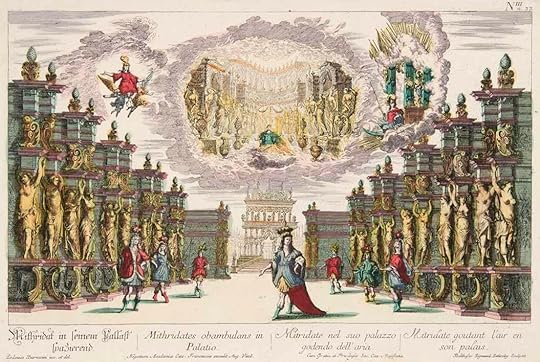
مهرداد پونتوس مقتدرترین شاه پونتوس در شمال آناتولی در سالهای ۱۲۰ تا ۶۳ پیش از میلاد بود. به گفته آپیان نویسنده کتاب تاریخ روم، شانزدهمین تن از اعقاب داریوش، پسر هیستاسب، شاه پارسیان و هشتمین تن از اعقاب مهردادی که از یونانیان روی برتافت تا پادشاهی پونت را تسخیر کند.
او ۷۸ یا ۷۹ سال زیست و ۵۷ سال از این دوران را به شاهی گذراند؛ زیرا فرمانروایی زمانی نصیب او شد که یتیم بود. بربرهای مجاورش و نیز بخش بزرگی از سکاها را فرمانبر خود کرد و ۴۰ سال به نبردی سخت با رومیان ادامه داد. بیتینی و کاپادوکیه را اشغال کرد، ایالت رومی آسیا، فریگیه، پافلاگونیه، گالاتی و نیز مقدونیه را گرفت. همچنین یونان را تسخیر کرد و در آن به کارهای درخشان دست یازید و بر دریاها از کیلیکیه تا آدریاتیک فرمان راند تا آنکه سیلا آمد و با ازبینبردن صدوشصتهزار تن از سربازان او، بار دیگر او را به حکمرانی بر همان پادشاهی پدرانش محدود کرد.
ژان راسین، نویسنده و شاعر قرن هفدهم میلادی از زندگی این شاهزاده ایرانی الهام گرفته و یک تراژدی درباره او ساخته است. در این تراژدی مهرداد همان شاه پیروزمندی که در تاریخ آمده نیست بلکه راسین به خیانتها، ناسپاسیها و توطئههای اطرافیان او پرداخته که شاه جوان را به آدمی تلخ و بدگمان بدل میکند. او دیگر خیانتها و توطئهها را نمیبخشد و گهگاه نیز بیرحمانه، اهانتها و بیوفاییهای خائنانه را کیفر میدهد
Classical Greek and Roman themes base noted tragedies, such as Britannicus (1669) and Phèdre (1677), of French playwright Jean Baptiste Racine.
Adherents of movement of Cornelis Jansen included Jean Baptiste Racine.
This dramatist ranks alongside Molière (Jean Baptiste Poquelin) and Pierre Corneille of the "big three" of 17th century and of the most important literary figures in the western tradition. Psychological insight, the prevailing passion of characters, and the nakedness of both plot and stage mark dramaturgy of Racine. Although primarily a tragedian, Racine wrote one comedy.
Orphaned by the age of four years when his mother died in 1641 and his father died in 1643, he came into the care of his grandparents. At the death of his grandfather in 1649, his grandmother, Marie des Moulins, went to live in the convent of Port-Royal and took her grandson Jean-Baptiste. He received a classical education at the Petites écoles de Port-Royal, a religious institution that greatly influenced other contemporary figures, including Blaise Pascal.
The French bishops and the pope condemned Jansenism, a heretical theology, but its followers ran Port-Royal. Interactions of Racine with the Jansenists in his years at this academy great influenced the rest of his life. At Port-Royal, he excelled in his studies of the classics, and the themes of Greek and Roman mythology played large roles in his works.
Jean Racine died from cancer of the liver. He requested burial in Port-Royal, but after Louis XIV razed this site in 1710, people moved his body to the church of Saint-Étienne-du-Mont in Paris.
Ik heb voor mijn studie een paper geschreven over een aantal vertalingen van Jean Racine door Thomas Arents, waaronder 'Mithridate'. Dit is een verrassend leuk toneelstuk over twee zoons die na de (schijn)dood van hun vader, koning Mithridate van Pontus, ruzie krijgen over het koninkrijk én de aanstaande bruid van hun vader, op wie ze allebei verliefd zijn. Ongeveer alle personages overwegen zelfmoord in dit stuk. Er zijn lekker veel intriges. 'Mithridate' heeft, in tegenstelling tot Racines andere stuk 'Bajazet', een happy end en dat is jammer.
Op het toneel zal dit waarschijnlijk vrij saai zijn geweest, want het stuk is één en al dialoog, nauwelijks regieaanwijzingen of spektakel, maar op papier is dit een vermakelijk verhaal.
Ce drame est, peut-être, le plus "tragique" parmi ces de Racine que je l'ai lu. Dans les autres, le malice ou les obligations de leurs caractères étaient les causes de ruine; mais dans ce, ils n'y ont pas esprits vraiment biens. Mithridate est un barbare, et ses fils sont jalouses Freudiennement. Quant a Monime, le femme, elle est un personnage classiquement racinien, toutement passif et lié par ses devoirs; mais elle est aussi faible et résignée, au point de dommage pour les autres. Tout ce semble aller à une destruction mutuelle, mais c'est en fait l'instrusion de facteurs externes et politiques (l'invasion Romaine) qui l'achevé. Ce mene à un moment de lucidité et de pardon pour Mithridate, un scène tres spéciale que ressemble celui de Lear de Shakespeare. Le drame, alors, devient un de pur hasard, et est donc encor plus tragique. Bien que le prosody et rhetoric est moins fort que Berenice ou Brittancus, le malin conte, et ses dynamiques du caractère, fais pour un drame puissant et vraiment tragique.
Une lecture que j'ai faite pour les cours, Racine est sûrement mon dramaturge favoris, rien à dire de plus à part que c'est forcément beau si c'est Racine.
I decided to read this, although I had read most of Racine’s tragedies in my youth, because I had tickets for Mozart’s Mitridate re di Ponto, in the Teatro Real. I had also read relatively recently The Poison King: The Life and Legend of Mithradates, Rome's Deadliest Enemy, so it seemed fitting to close the full circle between history, literature and music.
Jean Racine, an orphan raised by his grandparents, belonged the petty nobility but had the luck of coming into the good graces of the young king and embarked in a successful career as a ‘tragédien’. Mithridate, written in 1673, was the fourth in the string of seven outstanding plays. He viewed himself and was perceived by others, as the rival of Pierre Corneille, his elder by thirty years. Belonging to a different generation Racine pushed to the limit a distillation of what a tragedy ought to be (180 degrees from Shakespeare), in which the Aristotelian rules of unity (one plot, one place, one day) war exactingly respected. As in Greek drama, the action takes place outside the stage, and we hear what is happening by envoys and the characters recite their emotions and reactions to these events controlled by forces such as Fate.
And in this the structure of French tragedy is suitable for the opera seria where also the action is narrated by the recitativo and the characters express their feelings singing their arias. In the plays we also get the figure of the ‘confidante’ that help wresting out the inner thoughts of the protagonists.
The five acts in Racine become three in Mozart. There are some changes to the names of the characters. Monime becomes Aspasia and Xiphares, one of Mithradates sons, is somewhat modified to Sifare, but otherwise the plot is kept very much the same. The traditional love triangle is somewhat more complicated as it becomes a love quartet and the political backdrop (Roman power finally conquers the kingdom of Ponto on the Black Sea coast).
Mozart’s opera is not often on opera houses nowadays. He wrote it in 1770 when he was fourteen and during a trip to northern Italy (we must not forget that this area was then part of the Austrian empire). But it is not the ‘classical’ Mozart opera in that it is still very much a baroque piece. There are three countertenors (originally sung by castrati), there is only one ‘ensemble’ and the work finishes with a short tutti in which all the singers sing the same line. Apart from hellishly difficult singing that demands abilities of the highest virtuoso register, there is one number in which a natural horn dialogs with one of the castrati. The Real made the right decision by having the horn player come up to the stage with his amazingly melodic ‘obbligato’
I enjoyed it so much that I went a second time to the Real.
Se lit rapidement, très bien pour s'imprégner du rythme des alexandrins à des fins de travail d'écriture ensuite. Une pièce de théâtre dramatique mêlant amour et jeux de pouvoir comme à l'habitude avec Racine. M'a divertie et intéressée mais j'adore le théâtre depuis que ce n'est plus dans le cadre scolaire, donc j'ai une préférence de base pour ce genre.
Easily the "happiest" Racine play I've read so far, but I think it had the flattest characters and least beautiful dialogue. Still, I did enjoy reading it, and it was nice to at least have an ambiguously happy ending at the very least.
Deuxième essai et ça passe toujours pas avec ce cher Racine. Pourtant, j'ai vu la pièce au théâtre, mais en sortant, j'étais incapable de dire de quoi ça parlait, c'est pas bon signe je crois
It started out a bit slow and sometimes confusing for me (weird syntax, rapidly changing opinions), and some of the characters who are supposed to be good were really annoying for me (Xiphares, for me, was a selfish and whiny little boy, not a hero by any means), but otherwise, I did enjoy this play. I liked the premise, the plot and the moral dilemmas of the play.
mithritade is an as nice as the son that betrayed him. Im mad he asked monime to kill herself because she loved xyphares. She is young, she never loved you, and she didn't betray you because she is not your wife yet !!! otherwise the writing was mervellous.