What do you think?
Rate this book

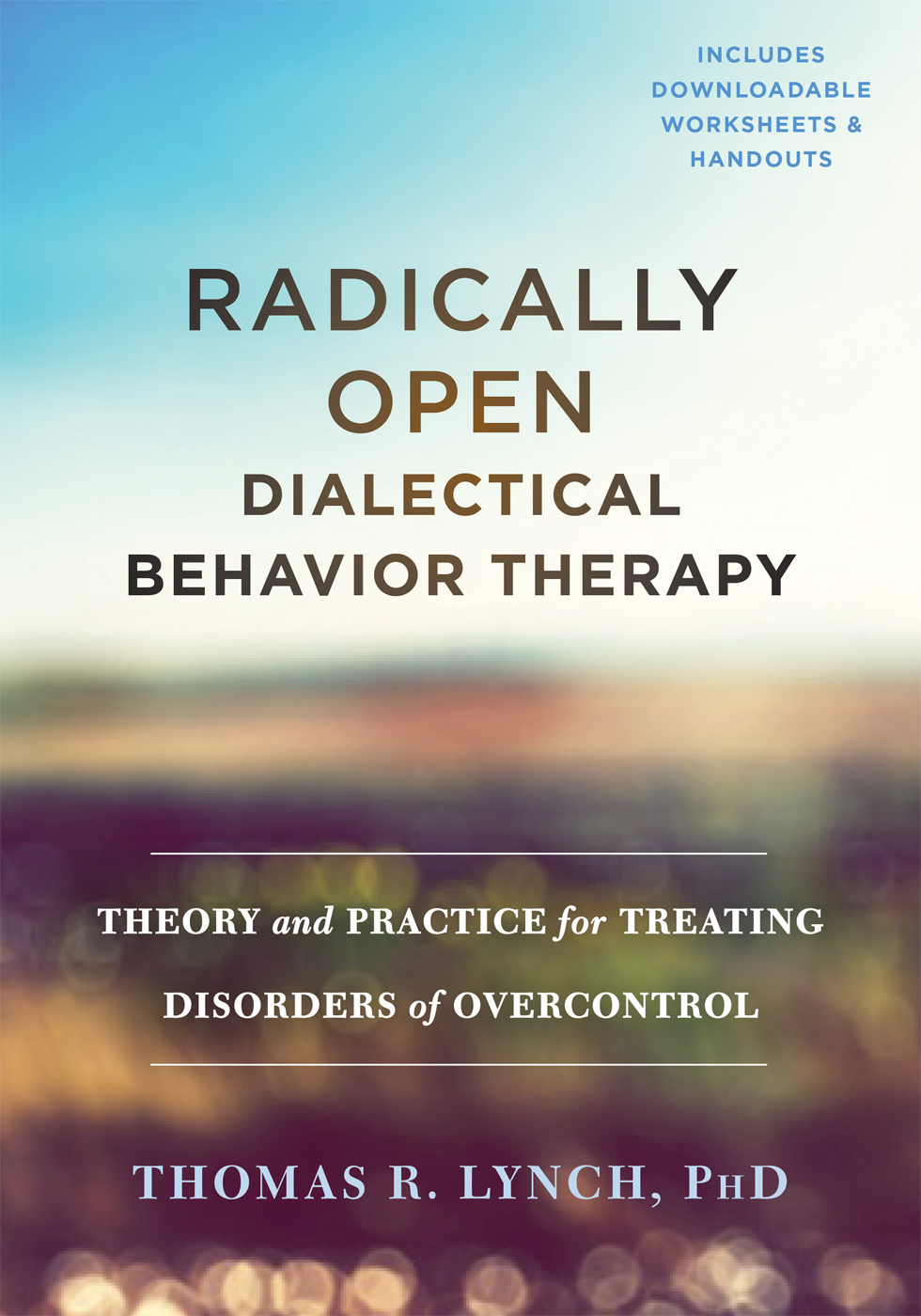
600 pages, Hardcover
Published February 15, 2018
Some people are more naturally detail focused - they see the trees over the forest. This often goes hand-in-hand with seeing the potential for harm over the potential for reward in any given situation.
Overcontrolled coping comes from the ideas that mistakes are intolerable, achievement is essential, and you must have perfect self-control. If I mask my inner feelings I can avoid making mistakes or appearing out of control. Overcontrolled coping has hidden costs. Avoidance of unplanned risks interferes with learning, masking inner feelings makes it harder for others to know you, and behaving in an aloof and distant manner makes it more likely for people to avoid you. Plus, maintaining excessive self-control is exhausting.
Radically open living impacts how we see the world (we are more receptive to critical feedback) and how others see us (people like people who are open-minded).
Radical openness has three elements:
Receptivity to new experience and disconfirming feedback, in order to learn.
Flexible self-control, in order to adapt to changing environmental conditions.
Intimacy and connectedness with at least one other person.
Practice self-enquiry: Ask yourself, Is there something here for me to learn? Temporarily turning toward the discomfort and asking what we might need to learn, rather than automatically regulating, distracting, explaining, reappraising, or accepting.
Self-enquiry considers an unwanted emotion, thought, or sensation in the body a reminder to practice self-enquiry by redirecting our attention to the challenging or threatening experience and asking, is there something to learn here?
Flexibly responding with humility by doing what’s needed in the moment to effectively manage the situation or adapt to changing circumstances in a manner that accounts for the needs of others.
Radical acceptance means letting go of the fight with reality, and turning intolerable suffering into tolerable pain, whereas radical openness challenges our perceptions of reality. Radical openness posits that we are unable to see things as they are but instead see things as we are. Thus RO encourages the cultivation of self-enquiry and healthy self-doubt in order to signal humility and learn from what the world may have to offer.
Urge-surfing mindfulness (compulsive desires to control, fix, or correct are like a wave, and will ebb if given time)
If you feel perfectionist urges, try to love and appreciate how they motivate you and help you to perform and accomplish tasks, rather than feeling guilt about being a perfectionist. By embracing your perfectionism as a part of yourself that you aren’t trying to improve you are no longer being a perfectionist.
Defensive arousal, tension in the body, or unwanted emotions helpful because they can alert us to areas in our lives where we may need to change or grow.
Openness is a powerful social safety signal. It helps ensure that cooperative intentions are perceived as intended, especially during times of potential conflict. It is the cure for arrogance, selfishness, and lack of empathy, and it helps curb our ego by placing the needs of others on an equal footing to our own.
During a conversation, we may be unaware that we are speaking more rapidly, failing to provide time for the other person to speak, or frequently talking over or interrupting the other person, and we are more likely to overestimate our own capabilities and underestimate the capabilities of others.
Radical openness: Receptivity to new experience and disconfirming feedback, in order to learn.