In the current political climate, diving into an environmental journal can be uplifting or discouraging, too obvious or too obscure, leave the reader feeling bleak or encouraged to resist. Edited by Michael J. DeLuca, Reckoning's first issue sets the tone for a (hopefully long) future for Reckoning. The stories, essays, poems, and art balance the horror, beauty, and potential for healing present in nature.
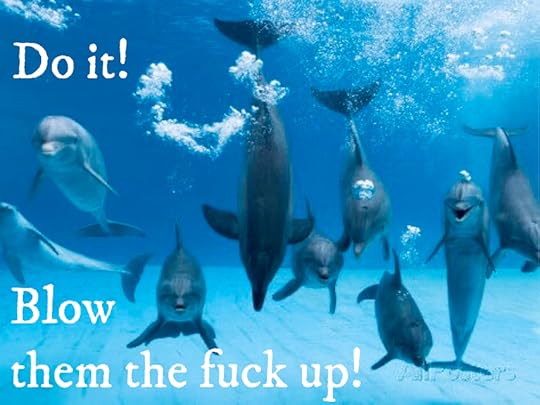
"Wolphinia" by Giselle Leeb starts off the issue and begins with a near future story of evolution, resistance, and the connection between human and animal. Leeb's protagonist, a human, teams up with Wolphins, questioning the separation between land and water, human and mammal. One of the more strict speculative stories, it encouraged a sense of imaginative thinking that will benefit the reader throughout the issue. While common environmental concerns threaded the issue (such as poisoned water), the depth of diversity in this issue was impressive--from speculative stories like "Wolphinia" and "The Bumblebee-Maker's Kiss" by Johannes Punkt to essays on disability--"How Far Are We from Minneapolis?" by Marissa Lingen--and guerrilla protest camps in Germany--"In Hambach Forst" by George F.
In addition to content, a reader can find so many styles--from James Treat's historical found poems, "Four Found Poems"; concrete poetry in "Concrete Jungle" by Travis MacDonald, to a visual essay by Christopher Brown, "The Rules of Capture." Some of my other favorites included Chloe Clark's poem "Sidelong Catastrophe," Brandon O'Brien's poem "Papa Bois and the Boy," and the fairytale-esque piece "Written in the Book of the Woods" by LJ Geoffrion.
As a first issue, Reckoning promises to be a bright spot of thoughtful, environmentally focused literature and art. I look forward to the second issue.