

What do you think?

أرض جوفاء: الهندسة المعمارية للاحتلال الإسرائيلي
من أنفاق غزة إلى الفضاء المُعَسكر فوق المناطق المحتلة، يكشف إيال وايزمان عن ميكانيزمات السيطرة الإسرائيلية التي تحيل القرى، البلدات والطرق الفلسطينية إلى شرَكٍ تكون فيه المعالم الطبيعية والمبنيّة في خدمة الغايات العسكرية. يقتفي وايزمان مسار تطور هذه الاستراتيجية بدءاً من تأثير الأركيولوجيا في التخطيط المديني، وإعادة صياغة مفهوم الدفاع على يد آرييل شارون خلال حرب 1973، ثمّ عبر تخطيط المستوطنات وطرزها المعمارية ، وصولاً إلى الخطاب الإسرائيلي المعاصر و تنفيذ الحرب المدينية والاغتيالات الموجَّهة من الجو.
لقد كشف "أرض جوفاء" عن طبيعة النظام السياسي الإسرائيلي في خضم هذا المشروع المعقد والمفزع لأواخر العصر الكولونيالي الحديث.
لقد كشف "أرض جوفاء" عن طبيعة النظام السياسي الإسرائيلي في خضم هذا المشروع المعقد والمفزع لأواخر العصر الكولونيالي الحديث.
430 pages, Paperback
First published June 17, 2007
About the author
Eyal Weizman
56 books138 followersEyal Weizman is an architect, professor of spatial and visual cultures and director of the Centre for Research Architecture at Goldsmiths, University of London. Since 2014 he is a global professor at Princeton University. In 2010 he set up the research agency Forensic Architecture (FA). The work of FA is documented in the exhibition and book FORENSIS (Sternberg, 2014). In 2007 he set up, with Sandi Hilal and Alessandro Petti, the architectural collective DAAR in Beit Sahour/Palestine. This work is documented in the book Architecture after Revolution (Sternberg, 2014). In 2013 he designed a permanent folly in Gwangju, South Korea which was documented in the book The Roundabout Revolution (Sternberg, 2015). His other books include The Conflict Shoreline (Steidl and Cabinet, 2015), Mengele’s Skull (Sternberg, 2012), The Least of all Possible Evils (Verso, 2011), Hollow Land (Verso, 2007), A Civilian Occupation (Verso, 2003). Weizman is on the editorial board of Third Text, Humanity, Cabinet and Political Concepts and is on the board of directors of the Centre for Investigative Journalism (CIJ) and on the advisory boards of the ICA in London and B’Tselem in Jerusalem, amongst others. He studied architecture at the Architectural Association in London and completed his PhD at the London Consortium/Birkbeck College.
Ratings & Reviews
Friends & Following
Create a free account to discover what your friends think of this book!
Community Reviews
Displaying 1 - 30 of 85 reviews
June 19, 2020
عاوز تفهم أيه هى صفقة القرن؟ كمل الريفيو
صفقة القرن
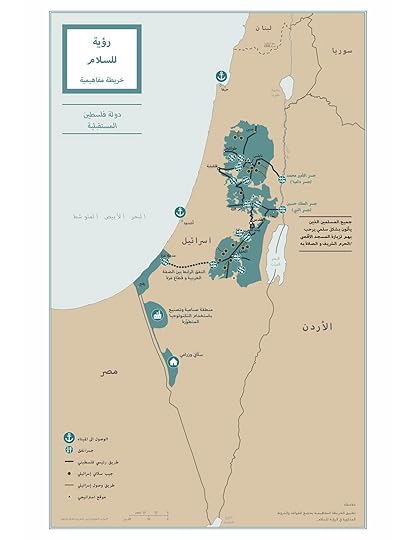
فى الثامن والعشرون من يناير الماضى 2020 أعلن الرئيسى الأمريكى دونالد ترامب عن صفقة يتم من خلالها تسوية النزاع العربى - الصهيونى على أرض فلسطين الغالية بحيث يتم تقسيم أرض فلسطين كما فى الصورة عاليه بحيث يخضع قطاع غزة والضفة الغربية للحكم الفلسطينى ويتم ربط أراضيهما بأنفاق وجسور يسيطر عليها الجانب الفلسطينى ويكون من حق العرب والمسلمين زيارة المسجد الأقصى وحرمه الشريفين فى أى وقت ودون أى مضايقة من الجانب الصهيونى، فيما يعترف الجانب الفلسطينى بدولة الكيان الصهيونى التى تُدعى (إسرائيل) ويتمتع هذا الكيان بالسيادة على ما تبقى من أرض فلسطين المقدسة.
كان هذا هو مُلخص ما جاء فى المؤتمر الصحفى لترامب ورئيس وزراء الكيان الصهيونى مع تأكيدهما على رفض الجانب الفلسطينى لهذه الصفقة من الأساس.
.........
فلنعود إلى كتابنا ونشرح سوياً كيف خطط ودبر الكيان الصهيونى بمساعدة الولايات المتحدة الأمريكية لهذا الطرح منذ عشرات السنين والبداية عند احتلال أرض فلسطين فى أعقاب حرب 48 بين الجيوش العربية والمليشيات المسلحة من جيش الاحتلال الصهيونى

هكذا كانت خريطة أرض فلسطين تحت الحكم العربى وهكذا أصبح ما تبقى من الأرض الغالية فتات يعيش عليه أخواننا فى فلسطين فى ظل أوضاع معيشية صعبة للغاية.
يبدأ وايزمان استهلاله بأنه فى عام 2005 عندما أعلن البنك الدولى تبنيه لاقتراح شركة راند (كمؤسسة أبحاث وخلية تفكير غير ربحية أُنشئت فى الأصل لتقديم أبحاث وتحليلات للقوات المسلحة الأمريكية ) تقترح فيه بناء جسر فلسطينى مُعلى عابر لإسرائيل بين غزة والضفة الغربيةص29
إذن فصفقة القرن ليست فكرة وليدة حكم ترامب أو غيره من الرؤساء الأميريكيين وإنما استراتيجية عملية ينتهجها الكيان الصهيونى وداعموه لإحكام قبضتهم على موارد أرض فلسطين وأولها موارد المياه.
موارد المياه
فلما كانت 80% من المخزون المائى للجبال ثاو تحت أرض الضفة الغربية (الكتاب ص37) فإن مستقبل الكيان الصهيونى أصبح يعتمد على مخزونات المياه هذه وعليه فالصهاينة غير مستعدين لوضع هذه المنطقة تحت السيادة الفلسطينية، فلك أن تتخيل أن الكيان الصهيونى يستخدم هذه المياه بنسبة 83% فى مقابل 17% فقط يستخدمها سكان الضفة الغربية ولا تصل لهم بصورة منتظمة.
وعليه كان على الكيان الصهيونى تحدى العالم أجمع والتوسع فى الاستيطان خصوصاً فى أراضى الضفة الغربية بُغية السيطرة على موارد المياه العذبة.
فوضى الاستيطان
تعمدت حكومات الاحتلال المتعاقبة على بناء المستوطنات بشكل منتظم وسريع لكنها قوبلت فى كثير من الأحيان برفض وغضب دوليين فقلت وتيرة الاستيطان الرسمى لكن فى المقابل زادت وتيرة الاستيطان الفوضوى الغير رسمى والمسلح والمعزز بعناصر من قوات جيش الاحتلال، فلسفة الاستيطان منذ البداية كانت السيطرة على أعالى التلال كوسيلة تستعملها قوات الاحتلال لتهجير الفلسطينيين من سكان الوديان والمنخفضات باستخدام مياه المجارى التى تندفع بفعل الجاذبية الأضية إلى المنحدرات فتشكل مستنقعات يستحيل الحياة فيها.
الكتاب ينقسم إلى تسعة فصول سأحاول أن اختصر الهدف الرئيسى من كل فصل:
الفصل الأول
يشرح وايزمان فى هذا الفصل سياسة قوات الاحتلال للإيحاء بأن المبانى الجديدة التى أقاموها على أرض القدس إنما هى جزءاً لا يتجزأ من المدينة المقدسة باستخدام حيل وأساليب هندسية ومعمارية كتحجير جميع المبانى التى يجرى بناءها فى القدس (إكساء حجرى) لتبدو المدينة للناظر كنمط معمارى واحد غير مُتمايز وغير منفصل.
كما قامت قوات الاحتلال فى أعقاب يونيو 1967 بهدم حى المغاربة الفاصل بين حائط المبكى والحى اليهودى وشق طريق بينهما وكذلك تهجير الفلسطينيين من الحى اليهودى بما يوحى بفرض السيطرة التامة ومحاولة فرض واقع يوحى بيهودية الأرض المقدسة، كما شرعت الأحياء المقامة حديثاً خارج البلدة القديمة – والتى اجتذبت عدداً كبيراً من اليهود لما لها من مميزات فصل إجتماعى وثقافى وإثنى – بنسخ الطراز المعمارى للحى اليهودى.
ومنذ عام 1967 كان القرار اليهودى المتجدد بجعل نسبة السكان فى القدس هى نسبة 3 يهود إلى 1عرب من خلال التضييق على العرب فى إصدار تصاريح البناء وإتاحتها لليهود، وكذلك وضع المستوطنات اليهودية على هيئة أسافين أقحمت بين الأحياء والقرى الفلسطينية (ص83) ومع ارتفاع تكاليف السكن واستحالة الحصول على تصاريح بناء فى القدس بالنسبة للعرب توجهت العائلات الفلسطينية نحو القرى والبلدات القريبة فى الضفة الغربية.
وفى أحد المحاولات الصهيونية المستميتة لإثبات يهودية القدس أجرى باحث ومعمارى هاوى مسحاً جوياً للمسجد الأقصى ومسجد قبة الصخرة لمحاولة اكتشاف بعض أجزاء الهيكل / المعبد اليهودى المزعوم وقدم تقريراً إلى شارون الذى كان نائباً فى الكنيست وقتها ليجوب شارون به أمريكا وأوروبا طولاً وعرضاً فى محاولة بائسة لاستجداء تعاطف دولى لقضيتهم الواهية
الفصل الثانى: أشكال التحصينات الهندسية الصهيونية
يستعرض هذا الفصل أشكال وأنماط التحصينات العسكرية الصهيونية بدءاً من خط بارليف شرق قناة السويس نهايةً بجدار الفصل العنصرى الذى أقامه الكيان الصهيونى لفصل الأراضى المحتلة عن باقى أرض فلسطين
يبين هنا الكاتب كيف بدأ التخطيط لبناء خط بارليف ليكون حاجزاُ ومانعاً للمصريين لعبور قناة السويس ومعارضة أرييل شارون لسيناريو الدفاع المتقدم الساكن وفرضه لاحقاً لبناء منظومة دفاعية خلف خط بارليف تعتمد على وجود 35 نقطة حصينة مجهزة بالمعدات الثقيلة والخفيفة، فعلاوة على الساتر الترابى الرملى بارتفاع 20 متراً وبزاوية ميل 45 درجة ويمتد بطول 200 كيلومتر على ضفاف قناة السويس أقيم 35 متراس سُميت (كيبوتز أدان) يستوعب كل منهم 20-30 جندى يفصل بين كل واحد منهم 10 كيلومتر وتبعد عن قناة السويس 200 متراً فقط أحيطت جميعها بحقول الألغام وتم تزويد كل منها بالدبابات والمدفعية والهاون والاسلحة الآلية.
ويعرج الكاتب هنا على تأسيس مليشيا شارون فى الفترة بين 1948 و 1973 (وحدة المغاوير الخاصة 101) بهدف القيام بعمليات مداهمة فى محاولة لتغيير وجه المنطقة وبناء جيش العبرانيين وبالفعل قامت الوحدة بعمليات قتل وسلب ونهب أبرزها الهجوم على قرية قبية وقتل 60 مدنى أعزل وفى هذه الفترة برز أسم شارون كمنفذ لكل العمليات القذرة التى يريد الكيان الصهيونى تنفيذها دون أن تتم محاسبته أو لومه دولياً وكون شارون مع دايان وزير الدفاع وبن غوريون ثالوث استراتيجى لا يستغنى احدهم عن الآخر وكان يكفى حسب الكتاب أن يغمز دايان لشارون حتى يقوم بتنفيذ ما سمعه (ص 102).
شارون أيضاً كان له دور بارز فى حرب السادس من أكتوبر 1973 حتى وبعد أن اعتزل العمل العسكرى تم استدعاؤه فى أعقاب الهجوم المصرى لاسترداد أرض سيناء الغالية قام شارون بقيادة كتيبة والتسلل مما عُرف بالثغرة وعبور قناة السويس فى جهة الغرب ومحاولته دخول الاسماعيلية ولولا تدخل الحكام العرب وتخفيض إنتاج النفط وزيادة أسعاره لما رضخ الكيان الصهيونى للمحاولات الدولية لوقف إطلاق النار والجلوس على مائدة المفاوضات.
صعود سهم شارون العسكرى والسياسى فى تلك الفترة كزعيم سياسى ومتمرد ألهب حماسة الشباب الصهيونى لمزيد من جرائم القتل والتهجير للفلسطلنيين وكذلك لزيادة وتيرة الاستيطان بشكل كبير كما سنرى فى الفصل الثالث.
الفصل الثالث
فقد أدى شارون دوراً محورياً فى عملية استيطان المنطقة الجبلية للضفة الغربية ومما قاله مراراً شارون (انا أستوطن حيث أستطيع) (ص 143) فأدت سياسته الاستيطانية وتشجيعه على الاستيطان إلى فوضى أستيطانية وصلت إلى ساحات المحكمة الإسرائيلية العليا ولكن دون جدوى من الالتفاف حول أحكام القضاء الصهيونى ذاته، الهندسة المعمارية كان لها دور هام فى بناء المستوطنات ففرض على المستوطنين الجدد بناء البيوت بحيث تطل النوافذ والأبواب على الطرق ومداخل المستوطنة وبذلك يؤدى المستوطن دور آخر كجاسوس للأمن يرصد أى حركة غير طبيعية من قبل الفلسطينيين ويقوم بالإبلاغ عنها كما سنرى فى الفصل الرابع أيضاً.
الفصل الرابع : عمران بصرى
قامت مساعى حكومة بيغن لإضفاء الطابع الرسمى على المشروع الاستيطانى ووضعه تحت سيطرة الدولة فتم إقرار أن أى أرض لا يملك الفلسطينيين إثباتاً لملكيتها هى فى حكم أراضى الدولة وتقوم الدولة بحيازتها وعلى المزارعون القائمون على زراعتها دفع الضرائب، ولما كان المزارعون لا يستطيعون دفع هذه الضرائب الباهظة لقاء أرض لا يمكن استثمارها فى الزراعة فتنازلوا عن الأرض البور وتحولت ملكيتها للدولة، سنرى أيضاً كيف تحول الصراع بين حزب الليكود الليبرالى وحزب العمل اليمينى الأمنى العدوانى إلى مزيد من انتزاع الأراضى الخاصة بالفلسطينيين بغاية الاستيطان.
كلمة مستوطنة بالعبرية تعنى (مَطل) فجرى بناء المستوطنات بحيث تطل نوافذها على الطرق وجرى تجنيد المستوطنين كعملاء سريين وأداة فى يد الدولة للتحرى عن تحركات الفلسطينيين فى الضفة الغربية وكتابة تقارير عنهم كما تحولت المستوطنات فى الضفة إلى مصفوفة بصرية تنبثق أنوارها من نقاط المراقبة / المستوطنات المتوالدة والمنتشرة على امتداد المشهد.
الفصل الخامس
يتحدث هذا الفصل عن أن السيادة الفلسطينية على المعابر والنقاط الحدودية ما هى إلا سيادة ظاهرية فقط وأن الإدارة الحقيقية فى يد ضباط الاحتلال سواء يعملون فى الخفاء أو العلن.
الفصل السادس
بداية الحديث عن جدار الفصل العنصرى الذى يعزل أرض فلسطين المحتلة عن باقى الأراضى الفلسطينية أو حاجز خط التماس الذى تتعاقب على كل 100 متر منه تحصينات تشبه تلك التى كانت فى خط بارليف ومن تخطيط شارون وكذلك تم تجهيز الجدار بسياج ذكى يكتشف الاختراق وبارتفاع 3 أمتار ومزود بطريق داخلى (على شكل شريط موازى للجدار من الداخل) يسجل آثار اقدام الدخلاء.
الفصل السابع
السير عبر الجدران وهى فلسفة اعتمدتها قوات الاحتلال فى مداهمة المنازل واعتقال الافراد وفى إخلاء المنازل تقوم على فرضية ان مداخل المنازل مفخخة أو ملغمة ولذلك تتم هذه الحملات عن طريق ثقب جدران المنازل والتسلل إلى داخلها.
الفصل الثامن
يتناول الكاتب الرفض الفلسطينى لعمليات إعادة الإسكان فى المستوطنات المُخلاة فى قطاع غزة حتى اضطرت قوات الاحتلال لهدم هذه المستوطنات وإلقاء مخلفات الهدم مكان ميناء غزة المزمع إنشاؤه.
الفصل التاسع
يتناول الاغتيالات الموجهة من الجو بعد أن فشلت جميع محاولات جيش الاحتلال فى إخضاع قطاع غزة فقامت باحتلال الجو فوقه وتوجيه ضربات انتقامية تارة واستباقية تارة لأى عنصر من عناصر المقاومة ويُعزى الكاتب هنا هذه الضربات الجوية إلى أنها أداة سياسية تسعى إسرائيل من خلالها إلى الاحتفاظ بسيطرتها على المناطق الفلسطينية التى انسحبت من أراضيها.
إلى هنا أنتهت مراجعة هذا الكتاب أرشحه لكافة الأصدقاء
وأتمنى من دار مدارات فى النهاية أنه لو كانت الصور والخرائط المرفقة بالكتاب بالألوان كانت ستزيد من متعة القراءة والفهم والدرس لعلهم ينتبهوا لذلك فى الطبعات القادمة...
صفقة القرن
فى الثامن والعشرون من يناير الماضى 2020 أعلن الرئيسى الأمريكى دونالد ترامب عن صفقة يتم من خلالها تسوية النزاع العربى - الصهيونى على أرض فلسطين الغالية بحيث يتم تقسيم أرض فلسطين كما فى الصورة عاليه بحيث يخضع قطاع غزة والضفة الغربية للحكم الفلسطينى ويتم ربط أراضيهما بأنفاق وجسور يسيطر عليها الجانب الفلسطينى ويكون من حق العرب والمسلمين زيارة المسجد الأقصى وحرمه الشريفين فى أى وقت ودون أى مضايقة من الجانب الصهيونى، فيما يعترف الجانب الفلسطينى بدولة الكيان الصهيونى التى تُدعى (إسرائيل) ويتمتع هذا الكيان بالسيادة على ما تبقى من أرض فلسطين المقدسة.
كان هذا هو مُلخص ما جاء فى المؤتمر الصحفى لترامب ورئيس وزراء الكيان الصهيونى مع تأكيدهما على رفض الجانب الفلسطينى لهذه الصفقة من الأساس.
.........
فلنعود إلى كتابنا ونشرح سوياً كيف خطط ودبر الكيان الصهيونى بمساعدة الولايات المتحدة الأمريكية لهذا الطرح منذ عشرات السنين والبداية عند احتلال أرض فلسطين فى أعقاب حرب 48 بين الجيوش العربية والمليشيات المسلحة من جيش الاحتلال الصهيونى
هكذا كانت خريطة أرض فلسطين تحت الحكم العربى وهكذا أصبح ما تبقى من الأرض الغالية فتات يعيش عليه أخواننا فى فلسطين فى ظل أوضاع معيشية صعبة للغاية.
يبدأ وايزمان استهلاله بأنه فى عام 2005 عندما أعلن البنك الدولى تبنيه لاقتراح شركة راند (كمؤسسة أبحاث وخلية تفكير غير ربحية أُنشئت فى الأصل لتقديم أبحاث وتحليلات للقوات المسلحة الأمريكية ) تقترح فيه بناء جسر فلسطينى مُعلى عابر لإسرائيل بين غزة والضفة الغربيةص29
إذن فصفقة القرن ليست فكرة وليدة حكم ترامب أو غيره من الرؤساء الأميريكيين وإنما استراتيجية عملية ينتهجها الكيان الصهيونى وداعموه لإحكام قبضتهم على موارد أرض فلسطين وأولها موارد المياه.
موارد المياه
فلما كانت 80% من المخزون المائى للجبال ثاو تحت أرض الضفة الغربية (الكتاب ص37) فإن مستقبل الكيان الصهيونى أصبح يعتمد على مخزونات المياه هذه وعليه فالصهاينة غير مستعدين لوضع هذه المنطقة تحت السيادة الفلسطينية، فلك أن تتخيل أن الكيان الصهيونى يستخدم هذه المياه بنسبة 83% فى مقابل 17% فقط يستخدمها سكان الضفة الغربية ولا تصل لهم بصورة منتظمة.
وعليه كان على الكيان الصهيونى تحدى العالم أجمع والتوسع فى الاستيطان خصوصاً فى أراضى الضفة الغربية بُغية السيطرة على موارد المياه العذبة.
فوضى الاستيطان
تعمدت حكومات الاحتلال المتعاقبة على بناء المستوطنات بشكل منتظم وسريع لكنها قوبلت فى كثير من الأحيان برفض وغضب دوليين فقلت وتيرة الاستيطان الرسمى لكن فى المقابل زادت وتيرة الاستيطان الفوضوى الغير رسمى والمسلح والمعزز بعناصر من قوات جيش الاحتلال، فلسفة الاستيطان منذ البداية كانت السيطرة على أعالى التلال كوسيلة تستعملها قوات الاحتلال لتهجير الفلسطينيين من سكان الوديان والمنخفضات باستخدام مياه المجارى التى تندفع بفعل الجاذبية الأضية إلى المنحدرات فتشكل مستنقعات يستحيل الحياة فيها.
الكتاب ينقسم إلى تسعة فصول سأحاول أن اختصر الهدف الرئيسى من كل فصل:
الفصل الأول
يشرح وايزمان فى هذا الفصل سياسة قوات الاحتلال للإيحاء بأن المبانى الجديدة التى أقاموها على أرض القدس إنما هى جزءاً لا يتجزأ من المدينة المقدسة باستخدام حيل وأساليب هندسية ومعمارية كتحجير جميع المبانى التى يجرى بناءها فى القدس (إكساء حجرى) لتبدو المدينة للناظر كنمط معمارى واحد غير مُتمايز وغير منفصل.
كما قامت قوات الاحتلال فى أعقاب يونيو 1967 بهدم حى المغاربة الفاصل بين حائط المبكى والحى اليهودى وشق طريق بينهما وكذلك تهجير الفلسطينيين من الحى اليهودى بما يوحى بفرض السيطرة التامة ومحاولة فرض واقع يوحى بيهودية الأرض المقدسة، كما شرعت الأحياء المقامة حديثاً خارج البلدة القديمة – والتى اجتذبت عدداً كبيراً من اليهود لما لها من مميزات فصل إجتماعى وثقافى وإثنى – بنسخ الطراز المعمارى للحى اليهودى.
ومنذ عام 1967 كان القرار اليهودى المتجدد بجعل نسبة السكان فى القدس هى نسبة 3 يهود إلى 1عرب من خلال التضييق على العرب فى إصدار تصاريح البناء وإتاحتها لليهود، وكذلك وضع المستوطنات اليهودية على هيئة أسافين أقحمت بين الأحياء والقرى الفلسطينية (ص83) ومع ارتفاع تكاليف السكن واستحالة الحصول على تصاريح بناء فى القدس بالنسبة للعرب توجهت العائلات الفلسطينية نحو القرى والبلدات القريبة فى الضفة الغربية.
وفى أحد المحاولات الصهيونية المستميتة لإثبات يهودية القدس أجرى باحث ومعمارى هاوى مسحاً جوياً للمسجد الأقصى ومسجد قبة الصخرة لمحاولة اكتشاف بعض أجزاء الهيكل / المعبد اليهودى المزعوم وقدم تقريراً إلى شارون الذى كان نائباً فى الكنيست وقتها ليجوب شارون به أمريكا وأوروبا طولاً وعرضاً فى محاولة بائسة لاستجداء تعاطف دولى لقضيتهم الواهية
الفصل الثانى: أشكال التحصينات الهندسية الصهيونية
يستعرض هذا الفصل أشكال وأنماط التحصينات العسكرية الصهيونية بدءاً من خط بارليف شرق قناة السويس نهايةً بجدار الفصل العنصرى الذى أقامه الكيان الصهيونى لفصل الأراضى المحتلة عن باقى أرض فلسطين
يبين هنا الكاتب كيف بدأ التخطيط لبناء خط بارليف ليكون حاجزاُ ومانعاً للمصريين لعبور قناة السويس ومعارضة أرييل شارون لسيناريو الدفاع المتقدم الساكن وفرضه لاحقاً لبناء منظومة دفاعية خلف خط بارليف تعتمد على وجود 35 نقطة حصينة مجهزة بالمعدات الثقيلة والخفيفة، فعلاوة على الساتر الترابى الرملى بارتفاع 20 متراً وبزاوية ميل 45 درجة ويمتد بطول 200 كيلومتر على ضفاف قناة السويس أقيم 35 متراس سُميت (كيبوتز أدان) يستوعب كل منهم 20-30 جندى يفصل بين كل واحد منهم 10 كيلومتر وتبعد عن قناة السويس 200 متراً فقط أحيطت جميعها بحقول الألغام وتم تزويد كل منها بالدبابات والمدفعية والهاون والاسلحة الآلية.
ويعرج الكاتب هنا على تأسيس مليشيا شارون فى الفترة بين 1948 و 1973 (وحدة المغاوير الخاصة 101) بهدف القيام بعمليات مداهمة فى محاولة لتغيير وجه المنطقة وبناء جيش العبرانيين وبالفعل قامت الوحدة بعمليات قتل وسلب ونهب أبرزها الهجوم على قرية قبية وقتل 60 مدنى أعزل وفى هذه الفترة برز أسم شارون كمنفذ لكل العمليات القذرة التى يريد الكيان الصهيونى تنفيذها دون أن تتم محاسبته أو لومه دولياً وكون شارون مع دايان وزير الدفاع وبن غوريون ثالوث استراتيجى لا يستغنى احدهم عن الآخر وكان يكفى حسب الكتاب أن يغمز دايان لشارون حتى يقوم بتنفيذ ما سمعه (ص 102).
شارون أيضاً كان له دور بارز فى حرب السادس من أكتوبر 1973 حتى وبعد أن اعتزل العمل العسكرى تم استدعاؤه فى أعقاب الهجوم المصرى لاسترداد أرض سيناء الغالية قام شارون بقيادة كتيبة والتسلل مما عُرف بالثغرة وعبور قناة السويس فى جهة الغرب ومحاولته دخول الاسماعيلية ولولا تدخل الحكام العرب وتخفيض إنتاج النفط وزيادة أسعاره لما رضخ الكيان الصهيونى للمحاولات الدولية لوقف إطلاق النار والجلوس على مائدة المفاوضات.
صعود سهم شارون العسكرى والسياسى فى تلك الفترة كزعيم سياسى ومتمرد ألهب حماسة الشباب الصهيونى لمزيد من جرائم القتل والتهجير للفلسطلنيين وكذلك لزيادة وتيرة الاستيطان بشكل كبير كما سنرى فى الفصل الثالث.
الفصل الثالث
فقد أدى شارون دوراً محورياً فى عملية استيطان المنطقة الجبلية للضفة الغربية ومما قاله مراراً شارون (انا أستوطن حيث أستطيع) (ص 143) فأدت سياسته الاستيطانية وتشجيعه على الاستيطان إلى فوضى أستيطانية وصلت إلى ساحات المحكمة الإسرائيلية العليا ولكن دون جدوى من الالتفاف حول أحكام القضاء الصهيونى ذاته، الهندسة المعمارية كان لها دور هام فى بناء المستوطنات ففرض على المستوطنين الجدد بناء البيوت بحيث تطل النوافذ والأبواب على الطرق ومداخل المستوطنة وبذلك يؤدى المستوطن دور آخر كجاسوس للأمن يرصد أى حركة غير طبيعية من قبل الفلسطينيين ويقوم بالإبلاغ عنها كما سنرى فى الفصل الرابع أيضاً.
الفصل الرابع : عمران بصرى
قامت مساعى حكومة بيغن لإضفاء الطابع الرسمى على المشروع الاستيطانى ووضعه تحت سيطرة الدولة فتم إقرار أن أى أرض لا يملك الفلسطينيين إثباتاً لملكيتها هى فى حكم أراضى الدولة وتقوم الدولة بحيازتها وعلى المزارعون القائمون على زراعتها دفع الضرائب، ولما كان المزارعون لا يستطيعون دفع هذه الضرائب الباهظة لقاء أرض لا يمكن استثمارها فى الزراعة فتنازلوا عن الأرض البور وتحولت ملكيتها للدولة، سنرى أيضاً كيف تحول الصراع بين حزب الليكود الليبرالى وحزب العمل اليمينى الأمنى العدوانى إلى مزيد من انتزاع الأراضى الخاصة بالفلسطينيين بغاية الاستيطان.
كلمة مستوطنة بالعبرية تعنى (مَطل) فجرى بناء المستوطنات بحيث تطل نوافذها على الطرق وجرى تجنيد المستوطنين كعملاء سريين وأداة فى يد الدولة للتحرى عن تحركات الفلسطينيين فى الضفة الغربية وكتابة تقارير عنهم كما تحولت المستوطنات فى الضفة إلى مصفوفة بصرية تنبثق أنوارها من نقاط المراقبة / المستوطنات المتوالدة والمنتشرة على امتداد المشهد.
الفصل الخامس
يتحدث هذا الفصل عن أن السيادة الفلسطينية على المعابر والنقاط الحدودية ما هى إلا سيادة ظاهرية فقط وأن الإدارة الحقيقية فى يد ضباط الاحتلال سواء يعملون فى الخفاء أو العلن.
الفصل السادس
بداية الحديث عن جدار الفصل العنصرى الذى يعزل أرض فلسطين المحتلة عن باقى الأراضى الفلسطينية أو حاجز خط التماس الذى تتعاقب على كل 100 متر منه تحصينات تشبه تلك التى كانت فى خط بارليف ومن تخطيط شارون وكذلك تم تجهيز الجدار بسياج ذكى يكتشف الاختراق وبارتفاع 3 أمتار ومزود بطريق داخلى (على شكل شريط موازى للجدار من الداخل) يسجل آثار اقدام الدخلاء.
الفصل السابع
السير عبر الجدران وهى فلسفة اعتمدتها قوات الاحتلال فى مداهمة المنازل واعتقال الافراد وفى إخلاء المنازل تقوم على فرضية ان مداخل المنازل مفخخة أو ملغمة ولذلك تتم هذه الحملات عن طريق ثقب جدران المنازل والتسلل إلى داخلها.
الفصل الثامن
يتناول الكاتب الرفض الفلسطينى لعمليات إعادة الإسكان فى المستوطنات المُخلاة فى قطاع غزة حتى اضطرت قوات الاحتلال لهدم هذه المستوطنات وإلقاء مخلفات الهدم مكان ميناء غزة المزمع إنشاؤه.
الفصل التاسع
يتناول الاغتيالات الموجهة من الجو بعد أن فشلت جميع محاولات جيش الاحتلال فى إخضاع قطاع غزة فقامت باحتلال الجو فوقه وتوجيه ضربات انتقامية تارة واستباقية تارة لأى عنصر من عناصر المقاومة ويُعزى الكاتب هنا هذه الضربات الجوية إلى أنها أداة سياسية تسعى إسرائيل من خلالها إلى الاحتفاظ بسيطرتها على المناطق الفلسطينية التى انسحبت من أراضيها.
إلى هنا أنتهت مراجعة هذا الكتاب أرشحه لكافة الأصدقاء
وأتمنى من دار مدارات فى النهاية أنه لو كانت الصور والخرائط المرفقة بالكتاب بالألوان كانت ستزيد من متعة القراءة والفهم والدرس لعلهم ينتبهوا لذلك فى الطبعات القادمة...
November 27, 2017
هذا الكتاب العظيم غني جداً بما يجب معرفته وغني بما يمكن أن يفتحه لك من آفاق واسعة.
والحقيقة إني إن شاء الله قريباً هتسلّط على حد من صحباتي في المعماري أراجعها في بعض الأشياء
لكن عموماً الكتاب لغته متوسطة مع رجوعي لجوجل في بعض المصطلحات.
أولاً . شكرا #مدارات
الكتاب للكاتب الإسرائيلي إيال وايزمان مهندس معماري، وأحد اهم كتاباته هذا الكتاب الذي بين يدينا "أرض جوفاء – الهندسة المعمارية للاحتلال الإسرائيلي"، والمترجم هو باسل وطفة مترجم سوري ترجم العديد من الأعمال مثل: ما بعد الاستشراق.
يتكون الكتاب من تسعة فصول، كل فصل يعتبر بشكل نسبي منفصل عن غيره، وتطرق وايزمان إلى العديد من أشكال الاحتلال الإسرائيلي وكذلك العديد من المساحات مثل القدس والتعامل الخاص معها، وقد أفرد فصل خاص عن التعامل المعماري للسياسي الإسرائيلي آرييل شارون، وكذلك التعامل مع الاستيطان في الضفة الغربية وجدار الفصل العنصري، وإخلاءات غزة واحتلال الجو فيها.
مقدمة: معمار التخوم
يبدأ الكتاب بفصل صغير عن الإجراءات الاستيطانية الصهيونية فيما بعد أوسلو خاصة في الضفة الغربية، وكيف أن الاحتلال الإسرائيلي يستغل الجغرافيا بشكل كامل لصالحه حتى لقد أصبحت حياة الفلسطينيين في الضفة الغربية والقدس خاصة عبارة عن جزر مغلقة من كثرة الحدود والحواجز بين الأراضي الفلسطينية.
فصل فرعي – 1967
كيف تعامل الإسرائيليون مع سيناء، وما هي الوسائل التي استخدموها لحماية أراضي سيناء، التخطيط الدقيق الجغرافي والعسكري لضمان أفضل الطرق ومنع الاقتحام مهما كانت قوة الجيش المصري، هذا ما ركّز عليه الإسرائيليون في خططهم وللفصل تتمة أخرى فيما بعد تحديداً في الفصل الثاني عن هذه الفترة وما بعدها حتى تحرير سيناء.
الفصل الأول: القدس: تحجير المدينة المقدسة.
يتحدث في هذا الفصل عن عمارة القدس (المدينة المقدسة) وتعد قضية القدس أكثر القضايا أهمية بين الجانبين، وقد شرح وايزمان التهويد -المصطلح الدائم الاستخدام- بشكل دقيق جداً فقد تحدّث عن تغيير لعمارة المدينة المقدسة والسيطرة على أكبر مساحة ممكنة سواء في العمق أو على الأرض بنظرية أنّ ما نستطيع السيطرة عليه الآن سيصبح خارج المفاوضات، وقد استنفذ الإسرائيليون بحوثهم في الأريكولوجيا -علم الآثار- وتتبعوا البحث عن الآثار الإسرائيلية المزعومة في كثير من التفاصيل لتقديم ذرائع لاستغلال الأراضي الفلسطينية وكذلك حظيت القدس باهتمام خاص وذلك باستخدام أنماط معمارية محددة للبناء في القدس سواء في الشكل أو نوع الحجر أو الإجراءات الخاصة للبناء وذلك نظراً لأهميتها وأهمية الاستحواذ عليها، وذكر وايزمان أن محاولة تمدد ساحات الاستيطان على أراضيها لا تنتهي وكذلك السيطرة على أكبر قدر ممكن من الأراضي في الأماكن المقدسة مثل الأرض تحت المسجد الأقصى في محاولة لإعادة بناء هيكل سليمان ويذكر الكاتب الحيل المتعددة للإفلات من القانون للسيطرة على القدس الشرقية التي كانت من المفروض أنها للفلسطينيين حتى وصل الحال إلى العزل والتضييق على أصحاب الأرض في هذه المنطقة كسباً لأراضي أكثر ونحو تهويد أوسع.
الفصل الثاني: تحصينات: الهندسة المعمارية لآرييل شارون.
يخصص وايزمان هذا الفصل عن آرييل شارون، وفي الحقيقة تتحدث عنه حتى قبل امتلاكه لمراكز حساسة مثل رئاسة الوزراء أو رتبة عالية في الجيش، فأينما كان شارون ومهما كانت رتبته يقوم بقلب الأمور رأسا على عقب ويزرع الفوضى -بشكل مدروس- لينفذ مخططاته ويتهرب من الحكومة والقضاء بالفوضى وتجنيد المستوطنين المتدينين معه لدعمه، وقد تحدث عن كل الجرائم من قبل حرب 1973م بدءا بمحاولات السيطرة في العمق في سيناء إلى الضفة الغربية وتوسيع مساحات الاستيطان بطريقة غير مباشرة وإشرافه على كثير من التوسيعات من بعيد -تدخل توجيهي- ومدى الأثر الكبير لهذا الرجل واستغلاله لثغرات القانون لسلب مزيد من الأراضي الخاصة بالفلسطينيين.
الفصل الثالث والرابع: مستوطنات: معركة حول أعالي التلال، عمران بصري.
في هذا الفصل يبحث الكاتب في المعارك الاستيطانية في الضفة الغربية بشكل خاص والقوانين التي تنتهك من قبل المستوطنين لبناء المستوطنات أو توسيعها وكيف أن حجة الأمن الإسرائيلي هي أكبر الثغرات التي جعلت مساحات الاستيطان تتمدد بشكل كبير داخل الأراضي الفلسطينية الذي أدى إلى -ضفة غربية مشتتة- حتى جعلت إمكانية إقامة حكم ذاتي حقيقي حسب أوسلو للفلسطينيين شيء أبعد ما يكون عن الحقيقة وذلك بسبب التداخل الرهيب للمستوطنات في الأراضي الفلسطينية والمواقع الاستراتيجية لها مقابل الأراضي الفلسطينية التي تتقلص في مقابل توسعات الاستيطان.
الفصل الخامس: نقاط التفتيش: السيادة المشطورة والمرآة ذات البعد الواحد.
في هذا الفصل يوضحّ وايزمان أهمية مبدأ الأمن الإسرائيلي وأنه برغم كل الاتفاقيات فما يؤكد عليه الإسرائيليون هو إبقاء كل شيء تحت سيطرتهم بشكل أو بآخر، فيتحدث هذا الفصل عن مصطلح -السيادة المشطورة- التي يعني أن سيادة إسرائيل على كل شيء هي الأساس مقابل السيادة الممنوحة للسلطة الفلسطينية بعد أوسلو التي من المفترض أن تكون سيادة كاملة على الأراضي الفلسطينية فكان تعبير السيادة المشطورة مناسب لما يحدث بين الإسرائيليين والفلسطينيين فهي سيادة هشّة يتحكم فيها العدو من الخلف! ويأخذ على هذا مثال نقاط التفتيش لدرجة عدم قدرة السلطة الفلسطينية على الإدارة دون الرجوع للاحتلال ابتداءاً بالسيطرة الكاملة على المعابر والحواجز اللانهائية العدد بالإضافة إلى كشوفات الأمن المعدة مسبقاً من قبل الإسرائيليين والتحكم والسيطرة الأمنية الكاملة من الوراء لكل شيء مهما بدا أن السلطة هي المسؤولة.
الفصل السادس: الجدار: أرخبيل الحواجز والسياسة المستحيلة للفصل
يتحدث هذا الفصل بشكل أكثر تفصيلاً عن جدار الفصل العنصري واستخدام كل الأساليب القانونية والغير قانونية لتوسيعه وهو أكبر مشروع كلّف دولة الاحتلال وأكبر مشروع تم تغيير مساره في كثير من الاحيان وقد تداخلت فيه كثير من العوامل والاحزاب والصراعات وكل منهم يريد تغيير مساره كما يريد وهذا طبعاً يؤدي إلى تآكل الأراضي الفلسطينية على حساب توسع الأراضي تحت الاحتلال الاسرائيلي! ويتحدث الكاتب عن القرى التي فصلت أو أزيلت وعن الطرق العجيبة لربط الأراضي الفلسطينية المتبقية معاً من تحت الأرض ومرور المستوطنات من فوق الأرض. تحولات هندسية عميقة وتدخل عجيب بين العمارة والسياسة بما يخدم الاحتلال، وكذلك طريقة بناء الجدار والتفافه حول المستوطنات بطريقة ما أولاً تضم المستوطنات جميعها قدر الإمكان داخل إسرائيل وثانياً إمكانية توسع هذه المستوطنات في المستقبل ففي الحقيقة مهما بدا الإسرائيليون مستعدون للتفاوض فهم يوسعون الاستيطان للسيطرة على أكبر قدر ممكن من الأراضي التي تجعلها خارج التفاوض وعدم إمكانية إخلائها إلا في حالات نادرة جداً.
الفصل السابع: حرب مدينية: السير عبر الجدران
كيف لإسرائيل أن تدخل المخيمات التي كانت دائماً وأبداً هي مكان إيواء المقاومة ومكان تصدير المقاومة كذلك! في هذا الفصل تفاصيل عن طريقة جديدة تم تجربتها على مخيم بلاطة ومخيم جنين وهي استخدام طرق غير اعتيادية سمّيت -السير عبر الجدران- وفكرتها أنه بدلاً من السير في الطرق المتوقعة بالدبابات والسيارات العسكرية يقوم الجنود بإحداث الكثير من الفتحات في الجدران بطرق معينة ليخرجوا بشكل آخر جديد لحرب المدن وقد استفاد من هذه الطريقة الجديدة الأمريكان والبريطانيون في حرب العراق، ويتم تحديد المسارات للجنود عن طريق خرائط مسبقة مصوّرة جويّاً لتفاصيل المكان المراد اختراقه من الداخل.
الفصل الثامن: إخلاءات: تحرير العمارة
في هذا الفصل يتحدث وايزمان عن إخلاء غزة.. ماذا بعد؟ وقد كان التحدي الأساسي هو إبقاء السيطرة على القطاع وإمكانية إعادة دخوله واحتلاله مرة أخرى في حين استلزم الأمر، في المقابل تم إعادة طرح مشكلة اللاجئين وابتكار طريقة لكي ينسى اللاجئين قضيتهم وذلك عن طريق رفع مستواهم المعيشي وتوفير أراضي وبيوت تجعلهم يخافون على ما هم فيه الآن فيدافعون عنه بشراسة ليبقوا على ما هم عليه ومع مرور الزمن تجدهم يدافعوا عن عدم تغيير أوضاعهم وهذه خطة معروفة ومعتادة في العصر الكولونيالي.
وقد تم طرح سؤال من قبل الفلسطينيين كيف نحرر العمارة من السيطرة الكولونيالية الإسرائيلية بعد خرجهم أو كيف نحول الأرض والمؤسسات والأبنية في زمن الاحتلال إلى شيء آخر لا يؤدي نفس الوظيفة وذلك منعاً من أن تصبح دولة أو سلطة ما بعد الكولونيالية -السلطة الفلسطينية- مشابهة لما كانت عليه السيطرة الإسرائيلية، وقد تم اقتراح العديد من الخطط للاستفادة منها ومحاولة إعادة استخدامها وقد رفض الفلسطينيون كل هذه الحلول وكان الحل النهائي في ردم كل المستوطنات بسبب الحاجة إلى "تحرير العمارة" أي نفي السيطرة الإسرائيلية عنها باستخدامها كما كانت وقت السيطرة.
الفصل التاسع والأخير: اغتيالات موجهة: احتلال من الجو
يتحدث هذا الفصل عن السيطرة الإسرائيلية فيما بعد الخروج من غزة وقد كان أسلوب الاغتيالات من الجو هي أفضل طريقة للسيطرة ومهما كانت المفاوضات بين الفلسطينيين والإسرائيليين يظل الإسرائيليون يؤكدون على إمكانية استعمالهم للمجال الجوي في أي وقت وهذا ما كان لهم دائماً فأدى هذا إلى اغتيالات من الجو لكثير من قادة العمل المقاوم من فتح أو حزب الله في لبنان أو حماس بشكل مدروس ومنظّم.
ملحق:
يتحدث الملحق عما بعد نشر الكتاب ويذكر وايزمان بعض التفاصيل التي ساعدته في الكتاب من مقابلات وأشخاص ومؤتمرات استطاع حضورها.
الكتاب ثري جدا جدا .
ممتع جدا جدا
أنصح به جدا جدا
نشكر مدارات مرة أخرى على الترجمة والنشر
وأشكر من أوصله لي لغزة ♥
والحقيقة إني إن شاء الله قريباً هتسلّط على حد من صحباتي في المعماري أراجعها في بعض الأشياء
لكن عموماً الكتاب لغته متوسطة مع رجوعي لجوجل في بعض المصطلحات.
أولاً . شكرا #مدارات
الكتاب للكاتب الإسرائيلي إيال وايزمان مهندس معماري، وأحد اهم كتاباته هذا الكتاب الذي بين يدينا "أرض جوفاء – الهندسة المعمارية للاحتلال الإسرائيلي"، والمترجم هو باسل وطفة مترجم سوري ترجم العديد من الأعمال مثل: ما بعد الاستشراق.
يتكون الكتاب من تسعة فصول، كل فصل يعتبر بشكل نسبي منفصل عن غيره، وتطرق وايزمان إلى العديد من أشكال الاحتلال الإسرائيلي وكذلك العديد من المساحات مثل القدس والتعامل الخاص معها، وقد أفرد فصل خاص عن التعامل المعماري للسياسي الإسرائيلي آرييل شارون، وكذلك التعامل مع الاستيطان في الضفة الغربية وجدار الفصل العنصري، وإخلاءات غزة واحتلال الجو فيها.
مقدمة: معمار التخوم
يبدأ الكتاب بفصل صغير عن الإجراءات الاستيطانية الصهيونية فيما بعد أوسلو خاصة في الضفة الغربية، وكيف أن الاحتلال الإسرائيلي يستغل الجغرافيا بشكل كامل لصالحه حتى لقد أصبحت حياة الفلسطينيين في الضفة الغربية والقدس خاصة عبارة عن جزر مغلقة من كثرة الحدود والحواجز بين الأراضي الفلسطينية.
فصل فرعي – 1967
كيف تعامل الإسرائيليون مع سيناء، وما هي الوسائل التي استخدموها لحماية أراضي سيناء، التخطيط الدقيق الجغرافي والعسكري لضمان أفضل الطرق ومنع الاقتحام مهما كانت قوة الجيش المصري، هذا ما ركّز عليه الإسرائيليون في خططهم وللفصل تتمة أخرى فيما بعد تحديداً في الفصل الثاني عن هذه الفترة وما بعدها حتى تحرير سيناء.
الفصل الأول: القدس: تحجير المدينة المقدسة.
يتحدث في هذا الفصل عن عمارة القدس (المدينة المقدسة) وتعد قضية القدس أكثر القضايا أهمية بين الجانبين، وقد شرح وايزمان التهويد -المصطلح الدائم الاستخدام- بشكل دقيق جداً فقد تحدّث عن تغيير لعمارة المدينة المقدسة والسيطرة على أكبر مساحة ممكنة سواء في العمق أو على الأرض بنظرية أنّ ما نستطيع السيطرة عليه الآن سيصبح خارج المفاوضات، وقد استنفذ الإسرائيليون بحوثهم في الأريكولوجيا -علم الآثار- وتتبعوا البحث عن الآثار الإسرائيلية المزعومة في كثير من التفاصيل لتقديم ذرائع لاستغلال الأراضي الفلسطينية وكذلك حظيت القدس باهتمام خاص وذلك باستخدام أنماط معمارية محددة للبناء في القدس سواء في الشكل أو نوع الحجر أو الإجراءات الخاصة للبناء وذلك نظراً لأهميتها وأهمية الاستحواذ عليها، وذكر وايزمان أن محاولة تمدد ساحات الاستيطان على أراضيها لا تنتهي وكذلك السيطرة على أكبر قدر ممكن من الأراضي في الأماكن المقدسة مثل الأرض تحت المسجد الأقصى في محاولة لإعادة بناء هيكل سليمان ويذكر الكاتب الحيل المتعددة للإفلات من القانون للسيطرة على القدس الشرقية التي كانت من المفروض أنها للفلسطينيين حتى وصل الحال إلى العزل والتضييق على أصحاب الأرض في هذه المنطقة كسباً لأراضي أكثر ونحو تهويد أوسع.
الفصل الثاني: تحصينات: الهندسة المعمارية لآرييل شارون.
يخصص وايزمان هذا الفصل عن آرييل شارون، وفي الحقيقة تتحدث عنه حتى قبل امتلاكه لمراكز حساسة مثل رئاسة الوزراء أو رتبة عالية في الجيش، فأينما كان شارون ومهما كانت رتبته يقوم بقلب الأمور رأسا على عقب ويزرع الفوضى -بشكل مدروس- لينفذ مخططاته ويتهرب من الحكومة والقضاء بالفوضى وتجنيد المستوطنين المتدينين معه لدعمه، وقد تحدث عن كل الجرائم من قبل حرب 1973م بدءا بمحاولات السيطرة في العمق في سيناء إلى الضفة الغربية وتوسيع مساحات الاستيطان بطريقة غير مباشرة وإشرافه على كثير من التوسيعات من بعيد -تدخل توجيهي- ومدى الأثر الكبير لهذا الرجل واستغلاله لثغرات القانون لسلب مزيد من الأراضي الخاصة بالفلسطينيين.
الفصل الثالث والرابع: مستوطنات: معركة حول أعالي التلال، عمران بصري.
في هذا الفصل يبحث الكاتب في المعارك الاستيطانية في الضفة الغربية بشكل خاص والقوانين التي تنتهك من قبل المستوطنين لبناء المستوطنات أو توسيعها وكيف أن حجة الأمن الإسرائيلي هي أكبر الثغرات التي جعلت مساحات الاستيطان تتمدد بشكل كبير داخل الأراضي الفلسطينية الذي أدى إلى -ضفة غربية مشتتة- حتى جعلت إمكانية إقامة حكم ذاتي حقيقي حسب أوسلو للفلسطينيين شيء أبعد ما يكون عن الحقيقة وذلك بسبب التداخل الرهيب للمستوطنات في الأراضي الفلسطينية والمواقع الاستراتيجية لها مقابل الأراضي الفلسطينية التي تتقلص في مقابل توسعات الاستيطان.
الفصل الخامس: نقاط التفتيش: السيادة المشطورة والمرآة ذات البعد الواحد.
في هذا الفصل يوضحّ وايزمان أهمية مبدأ الأمن الإسرائيلي وأنه برغم كل الاتفاقيات فما يؤكد عليه الإسرائيليون هو إبقاء كل شيء تحت سيطرتهم بشكل أو بآخر، فيتحدث هذا الفصل عن مصطلح -السيادة المشطورة- التي يعني أن سيادة إسرائيل على كل شيء هي الأساس مقابل السيادة الممنوحة للسلطة الفلسطينية بعد أوسلو التي من المفترض أن تكون سيادة كاملة على الأراضي الفلسطينية فكان تعبير السيادة المشطورة مناسب لما يحدث بين الإسرائيليين والفلسطينيين فهي سيادة هشّة يتحكم فيها العدو من الخلف! ويأخذ على هذا مثال نقاط التفتيش لدرجة عدم قدرة السلطة الفلسطينية على الإدارة دون الرجوع للاحتلال ابتداءاً بالسيطرة الكاملة على المعابر والحواجز اللانهائية العدد بالإضافة إلى كشوفات الأمن المعدة مسبقاً من قبل الإسرائيليين والتحكم والسيطرة الأمنية الكاملة من الوراء لكل شيء مهما بدا أن السلطة هي المسؤولة.
الفصل السادس: الجدار: أرخبيل الحواجز والسياسة المستحيلة للفصل
يتحدث هذا الفصل بشكل أكثر تفصيلاً عن جدار الفصل العنصري واستخدام كل الأساليب القانونية والغير قانونية لتوسيعه وهو أكبر مشروع كلّف دولة الاحتلال وأكبر مشروع تم تغيير مساره في كثير من الاحيان وقد تداخلت فيه كثير من العوامل والاحزاب والصراعات وكل منهم يريد تغيير مساره كما يريد وهذا طبعاً يؤدي إلى تآكل الأراضي الفلسطينية على حساب توسع الأراضي تحت الاحتلال الاسرائيلي! ويتحدث الكاتب عن القرى التي فصلت أو أزيلت وعن الطرق العجيبة لربط الأراضي الفلسطينية المتبقية معاً من تحت الأرض ومرور المستوطنات من فوق الأرض. تحولات هندسية عميقة وتدخل عجيب بين العمارة والسياسة بما يخدم الاحتلال، وكذلك طريقة بناء الجدار والتفافه حول المستوطنات بطريقة ما أولاً تضم المستوطنات جميعها قدر الإمكان داخل إسرائيل وثانياً إمكانية توسع هذه المستوطنات في المستقبل ففي الحقيقة مهما بدا الإسرائيليون مستعدون للتفاوض فهم يوسعون الاستيطان للسيطرة على أكبر قدر ممكن من الأراضي التي تجعلها خارج التفاوض وعدم إمكانية إخلائها إلا في حالات نادرة جداً.
الفصل السابع: حرب مدينية: السير عبر الجدران
كيف لإسرائيل أن تدخل المخيمات التي كانت دائماً وأبداً هي مكان إيواء المقاومة ومكان تصدير المقاومة كذلك! في هذا الفصل تفاصيل عن طريقة جديدة تم تجربتها على مخيم بلاطة ومخيم جنين وهي استخدام طرق غير اعتيادية سمّيت -السير عبر الجدران- وفكرتها أنه بدلاً من السير في الطرق المتوقعة بالدبابات والسيارات العسكرية يقوم الجنود بإحداث الكثير من الفتحات في الجدران بطرق معينة ليخرجوا بشكل آخر جديد لحرب المدن وقد استفاد من هذه الطريقة الجديدة الأمريكان والبريطانيون في حرب العراق، ويتم تحديد المسارات للجنود عن طريق خرائط مسبقة مصوّرة جويّاً لتفاصيل المكان المراد اختراقه من الداخل.
الفصل الثامن: إخلاءات: تحرير العمارة
في هذا الفصل يتحدث وايزمان عن إخلاء غزة.. ماذا بعد؟ وقد كان التحدي الأساسي هو إبقاء السيطرة على القطاع وإمكانية إعادة دخوله واحتلاله مرة أخرى في حين استلزم الأمر، في المقابل تم إعادة طرح مشكلة اللاجئين وابتكار طريقة لكي ينسى اللاجئين قضيتهم وذلك عن طريق رفع مستواهم المعيشي وتوفير أراضي وبيوت تجعلهم يخافون على ما هم فيه الآن فيدافعون عنه بشراسة ليبقوا على ما هم عليه ومع مرور الزمن تجدهم يدافعوا عن عدم تغيير أوضاعهم وهذه خطة معروفة ومعتادة في العصر الكولونيالي.
وقد تم طرح سؤال من قبل الفلسطينيين كيف نحرر العمارة من السيطرة الكولونيالية الإسرائيلية بعد خرجهم أو كيف نحول الأرض والمؤسسات والأبنية في زمن الاحتلال إلى شيء آخر لا يؤدي نفس الوظيفة وذلك منعاً من أن تصبح دولة أو سلطة ما بعد الكولونيالية -السلطة الفلسطينية- مشابهة لما كانت عليه السيطرة الإسرائيلية، وقد تم اقتراح العديد من الخطط للاستفادة منها ومحاولة إعادة استخدامها وقد رفض الفلسطينيون كل هذه الحلول وكان الحل النهائي في ردم كل المستوطنات بسبب الحاجة إلى "تحرير العمارة" أي نفي السيطرة الإسرائيلية عنها باستخدامها كما كانت وقت السيطرة.
الفصل التاسع والأخير: اغتيالات موجهة: احتلال من الجو
يتحدث هذا الفصل عن السيطرة الإسرائيلية فيما بعد الخروج من غزة وقد كان أسلوب الاغتيالات من الجو هي أفضل طريقة للسيطرة ومهما كانت المفاوضات بين الفلسطينيين والإسرائيليين يظل الإسرائيليون يؤكدون على إمكانية استعمالهم للمجال الجوي في أي وقت وهذا ما كان لهم دائماً فأدى هذا إلى اغتيالات من الجو لكثير من قادة العمل المقاوم من فتح أو حزب الله في لبنان أو حماس بشكل مدروس ومنظّم.
ملحق:
يتحدث الملحق عما بعد نشر الكتاب ويذكر وايزمان بعض التفاصيل التي ساعدته في الكتاب من مقابلات وأشخاص ومؤتمرات استطاع حضورها.
الكتاب ثري جدا جدا .
ممتع جدا جدا
أنصح به جدا جدا
نشكر مدارات مرة أخرى على الترجمة والنشر
وأشكر من أوصله لي لغزة ♥

November 25, 2013
This is a PHENOMENAL book. It offers an extremely in-depth, critical examination of Israeli architecture and urban planning within the occupied territories. Weizman folds in thinking about modern Israeli history, military intelligence and architecture to paint a profound, wide ranging picture of how Israel has rendered Palestinian space as permanently plastic, always in the process of being unsettled and shifted, and more importantly he shows how this transformation of space is not merely an academic curiosity but is in many ways the material center of the Israeli-Palestinian conflict, who has space, who doesn't, how is it manipulated and permanently shifted to accommodate government aims to both quell conflict and to make conflict itself irresolvable.
The observations and histories he examines of the Yom Kippur War, of Israeli military/theoretical thinking, of modern urban warfare, of targeted Israeli drone strikes (the chapter analyzing how they are carried out should be required reading for ANY person living in the 21st century), of checkpoints and the Gaza disengagement are all brilliantly elaborated upon, especially to an English speaking audience who might have, at best, little to no idea of how the Israeli government and the IDF actually carries out some of its most controversial methods and the thinking behind them.
The book is obviously written from a leftist perspective, but the range of Weizman's thinking and more importantly the access he has as a native and a professional to the movers and shakers in Israel's extremely small, almost comically rotating military/political elite is remarkable and would appeal to any critical person regardless of where they stand on the whole conflict, especially if your interested in cutting through chicken-shit nationalist mythology (both Israeli and Palestinian) to get at how one of the most perceptually problematic places in the world actually perpetuates its problem in terms of actual policies and methods. Highly, highly recommended.
The observations and histories he examines of the Yom Kippur War, of Israeli military/theoretical thinking, of modern urban warfare, of targeted Israeli drone strikes (the chapter analyzing how they are carried out should be required reading for ANY person living in the 21st century), of checkpoints and the Gaza disengagement are all brilliantly elaborated upon, especially to an English speaking audience who might have, at best, little to no idea of how the Israeli government and the IDF actually carries out some of its most controversial methods and the thinking behind them.
The book is obviously written from a leftist perspective, but the range of Weizman's thinking and more importantly the access he has as a native and a professional to the movers and shakers in Israel's extremely small, almost comically rotating military/political elite is remarkable and would appeal to any critical person regardless of where they stand on the whole conflict, especially if your interested in cutting through chicken-shit nationalist mythology (both Israeli and Palestinian) to get at how one of the most perceptually problematic places in the world actually perpetuates its problem in terms of actual policies and methods. Highly, highly recommended.

February 2, 2019
دينامكيات الاستيطان التي يشرحها الكتاب تبلورت ضمن سياق عسكرة المجتمع الصهيوني ، فهو مجتمع قام ويحافظ علي كيانه من خلال تحول كل مظاهر الحياة فيه إلي صورة مكبرة من الثكنة العسكرية ، حيث إن الاعتبارات الأمنية لها الأولوية أولاً وأخيراً . ومسألة الطرق الالتفافية والمستوطنات التي تخترق قلب المناطق الفلسطينية تعمل كخط دفاع وحصون متفرقة تشبه حصون الاقطاعيين فى أوروبا القديمة . فلها وظائف متعددة يطغي عليها الوظيفة العسكرية
ففي الوظيفة التي تضلعت بها الجماعات اليهودية في شرق اوروبا سابقاً ستظل ذات تأثير كبير بعد ذلك عن كيفية رؤيتها لأنفسها حتي بعد الهجرة الي فلسطين. فالتحكم بالفضاء وانشاء المستوطنات في اماكن محددة لتكون بمثابة خطوط دفاع وتعبئة متقدمة سيتحول مع الوقت من إجراء عسكري ابان مرحلة الانتداب لمشروع سيطرة وتحكم للفضاء العمراني عبر انشاء الطرق والمحاور الرئيسية والالتفاف حول المناطق الفلسطينية لتكون ضمن خطة تحويل فلسطين كلها الي مستعمرة كبيرة تصعب من مهمة أي حركة مقاومة مستقبلية. بالإضافة الي الابعاد السوسيولوجية والنفسية التي تبعث بها تقنيات السيطرة تلك.
كتاب علامة فارقة ويجب أن يقرأ علي مهلَ
June 14, 2018
الكتاب ثري جدا.
أجج الكتاب مشاعر غضب وألم كوني أعيش هذه الهندسة المعمارية واقعا على أرضي؛ قريتي تقع في القدس المحتلة محاطة من جهاتها الأربعة بمستوطنات بعضها مقام على جزء من أراضيها، فصل خصص في الكتاب للحديث عن القدس : أعجب معماريو الاحتلال بطريقة بناء المنازل في القرى فاستنتجو بأن هذه "الفوضى النبيلة" هذه التي لم تنتج عن تخطيط منظم من قبل الفلسطيني( ففي نظرهم هو انسان بدائي) وأن نتاج المعمار الفلسطيني ما هو الا معمار لقومهم وقد حافظ عليه الفلسطيني من بعدهم وها هم قد استلموه من جديد.
المعماري هنا هو جندي هو ركينة أساسية في الحرب، حرب خلق أمر واقع على الأرض للتأثير على المفاوضات وخلق انتصارات خلال تجاذبات تلك العملية السياسية.
يصف الكتاب مقترحات مختلفه وتنظيرات لرؤية الحل السياسي للقضية من منطلق جيوسياسي/معماري للأرض من مختلف الجهات الدولية كاقتراح تقسيم الأرض لطبقات شاقولية كال"بيج ماك"!!
شارون من جهة أخرى كعراب للحركه الاستيطانيه، ظهر الرجل متأبطا خارطة بين الفينه والأخرى، جانب آخر لهذا المجرم لم أكن مطلعة عليه بشكل جيد يوضحه الكاتب في فصل اخر.
أعيش واقع الطرق الالتفافية وتقطيع أواصر البلدات الفلسطينية والمرور عبر الحواجز الاحتلالية البغيضة؛ الهدف ليس فقط الاستيلاء على الأرض والفصل الممنهج للتجمعات بل أيضا اظهار القوة، يريد الاحتلال أن تبقى قمم الجبال التي تحيط بالفلسطيني نصبا يتذكر مدى قهره كلما نظر اليه.
جدار الفصل العنصري شاهدا على تقطيع الضفة الغربية الى جزر متفرقة يتم تعديل مساره عبر الأراضي على حسب أهواء المنظمات الاستيطانية ومواقع المستوطنات وضمها وانشاء طرق مخصصة لتنقلات المستوطنين فقط وتحايل على كافة القوانين وتطويعها.
المعماري الجندي أيضا هو ليس من أبناء هذه الأرض من جهة أخرى؛ جانب آخر يؤلم فبعضهم يناقش الحفاظ على أصالة المكان آخرون يريدون احلال النظره الأوروبية التي نشأو في ظلها على الأرض. على جانب آخر تغيير في نمط الطبيعة الفلسطينية سرقة ممنهجه للماء الفلسطيني فاستهلاك المستوطن ٨١% بمقابل ١٥% فقط للفلسطيني، وسرقة لمواقع أركيولوجية وآثار متنوعة.
لم ينسى الاحتلال ايضا أن ينظر للهندسة المعمارية للمخيم، أدرك أن وضعا مأساويا كهذا خالي من الخدمات ومكتظ يساوي بيئة خصبة لانتاج المقاومة فعمل على محاربته، في غزة شارون قطع أواصر المخيمات واضاف الانارة ليسهل عمليات المراقبة والاغتيال أما في جنين ونابلس فقد أدرك الاحتلال صعوبة اقتحامه للمخيم فطرقه الضيقة التي يعرفها المقاومون جيدا واستعدو للقتال فيها قد أحال اقتحام المخيم لمغامرة غير محسوبة فلجأ لاستخدام القتال عبر الجدران، يتم السير بين البيوت عن طريق فتحات يحدثها الجنود؛ تتفاجأ عائلات بأكملها بمنظر جنود مدججين بينهم فجأه بعد سحابة بيضاء احدثها نسف الجدار في منظر وصفته فلسطينيه بأنهم اشبه بحشرات غريبة عملاقة.
ايضا لم يتم ادخار جهود محاولات اعادة احلال اللاجئين في مناطق أخرى او اعادة هندسة المخيم( كما حصل في عملية اعادة بناء مخيم جنين من قبل الأمم المتحده التي ندمت لاحقا " لقد صنعنا طرقا واسعة سهلت عمليات الاقتحام" لكن ماذا نفعل حاولنا بناء طرق لمرور الاسعاف وخلق بيئة طبيعية")؛ جوبهت كافة هذه الدعوات بأنها محاولة لطمس حق العودة الذي يمثله المخيم . حاول الاحتلال خلق مستعمر ممتن من الاستعمار الا ان كافة الخطط ارتدت في نحورهم.
وصفت العمليات في الضفة الغريبه من قبل جيش الاحتلال كمختبر عملاق لحرب المدن، ينظر القادة العسكريون ويطبقون ويستقون الخبرات.
لاحقا بعيد الانسحابات الاسرائيلية لم تدخر القيادة العسكرية/السياسية أيه محاولات للسيطرة على الحيز المكاني؛ هذه المره من خلال الجو: اغتيالات موجهة عبر سلاح الطيران لا تأبه بالضحايا المحتملين من أشخاص لا ذنب لهم سوى تواجدهم في مكان قرب الشخص المستهدف.
حالوتس- قائد سلاح الجو قال " اذا أردتم ماذا أشعر عندما أطلق الصاروخ؛ أشعر بارتجاج بسيط في مقدمة الطائرة"!
يعلق الكاتب عن عدم عقلانية هذه القيادة المغتره بنفسها؛ الاستقواء على مقاتلين فلسطينين ذوي امكانيات محدودة واعتبارها كانتصارات هي ما أدت بهم الى فشل مدوي في لبنان عندما تم المواجهة مع طرف مجهز.
أجج الكتاب مشاعر غضب وألم كوني أعيش هذه الهندسة المعمارية واقعا على أرضي؛ قريتي تقع في القدس المحتلة محاطة من جهاتها الأربعة بمستوطنات بعضها مقام على جزء من أراضيها، فصل خصص في الكتاب للحديث عن القدس : أعجب معماريو الاحتلال بطريقة بناء المنازل في القرى فاستنتجو بأن هذه "الفوضى النبيلة" هذه التي لم تنتج عن تخطيط منظم من قبل الفلسطيني( ففي نظرهم هو انسان بدائي) وأن نتاج المعمار الفلسطيني ما هو الا معمار لقومهم وقد حافظ عليه الفلسطيني من بعدهم وها هم قد استلموه من جديد.
المعماري هنا هو جندي هو ركينة أساسية في الحرب، حرب خلق أمر واقع على الأرض للتأثير على المفاوضات وخلق انتصارات خلال تجاذبات تلك العملية السياسية.
يصف الكتاب مقترحات مختلفه وتنظيرات لرؤية الحل السياسي للقضية من منطلق جيوسياسي/معماري للأرض من مختلف الجهات الدولية كاقتراح تقسيم الأرض لطبقات شاقولية كال"بيج ماك"!!
شارون من جهة أخرى كعراب للحركه الاستيطانيه، ظهر الرجل متأبطا خارطة بين الفينه والأخرى، جانب آخر لهذا المجرم لم أكن مطلعة عليه بشكل جيد يوضحه الكاتب في فصل اخر.
أعيش واقع الطرق الالتفافية وتقطيع أواصر البلدات الفلسطينية والمرور عبر الحواجز الاحتلالية البغيضة؛ الهدف ليس فقط الاستيلاء على الأرض والفصل الممنهج للتجمعات بل أيضا اظهار القوة، يريد الاحتلال أن تبقى قمم الجبال التي تحيط بالفلسطيني نصبا يتذكر مدى قهره كلما نظر اليه.
جدار الفصل العنصري شاهدا على تقطيع الضفة الغربية الى جزر متفرقة يتم تعديل مساره عبر الأراضي على حسب أهواء المنظمات الاستيطانية ومواقع المستوطنات وضمها وانشاء طرق مخصصة لتنقلات المستوطنين فقط وتحايل على كافة القوانين وتطويعها.
المعماري الجندي أيضا هو ليس من أبناء هذه الأرض من جهة أخرى؛ جانب آخر يؤلم فبعضهم يناقش الحفاظ على أصالة المكان آخرون يريدون احلال النظره الأوروبية التي نشأو في ظلها على الأرض. على جانب آخر تغيير في نمط الطبيعة الفلسطينية سرقة ممنهجه للماء الفلسطيني فاستهلاك المستوطن ٨١% بمقابل ١٥% فقط للفلسطيني، وسرقة لمواقع أركيولوجية وآثار متنوعة.
لم ينسى الاحتلال ايضا أن ينظر للهندسة المعمارية للمخيم، أدرك أن وضعا مأساويا كهذا خالي من الخدمات ومكتظ يساوي بيئة خصبة لانتاج المقاومة فعمل على محاربته، في غزة شارون قطع أواصر المخيمات واضاف الانارة ليسهل عمليات المراقبة والاغتيال أما في جنين ونابلس فقد أدرك الاحتلال صعوبة اقتحامه للمخيم فطرقه الضيقة التي يعرفها المقاومون جيدا واستعدو للقتال فيها قد أحال اقتحام المخيم لمغامرة غير محسوبة فلجأ لاستخدام القتال عبر الجدران، يتم السير بين البيوت عن طريق فتحات يحدثها الجنود؛ تتفاجأ عائلات بأكملها بمنظر جنود مدججين بينهم فجأه بعد سحابة بيضاء احدثها نسف الجدار في منظر وصفته فلسطينيه بأنهم اشبه بحشرات غريبة عملاقة.
ايضا لم يتم ادخار جهود محاولات اعادة احلال اللاجئين في مناطق أخرى او اعادة هندسة المخيم( كما حصل في عملية اعادة بناء مخيم جنين من قبل الأمم المتحده التي ندمت لاحقا " لقد صنعنا طرقا واسعة سهلت عمليات الاقتحام" لكن ماذا نفعل حاولنا بناء طرق لمرور الاسعاف وخلق بيئة طبيعية")؛ جوبهت كافة هذه الدعوات بأنها محاولة لطمس حق العودة الذي يمثله المخيم . حاول الاحتلال خلق مستعمر ممتن من الاستعمار الا ان كافة الخطط ارتدت في نحورهم.
وصفت العمليات في الضفة الغريبه من قبل جيش الاحتلال كمختبر عملاق لحرب المدن، ينظر القادة العسكريون ويطبقون ويستقون الخبرات.
لاحقا بعيد الانسحابات الاسرائيلية لم تدخر القيادة العسكرية/السياسية أيه محاولات للسيطرة على الحيز المكاني؛ هذه المره من خلال الجو: اغتيالات موجهة عبر سلاح الطيران لا تأبه بالضحايا المحتملين من أشخاص لا ذنب لهم سوى تواجدهم في مكان قرب الشخص المستهدف.
حالوتس- قائد سلاح الجو قال " اذا أردتم ماذا أشعر عندما أطلق الصاروخ؛ أشعر بارتجاج بسيط في مقدمة الطائرة"!
يعلق الكاتب عن عدم عقلانية هذه القيادة المغتره بنفسها؛ الاستقواء على مقاتلين فلسطينين ذوي امكانيات محدودة واعتبارها كانتصارات هي ما أدت بهم الى فشل مدوي في لبنان عندما تم المواجهة مع طرف مجهز.

July 31, 2024
Hollow Land è un saggio attraverso il quale Eyal Weizman analizza vari aspetti dell'occupazione israeliana dei territori palestinesi e di come l'architettura sia diventata uno strumento politico. Per esempio, a Gerusalemme e negli insediamenti circostanti gli edifici nuovi devono obbligatoriamente essere rivestiti in un materiale particolare definito pietra di Gerusalemme per dare un'aria di antichità e di appartenenza. In questo modo gli insediamenti illegali vengono inclusi nell'area cittadina grazie a una presunta omogeneità stilistica, ovviamente posticcia.
Fortificazioni e colonie sono stati e continuano a essere la chiave per inglobare un pezzo sempre maggiore di terra palestinese nel territorio israeliano. Collocati in posizioni strategiche, sono spesso edificati sulle colline per dominare le valli e avere controllo sulle falde acquifere. Le colonie illegali vengono poi protette dall'esercito attraverso la costruzione di strade a uso esclusivo degli israeliani unendo questi nuovi complessi al territorio di Israele e al contempo spezzando la continuità territoriale palestinese.
Un altro elemento architettonico simbolo dell'occupazione israeliana è il Muro, una barriera di separazione che dovrebbe separare palestinesi e israeliani e che ha ridotto i palestinesi a vivere in enclave isolate.
Tutto questo ovviamente in totale spregio del diritto internazionale.
Mi ha colpito molto il capitolo che riguarda la guerriglia urbana, in cui Weizman mostra come l'esercito abbia fatto proprie alcune teorie filosofiche, spesso di estrema sinistra, per riutilizzarle nella pratica militare. Attraverso queste teorie hanno destrutturato la concezione dello spazio e per attaccare i campi profughi non sono passati attraverso le strade. L'esercito ha scelto invece di passare attraverso i muri, aprendo varchi nelle case e negli edifici privati. La guerra si è combattuta dunque nei salotti delle persone. D'altronde la storia ci mostra che è facile sperimentare tattiche di guerriglia su un avversario disorganizzato e che non può opporre una reale resistenza.
Sono passati molti anni dalla pubblicazione di questo saggio, purtroppo però resta ancora un testo fondamentale per capire la questione palestinese. Rappresenta un analisi dettagliata di come l'architettura e la pianificazione urbana sono stati uno strumento coloniale in Palestina e dell'impatto devastante che ha portato sulla vita dei palestinesi. È inoltre corredato da un apparato di note altrettanto interessante.
Fortificazioni e colonie sono stati e continuano a essere la chiave per inglobare un pezzo sempre maggiore di terra palestinese nel territorio israeliano. Collocati in posizioni strategiche, sono spesso edificati sulle colline per dominare le valli e avere controllo sulle falde acquifere. Le colonie illegali vengono poi protette dall'esercito attraverso la costruzione di strade a uso esclusivo degli israeliani unendo questi nuovi complessi al territorio di Israele e al contempo spezzando la continuità territoriale palestinese.
Un altro elemento architettonico simbolo dell'occupazione israeliana è il Muro, una barriera di separazione che dovrebbe separare palestinesi e israeliani e che ha ridotto i palestinesi a vivere in enclave isolate.
Tutto questo ovviamente in totale spregio del diritto internazionale.
Mi ha colpito molto il capitolo che riguarda la guerriglia urbana, in cui Weizman mostra come l'esercito abbia fatto proprie alcune teorie filosofiche, spesso di estrema sinistra, per riutilizzarle nella pratica militare. Attraverso queste teorie hanno destrutturato la concezione dello spazio e per attaccare i campi profughi non sono passati attraverso le strade. L'esercito ha scelto invece di passare attraverso i muri, aprendo varchi nelle case e negli edifici privati. La guerra si è combattuta dunque nei salotti delle persone. D'altronde la storia ci mostra che è facile sperimentare tattiche di guerriglia su un avversario disorganizzato e che non può opporre una reale resistenza.
Sono passati molti anni dalla pubblicazione di questo saggio, purtroppo però resta ancora un testo fondamentale per capire la questione palestinese. Rappresenta un analisi dettagliata di come l'architettura e la pianificazione urbana sono stati uno strumento coloniale in Palestina e dell'impatto devastante che ha portato sulla vita dei palestinesi. È inoltre corredato da un apparato di note altrettanto interessante.

November 10, 2011
Been reading this book on and off for some 3 years or so (you know, that kind of A Thousand Plateaus kind of thing) and it was only in the wake of recent events that I decided to read it start-to-end.
Weizman is gifted in both his way of handling the data, the theory and the narrative.
As the French theorist Henri Lefebvre famously remaked, 'there is a politics of space, because space is political'. Weizman takes this further in his own ways, providing detailed analyses of how the Israel-Palestine politics reveal much about both what's going on and where politics have gone globally by examining the contested spaces of the conflict - going far away from mere lines and walls, but penetrating all kinds of layers, from airspace through water, through sewage, the play of exterior/interior, design aesthetics, hilltop settlements, tunnels and much more. All these contestations, their appearances from within and without play their role in the way how the legal and political (battle)spaces are used and uncover a much more brutal and carefully planned project on the Israeli part that perhaps even its protagonists have long ago lost control of.
Nontheless, as someone having been involved in research of politics for a number of miserable years of my life, this book is a really welcome reminder of what politics have come to mean in the 21st century, how much has their conventional study lost contact with them throughout the last 70 years or so and how such research has become blatant, cheap moralizing at the (unpaid) service of governments and their PR, unable to find ways how to say 'no' and demand alternatives. Weizman's book is, conceived in these terms, a gift from the Gods.
Weizman is gifted in both his way of handling the data, the theory and the narrative.
As the French theorist Henri Lefebvre famously remaked, 'there is a politics of space, because space is political'. Weizman takes this further in his own ways, providing detailed analyses of how the Israel-Palestine politics reveal much about both what's going on and where politics have gone globally by examining the contested spaces of the conflict - going far away from mere lines and walls, but penetrating all kinds of layers, from airspace through water, through sewage, the play of exterior/interior, design aesthetics, hilltop settlements, tunnels and much more. All these contestations, their appearances from within and without play their role in the way how the legal and political (battle)spaces are used and uncover a much more brutal and carefully planned project on the Israeli part that perhaps even its protagonists have long ago lost control of.
Nontheless, as someone having been involved in research of politics for a number of miserable years of my life, this book is a really welcome reminder of what politics have come to mean in the 21st century, how much has their conventional study lost contact with them throughout the last 70 years or so and how such research has become blatant, cheap moralizing at the (unpaid) service of governments and their PR, unable to find ways how to say 'no' and demand alternatives. Weizman's book is, conceived in these terms, a gift from the Gods.

November 26, 2012
This book is an investigation of the transformation of the Occupied Palestinian Territories since 1967. It looks at the ways in which the different forms of Israeli rule inscribed themselves in space, analysing the geographical, territorial, urban and architectural conceptions and the interrelated practices that form and sustain them. In doing so, it provides an image of the very essence of Israeli occupation, its origin, evolution and the various ways by which it functions.
It is masterfully done as well. It is not a history or a detailed look at the current situation, but incorporates both into a study that instead does what Weizman calls 'probing the various structures of territorial occupation'. His discussion of these structures is chronological, corresponding to different periods of occupation. It reads almost more like science fiction than Joanna Russ, who I was reading at the same time. It does not so much call upon Foucault or Deleuze and Guattari as exemplify them, and give them terrifying real world application. It is amazingly grounded and engaged, though the initial language put me off the tiniest bit. You think it will be theoretical and agonizingly abstracted from an unjust reality, but it is the opposite. There is so much here that makes you think about space and its connection to power and politics and war, but I personally am almost afraid to use it, as the situation it describes is unparalleled. The only thing I can relate it to is the murder and complete dispossession of Native Americans in the US and Canada. To relate it to less risks mocking the desperate violence and injustice of the occupation of Palestinian lands.
I am fascinated by the idea of elastic geographies, the way that borders and boundaries shift and change, the way that inside and outside are blurred. The State certainly has a level of power, but such boundaries are elastic because contested thus the actions of multiple actors comes into play:
'Because elastic geographies respond to a multiple and diffused rather than a single source of power, their architecture cannot be understood as the material embodiment of a unified political will or as the product of a single ideology. Rather, the organization of the Occupied Territories should be seen as a kind of 'political plastic', or as a diagram of the relation between all the forces that shaped it.'
Spatial organization as a diagram of operating forces -- a very cool way to think about space and power. He says elsewhere 'The architecture of the frontier could not be said to be simply 'political' but rather 'politics in matter'. This is a perfect connect to Lefebvre (who is never mentioned or cited -- so many insights here appear to emerge organically from the subject, but in reviewing the notes and bibliography I found some absences rather curious.), especially when he says things like
The various inhabitants of this frontier do not operate within the fixed envelopes of space - space is not the background for their actions, an abstract grid on which events take place - but rather the medium that each of their actions seeks to challenge, transform or appropriate.
Space is both the object of struggle and its product, it is both shaped by and shapes struggle.
I confess I did not know a great deal about the details of Israel's occupation. While not written as a history, this gives you an incredible depth and breadth of view into the situation. It also challenges you to question liberalism itself, and joins in the growing body of literature critical of both liberal reform and foreign aid (and the ways these so often go together). He writes: 'The history of the occupation is full of liberal 'men of peace' who are responsible for, or who at least sweeten, the injustice committed by the occupation. The occupation would not have been possible without them.'It also looks at the neoliberalisation of discourse: 'Indeed, the bureaucratic infrastructure of the Oslo process sought to replace an 'occupation' with 'management'. ... In this way, Israeli-Palestinian interactions, which by the standards of international law were still performed within the framework of belligerent occupation, were depoliticized into a smilingly neo-liberal 'service economy', a mere business transaction.' there is also the effort to make the situation seem a 'natural' rather than 'political' one, and the resulting policy effects:
'Recasting the crisis in terms of 'humanitarian politics' was itself a political decision by the European and American donor countries; in doing so, they effectively released Israel from its responsibilities according to international law and undermined their own potential political influence in bringing the occupation to an end.'
The dallying of the IDF with radical and critical theory through their Operational Theory Research Institute (OTRI) was mind-boggling. That it came bundled in a chapter explaining the new Israeli practice of blasting their way through the walls of civilian homes to move around the refugee camps made it more sinister. Being a refugee is terrible enough, but for armed men to come blasting through your wall without warning? Terrifying. Pitched battles took place in living rooms, and people lived with these holes after the conflict, covering them over with shelves and etc. It all came to pieces in the end but wow. Here is Weizman to Naveh, one of OTRI's directors:
I then asked him, if so, why does he not read Derrida and deconstruction instead? He answered, 'Derrida may be a little too opaque for our crowd. We share more with architects; we combine theory and practice. We can read, but we know as well how to build and destroy, and sometimes kill.'
They go to look at Deleuze and Guatarri, rhizomes and war machines. Weizman continues
When I asked him if moving through walls was part of it, he answered that 'travelling through walls is a simple mechanical solution that connects theory and practice. Transgressing boundaries is the definition of the condition of "smoothness".'
Thus critical theory was divorced of moral content and socialist ideals, stripped down to its ability to disrupt and used both against the Palestinians as well as in power struggles within the Israeli military, allowing it to reinvent itself. Terrifying.
There is the banality of architecture and building construction with brutal consequences:
According to testimony from Machsom Watch, the tight turnstiles ended up causing more harm and chaos. 'People got stuck, parcels got crushed, dragged along and burst open on the ground. Heavier people got trapped in the narrow space, as were older women and mothers with small children.'45 It is hard to imagine the cruelty imposed by a minor transformation of a banal, and otherwise invisible architectural detail, ostensibly employed to regulate and make easier the process of passage.
So much of interest around defining public and private, making and unmaking subjects, examining defense (against outside forces) as opposed to security (guarding from the enemy within). There is just so much here.
My only (small) critique is that while Weizman emphasizes the multiplicity of actors responsible for the creation of space in the occupied territories, the role of Palestinian struggle only really emerges in the last chapter on Evacuations. Even where he emphasizes the ways in which Jewish settlers followed their own logics (to counterproductive results at times) and stated outright that Ariel Sharon didn't mastermind the settlement process, the rest of the chapter (and perhaps the book) seems to prove that his finger was literally in every pie. In spite of its desires to the contrary, there is still some sense of overwhelming power and force that the last chapter doesn't quite manage to overcome. Where are the points where hope is possible? Though I admit, given Israel's latest round of assassinations and bombing of the Gaza strip even now, hope seems very far away.

December 31, 2023
من أهم كتب العام.
يتناول الكتاب أدوات اليهود في احتلال المدن وتغييرها، وطرائقه الأخرى في السيطرة على المدن التي لم يحتلها كلها، كالضفة وغزة.
يحلل بإتقان استخدام اليهود للعمارة وأدواتها وفلسفتها في فرض الهيمنة والاستيلاء على أراضٍ جديدة، أو توظيفها في اقتحام المدن والمخيمات، أو في إعادة تشكيل المدينة وتهويدها معمارياً (كما يفعلون بالقدس خاصة)، أو في سيطرتهم الجوية على الفضاء.
البيئة الطبيعية هنا هي ذخيرة المعركة، من أشجارٍ وتلالٍ، وكذا الاصطناعية من حواجز ومستوطنات وجُدُر!
وشحن الكاتب كتابه بالربط التاريخي لكل النوازل التي يحللها ويبحثها، وقد أحسن في ذلك، مع سردٍ متماسك بين الفصول يجرُّ بعضها بعضاً.
الكتاب لا يُستغنى عنه، ولا ينبغي تجاوزه.
وللكاتب لغة حسنة، والترجمة جيدة مع بعض الهنات تتبيَّن عند الرجوع للنص الأصلي.
وثمة مراجعة مطوَّلة، لعلي أضيف رابطها لاحقاً إن شاء الله. تُغني عن التطويل هنا.
وبه تُختم قراءات العام اللاتيني.
جعل الله كل معرفةٍ في سبيله؛ تقويةً لسبيل المؤمنين، وإعانةً للمجاهدين الذين لا تنقلُ معاركهم قناة الجزيرة!
مراجعة مطولة: https://justpaste.it/HollowLandRev
يتناول الكتاب أدوات اليهود في احتلال المدن وتغييرها، وطرائقه الأخرى في السيطرة على المدن التي لم يحتلها كلها، كالضفة وغزة.
يحلل بإتقان استخدام اليهود للعمارة وأدواتها وفلسفتها في فرض الهيمنة والاستيلاء على أراضٍ جديدة، أو توظيفها في اقتحام المدن والمخيمات، أو في إعادة تشكيل المدينة وتهويدها معمارياً (كما يفعلون بالقدس خاصة)، أو في سيطرتهم الجوية على الفضاء.
البيئة الطبيعية هنا هي ذخيرة المعركة، من أشجارٍ وتلالٍ، وكذا الاصطناعية من حواجز ومستوطنات وجُدُر!
وشحن الكاتب كتابه بالربط التاريخي لكل النوازل التي يحللها ويبحثها، وقد أحسن في ذلك، مع سردٍ متماسك بين الفصول يجرُّ بعضها بعضاً.
الكتاب لا يُستغنى عنه، ولا ينبغي تجاوزه.
وللكاتب لغة حسنة، والترجمة جيدة مع بعض الهنات تتبيَّن عند الرجوع للنص الأصلي.
وثمة مراجعة مطوَّلة، لعلي أضيف رابطها لاحقاً إن شاء الله. تُغني عن التطويل هنا.
وبه تُختم قراءات العام اللاتيني.
جعل الله كل معرفةٍ في سبيله؛ تقويةً لسبيل المؤمنين، وإعانةً للمجاهدين الذين لا تنقلُ معاركهم قناة الجزيرة!
مراجعة مطولة: https://justpaste.it/HollowLandRev

March 4, 2020
One of the best books of any kind I’ve ever read. I found Weizman's approach to Israel’s occupation in spatial-architectural (and linguistic) terms truly riveting. He successfully applies this approach not only to the architecture of greater Jerusalem, settlements, checkpoints, tunneling, and the Wall, but also to urban warfare and settlement evacuation in Gaza. The language and the ideas are first-rate throughout.

September 14, 2026
Probably best read of 2026 so far. Brilliant, erudite takedown of Israeli colonial power through an architectural deep-dive into the ways power is physically maintained. This book doesn't lend itself to easy summarizing, but I will share some of the points I noted while reading (apologies for the totally disjointed format):
- The trajectory of the West Bank Wall is described by Weizman as both rigid (in the insurmountable difficulties it presents to Palestinians' daily lives) and ever-elastic, ready to bend to lobbying by settlers, politicians and other vested Israeli interests. Sometimes the Wall has even been re-routed to serve the interests of real estate developers who had already bought up swathes of terrain for future settlement. Of course, leaving those zones on the Palestinian side would greatly diminish their real estate value.
- Settlements in the West Bank are typically constructed on hilltops. They thus simultaneously serve to break up Palestine into thousands of fragmented bantustans, maintain strategic control of Palestinian roads, and obtain the best spots for profitable real estate with a scenic view.
- Apartheid is materially expressed in innumerable different ways. These range from the most prominent aspects of daily life (separate roads for Palestinians and Israelis, with high amounts of checkpoints and arbitrary arrests on the former to discourage Palestinians from moving at all; 80% of all ground water in the West Bank going to the Israeli settlements) to more insidious landscape features (red-tiled roofs as markers of Israeli presence; the large-scale planting of pine tree forests, characterized by their acidic needles, intended to make ground unusable for Palestinian shepherds).
- One of the most common Israeli strategies is to establish settlements as a fait accompli on the ground before they can be challenged. Colonizers will construct buildings, then claim these as inhabited communities which thus have to be recognized and militarily protected. Officially, Israeli law distinguishes between legal "settlements" and illegal "outposts"; in international law, both are considered equally illegal. After all, outposts are typically just the first step towards a larger, legalized settlement at a later point in time. That is even how they are explicitly conceived by Israeli planners, who have stated that the main mission in the occupied territories is not to create large towns, but to establish a presence – no matter how small and dispersed – in as much of the territory as possible.
- A striking figure: between 1967 and 2007, an annual average of 1500 Jewish construction projects in Jerusalem managed to obtain a permit, versus an average of 100 Palestinian constructions. Palestinians are deliberately presented with little other choices than to retreat into unauthorized construction (whose legal status can then easily be used to justify attacking and destroying it).
- A key way of justifying settlements in legal terms is to paint them as necessary for "security". The civilian and military functions of settlement are purposefully blurred by Israel. Of course, this legal argument works both ways: if settlements have a security function, that also makes them legitimate targets for attacks by Palestinian resistance fighters.
- The function of the Palestinian Authority in all this is basically to create just enough semblance of an independent state to relieve Israel of its obligations as an occupying power (as stipulated in the Geneva conventions) while still relinquishing actual control to the Israelis.
- In the early 2000s, during the Second Intifada, Israeli military strategists outlined a new approach of "walking through walls". Instead of following the existing streets and alleys of Palestinian towns or camps, they would violently work their way through the city's built infrastructure by breaking right through living room walls. A number of IDF theorists justified this idea of non-geometrical troop movements, somewhat incredibly, by referring to the writings of Deleuze, Guattari, Bataille and Debord. Of course, this Deleuzian strategy contributed to an extremely high toll of civilian casualties in places like Jenin and Nablus (which was brushed off as collateral damage).
- The insidiousness of "softened" colonialism: (a.) The Israeli Supreme Court has been presented as going against the state and military's grain because it waters down some of the plans for settlements and for the Wall trajectory into less extreme visions than those originally proposed. In fact, the opposite is true. By striking compromises and crafting ostensibly more "humane" solutions, the Supreme Court works to legitimize the colonial project as a whole, giving it a veneer of legality or even humanitarianism. (b.) Similarly, the UNRWA has sometimes boosted the colonial project by giving it a more human face. After the rampage of Jenin (caused by the "walking through walls" strategy) the UNRWA reacted by broadening boulevards in the camp to provide space for Israeli tanks – thus opting to make the camp more instead of less accessible to Israeli aggression. (c.) The broader quest for a "humanitarian war" has often tended to normalize violence. For example, many Palestinian children and other civilians are killed or maimed by rubber bullets, which have become commonplace exactly because they are seen as less serious than live rounds.
- In 2005, when Israel evacuated Gaza, the IDF destroyed all existing settlement infrastructure to prevent it from being used by the Palestinian population. But before opting for destruction, they unsuccessfully attempted to sell it – first to the Gazans themselves and then to Emirati luxury developers. It's good to keep in mind that despite everything, Israelis may be even more infatuated with turning profits than they are with committing war crimes.
- As Israel claims absolute control of Palestinian airspace, the resistance is driven underground into subterranean tunnel networks. The titular "hollow land" of tunnels, underpasses, caves and secret passageways as the logical mirror image of Israeli projection into the air, hilltops, bridges and highways that cut through Palestinian land.
- Palestinian organisations have long underlined that the temporary character of the refugee camps should be maintained and infrastructure kept to a bare minimum to prevent the inhabitants from becoming complacent. This vision has its ideological roots in Marxist currents of the Palestinian anticolonial movement which criticized the looming "embourgeoisement" of the displaced population. But the diagnosis is not false. Indeed, Ariel Sharon razed refugee camps in the early 1970s in the hopes that the government would then resettle the Palestinians into more fixed housing blocks, thus making them feel "connected" to other lands than those they were ethnically cleansed from in 1948 or after. Weizman makes an interesting parallel to other attempts at domestication by imperial powers: the infamous Strategic Hamlet program in South Vietnam, the Douars in French Algeria, the New Villages in British Malaya.
- The trajectory of the West Bank Wall is described by Weizman as both rigid (in the insurmountable difficulties it presents to Palestinians' daily lives) and ever-elastic, ready to bend to lobbying by settlers, politicians and other vested Israeli interests. Sometimes the Wall has even been re-routed to serve the interests of real estate developers who had already bought up swathes of terrain for future settlement. Of course, leaving those zones on the Palestinian side would greatly diminish their real estate value.
- Settlements in the West Bank are typically constructed on hilltops. They thus simultaneously serve to break up Palestine into thousands of fragmented bantustans, maintain strategic control of Palestinian roads, and obtain the best spots for profitable real estate with a scenic view.
- Apartheid is materially expressed in innumerable different ways. These range from the most prominent aspects of daily life (separate roads for Palestinians and Israelis, with high amounts of checkpoints and arbitrary arrests on the former to discourage Palestinians from moving at all; 80% of all ground water in the West Bank going to the Israeli settlements) to more insidious landscape features (red-tiled roofs as markers of Israeli presence; the large-scale planting of pine tree forests, characterized by their acidic needles, intended to make ground unusable for Palestinian shepherds).
- One of the most common Israeli strategies is to establish settlements as a fait accompli on the ground before they can be challenged. Colonizers will construct buildings, then claim these as inhabited communities which thus have to be recognized and militarily protected. Officially, Israeli law distinguishes between legal "settlements" and illegal "outposts"; in international law, both are considered equally illegal. After all, outposts are typically just the first step towards a larger, legalized settlement at a later point in time. That is even how they are explicitly conceived by Israeli planners, who have stated that the main mission in the occupied territories is not to create large towns, but to establish a presence – no matter how small and dispersed – in as much of the territory as possible.
- A striking figure: between 1967 and 2007, an annual average of 1500 Jewish construction projects in Jerusalem managed to obtain a permit, versus an average of 100 Palestinian constructions. Palestinians are deliberately presented with little other choices than to retreat into unauthorized construction (whose legal status can then easily be used to justify attacking and destroying it).
- A key way of justifying settlements in legal terms is to paint them as necessary for "security". The civilian and military functions of settlement are purposefully blurred by Israel. Of course, this legal argument works both ways: if settlements have a security function, that also makes them legitimate targets for attacks by Palestinian resistance fighters.
- The function of the Palestinian Authority in all this is basically to create just enough semblance of an independent state to relieve Israel of its obligations as an occupying power (as stipulated in the Geneva conventions) while still relinquishing actual control to the Israelis.
- In the early 2000s, during the Second Intifada, Israeli military strategists outlined a new approach of "walking through walls". Instead of following the existing streets and alleys of Palestinian towns or camps, they would violently work their way through the city's built infrastructure by breaking right through living room walls. A number of IDF theorists justified this idea of non-geometrical troop movements, somewhat incredibly, by referring to the writings of Deleuze, Guattari, Bataille and Debord. Of course, this Deleuzian strategy contributed to an extremely high toll of civilian casualties in places like Jenin and Nablus (which was brushed off as collateral damage).
- The insidiousness of "softened" colonialism: (a.) The Israeli Supreme Court has been presented as going against the state and military's grain because it waters down some of the plans for settlements and for the Wall trajectory into less extreme visions than those originally proposed. In fact, the opposite is true. By striking compromises and crafting ostensibly more "humane" solutions, the Supreme Court works to legitimize the colonial project as a whole, giving it a veneer of legality or even humanitarianism. (b.) Similarly, the UNRWA has sometimes boosted the colonial project by giving it a more human face. After the rampage of Jenin (caused by the "walking through walls" strategy) the UNRWA reacted by broadening boulevards in the camp to provide space for Israeli tanks – thus opting to make the camp more instead of less accessible to Israeli aggression. (c.) The broader quest for a "humanitarian war" has often tended to normalize violence. For example, many Palestinian children and other civilians are killed or maimed by rubber bullets, which have become commonplace exactly because they are seen as less serious than live rounds.
- In 2005, when Israel evacuated Gaza, the IDF destroyed all existing settlement infrastructure to prevent it from being used by the Palestinian population. But before opting for destruction, they unsuccessfully attempted to sell it – first to the Gazans themselves and then to Emirati luxury developers. It's good to keep in mind that despite everything, Israelis may be even more infatuated with turning profits than they are with committing war crimes.
- As Israel claims absolute control of Palestinian airspace, the resistance is driven underground into subterranean tunnel networks. The titular "hollow land" of tunnels, underpasses, caves and secret passageways as the logical mirror image of Israeli projection into the air, hilltops, bridges and highways that cut through Palestinian land.
- Palestinian organisations have long underlined that the temporary character of the refugee camps should be maintained and infrastructure kept to a bare minimum to prevent the inhabitants from becoming complacent. This vision has its ideological roots in Marxist currents of the Palestinian anticolonial movement which criticized the looming "embourgeoisement" of the displaced population. But the diagnosis is not false. Indeed, Ariel Sharon razed refugee camps in the early 1970s in the hopes that the government would then resettle the Palestinians into more fixed housing blocks, thus making them feel "connected" to other lands than those they were ethnically cleansed from in 1948 or after. Weizman makes an interesting parallel to other attempts at domestication by imperial powers: the infamous Strategic Hamlet program in South Vietnam, the Douars in French Algeria, the New Villages in British Malaya.
February 6, 2013
This is one of the best books I have read in many aspects. The topic is very interesting to begin with and the writer has done extensive research in order to be able to compile this information. It not only provides facts and information but also a deep analysis into issues of occupation in relation to architecture, planning, philosophy, critical theory, politics, geography, and history. All this in a manner and writing style that is simple, clear, and to the point without over complicating issues or understating others.
This is a must read for anyone interested in the Palestinian - Israeli conflict and in finding a new dimension to understanding and analyzing struggle.
This is a must read for anyone interested in the Palestinian - Israeli conflict and in finding a new dimension to understanding and analyzing struggle.

December 24, 2022
The territorial logic of Israel's settler-colonial occupation of Palestine is exposed in meticulous details of architecture and land. Weizmann shows that evidence for the vast crimes of the Zionist regime against Palestinians can be seen not just in the political/military record, but also in the drawings of architects. The scope of this book is impressive - focusing a lot of attention on 1967, but still providing crucial context for the initial dispossession and ethnic cleansing, all the way to the Second Intifada, the 2005 withdrawal from Gaza, and the 2006 war against Lebanon. Took a while to get through each chapter, but it's so worth it.

March 24, 2021
من الكتب المميزة جدًا وانصح بقراءته بشده
كمعمارية، تعرفت على العمارة من منظور مختلف تماماً في هذا الكتاب، صورة أخرى تماما عما تم تعليمنا وما نقوم به في سلام في بلداننا.
.
ما الذي ينبغي للبحث المعماري الخلاق أن يتعلمه من السيطرة على
غزة؟! ويطبقه في لندن !
.
كيف للعاملين في المنظمات الانسانية والوكالات على تصميم و بناء مخيمات للفلسطينين لتلطيف الأوضاع وتنظيف الفوضى التي يقوم بها الاحتلال القذر أن يقوموا بمشكلات من نوع آخر ، -على الرغم من حسن النوايا- أن يساهموا في جعل الاحتلال أمرًا سائغا ومجديا ، بالتالي إطاله عمره وتعزيزه !!
الاحتلال والسياسية إلى الجحيم !
كمعمارية، تعرفت على العمارة من منظور مختلف تماماً في هذا الكتاب، صورة أخرى تماما عما تم تعليمنا وما نقوم به في سلام في بلداننا.
.
ما الذي ينبغي للبحث المعماري الخلاق أن يتعلمه من السيطرة على
غزة؟! ويطبقه في لندن !
.
كيف للعاملين في المنظمات الانسانية والوكالات على تصميم و بناء مخيمات للفلسطينين لتلطيف الأوضاع وتنظيف الفوضى التي يقوم بها الاحتلال القذر أن يقوموا بمشكلات من نوع آخر ، -على الرغم من حسن النوايا- أن يساهموا في جعل الاحتلال أمرًا سائغا ومجديا ، بالتالي إطاله عمره وتعزيزه !!
الاحتلال والسياسية إلى الجحيم !

September 28, 2013
An unrelenting and confronting dissection of the multiple parallel spatial tactics Israel inflict upon the Palestinians. 'Architecture' in this sense is not used as an elastic term, but to specifically refer to the the social and spatial structures and strategies deployed in this conflict.

November 3, 2012
Fun look at all the ways Israel oppresses the Palestinian people

November 8, 2007
This is an intellectual masterpiece. The writing is fantastic, as of course is the political concern Weizman impresses upon his reader.

November 24, 2023
"حدود دولة إسـرائيل سائلة ونفوذة، تتعرف صيغتها الإقليمية كمشروع لا يزال منقوصًا".
الكتاب ثري بالمعلومات، غني بالتفاصيل، بسيط في الشرح والإيضاح، يفتح أفاقًا جديدة عن القضية.
أرشحه بشدة للجميع.
الكتاب ثري بالمعلومات، غني بالتفاصيل، بسيط في الشرح والإيضاح، يفتح أفاقًا جديدة عن القضية.
أرشحه بشدة للجميع.
December 15, 2011
Gorgeously written, incisive, creative. Eyal Weizman introduces us to a new vocabulary to think about governance, politics, war and the durable impact of political projects on landscapes and human lives. A highlight is when Weizman points us to the usefulness of Deleuzian theory for architects of technologies of surveillance and control--a useful reminder for us to not only focus on the stated goals of theoretical interventions, but also on their actual uses and effects

July 10, 2026
probably the most important, influential book I'll read all year. I sucked it down, staying up late to finish it, literally putting my AirPods on at the beach to drown out the conversations of others so I could pore over his maps of settlements in the occupied territories, or visualize the one-way mirrored checkpoints. it's funny because I was introduced to Weizman via my land art prof who said his work was overly institutional and kind of pointless and I can see that from the painfully 2024 lens from which we discussed his work. but I think reading bolaño, drndic, sebald et. al has made me more open to the sheer power of remembering -- of the ways in which evils can lie in the smallest lies, the ideologies embedded in simple zoning regulations about stone on the walls or how an explosion of critical theory in the IDF made their wars more ruthless. dispassionate, fiercely clinical, but unsparing -- Weizman is a true genius. reading this reminded me why I wanted to be an architect, because it is the ultimate merger of theory and practice. Weizman, working backwards from Israeli apartheid, the practice, weaves this encompassing theory of rotten theocracy, racism, colonialism, elitist technocracy, to explain the uniquely fractured plight of the Palestinians. he takes the most mundane aspects of daily life in Israel and finely teases out the ideologies within. pair with boards of Canada and existential despair -- it's almost hauntological if it wasn't so real

December 22, 2023
I learned a lot.


February 15, 2020
Israel is in principle a Western settler-colonial project that's some 100-200 years too late; therefore, some of the bluntest tools of realization of that project - i.e., genocide of the native population - are no longer available to it; such methods are no longer tolerated among "decent" enlightened West to which Israel intends to belong. The question is thus how to manipulate the existing order of international law and still realize this project. The basic legal framework is that of temporary belligerent occupation - starting from it, there appear myriad ways in which this "temporary occupation" is made permanent. By establishing endless "state of emergency" throughout whole occupied Palestine, Israel is acting there - following famous definition by Carl Schmitt - as eternal sovereign. And since the "state of emergency" was considered to basically continue forever even within Oslo Accords, one could say that truly sovereign State of Palestine has been a chimera for decades.
Weizman's gripping, tightly argued, meticulously researched and theoretically innovative Hollow Land explores this appropriation. Starting with socialist-like planned projects since 1948, from 1968 the process becomes more diffuse and creative. From then, settlers attempt to colonize "Judea and Samaria", driven by religious/nationalist fervor; the settlements are then made use of by military, and the line between civilian/military is effectively blurred. Settlements are distributed on the hilltops in order to fulfill potential military function as observation posts - and in a political-aesthetic move, they produce some kind of a Panopticon reminding the occupied Palestinian population of being themselves thoroughly observed.
This divides the Palestinian territories not only horizontally, but also vertically - the space is divided not only into areas, but also into "layers", with upper levels (hilltops but also air) and lower levels (including extremely important groundwaters and aquifers) occupied by Israel and Palestinians squeezed in the middle. This theme of vertical division is recurrent in the book and complements analysis of horizontal divisions through "elastic" borders.
This is, however, just one example, there are many phenomena addressed in the book and there's no need to enumerate them here (calculated siege of Gaza, which IDF is trying to keep just on the verge of humanitarian crisis (not necessarily successfully, though), is not addressed here, of course, but reader has enough hints to elaborate towards it, too). Suffice to say, it's both fascinating and depressing reading - the methods of subjugation of occupied population are disgusting but often, at the same time, perversely awe-inspiring in their creativity. At the end of the day, the limits imposed upon Israel by a need to at least somehow observe declarations of human rights and to appear as a democracy, are a more universal problem faced by all Western states; from one side they are all pushed, as any ruling power always were and will be, towards brutality and violence; they all have propensity for it. From this side, on can view Israel as blueprint of such ambiguous but effective violence, and if one wants to prepare for the new "smart" methods of subjugation to come, one should always keep an eye on Israel/Palestine, too.
The value of the book is therefore much more universal than being a treatise on Israel's occupation of Palestine. It can help to change a bit the way one thinks about politics as such.
In the Postscript, Weizman doesn't shy away from the architect-activist label. However, his activism is never "cheap" or brute, it's embedded in thorough architectural research. In the end he obviously can't remain content with pure description, and must consistently link research to activism. It's understandable, though, and it's the decent think to do.
Weizman's gripping, tightly argued, meticulously researched and theoretically innovative Hollow Land explores this appropriation. Starting with socialist-like planned projects since 1948, from 1968 the process becomes more diffuse and creative. From then, settlers attempt to colonize "Judea and Samaria", driven by religious/nationalist fervor; the settlements are then made use of by military, and the line between civilian/military is effectively blurred. Settlements are distributed on the hilltops in order to fulfill potential military function as observation posts - and in a political-aesthetic move, they produce some kind of a Panopticon reminding the occupied Palestinian population of being themselves thoroughly observed.
This divides the Palestinian territories not only horizontally, but also vertically - the space is divided not only into areas, but also into "layers", with upper levels (hilltops but also air) and lower levels (including extremely important groundwaters and aquifers) occupied by Israel and Palestinians squeezed in the middle. This theme of vertical division is recurrent in the book and complements analysis of horizontal divisions through "elastic" borders.
This is, however, just one example, there are many phenomena addressed in the book and there's no need to enumerate them here (calculated siege of Gaza, which IDF is trying to keep just on the verge of humanitarian crisis (not necessarily successfully, though), is not addressed here, of course, but reader has enough hints to elaborate towards it, too). Suffice to say, it's both fascinating and depressing reading - the methods of subjugation of occupied population are disgusting but often, at the same time, perversely awe-inspiring in their creativity. At the end of the day, the limits imposed upon Israel by a need to at least somehow observe declarations of human rights and to appear as a democracy, are a more universal problem faced by all Western states; from one side they are all pushed, as any ruling power always were and will be, towards brutality and violence; they all have propensity for it. From this side, on can view Israel as blueprint of such ambiguous but effective violence, and if one wants to prepare for the new "smart" methods of subjugation to come, one should always keep an eye on Israel/Palestine, too.
The value of the book is therefore much more universal than being a treatise on Israel's occupation of Palestine. It can help to change a bit the way one thinks about politics as such.
In the Postscript, Weizman doesn't shy away from the architect-activist label. However, his activism is never "cheap" or brute, it's embedded in thorough architectural research. In the end he obviously can't remain content with pure description, and must consistently link research to activism. It's understandable, though, and it's the decent think to do.

June 13, 2020
This was a really enlightening book; it explains the methods, tactics and ethos of the Israeli occupation of Palestine. From the facade of stone cladding of settlements in Jerusalem to the airborne targeted assassinations of the Israeli Air Force. I think that what really comes through is the overwhelming resolve of the Israeli government to make the occupation as permanent as possible by turning it into a ‘civilian’ occupation of settlers in the West Bank, thus prolonging the conflict and making it unresolvable.
What the book also reveals is the innate paranoia, fear and racism of the occupation as it seeks to place Palestinians into a permanent second class status; by building roads that are “Jewish-only” connecting settlements through Palestinian territories, checkpoints that aim to humiliate Palestinians and to place them under constant surveillance, and of course the Separation Wall in the West Bank, which contorts and twists through land to annex as many settlements as possible by disrupting and detaching Palestinians from their homes, schools and families.
The book also helps to clarify that the conflict can only be seen from an anti-colonial perspective, not as a territorial dispute between two states. From the beginning of the conflict, Israel has always been determined to take as much land as possible, expelling indigenous population and forming an apartheid state.
As an Egyptian I found the parts about the October/Yom Kippur war very entertaining, especially those about Ariel Sharon and his opposition to the Bar Lev Line and his new tactics of “defense in depth”.
Highly recommended and a great read, especially the references in the notes to Fanon, Foucault and Mourid Barghouti.
What the book also reveals is the innate paranoia, fear and racism of the occupation as it seeks to place Palestinians into a permanent second class status; by building roads that are “Jewish-only” connecting settlements through Palestinian territories, checkpoints that aim to humiliate Palestinians and to place them under constant surveillance, and of course the Separation Wall in the West Bank, which contorts and twists through land to annex as many settlements as possible by disrupting and detaching Palestinians from their homes, schools and families.
The book also helps to clarify that the conflict can only be seen from an anti-colonial perspective, not as a territorial dispute between two states. From the beginning of the conflict, Israel has always been determined to take as much land as possible, expelling indigenous population and forming an apartheid state.
As an Egyptian I found the parts about the October/Yom Kippur war very entertaining, especially those about Ariel Sharon and his opposition to the Bar Lev Line and his new tactics of “defense in depth”.
Highly recommended and a great read, especially the references in the notes to Fanon, Foucault and Mourid Barghouti.

July 27, 2018
يُظهر الكتاب الذي صدر في نُسخته الإنكليزيّة عام 2007، ما يهدف الاحتلال الإسرائيلي إلى ترسيخه في وعي الفلسطينيّ، من خلال إعادة تشكيله للمكان أو تدميره أو السيطرة عليه. يُمكن اعتبار الدراسة، بمثابة تحقيق في التحوّلات التي حدثت على المناطق الفلسطينية المحتلّة منذ عام 1967 (لا ينفي ذلك بدء الاستيطان قبل ذلك بما يقارب مئة عام)، يُقدم تصوّراً عن القوانين الإسرائيلية التي رسّخت وجود الاحتلال في الحيّز المكاني للفلسطينيين.
الكتاب مشروطٌ بحدّين منهجيين؛ الحدّ الزماني منذ عام 1967 إلى 2007 (سنة الإصدار)، والحدّ المكاني المتمثّل في المناطق المحتلّة من الضفّة الغربية وقطاع غزة. يعتمد وايزمان على الأرقام في إثبات وجهة نظره، ويطرح الرؤية الإسرائيلية من داخل دولة الاحتلال، ويوثّقها بالبراهين والأدلّة.
أما وجهة نظر وايزمان فمرتبطة بما يسمّيه إنسانية الفلسطينيين وحقوقهم الإنسانية التي يمكن الحصول عليها تحت الاحتلال، فالمشكلة الأساسيّة عنده لا تكمن في وجود الاحتلال، بل في سياساته نحو الفلسطينيين، ويُمكن التعجّل بالقول إن مقولته “من الممكن تقليل أثر الاحتلال على الفلسطينيين”. فكأن مشكلة المزارع الفلسطيني محدودة في الوصول إلى أرضه، والموظّف في الوصول إلى مكان عمله، والمقيم في هويته المؤقتة، أو في صعوبة تحصيله للتصاريح، مُغفلاً حقيقة أن وجود الاحتلال يقف وراء اختلاق هذه المشاكل.
My Full Review here: https://metras.co/%d8%a3%d8%b1%d8%b6-...
الكتاب مشروطٌ بحدّين منهجيين؛ الحدّ الزماني منذ عام 1967 إلى 2007 (سنة الإصدار)، والحدّ المكاني المتمثّل في المناطق المحتلّة من الضفّة الغربية وقطاع غزة. يعتمد وايزمان على الأرقام في إثبات وجهة نظره، ويطرح الرؤية الإسرائيلية من داخل دولة الاحتلال، ويوثّقها بالبراهين والأدلّة.
أما وجهة نظر وايزمان فمرتبطة بما يسمّيه إنسانية الفلسطينيين وحقوقهم الإنسانية التي يمكن الحصول عليها تحت الاحتلال، فالمشكلة الأساسيّة عنده لا تكمن في وجود الاحتلال، بل في سياساته نحو الفلسطينيين، ويُمكن التعجّل بالقول إن مقولته “من الممكن تقليل أثر الاحتلال على الفلسطينيين”. فكأن مشكلة المزارع الفلسطيني محدودة في الوصول إلى أرضه، والموظّف في الوصول إلى مكان عمله، والمقيم في هويته المؤقتة، أو في صعوبة تحصيله للتصاريح، مُغفلاً حقيقة أن وجود الاحتلال يقف وراء اختلاق هذه المشاكل.
My Full Review here: https://metras.co/%d8%a3%d8%b1%d8%b6-...

February 19, 2019
قرأته باقتراح من الدكتورة هبة رؤوف بلاضافة الى كتب أخرى في محاضرتها عن السرعة والسياسة
الكتاب من أصعب ما قرأت ربما لكثافة المادة والمعلومات المطروحة من تفاصيل متعلقة بالسياسة الإسرائيلية الداخلية
من الفصول المميزة التركيز على أرييل شارون وسياساته الذكية سواء في المجال المعماري والسياسي والعسكري وقليل ما تجد شخص يجيد الثلاثة في آن واحد ...
الأقسام الأولى من الكتاب تعتبر تأسيسية للفصول اللاحقة ولذلك وجدت صعوبة في فهم وتفسير الكثير من الأحداث في البداية
الكتاب ممل في أقسام كثيرة وخصوصا عندما يريد أن يثبت نظريته تجاه أمر ما ،ربما هذه هي السلبية الأساسية وكان يستطيع أن يختزلها في مواضع عديدة
غلبت عليه اللغة الاكاديمية العالية جدا في فصول عديدة و كأن كتاب موجه فقط للاكاديمين المعماريين
من أروع المقاطع التي وجدتها الفصل الخاص بالاغتيالات الجوية والتوجه نحو السيطرة الجوية في المؤسسة العسكرية للاحتلال وخصوصا بعد الانتفاضة الثانية على غرار الجيش الامريكي في أفغانستان وسوريا وغيرها ،
فكرة فهمه للفلاسفة العسكريين داخل جيش الاحتلال وفهم الأبعاد المكانية في السيطرة عظيمة
بالختام الكتاب يستحق القراءة وواجب القراءة على الأقل لتقدير أن الاحتلال لا يحاربنا فقط بقوة السلاح وانما بكل ما أوتي من قوة جغرافية وعسكرية وتقنية وغيرها الكثير
الكتاب من أصعب ما قرأت ربما لكثافة المادة والمعلومات المطروحة من تفاصيل متعلقة بالسياسة الإسرائيلية الداخلية
من الفصول المميزة التركيز على أرييل شارون وسياساته الذكية سواء في المجال المعماري والسياسي والعسكري وقليل ما تجد شخص يجيد الثلاثة في آن واحد ...
الأقسام الأولى من الكتاب تعتبر تأسيسية للفصول اللاحقة ولذلك وجدت صعوبة في فهم وتفسير الكثير من الأحداث في البداية
الكتاب ممل في أقسام كثيرة وخصوصا عندما يريد أن يثبت نظريته تجاه أمر ما ،ربما هذه هي السلبية الأساسية وكان يستطيع أن يختزلها في مواضع عديدة
غلبت عليه اللغة الاكاديمية العالية جدا في فصول عديدة و كأن كتاب موجه فقط للاكاديمين المعماريين
من أروع المقاطع التي وجدتها الفصل الخاص بالاغتيالات الجوية والتوجه نحو السيطرة الجوية في المؤسسة العسكرية للاحتلال وخصوصا بعد الانتفاضة الثانية على غرار الجيش الامريكي في أفغانستان وسوريا وغيرها ،
فكرة فهمه للفلاسفة العسكريين داخل جيش الاحتلال وفهم الأبعاد المكانية في السيطرة عظيمة
بالختام الكتاب يستحق القراءة وواجب القراءة على الأقل لتقدير أن الاحتلال لا يحاربنا فقط بقوة السلاح وانما بكل ما أوتي من قوة جغرافية وعسكرية وتقنية وغيرها الكثير

January 27, 2021
Completely amazing !!!!!!!!!!
There is so much to wonder at this book - the chapter on how deluze & guattari are used in Israeli military training! The insights into the mess of neoliberalisation! The mundanity and horror of planning permission - but for me it is transformational in hitting home that space is not innocent. Very highly recommend, devastating and incredibly readable and subtly written.
There is so much to wonder at this book - the chapter on how deluze & guattari are used in Israeli military training! The insights into the mess of neoliberalisation! The mundanity and horror of planning permission - but for me it is transformational in hitting home that space is not innocent. Very highly recommend, devastating and incredibly readable and subtly written.

December 28, 2013
An incredibly important and well-researched investigation of Israeli architecture and urban planning. The book demonstrates the materiality of domination and resistance--built into, below, and above the geography.
Perhaps the most unexpected insights involve the Israeli army's use of concepts from Deleuze and Gauttari as military tactics.
Perhaps the most unexpected insights involve the Israeli army's use of concepts from Deleuze and Gauttari as military tactics.

February 24, 2013
Phenomenal, one of the best books on Palestine/Israel out there

April 8, 2024
Tfg, tfg, tfg....
Displaying 1 - 30 of 85 reviews