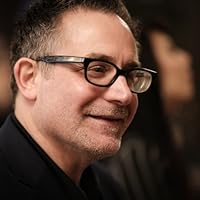
Andre Dubus is celebrated for his ability to depict the subtlest of human emotions in his characters, and when he turns to nonfiction, the resulting insights are no less illuminative. Especially moving are his descriptions of his children, his wrenching account of the 1986 automobile accident that cost him his leg, and of the ensuing struggle for his spiritual and physical survival. Broken Vessels is a book that, in its scope and sympathy, its grace and courage, never fails to startle with the sudden impact of quiet truths, passionately felt and powerfully expressed.
Award-winning author Andre Dubus II (1936–1999) has been hailed as one of the best American short story writers of the twentieth century. Dubus’s collections of short fiction include Separate Flights (1975), Adultery & Other Choices (1977), and Dancing After Hours (1996), which was a National Book Critics Circle Award finalist. Another collection, Finding a Girl in America, features the story “Killings,” which was adapted into the critically acclaimed film In the Bedroom (2001), starring Sissy Spacek, Tom Wilkinson, and Marisa Tomei. His son Andre Dubus III is also a writer.
This book devastated me. I think it's impossible for any two different people to read this in the same way. It's a book of personal essays, and they're personal for the reader, as well. I can't recommend this book enough, but take care that you don't read it if you're in an emotionally weak place, because the way it grabs you personally is by forcing you to face mortality and human frailty and to recall your most traumatic experiences. Or maybe you should read it when you're hurting...if you're the sort of reader who needs to find others to relate to in order to process your pain. And it will certainly make you want to find your loved ones and love on them. I'm telling you.
When we were 20, my best friend Sarah drunk drove her head into a telephone pole. There was all sorts of healing after, but she was never the same person. When I first saw her in the ICU, she wasn't Sarah at all. She wasn't. Of course I believed she would be, again. I fully did, even though her skull had been busted open and her brain gouged. I believed in the made for TV movie versions of comas, and that Sarah would heal, most likely with help from our prayers, and when her body could finally rest and rebuild, she'd open her eyes and be Sarah. But this early coma version of Sarah was not her. It was twisted and in traction and it was bloated and she wasn't her self; she was pieces. She was veins and skin and blood and hair. People came and left, caring for her various pieces and parts--physical therapy for her legs, a surgeon for her nearly severed arteries, and nobody--despite my pleas--to shave the hair growing on her face, which was always perfect when she was Sarah.
Andre Dubus wrote this collection of essays--spanning a time in his life surrounding an accident that took his legs from him, before, during and after. Given the choice, I'd rather lose my legs than my brain function, as I expect most people would. Andre was changed in devastating ways, but he was able to keep his self, however fractured it became. He even became more of himself. The things he held important in the early essays in this book remain important to him and only deepen.
One of my favorite essays in the set is On Charon's Wharf, which he wrote before his accident, but which starts, "Since we are all terminally ill, each breath and step and day one closer to the last, I must consider those sacraments which soothe our passage." Religion, sure, but also eating breakfast with a loved one. Or breathing with them. He seemed to be saying that since we can go at any moment, we must love another. It's all we can do for each other. Oh shit. I'm making him sound saccharine, which he isn't in the slightest. Just read this passage (please):
So what I want and want to give, more than the intimacy of words, is shared ritual, the sacraments. I believe that, without those, all our talking, no matter how enlightened, will finally drain us, divide us into two confused and frustrated people, then destroy us as lovers. We are of the flesh, and we must turn with faith toward that truth. We need the companion on the march, the arms and lips and body against the dark of the night. It is our flesh which lives in time and will die, and it is our love which comforts the flesh. Beneath all the words we must have this daily acknowledgment from the beloved, and we must give it too or pay the lonely price of not living fully in the world: that as lovers we live on Charon's wharf, and he's out there somewhere in that boat of his, and today he may row in to where we sit laughing, and reach out to grasp an ankle, hers or mine.
What's amazing to me is that he figured this out before his trauma. It's like that scene in Our Town where Emily asks the Stage Manager whether anyone realizes how precious life is while they're living it, and he replies, "No. Saints and poets, maybe. They do some." So was Dubus a saint and a poet? No doubt.
And then the essays reach the point in time when he was struck, and unlike Sarah, his brain was fine, but his body was now a broken vessel. I'm going to fail in explaining this section; especially the way in which he moved on after (the "I'm forever a cripple" section,) in perpetual frustration, humiliation and pain from his fancy wheelchair. I thought about Sarah and her accident many times while reading this. I remember going to her therapy sessions and cheering when she could walk, clumsily, with her adult diaper bulging, and being unable to reconcile the idea that this was the same girl. Her eyes weren't even the same.
Sarah's body has long recovered, but her brain never fully did and her self is different, which will really mess with you when you try to believe that your self is more than your brain. It really will. But our selves are definitely more than our body parts; our legs and our spines or our hearts can fail, but Dubus was grateful that his mind remained, however tortured it occasionally was. One more passage so you'll know how I know. He's writing about his daughter, Madeleine, who his wife was pregnant with when his accident happened:
She grew sleepy and I put her in the chair with me and buckled the seat belt around her and took her up the ramp and to the refrigerator for her bottle of orange juice, then to the crib and sang "Smoke Gets in Your Eyes" while hers closed, she stayed on my chest, and I held her, drew from her little body and loving heart peace and hope, and gratitude for being spared death that night on the highway, or a brain so injured it could not know and love Madeleine Elise.
Una mattina presto in Louisiana nel 1963, il 14 luglio, mio padre morì. Mi lasciò delle forchette e dei cucchiai fatti a New Orleans con delle monete d’argento della corte della regina che aveva detto: “Che mangino brioche”; e una spada che un antenato aveva indossato o brandito o mai toccato il giorno della presa della Bastiglia; e un revolver Colt .41 che gli era stato lasciato da mio nonno – suo padre – dopo la morte; e l’orologio che gli sfilai dal polso prima che arrivassero a casa sua, al suo letto, sollevassero il corpo, lo facessero rotolare e lo portassero via. Anni dopo, qualcuno ha rubato la spada da una casa del Massachusetts dove i miei primi quattro figli vivevano con la madre; e in seguito qualcuno ha rubato la Colt da un appartamento del Massachusetts dove vivevo da solo. L’orologio ha cessato di funzionare nel 1980, l’anno in cui anche mia madre se n’è andata. Ora siamo nel 1988 e oggi è il giorno della Presa della Bastiglia. Da quando ero capitano dei marines in licenza per prendermi cura di mio padre morente, ho perso tre mogli da cui ho divorziato, e la vita di tutti i giorni e di tutte le sere con i miei bambini; ho perso la gamba sinistra da sotto il ginocchio e gran parte delle capacità della mia gamba destra. Il corpo di mio padre allora era magro come il mio, nel 1986, dopo che sono stato colpito da un’auto su un’autostrada a nord di Boston, che ha risparmiato la mia vita, il mio cervello e quasi tutto il resto di me. Quando sono tornato a casa dall’ospedale dopo sette settimane e dieci operazioni, mi sono visto in un lungo specchio sopra la cassettiera. Mio figlio, Jeb, mi stava spingendo sulla sedia a rotelle, lungo il corridoio fino alla camera da letto, e gli ho detto: “Sembro mio padre, il giorno prima che morisse”. Oggi un uomo di nome Hope ha telefonato da Chicago per farmi avere del denaro in base alle volontà di un tizio di nome MacArthur. Penso a mio padre mentre abbandona il suo corpo malato e ai contadini che si rivoltano contro un regno che la famiglia di mio padre ha servito, e so quanto siano esigui i miei bisogni: la casa e le donne assunte per tenerla in ordine e aiutarmi. Mio padre cantava “La Marsigliese”. Ora lo vedo assalire con me il cancello, i muri, la prigione e l’armeria della nostra carne, mio padre nella sua ultima e radiosa armonia e io sulla mia sedia, senza una gamba: semplici uomini che corrono verso la grazia.
Le ultime due parti (la raccolta è divisa in cinque sezioni che raccolgono scritti autobiografici di diversa natura) anche cinque stelle: emozionante, commovente, a tratti straziante, ma sempre illuminato da quella grazia (cui Dubus spesso fa riferimento quando racconta della sua vita e della ricerca di un equilibrio esistenziale) che si riflette anche nella sua scrittura e nel suo sguardo.
Dubus came to my college, read from this book, spoke about it for a little bit and then did a meet-and-greet signing with the audience. I don't remember much about the book aside from really enjoying this collection of short stories...and also making a fool out of myself. I stepped up to his table, stammered about how much I loved his work (I barely knew it) and when I finally ran out of words and shut up he just kinda stared at me. After that embarrassing scene I vowed I'd never go all giddy for any sort of celebrity and have kept that promise thus far.
Part of me wants to wrap this book in beautiful paper and leave it at the door of all the people I care about, think highly of, or want to know more. Part of me is scared that if I did that people would read it, see all of it and react with anything less than amazement. I'm trying to find words (honest, moving, painful) but they all seem ridiculously trite. I keep thinking, "naked". If I actually had the guts to share this book with someone, hand it from my hand to theirs and say the truth, "I loved this book", it would feel like standing naked in front of them and saying, "what do you think" and then cringing while waiting for a response. The essay "Broken Vessels" alone is worth the book. Maybe even one paragraph in that one essay. And the essay "Marketing" validated my love of short stories. One of his essay's ends with the line, "All I ask is a smile" and I had to laugh, because that is exactly what I was doing. I was siting in the Powell's cafe with this big goofy grin on my face after having giggled with recognition and appreciation throughout the majority of the essay. I went back to the beginning,and read the essays from start to cover after being stopped short in the middle of one I had skipped to near the end. Of all the essay's there were only 3 that I didn't completely LOVE!
23 luglio 1986: il vaso, per Andre Dubus si rompe. Il suo mondo si ferma. La sua vita si stravolge. A un passo dalla morte, viene restituito alla vita e la sua, per certi versi, diventa una vita monca, in bilico su un moncone. Le sue gambe diventano quattro ruote, quelle della sedia a rotelle e da uomo di sana e robusta costituzione diventa uno storpio. "Vivere da paralitico ti permette di vedere con più chiarezza i cuori paralitici di alcune persone i cui corpi sono integri e sani. Tutti noi, di volta in volta, soffriamo di questa paralisi. Alcuni ne soffrono ogni giorno e ogni notte". "Perché c'è qualcosa di universale in una persona ferita": quel sangue, reale o metaforico, che sgorga da una persona ferita (corporalmente o spiritualmente) ne amplifica l'umanità. A un senso fisico, la cui potenza è indebolita, gli altri sensi si sviluppano e sovrapotenziano. Quel vaso rotto dell'uomo Andre Dubus, diventa un cembalo che squilla, che fa eco a tutti quegli uomini e quelle donne che hanno perso parte di sé.
"Il vasaio fa un vaso e si rompe. Quindi lo distrugge e crea un nuovo vaso. Non puoi creare un nuovo vaso da un vaso rotto. È tempo di trovare il tuo vero io."
Dubus fa delle sue ferite le finestre da cui guardare ogni uomo in tutte le sue fragilità e le sue debolezze; finestre da cui guardare l'America che nega i diritti civili, quando non difende i più deboli.
La vita ha per ciascuno di noi degli strani percorsi. Un incidente può stravolgerci la vita e poi non siamo più gli stessi, diventiamo naufraghi alla ricerca del nostro vero io. Perché quando qualcosa ci è tolta, quando qualcuno ci manca, quando un lutto ci strappa una parte di cuore, il pensiero sta sempre lì, al vuoto che resta, a ciò che non c'è. E allora occorre ricostruire, ripartire, ricominciare, prestando attenzione alle parole. Perché ci sono parole che possono distruggere e parole che possono edificare.
"Con le parole creiamo spiriti che escono dalle nostre bocche, come geni delle lampade, e si sollevano sul tavolo fra di noi e temiamo di guardarli ferirsi a vicenda."
Dubus ci invita ad avere cura delle parole che si dicono. Che le relazioni vanno al di là delle parole. Che l'amore non è solo nelle parole che due innamorati si scambiano. L'amore è nei riti che i due mettono in atto. L'amore è in ciò che si costruisce. L'amore è nell'indicibile, là dove i due "io" diventano tempio sacro del "noi".
È sempre un grande piacere leggere i racconti di Andre Dubus, anche quando affronta aspetti lontani dal mio sentire perché lo fa con una umanità non comune. I racconti autobiografici compresi in questa raccolta coprono un arco temporale compreso tra la fine degli anni '70 e la fine degli anni '80 e sono riconoscibili molti tratti e caratteri che ho apprezzato in molti altri suoi racconti. Dubus parla del suo lavoro di scrittore, della sua vita privata come amante, marito e padre, e dell'incidente che lo ha menomato cambiandogli la vita: "ricordo i fari, ma non ricordo l'auto che travolse me e Luis Santiago, e non ricordo i suoni emessi dai nostri corpi.", la lenta ricostruzione di sé: "non puoi creare un nuovo vaso da un vaso rotto. [...] È tempo di trovare il tuo vero io." Andre Dubus ha scritto solo racconti, una merce che fino a poco tempo fa non aveva molti estimatori, e ha faticato molto per vederli pubblicati, "a noi scrittori di racconti vengono risparmiate alcune fra le principali tentazioni: con le nostre storie non procuriamo soldi né a noi stessi né a chiunque altro, e dunque le persone che amano grazie agli scrittori ci lasciano in pace. Nessuno ci offre grossi anticipi per racconti che non abbiamo scritto. Non ho mai invidiato gli scrittori che guadagnano un sacco di soldi, perché la combinazione causale di denaro e scrittura mi spaventa." Ricordi di infanzia e del passato in cui indossava la divisa militare, amore, relazioni difficili, religiosità, senso della giustizia e partecipazione affettiva, amore per la scrittura, sono i temi che percorrono i tanti racconti di Dubus e anche questi racconti autobiografici tra i quali è difficile individuare il "migliore". Senza dubbio il racconto da cui prende il titolo il libro è il più sofferto.
There aren't many essay collections on my bookshelf, since so few of them merit re-reading. This volume is an exception. Almost everything in it is gold, right from Tobias Wolff's introduction. Classic essays here on short story writing, on Dubus's friend Richard Yates, and the pitfalls of publishing in Penthouse and The New Yorker. (The former demands fewer commas.) He is one of the few American writers that makes baseball interesting for a Brit.
False notes are few. However, one essay jars. After describing having to queue for food parcels from the state, he describes - at wearying length - buying a heap of expensive hunting junk, immediately after telling us that hunting barely puts any food on the table. Come again?
The last essay, the "title essay", is absolutely amazing and had me near tears at one point. I admire his brutal honesty and self-reflection and lack of self-pity.
There are only a handful of people on this earth who I can connect with as well as Dubus connected with me. His ability to extract significance from the ordinary is hopeful and empowering as we struggle to make significant our own ordinary situations. Dubus has put words to a level of depth that this life holds which I have suspected existed for years.
"So many of us fail: we divorce our wives and husbands, we leave the roofs of our lovers, go once again into the lonely march, mustering our courage with work, friends, half pleasures which are not whole because they are not shared. Yet still I believe in love's possibility, in its presence on the earth; as I believe I can approach the altar on any morning of any day which may be the last and receive the touch that does not, for me, say: There is no death; but does say: In this instant I recognize, with you, that you must die. And I believe I can do this in an ordinary kitchen with an ordinary woman and five eggs. The woman sets the table She watches me beat the eggs. I scramble them in a saucepan, as my now-dead friend taught me; they stand deeper and cook softer, he said. I take our plates, spoon eggs on them, we sit and eat. She and I and the kitchen have become extraordinary; we are not simply eating; we are pausing in the march to perform an act together, we are in love; and the meal offered and received is a sacrament which says: I know you will die; I am sharing food with you; it is all I can do, and it is everything."
It took me a little while to warm to this little book of short stories and essays by Dubus. You need to read it in an unhurried, contemplative frame of mind, and savour the unique expression of this quiet voice of introspection and contemplative calm. Once you find this place, though, in yourself and your day, this little book is a thing of beauty and inspiration, a pleasure which steals upon you in your chair, and moves you, in the end, to tears with the love and honesty, sensitivity and unique perspective of a man who, in seeming to write about his fairly unremarkable days, conveys a universal truth about the human spirit, its limitations and weakness and frustrations, finally resting in the beauty of acceptance. Here's an example from his last piece, which constitutes part five of the book, timed a couple of years after his car accident and subsequent confinement to a wheelchair. "So my crippling is a daily and living sculpture of certain truths: we receive and we lose, and we must try to achieve gratitude, and with that gratitude to embrace with whole hearts whatever of life that remains after the losses.."
To tell you the truth, I don't know why I liked it so goddamn much. It struck a nerve, a chord, all that jazz.
It felt, above all else, human, and unknowing--which is hard to capture in the personal essay. Too often, we get pompous narrators that analyze everything with too much certainty. This was different.
To say I loved this book is so far from adequate. I have been moved by everything dubus has written and this was no exception. It broke me open, as all good nooks, essays, stories should. It will be a while before I can reread this, but that to me is also a sign of a powerful book.
This book is a little bit boring and in places almost too heteronormative to stand, but it made me feel so deeply the preciousness of life that I read it in two days and wept a lot.
In the winter of 1987 a series of public readings by authors were given to raise money for Andre Dubus after he was badly injured in a roadside accident. The authors included Kurt Vonnegut, Stephen King, Ann Beattie, John Updike, Richard Yates, Tim O'Brien and John Irving. Such a group demonstrates the amount of respect fellow writers held for Dubus. Perhaps because he was primarily a short story writer his fame never achieved the level of his better known friends.
Broken Vessels is a collection of essays, some of which focus on the aftermath of the accident and Dubus's struggle with the realization that he would never walk again. I found these essays painfully insightful, but not as gripping or even spiritual as the ones in the book on his childhood in Louisiana and baseball. It seems that just as Dubus was readjusting himself to life in a wheelchair, so Broken Vessels is somewhat a recalibration of his life as a writer.
Dubus has the preternatural ability to take mundane, quotidian experiences and turn them into sacramental monuments. He teaches us that one has the ability to witness the grace imbuing everyday moments if only one has the patience and awareness to seek them out. Perhaps the best example of his particular ability to discern is “On Charon’s Wharf,” my favorite essay from this collection. It’s a spectacular meditation on love, mortality, the sacrament of touch, and the holy communions we perform every day. He reminds me that no moment or act is too small to be consecrated. “One eats in holiness and the table becomes an altar.”
I came for the sheep, and the difficulty of herding. Then kept reading. Rapt and with a strange distance and ill-ease sometimes, but always rapt. This voice seems one from another time, but that time is not that long ago. When men were men and Playboy published short stories. (Does it still?) I kept reading, in awe.
I wanted to love this. Smart people, people whose opinion I respect, did. It just didn't grab me. Some nice sentences, yes, but I wasn't drawn to keep reading. Reviewers suggested that the title essay, the last essay in the book, was heartrending ... but I just didn't get it. I'm feeling ashamed, maybe even "chastened."
Powerful essays of love, joy, loss, and faith. Andre Dubus was a powerful writer who could make the mundane sublime and spoke with great wisdom from his rich life experience. He was a man of faith with serious flaws but his writings can teach us all about how to make any life experience profound.
Dubus is an amazing writer through and through. This essay collection rises to the level of his short stories. It is a must-read for all aspiring writers young or old, and gives a fresh take on what disability means beyond the person who is disabled.
Some of the essays aren't terrible especially about his accident. but his musings on like... Joe Dimaggio and the female orgasm seems to be trying too hard to channel earnest hemmingway or something. I'm a little biased because I don't particularly like the world view and attitudes of him... or hemmingway.
I love Andre Dubus’ short stories and didn’t know quite what to expect from his essay collection, Broken Vessels. I wasn’t disappointed.
Broken Vessels is a series of 22 personal essays written between 1977-1990. Dubus is a gifted writer with an astounding ability to turn even the most mundane event to an almost spiritual affair by leading the reader gently and unassumingly along. One minute we follow his thoughts as he cooks and eats breakfast with his wife; the next minute he has transported us to a completely different realm in which this simple occasion is transformed into a communion of souls with each soul acknowledging and sharing in the other’s mortality. The reader almost does a double take, wondering how on earth he got us here.
Dubus’ topics are wide-ranging: his boyhood in Louisiana; the poetry of baseball; the challenges of making a living by writing; the car accident that cost him his leg; his painful path in learning to navigate his disability; the fragility of limb and life; the breakup of his third marriage; and, most of all, his aching love for his two youngest daughters.
In the hands of a less gifted writer, the topics could easily deteriorate into syrupy, sentimental stuff. But Dubus is never guilty of being maudlin. He writes with elegance, sensitivity, and unflinching honesty. The truths he expresses are all the more profound because they sneak up on you quietly and unexpectedly and yet they shimmer with the passion and grace that characterize his writing. Highly recommended.
"Dubus writes with searing candor, grace and tenderness in these autobiographical essays." -Publishers Weekly
"Despite his occasional sermonettes, however, Dubus remains one of America's best and most prolific short-story writers, and Broken Vessels contains as much good work as anything ever written.
Dubus, like the characters in his best stories, doesn't seek to prevail in the material world, but only in the abstract regions of his own heart. It's this sense of spiritual integrity which gives Dubus's work its power and conviction, as well as its refusal to be always specific. In his finest work, however (such as this book's opening essay, 'Cut Like A Lamb', or his brilliant novella about male rage and female incomprehension, 'The Pretty Girl', included in his Selected Stories) it's the hard, mundane reality of middle America which Dubus has always been most successful at reporting. He is, along with Raymond Carver, one of the few important American writers who knows what life is like outside the middle-class suburbs and universities. -Scott Bradfield, The Independent